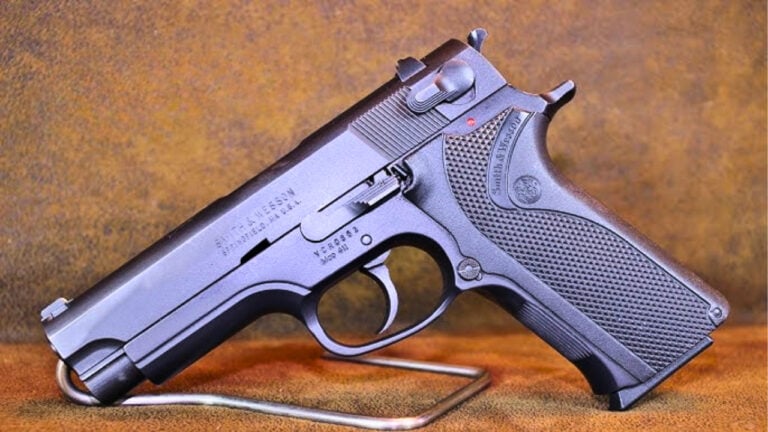
Photo credit: Buffalo's Outdoors/Youtube
I had a little “for-sale pile” going in the safe after a winter of ammo receipts and gear purchases. You know how it goes: thin out what you “don’t use,” free up cash for the next thing, feel responsible for about 20 minutes. Then you actually handle the guns again. Not scroll photos, not remember how they felt—really pick them up, run the controls, and think about what they do well. That is when the selling mood starts to fade.
Here are 20 pistols I nearly let walk, and then stopped myself after one more honest look. Some are old standbys, some are oddballs, and a few are the kind you only appreciate after you’ve owned “better” guns that weren’t better for you.
1. Glock 19 (Gen 3/Gen 4)
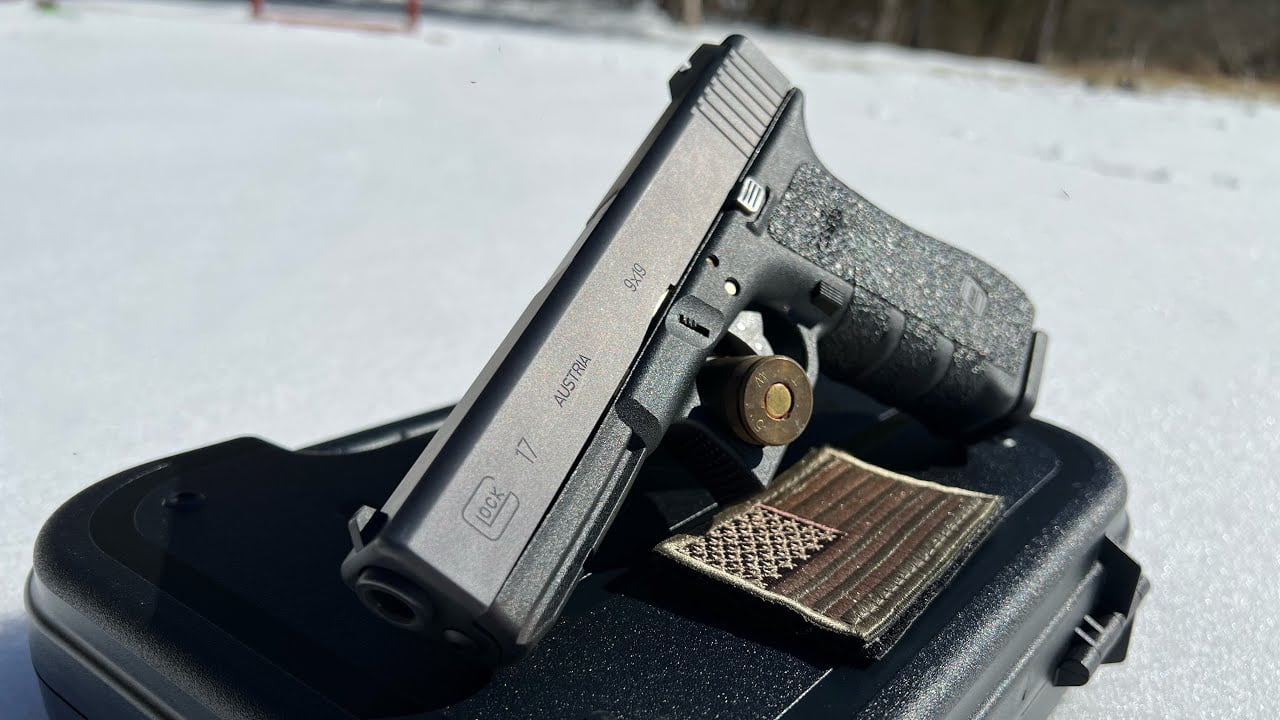
I get bored with a Glock 19 about once a year. It is not romantic. It is not special. It is also the pistol that tends to just keep doing the job when other stuff turns into a “project.” The first time I set mine on the sell side of the bench, I picked it up and immediately remembered how it points for me—flat, predictable, no drama.
What stopped the sale was the boring stuff: mags everywhere, holsters everywhere, parts everywhere, and it runs on the kind of 9mm you can find even when shelves look rough. It is also the gun I can hand to a competent buddy at camp and not give a long explanation. If you only keep one do-it-all 9mm, this one stays.
2. Smith & Wesson M&P Shield (1.0)
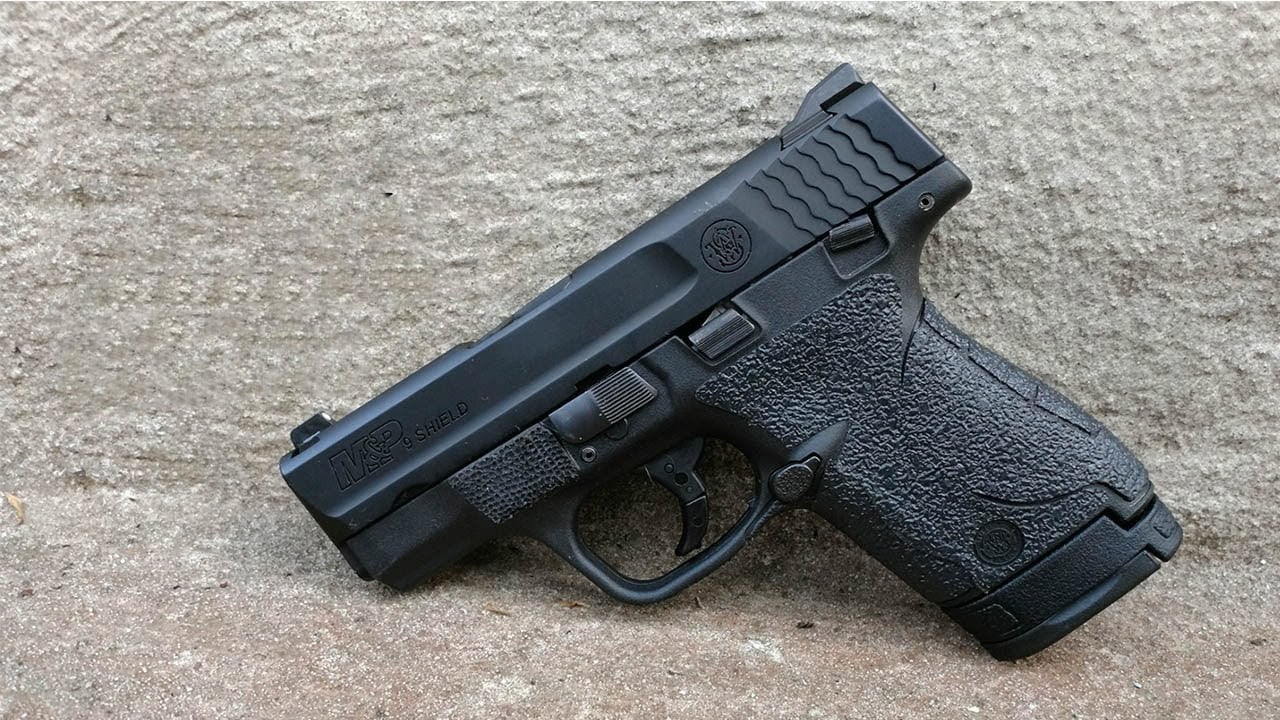
The original Shield is easy to undervalue now that micro-compacts are everywhere. It is thinner than a double stack, shoots like a “real gun,” and carries like a pocketknife. Mine has ridden through sweaty summers, dusty range days, and enough seatbelt time to polish the edges.
The trigger is not going to win awards, and the capacity is dated. Still, it is one of the few small pistols that I can shoot well at speed without feeling like I’m balancing on a bar of soap. Magazines are cheap and common, and the thing just keeps working. When I picked it up to list it, I realized I trust it more than most of the newer, smaller stuff.
3. Ruger SP101 (2.25-inch)
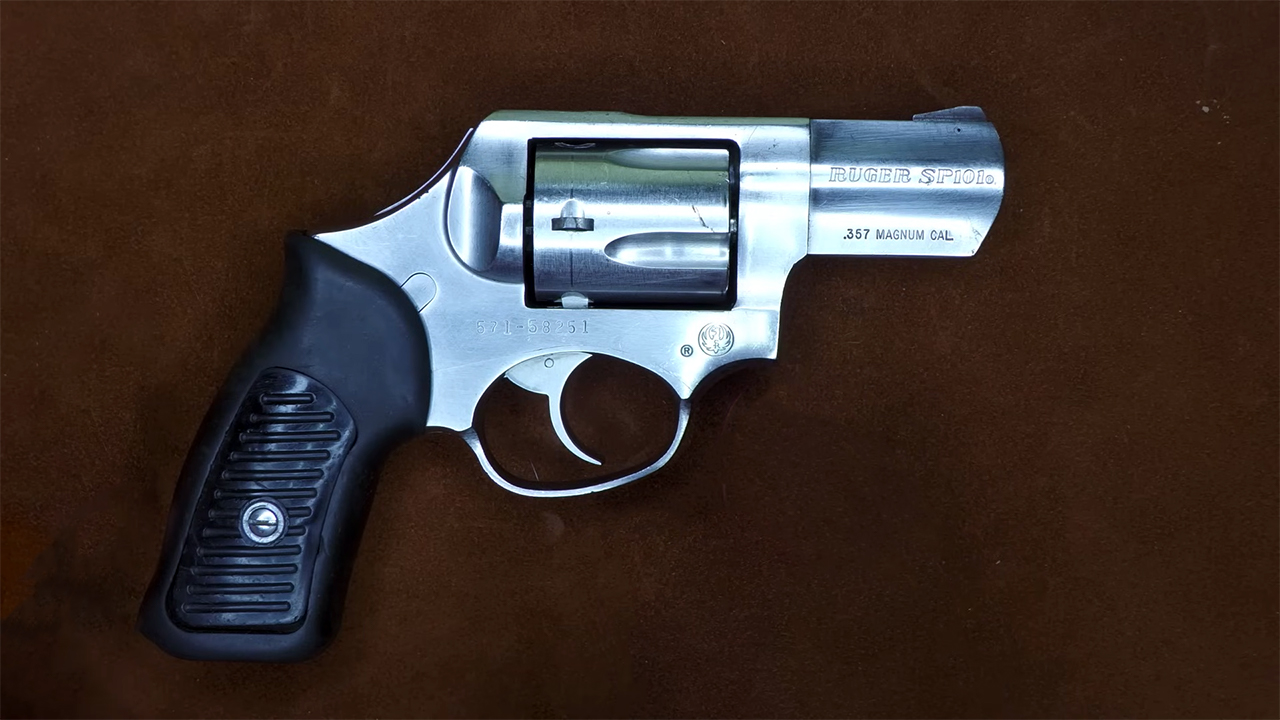
Every time I think I’m “done with revolvers,” I grab the SP101 and change my mind. It is not light, and that is the point. In .357 it soaks recoil better than most snubs, and in .38 it is downright friendly. The cylinder locks up like a bank vault, and the gun feels like it was built for a life bouncing in a truck console.
I almost sold it because it does not conceal as easy as the internet claims. But as a woods sidearm, it makes a lot of sense. It rides well in a belt holster, handles hardcast .357 if you want it, and it is simple to verify loaded or empty. When I’m checking fence or messing with trail cameras, this is the kind of pistol I don’t worry about babying.
4. SIG Sauer P365 (standard)

The P365 is one of those pistols that made me rethink what “small carry gun” could be. I had a brief moment where I convinced myself I didn’t need another 9mm, and I could cash out while the market stayed hot. Then I shot it again and remembered why it earned its spot.
It is small enough to actually carry all day, yet big enough to grip like you mean it. The sights are usable, the recoil is manageable, and it feeds a wide range of ammo without being picky. The real kicker is practicality: magazines and holsters are everywhere now, and the platform has proven itself. I don’t treat mine like a collector piece. It is a daily tool, and selling a tool that works is usually a mistake.
5. CZ 75B

If you’ve never run a CZ 75B hard, it is easy to look at it and think “heavy, old-school, why bother.” Then you rack the slide and feel that smooth, on-rails motion. Mine almost got sold because it sits in the safe more than it should. But when I pulled it out, it felt like shaking hands with an old friend that never let you down.
It shoots flatter than a lot of polymer guns, and the weight makes long range sessions less fatiguing. Accuracy is usually better than the guy behind it. It is also a pistol that can serve as home defense without being finicky. Replacement mags aren’t unicorns, parts support is decent, and it has a way of making you look like a better shooter than you are. That is not nothing.
6. Beretta 92FS

The 92FS is big, and if your hands don’t like the grip, you’ll never love it. I was ready to move mine because it feels like too much gun for modern carry. But for a house pistol or a range pistol, it is hard to beat the way a good Beretta cycles and tracks.
Where it saved itself was reliability and shootability. The open-top slide design runs dirty, and the recoil impulse is soft for a 9mm. Mine has been fed cheap ball, decent defensive loads, and whatever was left in ammo cans. It just keeps chugging. Also, there is something to be said for a pistol that new shooters can enjoy without getting beat up, while still being serious enough for real use.
7. Browning Hi-Power (Mk III style)
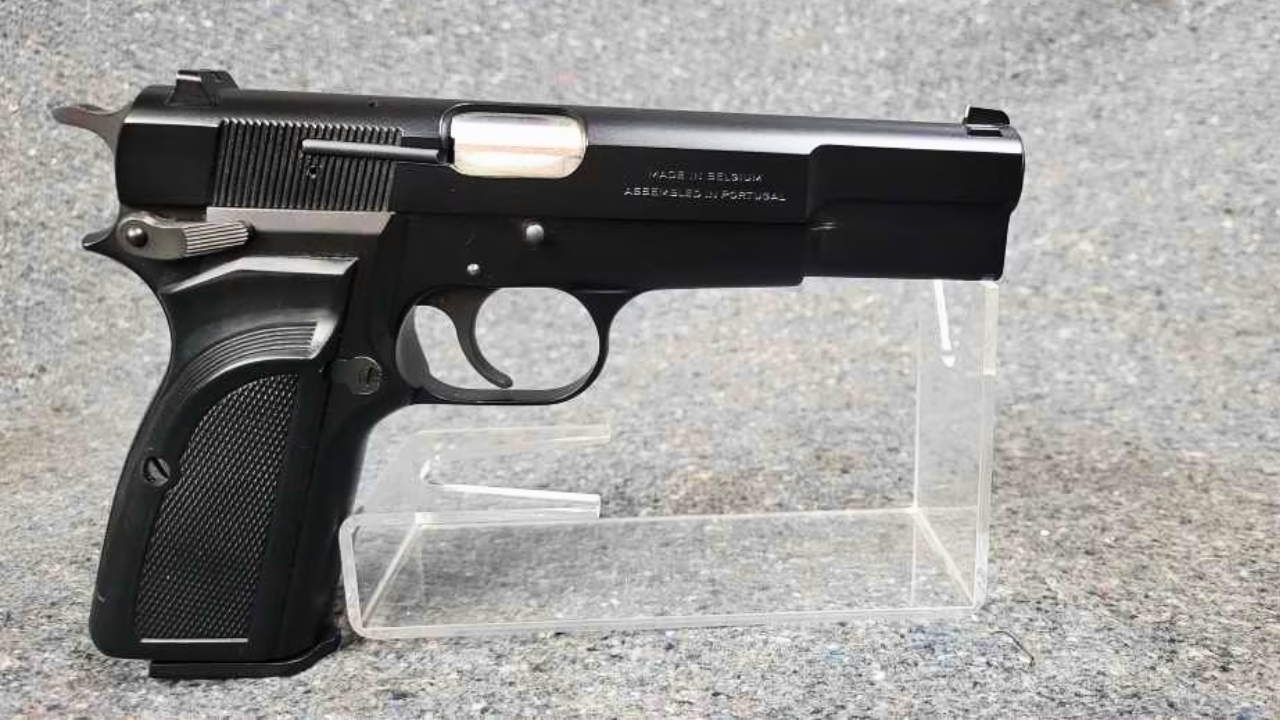
This one hurts to even admit I considered selling. The Hi-Power is not the most practical 9mm in 2026 terms, and it is not the easiest to modernize without turning it into something else. But it carries surprisingly well for its size, and it has that balance that newer pistols often miss.
What stopped me was the reality that good examples don’t get easier to find, and the ones you already trust are worth hanging onto. The trigger can be improved, but even stock it’s usable. It points naturally, it has history, and it still shoots like a serious handgun. If you’re a hunter who appreciates classic gear that still works, this pistol checks a lot of boxes.
8. Colt Government Model 1911 (Series 70 style)
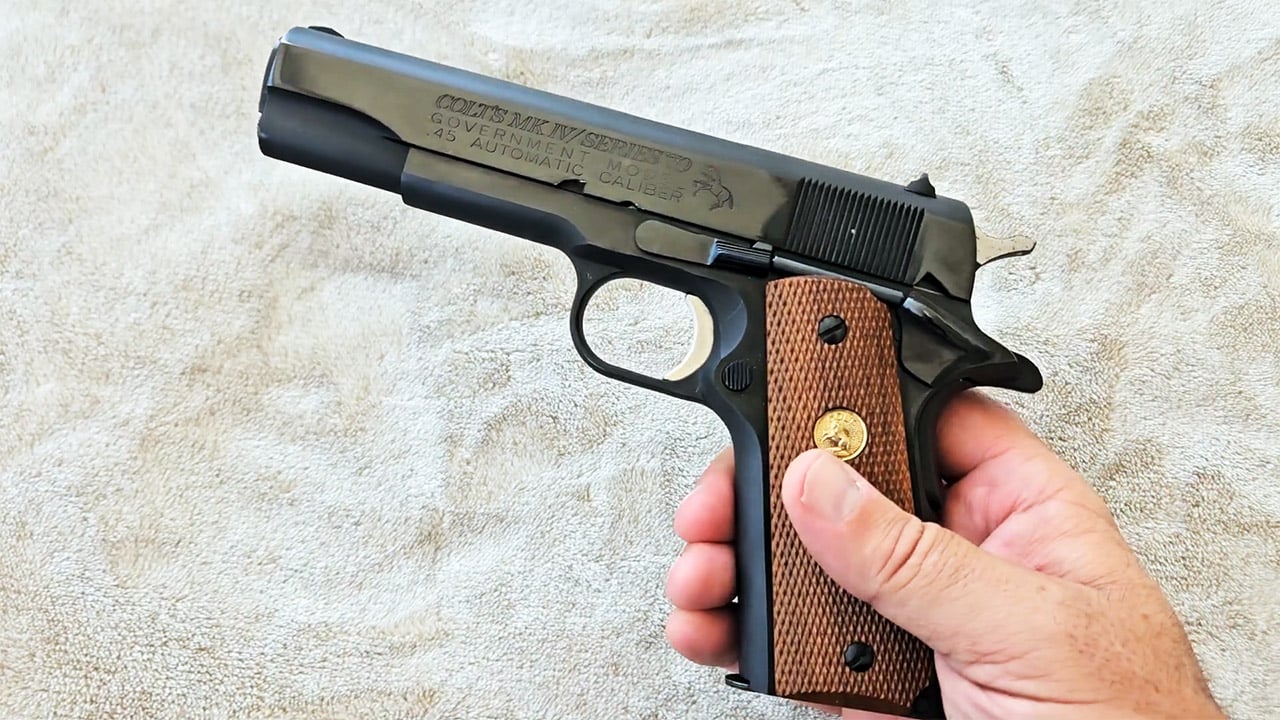
I have owned fancier pistols than a plain Colt Government Model. None of them made me want to spend an afternoon at the range quite like it does. When I put it in the “maybe sell” category, it was purely because .45 ACP adds up fast and I thought I was being smart.
Then I ran a couple magazines through it and remembered the 1911 thing: the way the trigger breaks, the way the gun settles back on target, the way it makes you slow down and shoot with intention. It is not the best choice for everyone, and it demands decent mags and a little attention. Still, it is one of those pistols that reminds you why you got into guns in the first place.
9. Ruger Mark IV (Target)

A .22 pistol is easy to dismiss until you’re trying to keep skills sharp without burning through your 9mm stash. My Mark IV almost got sold because it’s “just a rimfire.” Then I remembered how many afternoons it has saved when I needed to practice fundamentals or bring a new shooter along without making it a stressful event.
The Mark IV’s real value is that it gets used. It is accurate enough to embarrass you, and it will show you exactly what your trigger press is doing. The easy takedown alone makes it worth keeping compared to older designs that make you fight them. On a farm or around a property, a reliable .22 pistol is handy in ways that don’t show up on paper. It is a tool, not a trophy.
10. Smith & Wesson Model 10 (4-inch)
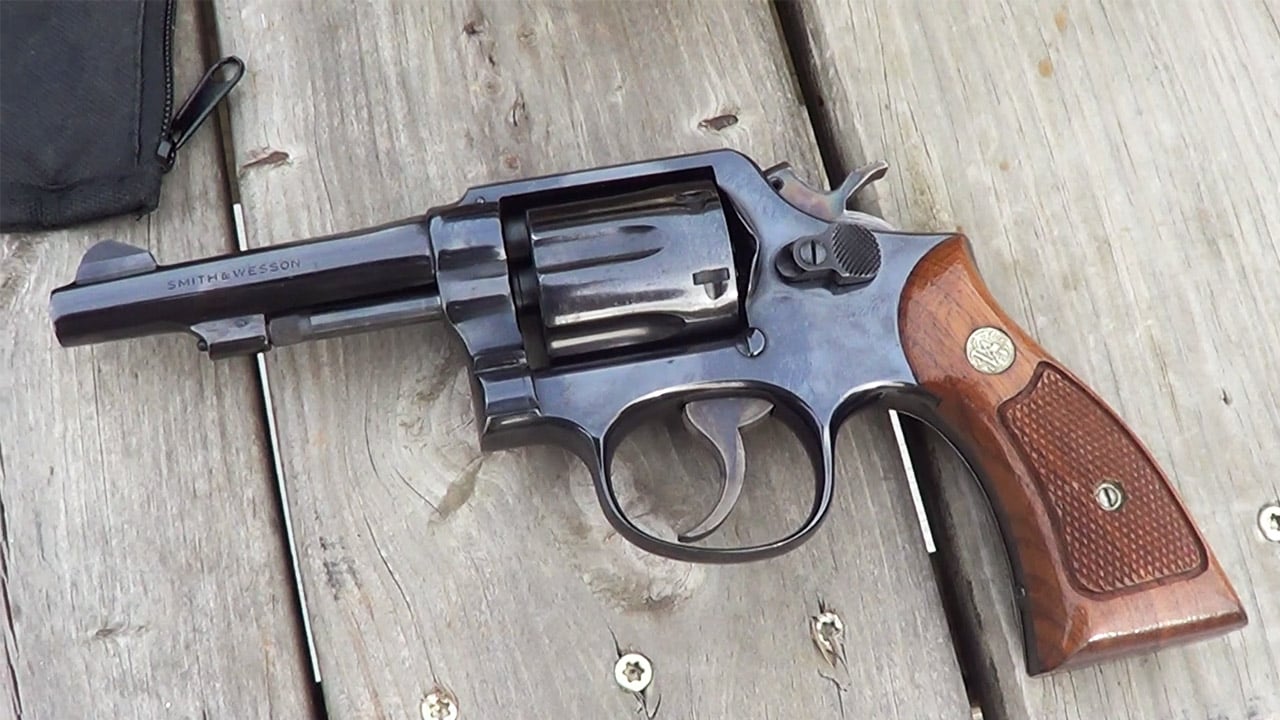
The Model 10 is about as plain as a revolver gets, and that’s exactly why I almost sold it. No rails, no red dots, no hype. Then I handled it again and remembered how well a good K-frame points, and how nice it is to shoot .38 Special in something that was built for it.
It is also a revolver that teaches you something every time you shoot it. If you get lazy, it shows. If you do your part, it stacks rounds where you want them. For someone who keeps a “grab it and go check the barn” pistol, a Model 10 makes sense. It is dependable, easy to verify, and not fussy about being stored for long stretches. Old does not mean obsolete.
11. Glock 43X

The 43X sits in a weird spot: bigger than a pocket gun, smaller than a duty gun. I was ready to let it go because I already had other 9mms and didn’t want duplicates. The problem is the 43X carries so comfortably that it becomes the default choice when you’re running errands or driving a lot.
It is thin, it conceals easily, and it shoots more like a mid-size gun than it has any right to. The grip length is what makes it work, especially if you have medium-to-large hands. I also like how straightforward it is to maintain and how predictable it behaves with different ammo. There are newer, higher-capacity options, sure. But the 43X is the kind of pistol that ends up on your belt when you’re not trying to impress anybody.
12. Walther PDP Compact

My PDP Compact almost got tossed on the sell pile because it feels a little “extra” for a working gun. The slide serrations are aggressive, the grip texture is serious, and it looks like it wants to be a range toy. Then I shot it side-by-side with a few striker guns and watched the groups tighten without me working as hard.
The trigger is a big part of that, and the ergonomics fit a lot of hands. It is also a pistol that’s easy to run under stress: controls are positive, the sights track well, and it doesn’t beat you up. If you’re the guy who wants one pistol that can do home defense, range time, and maybe even a class, this is a solid answer. Selling it would have been me overthinking things.
13. Springfield Armory XD-M Elite 9mm
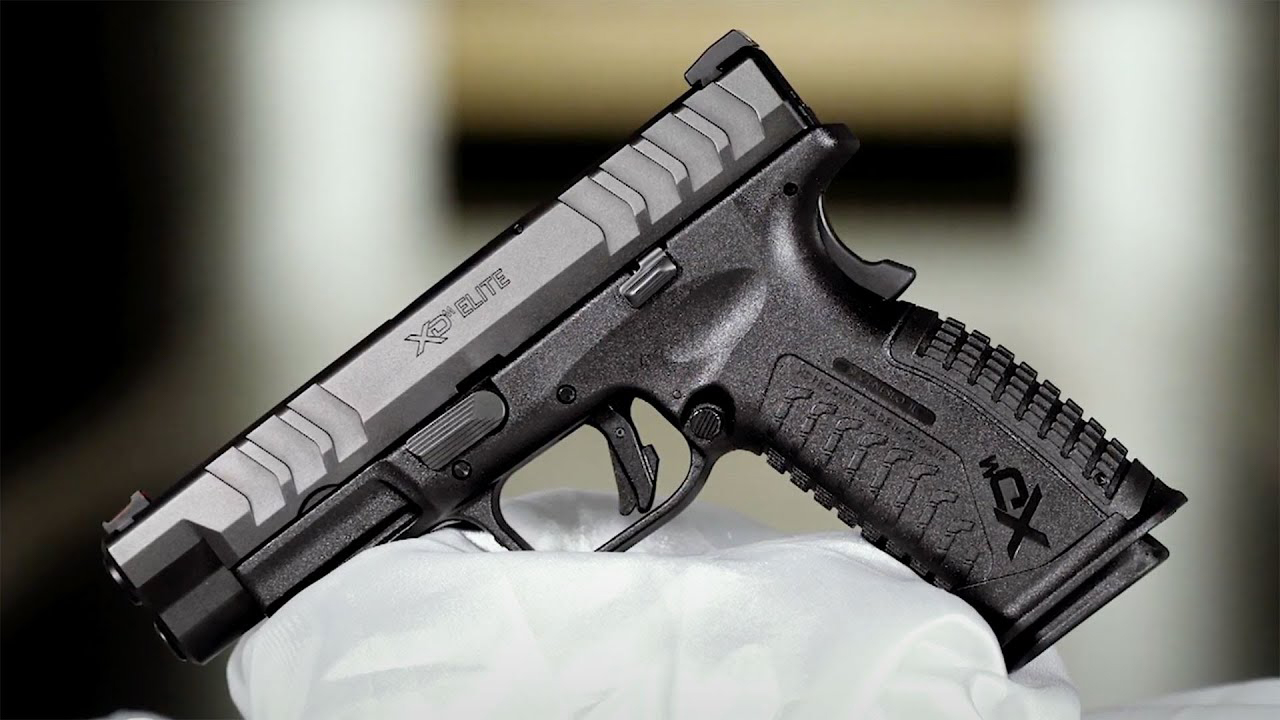
The XD line gets its share of eye rolls, and I understand why. They aren’t trendy, and they don’t have the cool-factor of some other brands. Mine was sitting there looking like an easy one to move. Then I remembered that it has been boringly reliable, and it shoots better than the jokes suggest.
The Elite version has a decent trigger, good capacity, and it handles fast shooting well. For a nightstand gun or a range gun, it is hard to argue with something that just runs. Holster support exists, mags are available, and maintenance isn’t complicated. I’m not saying it’s for everybody, but it fills a real role. Sometimes a pistol earns its keep by never becoming a problem.
14. Heckler & Koch VP9
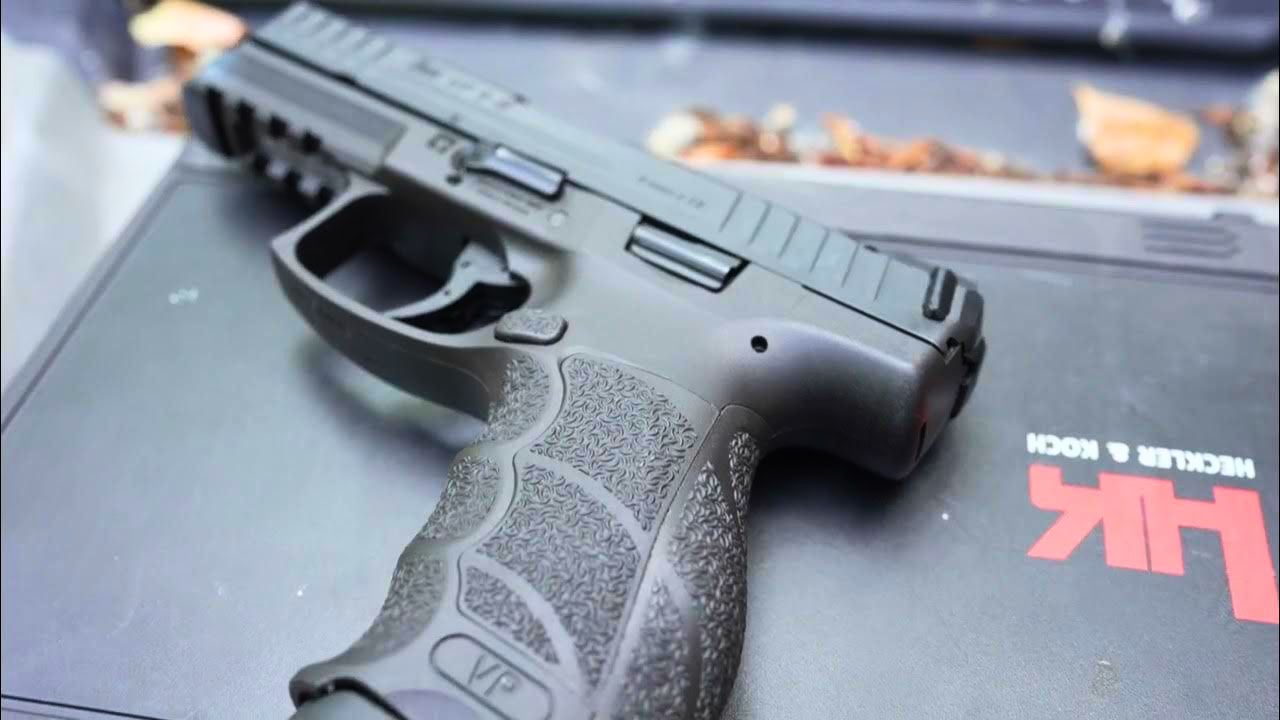
I’ve tried to talk myself out of the VP9 more than once because it sits at that price point where you start asking, “What am I really getting?” Then you grip it. HK nailed the ergonomics, and the gun tends to fit hands that fight other striker pistols.
Mine has been exceptionally consistent. It feeds, it ejects, it locks back, and it doesn’t do weird stuff when it gets dry or dirty. The paddle-style mag release on some versions is a love-it-or-hate-it deal, but it’s fast once you commit to it. The VP9 is also a pistol that makes long practice sessions easier because it doesn’t punish you. I’ve sold guns because they were redundant; I kept this one because it’s the one I shoot best on an average day.
15. Ruger LCR .38 Special
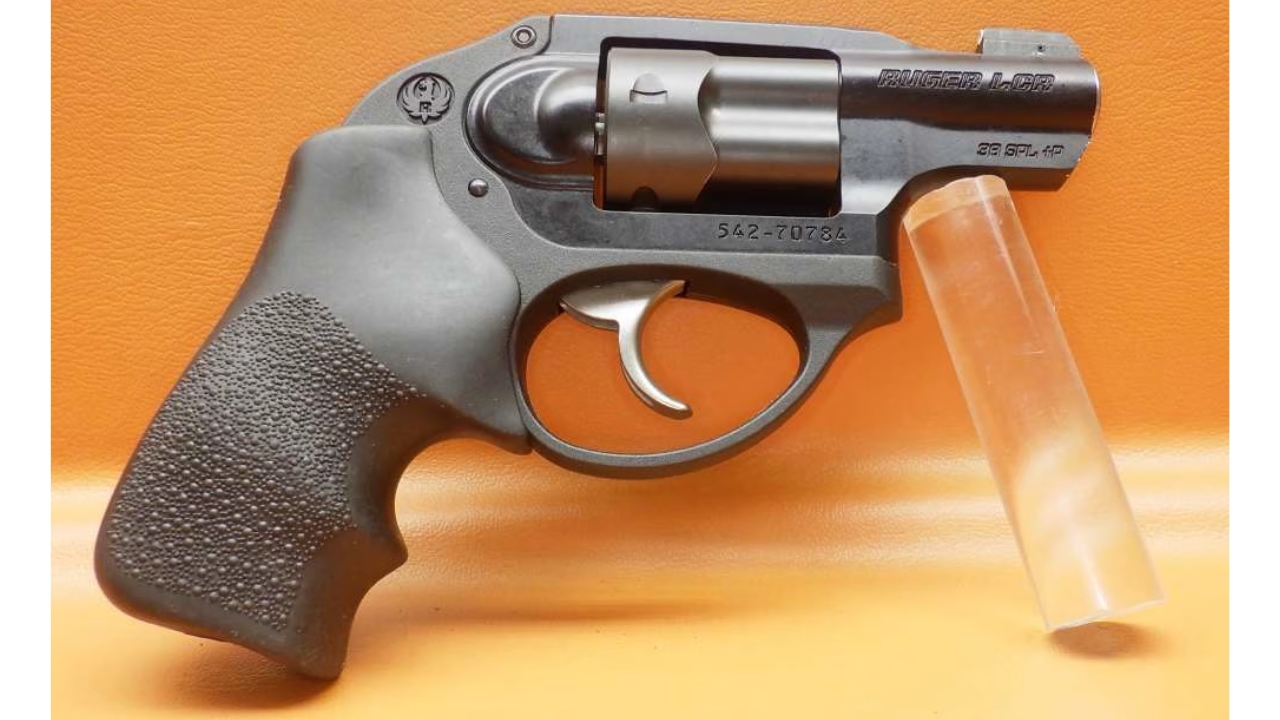
Snub-nose revolvers are easy to romanticize and hard to master. The LCR is the opposite: not much romance, but it carries like a dream. Mine nearly got sold because I decided I was “done” with five-shot revolvers. Then I remembered the days when a pocketable, grab-and-go option is exactly what makes you actually carry.
The trigger on the LCR is smoother than it has any right to be for what it costs, and the gun is light enough that you’ll notice it’s there only when you need it. Recoil with +P is not gentle, and practice matters. Still, for deep concealment or as a simple backup, the LCR is hard to beat. It is also a good reminder that convenience is part of preparedness.
16. SIG Sauer P220

The P220 is a “grown-up” .45. It is not small, not cheap, and not something you buy because you want the latest trend. I was ready to move mine because I don’t shoot .45 as much anymore. Then I cycled the action and remembered how solid the gun feels—like it was designed to last through a lifetime of use.
It is accurate, it shoots softly for a .45, and it has that classic SIG feel in double-action/single-action that some folks never grow out of. For a nightstand pistol, it inspires confidence. For a range pistol, it’s a joy when you do your part. Mags aren’t as cheap as polymer 9mm mags, but they’re available. If you like .45 at all, the P220 is one of the better ways to do it.
17. FN Five-seveN

This is the most “why do I even own this?” pistol on my near-sell list. The ammo cost can sting, and the whole package feels like a specialty tool. I almost sold it because it seemed like an easy way to fund something more practical. Then I shot it again and remembered the other side of the coin: it is ridiculously easy to shoot well.
Recoil is light, the gun is accurate, and it holds plenty of rounds. It is also a pistol that turns range days into training days because you can focus on speed, sight tracking, and trigger control without getting beat up. I’m not telling anyone it should be their first or only handgun. But as a unique, high-performance pistol that actually does what it’s supposed to do, it earned a reprieve.
18. Desert Eagle Mark XIX (.44 Magnum)
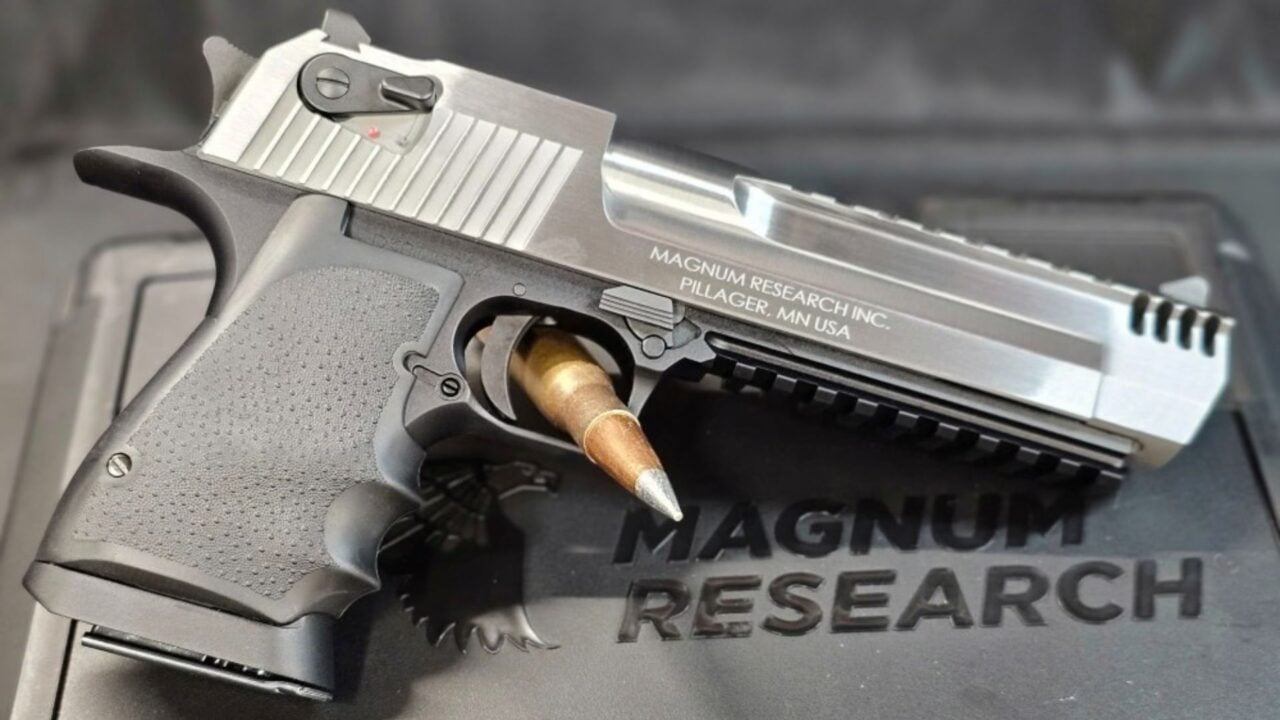
The Desert Eagle is the definition of unnecessary. It is heavy, loud, and about as practical as hauling a cast-iron skillet in your backpack. Mine ended up on the for-sale side because it felt like a safe queen. Then I remembered that sometimes a gun is allowed to be fun, and sometimes “fun” is the reason it stays.
It is also not just a novelty if you treat it right. When it’s running well and you feed it what it likes, it is surprisingly accurate. The weight tames the .44 Magnum better than you’d expect, and it’s a conversation starter without trying. No, it isn’t a carry gun, and it isn’t a woods gun for most folks. But it’s the one pistol I own that turns any range trip into an event, and that counts for something.
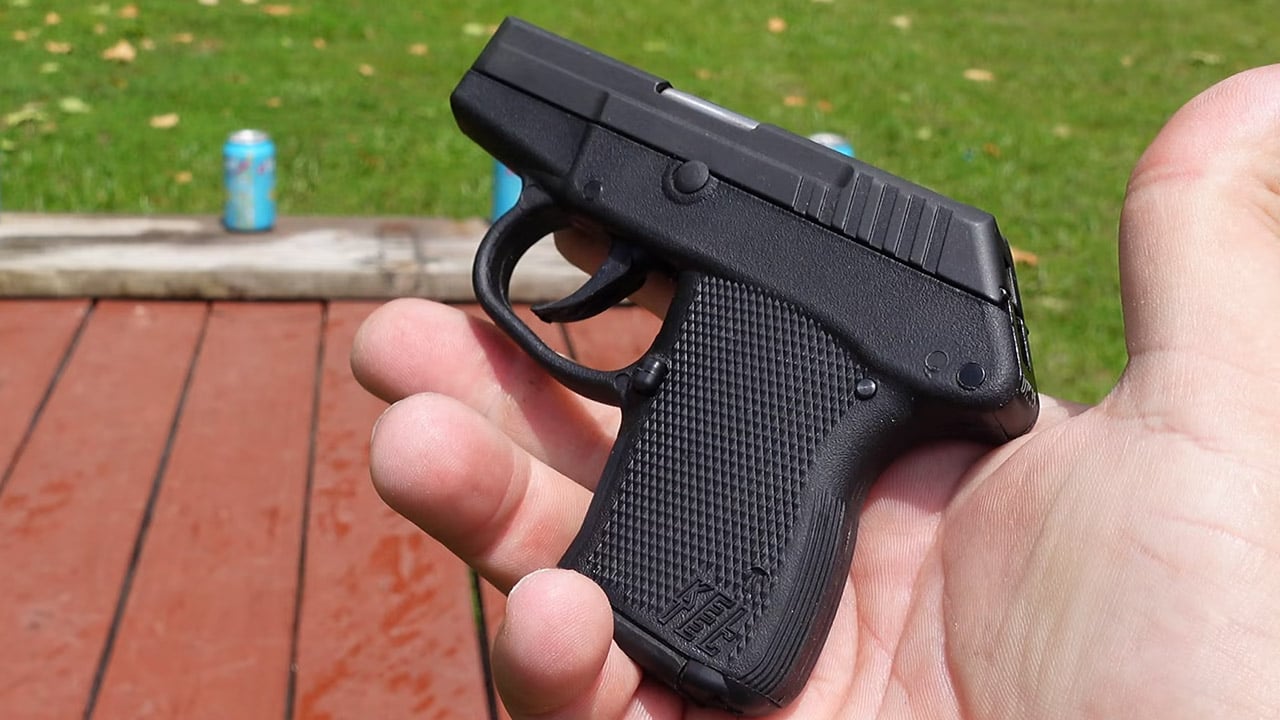
19. Kel-Tec P-32

The P-32 is one of those pistols you almost feel guilty owning because it is so small and so light. It is not a range blaster. It is not a bragging gun. It is a “put it in your pocket when you otherwise wouldn’t carry” gun. Mine was about to get sold because I figured micro 9mms made it pointless now.
Then I carried it around the house for an afternoon and remembered the truth: weight matters. The P-32 disappears. Recoil is mild, follow-up shots are quick, and it’s less snappy than tiny .380s. You do need to verify reliability with your ammo and mags, because tiny pistols can be sensitive. Still, for those times when you want a true pocket option without feeling like you’re stuffing a brick in your pants, it’s hard to replace.
20. Ruger Security-9
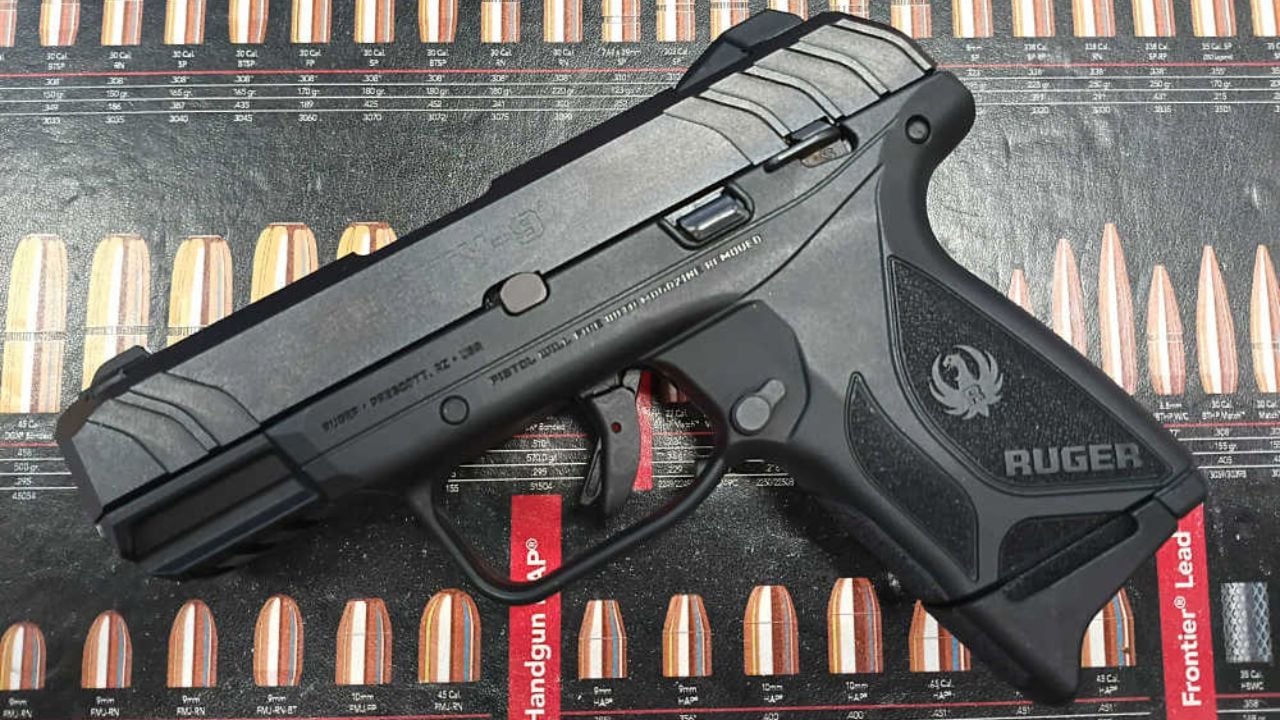
The Security-9 is not a gun-counter status symbol. That’s why it almost got cut. It’s affordable, a little plain, and it doesn’t have the marketing buzz of some competitors. But when I picked mine up, I remembered why I bought it in the first place: it’s a straightforward, usable 9mm that does the basics right.
It carries better than you’d think for its size, the trigger is serviceable, and it has been dependable with the normal practice ammo most of us actually buy. For a glovebox-safe plan (stored legally and securely, not tossed loose), a spare-house pistol, or a loaner for a trusted family member on range day, it makes sense. The magazines are available, the gun is easy to maintain, and it doesn’t demand a bunch of upgrades. There is nothing fancy about it, and that is kind of the point.
I’m not telling anyone to hoard pistols you never shoot. Safes get crowded, budgets are real, and sometimes selling is the right move. But before you slap a tag on something, handle it like you mean it. Think about mags, holsters, parts, and whether it fills a role when the new-gun excitement wears off. I’ve sold guns I didn’t miss at all. The ones above? I’m glad I took one more look.
Like The Avid Outdoorsman’s content? Subscribe to our newsletter so you never miss an article.
Here’s more from us: