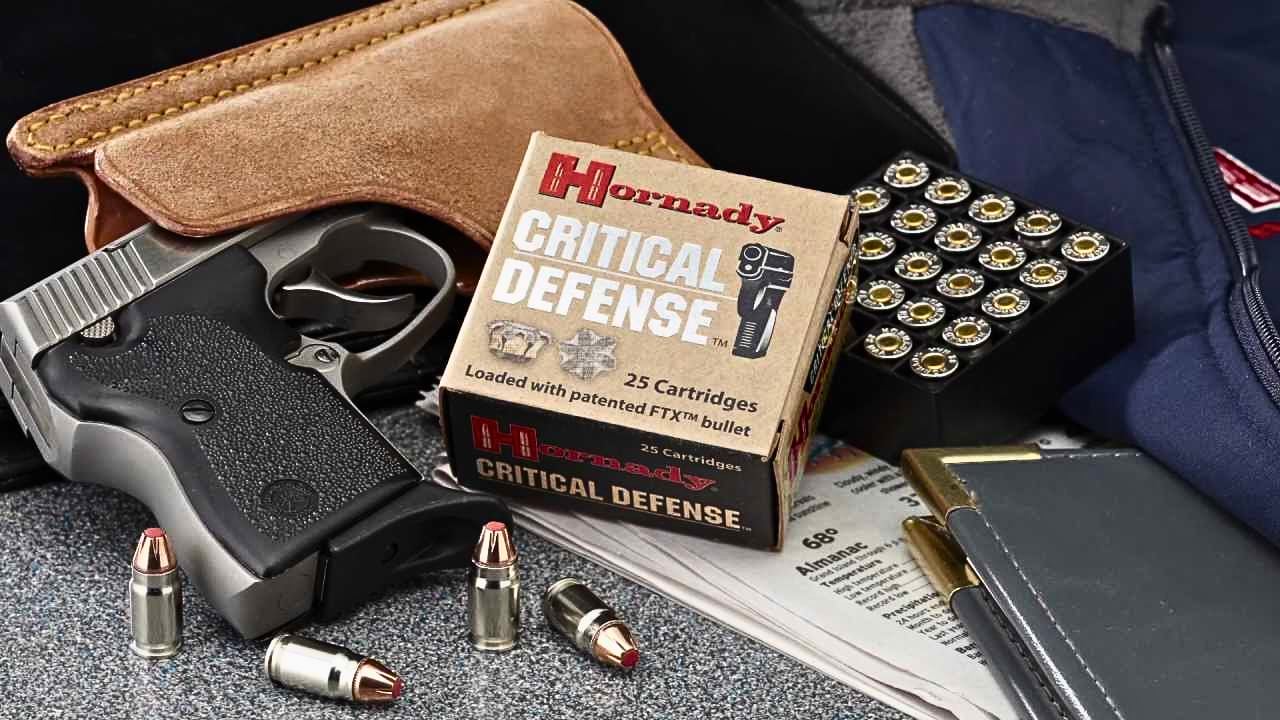
Photo credit: Hornady Manufacturing/YouTube
Some handgun cartridges arrive with a lot of promises. More power, more capacity, flatter trajectory, better barrier performance, or a perfect balance between two established rounds can all sound compelling when the cartridge is new. The problem is that the real world is ruthless about exposing small advantages that do not justify higher cost, greater recoil, or weaker ammunition availability.
Several of these calibers are still useful, and a few are genuinely good. The issue is that they never became what their supporters expected. Some lost law-enforcement backing, others were buried by 9mm improvements, and a few simply asked shooters to adopt another ammunition standard without offering enough in return. These 20 all arrived with a stronger sales pitch than their long-term market position ultimately supported.
.357 SIG

The .357 SIG arrived with a clear goal: give semiautomatic pistols something close to .357 Magnum defensive performance. It delivered impressive velocity and earned adoption by several law-enforcement agencies, which gave it serious credibility early on.
The long-term problem was cost and recoil. Ammunition was more expensive than 9mm, magazine capacity was lower, and muzzle blast was substantial. Modern 9mm defensive loads also improved enough that the practical gap shrank considerably. Agencies eventually moved away from .357 SIG in large numbers, and the civilian market followed. It still performs well, but it never became the dominant duty cartridge many thought it might.
.40 S&W

Few pistol cartridges rose faster than .40 S&W. It became the dominant American law-enforcement caliber for years because it offered more bullet weight than 9mm without requiring the larger pistols associated with 10mm Auto.
Then the market reversed course. Better 9mm hollow points, higher capacity, lower recoil, and reduced wear on pistols made many agencies reconsider whether .40 was worth the tradeoffs. The cartridge did not suddenly stop working. It simply lost the reason for being the default. Today, .40 S&W is still common enough to survive comfortably, but it fell much farther from its peak than most shooters expected.
.45 GAP
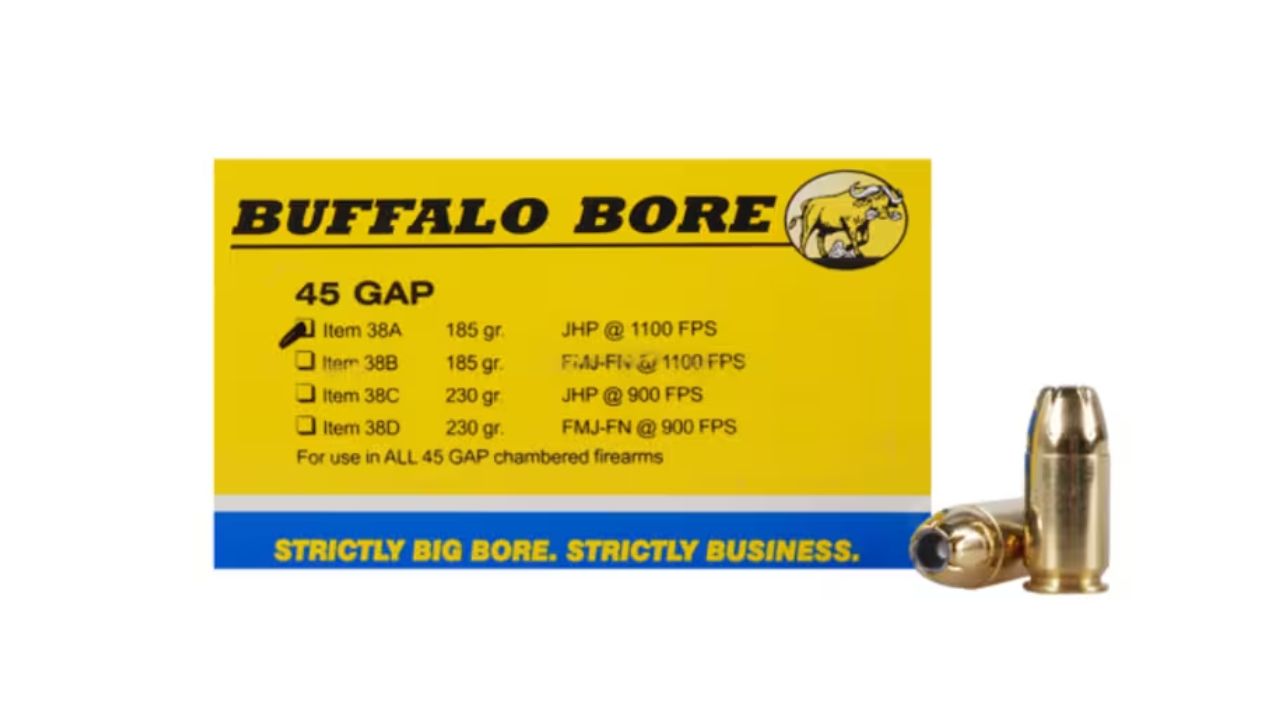
The .45 GAP was supposed to give shooters .45 ACP-level performance in a shorter cartridge that fit better into compact grips. That sounded especially attractive when large-frame .45 pistols could be uncomfortable for smaller hands.
The idea was overtaken quickly. Manufacturers improved grip design, 9mm continued gaining ground, and .45 ACP never lost enough popularity to justify replacing it. .45 GAP pistols and ammunition became increasingly scarce, leaving owners tied to a shrinking ecosystem. It worked as advertised, but the market never needed it badly enough to support another .45-caliber service round.
.30 Super Carry

The .30 Super Carry promised increased magazine capacity with defensive performance closer to 9mm than traditional .32-caliber rounds. On paper, it was one of the more thoughtful new cartridge ideas in years.
The problem was timing and necessity. Modern micro-compact 9mms already offered remarkable capacity, and shooters were reluctant to give up ammunition availability for only a small increase in rounds. The cartridge also entered a market dominated by 9mm to an almost absurd degree. It is still technically impressive, but it has not created the widespread demand many expected when it launched.
.327 Federal Magnum

The .327 Federal Magnum offered a compelling revolver argument: more capacity than .357 Magnum in the same cylinder diameter, strong velocity, and access to several milder .32-family cartridges.
Its problem has always been market size. Revolver shooters tend to be conservative about calibers, and .38 Special plus .357 Magnum already cover nearly every practical role. Ammunition cost and availability have also limited adoption. The .327 is arguably one of the best cartridges on this list, but it never became the mainstream small-revolver alternative some enthusiasts predicted.
5.7x28mm
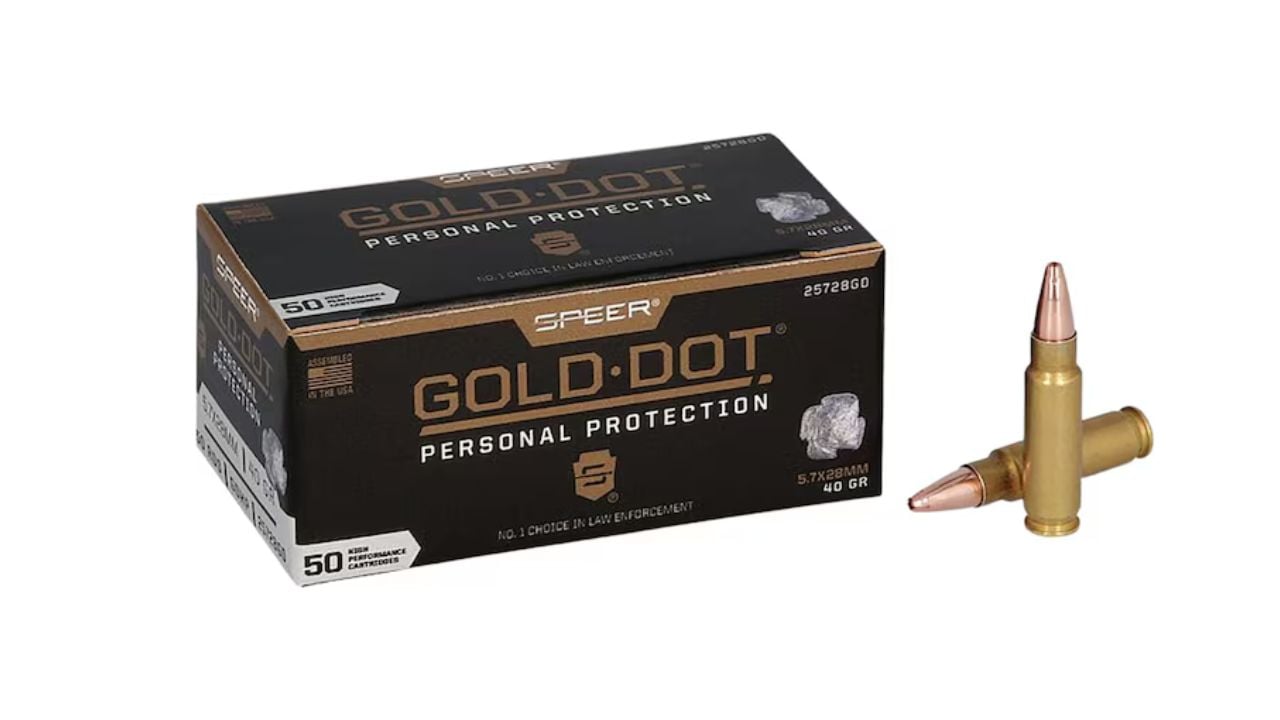
The 5.7x28mm brought extremely low recoil, high capacity, and flat trajectory into lightweight pistols. The cartridge also carried military and personal-defense-weapon associations that generated enormous attention.
Civilian handgun performance has been more complicated. Ammunition is relatively expensive, terminal performance depends heavily on load selection, and many shooters discover that 9mm still offers better availability and broader defensive options. The 5.7 has grown significantly, but the mythology around it sometimes outruns what the cartridge actually does from a handgun. It is useful, just not magical.
.22 TCM
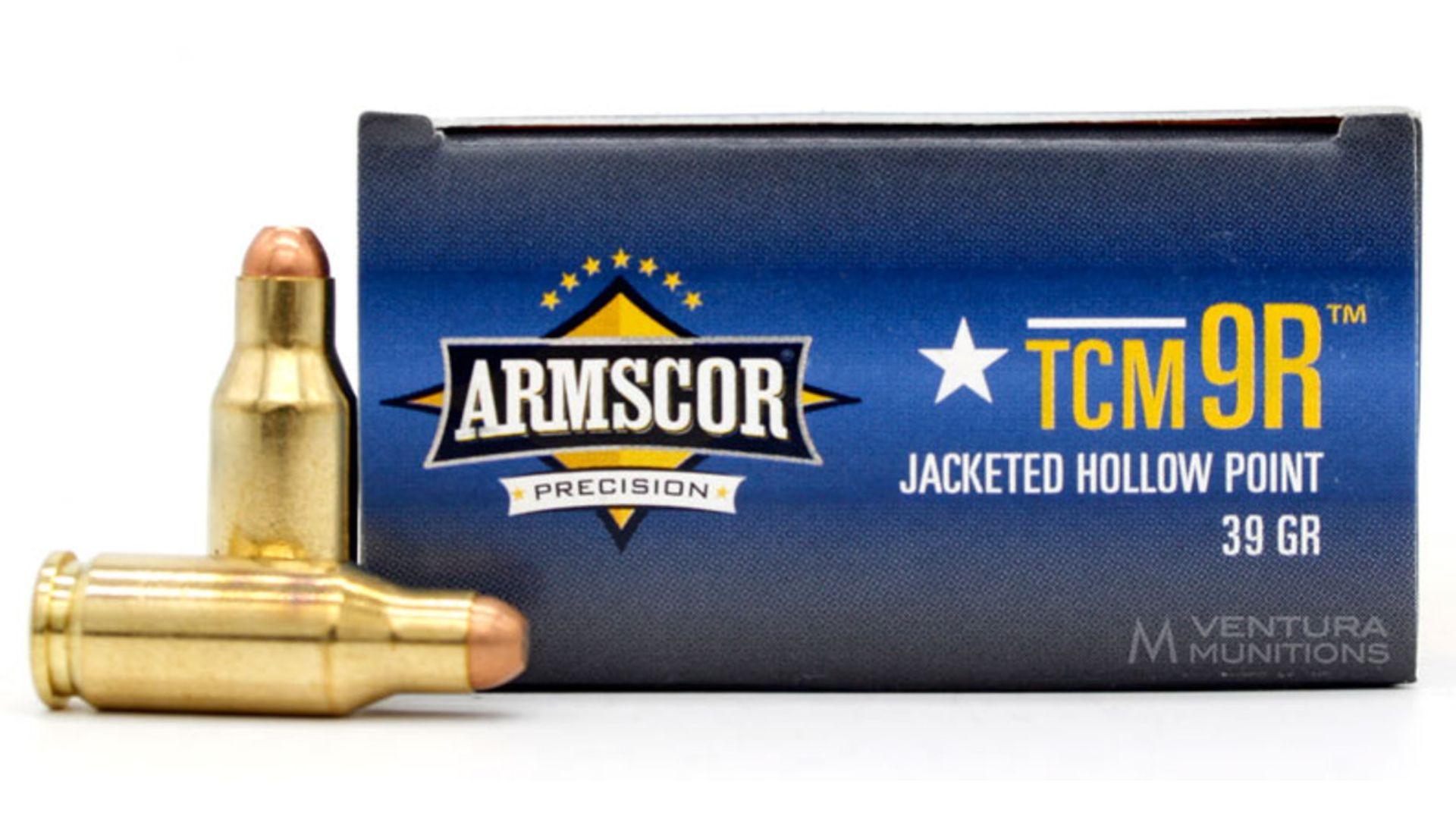
The .22 TCM promised extremely high velocity, dramatic muzzle flash, and rifle-like speed from a handgun cartridge based around a shortened case.
The round is undeniably entertaining and can deliver impressive energy for its bullet size. The issue is practical purpose. Ammunition availability is limited, pistol choices remain relatively narrow, and the cartridge does not replace established defensive or hunting calibers particularly cleanly. Much of its appeal comes from novelty and velocity rather than a broad real-world advantage.
.400 Cor-Bon
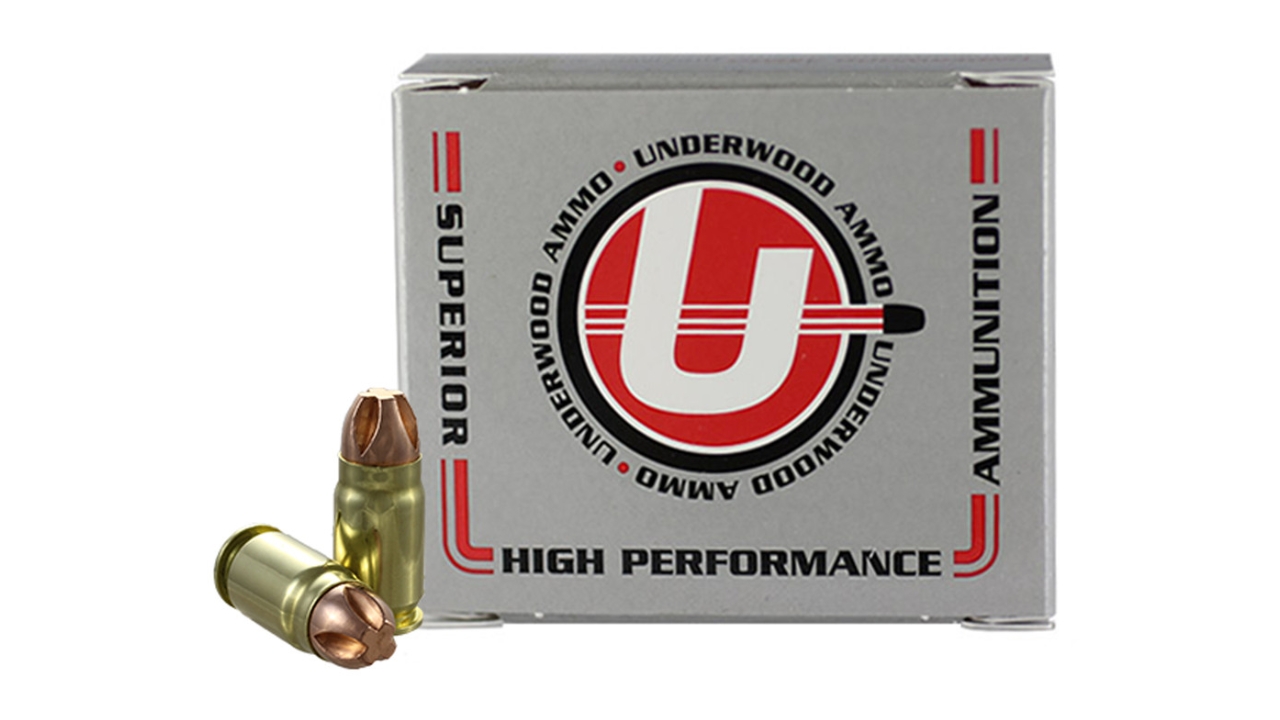
The .400 Cor-Bon was designed to give .45 ACP pistols higher velocity by necking the case down to .40 caliber. That made caliber conversions relatively straightforward and produced impressive numbers.
Unfortunately, the cartridge arrived in a market already crowded with .40 S&W, 10mm Auto, and later .357 SIG. It did not offer enough unique advantage to convince shooters to support another bottleneck handgun round. Ammunition remained niche, and the cartridge never built momentum beyond enthusiasts and handloaders. It was clever but badly outnumbered.
.41 Action Express
The .41 AE offered a way to increase bullet diameter and power in pistols originally designed around 9mm-sized frames. The rebated rim also made conversions relatively easy.
Then .40 S&W arrived and crushed its opportunity. The .40 had stronger manufacturer support, law-enforcement adoption, and a much larger ammunition ecosystem. The .41 AE faded almost immediately by comparison. It did not fail because it was poorly designed. It failed because another cartridge solved nearly the same problem with much stronger backing.
Free for gun owners: If something happened to you tomorrow, would your family know where the guns are, who has the safe combination, or what to do first? Our free Gun Owner’s Family Checklist walks them through it. It takes about 15 minutes to fill out. Get your free copy here.
.356 TSW

The .356 TSW was developed around competition and high-performance 9mm-class ballistics. It could drive bullets at impressive velocity while fitting into practical semiautomatic platforms.
Its usefulness outside specialized competition was limited. Rule changes reduced the niche it had been designed around, and mainstream shooters already had 9mm, .357 SIG, and other options. Without a broad defensive or hunting role, the cartridge never had enough reason to survive. It became another technically capable round stranded by a narrow purpose.
.45 Super

The .45 Super promised significantly more power than .45 ACP while using pistols that could often be converted with stronger springs and proper components.
That flexibility also became the problem. The shooter had to understand which pistols could safely handle it, which springs were appropriate, and what ammunition could be used. Meanwhile, 10mm Auto already offered high performance from pistols designed around greater pressure. The .45 Super remains useful to enthusiasts, but it never became the mainstream step-up cartridge supporters hoped for.
.460 Rowland

The .460 Rowland took the .45 ACP platform even further, pushing performance toward magnum-revolver territory. It can deliver serious power and has legitimate hunting and woods-defense applications.
The conversion requirements make it harder to love. Compensators, springs, specialized barrels, and careful setup all add complexity. For many shooters, buying a 10mm or a magnum revolver is simply easier. The .460 Rowland works, but it never turned into the broad semiautomatic hunting solution some advocates imagined.
.45 Winchester Magnum
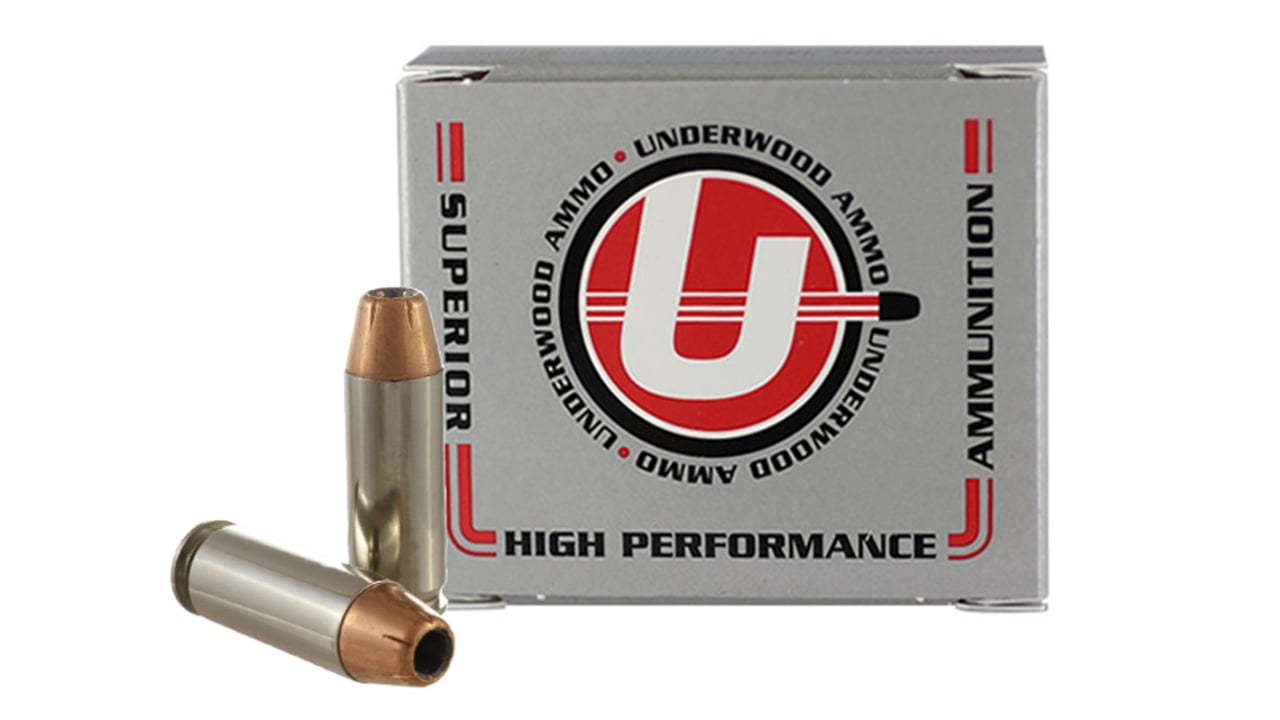
The .45 Winchester Magnum offered serious hunting-level power from large semiautomatic pistols. It had enough energy to appeal to handgun hunters and big-bore enthusiasts.
The pistols were enormous, ammunition was expensive, and revolvers already dominated the same hunting niche. Guns like the Wildey and LAR Grizzly were fascinating, but they were never likely to become mainstream sidearms. The cartridge achieved power but not practicality, and the market eventually treated it accordingly.
.50 GI
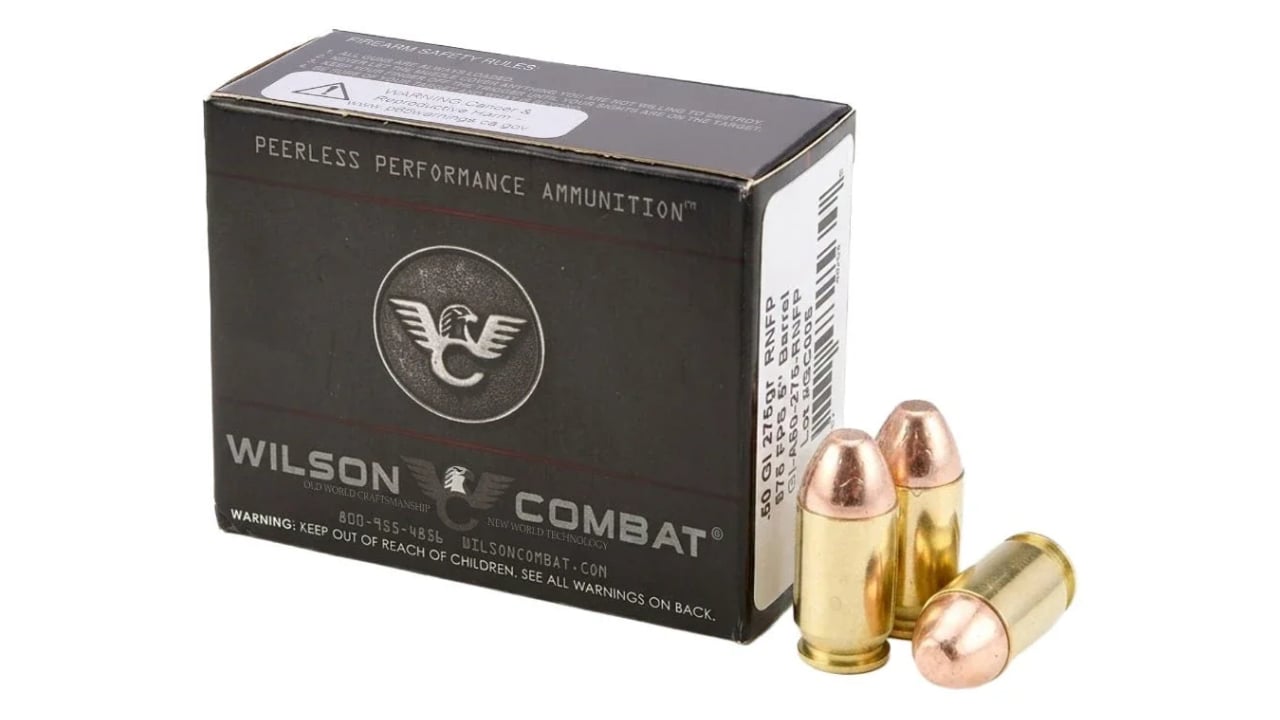
The .50 GI was designed around delivering a true half-inch bullet from a semiautomatic pistol without the extreme velocity of .50 AE.
That sounds impressive until you compare what it costs and what roles it fills. .45 ACP is cheaper and far more available, while 10mm offers stronger velocity and broader platform support. The .50 GI mostly appeals to shooters who specifically want a very large bullet. That is enough to keep it alive, but nowhere near enough to make it a major cartridge.
.440 Cor-Bon
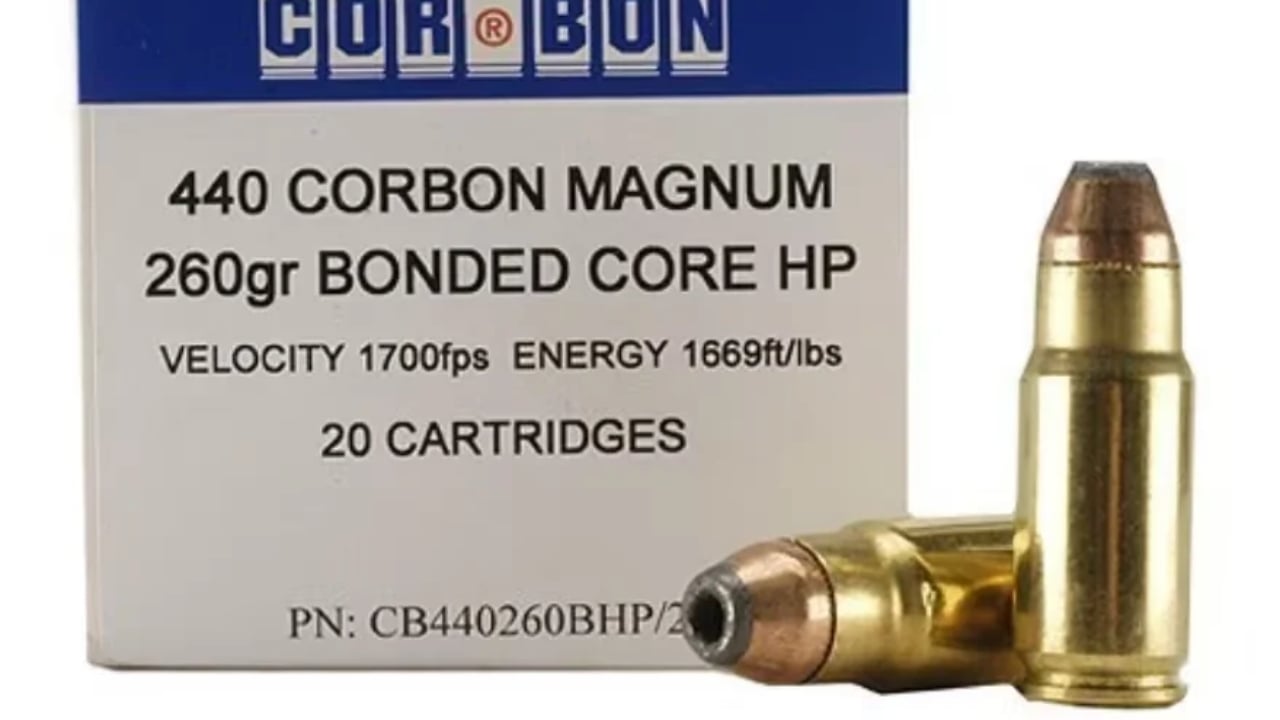
The .440 Cor-Bon necked the .50 AE case down to .44 caliber to produce higher velocity and flatter trajectory from large semiautomatic pistols.
The concept was interesting but highly specialized. Anyone already willing to carry a Desert Eagle-sized handgun had access to .50 AE, while revolver shooters had established .44 Magnum and other hunting cartridges. The .440 added complexity without creating a large enough practical advantage. It disappeared almost as quickly as it arrived.
.475 Wildey Magnum
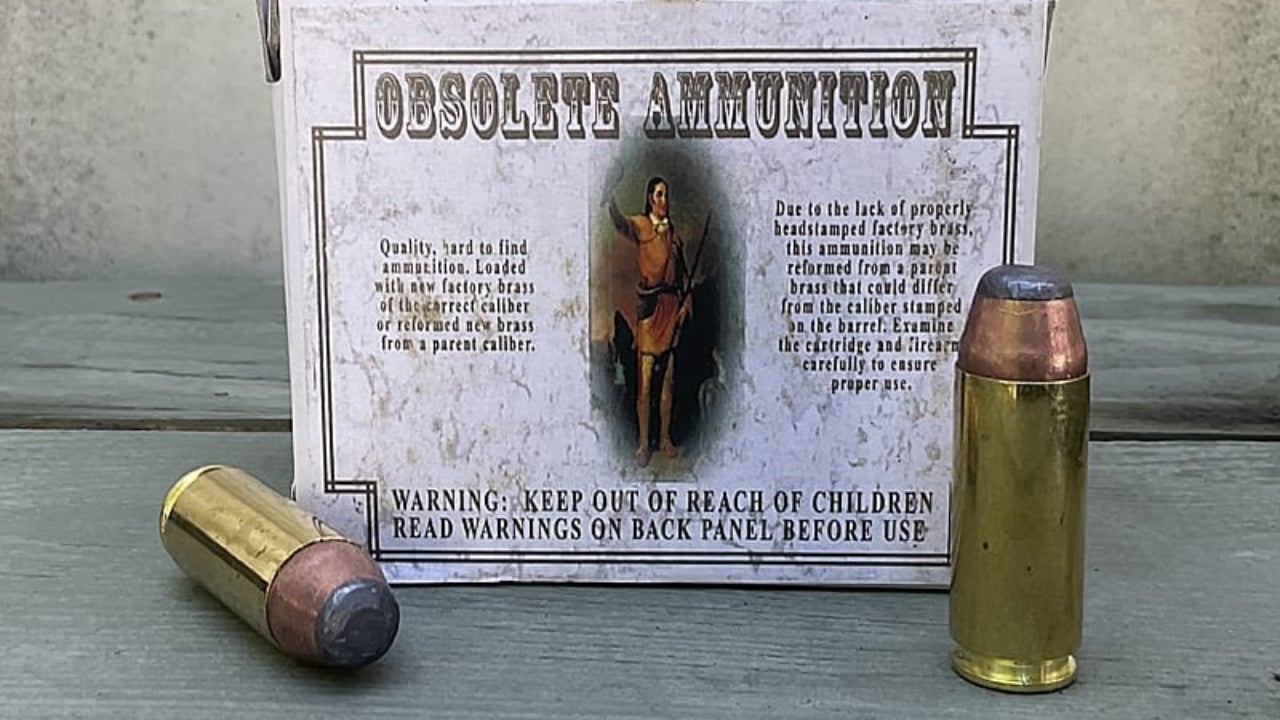
The .475 Wildey Magnum became famous partly because of the huge Wildey pistol itself. It delivered serious power and gave shooters a semiautomatic option for extremely heavy handgun performance.
The problem is that everything about the system is specialized. Pistols are huge, ammunition is expensive, and the cartridge has little purpose outside hunting and novelty shooting. It remains fascinating, but it never had a realistic path toward mainstream use. The hype was bigger than the market.
9x23mm Winchester
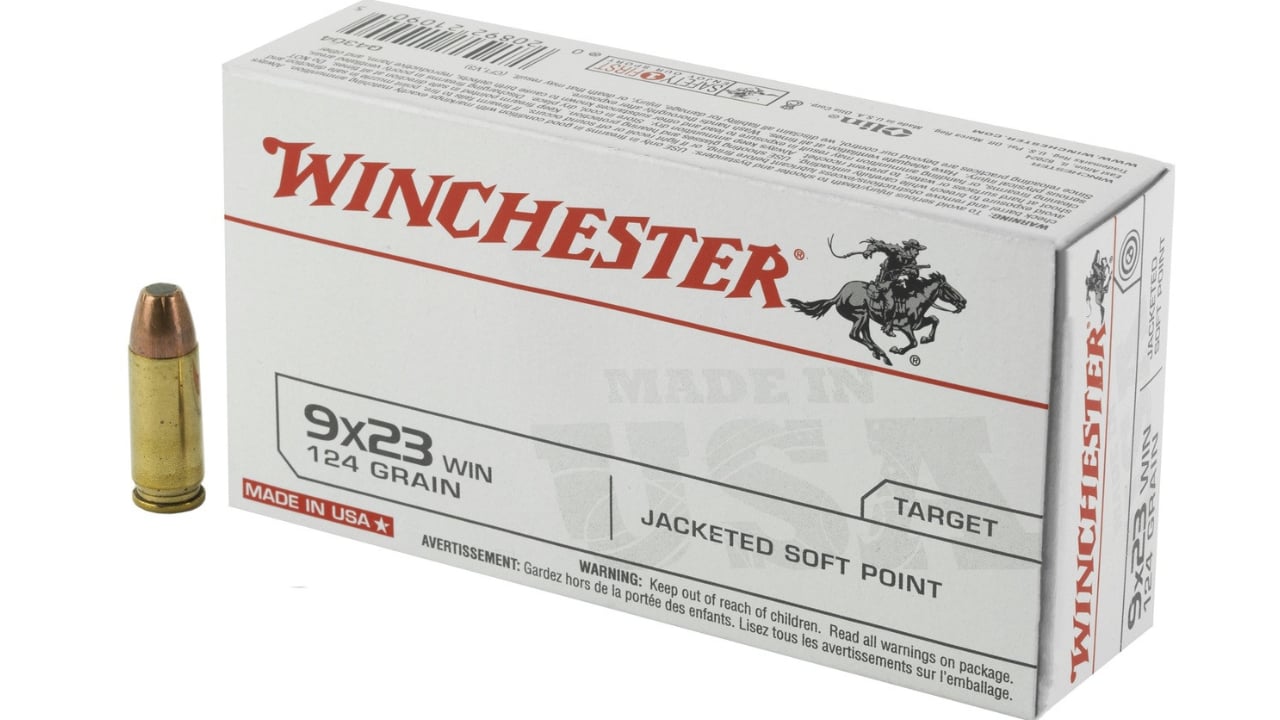
The 9×23 Winchester offered high velocity from a strong case and had real potential for competition and defensive use. Its performance could be excellent without requiring the same compromises as some older hot-loaded cartridges.
The problem was competition. .38 Super already had an established following, 9mm remained dominant, and .357 SIG arrived with stronger defensive-market visibility. The 9×23 never built the manufacturer support necessary to become common. It remains a cartridge appreciated mostly by shooters who already know exactly what it is.
.32 NAA
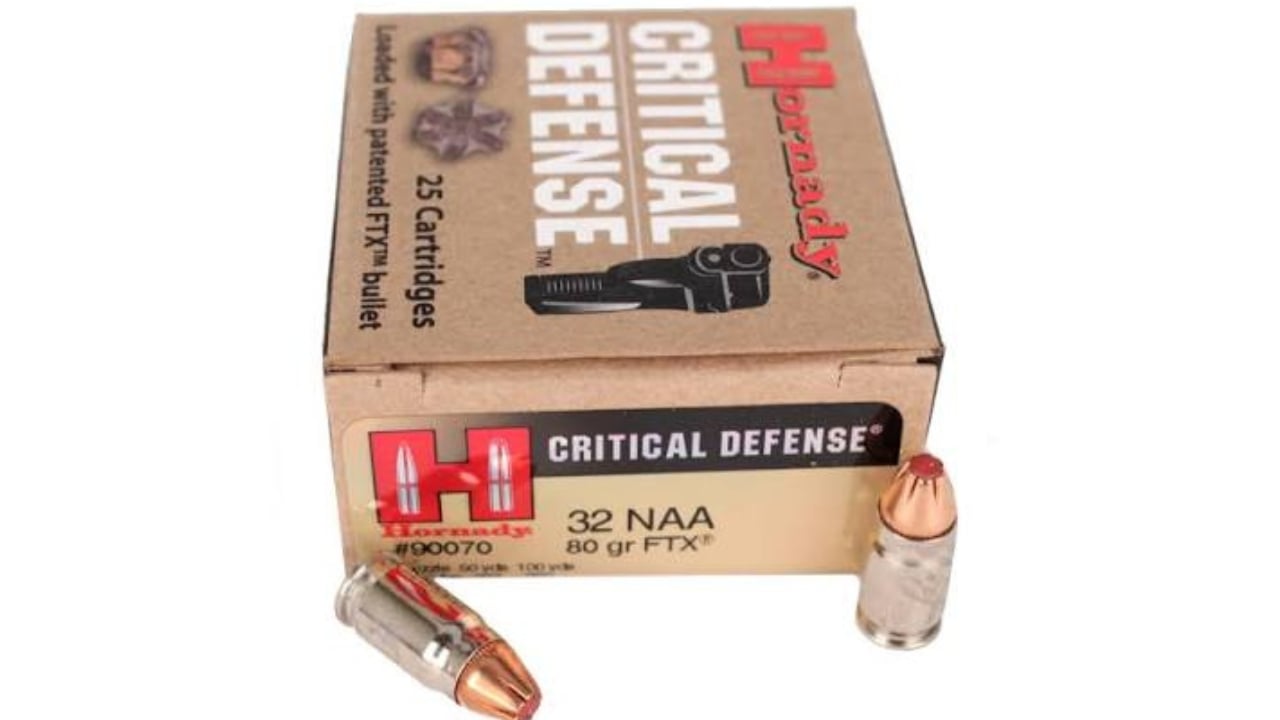
The .32 NAA was created by necking a .380 ACP case down to .32 caliber, giving tiny pistols higher velocity than conventional .32 ACP loads.
That improvement was real but too narrow. Ammunition availability was poor, pistol selection was limited, and mainstream shooters were already comfortable with .380 ACP or 9mm. The cartridge needed buyers to care deeply about a fairly small ballistic gain from a pocket gun. Most did not.
.25 NAA
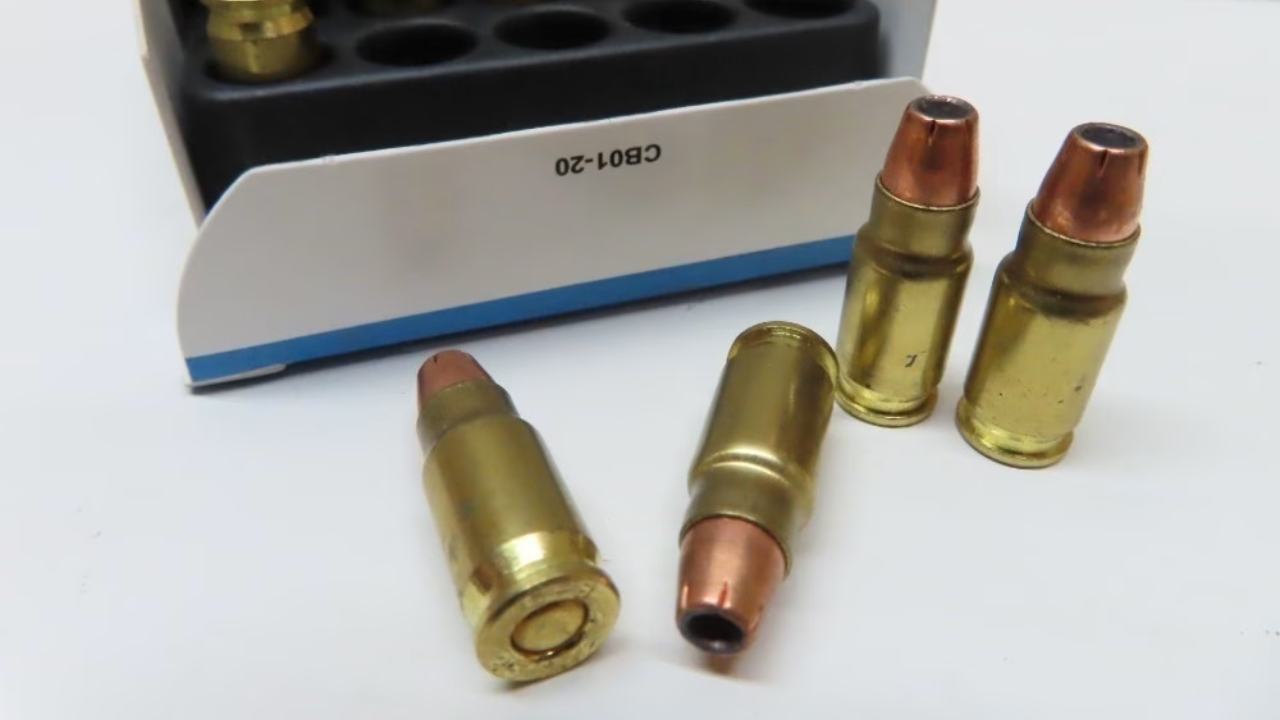
The .25 NAA followed the same idea but pushed it even farther by necking a .32 ACP case down to .25 caliber.
At that point, the cartridge was solving a very narrow problem. You got impressive velocity from a tiny bullet, but ammunition choices were extremely limited and the practical advantage over established pocket cartridges was difficult to demonstrate. It remains an interesting engineering experiment more than a lasting market success.
.50 Action Express
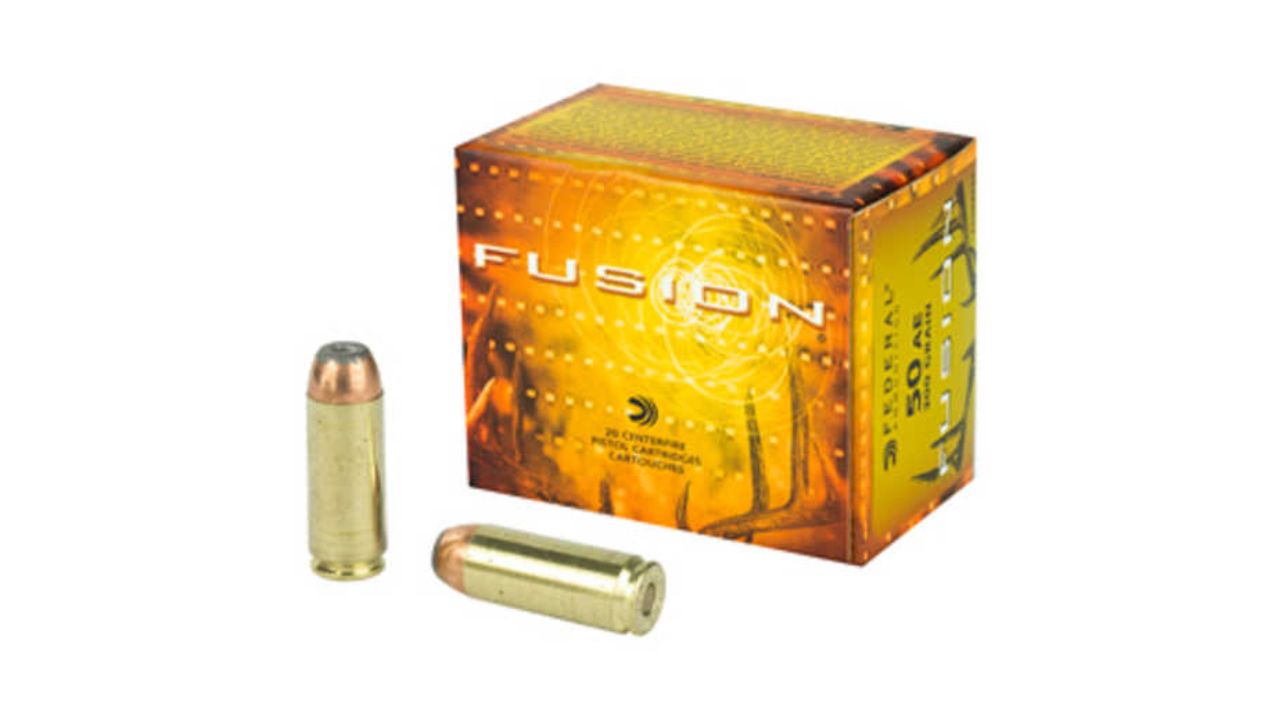
The .50 AE absolutely succeeded at becoming famous. The Desert Eagle made sure of that. What it did not do was become broadly practical.
The cartridge is huge, expensive, hard recoiling, and tied primarily to very large pistols. It delivers serious power, but most handgun hunters have simpler revolver options and defensive shooters have no need for it. The .50 AE lives because people enjoy excess, not because the handgun market needed it. In that sense, it may be the ultimate cartridge that lived up to the spectacle while falling short of the practical hype.
Like The Avid Outdoorsman’s content? Subscribe to our newsletter so you never miss an article.
Here’s more from us: