Photo credit: Paulina Modzelewska/Shutterstock.com
A big dog is not automatically a good guard dog. Some of the largest breeds in the world are too friendly, too easygoing, or too socially open to take protection seriously. Others may bark when somebody arrives but are far more likely to greet the stranger than challenge them.
That does not make them bad dogs. In many homes, a dog that is social and non-confrontational is actually easier to live with. The problem starts when people assume appearance equals protection. A true guard dog needs confidence, territorial awareness, and enough suspicion to recognize when something is wrong. These 20 breeds generally fall short of that role, even if a few of them look like they should be intimidating.
Golden Retriever

Golden Retrievers are one of the worst choices if your main goal is serious guarding. They were bred to work closely with people, retrieve game, and remain socially stable around strangers.
That friendliness is exactly why they make such great family dogs, but it works against them as guardians. A Golden may bark when someone pulls into the driveway, then immediately switch into greeting mode once that person gets closer. Some individuals are more watchful than others, but the breed as a whole is far more interested in making friends than defending territory. They may alert you, but that is very different from genuinely taking protection seriously.
Labrador Retriever
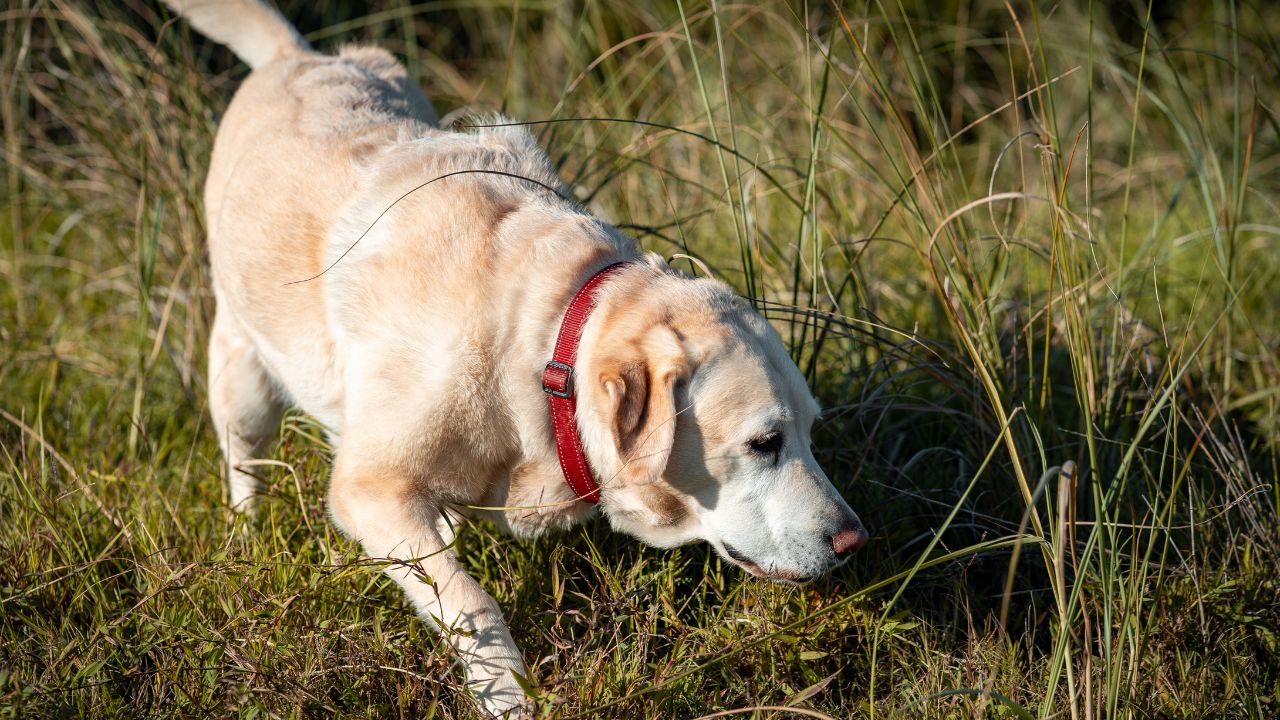
Labs are large enough to look intimidating from a distance, but temperament usually tells a very different story. They were developed to retrieve birds and work alongside hunters, not to challenge strangers entering the property.
Most Labs are naturally social, confident, and eager to interact. They may bark when something unusual happens, but many will happily accept attention from whoever walks through the door. Their size alone may discourage someone who does not know dogs, yet relying on that appearance is not the same as owning a true guard breed. Labs are outstanding companions and working dogs, just not serious guardians.
Newfoundland

A Newfoundland can look extremely imposing because of sheer size, but most are famously gentle and tolerant. The breed was developed around water rescue and working closely with people.
That background created dogs that tend to be patient rather than suspicious. A Newfie may stand between family and something unfamiliar simply because of its size and loyalty, but most lack the sharp territorial instinct found in real protection breeds. Their calm nature is one of their greatest strengths. It just means that someone looking for a serious property guardian would be better served elsewhere.
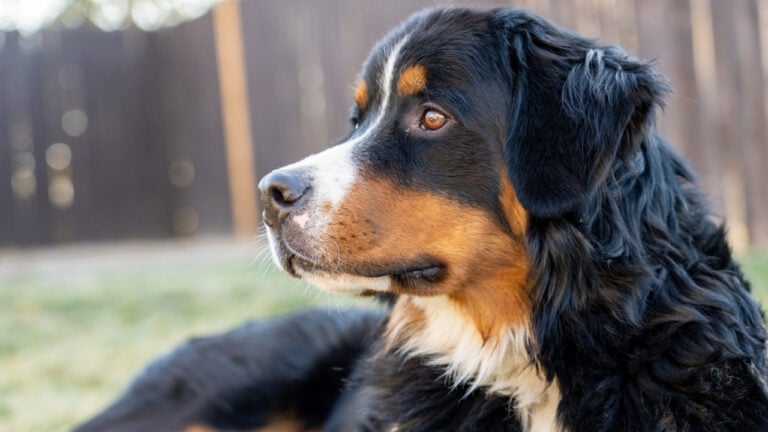
Bernese Mountain Dog
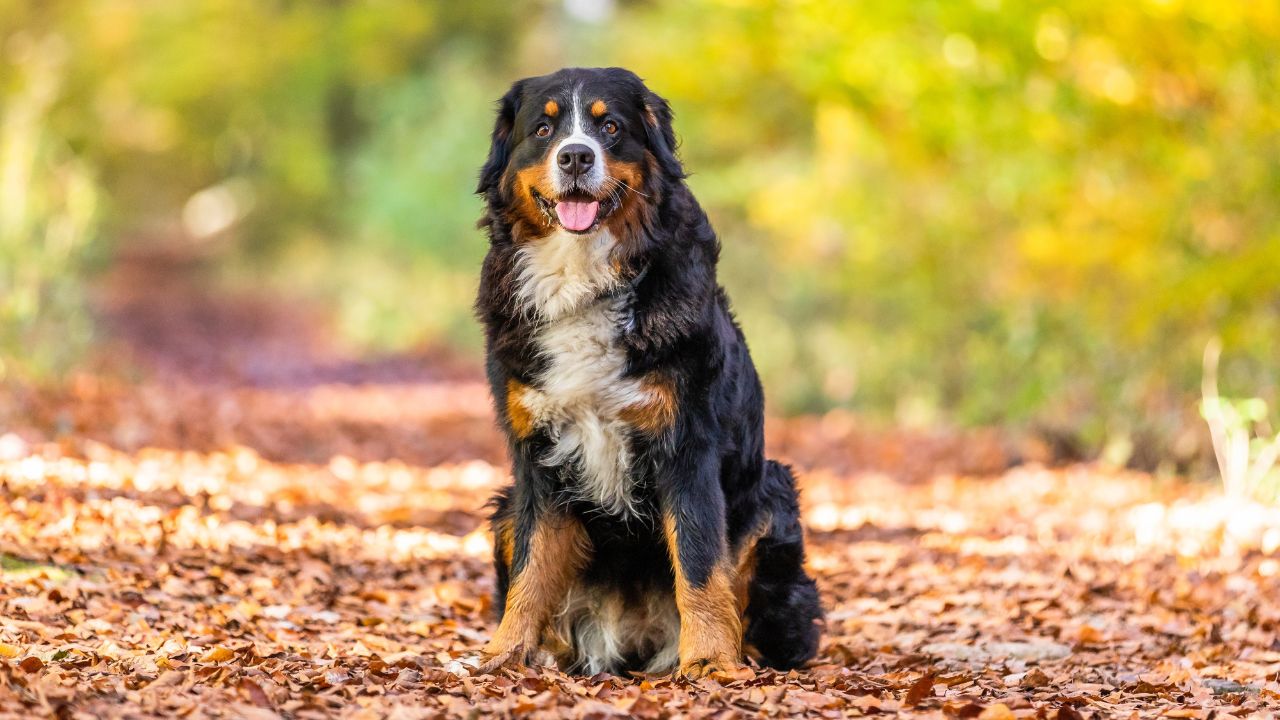
Bernese Mountain Dogs are large, strong, and visually impressive, which can make people assume they are natural guards. In reality, most are much more social and easygoing than their appearance suggests.
They were bred as farm dogs capable of pulling carts and helping around livestock, not as hard territorial guardians. Many will bark at unusual activity and then relax once they see there is no problem. They are loyal to family, but that loyalty does not usually translate into a strong willingness to confront strangers. They are better at being steady companions than security dogs.
Irish Setter
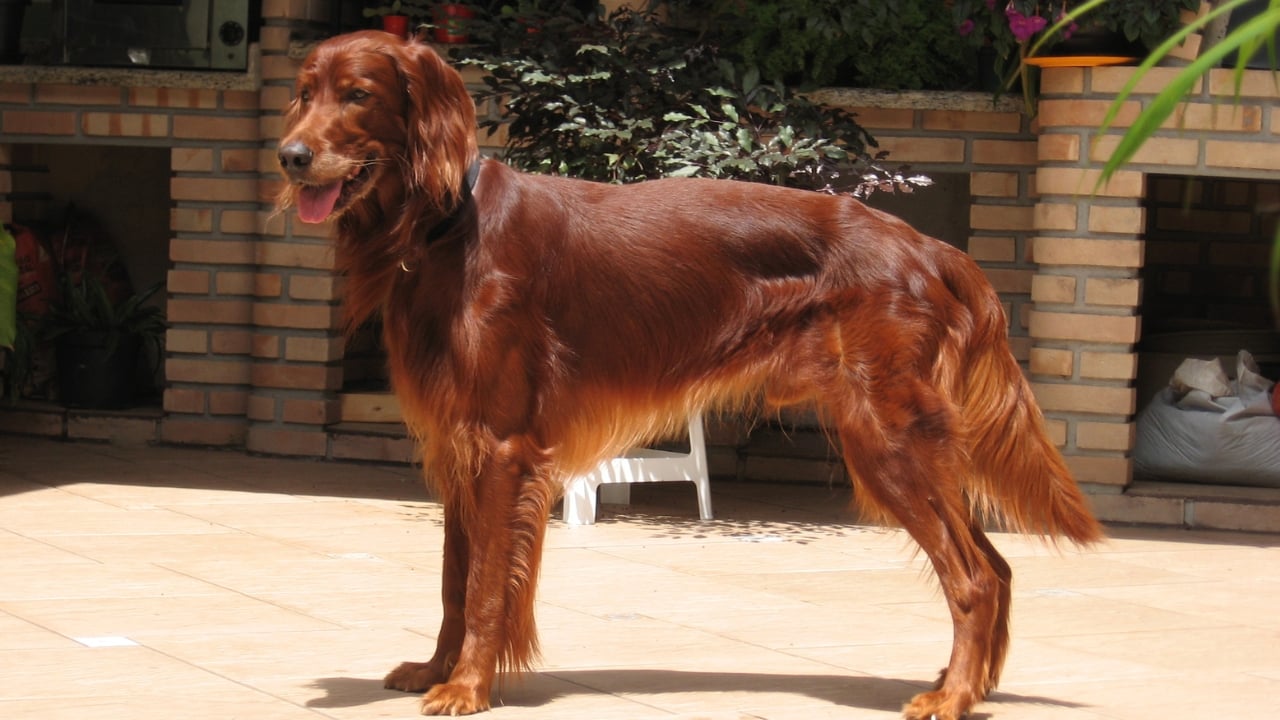
Irish Setters are energetic, affectionate, and usually far too social to take guarding seriously. Their entire background is centered on bird hunting and working with people.
They may be alert enough to notice someone arriving, but suspicion is not a major breed trait. Most would rather investigate a visitor than challenge one. Their activity level also means they need a great deal of exercise, but that energy should not be confused with protective instinct. A Setter may make plenty of noise and movement around the house while still being completely useless as a serious guard dog.
English Setter

English Setters are similar in that they were developed for field work rather than property protection. They tend to be gentle, social, and cooperative.
Some will bark when strangers approach, but many quickly settle once they realize the visitor is not part of the hunt. Their temperament is generally too soft and welcoming for serious guarding. That makes them excellent family hunting dogs, especially in active homes, but poor choices for someone who expects a dog to monitor territory and make independent protection decisions.
Brittany
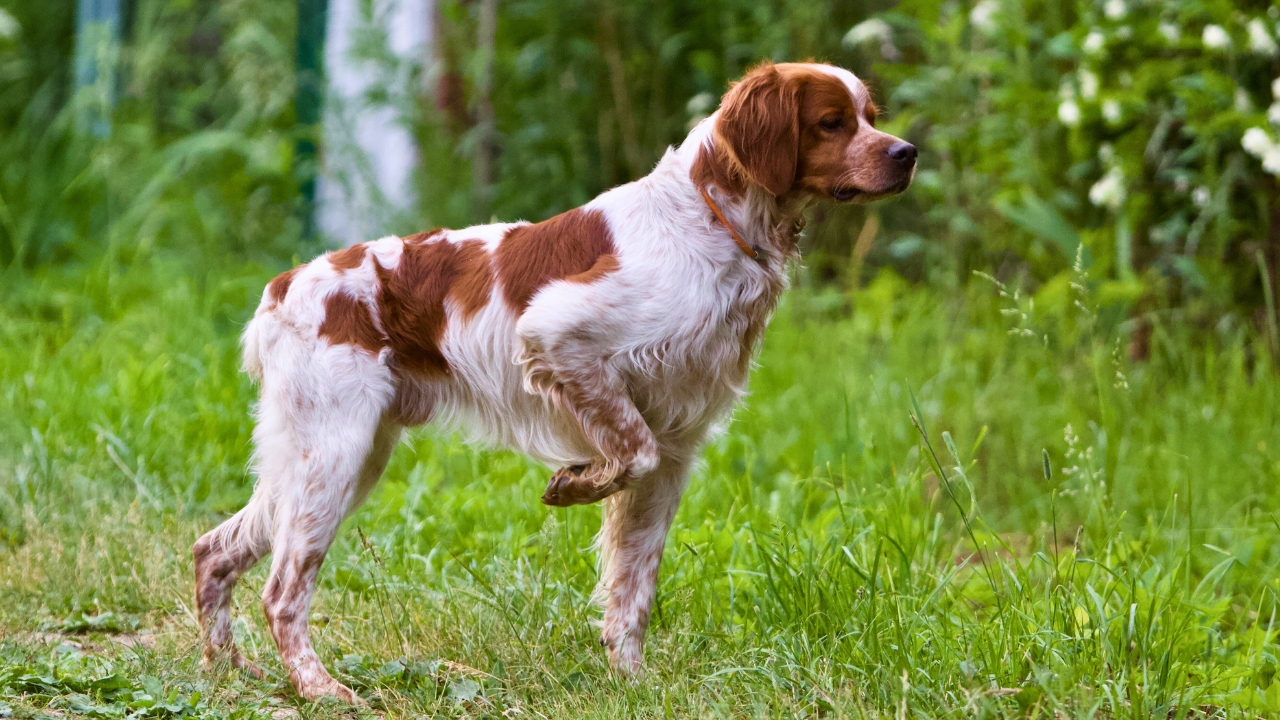
Brittanys are athletic and alert, but they are not naturally imposing or highly territorial. Their working background is centered on locating birds and staying connected with a handler.
They tend to be social and energetic rather than suspicious. A Brittany may notice unusual sounds quickly, but what happens next is usually curiosity rather than confrontation. Their size also limits any intimidation factor. They can make decent alarm dogs simply because they are active and aware, but they are not built to stand their ground against a real threat.
Cavalier King Charles Spaniel
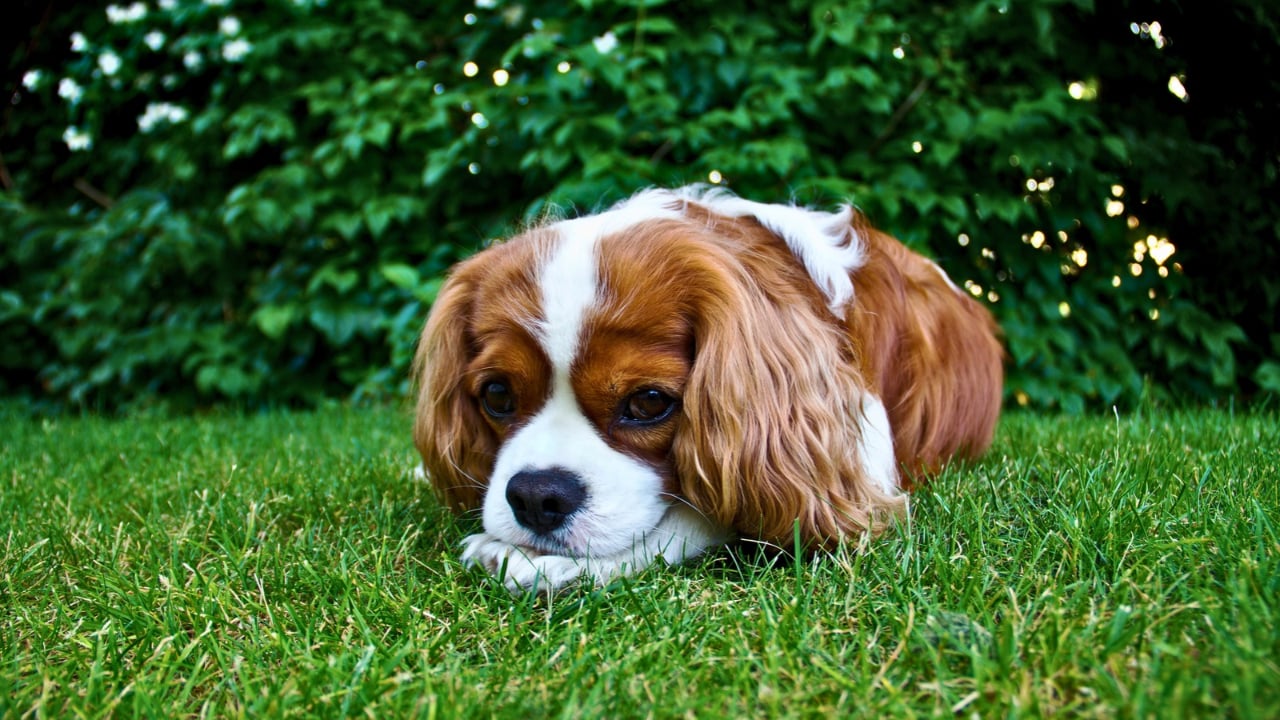
The Cavalier King Charles Spaniel is almost the opposite of a guard dog. The breed was developed for companionship, and most individuals are extremely social with both family and strangers.
They may bark at the door, but that is usually where the protection ends. Their small size, soft temperament, and strong desire for human attention make them poor candidates for serious guarding. A stranger entering the house is far more likely to meet a curious little dog looking for attention than a territorial defender. They excel at companionship, not security.
Basset Hound
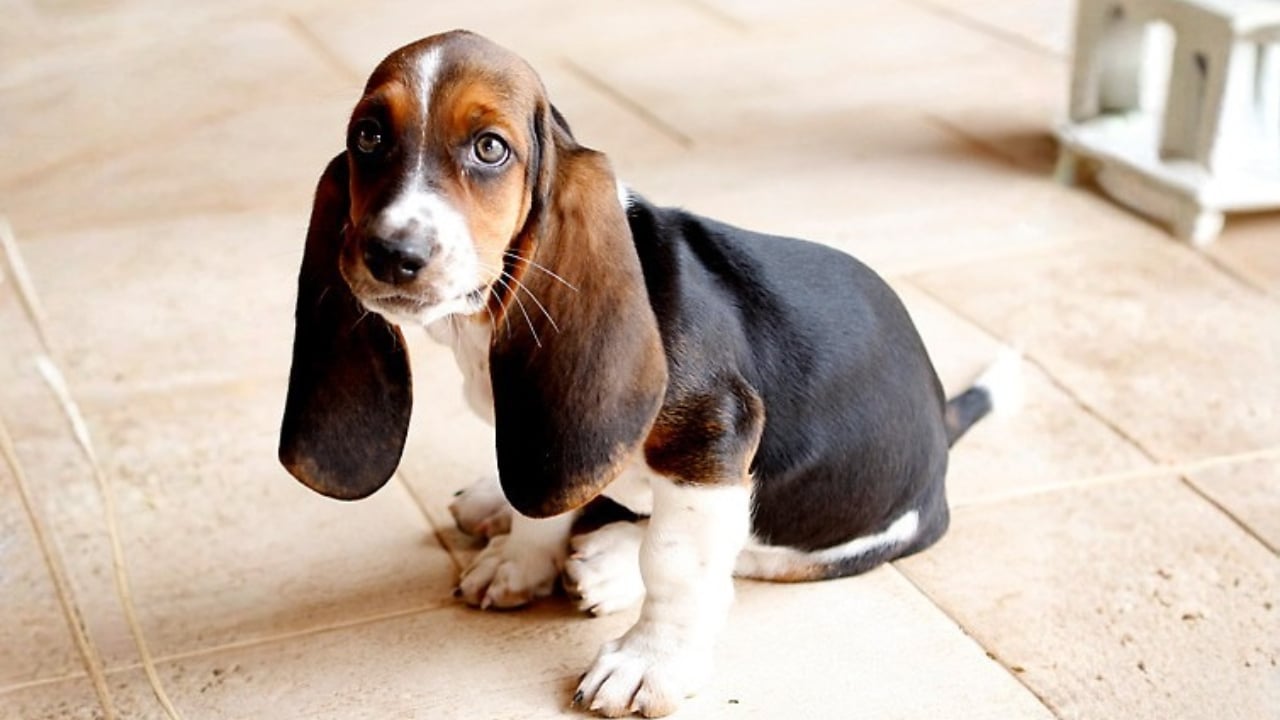
Basset Hounds can sound impressive when they bark because of their deep voices, but their actual guarding ability is limited.
The breed was developed to follow scent trails slowly and persistently, not to defend property. They are usually social, laid-back, and more interested in whatever smell is on the ground than who is standing at the gate. Their bark may make someone think a much larger dog is inside, which gives them some watchdog value, but that is mostly an illusion. Once the person gets closer, most Bassets are not going to become serious.
Beagle

Beagles are alert enough to notice almost everything, but they were bred to chase scent and work in packs, not guard homes.
They are generally friendly with strangers and often enthusiastic about meeting new people. The breed can be vocal, so you may get plenty of warning when someone arrives. That makes them decent alarm dogs. The problem is what happens after the alarm. A Beagle is much more likely to investigate and socialize than stand between a stranger and the family.
Bloodhound

Bloodhounds are huge and can look intimidating, but their temperament is usually far softer than their appearance suggests. Their entire working purpose centers on scent tracking.
They tend to be patient, social, and focused on their nose rather than territory. A Bloodhound may bark deeply enough to make a stranger think twice, but they generally lack the protective edge associated with real guardian breeds. Their size gives them some accidental deterrence, yet that is about as far as it goes. They are tracking specialists, not security dogs.
Greyhound
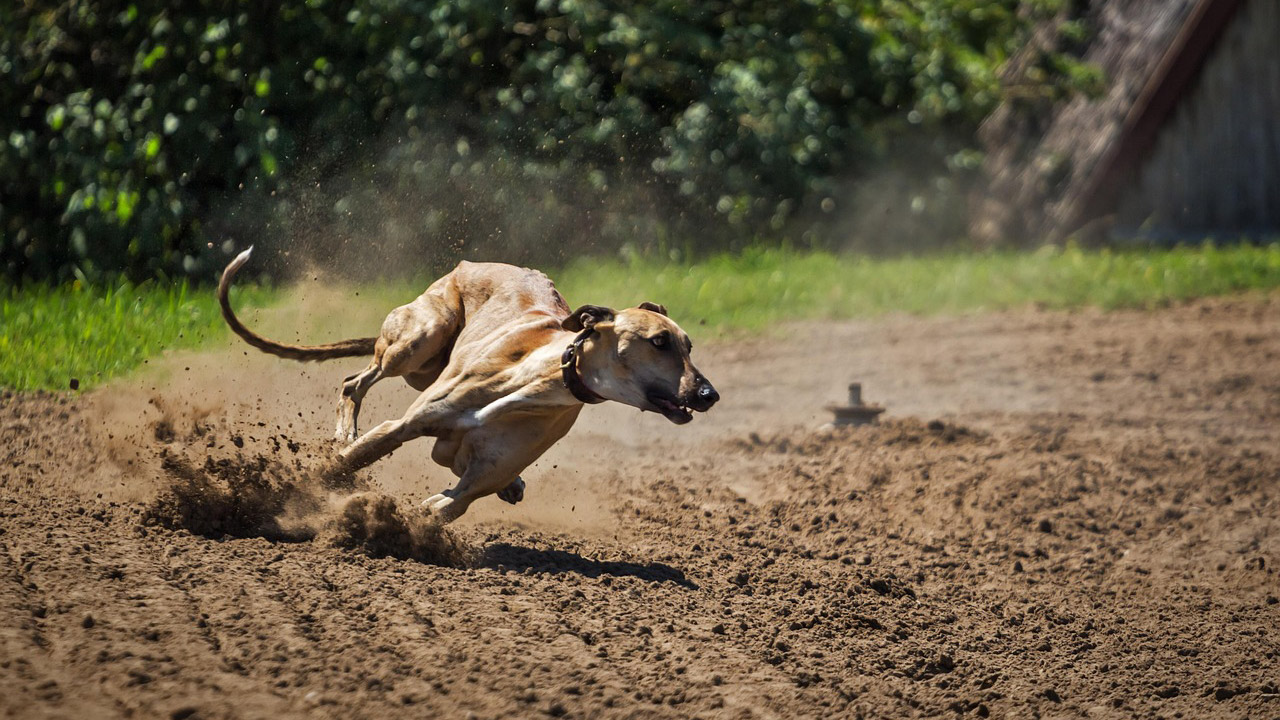
Greyhounds are fast, athletic, and surprisingly gentle. Most are quiet and reserved rather than suspicious or territorial.
They were developed for pursuit, not guarding. That means the instinct to chase moving prey has almost nothing to do with the instinct to protect property. Many Greyhounds are actually calm around unfamiliar people and may barely react when someone enters the home. Their tall build can look imposing, but temperamentally they are usually poor guard dogs.
Whippet
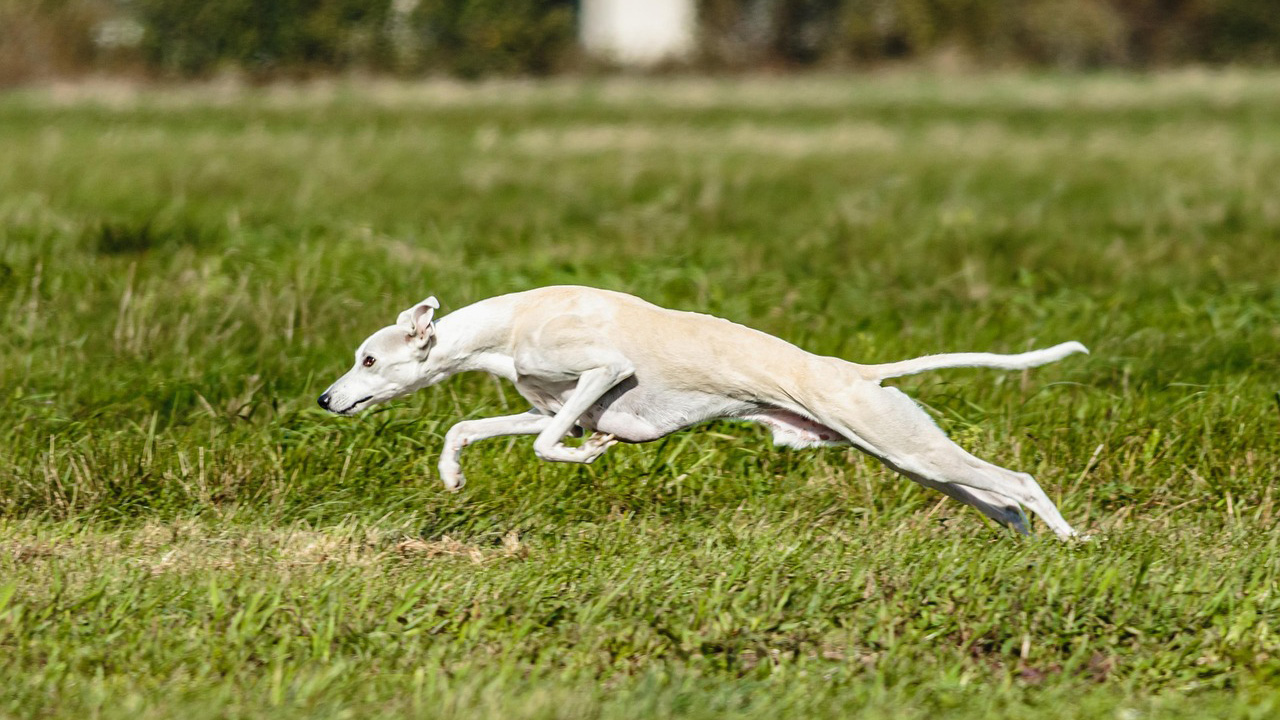
Whippets are even less suited to guarding. They are sensitive, lightweight, and generally much more interested in comfort than confrontation.
Most are affectionate with family and polite with strangers. They may bark occasionally, but serious territorial behavior is uncommon. Their thin build and relatively small size also reduce any intimidation factor. Whippets make excellent indoor companions for people who appreciate quiet dogs, but they should not be expected to protect a property.
Italian Greyhound

The Italian Greyhound is tiny, sensitive, and companion-oriented. It may bark at unexpected noises, but that is about the limit of its usefulness as a guard dog.
The breed was not developed around protection, and physically it has almost no ability to confront a serious threat. They can be nervous around strangers rather than confident, which is the opposite of what you want in a stable guardian. An alarm bark may still be useful, but the dog itself is not providing any meaningful protection.
Pug
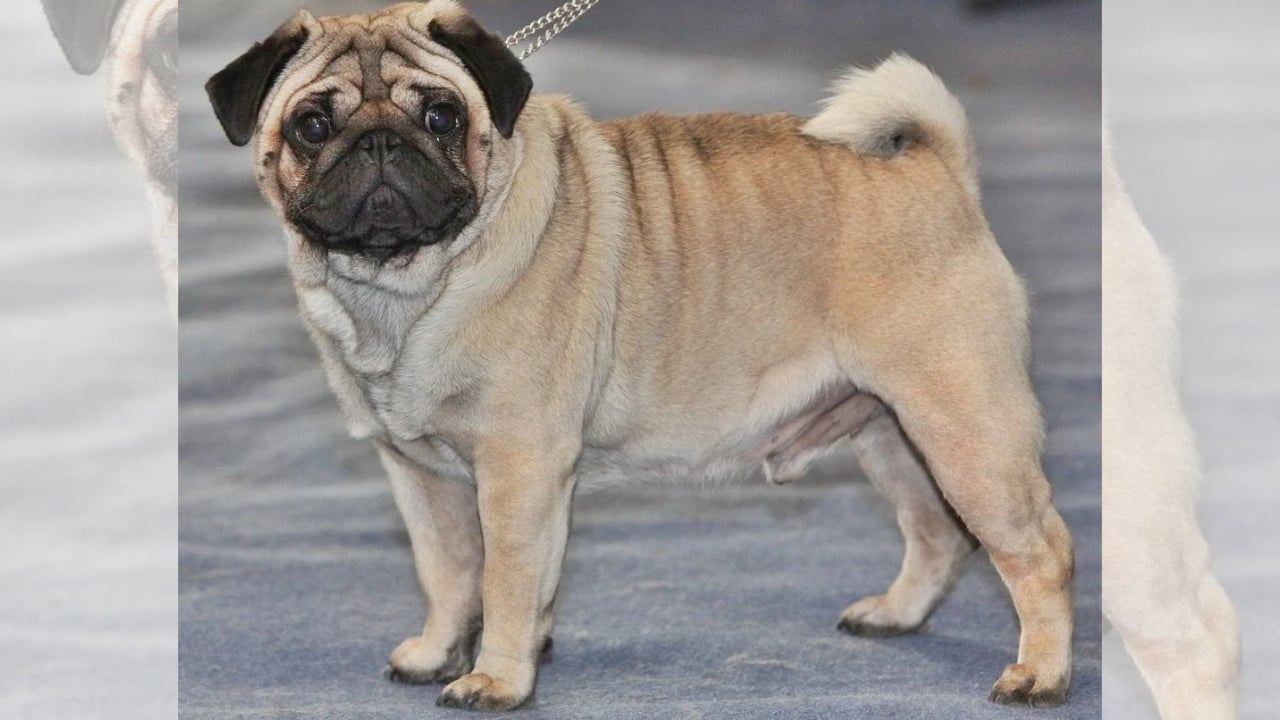
Pugs are social companion dogs with almost no history of serious working protection. Most are curious and friendly around people.
They can bark at unusual noises, and some become attached enough to family to act possessive, but that does not make them good guards. Their small size and brachycephalic build also limit physical capability. A Pug may alert you that someone is at the door, then happily sit beside that same person five minutes later. Their value is companionship, not defense.
French Bulldog

French Bulldogs can be surprisingly alert, and some are more suspicious than people expect. Even so, the breed is generally a poor fit for real guarding.
They were developed primarily as companion dogs, and most enjoy social interaction. Their compact build may look muscular, but breathing limitations and small size make them poor choices for any serious protection role. They can be decent watchdogs because they notice activity quickly, but that should not be confused with true guarding ability.
Boston Terrier
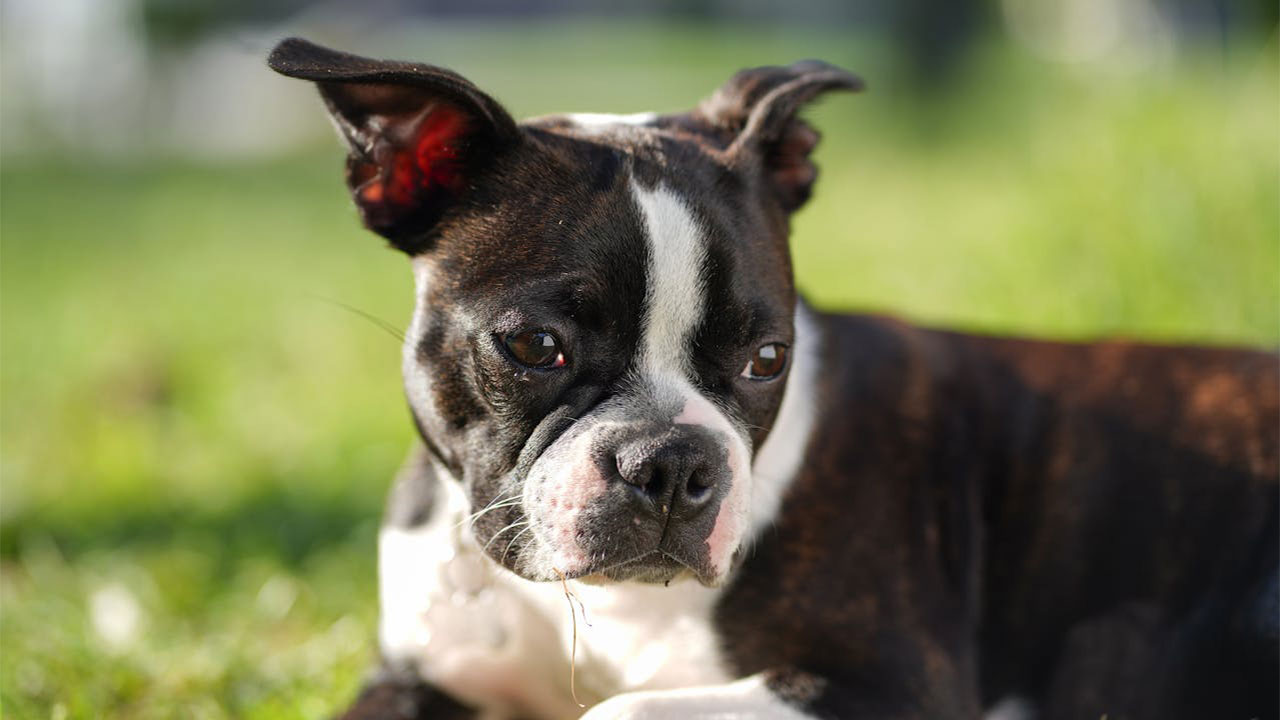
Boston Terriers are lively and often very aware of what is happening around the house. They may bark when someone arrives, which gives them some alarm value.
The breed is generally too friendly and socially open to take the next step into serious guarding. Boston Terriers were developed as companions and tend to enjoy people. Their small size also limits any real deterrent effect. They can let you know something is happening, but they are unlikely to make a determined intruder reconsider much.
Maltese

Maltese can be surprisingly vocal for such small dogs, and many are quick to announce visitors. That makes them better watchdogs than their size suggests.
Actual guarding is another matter. They are physically incapable of confronting a serious threat and were developed entirely around companionship. Some can be suspicious of strangers, but that often shows up as barking rather than confident territorial control. They are excellent little alarms and poor actual guards.
Havanese
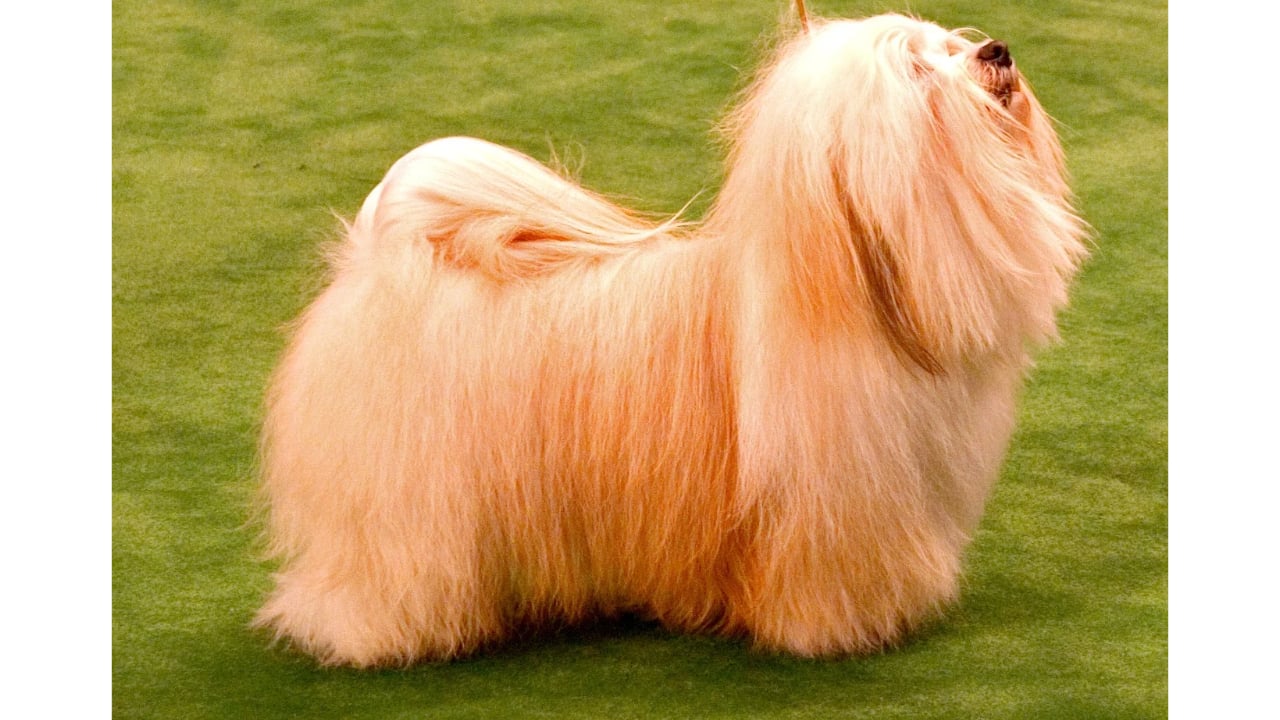
Havanese are friendly, social companion dogs that generally enjoy meeting people. Their temperament is almost entirely wrong for serious guarding.
They can be alert and may bark when somebody approaches the home, but most settle quickly once the person is accepted. They lack the physical presence and territorial suspicion needed for true protection work. For families that want a sociable dog that still lets them know when someone is outside, that can be a good thing. It just should not be mistaken for security.
Clumber Spaniel
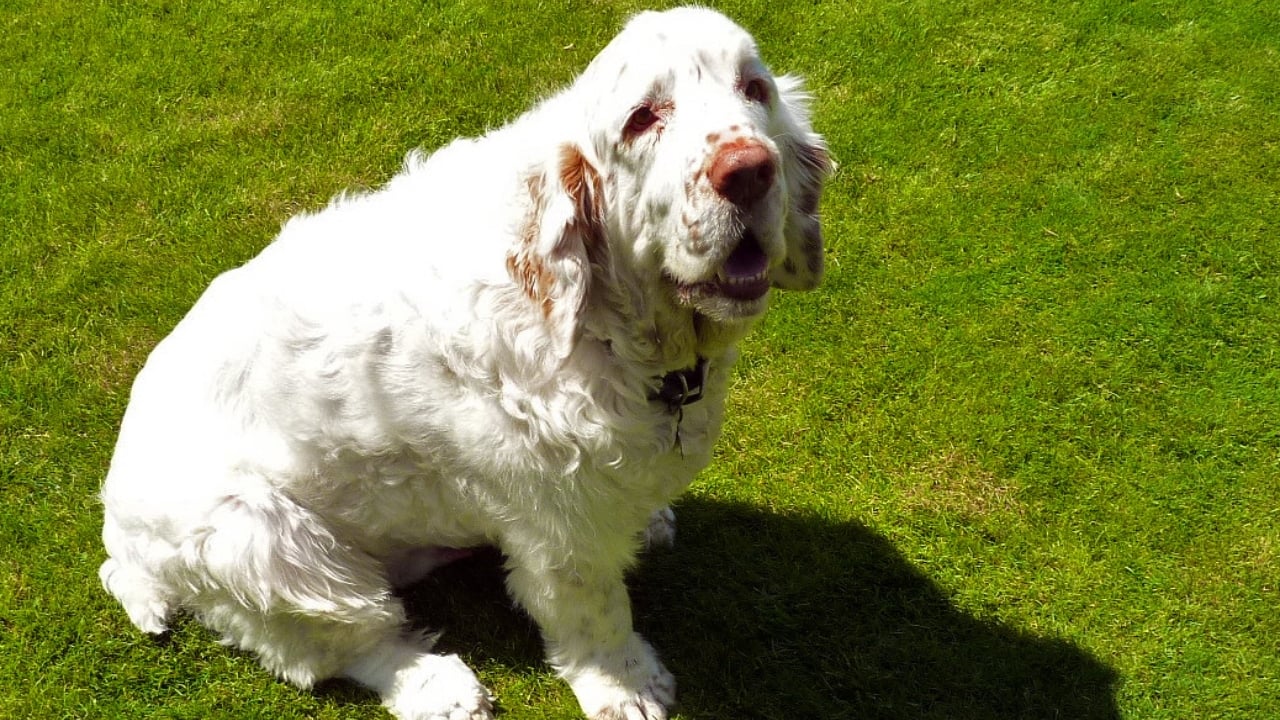
Clumber Spaniels are large enough to look more imposing than many sporting dogs, but they are generally slow-moving, gentle, and easygoing.
They were developed for hunting rather than protection and tend to have a relaxed attitude toward unfamiliar people. A Clumber may bark or investigate, but serious territorial behavior is uncommon. Their heavy build gives them presence, yet their temperament is far more likely to produce a calm greeting than a confrontation. They are capable hunting companions and poor choices for anyone expecting a serious guard dog.
Like The Avid Outdoorsman’s content? Subscribe to our newsletter so you never miss an article.
Here’s more from us: