Photo credit: MADMAN REVIEW/Youtube
Rifle cartridges rarely disappear because they suddenly stop working. More often, they get squeezed out slowly. New rifles stop being chambered for them, ammunition choices shrink, younger hunters choose newer cartridges, and eventually the round becomes something you mostly see in older rifles.
That does not make these cartridges obsolete in the field. Several are still excellent for deer, predators, or larger game. The problem is market momentum. Once manufacturers stop prioritizing a chambering, everything around it gets harder: rifles, ammunition, brass, load variety, and resale interest. These 20 are still alive, but their place in the rifle market is clearly weaker than it once was.
.260 Remington

The .260 Remington was doing high-BC 6.5mm work before the 6.5 Creedmoor became a household name. It is accurate, mild in recoil, and more than capable on deer and similar game.
What hurt it was timing. The Creedmoor arrived with better marketing, purpose-built factory rifles, and ammunition designed around long, efficient bullets. The .260 never recovered from that shift. It still has loyal handloaders, but fewer new rifles are chambered for it and factory shelves increasingly favor the Creedmoor. The cartridge is not inferior enough to justify disappearing, but the market has largely made its choice.
.280 Remington

The .280 Remington has spent decades trapped between the .270 Winchester and .30-06. Ballistically, that is not a bad place to be. Commercially, it has always been difficult.
The rise of .280 Ackley Improved made things even harder. Hunters who want a 7mm standard-action cartridge increasingly choose the AI version, while traditional buyers stay with .270 or .30-06. That leaves the original .280 with fewer rifles and less ammunition attention. It remains a very capable hunting round, but it is slowly being treated more like a legacy chambering than a mainstream option.
.257 Roberts

The .257 Roberts is one of the nicest deer cartridges ever made. Recoil is mild, performance is excellent, and it works beautifully in lightweight hunting rifles.
The market simply moved around it. .243 Winchester became more common, .25-06 offered more speed, and modern 6.5mm cartridges gave hunters better factory support. The Roberts is now mostly kept alive by enthusiasts and older rifles. New factory chamberings are uncommon, and ammunition can feel more like specialty stock than something every store keeps around. It still makes sense in the woods. It makes less sense on a manufacturer’s sales chart.
.250 Savage

The .250 Savage was once a major step forward because it delivered useful deer performance with unusually mild recoil. It also helped establish the Savage 99 as a serious hunting rifle.
Today, it has almost completely lost its place among new rifles. The cartridge is overshadowed by .243, 6.5 Creedmoor, and several newer low-recoil hunting rounds. Factory ammunition is limited, and most shooters interested in the cartridge already own an older rifle. The .250 Savage still works exactly as intended, but it has shifted from practical mainstream choice to historical enthusiast round.
.300 Savage
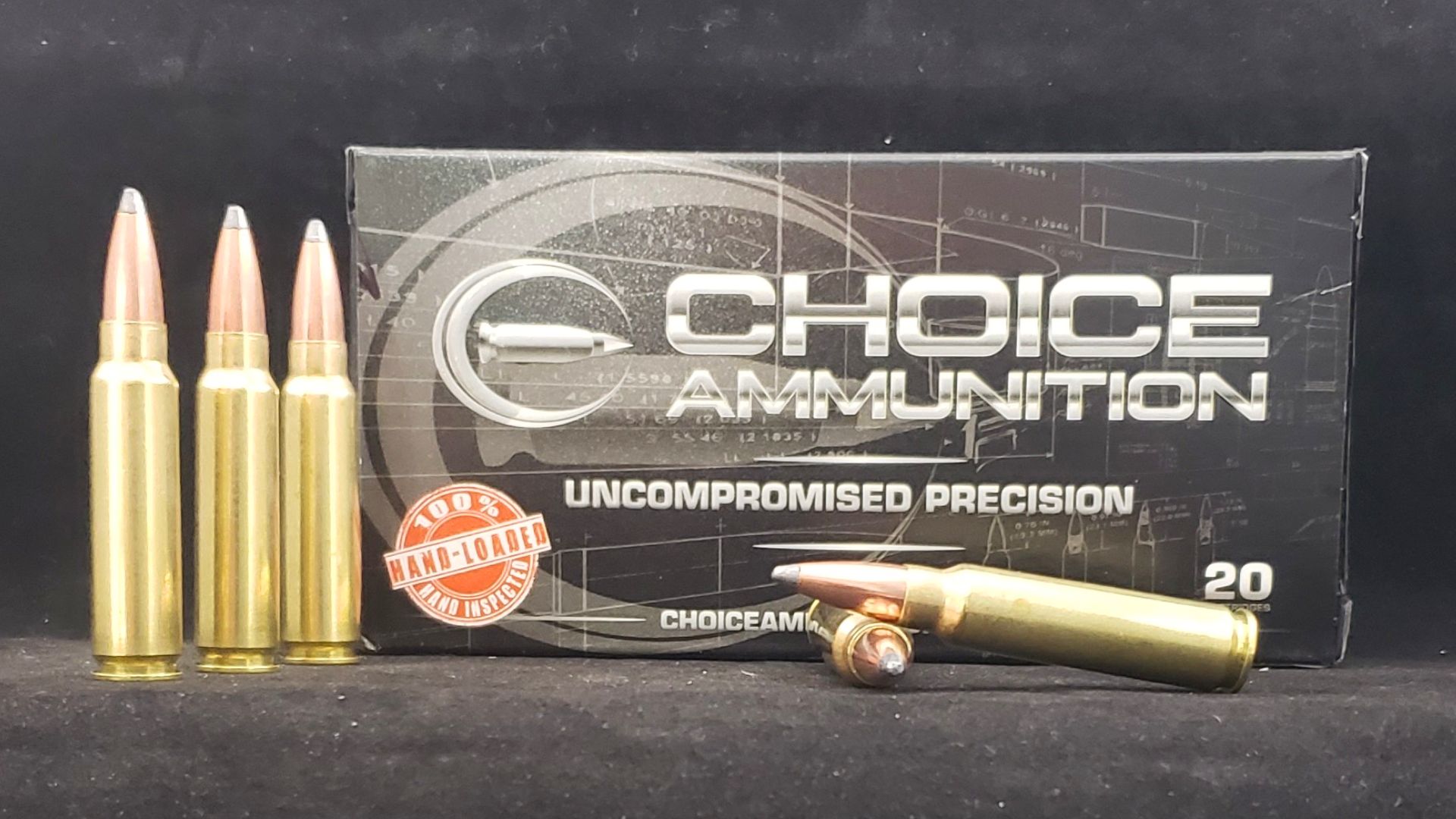
The .300 Savage was once a major American hunting cartridge and came surprisingly close to what the .308 Winchester later offered.
That similarity became its biggest problem. Once .308 took over military, sporting, and hunting markets, the older .300 Savage had little room left to grow. It survives mainly because so many Savage 99 rifles are still in circulation. New rifles almost never appear in the chambering, and factory ammunition selection keeps shrinking. It remains perfectly capable on deer, but the market no longer needs two cartridges doing nearly the same job.
.35 Remington

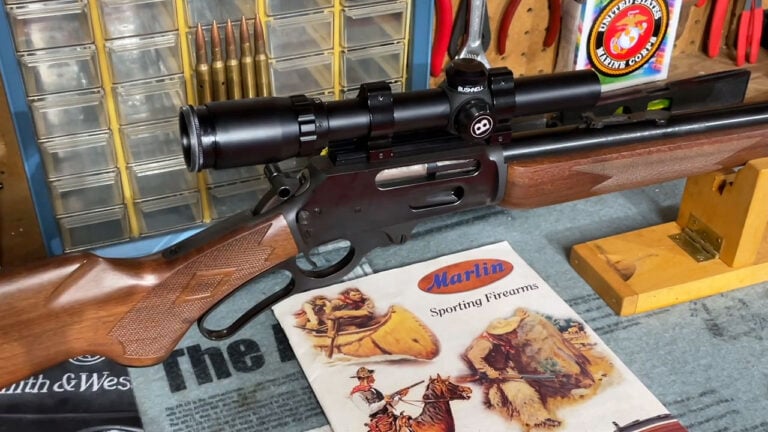
The .35 Remington built a tremendous reputation in woods hunting, especially in Marlin and Remington rifles. Heavy bullets and moderate recoil made it excellent for deer and black bear at close range.
Its problem is support. Rifle production dropped, ammunition became less consistent on shelves, and newer straight-wall cartridges started taking over the short-range hunting role. The cartridge still has a devoted following, but fewer new hunters are entering the market through .35 Remington. Without new rifles feeding demand, it is becoming more dependent on the owners of old lever and pump guns keeping it alive.
.358 Winchester

The .358 Winchester has always been more capable than popular. It gives you heavy .35-caliber bullets in a short-action case and works extremely well in timber.
That niche has become even smaller. .308 dominates the action size, .35 Whelen is better known among hunters wanting larger bullets, and straight-wall rounds now get more attention in close-range deer states. Factory ammunition is sparse enough that the .358 has become almost a handloader’s cartridge. It deserves more market share than it has, but that has been true for decades.
.338 Federal

The .338 Federal was supposed to give hunters serious bullet weight from a short action without magnum recoil. It was a smart idea and still is.
The market never embraced it strongly enough. New rifles are limited, factory loads are expensive, and hunters who want more than .308 usually jump to a magnum or larger standard cartridge. That leaves .338 Federal stuck in an awkward middle ground. It may be one of the most sensible elk and woods cartridges nobody buys in meaningful numbers anymore.
.325 WSM

The .325 WSM tried to bring 8mm performance into the short-magnum family. It offered good power and worked well on elk and larger game.
The problem is that the short-magnum craze cooled, and the .325 was never one of the winners. .300 WSM remained popular enough to survive, while the .325 faded quickly. New rifles are uncommon and factory ammunition is limited. Once hunters started seeing how easy it was to support .300 Win Mag, .300 WSM, or .338 Win Mag, the .325 became increasingly difficult to justify as a new purchase.
.264 Winchester Magnum

The .264 Win Mag was doing fast 6.5mm hunting long before the current 6.5 craze. It offered flat trajectory and excellent downrange performance.
Ironically, the modern popularity of 6.5mm cartridges did not revive it. Instead, 6.5 Creedmoor and 6.5 PRC largely replaced the role with better rifle and ammunition support. The .264 also carries a reputation for heavy powder consumption and barrel wear. It remains an interesting classic, but new buyers have little reason to choose it over newer 6.5mm options.
7mm Remington Short Action Ultra Magnum
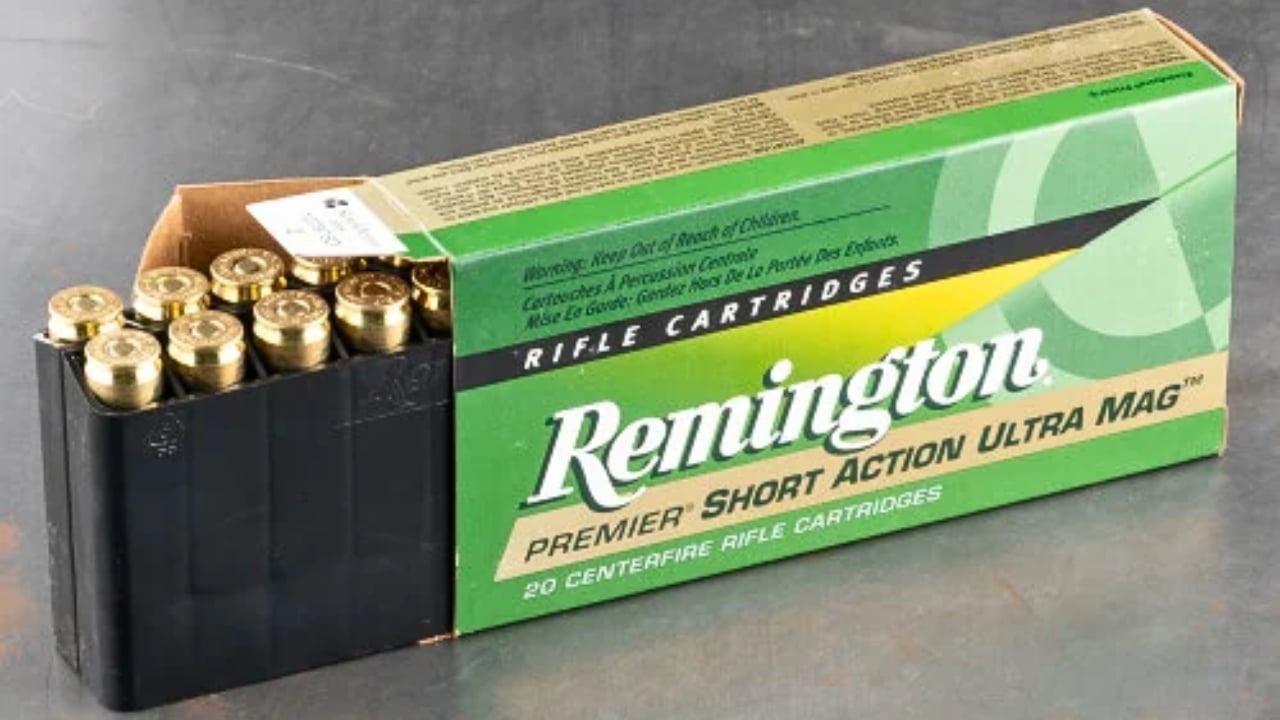
The 7mm SAUM is ballistically excellent. It delivers strong 7mm performance from a short action and has developed a following among precision shooters and handloaders.
As a mainstream hunting cartridge, though, its place has nearly vanished. Factory rifles and ammunition are limited, while 7mm PRC has taken over much of the modern short-action-style 7mm conversation. The SAUM may survive through custom rifles and competition use, but its opportunity to become a broad commercial hunting round has mostly passed.
7mm Winchester Short Magnum
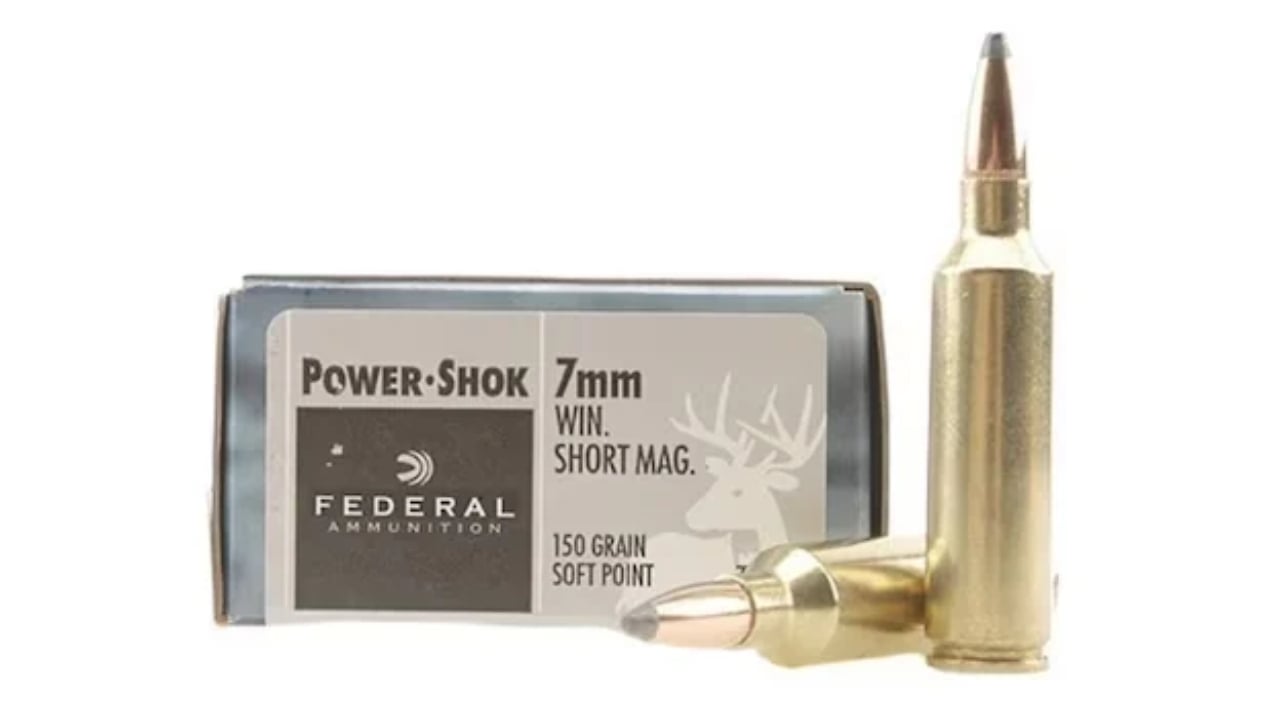
The 7mm WSM entered the market during the short-magnum boom and offered impressive performance in a compact action.
It quickly lost the popularity battle to .300 WSM and never built enough momentum to become a permanent fixture. Today, factory rifles are uncommon and ammunition selection is thin. The arrival of 7mm PRC makes its comeback even less likely. It remains a good cartridge, but the market has moved on to newer 7mm designs with stronger industry support.
.270 WSM

The .270 WSM has held on better than several other short magnums, but its position is still weaker than it once was. It offers a real velocity gain over .270 Winchester and performs very well on open-country game.
The problem is competition from both directions. Traditional hunters remain loyal to .270 Winchester, while newer buyers have options like 6.5 PRC and 7mm PRC. That leaves the .270 WSM with fewer reasons to dominate new rifle sales. It is not disappearing overnight, but the days when it looked like the future of .270-caliber hunting are clearly gone.
Free for gun owners: If something happened to you tomorrow, would your family know where the guns are, who has the safe combination, or what to do first? Our free Gun Owner’s Family Checklist walks them through it. It takes about 15 minutes to fill out. Get your free copy here.
.300 Remington Ultra Magnum

The .300 RUM still delivers enormous velocity and long-range power, but extreme magnums are not where the rifle market has been moving.
Hunters increasingly prefer cartridges that deliver strong downrange performance with less recoil, less powder, and shorter actions. .300 PRC also offers a more modern long-range package with broad manufacturer support. The RUM still has plenty of power, but power alone is no longer enough to keep a cartridge at the center of the market. It is becoming more of a specialist choice.
.338 Remington Ultra Magnum
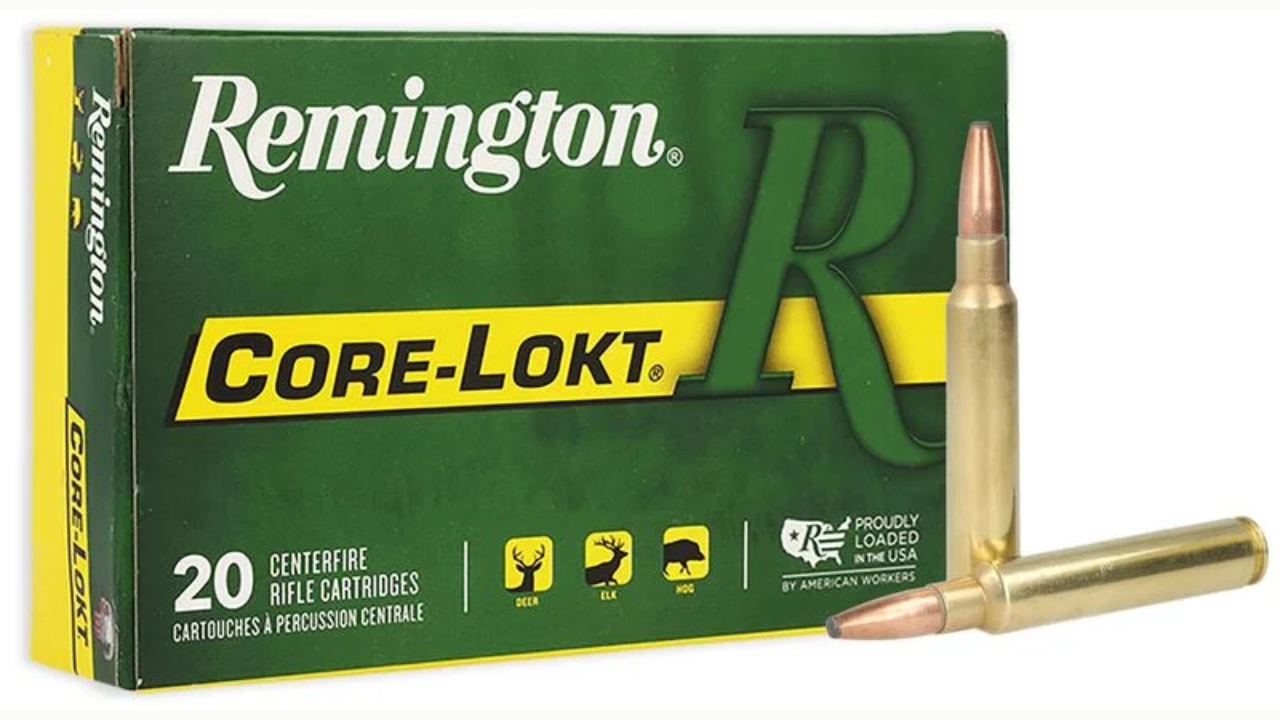
The .338 RUM has the same problem, only in an even smaller market. It delivers serious large-game and long-range performance, but the recoil, ammunition cost, and limited rifle selection make it difficult to sell broadly.
Newer .338 cartridges have also taken much of the attention. Hunters who need this level of performance now have more modern options, while most ordinary elk hunters never needed it in the first place. The .338 RUM is not going away completely, but it is increasingly confined to enthusiasts who already know exactly why they want one.
.220 Swift

The .220 Swift was once the king of velocity. It remains an outstanding varmint cartridge and can still produce spectacular performance with the right loads.
The market has become less interested in what made it famous. .22-250 is easier to support, .223 Remington is far cheaper to shoot, and newer cartridges offer efficient long-range performance without the Swift’s reputation for heavy powder use and barrel wear. New rifle chamberings are uncommon enough that the cartridge increasingly feels like something for enthusiasts rather than mainstream varmint hunters.
.225 Winchester

The .225 Winchester was supposed to modernize the high-velocity varmint market, but it never displaced the cartridges already dominating that space.
Today, its place is almost entirely historical. Factory ammunition is scarce, rifles are mostly older Winchesters, and modern shooters have no shortage of better-supported .22-caliber choices. It still performs well, but performance is not the issue anymore. The market simply has no real reason to bring it back in volume.
.222 Remington
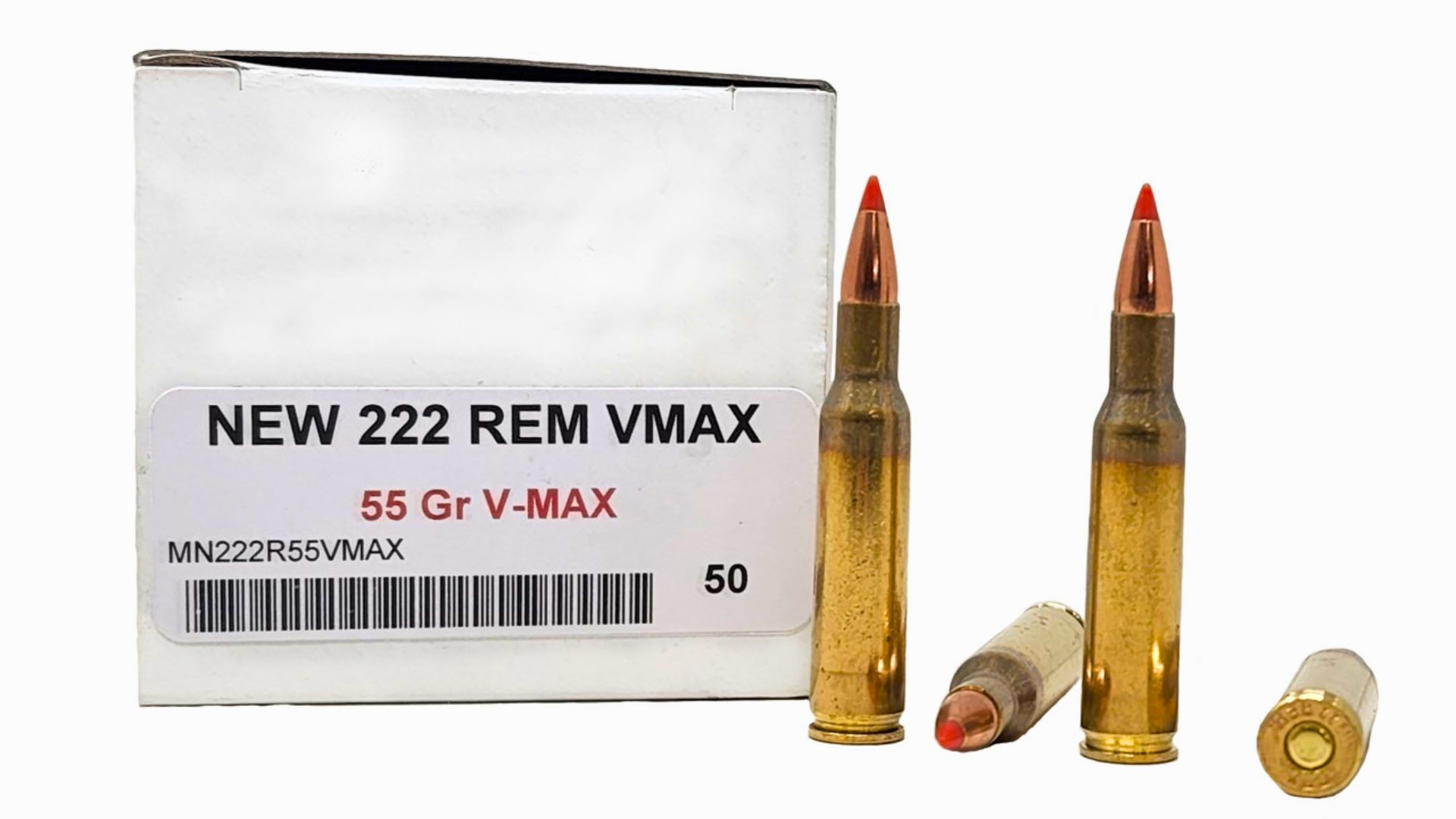
The .222 Remington was once one of the most respected accuracy and varmint cartridges in America. It played a major role in benchrest and helped influence the development of cartridges that followed.
Then .223 Remington overwhelmed it commercially. The .222 still has a loyal following in Europe and among traditional varmint shooters, but its American market share has shrunk dramatically. New rifle options are limited, and ammunition is nowhere near as easy to find as .223. The cartridge remains sweet-shooting and accurate. It just no longer owns the niche it helped create.
.218 Bee
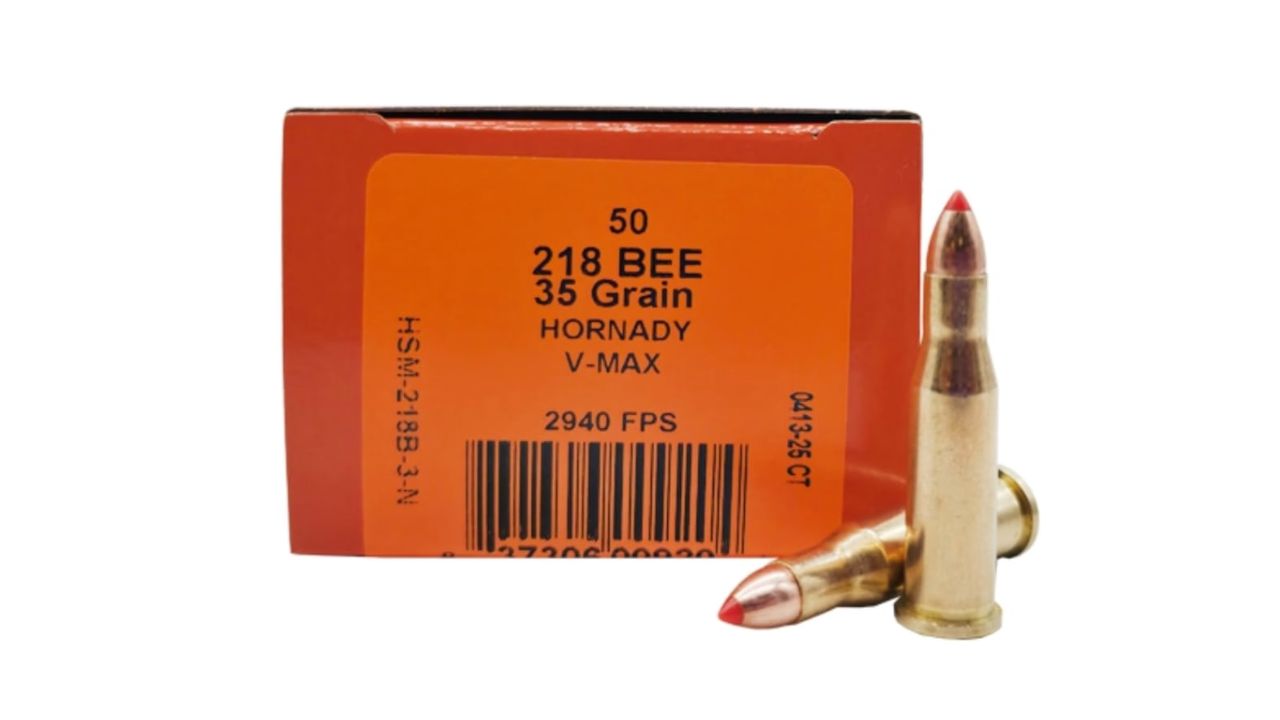
The .218 Bee has plenty of charm, especially in old lever and single-shot rifles. It is mild, efficient, and useful for small varmints.
That niche has been swallowed by .17 HMR, .22 Hornet, .223 Remington, and other small-caliber options with stronger support. New rifles in .218 Bee are rare, and ammunition often feels like something produced for existing collectors rather than new buyers. It is not dead, but it is drifting farther from the mainstream every year.
.307 Winchester
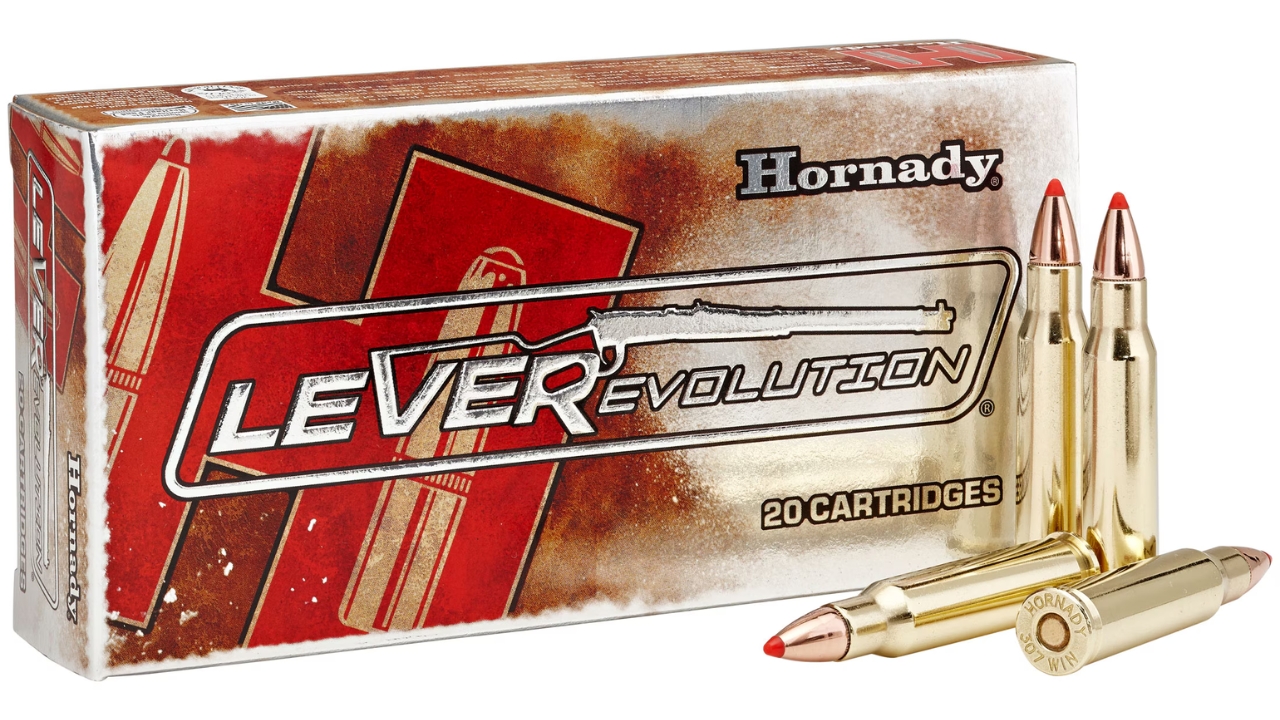
The .307 Winchester was created to give lever-action hunters near-.308 performance from a rimmed cartridge that worked in traditional rifles. It was a clever idea.
The market never needed it badly enough. Modern lever guns can handle more conventional cartridges through detachable magazines, while .30-30 remains dominant in traditional tubular guns. Factory ammunition is now limited and rifle choices are almost entirely used. The .307 still makes sense mechanically, but commercially its place in the rifle market has nearly disappeared.
Like The Avid Outdoorsman’s content? Subscribe to our newsletter so you never miss an article.
Here’s more from us: