Photo credit: Leatherman
Knife specs can make almost anything look good. Premium steel, thick stock, oversized handles, assisted opening, survival features, and aggressive styling all sound useful when you are reading a product page. The problem is that knives are handled tools, and small design mistakes become obvious very quickly once you start cutting with them.
Some knives are too thick behind the edge. Others carry poorly, create hot spots, have awkward locks, or make maintenance harder than it needs to be. None of that always shows up in the specifications. These 20 knives have ideas that sound appealing at first, but actual use tends to expose compromises that are harder to ignore.
Gerber Center-Drive

The Center-Drive sounds like one of the smartest multitools available because its screwdriver is placed on the centerline, giving it much more natural ergonomics than the offset drivers found on many competitors.
That feature really is useful, but the tool becomes bulky and heavy once you start carrying it every day. The plier deployment system also adds complexity, and the overall package can feel oversized for the amount of cutting and gripping most people actually do. It is excellent for someone who regularly uses the driver, but for general outdoor or EDC use, the weight can become harder to justify than the clever design suggests.
CRKT Provoke

The Provoke’s folding karambit mechanism is incredibly interesting. The blade deploys in a way that looks futuristic, compact, and mechanically clever.
Actual cutting exposes the limitations. The curved blade is highly specialized, sharpening takes more effort, and the unusual handle geometry is not particularly comfortable for ordinary utility work. Opening boxes, slicing food, or making controlled cuts is usually easier with a conventional folder. The mechanism is the main attraction, but once novelty wears off, many users realize they are carrying a very specialized knife for very ordinary tasks.
SOG Pentagon XR
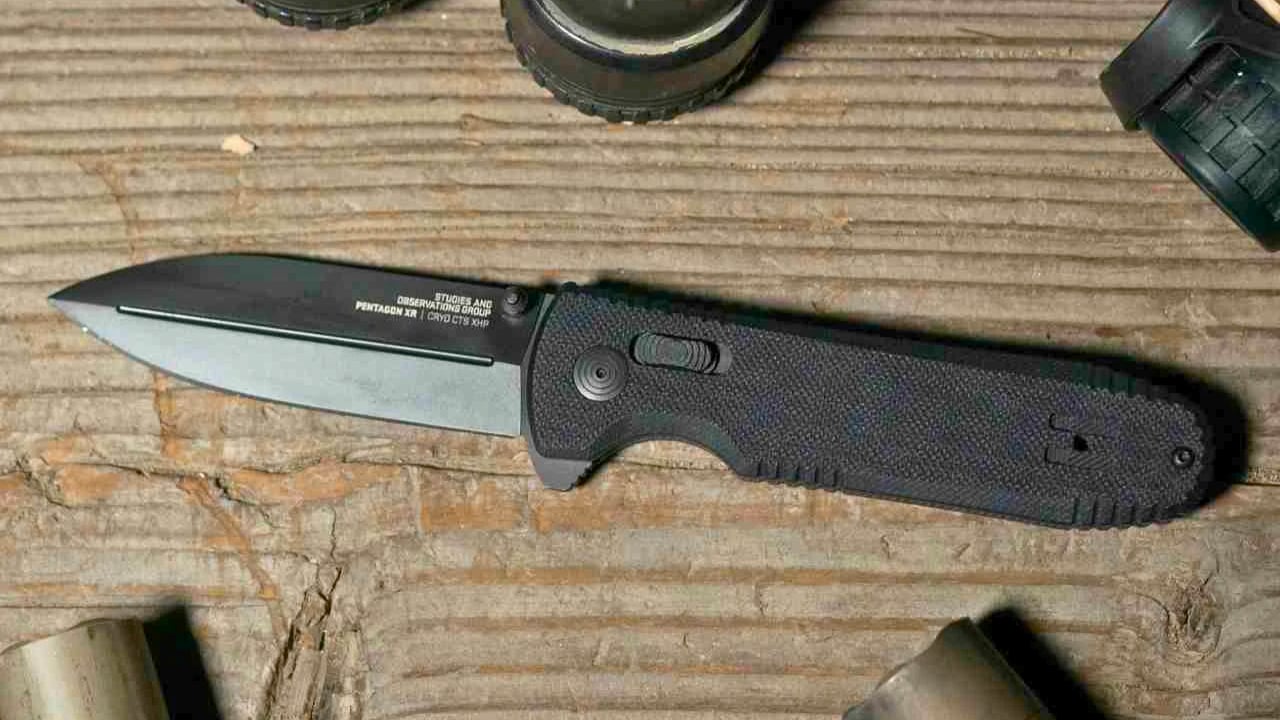
The Pentagon XR sounds like a serious tactical folder with a strong lock, aggressive spear-point blade, and ambidextrous controls.
The problem is that the handle and blade shape prioritize appearance and piercing ability over normal cutting comfort. The grip can feel blocky, and the double-edged visual language makes the knife less practical for mundane work than a conventional drop point. It is capable, but most users spend far more time cutting rope and cardboard than doing anything that justifies the tactical layout.
Cold Steel AD-10
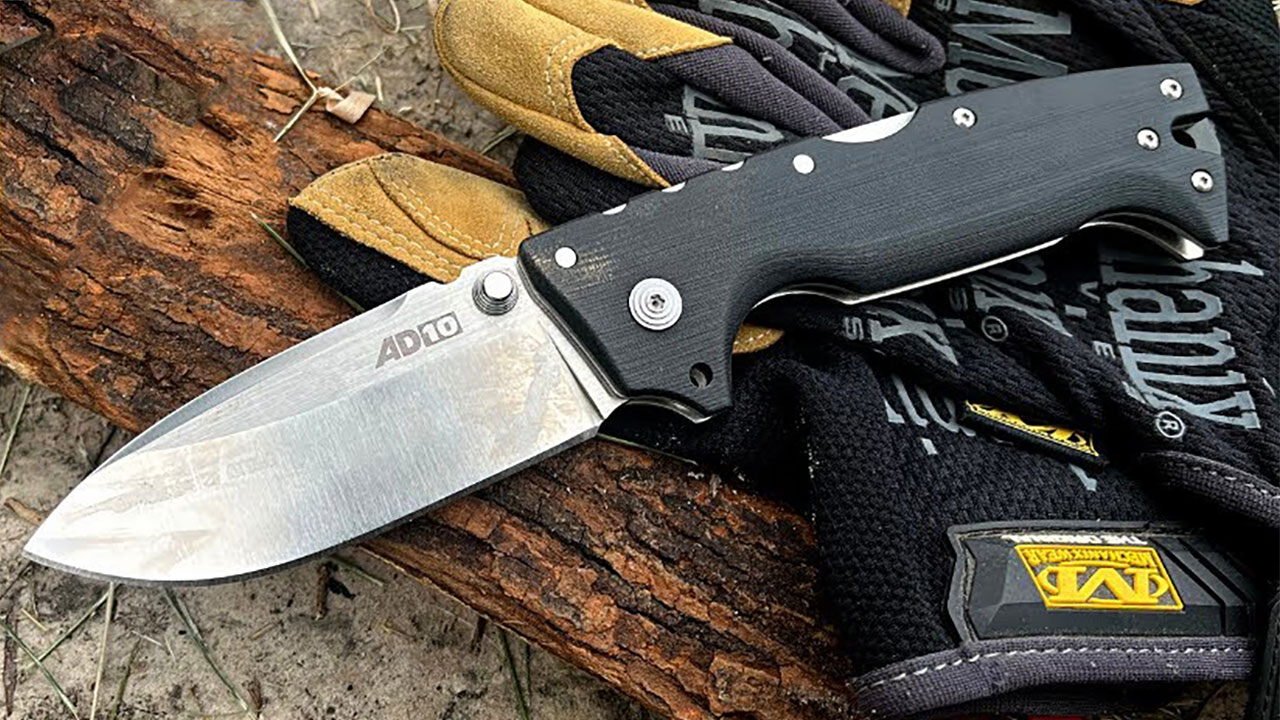
The AD-10 has almost everything enthusiasts say they want: a very strong lock, thick blade, substantial handle, and a reputation for toughness.
Use it for ordinary slicing and the overbuilt nature starts working against it. The knife is heavy, bulky in the pocket, and thicker behind the edge than many lighter folders. It excels at jobs that barely belong in folding-knife territory, but those jobs are not what most people encounter every day. The AD-10 is impressive, but carrying that much knife for normal utility work can become tiring fast.
Buck 120 General
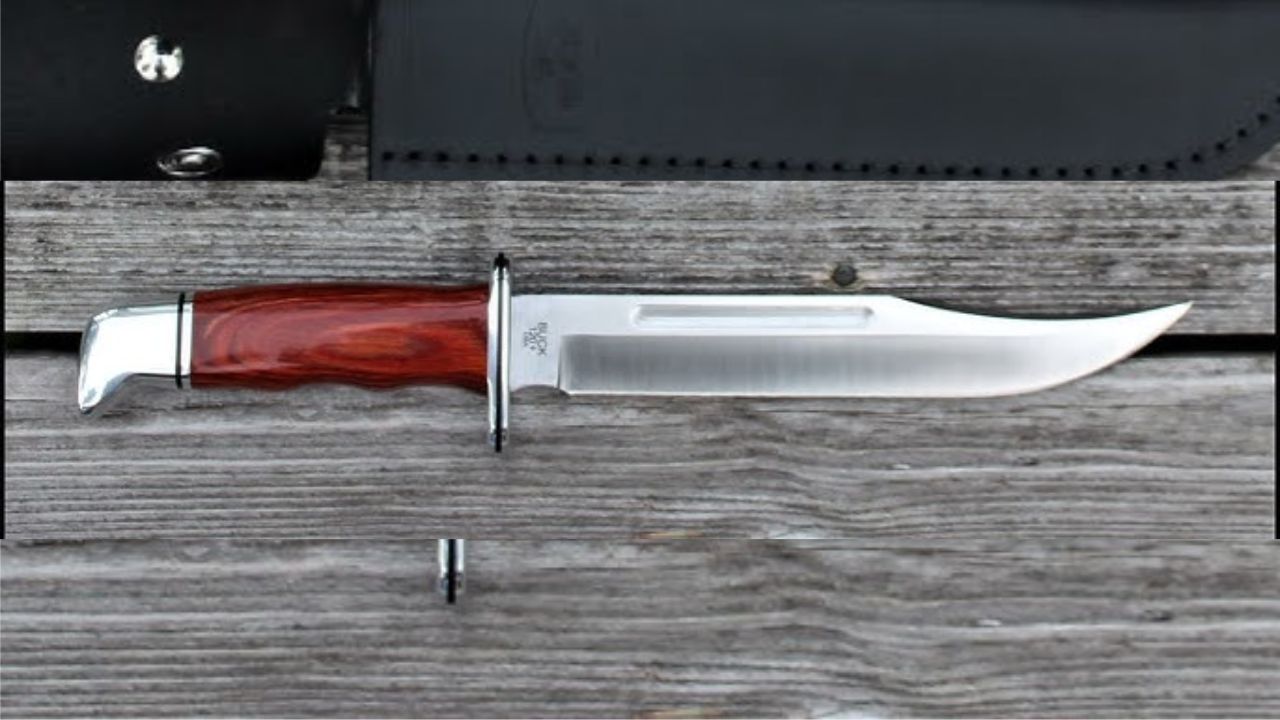
The Buck 120 looks like the definition of a traditional large hunting knife. The long clip-point blade, polished fittings, and classic profile give it enormous visual appeal.
In actual field dressing, the blade can simply be more knife than you need. The length makes controlled work around joints and cavities less convenient, and the polished handle can become slippery when wet. It remains a beautiful knife, but smaller hunting knives are often easier to maneuver and safer to control. The 120 looks ideal hanging from a belt and less ideal once precision work begins.
TOPS Tom Brown Tracker Mini
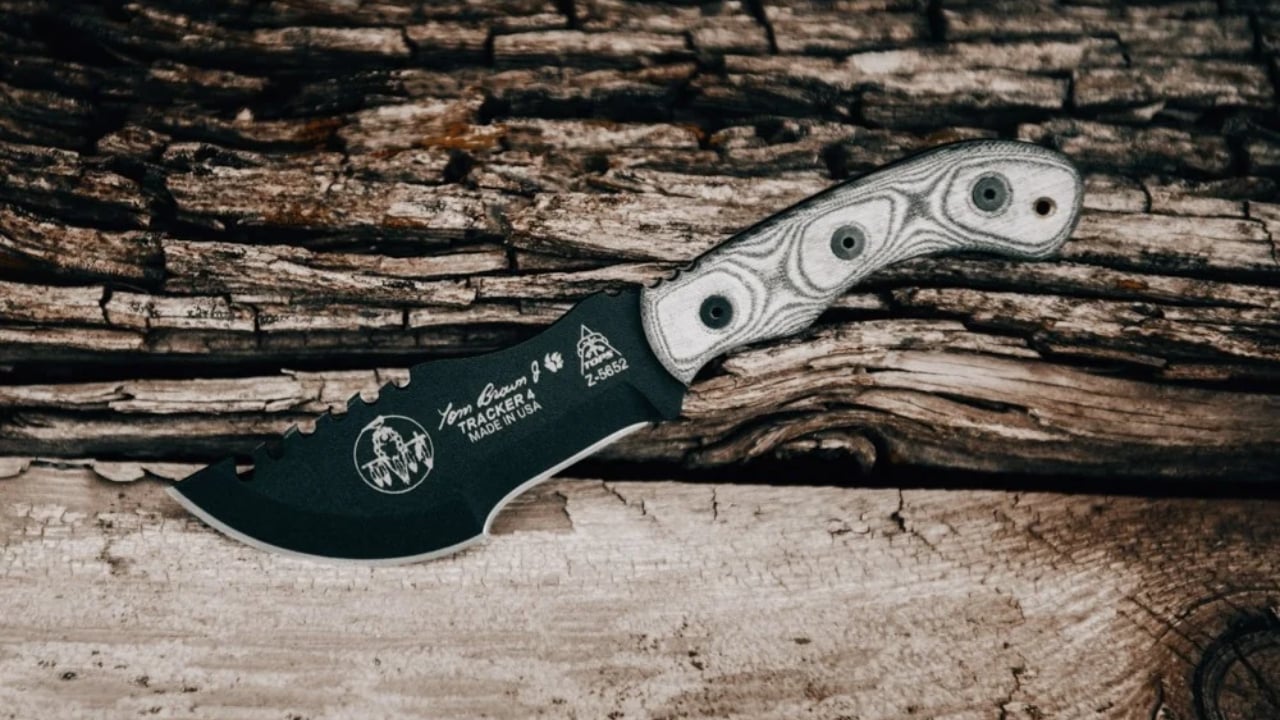
The smaller Tracker concept sounds appealing because it promises the unusual chopping, carving, and scraping features of the full-size design in a more manageable package.
Shrinking the knife exposes some of the design’s weaknesses. The multiple edge geometries reduce usable cutting length, the blade remains thick, and the unusual profile is harder to sharpen than a straightforward outdoor knife. The original design at least has enough mass to make its chopping section useful. In the smaller version, you can end up carrying complexity without getting the full benefit.
Leatherman Signal

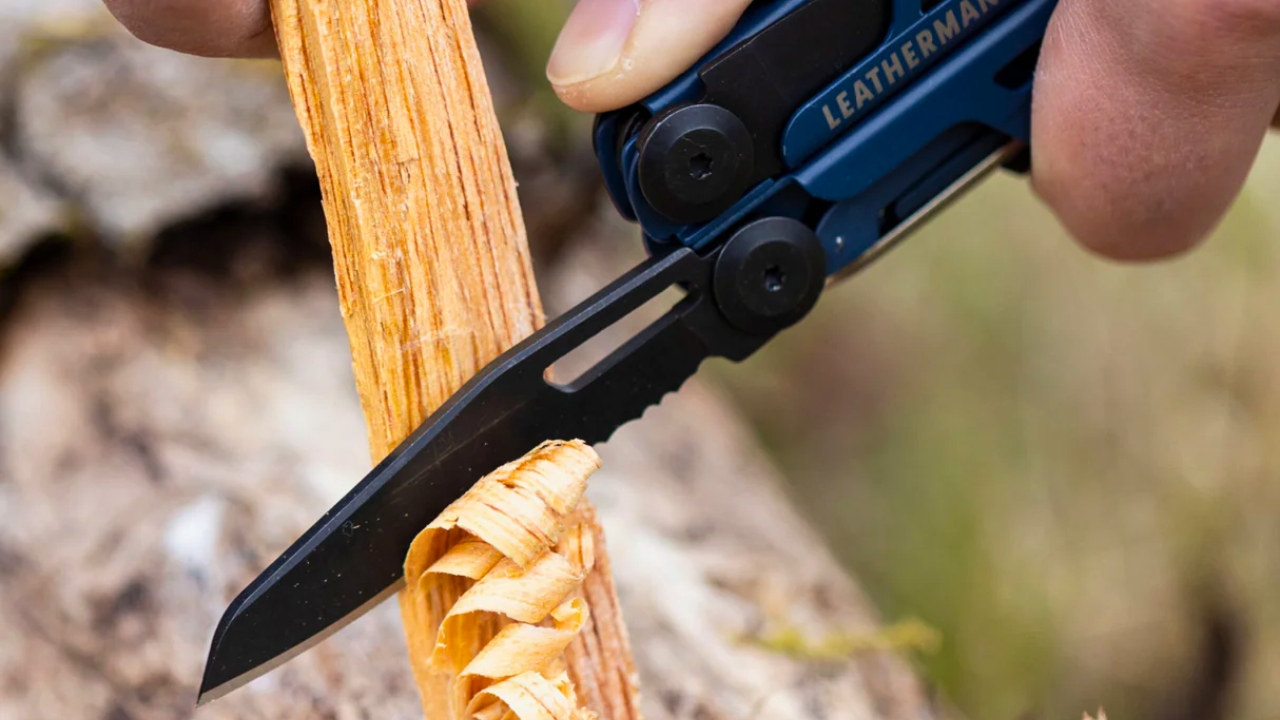
The Signal sounds almost perfect for outdoor use. You get pliers, a blade, saw, ferro rod, whistle, hammer surface, and several other tools in one package.
The issue is that several survival-specific additions feel like compromises compared with carrying dedicated gear. The ferro rod is small, the sharpener is limited, and the tool selection leaves out some implements that would be more useful during everyday work. The Signal is still a good multitool, but the survival theme can make it seem more complete than it really is.
Benchmade Adamas Fixed Blade
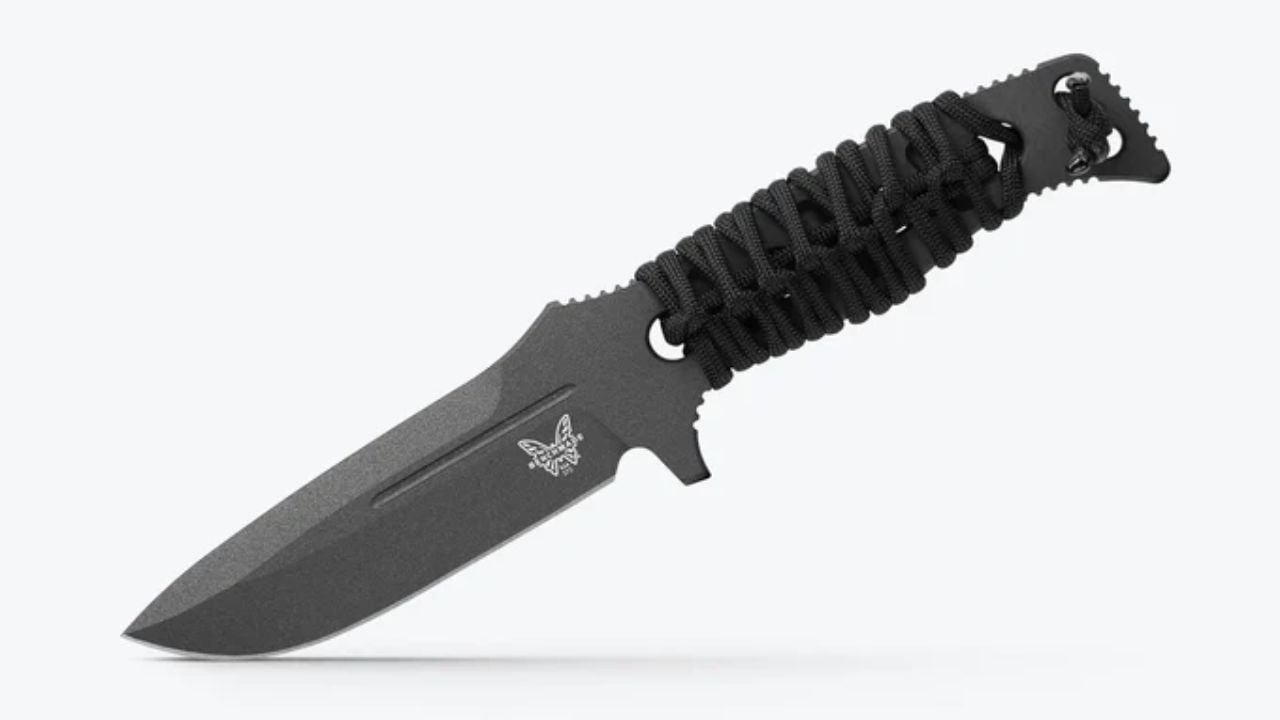
The Adamas fixed blade sounds ideal if durability is your main concern. Thick steel, full-tang construction, and a military-influenced design suggest a knife capable of handling almost anything.
That toughness comes with weight and cutting inefficiency. The blade is thicker than necessary for many outdoor jobs, and the handle can feel less comfortable during prolonged carving than more neutral bushcraft designs. It is a strong knife, but strength alone does not make a knife pleasant to use. A thinner fixed blade can perform most real cutting jobs with less effort.
Spyderco Matriarch 2
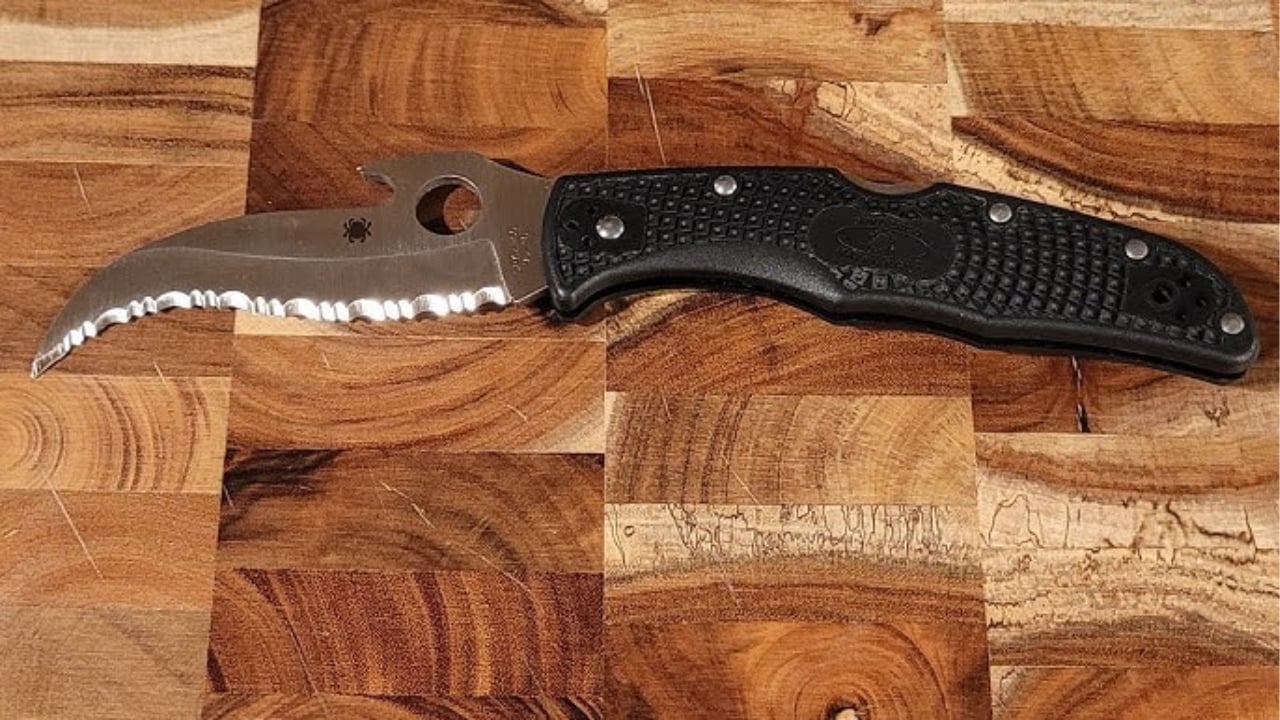
The Matriarch 2 has an intimidating reverse-S blade and aggressive serrations that make it look capable of tearing through almost anything.
The same blade shape becomes frustrating for ordinary use. Sharpening is more difficult, the tip is delicate, and long controlled slices are harder than they would be with a conventional edge. Serrations also make clean woodworking and food preparation awkward. It is a specialized design, and the more general your cutting needs become, the more those specialized features work against you.
Victorinox SwissChamp
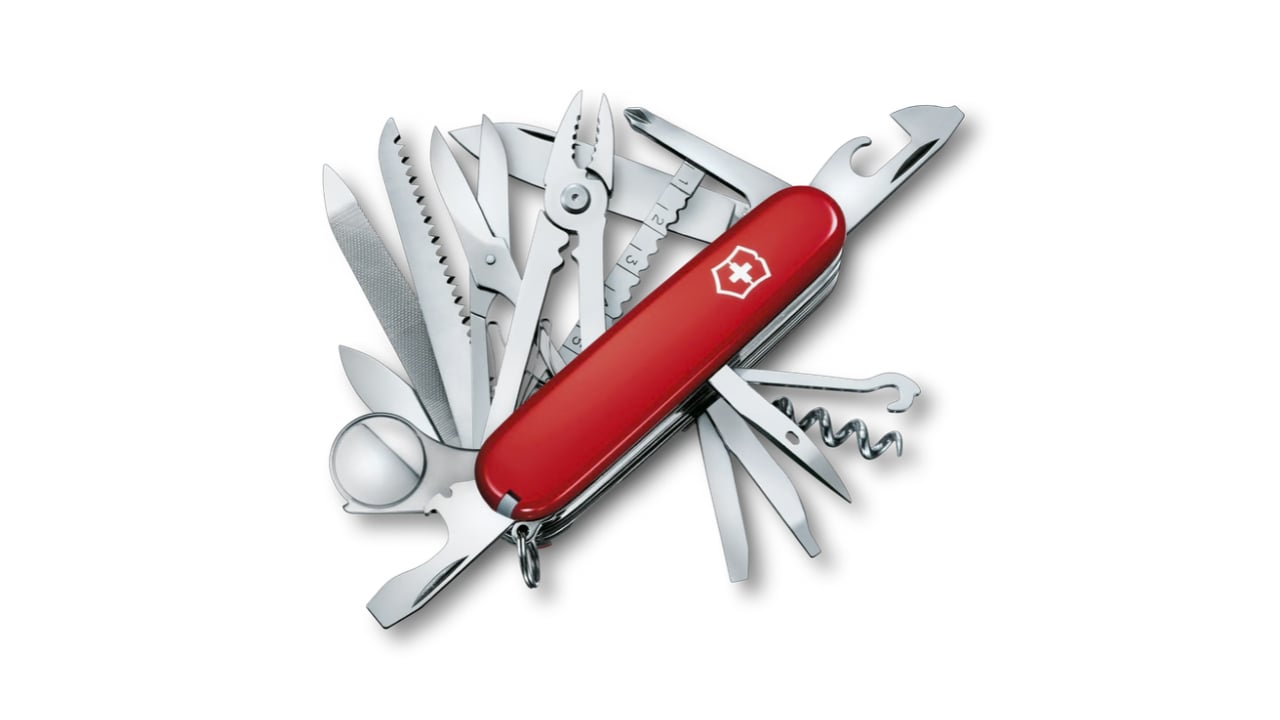
The SwissChamp is appealing because it crams an enormous number of tools into a pocket-sized Swiss Army Knife format. On paper, it seems like the ultimate do-everything pocket tool.
The problem is thickness. Once that many layers are stacked together, the knife becomes bulky in the hand and unpleasant in many pockets. Some of the more obscure tools may rarely be used, meaning you carry their weight every day for occasional usefulness. A simpler Victorinox often handles ninety percent of the same real-world tasks while carrying much more comfortably.
ESEE Junglas

The Junglas sounds like the perfect large survival blade. It is tough, long enough for chopping, and backed by one of the strongest warranties in the knife industry.
Once you actually carry it, you begin noticing the size. It is heavy on the belt or pack, awkward for small cutting tasks, and still not as efficient at chopping as a proper hatchet or machete. It works well as a large camp knife, but the idea of one tool replacing several others becomes less convincing after a full day carrying it.
Condor Bushlore

The Bushlore looks like everything a traditional bushcraft knife should be: wood handle, Scandi-style grind, full tang, and a practical drop-point blade.
Actual examples can feel rougher than the appealing design suggests. Edge geometry and factory finishing can vary, and the handle shape does not suit every hand during long carving sessions. It is inexpensive enough that some owners are happy to tune it themselves, but that means the knife can require work before it performs as well as the specification sheet implies.
Kershaw Blur

The Blur has been popular for years because it combines assisted opening, a grippy handle, and a useful blade shape in a relatively slim folder.
The assisted mechanism becomes less appealing once you start maintaining the knife regularly. Dirt and pocket debris can make the action feel less smooth, and the aggressive handle inserts can chew up pockets over time. The knife still cuts well, but modern manual folders have become so good that the spring assist feels less necessary than it once did.
Boker Kalashnikov Automatic
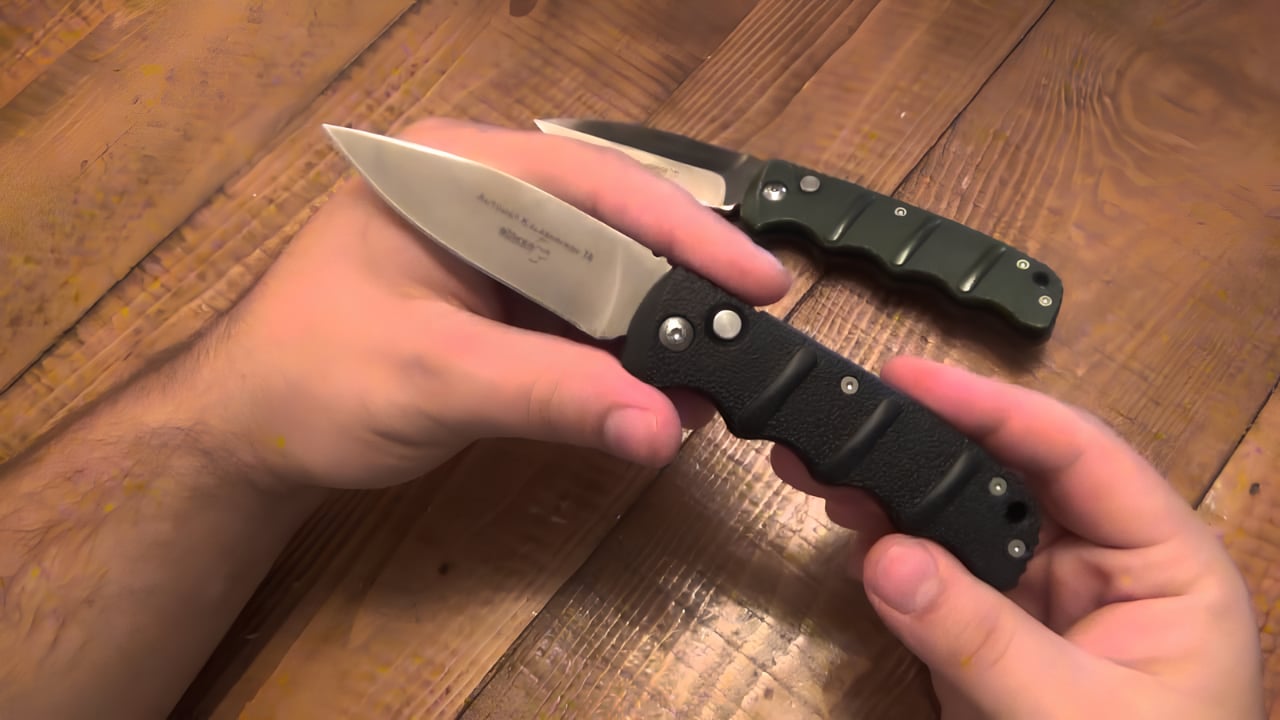
The Kalashnikov automatic sounds like an easy way to get an affordable automatic knife with a proven reputation and fast deployment.
The low price shows up in some areas. The handle can feel more utilitarian than refined, blade play may appear with heavy use, and the action lacks the smoothness of more expensive autos. It is fun and functional, but expectations often rise too high because of the popularity of the model. It is best viewed as a budget automatic rather than a premium knife at a discount.
Ontario SP-10 Marine Raider

The SP-10 sounds ideal for brutal outdoor work because it is huge, thick, and built around a heavy-duty military-style format.
The size becomes a liability during ordinary camp work. Fine carving is awkward, food preparation feels clumsy, and carrying the knife takes up far more space than a smaller fixed blade. It can chop, but a hatchet usually chops better. The SP-10 is durable, but durability does not automatically make it the most efficient tool for the job.
Buck 110 Auto

An automatic version of the classic Buck 110 sounds like the perfect combination of old-school design and modern convenience.
The weight and proportions remain pure 110, though. It is heavy for pocket carry, the brass bolsters add bulk, and the automatic mechanism does not change the fact that the knife was originally designed around belt-sheath carry. It is satisfying to open, but a lighter modern automatic often does the everyday job with much less weight.
Spyderco Civilian
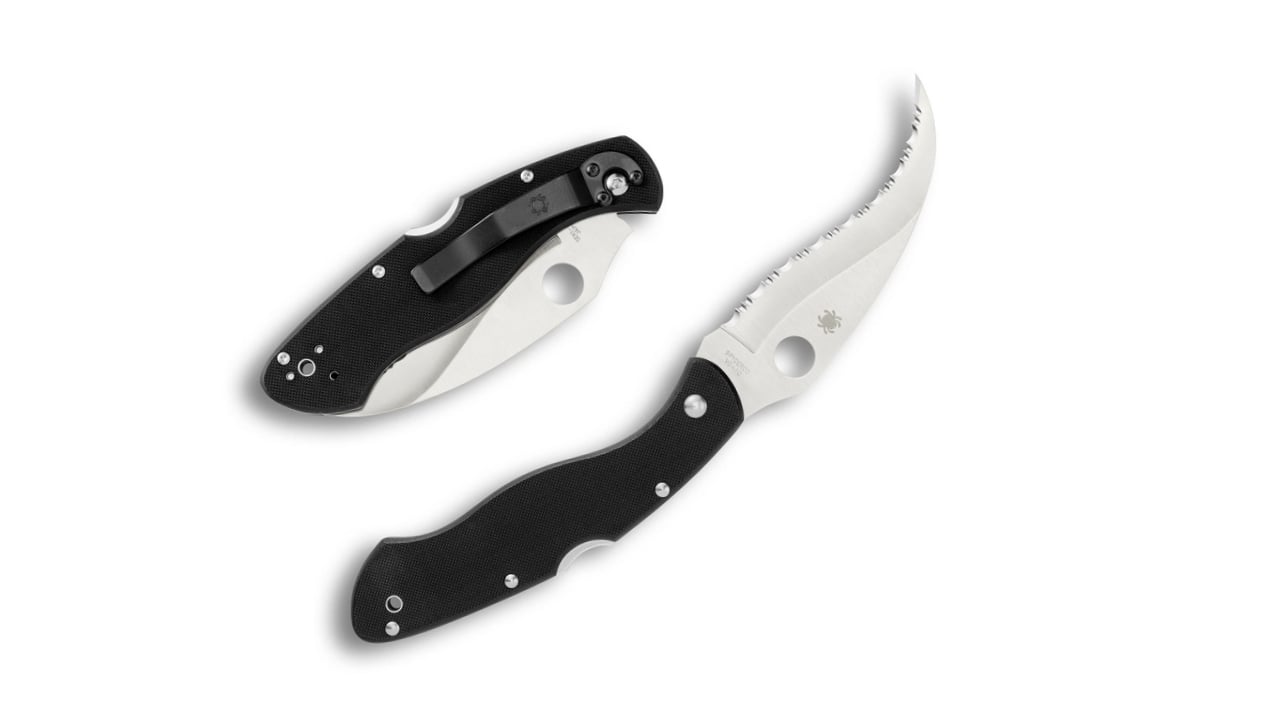
The Civilian has one of the most dramatic blade profiles in the folding-knife world. Its long reverse-S shape and serrated edge make it look exceptionally capable.
That design is almost entirely specialized. The thin tip can be vulnerable during utility work, sharpening takes patience, and the curved edge makes straightforward slicing far less convenient. It is also very large in the pocket. The Civilian delivers exactly the unusual cutting geometry it promises, but that does not translate into broad usefulness.
Cold Steel Espada XL
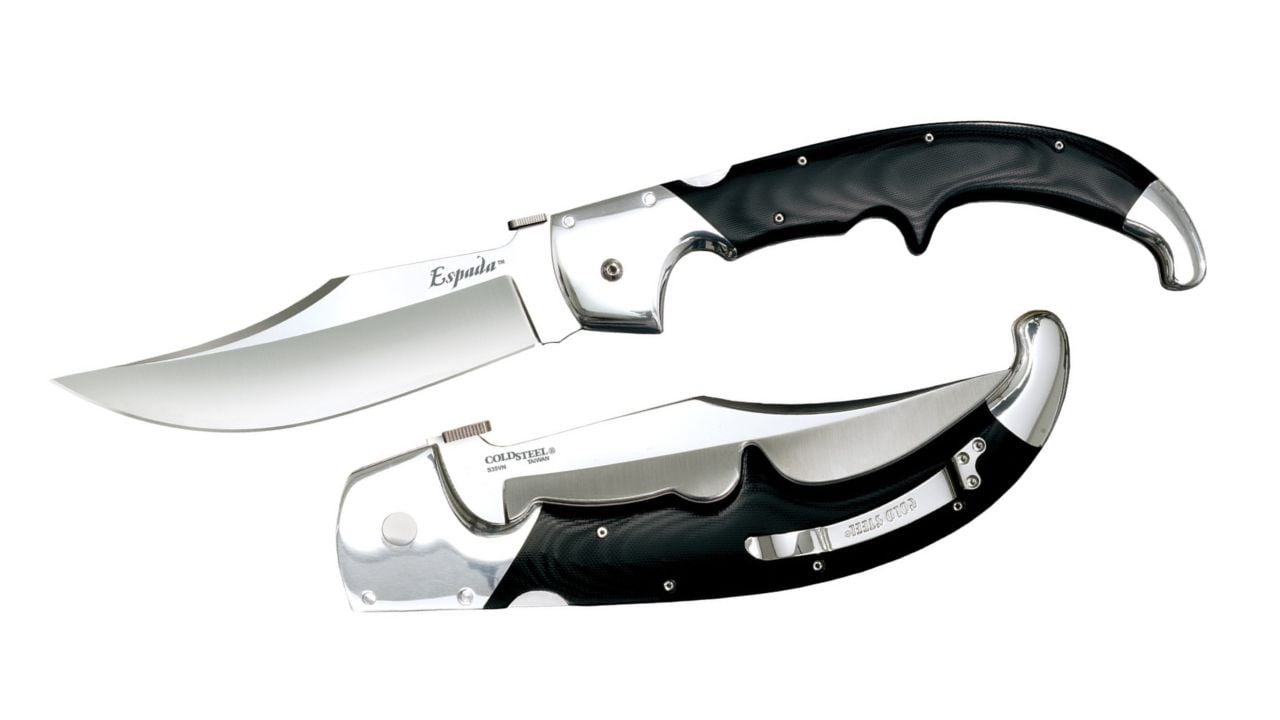
The Espada XL sounds incredible if your idea of a folding knife is simply “more.” The blade is enormous, the lock is strong, and the handle gives you plenty of leverage.
Carry it for a while and the novelty turns into bulk. It dominates a pocket, draws attention whenever it is opened, and handles many daily tasks worse than a normal four-inch folder. The strength and blade length are real, but most users rarely need either. It is an entertaining knife that makes much more sense as a collection piece than an everyday cutting tool.
KA-BAR Becker BK9

The BK9 has earned a strong reputation as a large camp knife because it can chop, baton, clear brush, and handle heavy cutting.
The problem is that its size pushes it into competition with dedicated tools. A machete clears vegetation better, a hatchet handles wood more efficiently, and a smaller knife performs detailed work with less fatigue. The BK9 can do all three jobs to some degree, but carrying one large compromise tool is not always better than using the right tool for each task.
Gerber Principle

The Principle looks excellent on paper as an affordable compact bushcraft knife. It has a full tang, useful blade length, and an outdoor-focused sheath system.
The issue is that the handle feels small for prolonged work, especially for larger hands, and the compact dimensions limit leverage during heavier carving. It works fine for light outdoor tasks, but once you start processing wood for an extended period, a slightly larger fixed blade becomes noticeably more comfortable. The Principle makes sense as a lightweight secondary knife, but less so as the one outdoor knife that handles everything.
Like The Avid Outdoorsman’s content? Subscribe to our newsletter so you never miss an article.
Here’s more from us: