Photo credit: Mr. Madness/Youtube
Carry guns in America don’t just change because a new model drops. They change because of holster trends, ammo shortages, police trade-ins hitting the counter, and what regular folks can actually shoot well after work on a Wednesday. A pistol “defines” its era when it becomes the default answer: the gun you see in gloveboxes on the ranch, on belts at the feed store, and in nightstand safes that haven’t been opened since last deer season.
This isn’t a list of the fanciest pistols ever made. It’s a list of handguns that steered the conversation for a generation of concealed carry—some because they were great, some because they were everywhere, and a few because they taught people what they really do and don’t want riding on them all day.
1. Glock 19 (Gen 3/4)
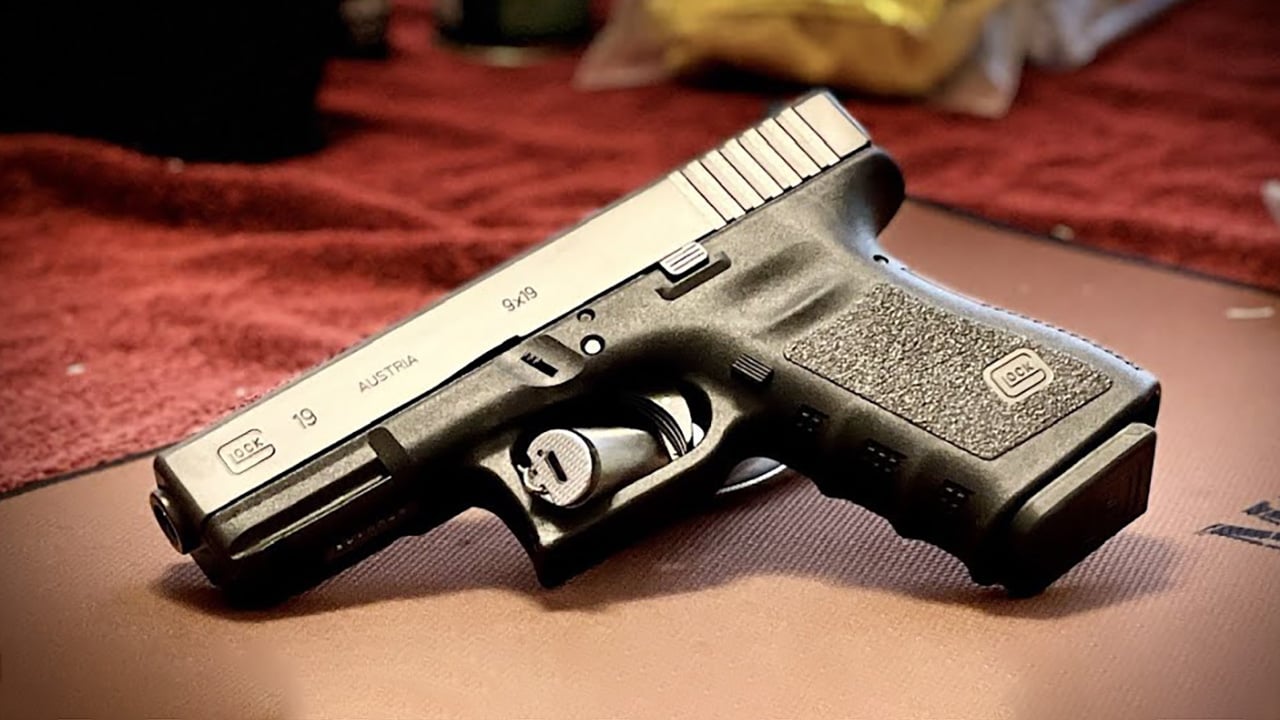
If you carried in the 2000s or 2010s, you bumped into a Glock 19 whether you wanted to or not. It’s the “one gun” answer that actually works for a lot of people: big enough to shoot like a duty gun, small enough to hide under a flannel. It points a little blocky, but it’s predictable.
What made it generation-defining wasn’t romance. It was magazines everywhere, parts everywhere, holsters everywhere, and a reputation for just running when you’re sweaty, dusty, and busy. There’s nothing fancy about it, and that is kind of the point.
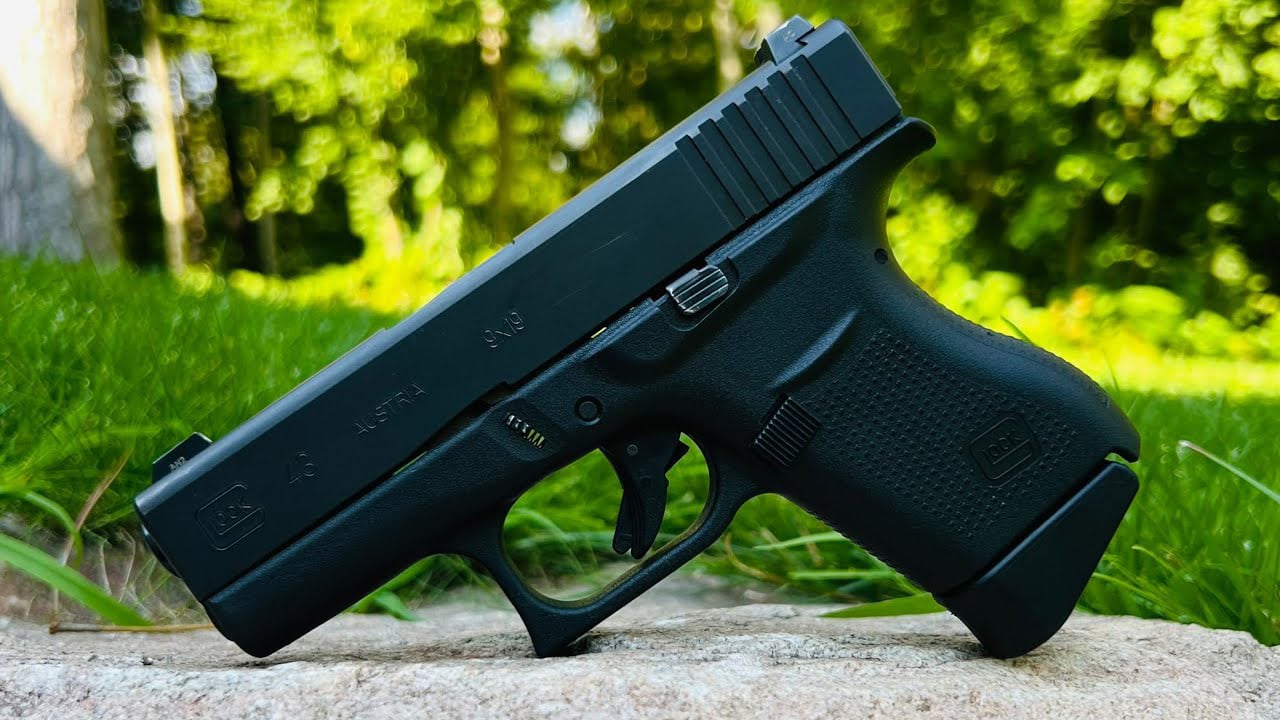
2. Glock 43
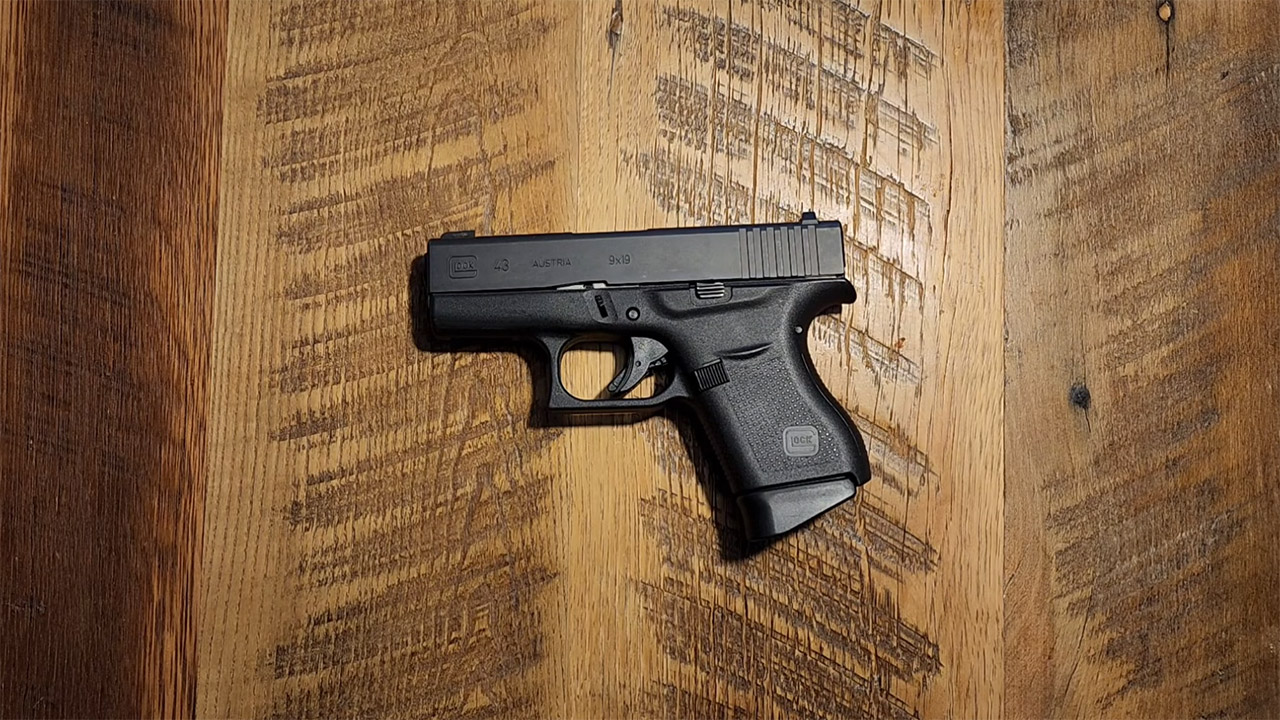
The Glock 43 hit right when the single-stack 9mm carry wave was peaking, and plenty of folks waited on it like it was opening day. It’s slim, simple, and it disappears in a way double-stacks don’t. For a lot of people it was the first time a 9mm felt truly “pocketable-ish” without being a gimmick.
Downside is the same one you hear at every range bench: it can be snappy, and that short grip makes honest practice less fun. Still, it pushed the market hard and forced everyone else to respond.
3. Smith & Wesson M&P Shield (9mm, 1.0)

There was a stretch where it felt like every other permit holder had a Shield. It carried flat, shot better than most little guns, and didn’t cost “new truck payment” money. The grip texture and the general feel in the hand worked for a lot of normal hands.
It also became a confidence gun—something folks would actually shoot a couple boxes through each month without hating life. That matters more than internet arguments. If you can’t stand training with it, you won’t.
4. SIG Sauer P365
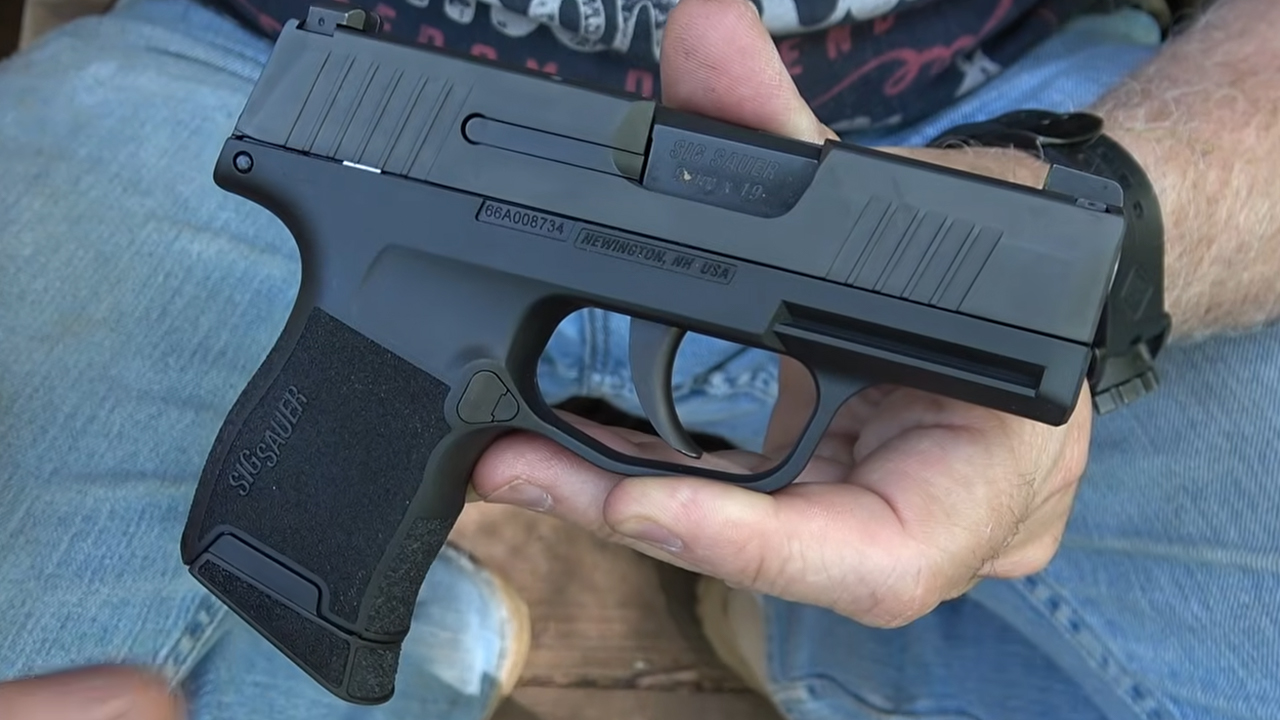
Like it or not, the P365 rewired what people expect from a small carry gun. Double-digit capacity in a gun that small changed the whole conversation at gun counters. Suddenly “it’s only a single stack” sounded like an excuse.
Early reputations are hard to shake, and plenty of shooters remember the first-year chatter. But the platform matured into something a lot of folks trust, and it set the template for the micro-compact era we’re still living in.
5. Springfield Armory Hellcat
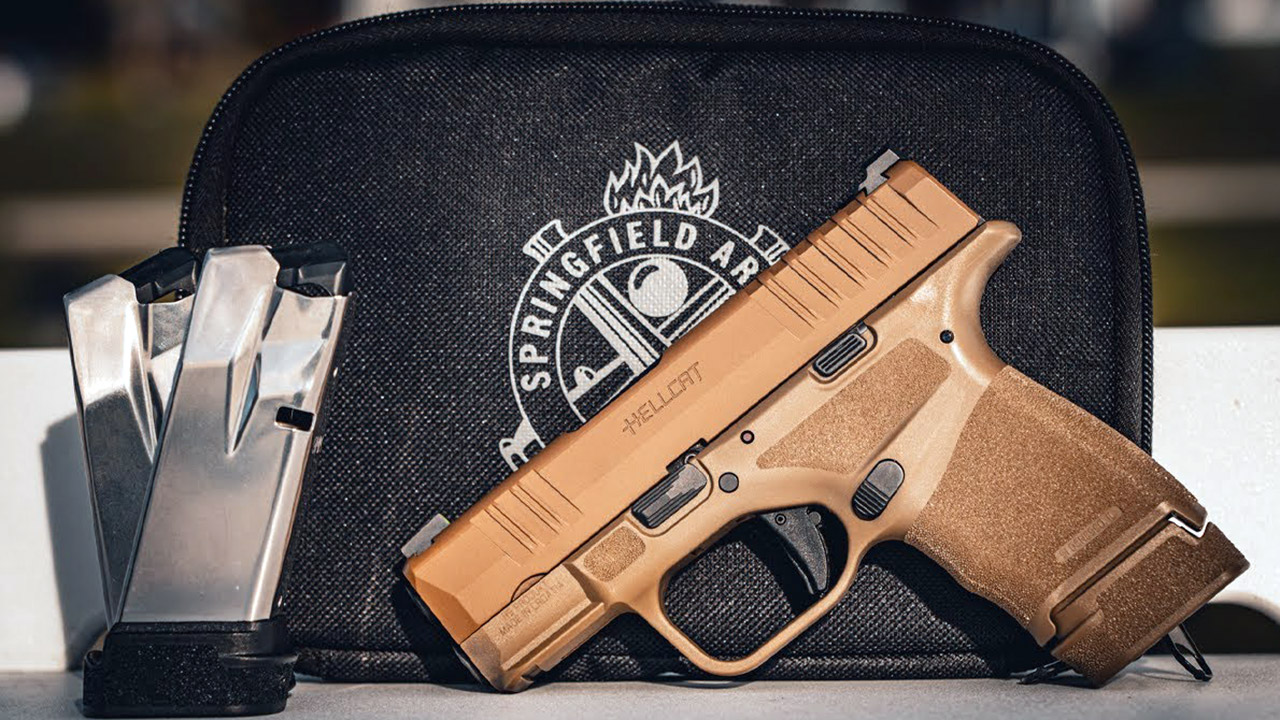
The Hellcat showed up with a clear message: if you want to compete now, you bring capacity and you bring sights that work in real light. Those factory sight setups got a lot of people thinking about fast front-sight pickup, not just tiny notch-and-posts.
It carries easy, but it’s still a small gun with small-gun recoil. If you buy one, you owe it to yourself to run it hard enough to know if you truly control it when you’re tired and sloppy. Ask me how I know.
6. Ruger LCP

The LCP is the reason so many people started actually carrying every day instead of “sometimes.” It’s not pleasant. It’s not a range toy. It’s a gun you can have on you when you’re taking trash to the road at night or checking calves at dawn.
For its era, it was a lightweight answer to a real problem: deep concealment with minimal wardrobe changes. If you treat it like a serious tool and not a magic talisman, it still makes sense.
7. Ruger LCR (.38 Special)
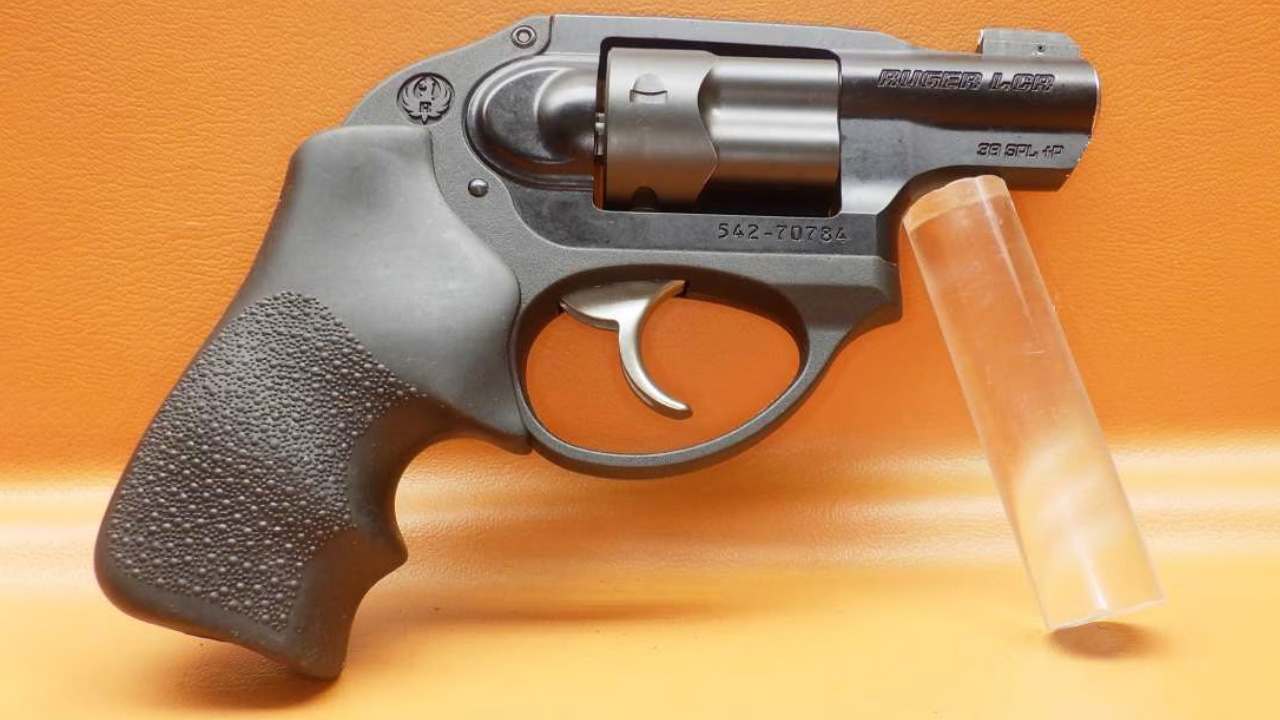
The LCR is one of those guns that wins people over after they said they’d never carry a revolver. The trigger is better than most snubnose triggers have any right to be, and the thing is just easy to live with. It’s not sexy, but it’s honest.
In pockets and ankle rigs, it sits where little autos sometimes print or shift. And for folks who don’t want to think about magazines, springs, or “did I limp-wrist it,” it’s a steady option.
8. Smith & Wesson Model 642 Airweight
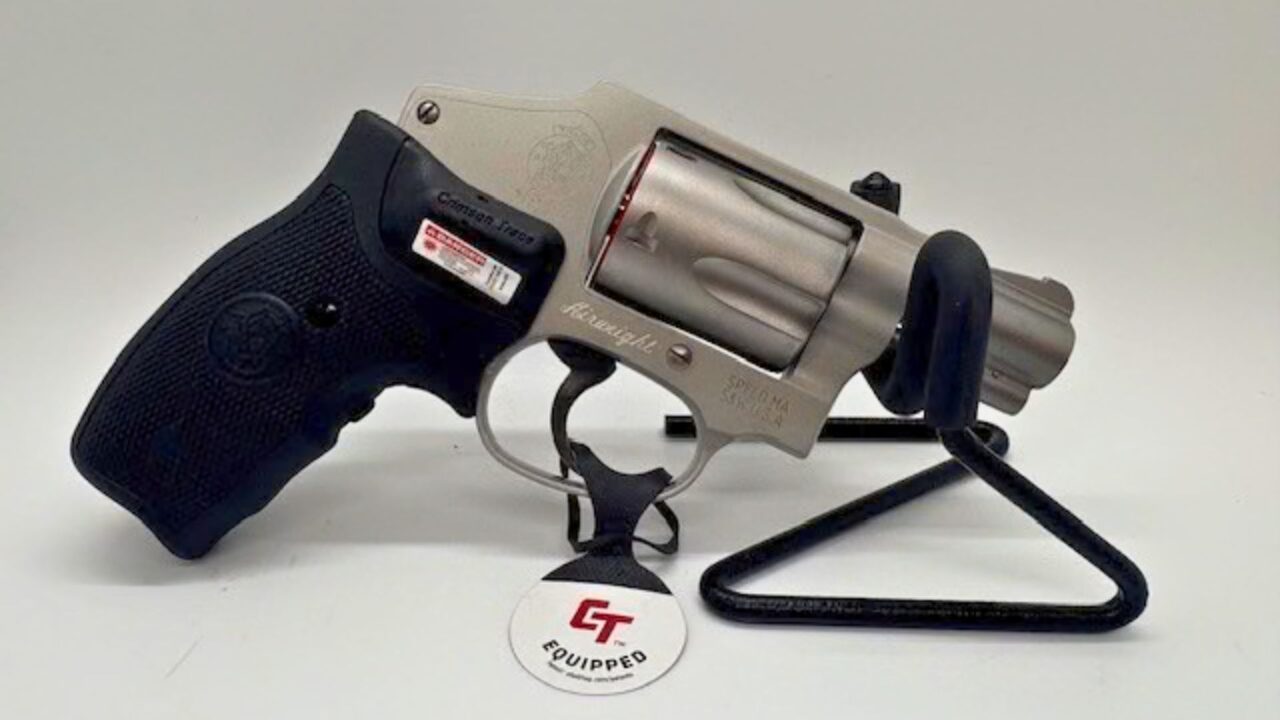
A 642 in a pocket holster has probably been to more hardware stores, deer camps, and mailbox runs than most “tactical” pistols will ever see. It’s simple and it’s light, and it’s been trusted by a lot of people who keep their life uncomplicated.
It’s also a reminder that light weight comes with a price at the range. Airweights aren’t fun for long strings. But if you do your part and you keep it maintained, it’s still one of the purest carry concepts out there.
9. Colt Detective Special
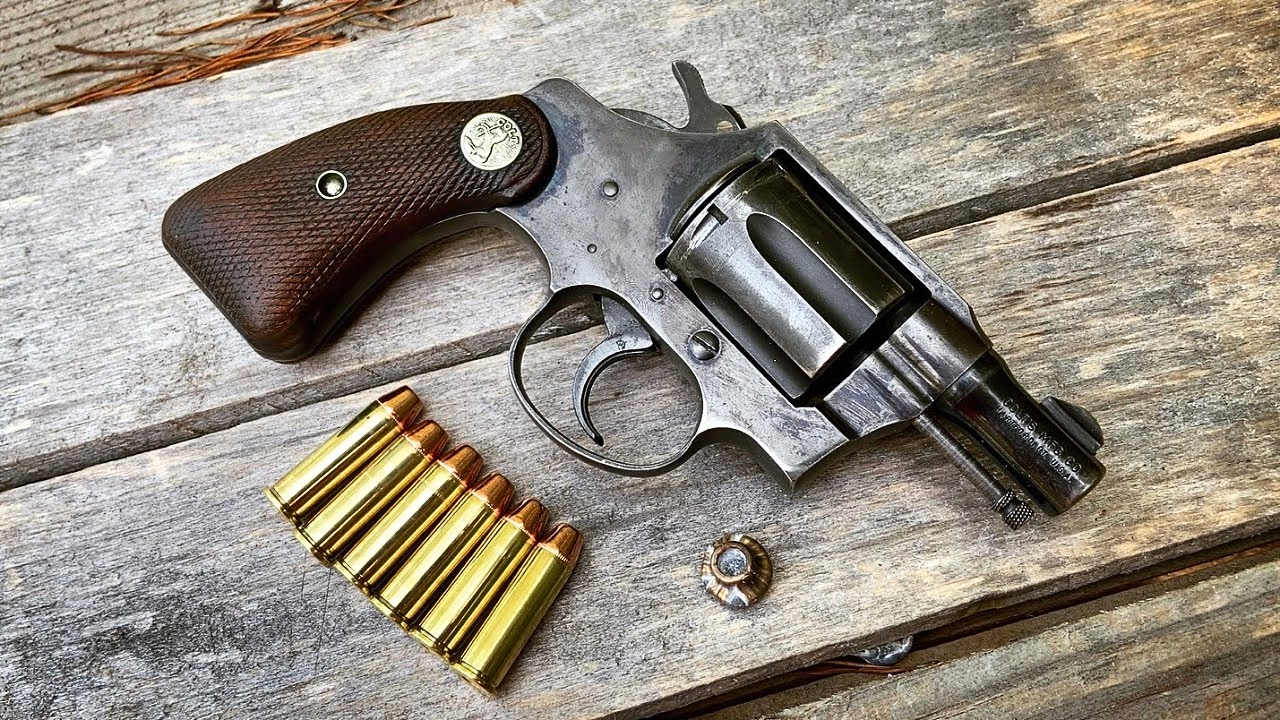
This is the old-school snub that a lot of modern snubs owe their popularity to. The Detective Special carried when “concealed carry” wasn’t the normal phrase it is now. It’s heavier than an Airweight, but that weight buys you control.
They’re getting harder to find in good shape without paying collector tax. If you’ve got one that runs and locks up right, it’s more than nostalgia—it’s a very usable carry revolver with real history behind it.
10. Colt Commander (Lightweight Commander)
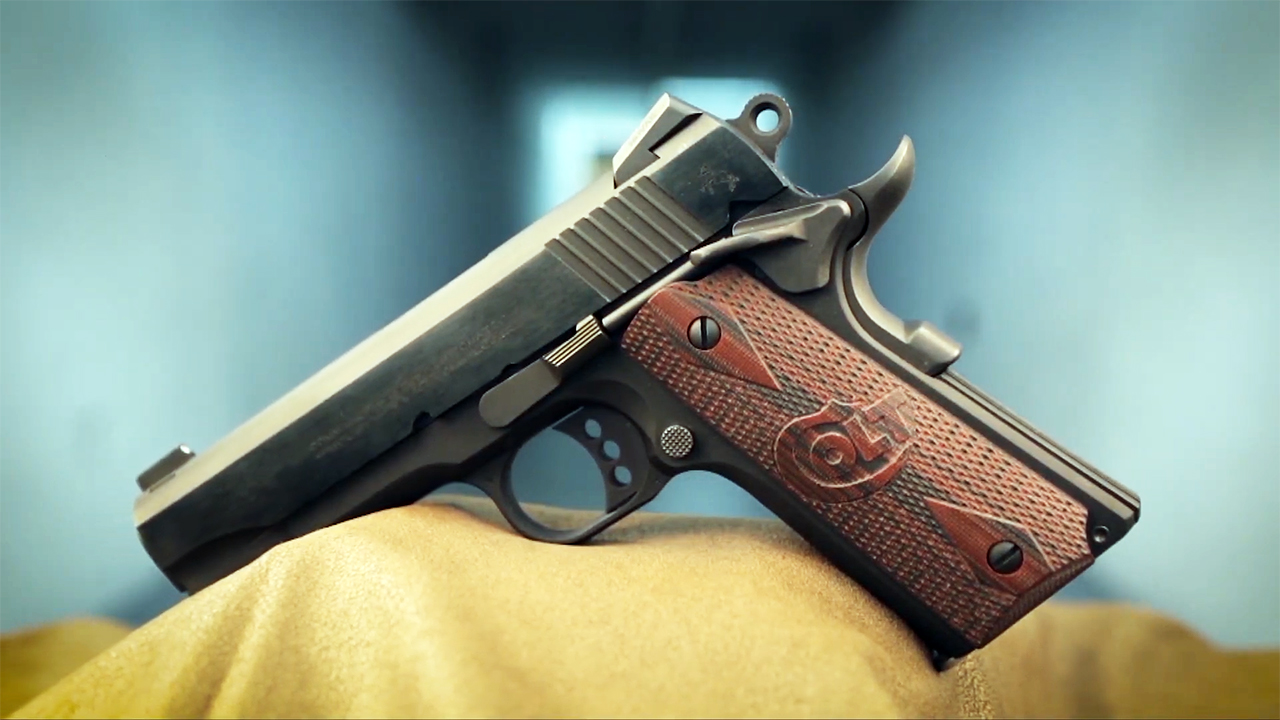
The Commander gave 1911 guys a way to carry a fighting pistol without strapping on a boat anchor. It’s still a full-power setup, still thin, and still points like a 1911 points—natural for a lot of shooters. If you grew up around them, you know the feel.
The trade is you need to actually stay on top of magazines and springs. A Commander that’s maintained is a sweetheart. A neglected one can be a headache that convinces someone “1911s are unreliable,” when the truth is usually more complicated.
11. Colt Government Model 1911 (Series 70 pattern)
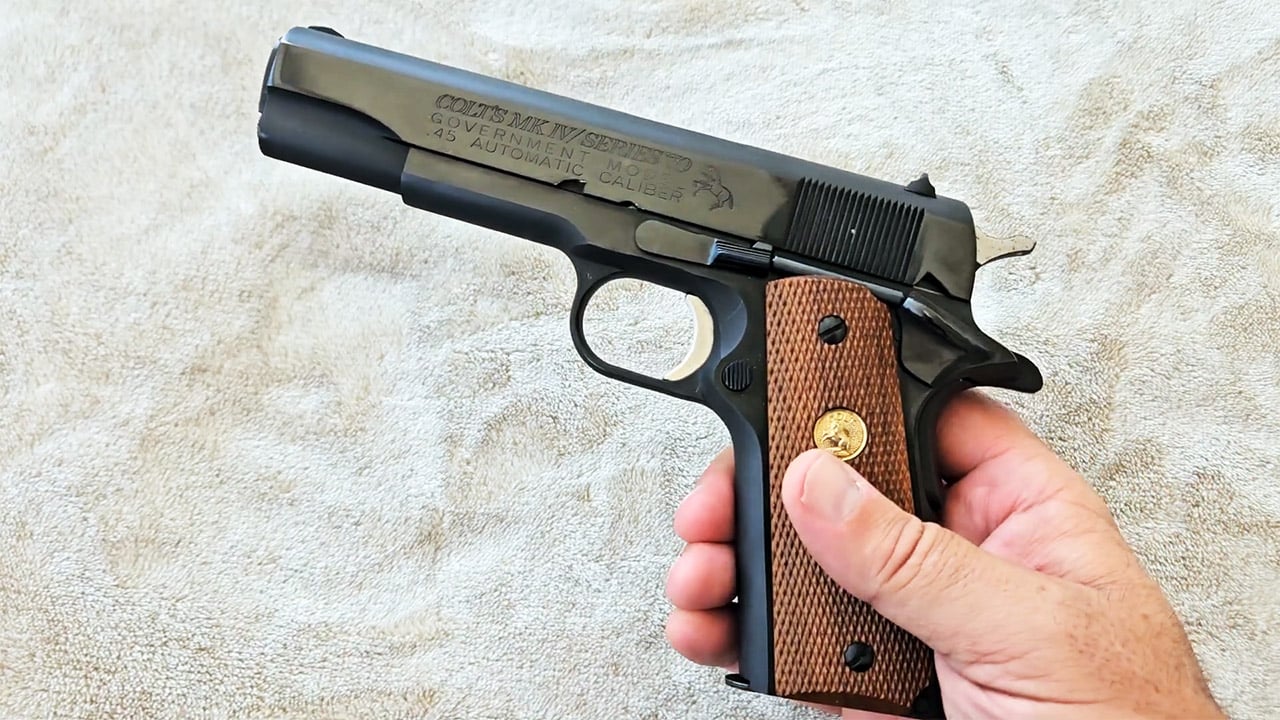
The full-size 1911 is a carry gun that refuses to die. It’s long, it’s heavy, and it still hides better than you’d think because it’s thin. And the trigger is what people are really paying for—clean, predictable, and easy to shoot well.
It defined a generation because it stayed the measuring stick. Even guys who don’t carry one still compare triggers to it. The downside is the platform can be picky if you start mixing bargain mags, weird ammo, and “I never clean it” habits.
12. Browning Hi-Power
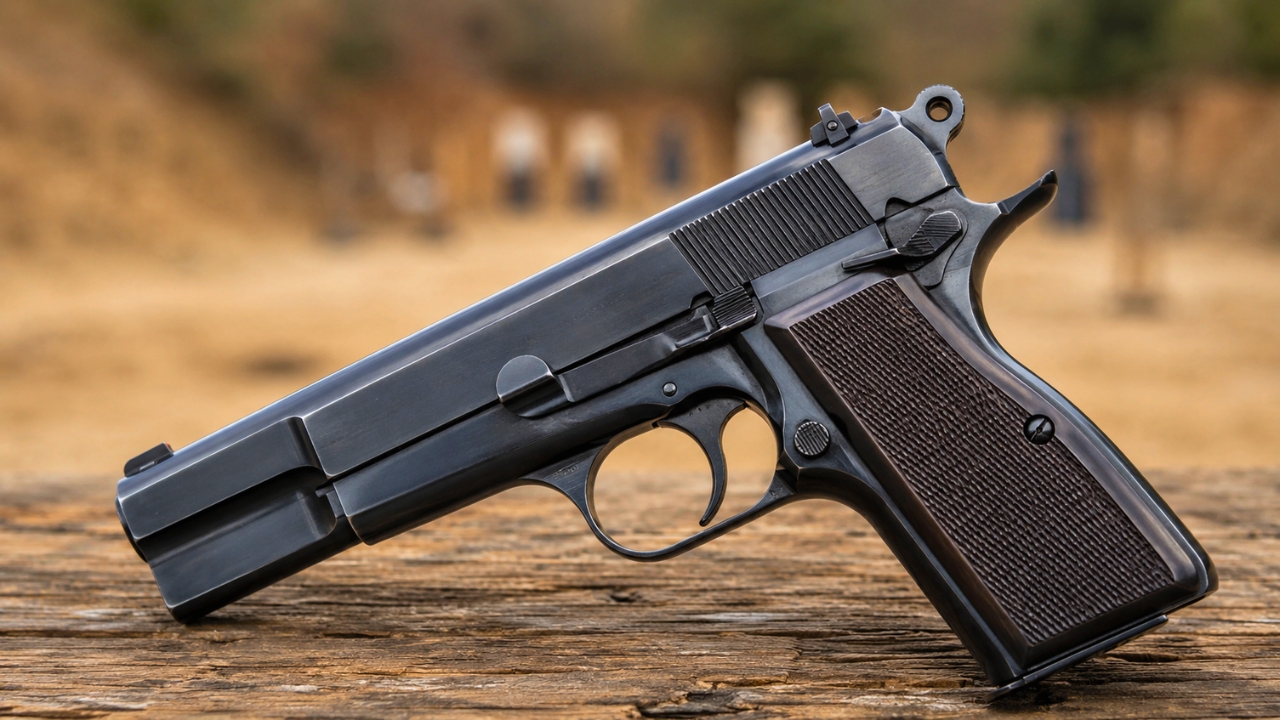
The Hi-Power lived in that sweet spot of classic steel, great balance, and real capacity for its time. It’s one of those pistols that just feels right when you present it. Smooth in the hand, slim through the grip, and easy to carry in leather.
Modern options out-capacity it and out-lightweight it, sure. But the Hi-Power shaped what a lot of shooters think a service pistol should feel like. If you know, you know.
13. Beretta 92FS
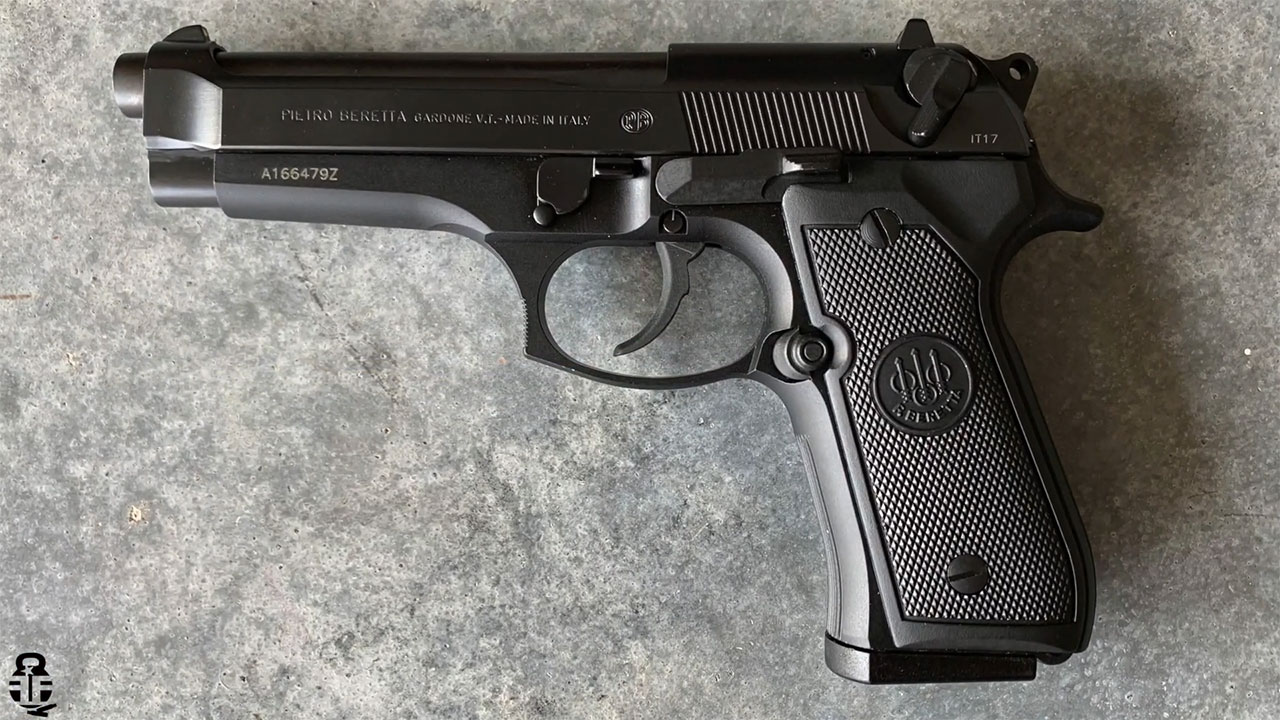
The Beretta 92FS defined a long stretch of American handgun familiarity, and not just because of movies. Big slide, soft recoil impulse, and a reliability reputation that earned trust. It’s also a pistol that makes new shooters look better than they are, because it tracks flat.
As a carry gun, it’s large. There’s no getting around it. But plenty of folks carried them anyway, especially when that’s what they already had, trained with, and could shoot confidently.
14. SIG Sauer P226
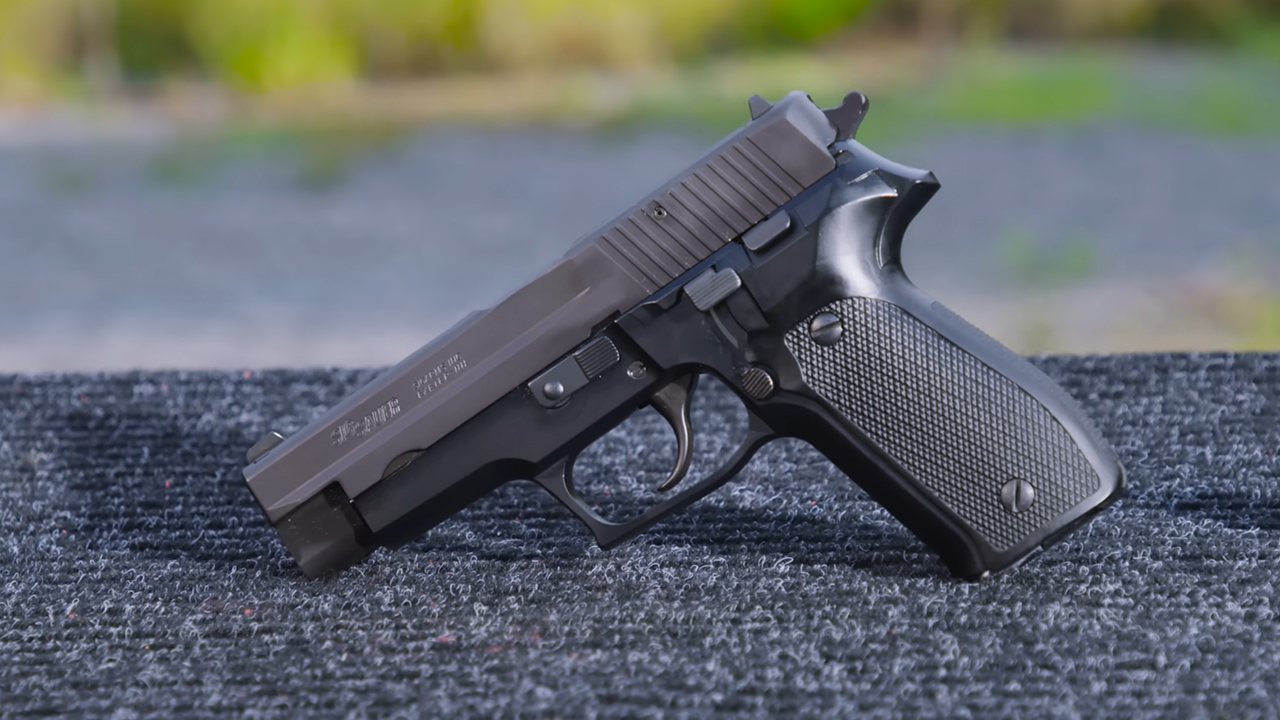
The P226 is one of those “serious pistol” guns. Solid, accurate, and built for a lot of rounds. When police trade-ins started showing up, a bunch of regular guys got into a quality service pistol without buying new.
For concealed carry it’s more coat-gun than T-shirt gun, but it helped define the idea that a carry pistol should shoot like a duty pistol. That mindset still shows up every time somebody says they won’t carry anything they can’t run fast at 15 yards.
15. SIG Sauer P229
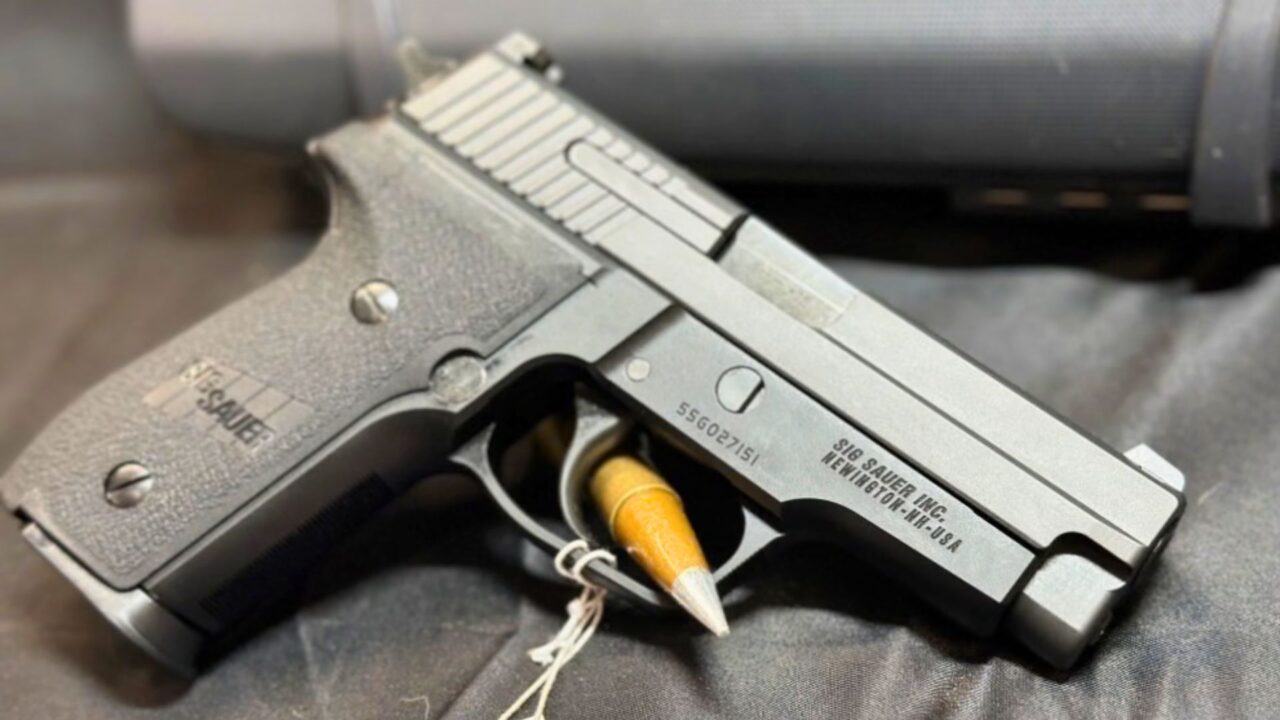
The P229 is the P226’s more carry-friendly cousin that still feels like a real handgun in the hand. It sits in that middle space: compact enough to conceal, big enough to fight with. In .40 it had its moment, and in 9mm it makes even more sense today.
It’s not light, and you’ll know it on your belt by mid-afternoon. But it’s one of those pistols that will outlast a lot of fads if you keep it fed and lubed.
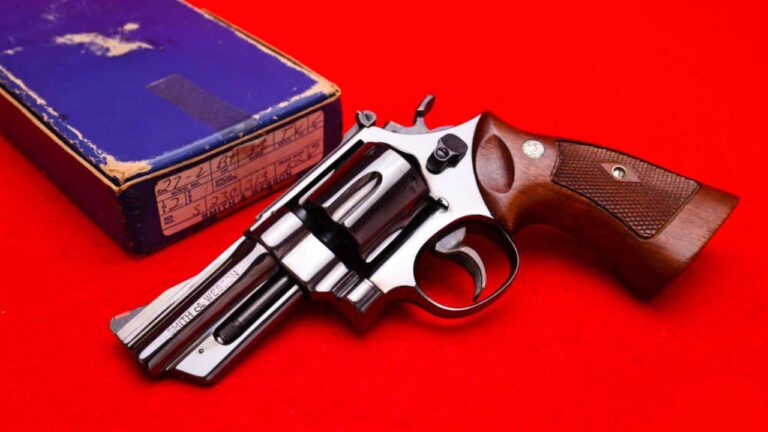
16. Smith & Wesson Model 10
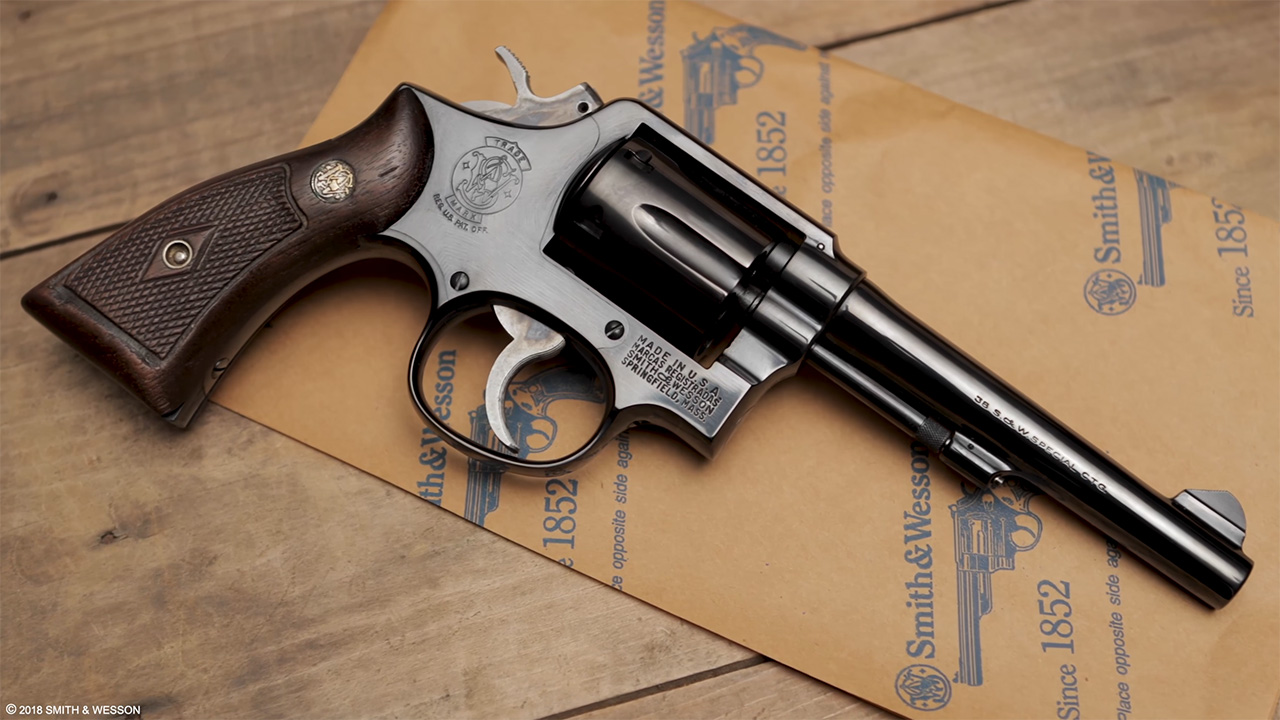
The Model 10 isn’t a “concealed carry revolution” gun, but it’s a baseline American handgun. It rode in gloveboxes, on ranches, and in nightstands for generations, and a lot of folks learned trigger control on one without even realizing it.
Carrying a K-frame isn’t trendy, but it’s practical in the right setup. And there’s something to be said for a revolver that’s been working since before you were born and will still be working when your grandkids are arguing about red dots.
17. Smith & Wesson Model 19
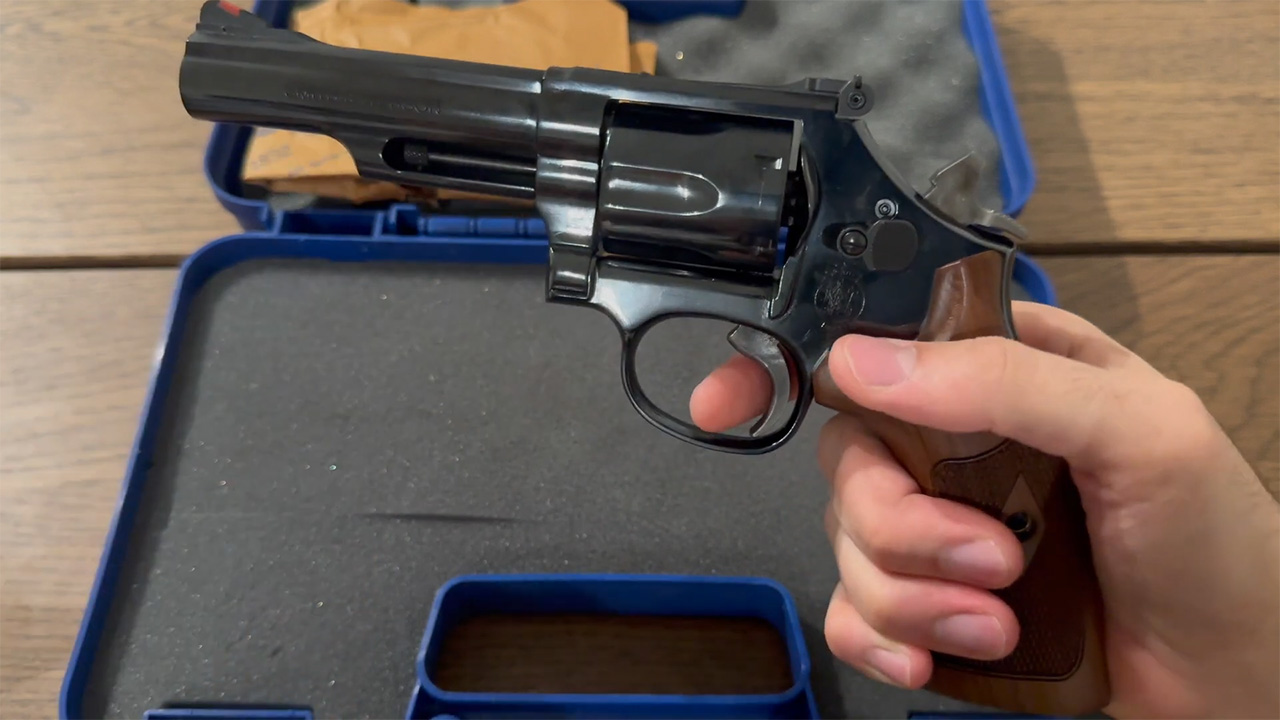
The Model 19 is the revolver that made a lot of shooters fall in love with .357 without hating the experience. It balances well, carries better than the big frames, and has that classic look that just doesn’t get old.
As a carry gun, it’s heavier than the modern polymer world, but it’s comforting weight. If you ever sold one because you were chasing the newest thing, that one hurts.
18. Kimber Ultra Carry II

Kimber’s little 1911s were a huge part of the “carry a 1911” wave when everyone wanted compact, lightweight, and good-looking. They slipped into IWB holsters easily and looked sharp doing it. A lot of first-time 1911 carriers started here.
The truth is short 1911s can be more finicky than full-size guns. Some run like sewing machines, some need attention. If you’re going this route, the smart move is to prove it with range time and good magazines, not wishful thinking.
19. Kahr PM9
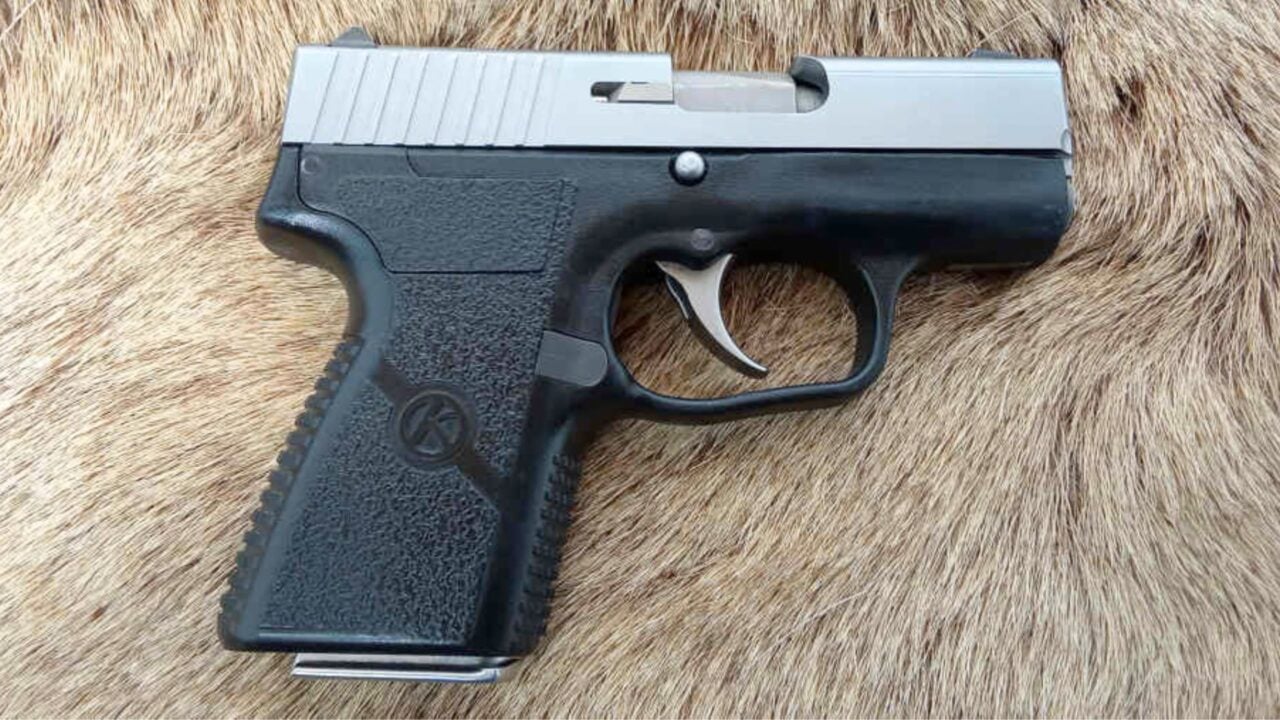
Before the micro-compact boom turned into an arms race, Kahr was already making slim 9mms that carried like a dream. The PM9 was a serious answer for folks who wanted a real cartridge in a small, flat pistol. It’s still one of the easiest “real guns” to disappear.
The long trigger isn’t for everyone, and it’s not a pistol I hand to brand-new shooters without warning. But for experienced carriers who like a smooth, deliberate press, it earned its spot.
20. CZ 75 Compact (PCR)
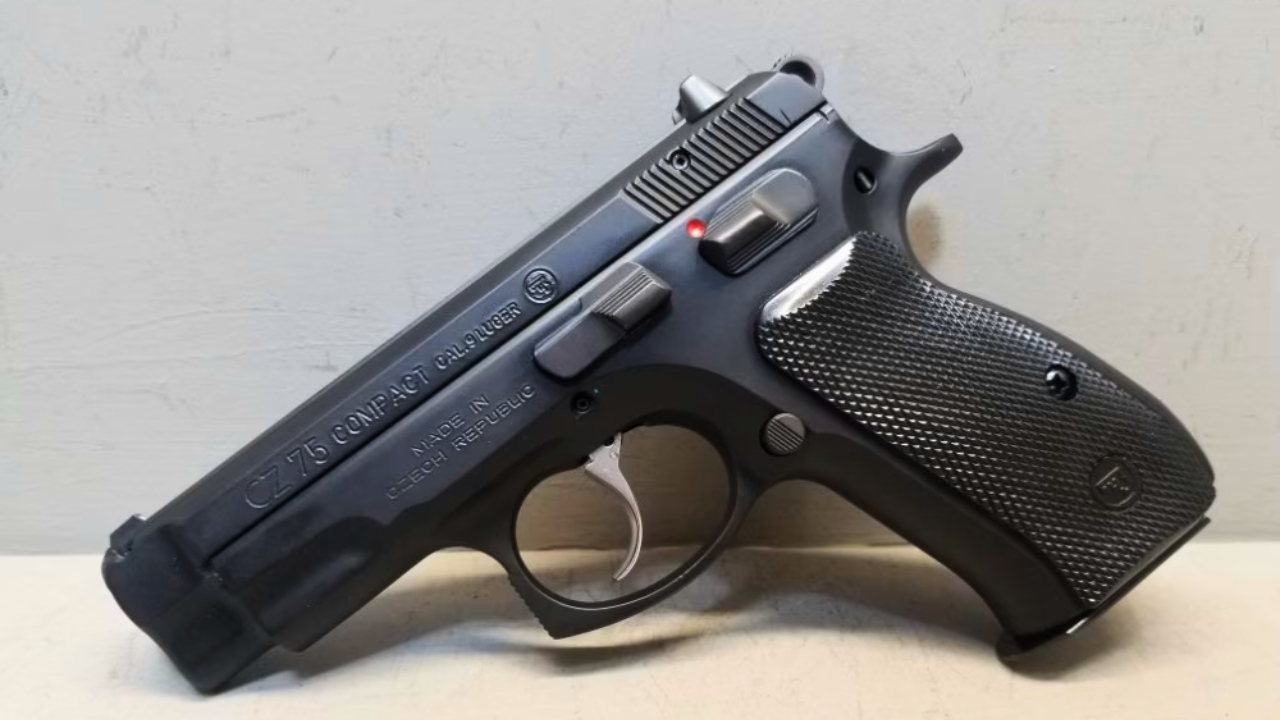
The CZ 75 Compact PCR is one of those pistols that gets under your skin. It points naturally, soaks up recoil, and feels like it was shaped for human hands instead of a spreadsheet. It also carries flatter than you’d expect for a metal gun.
It didn’t dominate every gun counter, but it defined a generation in a quieter way: it showed a lot of American shooters that “polymer striker” isn’t the only path to a dependable carry pistol. If you’re willing to carry a little weight, it pays you back every time you press the trigger.
What’s funny is how many of these aren’t the newest, lightest, or highest capacity anymore. They mattered because they were carried, shot, and trusted in the real world—through wet seasons, dust, sweat, and long drives to deer camp. If you’re picking a carry gun today, the best lesson from this whole era is simple: choose one you’ll actually carry, and then shoot it enough that it stops being a mystery.
Like The Avid Outdoorsman’s content? Subscribe to our newsletter so you never miss an article.
Here’s more from us: