Photo credit: AI-generated image created using ChatGPT. Illustrative only
A lot of rural folks assume if you’ve got acreage and a safe backstop, you’re good to go. On paper, that’s often true. In real life, the people on the next parcel can turn a simple Saturday range session into a standing appointment with the sheriff.
That’s exactly what one California landowner described in the original post—a long-running neighbor dispute that started with complaints about gunfire and spiraled into repeated law enforcement calls, accusations of “illegal guns,” and threats to drag federal agencies into it. Through all of it, the county’s rules reportedly stayed the same: the property sat in an area that allows shooting, and the setup itself wasn’t the problem.
A small inherited place, and a home range built the right way
The landowner inherited a small, semi-rural property his father used as a fishing base. After moving in, he did what most responsible shooters should do first: he checked with the county to confirm whether shooting on private property was allowed where he lived.
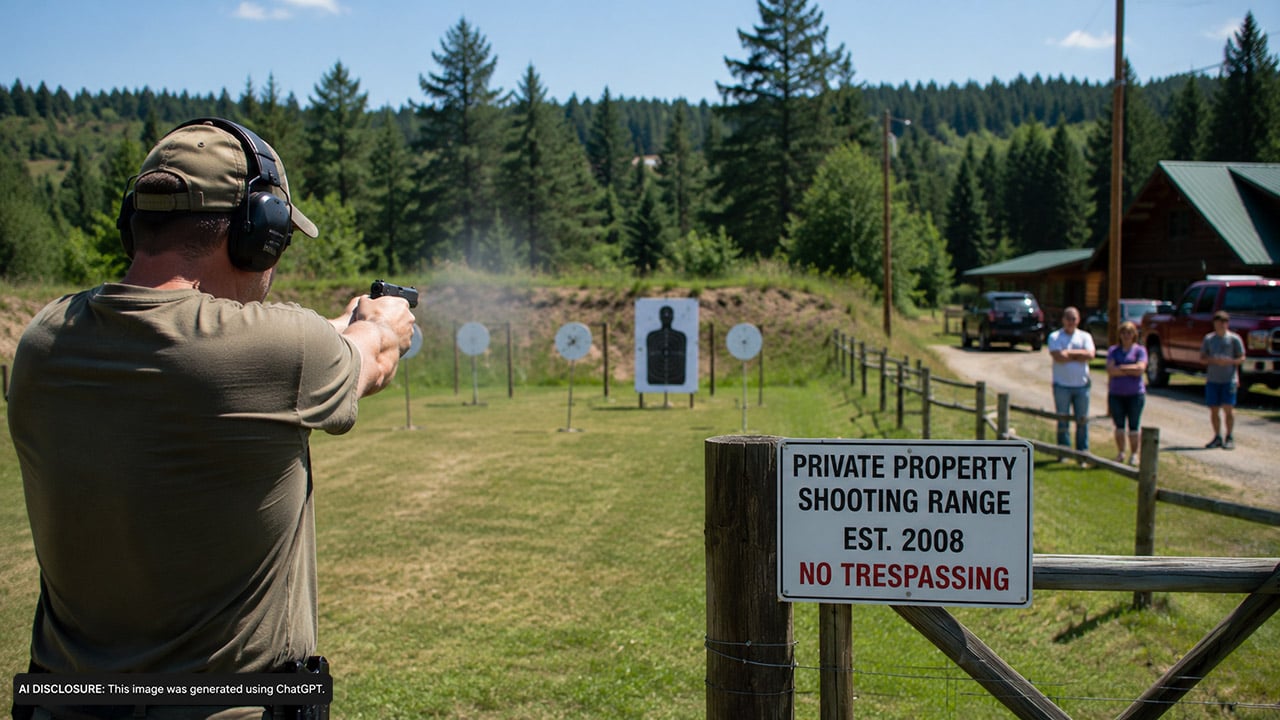
According to his account, the county confirmed the home fell inside an area where target shooting is permitted, assuming basic safety precautions. He built a serious backstop—about 15 feet tall—tied into the side of a large hill, with roughly 100 yards to shoot. The backstop didn’t face other homes or a highway, and the range was located squarely on his parcel.
The first neighbors didn’t like it, but it stayed civil
Even with legal ground under his feet, the first neighbors weren’t happy. Sound carries in the country, and they were roughly 500 meters away. He kept it to a couple hours around midday and tried to work with them on timing, but they were retired and home most of the time.
It never turned into a war. Eventually, that couple sold and moved out of state, telling him they’d been planning a move for years and finally “pulled the trigger.” They sold the home for more than they paid and above market value, according to the landowner—so the shooting wasn’t enough to tank their sale.
New owners moved in, and the complaints turned into a routine
The next owners, a younger couple, were a different story. The landowner said they were angry from the start once they learned he shot on weekends. They believed it had to be illegal and felt the home listing didn’t disclose what they considered an obvious quality-of-life issue.
He tried again to compromise on schedules, but said nothing satisfied them. The relationship went downhill fast, including a tense argument where he says they threw insults at his family and ethnicity and made broad statements about guns and character. After that, he stopped trying to negotiate and went back to shooting when he wanted—still on his land, still using the backstop he’d built.
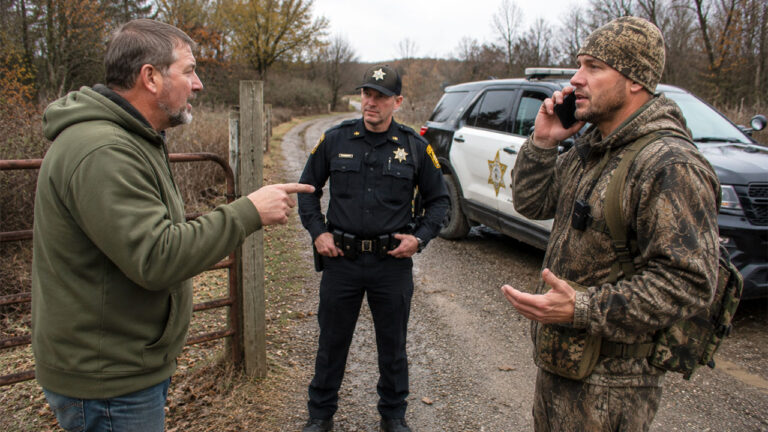
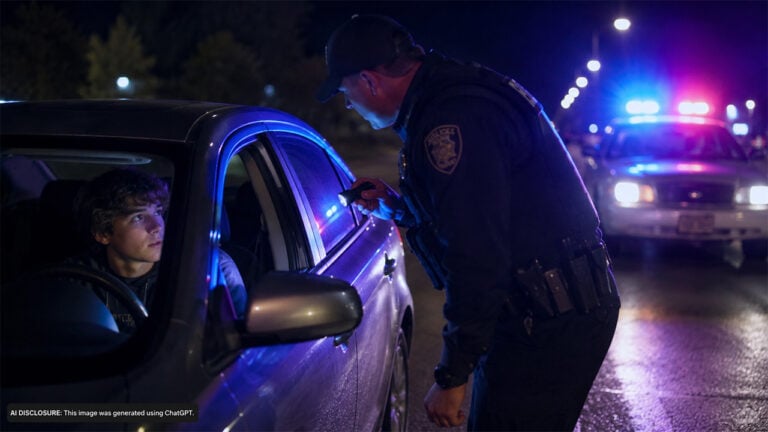
That’s when the sheriff’s office became a regular visitor. Every weekend he shot, the neighbors called to complain. Deputies responded and checked his backstop and firearms for compliance. Over time, the visits got shorter and more casual, but the calls didn’t stop—so the responses couldn’t stop either.
“Machine gun fire” complaints and the limits of what deputies can do
When the neighbors realized routine noise complaints weren’t changing anything, the landowner said they escalated the claim. They started reporting “machine gun fire” and alleging he had “illegal guns.” He stated he wasn’t using bump stocks, binary triggers, or anything else that would be noncompliant, and he wasn’t trying to simulate full-auto fire.
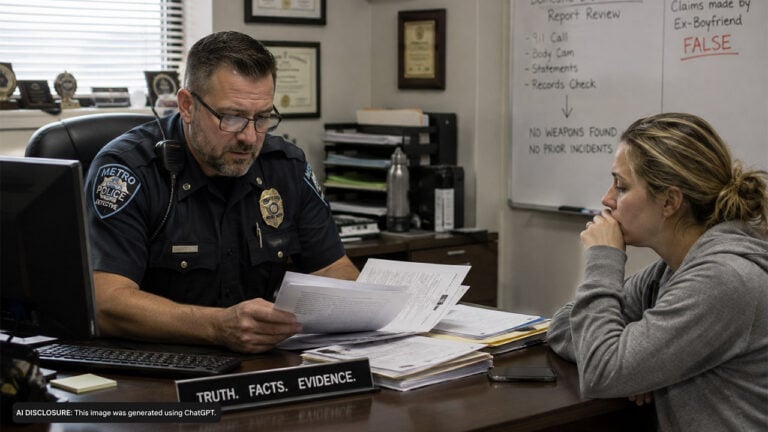
Even so, those kinds of accusations force a response. Deputies checked his setup again, looked over his firearms, and ran his ID. The landowner complained that the neighbors were making malicious reports, but he was told there wasn’t evidence the couple was knowingly lying.
The deputies suggested a practical workaround: call the sheriff’s office ahead of time when he planned to shoot. He did it for a while and said it bought him some peace, at least until the neighbors found a new way to kick the hornet’s nest.
A cease-and-desist helped briefly, then things got personal
After weeks of weekly visits, the landowner hired an attorney and sent a cease-and-desist letter warning the neighbors to stop contacting authorities maliciously or face legal action. He got a few quiet weeks, which tells you the pressure was felt.
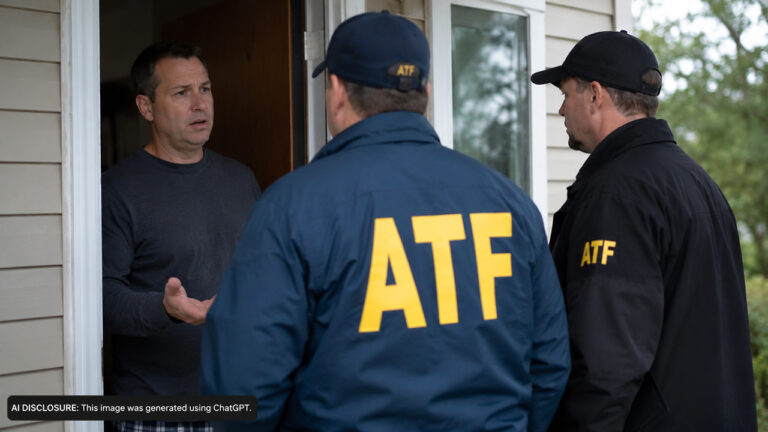
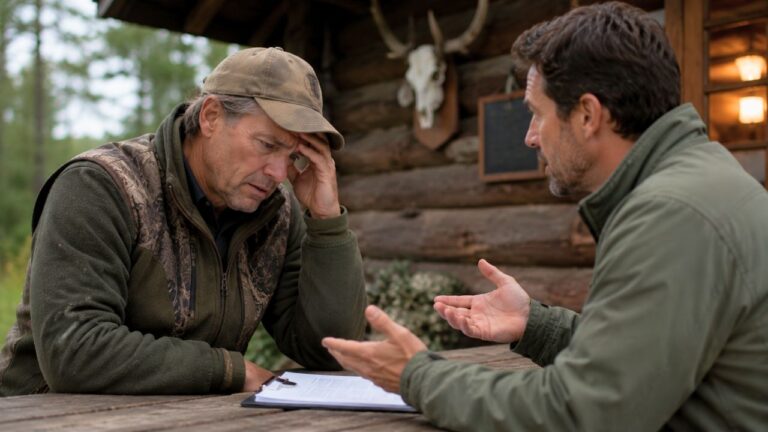
Then the neighbors took the fight out of the driveway and into his life. He said they hired a private investigator who dug up his phone number, email, workplace details, and family information. They called and told him they “knew everything” about him and planned to report him to the FBI, the California Department of Justice, and the ATF for having “illegal guns and body armor,” and for being part of a “white supremacist gang.”
He didn’t record the call, but viewed it as a credible threat. His read was simple: they believed they overpaid for their home and were trying to force him out so they could protect their property value.
The real fear: a false report that can’t be unwound easily
This is where the story stops being about noise and turns into something most rural landowners understand in their gut—what happens when someone tries to “win” by weaponizing the system. The landowner said he worked in IT and understood how easy it can be to manufacture convincing-looking messages. His fear wasn’t just more deputy visits; it was a fabricated threat report that triggers a hard law enforcement response.
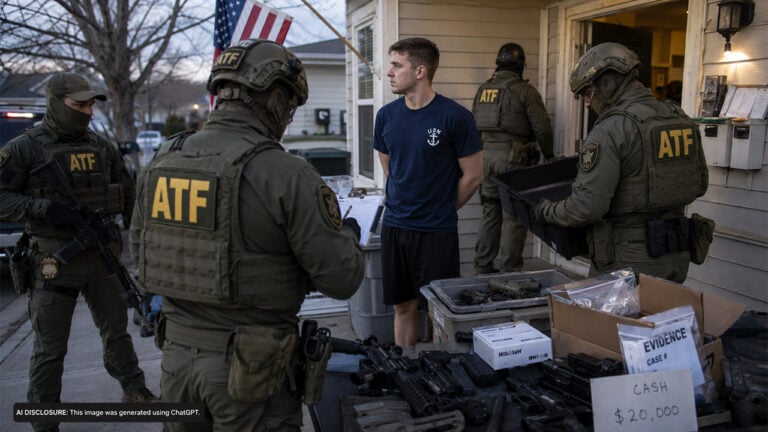
He worried a bogus text or message could lead to deputies arriving prepared for violence, an arrest, seizure of firearms and electronics, and months of expense proving a negative. He also worried about collateral damage: losing his job, fighting to get property returned, and having an arrest record even if the case ultimately fell apart.
He took one immediate step after the investigator claim: he froze his credit because the neighbors told him they had his Social Security number and date of birth.
On the range side, his experience also highlights a practical truth: being legal doesn’t prevent hassle. In a county area where shooting is allowed—and where the range predates the latest round of complaints—deputies may still have to show up when dispatch gets a call. That doesn’t mean you’re wrong. It means you’re living next to someone who’s willing to keep pulling the lever.
In the end, this kind of dispute usually comes down to two tracks: staying squared away on safety and documentation, and keeping your personal life protected when the conflict shifts from “I don’t like the noise” to “I’m going to ruin you.” For folks who shoot on their own land, the lesson is plain: build a safe range, know your local rules, stay calm with responding deputies, and take threats seriously the moment a neighbor stops talking about decibels and starts talking about getting you raided.
Like The Avid Outdoorsman’s content? Subscribe to our newsletter so you never miss an article.
Here’s more from us: