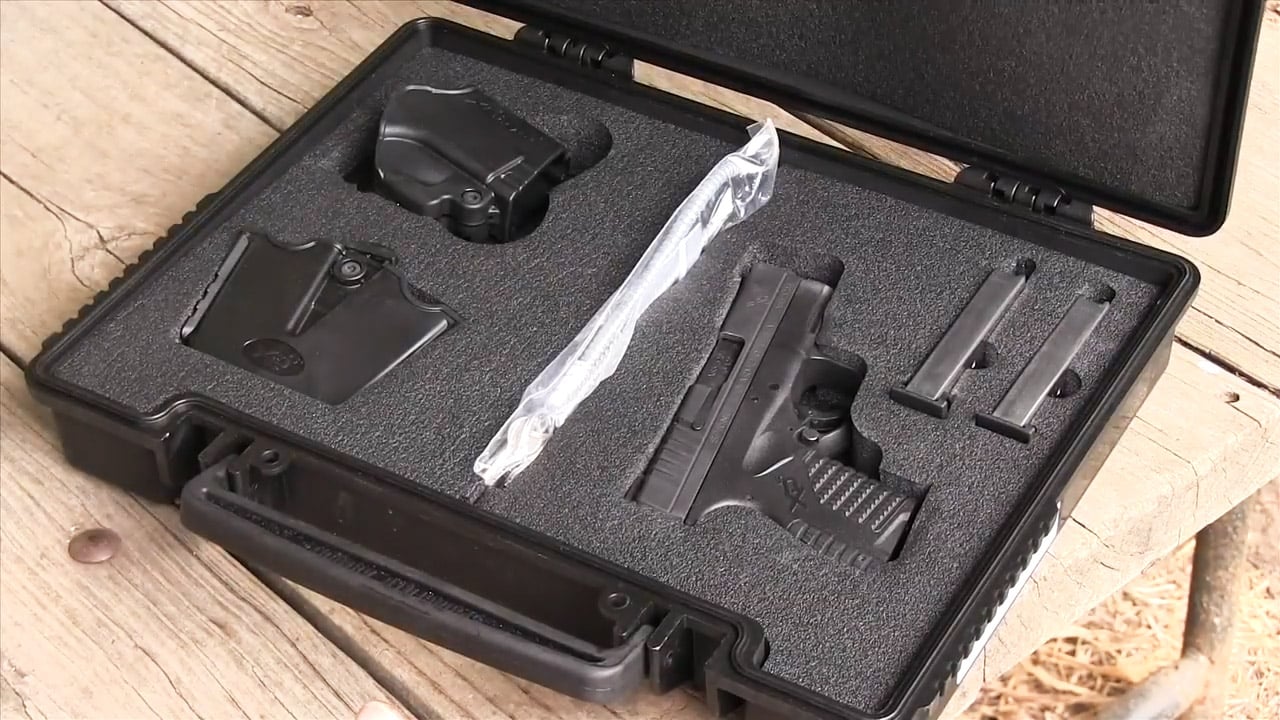
Photo credit: Military Arms Channel/Youtube
You know the feeling. You pick up a pistol at the counter and it just melts into your hand. The trigger feels decent dry, the sights look sharp under fluorescent lights, and you start doing math in your head about holsters and spare mags. Then you actually run it hard—couple hundred rounds, a class, a cold morning, maybe some dusty truck-console living—and the magic wears off fast.
This isn’t about bashing budget guns or worshipping expensive ones. It’s about the stuff that shows up only after you’ve got sweat in your eyes, your hands are a little numb, and you’re trying to make the gun work like it promised. Here are 20 pistols that can feel like a great idea in the store, but have a habit of disappointing when the pressure is real.
1. Kimber Solo Carry

In the hand, the Solo feels like a sleek little “grown-up” micro 9 before micro 9s were everywhere. The lines are clean, it points naturally, and it looks like something you’d carry with confidence.
Then you learn it can be picky about ammo and timing. Little guns are already working on the edge; a pistol that needs a narrow diet and perfect rhythm doesn’t belong in the role most folks buy it for. When a carry gun starts acting like a range toy, that one hurts.
2. Remington R51 (Gen 1)

The R51 had a cool story and it felt good in the grip—low bore axis, easy to rack, and different from the same old striker-fired crowd. At the counter, it’s easy to think you’re getting something clever.
Under actual use, early guns developed a reputation for reliability and quality-control problems that were hard to ignore. A defensive pistol doesn’t get to be “interesting.” It has to be boring and dependable, every time.
3. SIG Sauer P365 (early production)

The P365 changed the carry world, and I get why. It carries small, it holds real capacity, and it feels like a full-size gun shrunk down without turning into a brick.
But those first runs had enough teething issues that plenty of shooters lost trust. Most current ones run great, but buying used without knowing the gun’s history can turn into a guessing game. If you’re betting your hide on it, “probably fine” isn’t the standard.
4. Springfield Armory XD-S (3.3-inch)
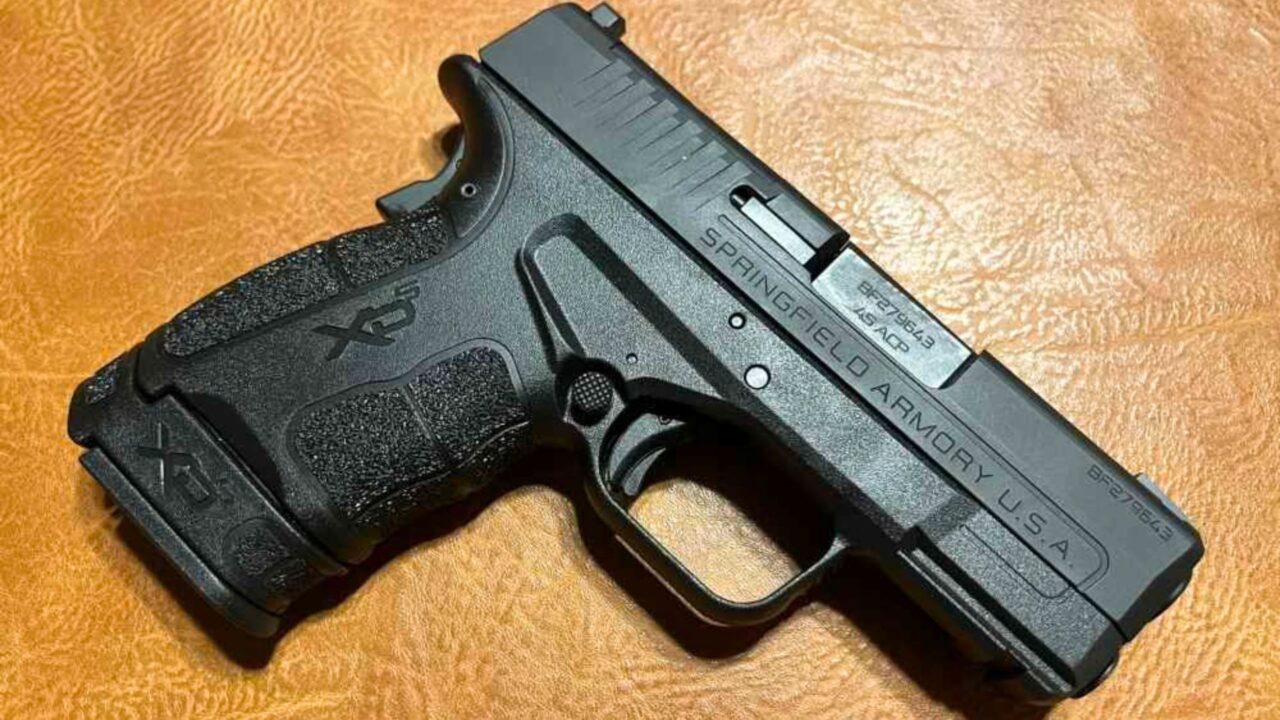
In the store, the XD-S feels slim and tidy, and that grip safety makes some new carriers feel a little more comfortable. It conceals easy and points well.
In long practice sessions, the skinny grip and snappy recoil can turn accuracy into work, especially with .40 versions. Add in the fact that some owners never really love the grip-safety dance under stress, and you’ve got a pistol that often ends up traded off after the honeymoon.
5. Taurus PT111 Millennium G2
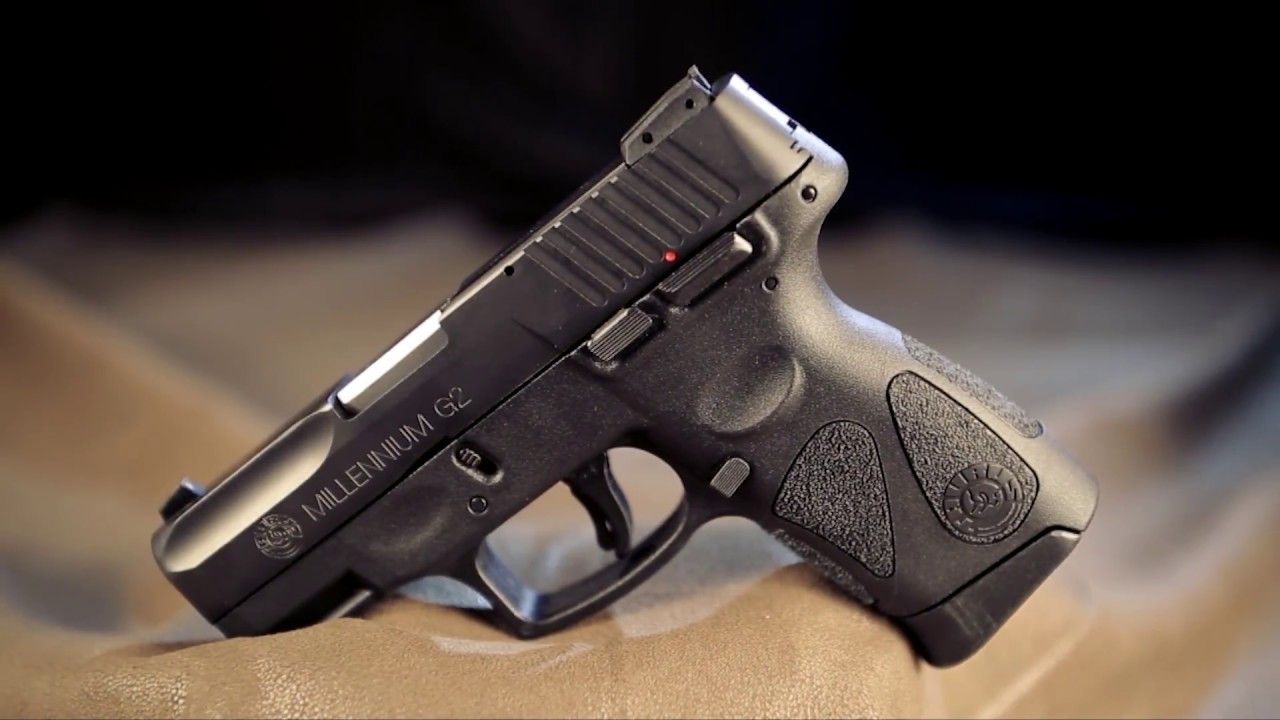
These sell because they feel like a lot of pistol for not much money. Ergonomics are decent, the size is right, and on the counter it checks the boxes.
When you start running drills, inconsistencies in triggers, magazines, and long-term durability show up more often than they should. Some run fine. Too many don’t. A “maybe” gun is frustrating when you’re trying to build confidence.
6. Taurus G2C
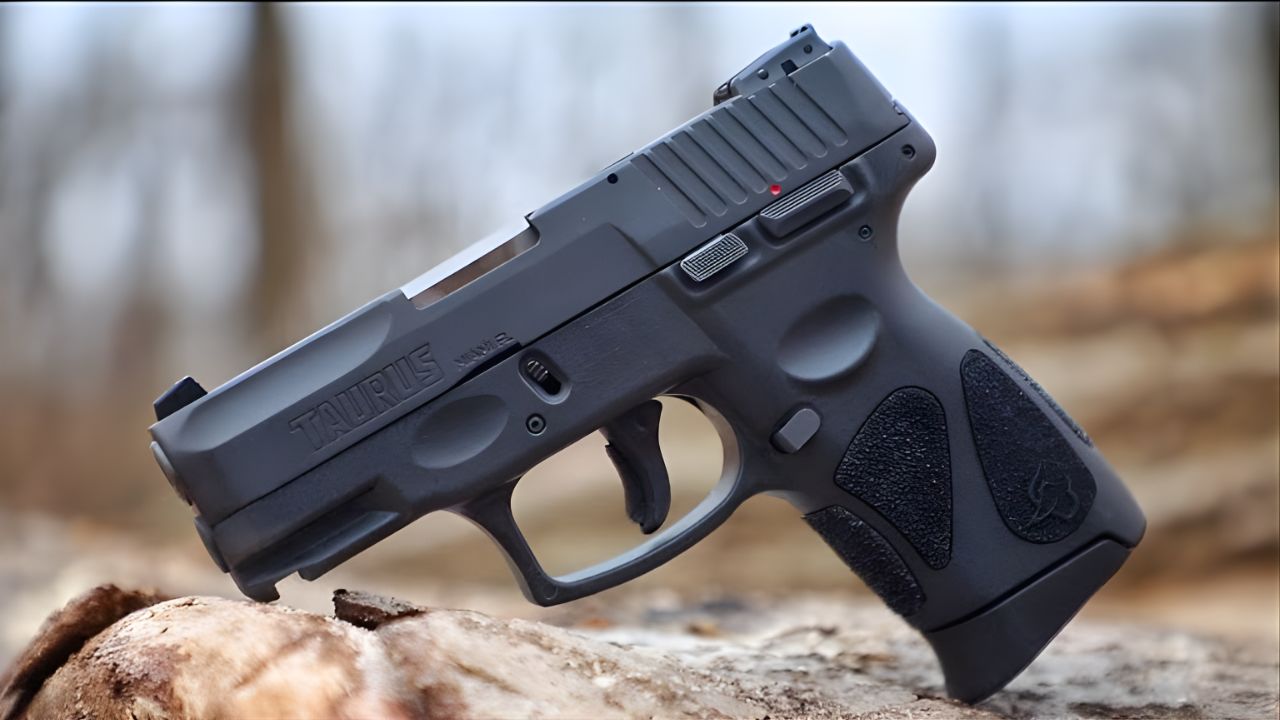
The G2C is comfortable in the hand and easy to carry, and plenty of them feel surprisingly good on a quick fondle. That’s why they move.
The problem is that the real test isn’t ten slow rounds; it’s repetitive reloads, getting the gun hot, and seeing how it behaves when it’s dirty. If you’re using it for personal protection, you want a track record you don’t have to explain.
7. SCCY CPX-2

At the counter, the SCCY feels like a workable little 9mm with a simple manual of arms. The price is tempting, and the size makes sense for summer carry.
But heavy triggers and spotty reliability reports can make practice sessions feel like punishment. If a pistol discourages you from training because it’s a chore to shoot well, it’s not really helping you.
8. Kel-Tec PF-9
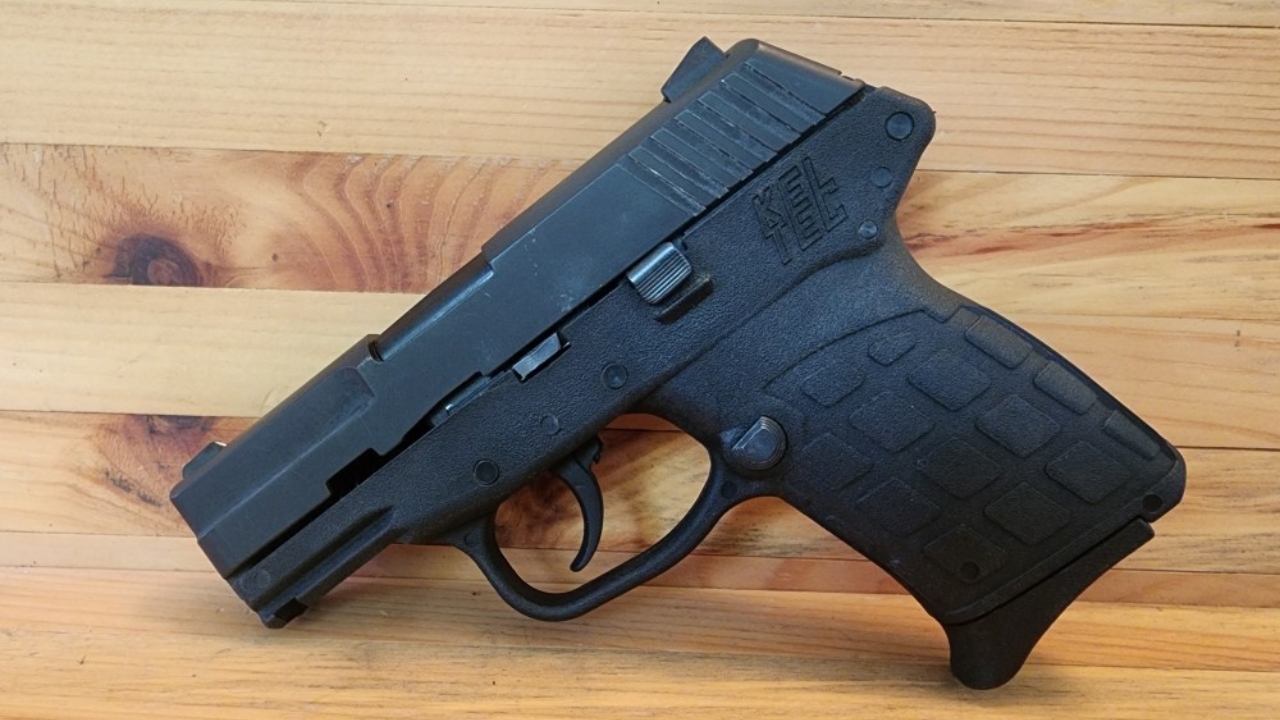
The PF-9 is one of those guns that feels like a minor miracle when you first pick it up—thin, light, and actually a 9mm. It’s easy to imagine it living in a pocket of a pack or behind the truck seat.
Then you shoot it. Recoil is sharp, the gun is not forgiving, and small parts and tolerances can be less than confidence-inspiring over time. It’s a “carry a lot, shoot a little” pistol, and that’s the exact opposite of how you should be thinking.
9. Ruger LCP (original)

The original LCP feels like freedom: a real firearm that disappears. It’s light enough that you stop leaving it at home, and that counts for something.
But tiny sights and a long, mushy trigger can turn stress shooting into a guessing game. It’s also easy to shortchange practice because it’s unpleasant to run. Great concept, but it demands honesty about your skill and your willingness to train.
10. SIG Sauer P238
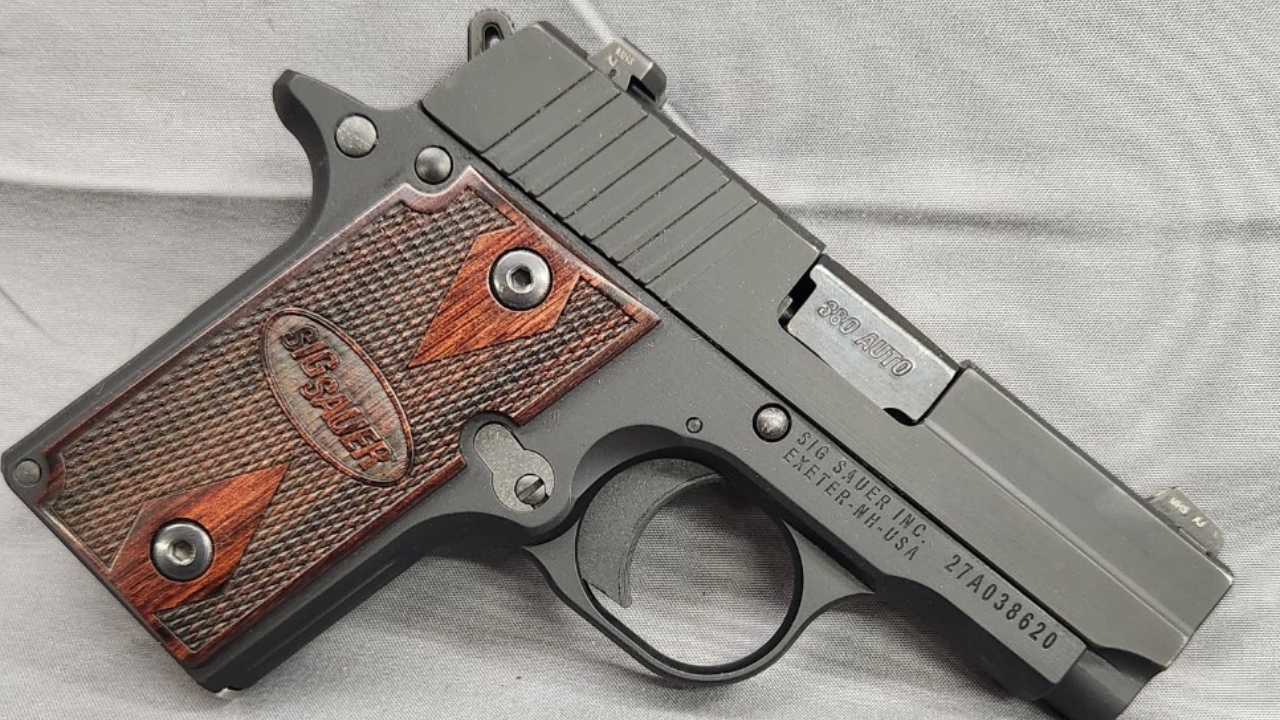
The P238 feels like a mini 1911 that’s actually refined. In the store, the trigger can feel fantastic, and the gun points naturally.
Under pressure, you’re still dealing with a small gun in a small caliber, and you’re managing a manual safety on a pistol many folks buy for deep concealment. If you don’t train with that safety until it’s automatic, it becomes one more thing to fumble when your heart rate spikes.
11. SIG Sauer P290RS

On paper and in-hand, the P290RS feels like a serious, compact tool—solid, snag-free, and built like a little tank. The grip texture and heft can feel reassuring at the counter.
In real shooting, the long trigger and the way the gun recoils can make fast, accurate work tougher than it needs to be. It’s one of those pistols that makes you realize “shootability” matters as much as concealability.
12. Smith & Wesson SD9VE

The SD9VE often feels like a sleeper deal: decent grip angle, simple controls, and a familiar layout. For the money, it can look like a no-brainer.
Then the trigger shows its real personality, especially when you’re trying to shoot tight groups at speed. You can learn it, sure, but a defensive pistol shouldn’t feel like it’s fighting you. Many owners eventually move to something that makes practice more productive.
13. Walther CCP (original M2/early runs)
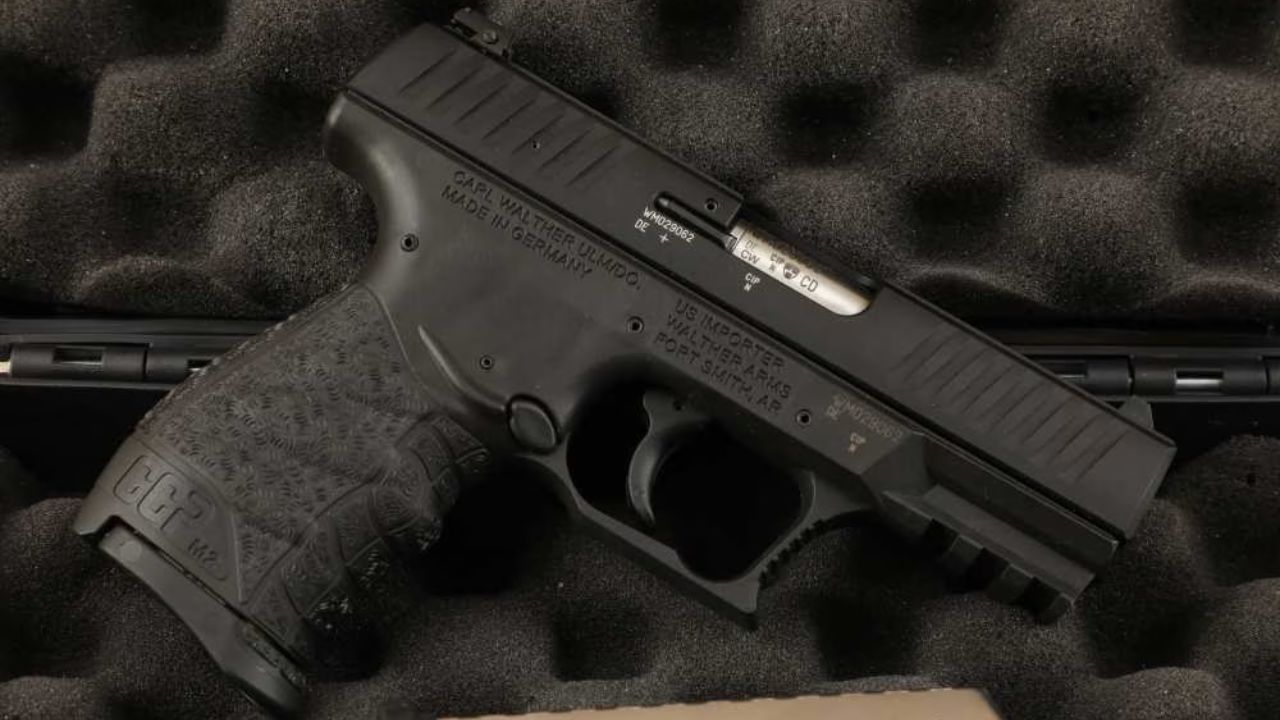
In the store, the CCP sells itself on comfort. The grip is excellent, the slide often feels easy to rack, and it points like a Walther should.
In the real world, the design can be maintenance-sensitive, and some shooters run into hiccups that are hard to diagnose. When a pistol’s reliability feels tied to perfect cleaning intervals and just-right handling, it loses the “trust it anywhere” vibe fast.
14. Beretta Nano

The Nano feels smooth and snag-free, and it’s got that clean Beretta look without a bunch of external controls. It’s easy to pick up and imagine it riding in an IWB holster all summer.
Some shooters never get past the trigger and the way the gun tracks under recoil. Add the reality that the market moved on to more shootable micro 9s, and the Nano often ends up sitting while something else gets carried.
15. Colt Mustang Pocketlite

The Mustang feels classy and handy, and a good one points like it was built for real carry. In the store, it’s hard not to like the size and the “classic” factor.
But you’re still dealing with an older-style small .380 that can be more finicky than modern designs, especially with magazines and springs. The pressure test isn’t just reliability—it’s parts, support, and whether you can keep it running without babying it.
16. Rock Island Armory 1911 GI (FS)

A basic GI-style 1911 feels great in the hand. The grip angle is right, the controls make sense, and for many shooters the trigger feels like coming home.
The trouble is that cheaper 1911s can be a roll of the dice once you start feeding them hollow points, running lots of rounds, and doing repeated reloads on the clock. A 1911 can be dead reliable, but the bargain end of the pool is where you find out what “tolerance stacking” means.
17. Citadel 1911 (various models)
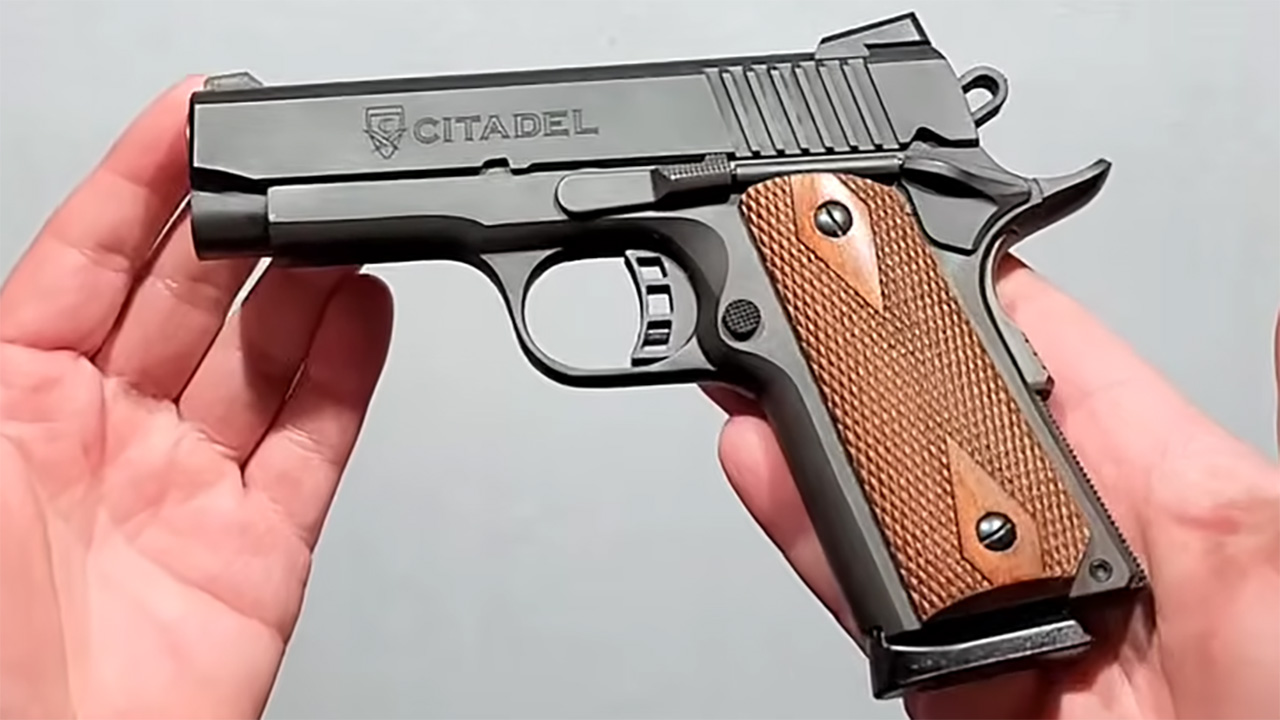
Like other budget 1911s, Citadel pistols can feel impressive for the price. Tight slide-to-frame fit and sharp looks make a strong first impression under glass.
When you actually lean on it, the little stuff matters—extractor tension, magazine quality, and whether it runs when it’s dry and hot. If you want a 1911 as a working gun, you need one that doesn’t act like a project.
18. Charter Arms Pitbull 9mm
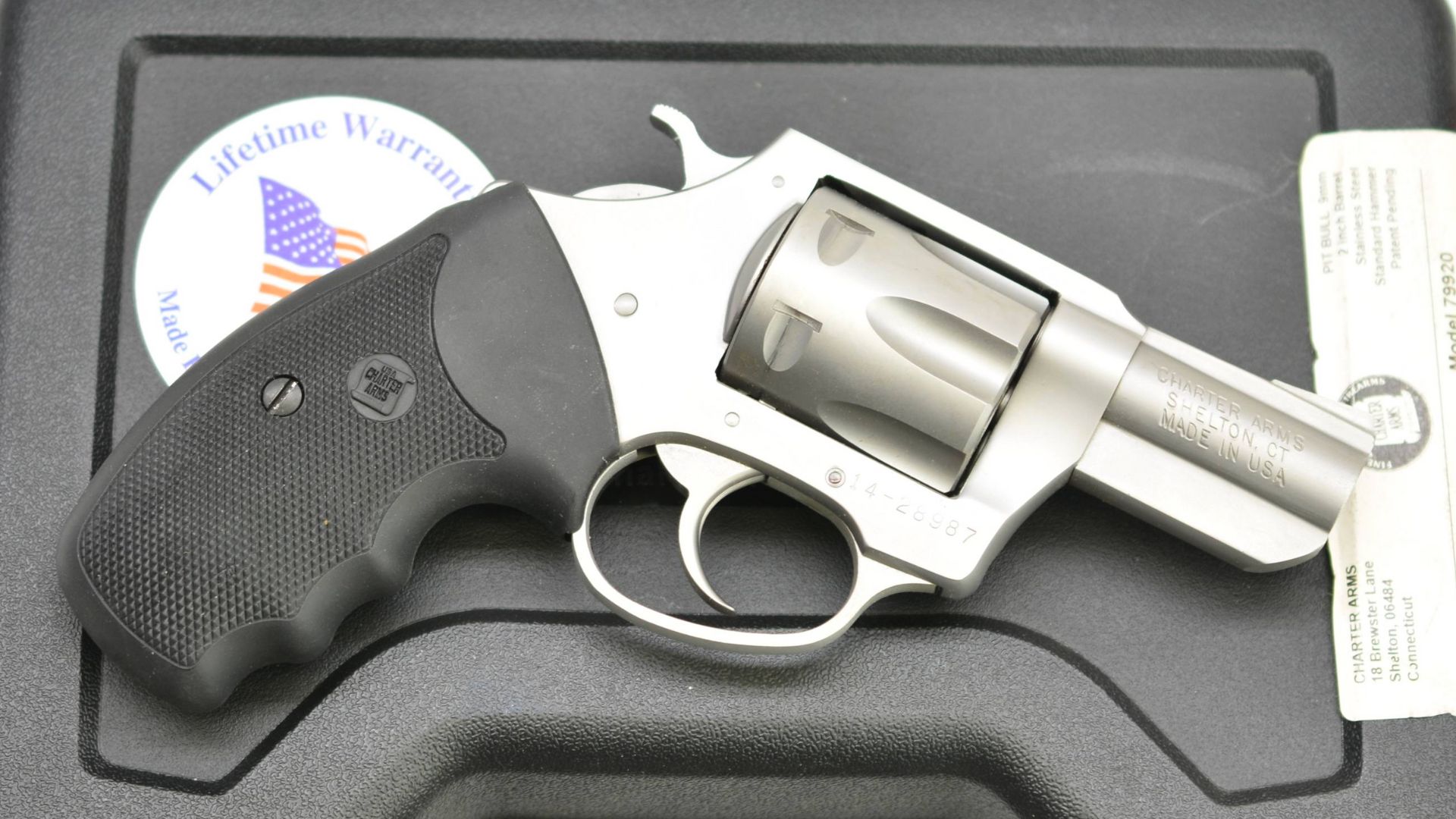
At the counter, the Pitbull concept sounds perfect: a revolver in 9mm without moon clips. For someone who wants revolver simplicity with common ammo, it feels like a clever solution.
In real use, the extraction system can be the make-or-break point, and revolvers aren’t immune to timing and wear issues. When a revolver starts getting finicky, it’s not like clearing a simple semi-auto stoppage and moving on.
19. Chiappa Rhino 40DS
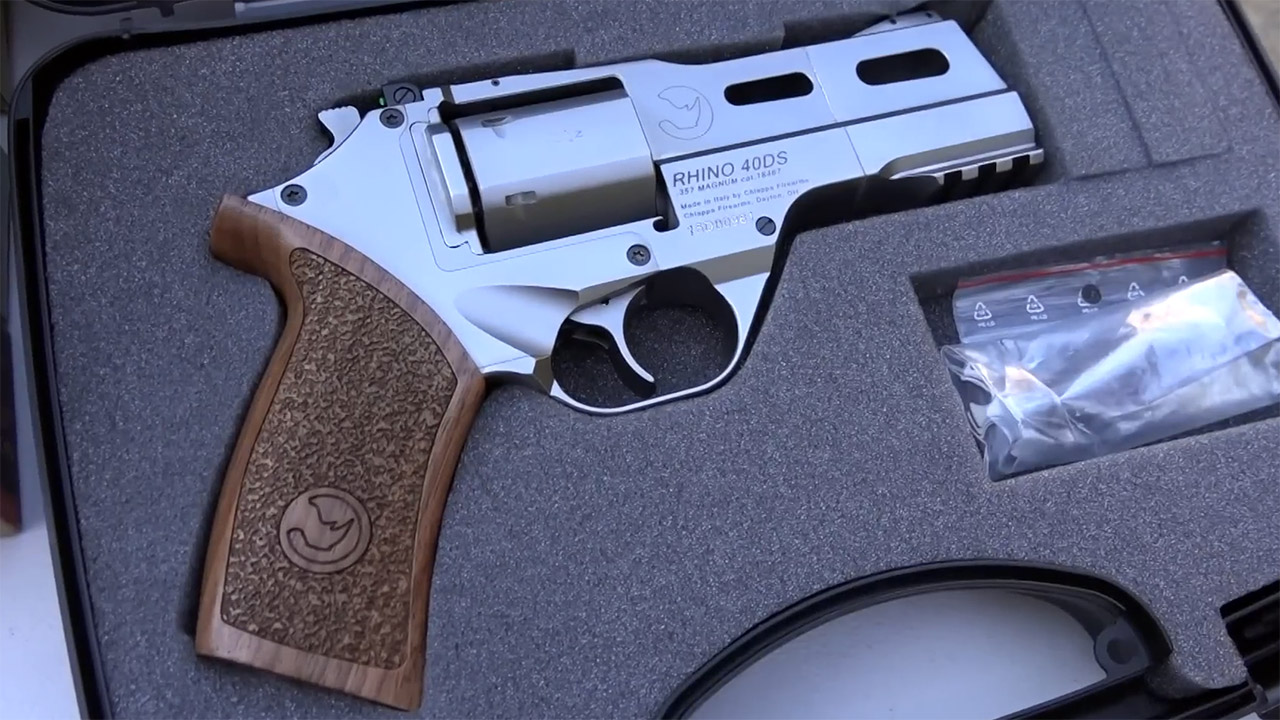
The Rhino feels wild in-hand, and that low-bore-axis cylinder line makes you think recoil is going to be nothing. It’s also a conversation starter, which sells guns whether we admit it or not.
Under pressure, you’re living with an unconventional manual of arms and a design that’s not as easy to service or find parts for as mainstream revolvers. If it’s your only wheelgun, the novelty can turn into downtime when something finally needs attention.
20. Desert Eagle Mark XIX
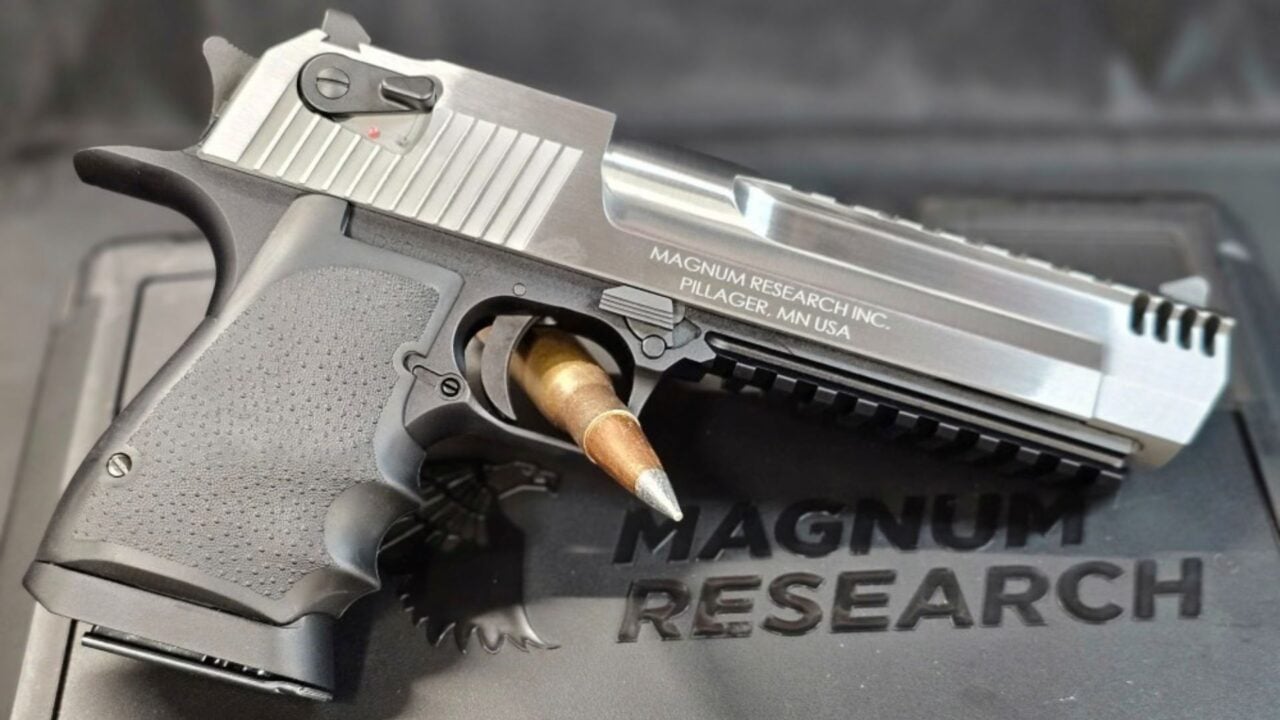
Everyone picks one up and grins. It feels like holding a movie prop that’s actually real, and the heft makes it seem controllable standing at the counter.
Then you price ammo, deal with the weight, and realize reliability can be tied to running it the way it wants to be run. It’s fun, no doubt, but it’s not a practical “pressure” pistol for most outdoorsmen. Great for a range day, not great when you’re trying to keep things simple in the real world.
A pistol can feel perfect under store lights and still let you down when it’s hot, dirty, and you’re trying to shoot straight with your heart thumping. The fix isn’t complicated: shoot before you trust, buy magazines while they’re available, and don’t confuse “feels good in the hand” with “runs when it has to.” Boring reliability is what you’re really shopping for.
Like The Avid Outdoorsman’s content? Subscribe to our newsletter so you never miss an article.
Here’s more from us: