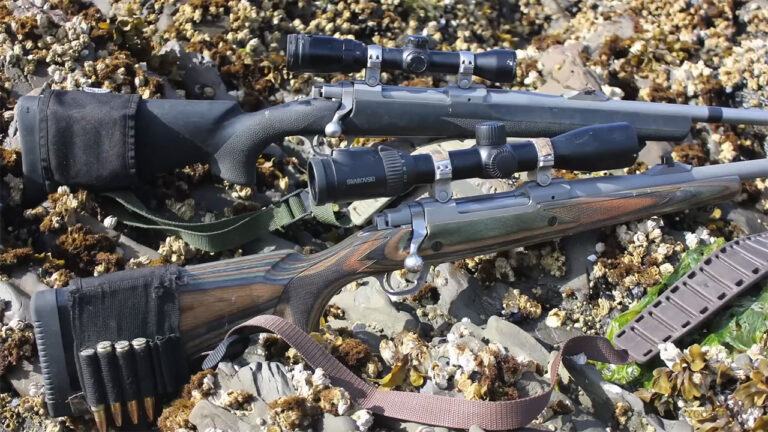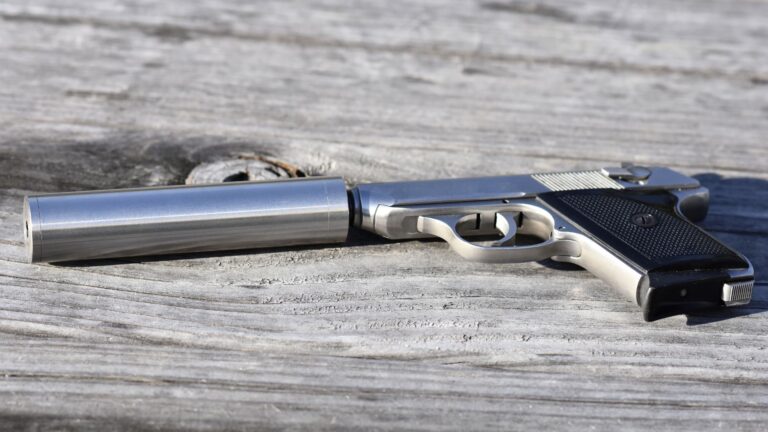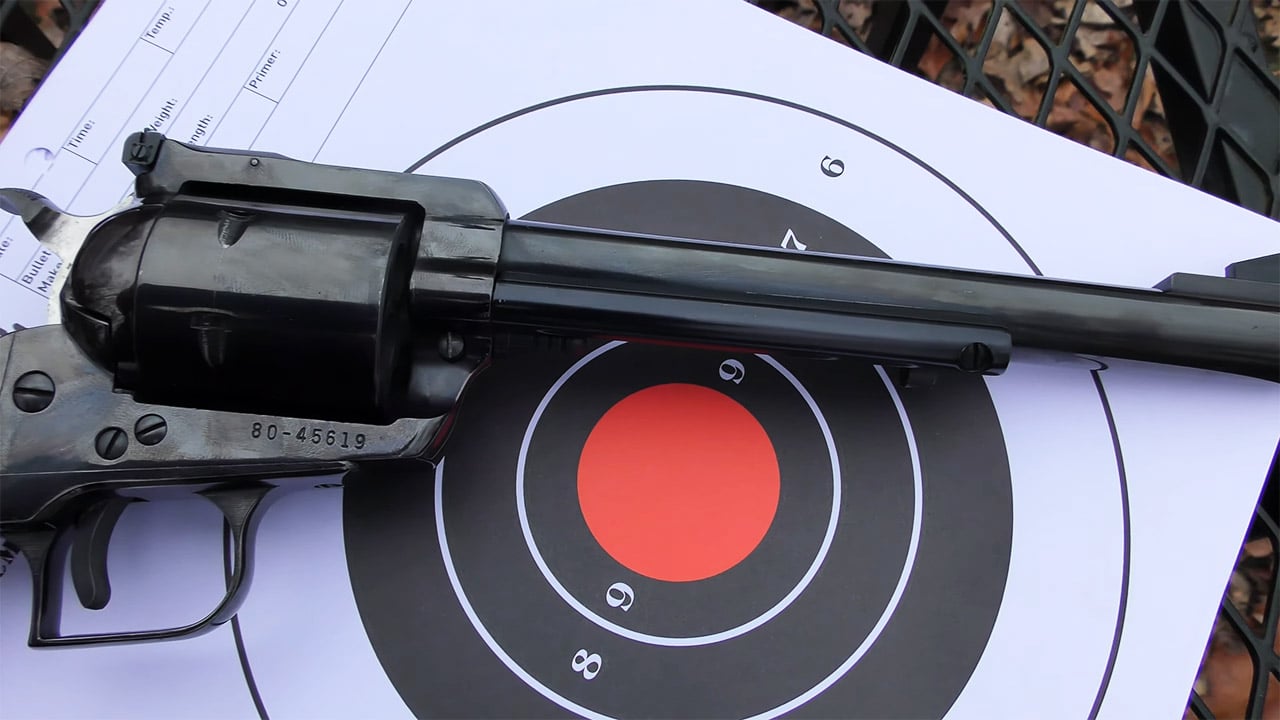
Photo credit: The Gun Dungeon/Youtube
There’s a certain type of shooter who rolls their eyes the second a revolver comes up. Too heavy. Too slow. Too “old man.” And if your only experience is a gritty snub-nose with a stiff trigger and bargain-basement .38s, I get it.
But wheelguns have a way of winning arguments when the stakes are real: a wet holster on a long hike, a busted magazine spring on a cold range day, a snake in the barn, or a sidearm that’s been riding in a truck console since last deer season. These are the revolvers that have flipped more than a few skeptics from “never” to “maybe I need one.”
1. Smith & Wesson Model 10
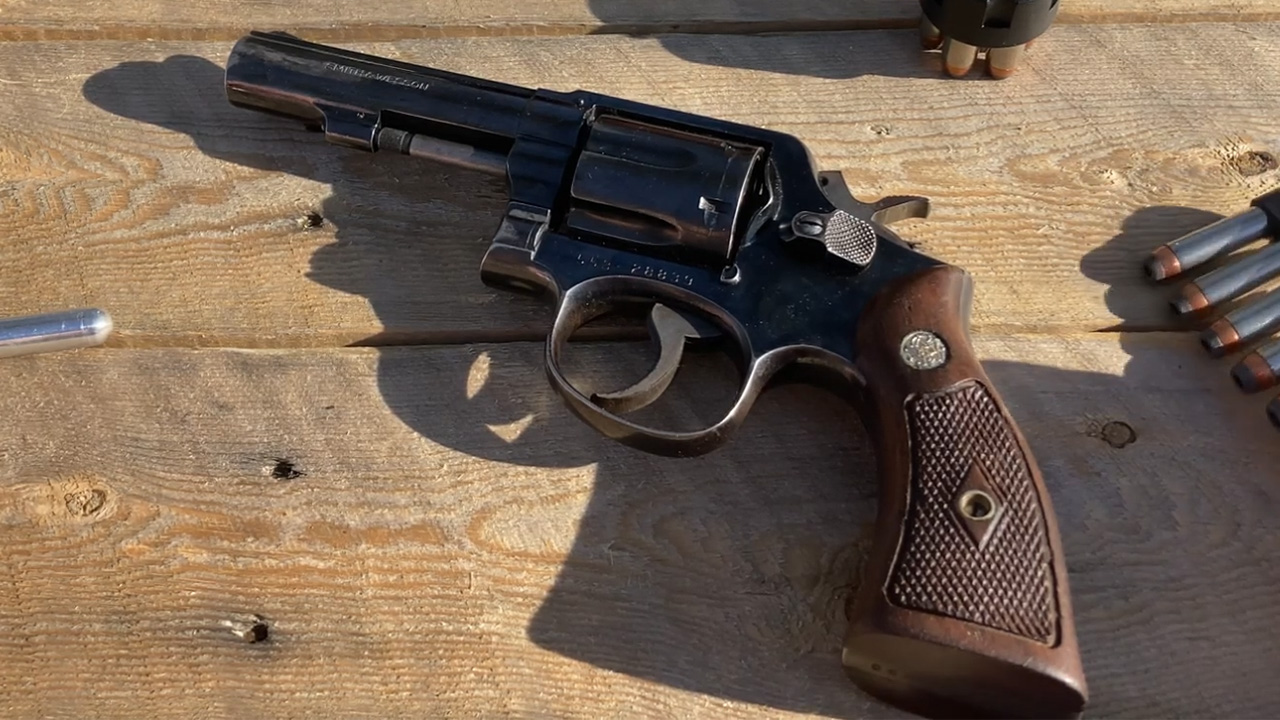
This is the revolver that taught a lot of folks what “boring reliable” actually means. The Model 10 isn’t flashy and it won’t impress anybody on the internet, but it points naturally and it just keeps running.
Feed it decent .38 Special and it’s easy to shoot well. The trigger on a good one is the kind that makes you realize why people still argue about old Smith actions like they’re talking about fly rods.
2. Ruger GP100

If you want a revolver for actual use, not just nostalgia, the GP100 is one of the quickest converts. It’s built like a fence post, and that’s the point.
In .357 Magnum it’s stout enough to take real practice without beating you up. It carries heavy on the belt, sure, but on a chest rig while you’re checking trail cameras or packing a quarter, it makes more sense than people expect.
3. Smith & Wesson Model 686

The 686 is where a lot of semi-auto guys finally admit a revolver can feel “refined.” The lockup is tight, the balance is right, and the full underlug tames recoil in a way that makes .357 actually enjoyable.
It’s also a range gun that doesn’t get old. You can run mild .38s all afternoon, then finish with magnums and remember why this cartridge still has a following.
4. Ruger SP101
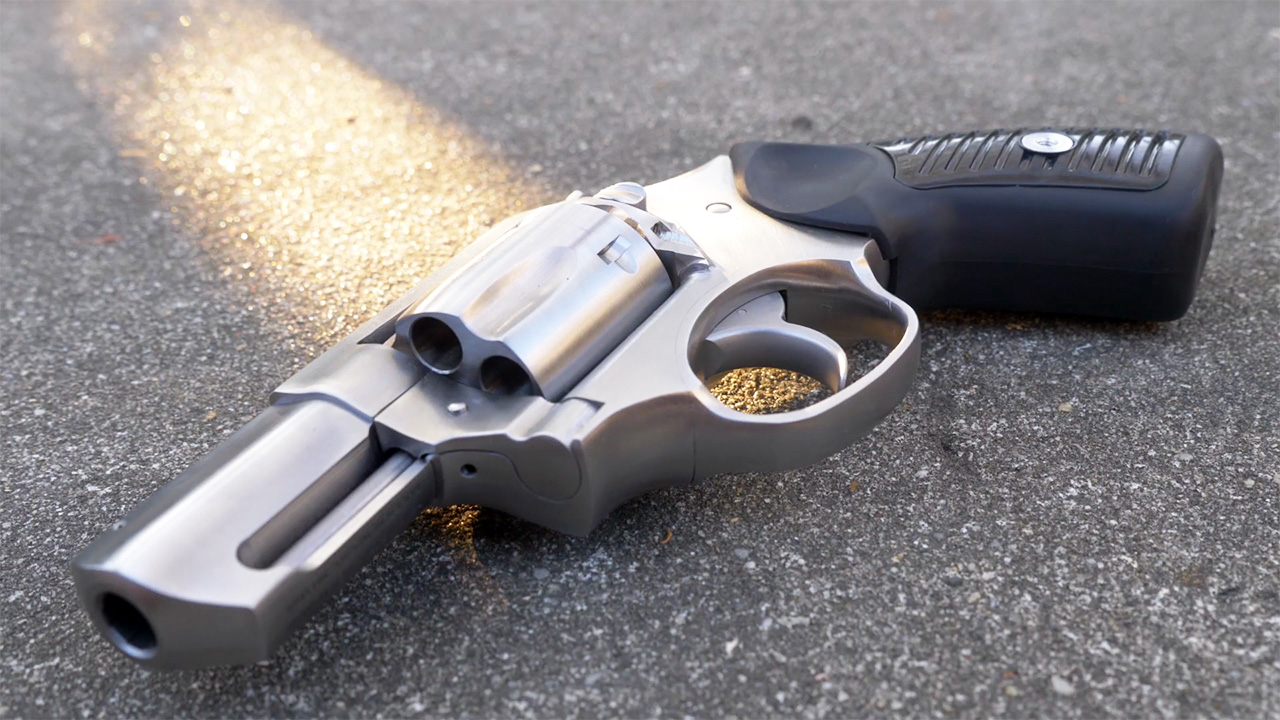
Small revolvers are usually where skepticism gets worse. The SP101 is one of the exceptions because it’s not built like a soda can.
It’s still a compact gun, so physics applies, but the extra heft and Ruger toughness make it a legitimate carry piece that can also ride in a tackle bag or ATV box without you babying it.
5. Smith & Wesson J-Frame Model 642
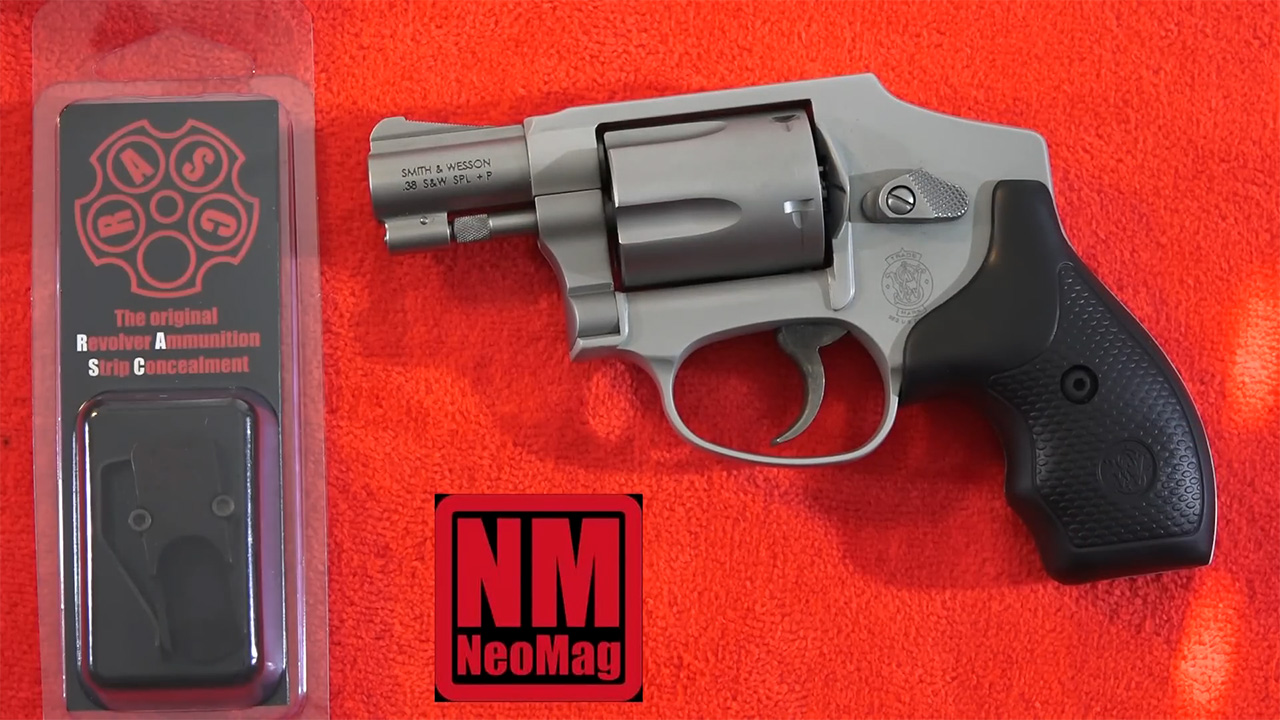
This is the revolver that gets carried when nothing else gets carried. The 642 is light, snag-resistant, and simple, and it disappears in places a compact semi-auto still prints.
No, it’s not fun with hot ammo. Still, for a pocket gun that works even when it’s full of lint and has been ignored for a month, it earns its reputation.
6. Colt Python (modern production)

The new Python made plenty of folks who “don’t do revolvers” stop and pay attention. The trigger is smooth, the sights are usable, and the whole gun feels like it was built for someone who actually shoots.
It’s expensive, and it’s not a working man’s beater. But if you’ve never understood revolver hype, a few cylinders through a good Python tends to explain it quickly.
7. Smith & Wesson Model 19
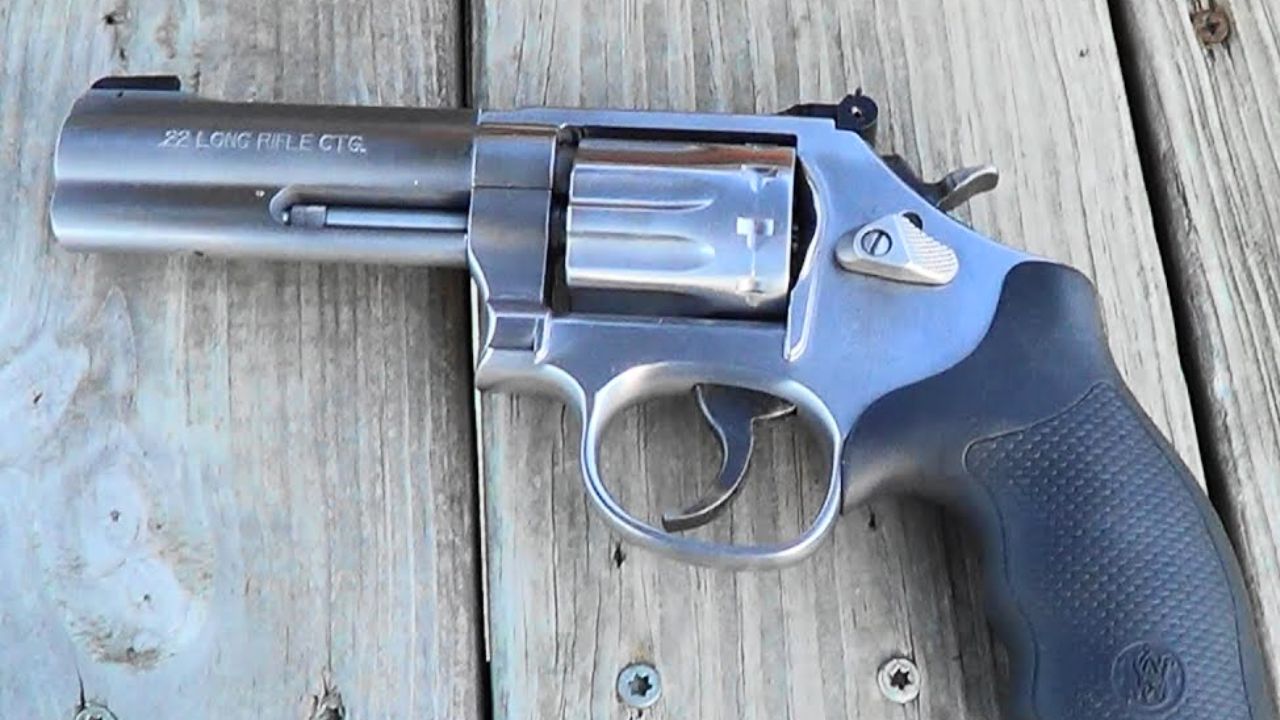
The Model 19 is a classic for a reason: it carries like a .38 and hits like a .357. The balance is almost perfect, especially in the 4-inch guns.
It’s not the revolver for a steady diet of the hottest magnums, and that’s where some folks get sideways with it. Treat it like the practical carry .357 it was meant to be, and it’s hard not to like.
8. Ruger Blackhawk (.357 Magnum or .45 Colt)

A single-action will really make a semi-auto guy suspicious at first. Then they shoot a Blackhawk and realize accuracy can be almost unfair when the trigger breaks like that.
It’s slow to reload and it’s not a “defensive tactics” gun. But for woods roaming, pests, and just plain enjoyable shooting, it turns doubters into grinners.
9. Ruger Super Blackhawk (.44 Magnum)
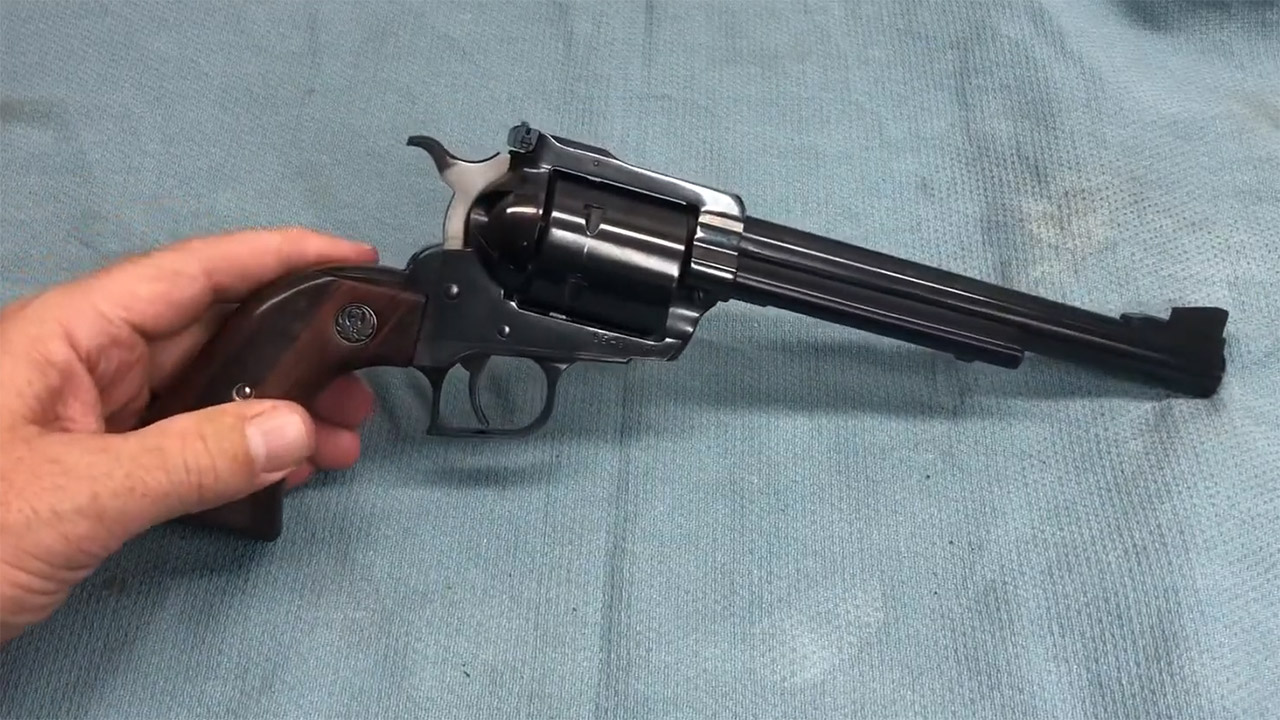
This one changes minds because it changes expectations. The Super Blackhawk is a serious hunting handgun, not a novelty, and it soaks up recoil better than a lot of smaller .44s.
It’s still .44 Magnum, so you’ll know you touched one off. But if you’ve ever watched a revolver skeptic ring steel at 100 yards with a Super Blackhawk, you’ve seen the moment the light comes on.
10. Smith & Wesson Model 29
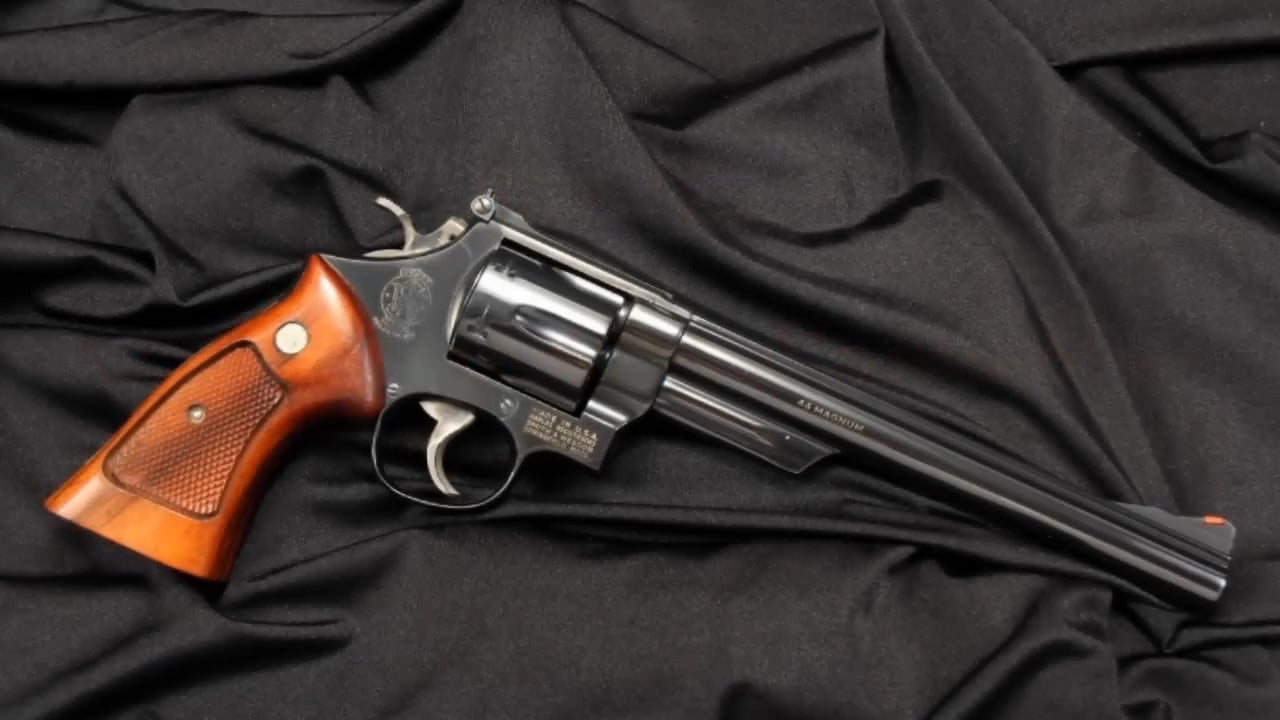
The Model 29 is the famous one, and yes, some folks buy it for the story more than the shooting. The surprise is how well many of them shoot, even for regular people, once you stop trying to run it like a 9mm.
Loaded sensibly, it’s a real woods gun. It also tends to make people respect what a good double-action trigger can do when you’re not fighting a striker wall.
11. Ruger Redhawk (.44 Magnum)
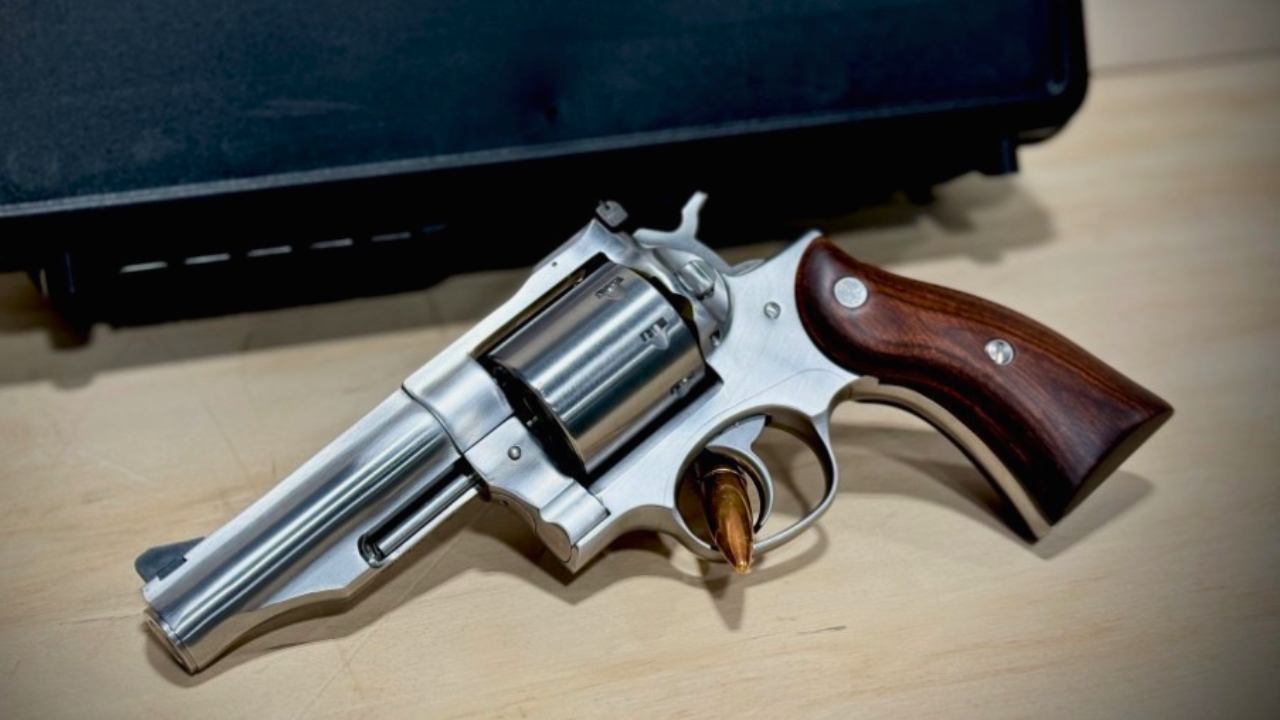
The Redhawk is what you buy when you’re tired of worrying about whether your gun can handle heavy loads. It’s overbuilt, thick in the right places, and it has a “go ahead, try me” attitude.
As a sidearm for bear country or as a backup while baiting hogs, it’s the kind of wheelgun that makes skeptics admit there’s still a niche where revolvers just make sense.
12. Ruger Super Redhawk (.454 Casull)

If your argument against revolvers is “they’re outdated,” the Super Redhawk in .454 is a pretty direct rebuttal. It’s not a casual shooter’s gun, but it’s a legitimate tool for serious animals.
The frame and cylinder are built for punishment, and it’s one of the easiest big-bores to mount an optic on. Not everybody needs it. But everybody respects it after shooting it once.
13. Smith & Wesson Model 460XVR
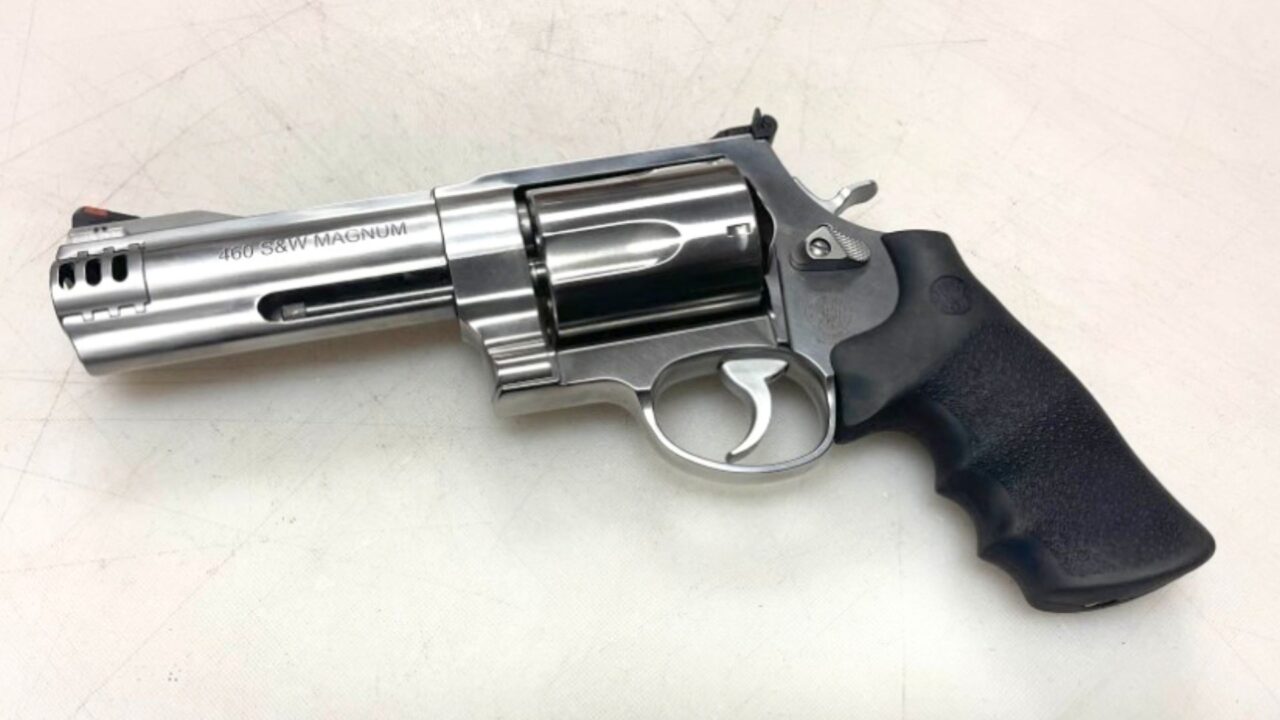
This is the revolver that feels like it shouldn’t exist until you see one in person. Long barrel, big muzzle brake, massive cylinder—more like a handheld rifle project than a sidearm.
It’s also surprisingly versatile because it can run .45 Colt and .454 Casull. Skeptics don’t become daily carry revolver guys because of this one, but it tends to end the “revolvers are weak” talk.
14. Smith & Wesson Model 500

There’s nothing subtle about a .500. A lot of wheelgun doubters shoot one expecting it to be a circus act and walk away realizing it’s more controllable than they assumed—if the gun fits and you don’t get stupid with your grip.
It’s heavy, loud, and specialized. Still, it’s proof a revolver can be a purpose-built hunting tool, not just a throwback.
15. Taurus 856 (Defender or standard)

Here’s a budget-friendly one that surprises people: six shots in a small-frame .38 with decent ergonomics. The 856 isn’t fancy, but it’s often a better real-world buy than the cheapest micro-9 for folks who won’t train much.
You still need to inspect any revolver—timing and lockup matter. A good 856 gives skeptics an affordable way to learn what a simple, pointable gun feels like.
16. Kimber K6s

Kimber making a revolver raised eyebrows for good reason. Then the K6s showed up with real sights, a solid trigger, and six rounds in a package that carries like a five-shot.
It’s a slick concealed-carry wheelgun for people who swore they’d never carry one. Not cheap, but it feels like it was designed by someone who actually understands the snub-nose problem.
17. Smith & Wesson Model 617
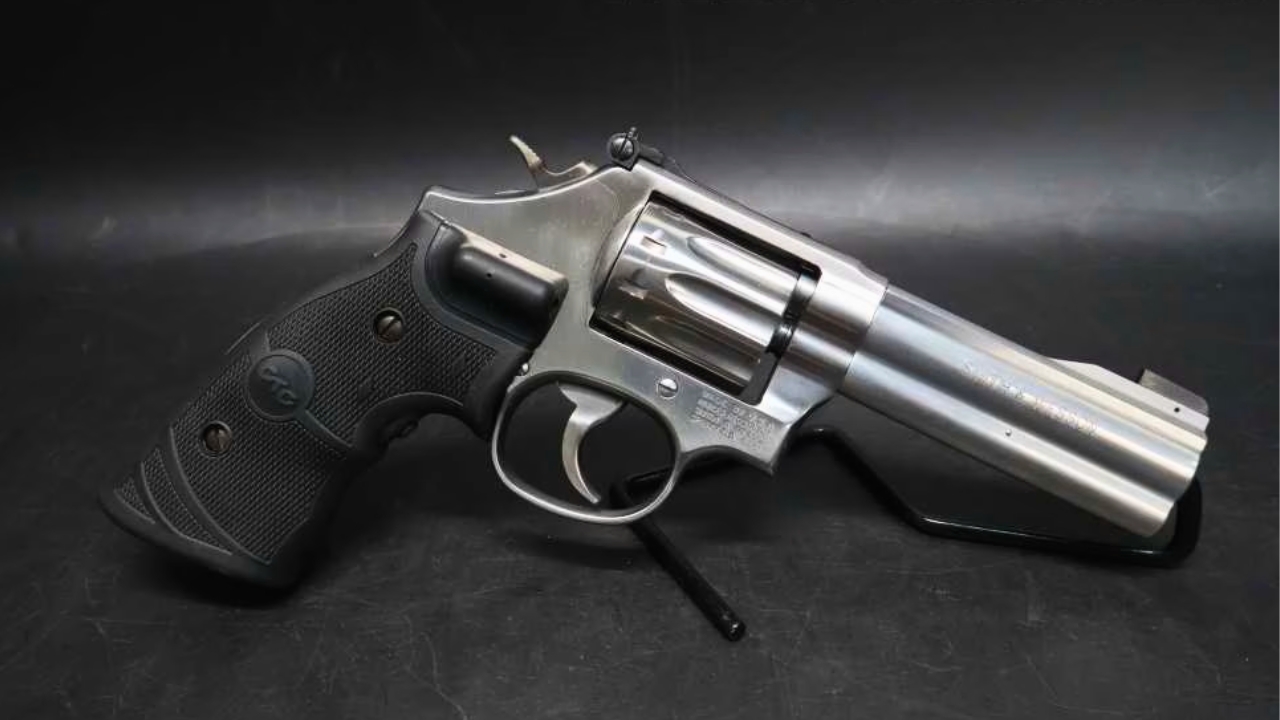
The fastest way to convert a revolver skeptic is to hand them a .22 that feels like a “real gun.” The 617 is a training machine: same controls, same sight picture, same trigger style, just cheaper ammo and less noise.
It’s also a woods plinker that will embarrass you if you’re sloppy. Ten shots of .22 in a well-made revolver is a day of practice without excuses.
18. Ruger LCR (.38 Special +P or .357)

Polymer revolver? Yep. The LCR is ugly to some eyes, but it carries like a dream and the trigger is better than it has any right to be for its size.
If you’re the type who wants “grab it and go” reliability for a lightweight carry gun, this is one of the few that regularly wins over the semi-auto-only crowd.
19. Chiappa Rhino 200DS
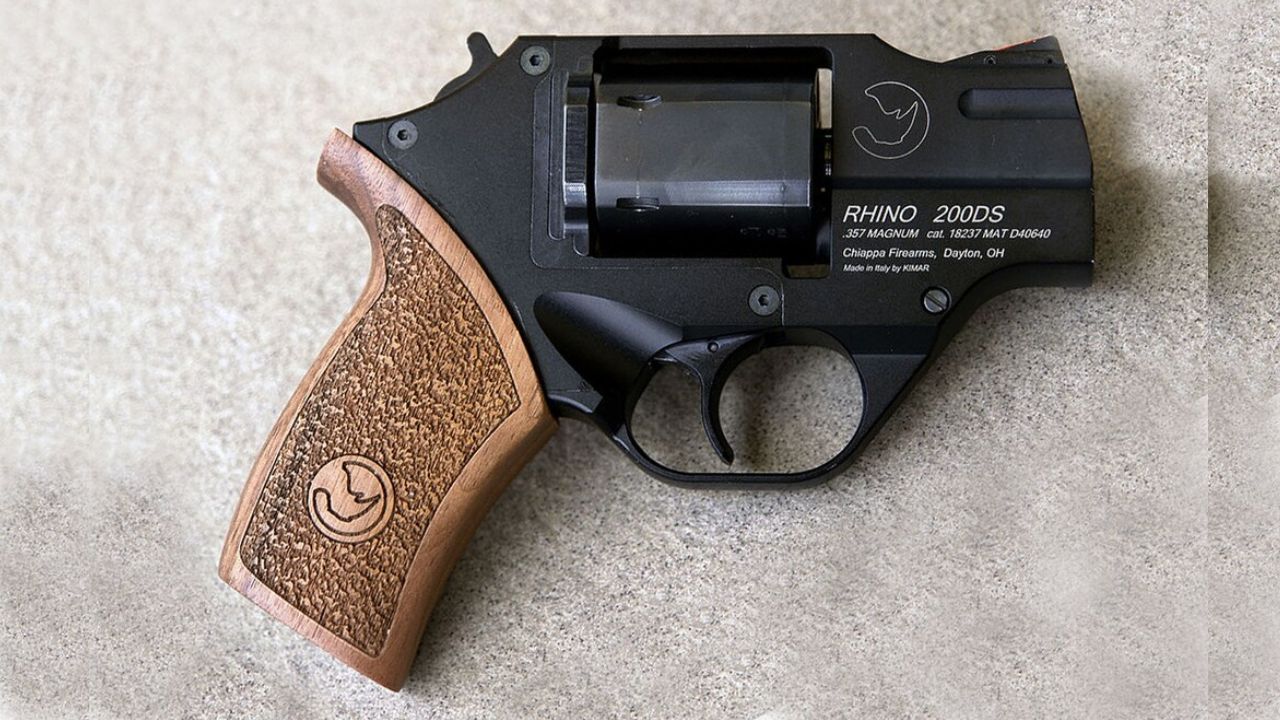
The Rhino looks like something from a sci-fi movie, and that alone turns some shooters off. Then they fire it and realize the low bore axis changes how recoil feels.
It’s not traditional and it’s not for everybody. But it’s a reminder that revolvers can still innovate, and that “muzzle flip is just the price you pay” isn’t always true.
20. Smith & Wesson Model 640 Pro Series

Snub-noses are usually a compromise pile: tiny sights, heavy trigger, painful recoil. The 640 Pro tries to fix the stuff that actually matters with better sights and moon-clip capability in a sturdy stainless package.
It’s heavier than the featherweight guns, but that weight buys shootability. For skeptics who hate the idea of a small revolver until they have to shoot one well, this is a smart place to land.
The funny part about revolvers is most people don’t come around because of nostalgia. They come around because a wheelgun solves a simple problem in a simple way, and it keeps solving it when conditions aren’t perfect. You don’t have to ditch your semi-autos to appreciate that. But once you’ve owned one revolver that just works and shoots where you look, the skepticism gets a lot quieter.
Like The Avid Outdoorsman’s content? Subscribe to our newsletter so you never miss an article.
Here’s more from us: