Photo credit: sootch00/YouTube
Modern firearms get judged fast. Sometimes too fast. A new rifle, pistol, or shotgun hits the market, and shooters immediately decide it is overhyped, ugly, unnecessary, too cheap, too different, or just another copy of something that already exists. That is normal in the gun world. Nobody wants to be the guy who gets sold on marketing.
But every now and then, a modern gun turns out better than the first impression. Maybe it shoots cleaner than expected. Maybe it runs harder than the price suggests. Maybe the design looks odd until you actually use it. These firearms earned more respect once people stopped guessing and started shooting.
Ruger American Generation II
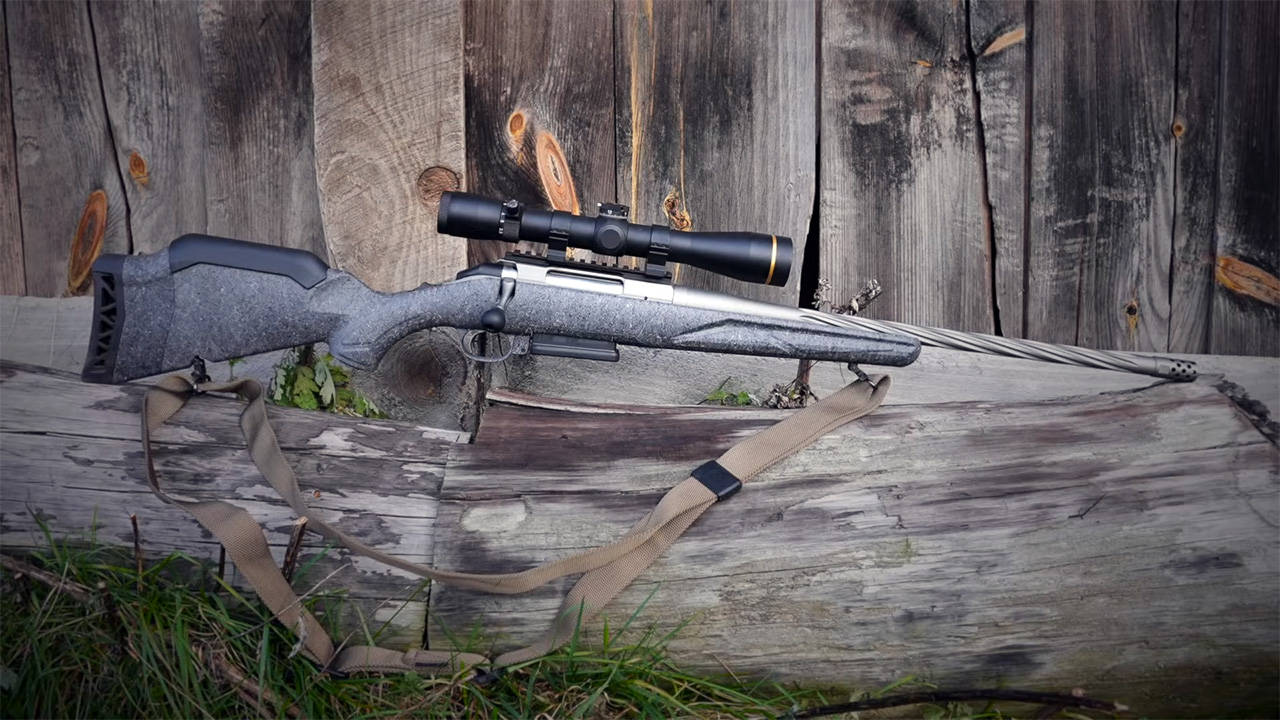
The Ruger American Generation II is better than expected because Ruger did not just change the paint and call it new. The improved stock, adjustable comb, spiral-fluted barrel, and three-position safety make it feel like a more complete hunting rifle than the original.
It still keeps the working-gun attitude that made the first American popular. You do not feel bad dragging it through brush, riding it in a side-by-side, or taking it out in ugly weather. The accuracy is still there, the price is still reasonable, and the upgrades actually matter in the field.
Smith & Wesson M&P Shield Plus
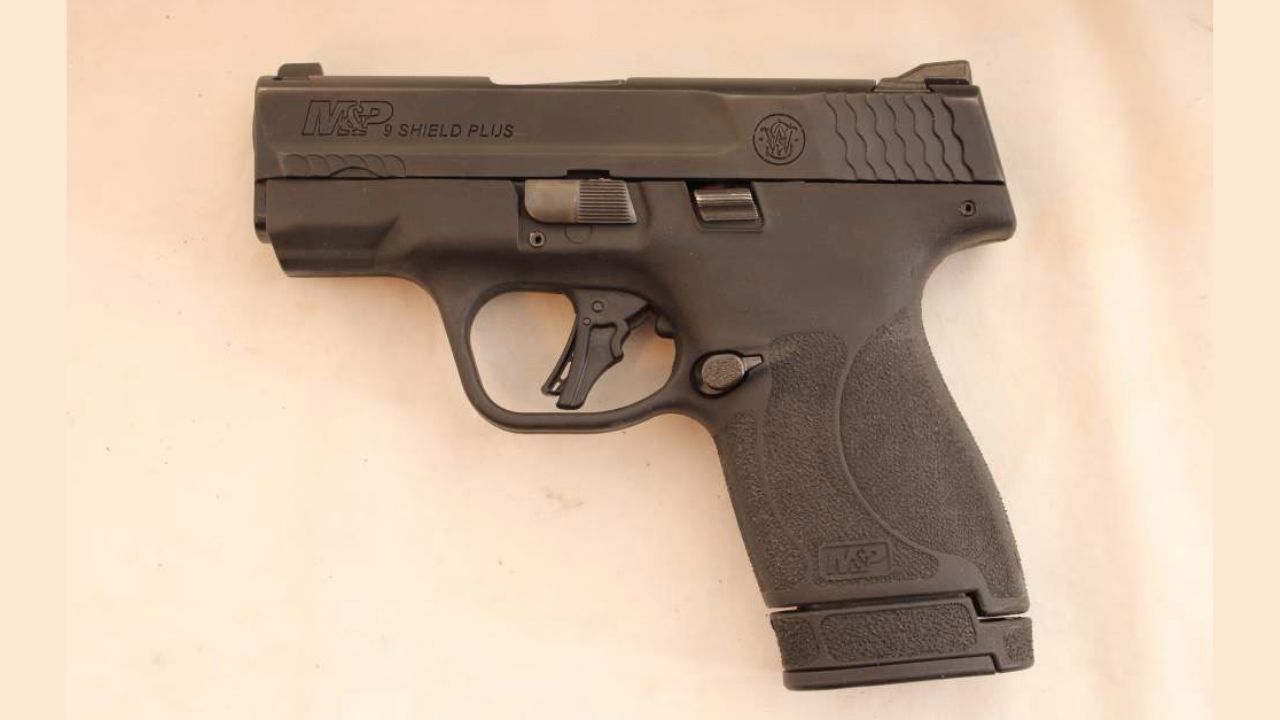
The Shield Plus looked like a simple update to an already popular carry pistol, but it ended up being more than that. Smith & Wesson added capacity without ruining what people liked about the original Shield. That is harder than it sounds.
The grip still carries slim, the trigger is much better than older Shields, and the pistol is easy to shoot for its size. It does not feel like a gimmick gun chasing the micro-compact trend. It feels like a proven carry pistol that got the right improvements. For a lot of shooters, it quietly became one of the safest carry recommendations around.
PSA Dagger

The PSA Dagger had every reason to get mocked early. A budget Glock-pattern pistol from Palmetto State Armory was always going to bring out skeptics. Shooters expected rough edges, corners cut, and a gun that only made sense because it was cheap.
Then people started running them and realized the Dagger was more serious than expected. It gives you familiar Glock-style function, decent ergonomics, and a price that leaves room for ammo, magazines, and training. It is not a high-end pistol, and it does not need to be. For a practical range or defensive setup, it gives buyers more than the price suggests.
Mossberg 940 Pro Tactical
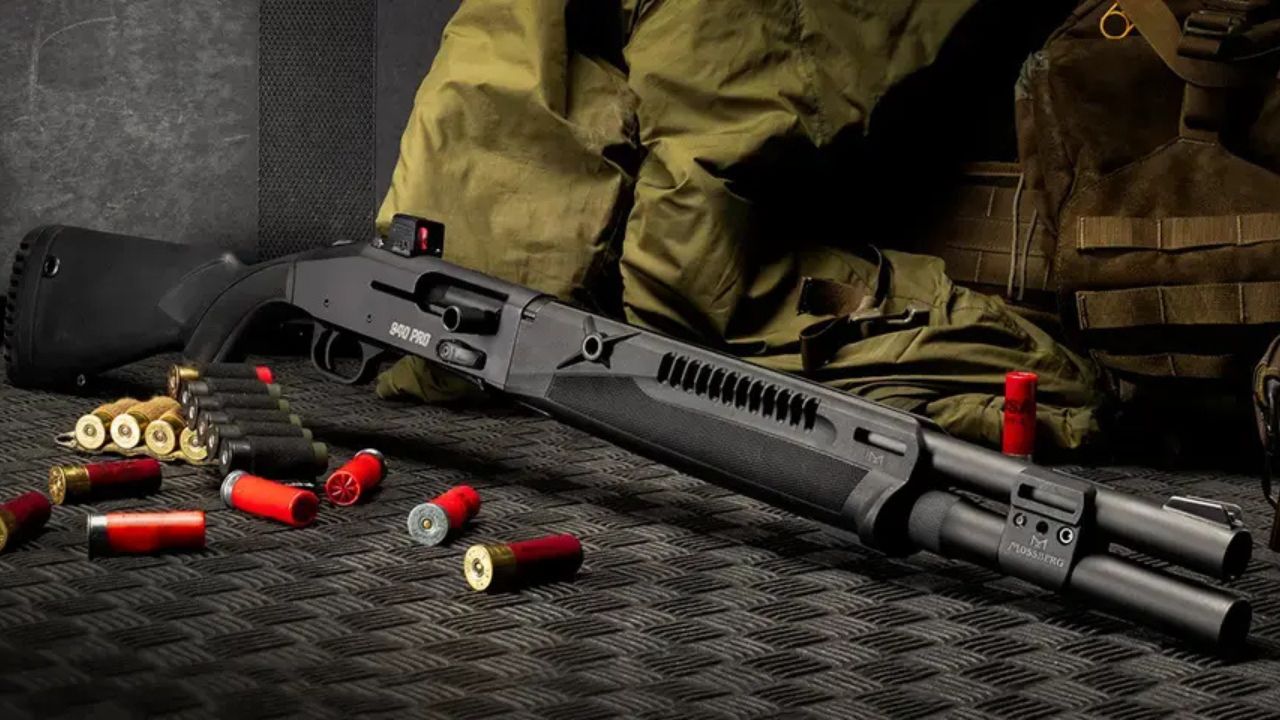
The Mossberg 940 Pro Tactical came in with a lot to prove because semi-auto defensive shotguns get judged hard. They have to run, pattern well, accept modern accessories, and not feel like a range toy pretending to be serious. Mossberg had a strong shotgun name, but expectations were still high.
The 940 Pro Tactical turned out to be a solid modern answer. The optic-ready receiver, improved gas system, and practical controls make it feel more thought-out than older budget semi-autos. It still needs proper ammo and testing like any defensive shotgun, but it gives shooters a capable setup without jumping straight into Benelli money.
CZ P-10 C

The CZ P-10 C looked like another Glock 19 challenger in a market already packed with them. That made it easy to dismiss. Every company had a striker-fired compact by then, and a lot of shooters wondered what CZ could really add.
The answer was feel. The grip texture, trigger, and recoil behavior made the P-10 C stand out once people actually shot it. It has that practical size everyone wants, but it feels a little more planted and natural than many basic striker pistols. It may not have changed the market, but it proved CZ could build a modern polymer pistol that deserved attention.
Weatherby Vanguard Talon
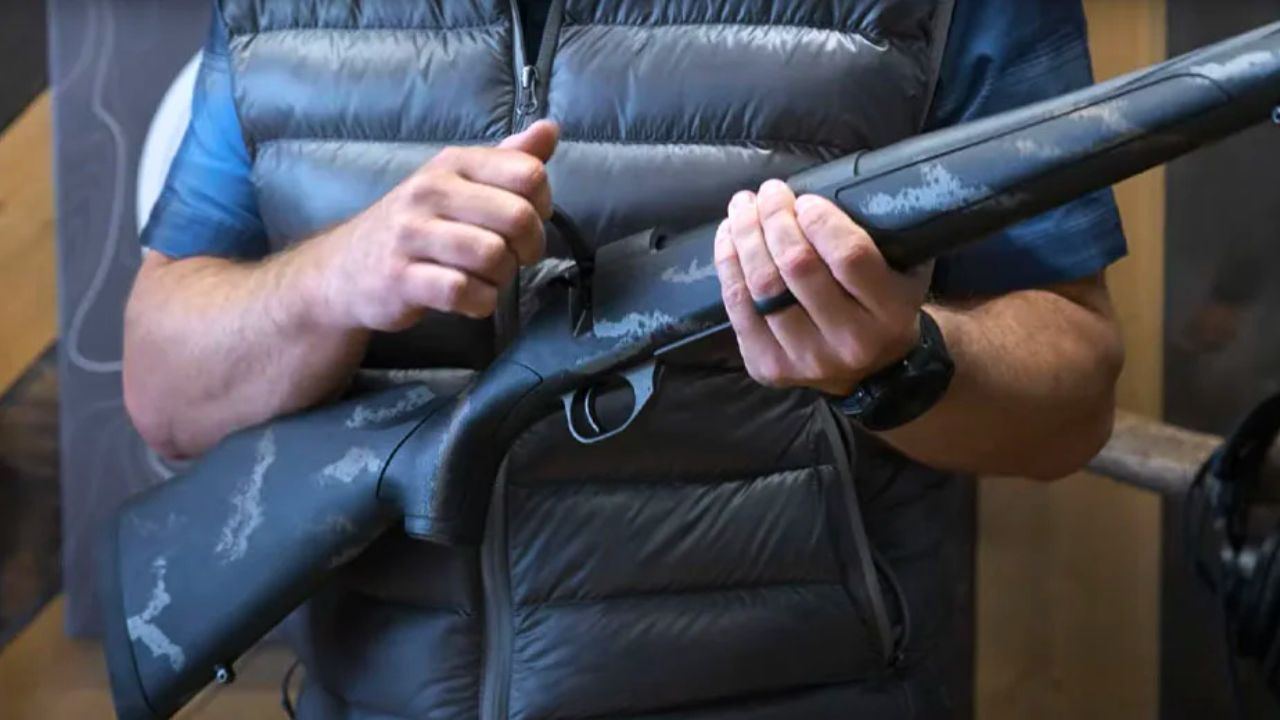
The Weatherby Vanguard Talon is better than expected because it takes a proven rifle and gives hunters a more modern field package. The Vanguard line already had good bones, thanks to the Howa-built action and solid accuracy reputation. The Talon adds a lighter, more practical feel without turning the rifle into a fragile mountain gimmick.
It is the kind of rifle that makes sense once you shoulder it and start thinking about real hunting. It has enough modern features to feel current, but it still behaves like a dependable bolt gun. For hunters who want value with better handling, it deserves a harder look.
Taurus TX22

The Taurus TX22 surprised a lot of shooters because rimfire pistols can be finicky, and Taurus still carries old baggage with some buyers. A cheap-feeling .22 from Taurus sounded like exactly the kind of gun people expected to complain about online.
Instead, the TX22 became one of the more enjoyable modern rimfire pistols around. It has good capacity, a comfortable grip, and a reputation for running better than many expected with common .22 ammo. It is light, fun, and easy to hand to new shooters. Any gun that makes people practice more is doing something right.
Springfield Armory Echelon
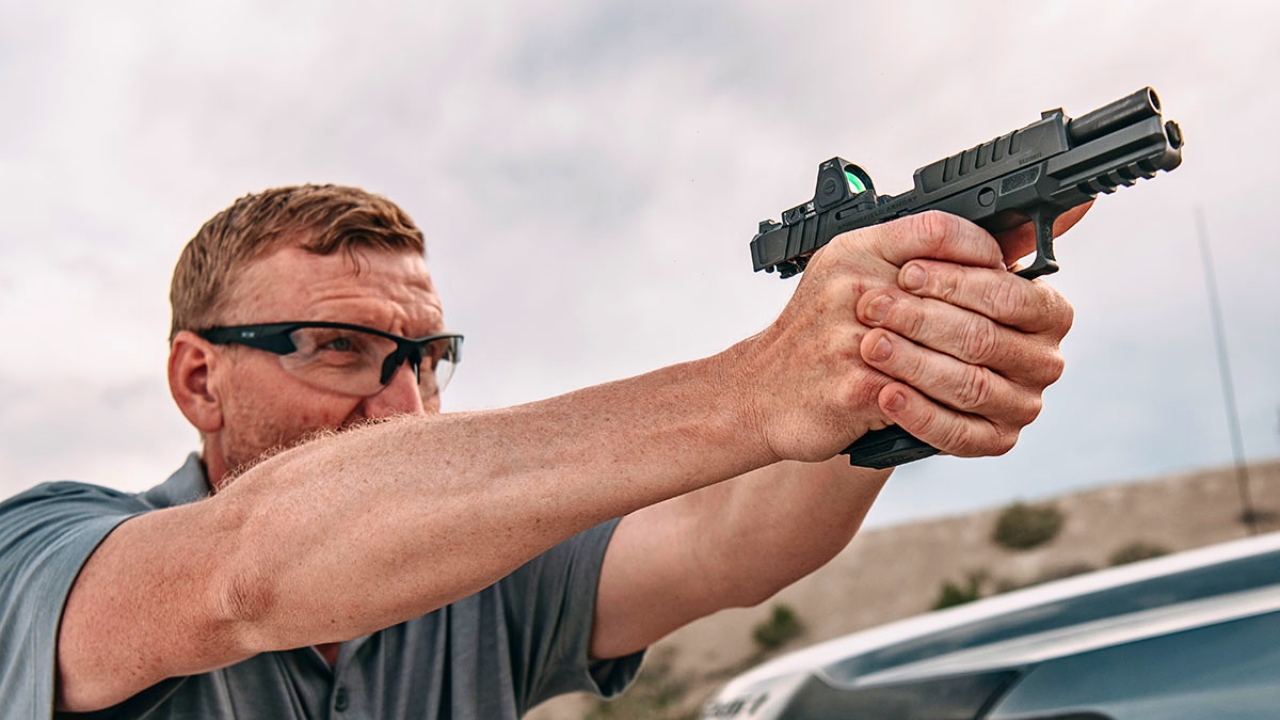
The Springfield Armory Echelon looked like another full-size striker pistol at first glance. That is a tough category to enter because shooters already have Glocks, M&Ps, Walthers, SIGs, and CZs fighting for space. A new duty-size 9mm has to offer more than a different slide shape.
The Echelon does. The optic mounting system is smart, the grip module setup is practical, and the pistol shoots flatter than some people expected. It feels like Springfield took the category seriously instead of just trying to catch up. For shooters who wrote it off early, range time has a way of changing the tone.
Henry Homesteader

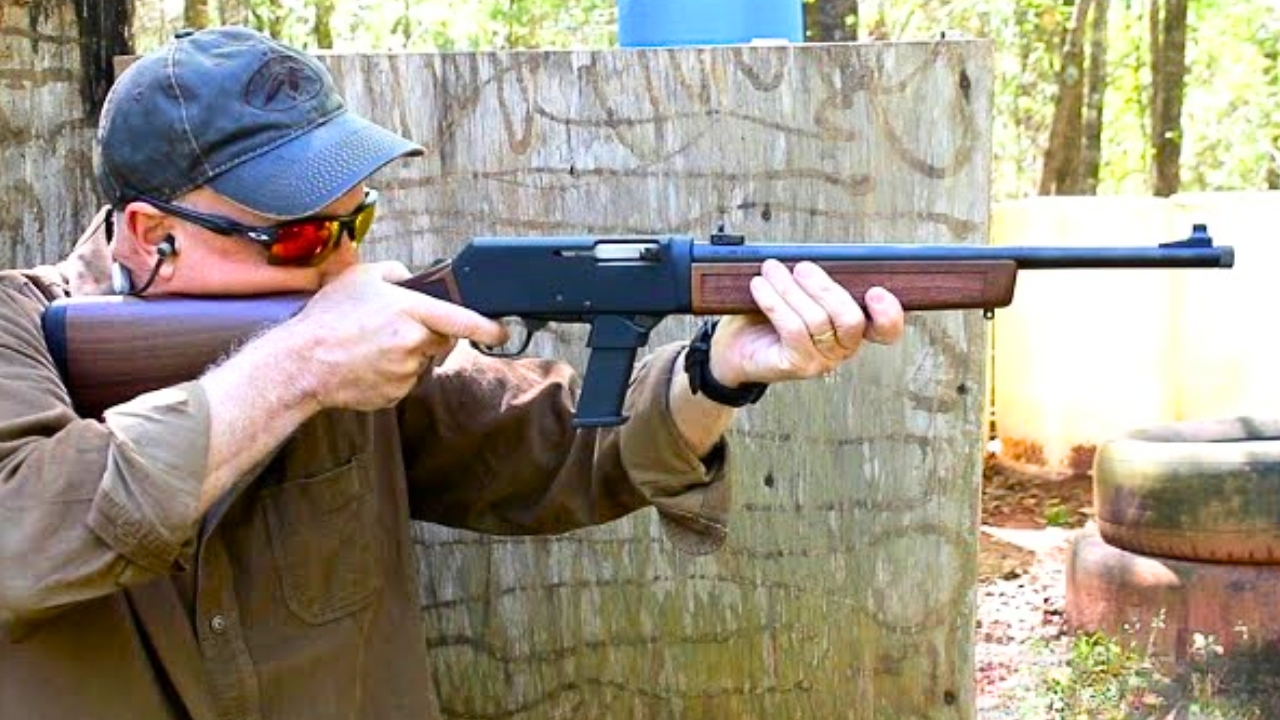
The Henry Homesteader looked a little odd when it arrived because it did not fit the tactical PCC mold. It had wood furniture, a traditional profile, and a 9mm chambering in a market full of folding stocks, braces, rails, and polymer everything. Some shooters did not know what to do with it.
Then you shoot it and the appeal gets clearer. It is handy, soft-shooting, and more useful than the old-school look suggests. The magazine compatibility options help, and the rifle feels like a practical camp, range, or home carbine for someone who does not want an AR-style setup. Different worked in its favor.
Beretta A300 Ultima Patrol
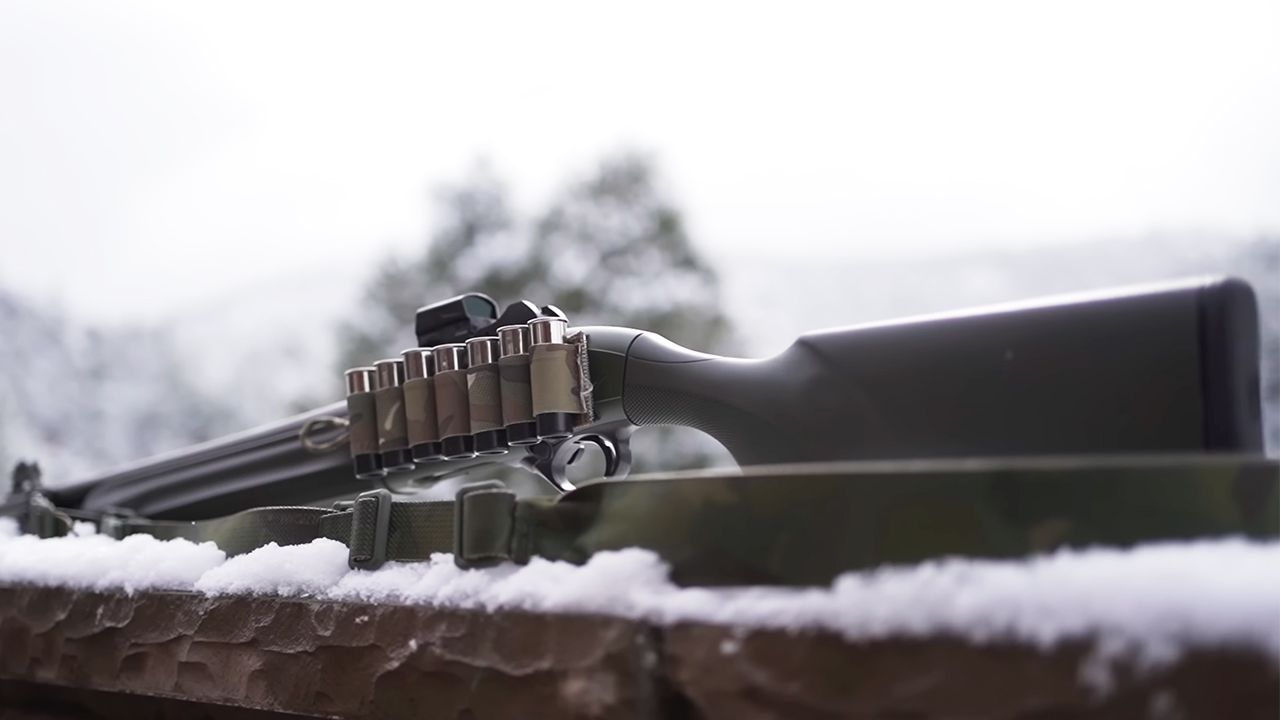
The Beretta A300 Ultima Patrol earned respect quickly because it gave shooters a serious defensive semi-auto shotgun without the price of the 1301. A lot of people expected it to be the cheaper compromise, and in some ways it is. But that does not make it weak.
It runs well, handles nicely, and comes set up with the features people actually want on a modern defensive shotgun. The controls, ghost-ring sights, loading port, and overall layout make it feel ready without needing a pile of upgrades. For the money, it is one of the better modern shotgun surprises.
Canik Mete SF

The Canik Mete SF is better than expected because Canik has moved beyond the “cheap import with a good trigger” label. The Mete SF feels like a well-rounded compact pistol instead of just a value play. It has a strong trigger, useful ergonomics, and a size that works for both carry and range use.
Shooters who still dismiss Canik are often working from old assumptions. The Mete SF proves the company understands what modern handgun buyers want: shootability, capacity, optics options, and a price that does not feel insulting. It is not just good for the money. It is good enough to make pricier pistols nervous.
Savage 110 Trail Hunter

The Savage 110 Trail Hunter deserves credit because it gives hunters a practical rifle that feels built for ugly weather and real use. The Hogue overmolded stock, Cerakote finish, and threaded barrel make it more field-ready than many rifles that cost more.
It is not trying to be sleek or fancy. It is trying to be useful. The AccuTrigger is still one of Savage’s best features, and the 110 action has a long track record behind it. If you want a rifle that can handle rain, mud, brush, and suppressor use without drama, the Trail Hunter is better than some hunters expect.
FN Reflex
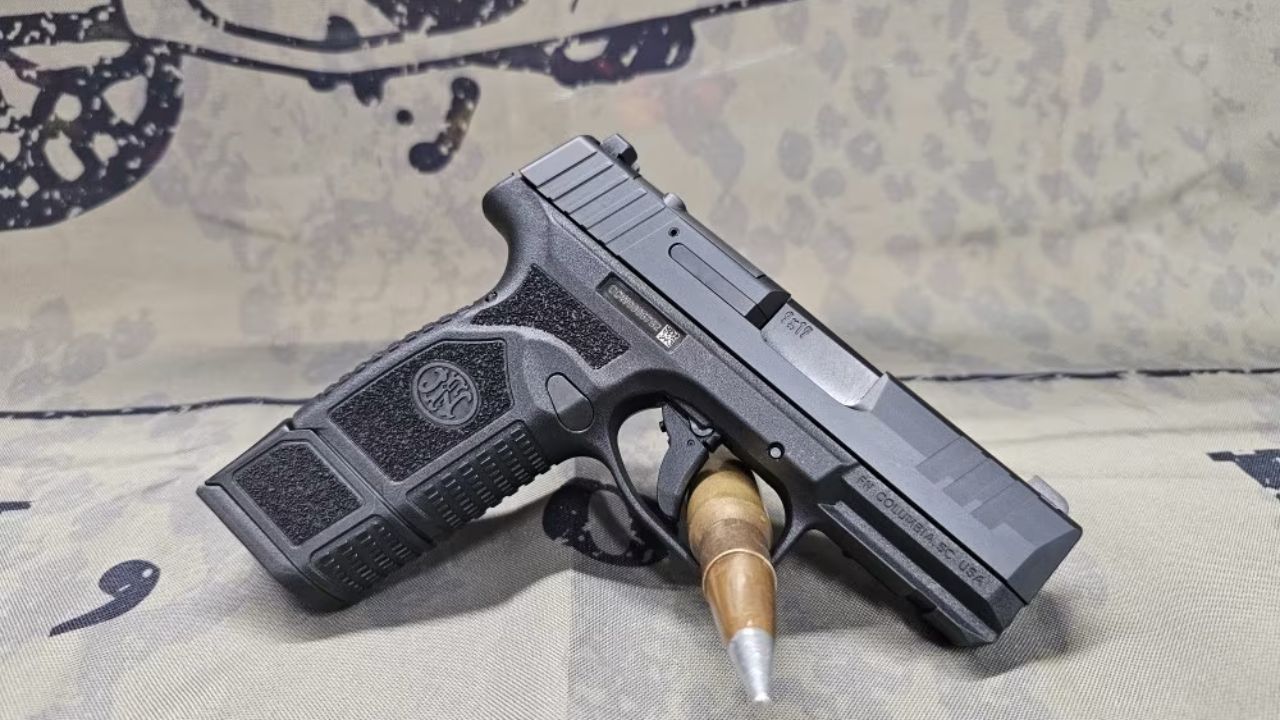
The FN Reflex got mixed reactions because the micro-compact 9mm market is brutal. By the time it arrived, shooters already had the P365, Hellcat, Shield Plus, and Glock 43X. FN needed more than a famous name to matter in that crowd.
The Reflex is better than expected because it brings a hammer-fired system into a modern carry format without feeling outdated. It is slim, easy to carry, and has a trigger feel that stands apart from many tiny striker-fired guns. It may not be everyone’s first choice, but it is not just another copy. FN gave it a real personality.
Bergara B-14 Squared Crest
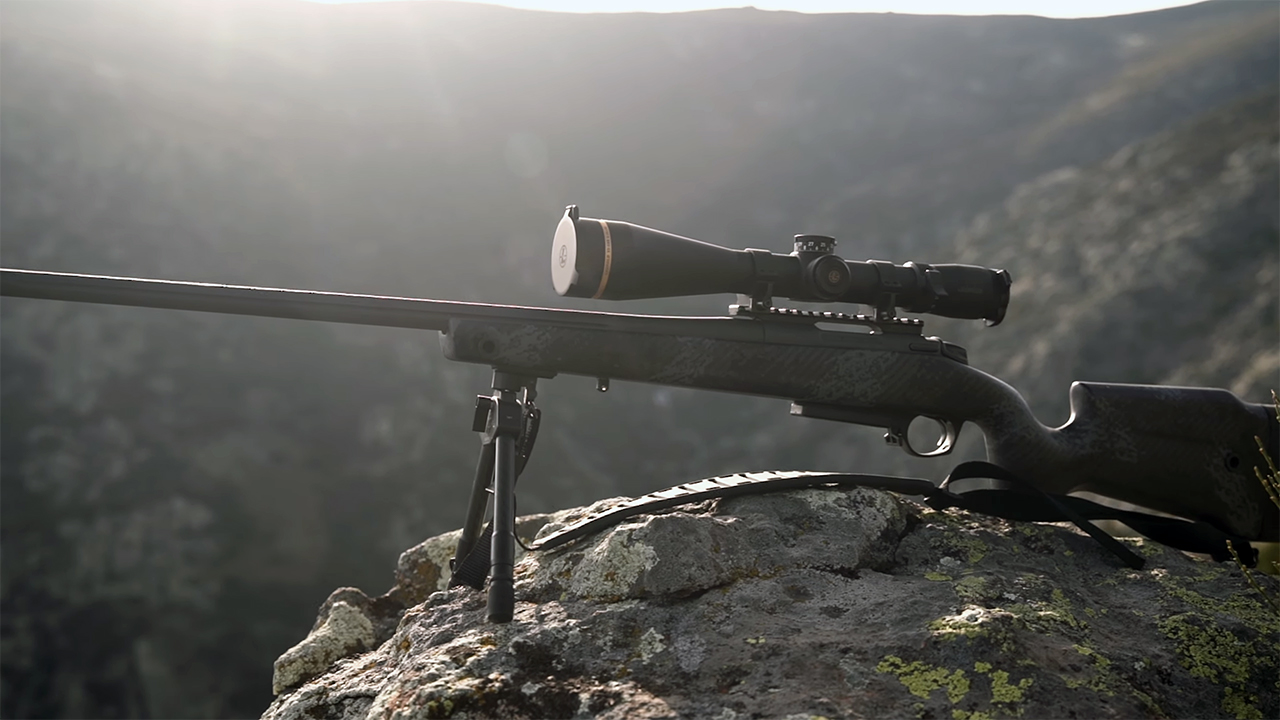
The Bergara B-14 Squared Crest deserves more respect because it sits in a practical middle ground. It is lighter and more refined than basic hunting rifles, but it does not go completely into fragile ultralight territory. That makes it easier to shoot well than some rifles built only to win the scale.
Bergara’s barrel reputation helps, but the Crest is more than that. The stock design feels modern, the rifle carries well, and the accuracy potential is strong without making the whole package feel delicate. For hunters who want a nicer rifle without jumping into full custom money, it makes a convincing case.
IWI Zion-15
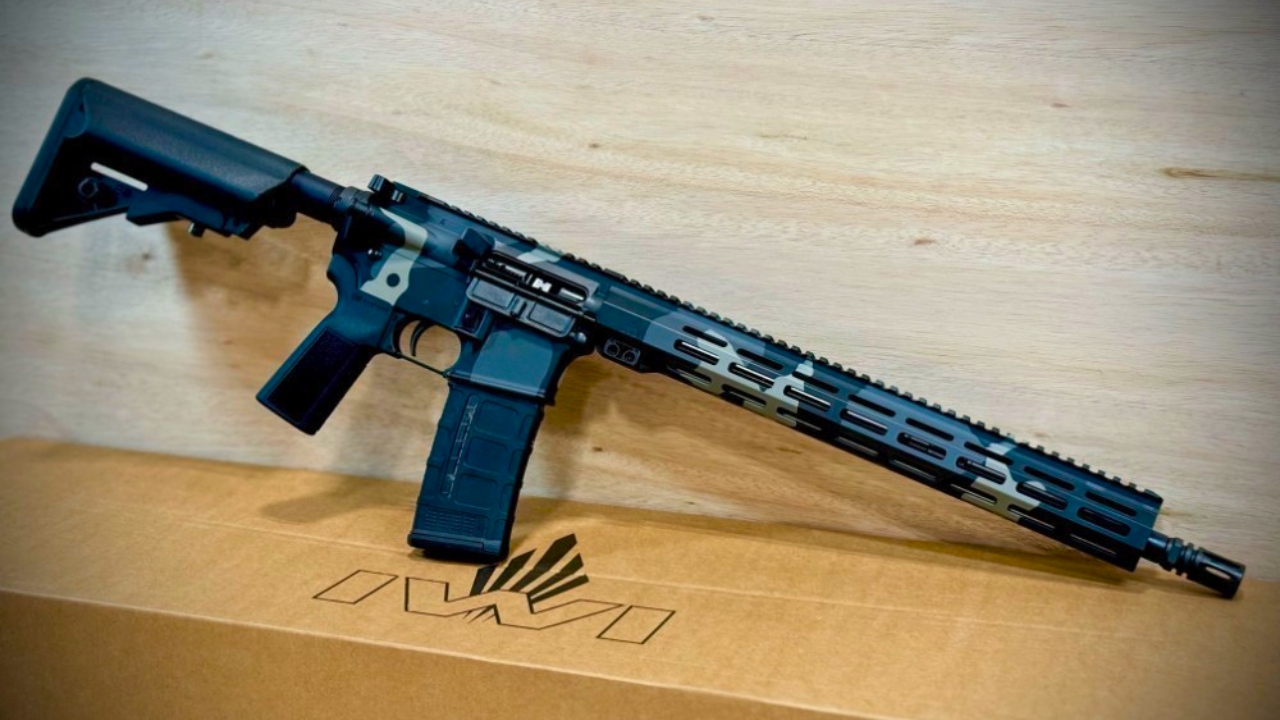
The IWI Zion-15 surprised people because the AR market is crowded and full of noise. Another factory AR-15 can disappear fast if it does not offer a clear reason to care. IWI brought a strong reputation, but buyers still wanted to know whether the rifle was actually worth choosing.
The Zion-15 turned out to be a smart, dependable AR for normal shooters. It has good furniture, a practical setup, and the kind of build quality that feels better than the price suggests. It is not flashy, but it gives owners confidence. In a market full of overpriced and underbuilt rifles, that matters.
Like The Avid Outdoorsman’s content? Subscribe to our newsletter so you never miss an article.
Here’s more from us: