Photo credit: Uzo Borewicz/Shutterstock.com
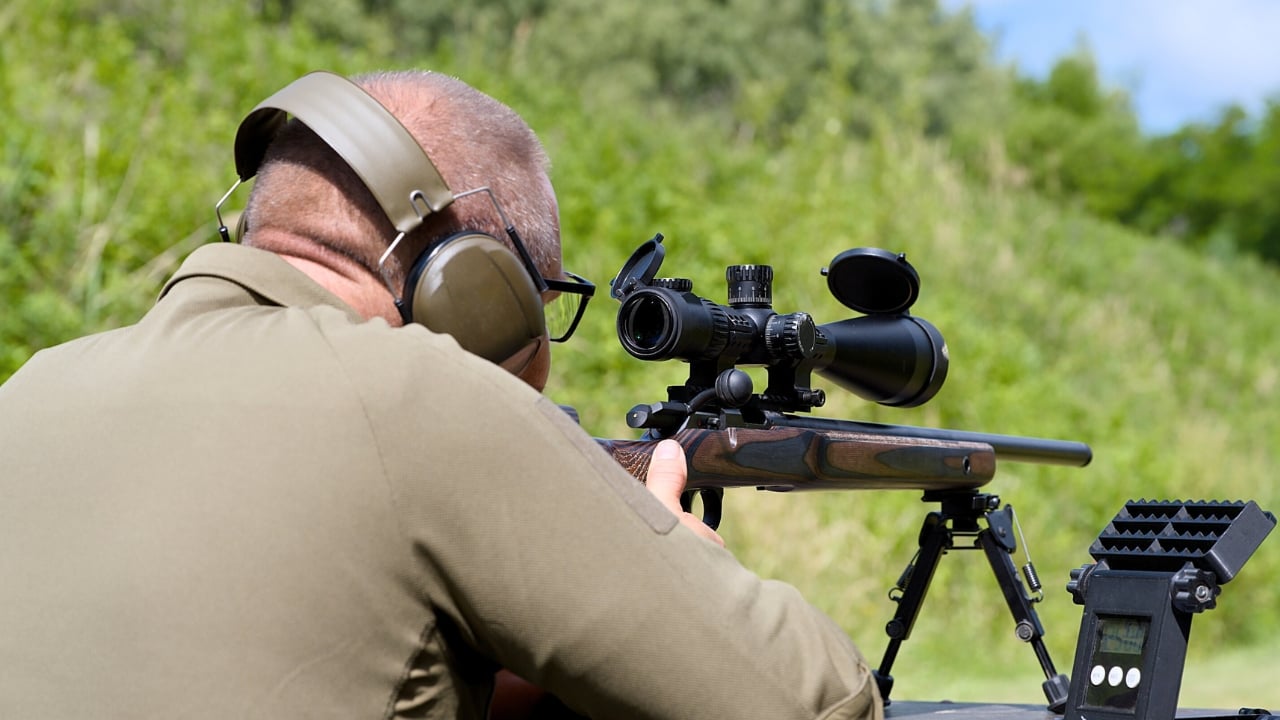
A rifle can look like a hammer when the barrel is cool. You print a tight group, you feel locked in, and you start trusting that setup. Then you shoot a second string—maybe you’re confirming a new load, maybe you’re practicing a follow-up—and the groups open up or start walking. That’s usually not “mystery accuracy loss.” It’s heat doing its thing: steel expands, stresses change, and barrel harmonics shift. On some rifles, that shift is mild. On others, it’s obvious the moment you start shooting at anything faster than a slow hunting cadence.
Thin sporter barrels heat fast, and light stocks can add another variable if forend pressure changes when you shoot off bags, sticks, or a pack. None of this means your rifle can’t kill deer. It means your range routine has to match reality. If your rifle is heat-sensitive, you’ll see it when you shoot strings instead of single shots with long cool-downs.
Remington Model 700 Mountain Rifle

Mountain rifles carry like a dream, and they often shoot great on a cold barrel. The trade-off is that a thin barrel warms quickly, and once it does, you can see groups open up or drift compared to that first “confidence” group. If you’re shooting three-shot strings with little pause, you’ll spot it fast.
A second factor is how you support the rifle. Light sporters can be sensitive to rest pressure, sling tension, and how firmly you pull the rifle into your shoulder. As heat builds, small changes in how the rifle settles can turn into bigger changes downrange. If you treat it like a bench rifle, you’ll be disappointed. If you treat it like a hunting rifle—cold-bore focus, slower cadence, consistent support—it stays honest and predictable where it counts.
Winchester Model 70 Featherweight
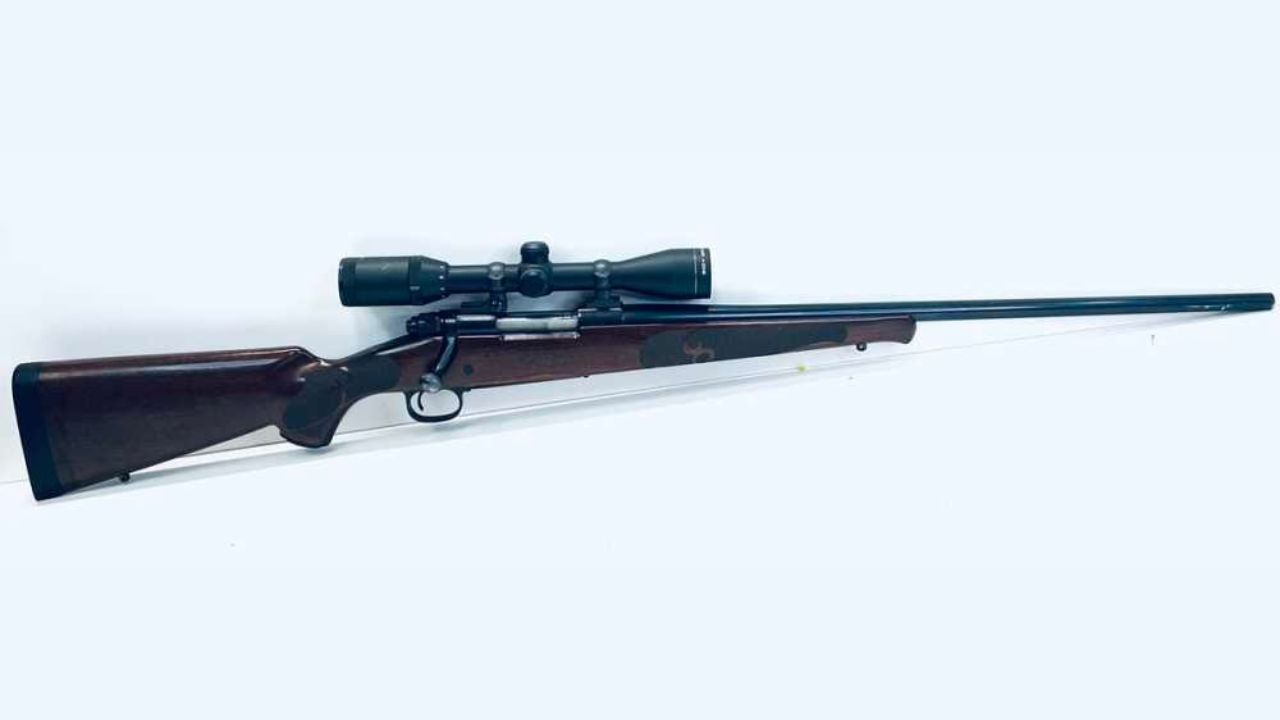
The Featherweight has a reputation for being a great hunting rifle, and it usually is. Where people get surprised is when they run it like a range rifle. That lighter contour barrel heats faster than a standard sporter, and some rifles will start to open up after the first group or two, especially if you’re shooting without letting it cool.
It’s also a rifle that rewards consistency. If you’re resting the forend in a slightly different spot each group, or you’re changing how you grip it as recoil builds, your impacts can shift. Heat doesn’t create problems out of thin air—it magnifies whatever inconsistencies are already in the system. Keep your cadence realistic, keep your rest pressure consistent, and you’ll see why the Featherweight stays popular even if it’s not built for long strings.
Savage 99

The Savage 99 is a classic, and it’s one of those rifles that can shoot better than people expect when everything is right. But it was never designed to live on the bench for extended strings. As you warm the barrel, groups can open up, and you’ll notice point-of-impact changes if the rifle is sensitive to how it sits in the forend.
A lot of 99s also have lived long lives, which adds variability. Bedding, forend fit, and how the rifle has worn over decades can all show up once the barrel heats and the system starts moving. You can still have a very effective deer rifle, especially for the first cold shot and a careful follow-up. The moment you try to “prove” it with a long string, you learn quickly that old hunting rifles aren’t always interested in being range stars.
Marlin 336

A lever gun like the 336 is a woods rifle first, and a paper-puncher second. Many 336s will put the first shots right where you want them, then start opening up as you shoot more and the barrel warms. That’s especially true with lighter barrels and the way some lever guns fit into their forends.
You’ll also see how much your support matters. Resting the magazine tube or forend on a hard surface, changing grip pressure, or pulling into a sling differently can shift impact, and heat makes those shifts more obvious. None of that is a knock on the rifle’s purpose. A 336 is at home with a cold barrel and a careful shot or two. If you expect it to hold tight, repeatable groups through longer strings, you’re asking it to be something it was never meant to be.
Browning BLR

The BLR can be very accurate for a lever-action, but it’s still a hunting rifle that can show heat sensitivity when you run multiple strings. Some BLRs will hold together well for the first group, then open up as the barrel warms, especially if you’re shooting at a pace that doesn’t give the rifle time to cool.
Support pressure matters here too. If your rest point changes between groups, or you’re loading into a rest differently as recoil builds, your impacts can start to wander. The BLR often gets treated like a “bolt gun with a lever,” and that’s where expectations get ahead of reality. It’s a fast-handling hunting rifle. If you test it like you hunt—cold barrel, consistent rest, realistic pace—you’ll get a much more truthful picture of what it does.
Ruger No. 1 Light Sporter
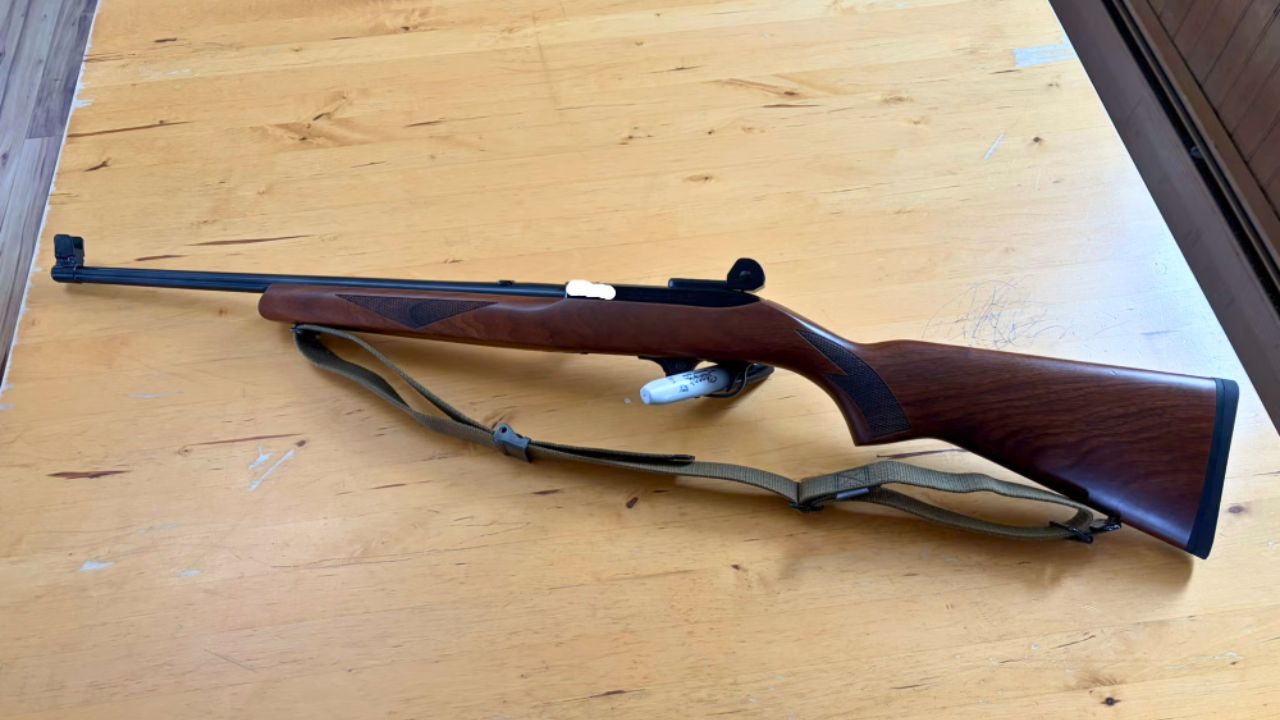
The Ruger No. 1 is a rifle people buy because they love it, and many of them shoot well. But a lighter-barreled No. 1 can show noticeable changes as it heats. Once the barrel warms, some rifles will start to string shots or open groups, and it can be more pronounced than you expect from a single-shot.
The reason is simple: the No. 1’s setup and forend arrangement can make it more sensitive to harmonics and pressure changes as the system warms. If you shoot it like a relaxed hunting rifle, it behaves. If you pound rounds through it trying to force a “final answer” on paper, it can make you chase your tail. Consistent support and a slower cadence go a long way with these rifles, and they’ll reward you when you treat them like the hunting tools they are.
Henry Big Boy X

Pistol-caliber carbines are fun, fast, and they encourage volume. The Big Boy X is no different. You can get a nice tight group early, then see it open up as you keep shooting and heat builds. The barrel profile and the way lever guns are supported can make them more sensitive than people expect during long range sessions.
Your rest technique matters a lot. If you rest the rifle in different places, or you clamp it down harder as you get into a rhythm, your impacts can shift. Heat makes those shifts show up sooner and more obviously. For practical hunting ranges, it’s rarely a problem because you’re not firing long strings at deer. The issue shows up when you try to evaluate the rifle with constant shooting instead of realistic, cold-bore checks and careful follow-ups.
Remington Model Seven

The Model Seven is a handy, quick rifle that’s built around a lighter contour. That usually means it shoots great cold, then warms fast and starts to show it. When you shoot multiple groups back-to-back, you can see the rifle open up or drift compared to that first tight cluster.
Light rifles also amplify shooter input. As the rifle warms and recoil starts to feel sharper over a longer session, your grip and follow-through often change without you noticing. If the stock or forend pressure is inconsistent, heat will make that inconsistency obvious. The Model Seven shines as a hunting rifle where the first shot matters most. If you want it to behave like a heavier range rig through long strings, it’ll remind you why it was built to be carried more than it was built to be shot all afternoon.
Kimber Montana
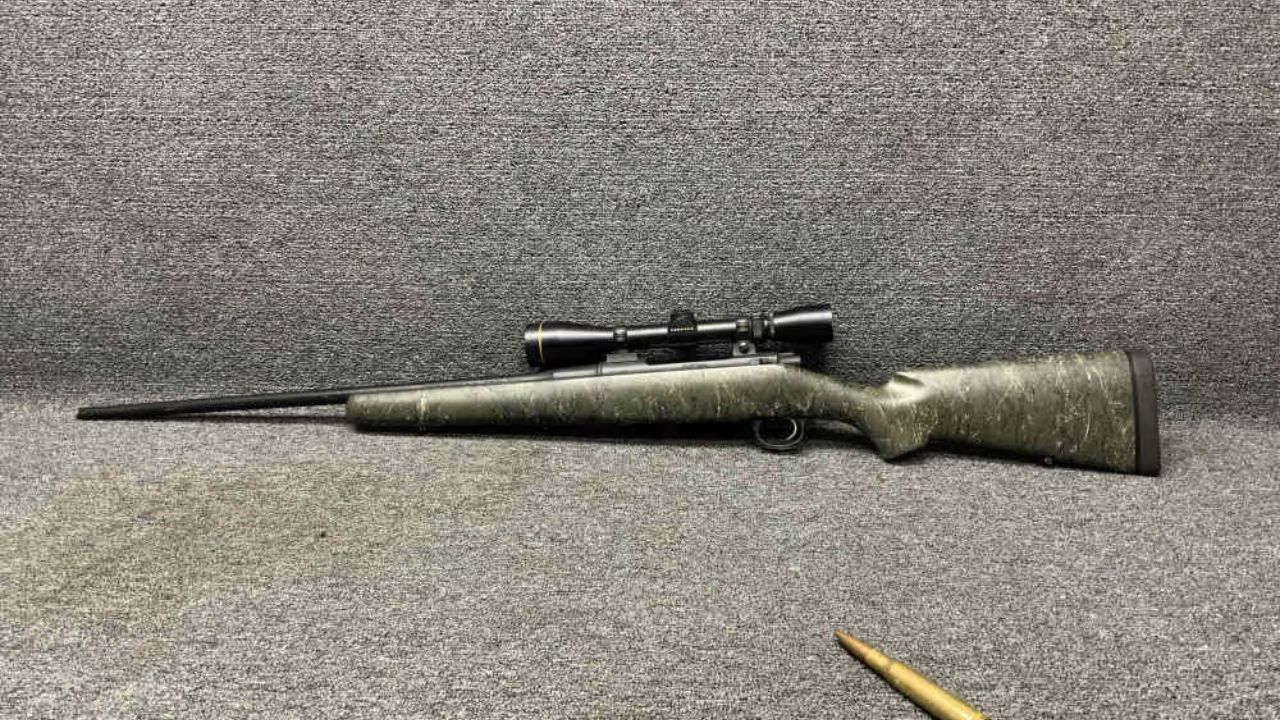
The Montana is another rifle that lives in the “carry it all day” category. When you ask a very light rifle to fire repeated strings, it’s common to see groups open as the barrel warms and as your own shooting changes from recoil and fatigue. Heat and a lightweight contour can reveal limits quickly.
A big reason these rifles frustrate people at the bench is that they’re less forgiving. A slightly different shoulder pressure, a different rest point, or a tighter grip can change the way the rifle behaves. As the barrel warms, those differences become easier to see on paper. The Montana can be very effective in the field, especially if you’re disciplined about cold-bore confirmation. If you’re judging it by long strings without cool-down, you’re not really measuring what it was built to do.
CZ 527 Carbine

The CZ 527 Carbine is loved for its handling and charm, but the carbine format can show heat effects faster than people expect. Shorter, lighter barrels warm quickly, and once they do, some rifles will open up or shift compared to the first group.
The other thing is that many shooters run carbines harder because they’re enjoyable. That faster cadence is exactly what reveals heat sensitivity. If you’re resting it inconsistently or changing how you load into the rest, you can see point-of-impact changes that feel like the rifle “went sour.” In reality, you’re watching a light hunting carbine behave like a light hunting carbine. Slow your pace, keep the support point consistent, and you’ll get a more honest read on what it does for the first shot and the first follow-up.
Marlin 1895 Guide Gun

Big-bore lever guns like the 1895 Guide Gun are built for close work, fast handling, and real-world reliability. They’re not built for long, tight strings. Once the barrel warms, it’s common for groups to open up, and recoil can make your technique change more than you realize over a session.
Support pressure matters a lot with lever guns, especially when you’re resting them on bags or a bench. If you rest the forend differently, or you start “muscling” the rifle as recoil adds up, impacts can shift. Heat makes it easier to see. The Guide Gun can be very accurate for its intended role, but it’s a rifle that tells the truth quickly: cold barrel, one or two solid shots, and you’re done. Shoot it like a range toy and it’ll fight you.
Winchester 94

The Model 94 is an all-time deer rifle, and it’s also a rifle that can show heat sensitivity when you shoot more than a hunting cadence. Warm the barrel, keep shooting, and you’ll often see groups open up compared to that first neat cluster.
A lot of that comes down to how you support it. Lever guns can respond differently depending on where they’re rested and how hard they’re held, and heat magnifies those differences. The 94 is built for quick shots in real hunting positions, not for stacking tiny groups over and over off a bench. If you test it with patience—consistent support and time to cool—you’ll get a clearer picture of what it offers where it matters: cold-bore accuracy and repeatable first-shot confidence.
Savage Model 340
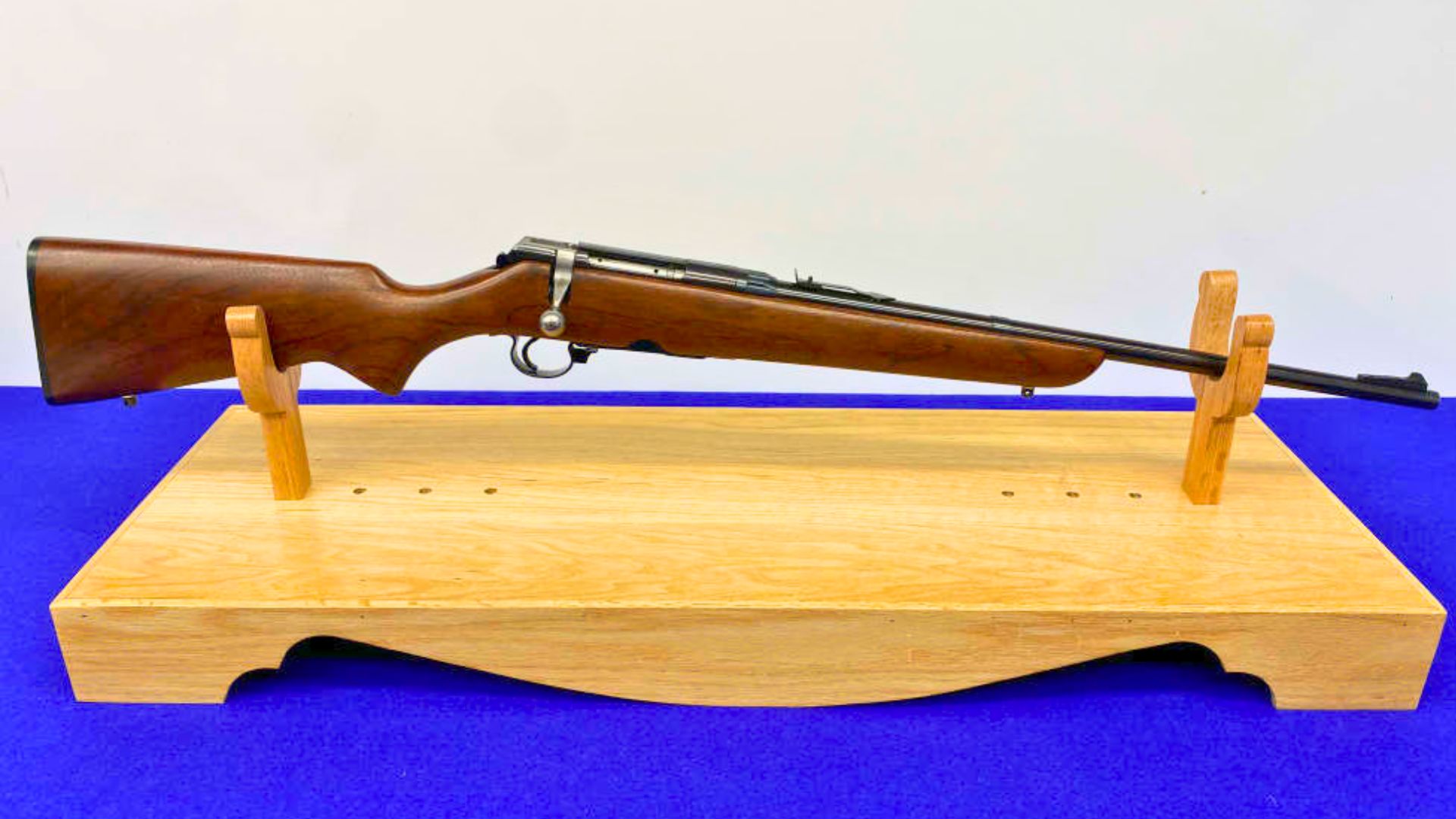
The 340 is one of those budget classics that can surprise you with a good cold group, then lose some of that sparkle as the barrel warms. Thin barrels and older stock fit can make these rifles more sensitive once heat starts changing the system.
The other issue is that older rifles often have more variability in bedding and stock-to-action fit. If the barrel or action is being influenced by inconsistent pressure points, warming up can change how it vibrates and where it prints. That shows up as opening groups or mild walking during a string. If you treat a 340 like a hunting rifle and keep your testing realistic, it can do its job. If you hammer it with long strings and expect it to stay “locked,” it’ll remind you what era it came from.
Ruger 77/44

The 77/44 is a handy hunting tool, but it can show heat-related changes during extended shooting. A lighter barrel and carbine-style handling make it easy to shoot quickly, and quick shooting is exactly how you heat a barrel and reveal shifts.
You also see more sensitivity when you switch between supports. Off bags it might look great early, then off a pack or sticks it prints a little differently once the barrel is warm and you’re gripping it tighter. That doesn’t mean it’s unreliable. It means it’s a compact hunting rifle that responds to heat and technique. If you’re using it for what it’s built for—short-to-mid-range hunting with a cold barrel—it stays predictable. If you’re trying to wring it out like a target rifle, it’ll frustrate you.
Springfield M1 Garand

The Garand is a legend, but it’s still a service rifle platform that can show group growth as the barrel heats and as you run longer strings. Many Garands will shoot a pleasing group early, then open up as you keep going, especially if your shooting cadence picks up.
Your technique matters more than you think here. As the rifle warms, you may change your grip, your shoulder pressure, or how you settle into the stock between shots. Heat plus small technique changes equals bigger groups. That’s not a knock on the rifle’s capability in its intended role. It’s a reminder that a classic service rifle isn’t a modern heavy-barrel precision rig. If you want repeatable tight groups across heat, you pick a different tool. If you want a rifle with history that still shoots well, you learn its rhythm and let it cool.
Like The Avid Outdoorsman’s content? Subscribe to our newsletter so you never miss an article.
Here’s more from us: