Photo credit: Benelli USA/Youtube
Most guns don’t fail on a clean bench with good light and a cup of coffee nearby. They fail when your hands are cold, your heart rate is up, and you finally get the one chance you came for. I’m not talking about internet torture tests, either. I mean real-world stuff: a buck slipping through the brush at last light, a duck cutting the decoys, a coyote stopping for two seconds, or a simple range drill that should have been boring.
Some of these were broken guns. Some were “fine” guns that got fed the wrong ammo, the wrong magazines, the wrong maintenance, or the wrong expectations. And a few were just designs that are touchier than folks admit. Here are 20 specific firearms I’ve watched choke at the worst possible times, and what I took away from each one.
1. Remington 700 (new-production, X-Mark Pro era)

I’ve carried older 700s that were boring in the best way. But I’ve also seen newer ones show up with gritty bolt lift, extraction that felt weak, and triggers that didn’t inspire confidence. The worst moment I saw was a hunting rifle that wouldn’t reliably fire on the first hit—light strikes that turned a calm shot into a frantic second attempt.
A lot of this comes down to QC swings and rifles that were never truly vetted before season. If you own one, shoot it enough to know it’s right, keep the bolt clean, and don’t ignore a trigger that feels “off.” A rifle with a famous name can still be a coin flip.
2. Remington 710
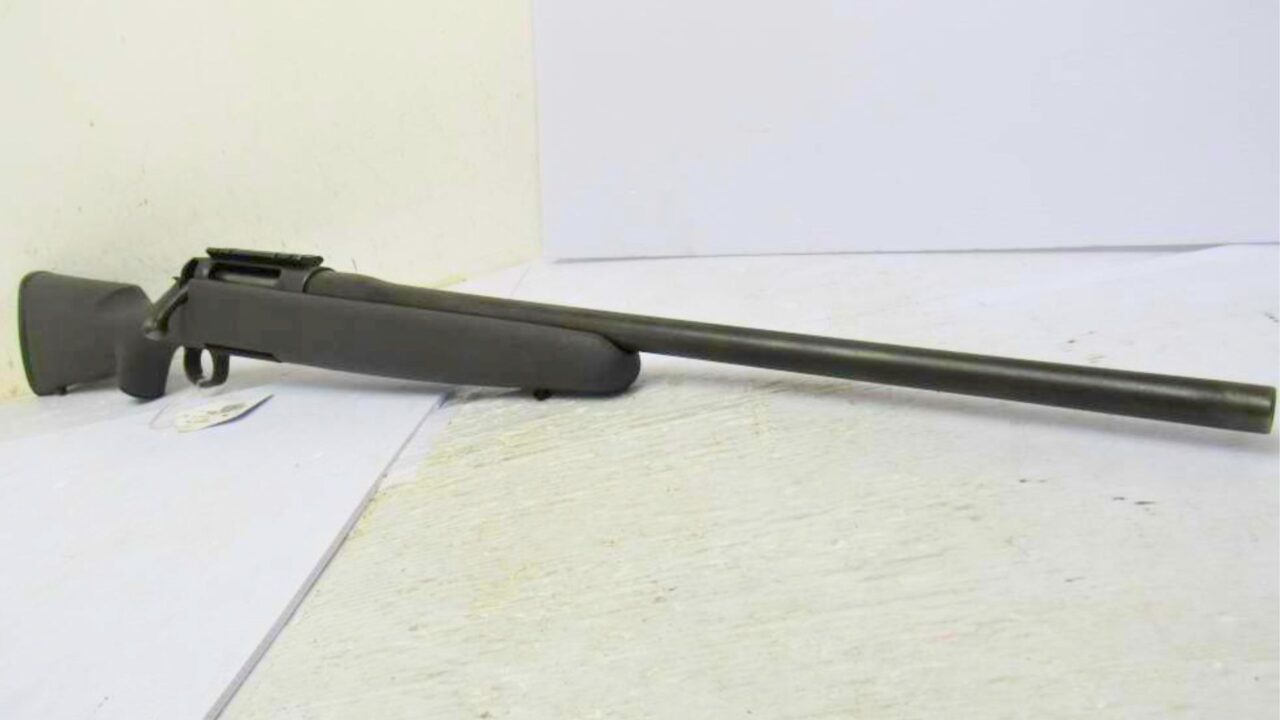
The 710 is one of those guns that looks like a deal until you run it hard. I’ve watched a 710 get sticky during a quick follow-up, and the bolt felt like it was dragging through sand. That is a bad feeling when a deer is already moving.
They were built to a price, and it shows in the way the action feels and how they hold up. If yours runs, fine—just don’t assume it’ll keep running forever with zero attention. And if it starts acting weird, don’t talk yourself into trusting it for a once-a-year tag.
3. Ruger American Rimfire (certain rotary magazine setups)

This one surprises people because the rifle itself is usually solid. The failures I’ve seen were magazine-related: a rimfire that suddenly turned into a single-shot because the next round nosedived or didn’t pop up in time. That tends to happen at the worst moment, like when a squirrel finally pins itself to a limb.
Rimfire mags are consumables in the real world. Keep them clean, don’t mix up worn ones with your good ones, and test the exact ammo you’ll hunt with. .22s are supposed to be simple, but they can get finicky fast.
4. Ruger 10/22 (cheap aftermarket magazines)

A bone-stock 10/22 with a factory rotary mag is tough to beat. Where I’ve seen them fail is when the rifle gets paired with bargain box magazines that don’t feed consistently. One jam is annoying. Three jams in a row makes you want to throw the whole rig in the creek.
The fix usually isn’t complicated: run quality mags and keep the gun reasonably clean. The lesson is that “upgrades” aren’t always upgrades. The most dependable setup is often the one nobody brags about online.
5. Marlin Model 60 (old, gummed-up tube-fed guns)

I’ve got a soft spot for these, but I’ve also watched one turn into a malfunction factory because the tube and action were full of old oil and debris. The worst time was a kid on his first serious squirrel sit, clicking away while the animal stared back like it knew.
Tube-feds can run forever, but they hate grime and neglected springs. If you’re going to rely on one, give it a real cleaning before season, not a quick wipe-down. Rimfires don’t need babying, but they do need maintenance.
6. Savage Axis (early generation, budget optics packages)
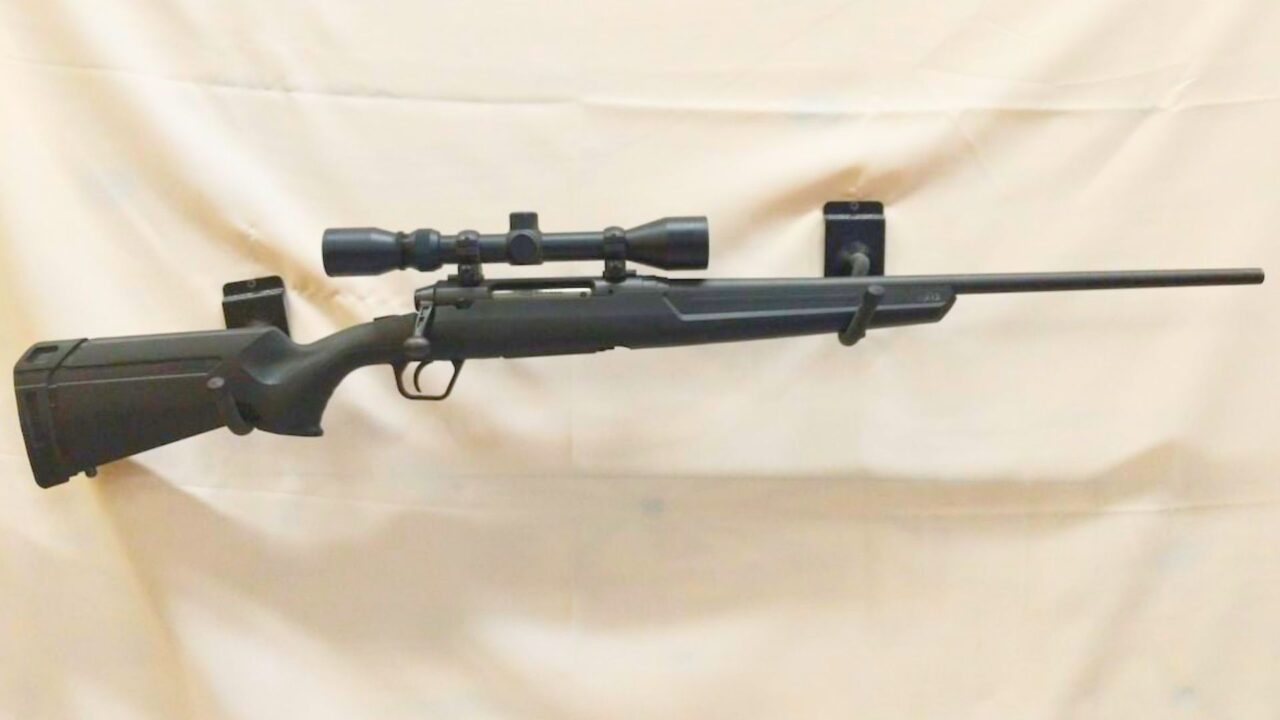
The rifle itself often shoots better than it has any right to. The failures I’ve seen weren’t always the rifle—more like the whole “combo” approach. I’ve watched a scope lose zero during sight-in, and then the owner blamed the gun while chasing impacts around the paper.
That’s a brutal way to burn ammo and confidence. If you buy a budget rifle, don’t handicap it with the cheapest rings and glass you can find. A dependable rifle with unreliable sighting gear is still an unreliable system.
7. Mossberg 500 (action binding from a loose forend nut)

These are usually workhorses, which is why it stands out when one goes down. I’ve watched a 500 start to bind because the forend assembly loosened up over time. In a duck blind, that turns a smooth pump into a fight at exactly the moment birds are finishing.
The fix is simple—check your hardware and don’t ignore new rattles. Pumps are forgiving, but they still need occasional inspection. If your gun suddenly feels different, treat that like a warning light, not “character.”
8. Remington 870 Express (rough chamber, cheap steel-base shells)
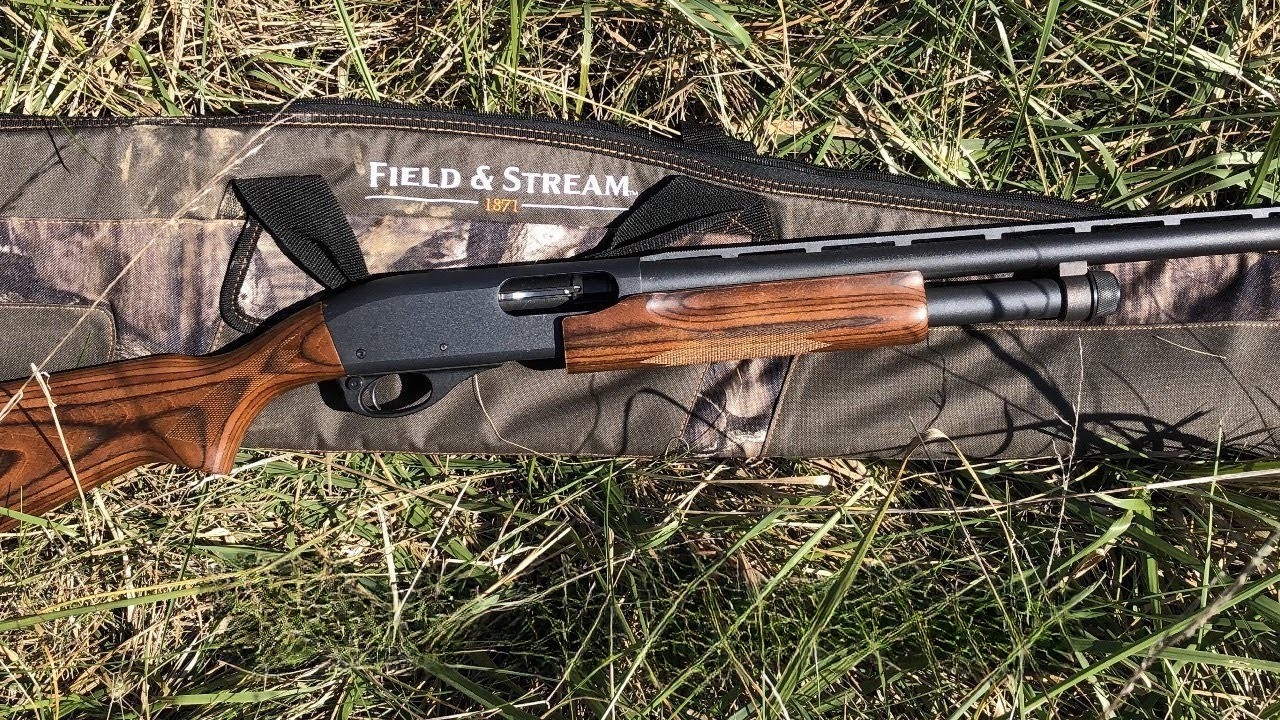
The 870 name carries weight for a reason, but the Express era had some rough chambers. I’ve personally seen one lock up on a fired shell that didn’t want to extract. The shooter yanked harder, the gun stayed stuck, and the moment was gone.
If you run one, polish and maintenance matter, and ammo choice matters too. A pump that requires a gorilla to cycle isn’t reliable—it’s just stubborn. Test your hunting loads, especially if you’re using cheap shells for volume shooting.
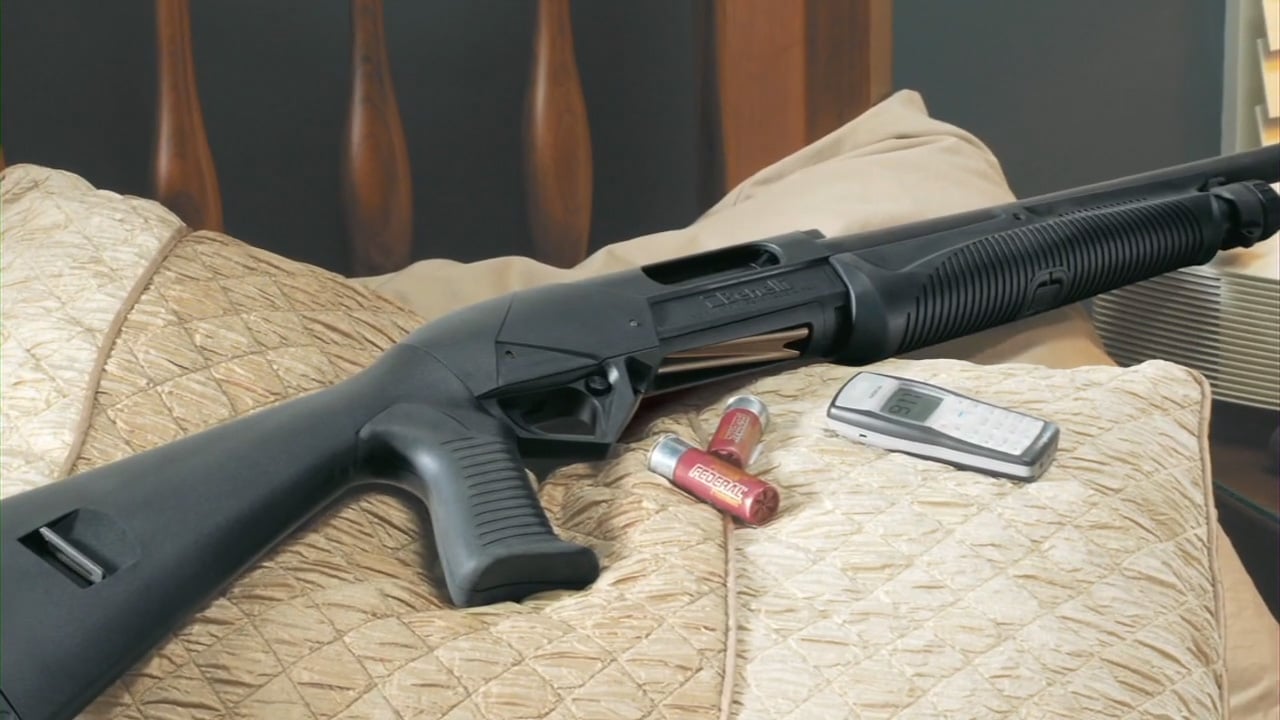
9. Benelli SuperNova (ice and grit in late-season conditions)

I like the SuperNova concept, and plenty of them run great. But I’ve seen one get sluggish when wet snow turned to slush and then froze. The action didn’t want to go all the way into battery, and the shooter didn’t realize it until the trigger click told the story.
Cold weather exposes everything: lubrication choices, how you carry the gun, and whether you keep it cased in a warm cab between sets. In nasty weather, less oil is often more. And don’t baby a shotgun so much you create temperature swings all day.
10. Stoeger M3000 (break-in and light loads)

For the money, they can be a lot of shotgun. But I’ve watched an M3000 choke on light target loads during a fast round of sporting clays. It wasn’t dangerous, just frustrating, and it made the shooter lose trust fast.
Gas and inertia guns both have their personalities. Some need a real break-in, and some simply won’t love light loads until they’re worn in. If you plan to hunt with one, don’t let the first heavy loads it ever sees be on opening morning.
11. Kimber 1911 (tight gun, tight tolerance, not enough forgiveness)
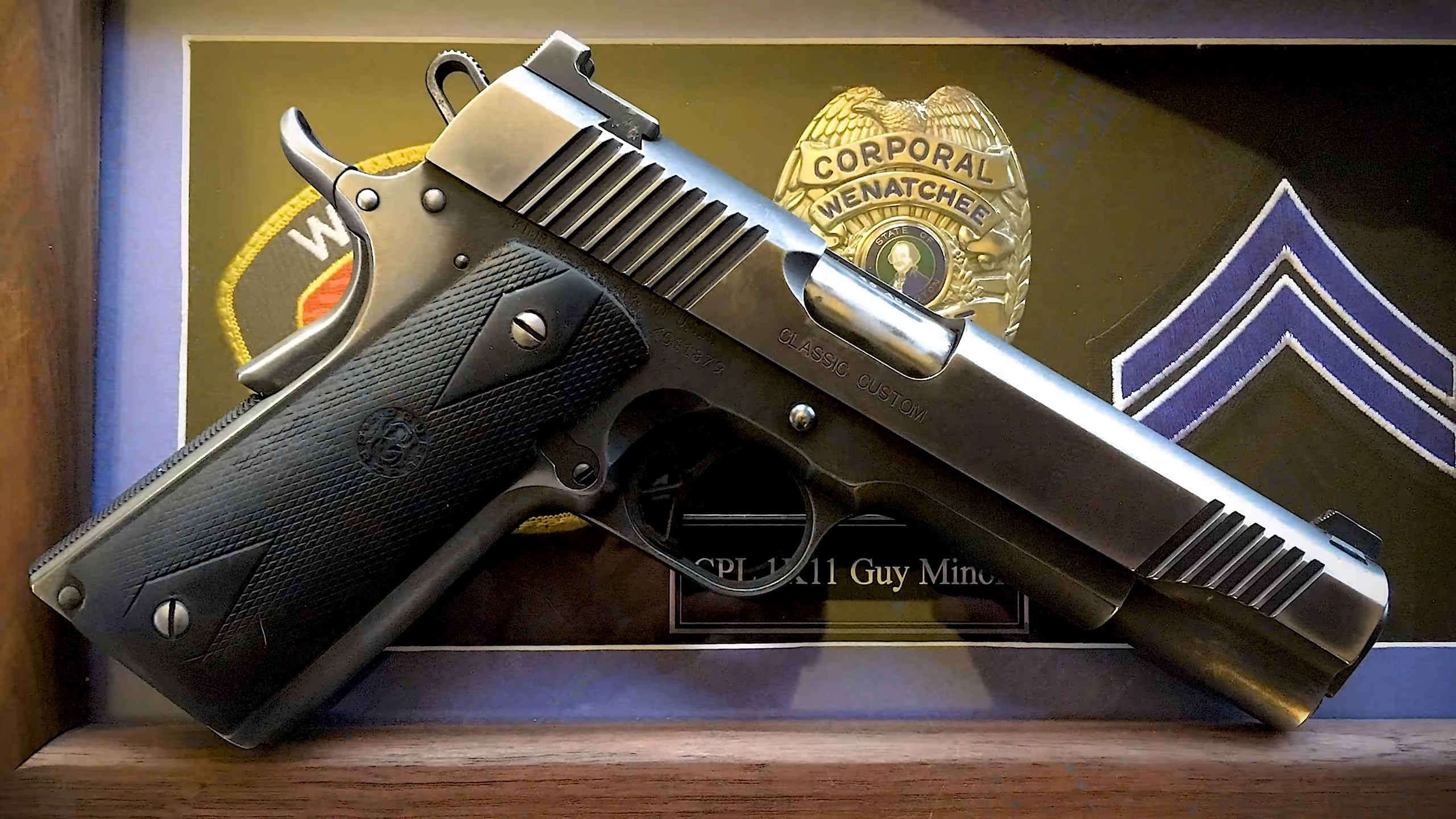
I’ve handled Kimbers that felt like a bar of soap on ball bearings—smooth and slick. I’ve also watched one fail to return to battery during a simple carry drill, the kind of drill that should be boring. That’s the curse of very tight 1911s: they can run like a sewing machine, until they don’t.
1911s can be excellent, but they’re not all equal, and they’re not all equally forgiving. If you want a 1911 as a serious use gun, it needs real testing with your mags and your ammo. “It ran a box of 50” does not count.
12. Springfield Armory 1911 (magazine sensitivity)
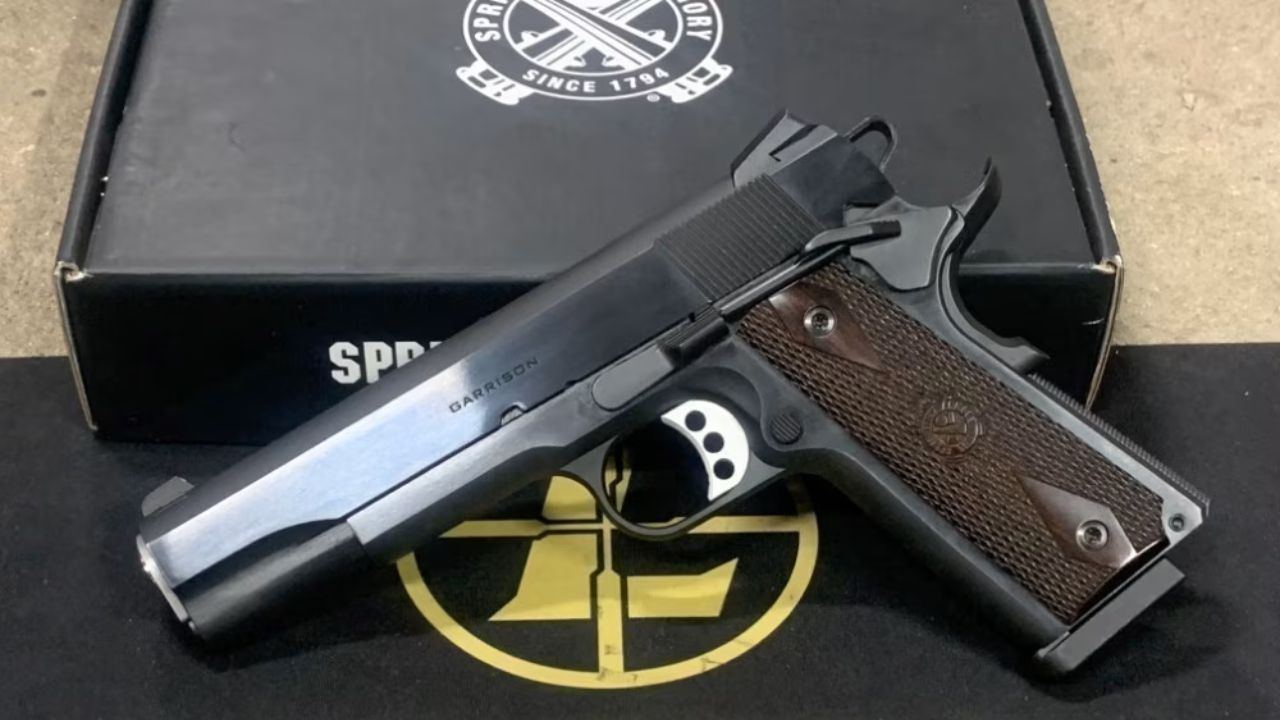
I’ve seen these guns run great, then suddenly turn picky when someone introduces random magazines from a coffee can. The failure usually shows up as a nose-up jam or a slide that locks back early. It’s not flashy, just the kind of malfunction that ruins rhythm and confidence.
Mags matter more than most folks want to admit. Mark your magazines, keep the proven ones, and stop pretending all 1911 mags are the same. If your carry gun depends on a $12 magazine, that’s a choice you’re making.
13. Taurus PT111 G2 / G2C (extractor and ammo quirks)

These are popular because they’re affordable and they feel decent in the hand. I’ve watched one choke hard on a range day with inconsistent extraction that turned into a stovepipe parade. When the shooter switched ammo, it improved, but the trust was already gone.
If a pistol is going to ride in a truck console or on your belt, it needs to run with the ammo you can actually buy and keep stocked. Cheap can still be serviceable, but “serviceable” is earned at the range. If it’s picky, it doesn’t get the job.
14. SIG Sauer P365 (early teething issues)

The P365 changed the concealed carry world, no question. But early on, I saw a couple that had small parts issues and weird stoppages that didn’t match the hype. Nothing makes a guy rethink a new carry gun faster than a malfunction with a crowd watching.
The current production guns have a much better reputation, and plenty of people have flawless examples. Still, the lesson stands: don’t be the beta tester for a brand-new design if you want total peace of mind. Let a platform prove itself before you bet your safety on it.
15. Glock 43 (limp-wrist sensitivity in new shooters)

Glocks are about as dependable as it gets, and I’ll say that all day. But small, light pistols can expose shooter error, and I’ve watched a Glock 43 short-cycle in a new shooter’s hands during a defensive class. It wasn’t the gun being “bad.” It was the combination of tiny gun, light grip, and nerves.
If you carry a micro pistol, you need to shoot it like you mean it. Train with the gun you actually carry, not just the full-size you like better. The smaller the pistol, the less margin you have for sloppy technique.
16. Smith & Wesson Airweight J-Frame (inconsistent hits under stress)

Revolvers have a reputation for “always going bang,” and mechanically that’s often true. The failure I’ve watched here is the human side: snub-nose Airweights that turn into miss machines when the shooter is cold, rushed, or shooting past bad breath distance. That’s a failure in the moment, even if the gun technically works.
Lightweight snubs are easy to carry and hard to shoot well. If you’re going to rely on one, you need real practice with your actual carry ammo, not just a couple cylinders of soft range loads. There’s nothing wrong with the gun—just don’t lie to yourself about what it demands.
17. Heritage Rough Rider (timing and “budget revolver” realities)
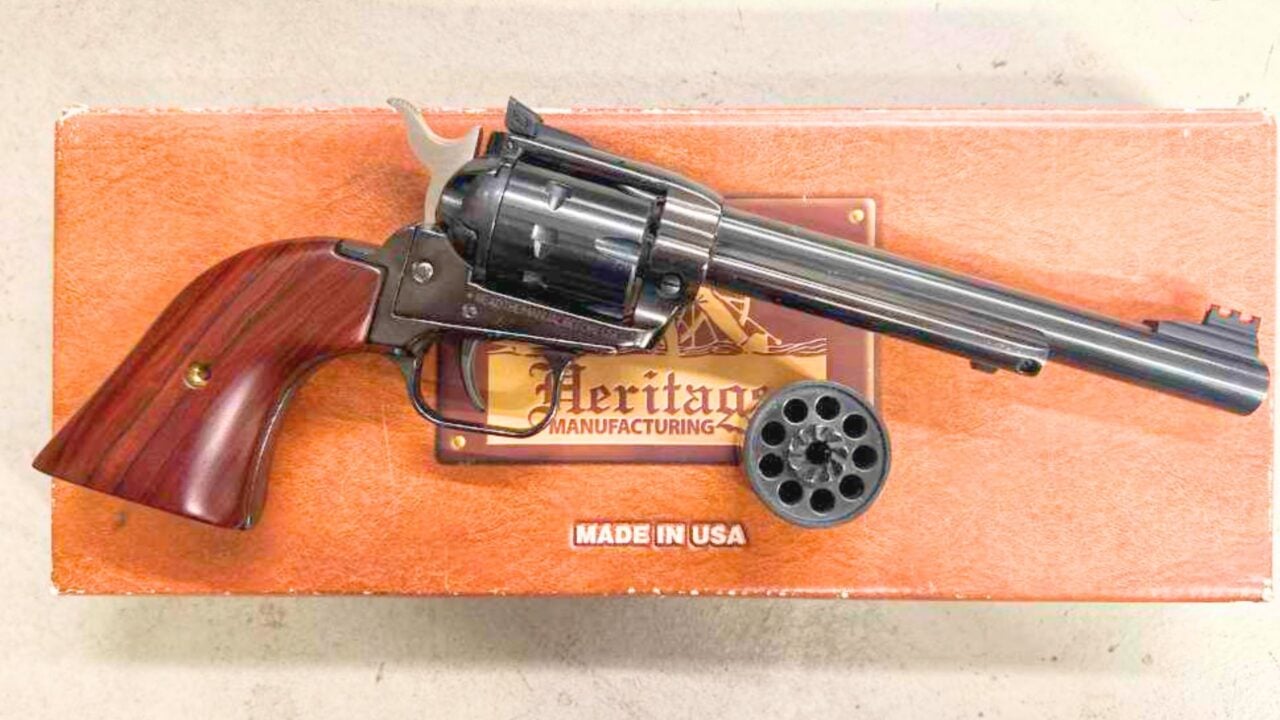
I get why folks buy them. They’re fun, cheap, and they scratch that cowboy itch. I’ve also seen one with timing issues that started spitting lead and acting rough enough that everyone on the line backed up a step.
Budget revolvers can be a gamble, and when they go out of time, that’s not something you ignore. A .22 is supposed to be a relaxing afternoon, not a mechanical mystery. If yours is smooth, great—keep an eye on it and don’t force anything.
18. Ruger SR9 (worn magazines and intermittent feed issues)
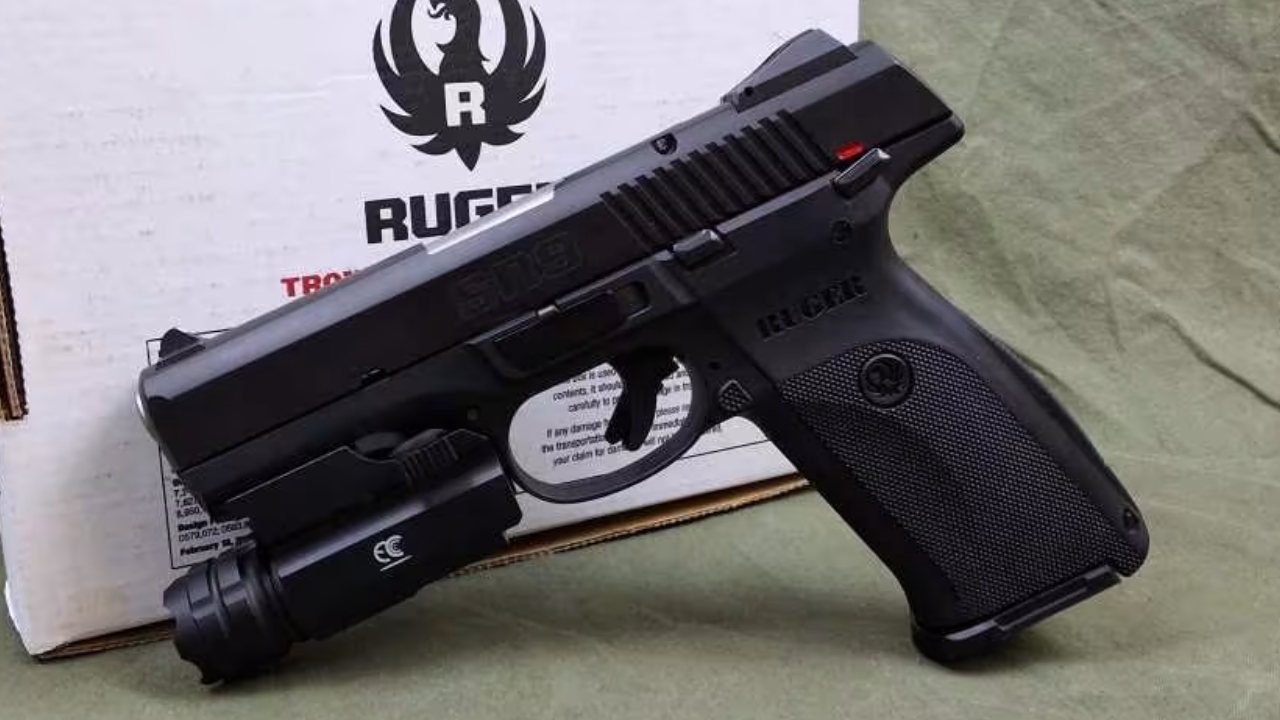
The SR9 line has served a lot of people well, but I’ve seen one start failing to feed in a way that looked like a “gun problem” until you swapped magazines. The old mags had weak springs, and the slide outran the next round just enough to make it unreliable.
This is the unsexy part of pistol ownership: magazines wear out. If you’ve got an older duty-size pistol, you can’t treat the mags like they’re immortal. Replace springs, rotate what you carry, and mark the ones that start acting up.
19. AK-pattern rifles (cheap mags and bad ammo)

AKs get talked about like they run no matter what. Then somebody shows up with bargain mags and mystery ammo, and suddenly the “never jams” rifle is having a rough day. I’ve watched feeding issues that traced back to out-of-spec magazines that wouldn’t lock up consistently.
The platform is robust, but it isn’t magic. Quality magazines and decent ammo matter, and so does checking that the rifle is built right to begin with. If you’re going to trust a rifle, stop feeding it the sketchiest parts you can find.
20. AR-15 (home builds with gas and extractor problems)

I like ARs because they’re modular and easy to support, but I’ve seen more heartbreak from half-sorted builds than any other rifle type. The classic worst-case moment is a failure to extract during a timed drill, followed by a frantic tap-rack routine that doesn’t fix it because the underlying issue is mechanical.
Most AR problems are solvable, but “solvable” is not the same as “solved.” If you build one, you owe it a real function test with the exact magazines and ammo you plan to keep. A dependable AR is a wonderful thing. A temperamental one is just a project you keep lying about.
None of this is meant to dunk on a brand or shame a guy for what he can afford. It’s a reminder that reliability isn’t a vibe. It’s something you prove with rounds downrange, with the right magazines, with realistic conditions, and with enough humility to admit when a gun isn’t ready for the moment you bought it for.
Like The Avid Outdoorsman’s content? Subscribe to our newsletter so you never miss an article.
Here’s more from us: