Photo credit: Liberty Ranch/Youtube
Every pistol has a honeymoon phase, and a few have the opposite: a rough start that follows them around like a bad nickname at the local range. Maybe the first production run had issues. Maybe the internet decided it was junk after two photos and a malfunction video. Or maybe it was just new enough that nobody trusted it yet.
What’s interesting is how many of those “problem child” handguns ended up earning a real reputation once the bugs got worked out, magazines got sorted, and shooters put honest rounds through them. Here are 20 pistols that took their lumps early on and still managed to carve out a spot in holsters, nightstands, gloveboxes, and safes.
1. SIG Sauer P365
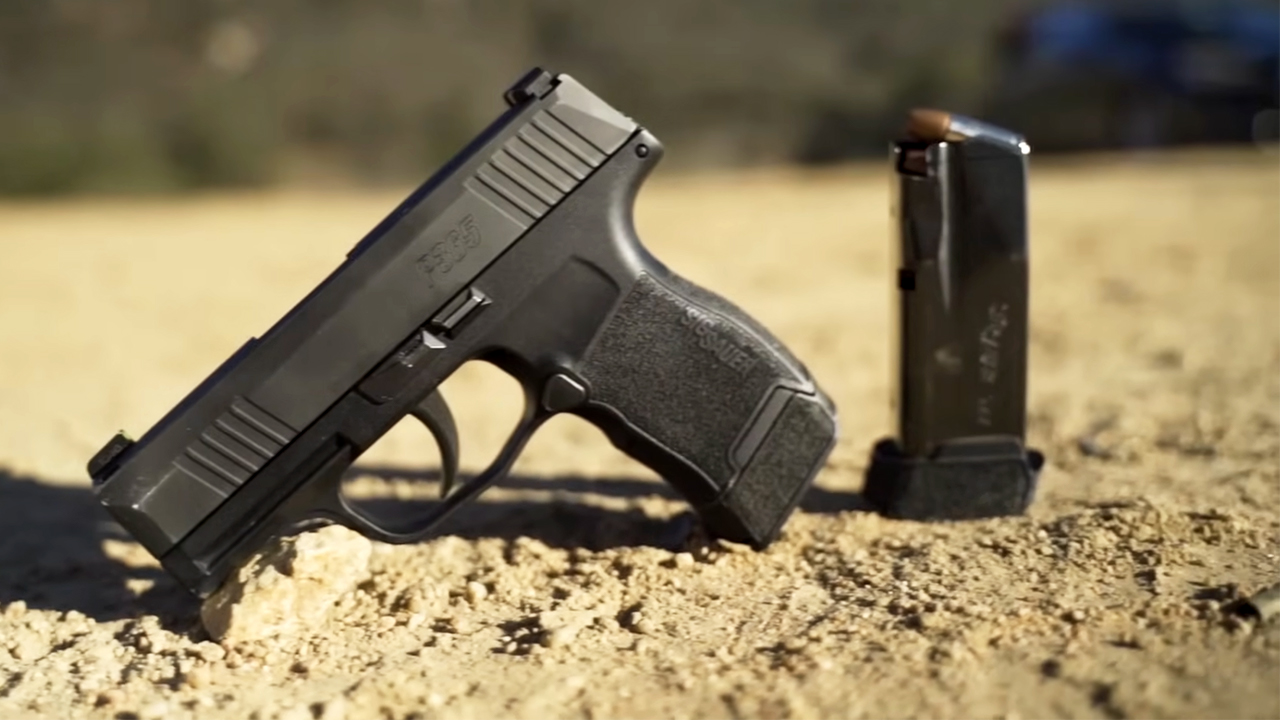
I remember when the early P365 chatter was nothing but broken striker talk and peened parts. Some of it was real, some of it was the internet doing what it does best. Either way, it made folks hesitant to trust a tiny 9mm that promised full-size capacity.
Then the updated guns started stacking rounds without drama, and people realized the size-to-capacity trick wasn’t a gimmick. It carries like a true micro, shoots bigger than it looks, and the magazine availability is as good as anything on the market now. If you want a pistol that changed what “normal” concealed carry looks like, this is one of them.
2. Glock 42
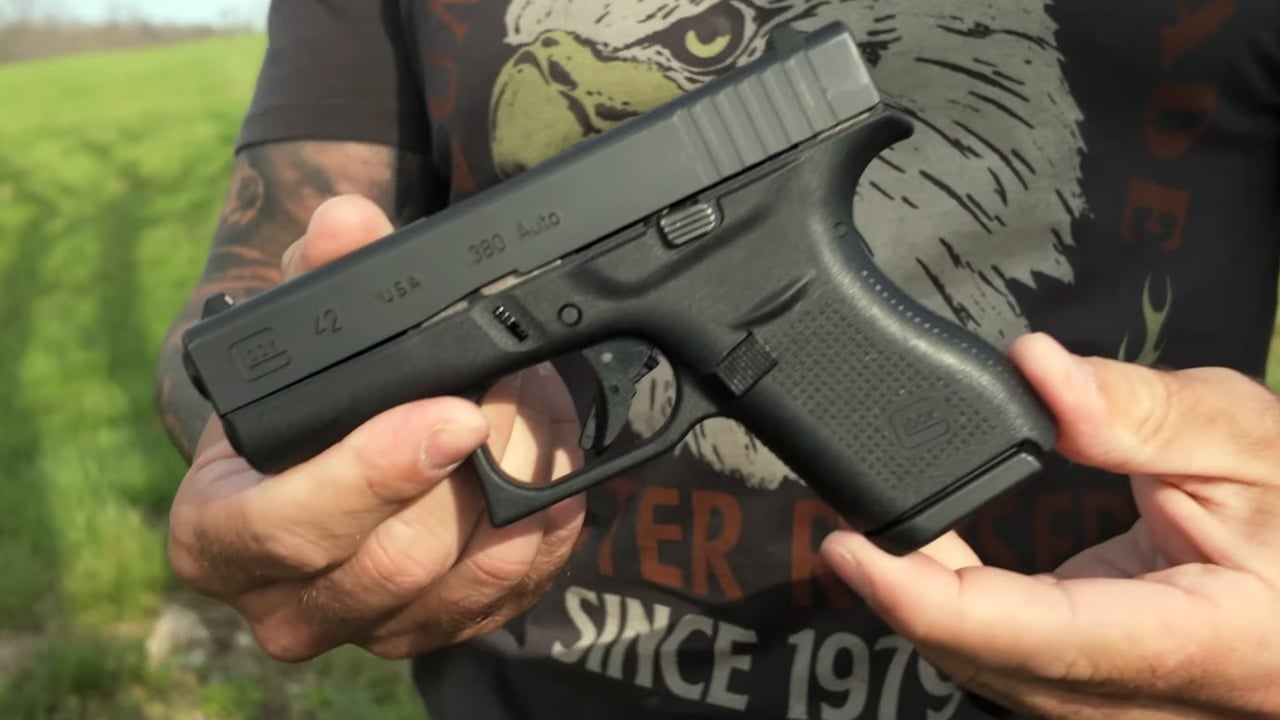
The .380 Glock caught grief early because it didn’t run like a Glock “should” for some shooters, especially with certain ammo and limp-wristed grips. That’s not an excuse, it’s just the reality of tiny blowback-ish feeling guns that live on the edge of physics.
Once folks learned what it liked and Glock refined things, the G42 turned into one of the most shootable small .380s out there. It’s soft compared to the pocket rockets, points naturally, and it’s the rare small gun that doesn’t punish you for practicing. Not everyone needs a .380, but the ones who do usually end up keeping this.
3. Glock 43

The G43 got knocked for being “late to the party” and for the snappy feel that comes with a slim, light 9mm. Then there were the usual early-sample quirks and magazine chatter that made people skeptical.
What proved everyone wrong was time. It just kept running, parts and mags stayed easy, and it became a baseline carry gun for a lot of folks who don’t want something complicated. There’s nothing fancy about it, and that is kind of the point.
4. Springfield Armory Hellcat

When the Hellcat hit, it landed right in the middle of the micro-9mm fight, and the early noise was mostly about “too snappy” and “too small to shoot well.” Some shooters also ran into hiccups that didn’t help the reputation.
But the platform matured fast, and the design has held up in the real world. The sights are actually usable, the grip texture is aggressive in a good way, and the thing carries flatter than a lot of people expect. If you can run a small gun well, the Hellcat is a serious tool.
5. Smith & Wesson M&P Shield (9mm)
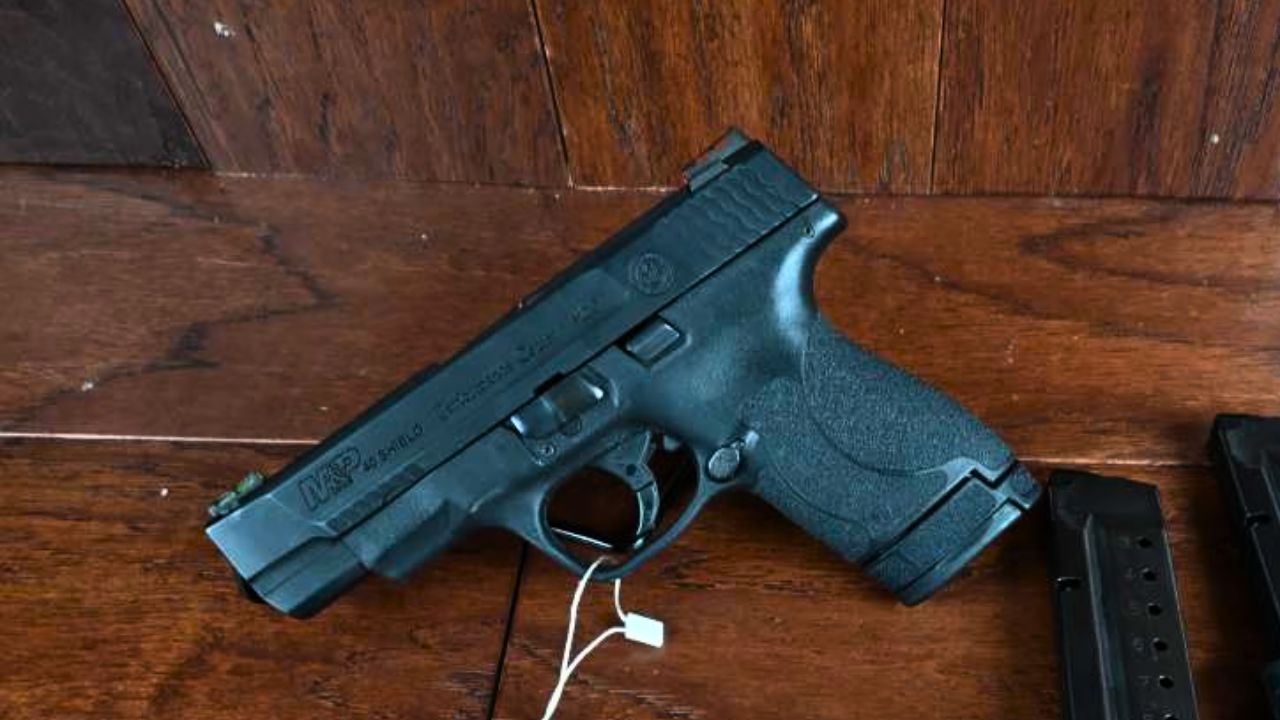
The original Shield had its share of early internet grumbling, and some of that was just people comparing it to bigger duty pistols and expecting miracles. A slim single-stack is going to feel different, and not everybody likes that trigger feel out of the box.
Still, the Shield became the “first real carry gun” for a pile of responsible gun owners, and it earned that spot. It’s thin, reliable with good mags, and it doesn’t require a wardrobe change to carry. Even with newer options, a lot of folks won’t let their old Shield go. Ask me how I know.
6. Smith & Wesson M&P 9 (early 1.0)
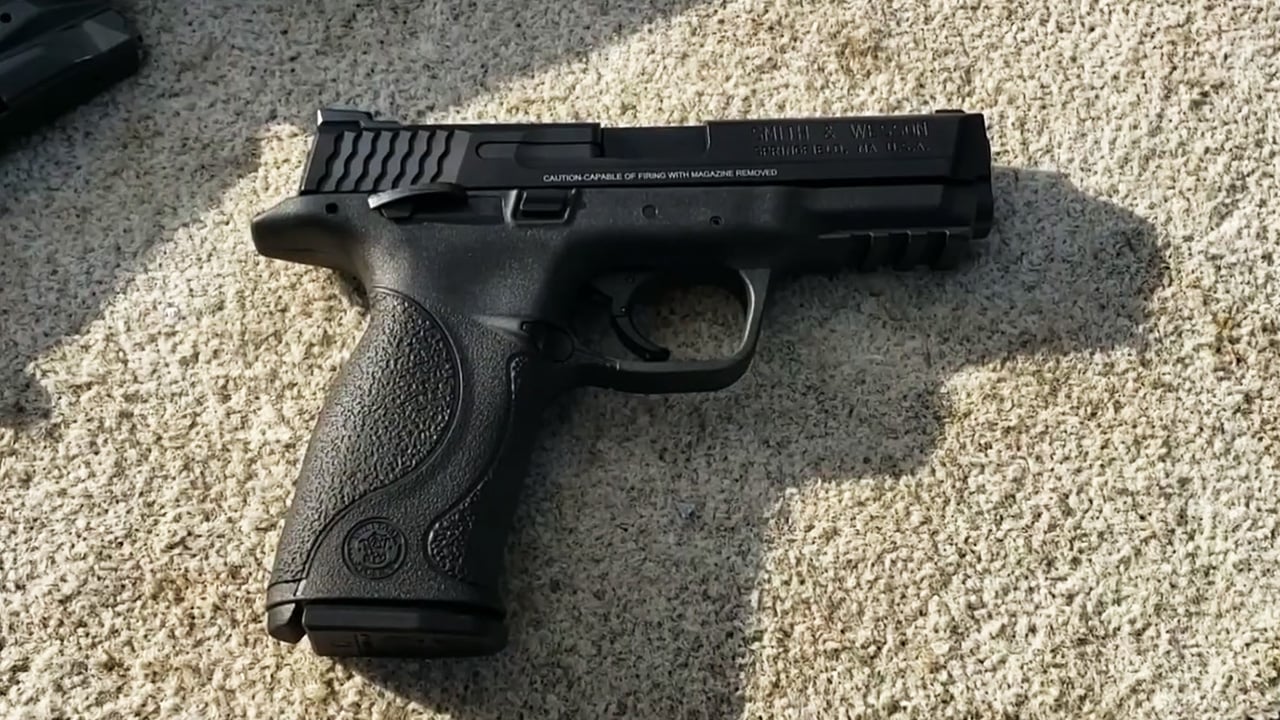
The early full-size and compact M&P pistols got hammered for accuracy complaints and mushy triggers. Some barrels just didn’t shoot like they should, and that kind of thing sticks in a community that shoots groups for fun.
S&W listened, updated barrels and geometry over time, and the later guns—and especially the 2.0 generation—showed what the platform could be. The grip angle works for a lot of hands, recoil is controllable, and parts support is everywhere. The early reputation is why you still find used deals on a pistol that’s genuinely solid.
7. Ruger LCP (original)
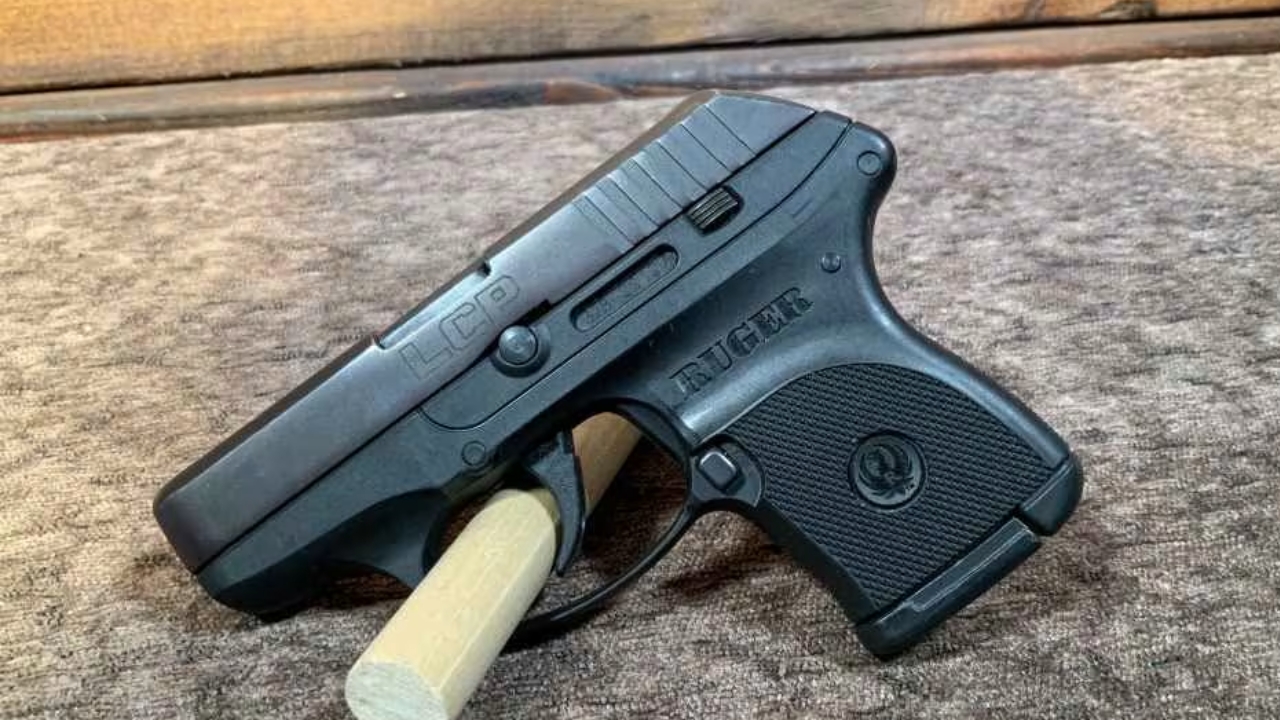
The first LCPs weren’t loved because they were comfortable or “fun.” They were loved because they were there. Early on, there were recalls and the typical teething pains of a tiny pocket gun that was being cranked out to meet demand.
Once sorted, the LCP became a legitimate answer for deep concealment, dog-walk carry, and “I’m in gym shorts” reality. It’s not a range toy, and it’s not supposed to be. It’s the pistol that made a lot of folks accept that a small gun that’s with you beats a big gun left at home.
8. Ruger LCP II
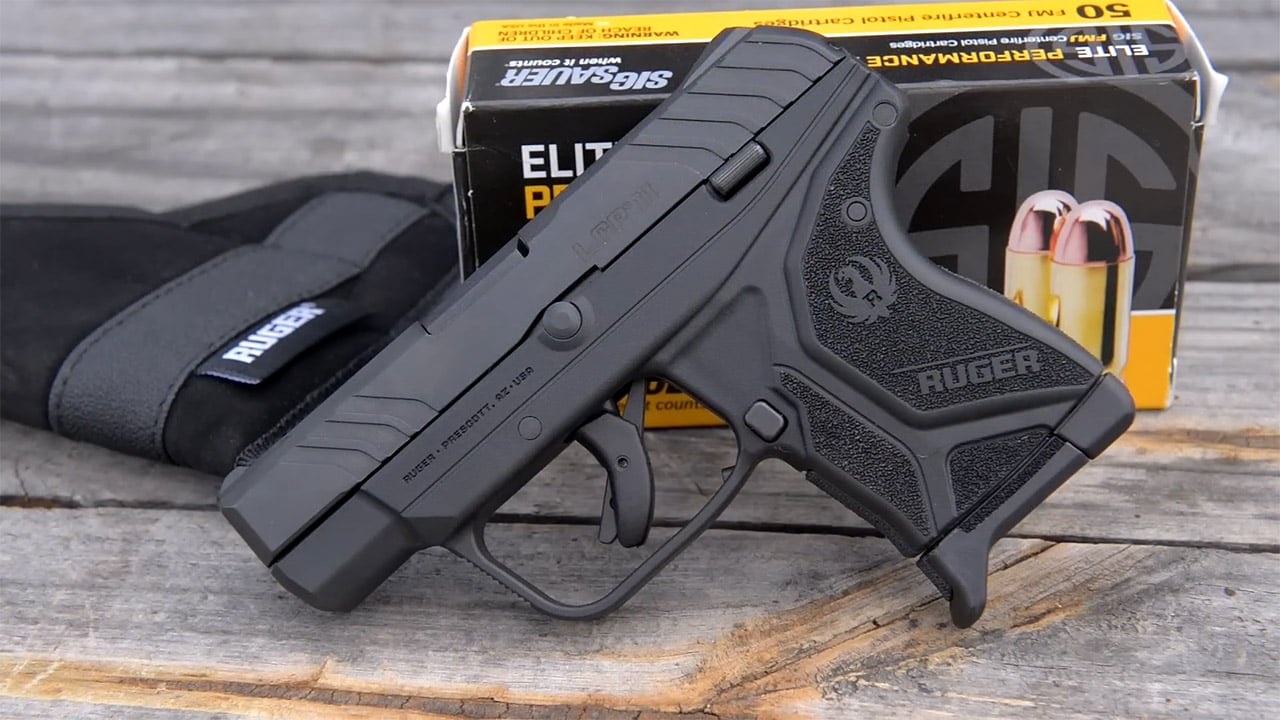
The LCP II had to climb out from under the “tiny guns are unreliable” cloud, and some early examples didn’t help. Plus, people expected it to shoot like a compact 9mm, which is just unrealistic.
What won over a lot of skeptics was the improved trigger and better sights while keeping the pocketable footprint. It’s still small, still light, and still picky about how you hold it if you’re sloppy. But for what it’s meant to do, it does the job better than the original.
9. Ruger LC9 (original)

The LC9 caught heat for the long trigger and the safety features that some folks hated on principle. It also had that “in-between” feel—bigger than a pocket .380, not as shootable as a compact double-stack.
Then people carried it for years and realized it was boring in the best way. Slim profile, decent reliability, and it lived through sweat, lint, and truck-console abuse. It’s not my favorite trigger, but I won’t pretend it didn’t earn its keep.
10. Ruger Security-9
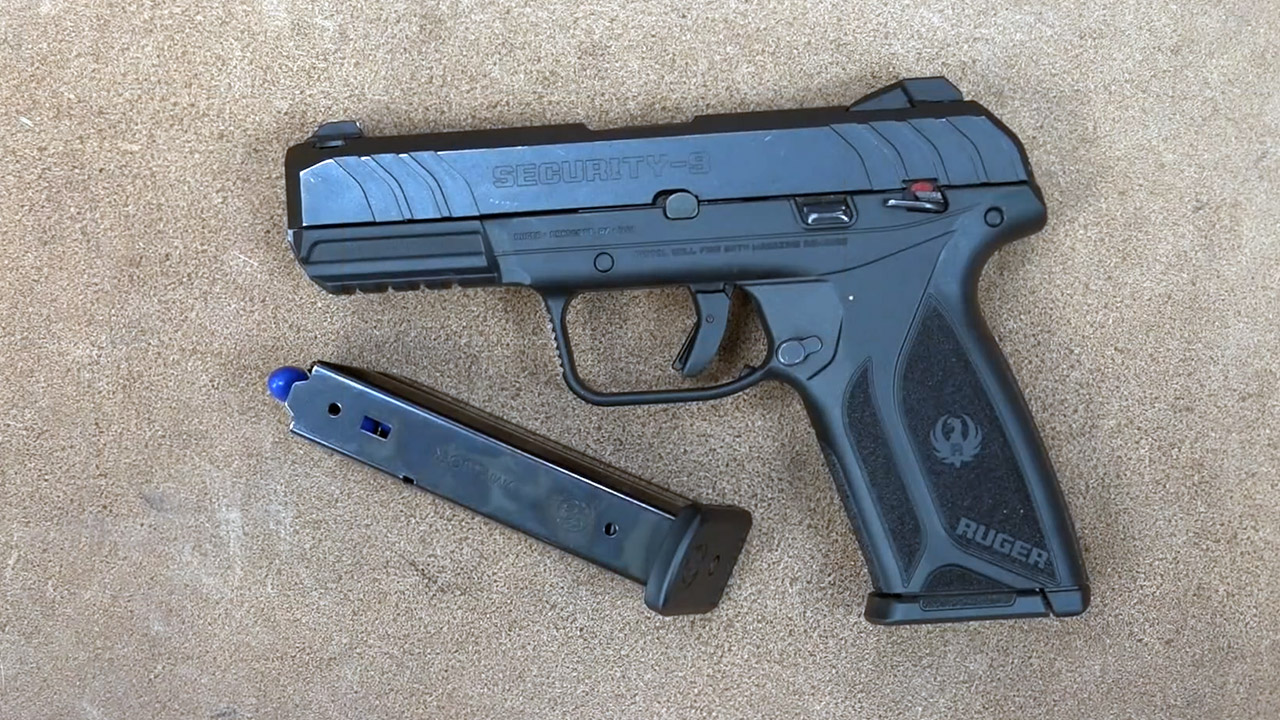
The Security-9 got dismissed as a budget gun, and budget guns always start behind the line with shooters. Add in early skepticism about longevity, and plenty of folks wrote it off without shooting one.
But it turned out to be a dependable, easy-to-understand pistol that runs with basic maintenance and decent ammo. The recoil impulse is pleasant, it points naturally, and it’s simple enough for new shooters without being a toy. If you’re buying one pistol for “farm and home” duty on a tight budget, it’s hard to argue with.
11. Taurus G2C
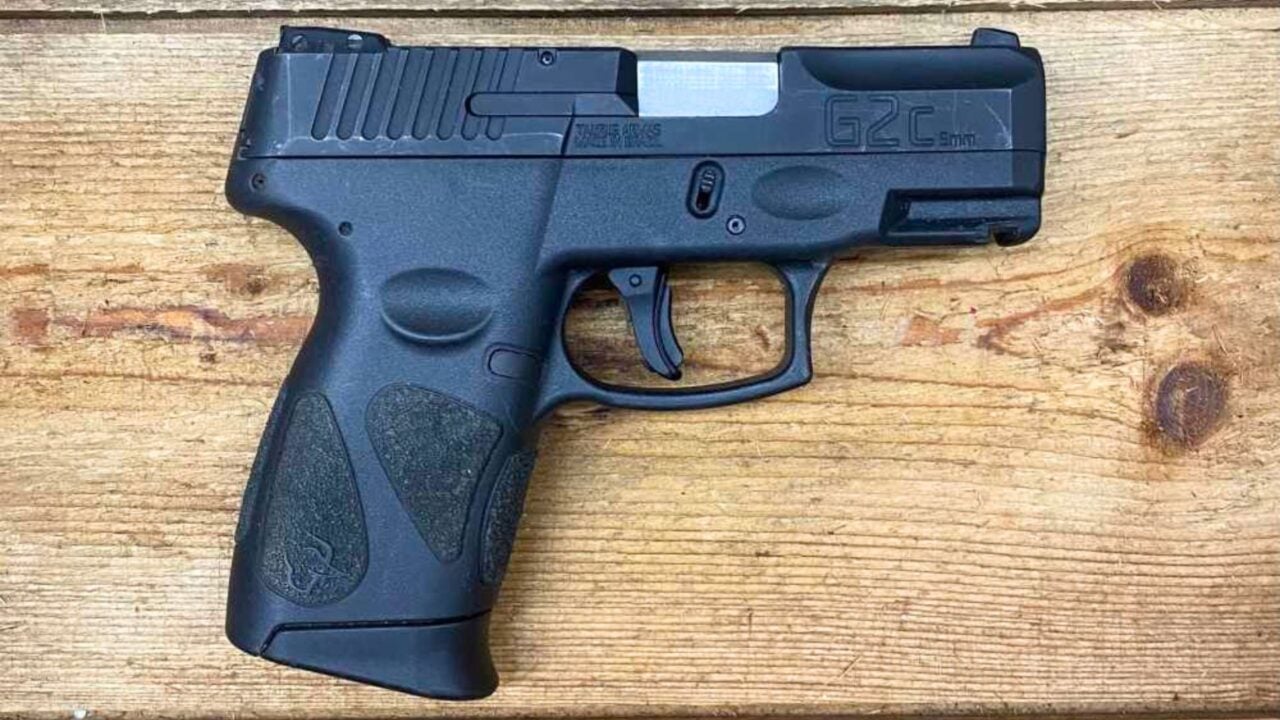
Taurus had to fight its own history, and the G2C showed up with a lot of baggage attached. Early critics assumed it would be another cheap pistol with cheap problems, and some ranges wouldn’t even recommend it.
But plenty of them ran. Not “ran for 50 rounds,” but ran for real carry practice and basic defensive training. The trigger is workable, the size is useful, and magazines aren’t impossible anymore. I’m not saying it’s fancy, I’m saying it surprised people who expected a train wreck.
12. Taurus G3
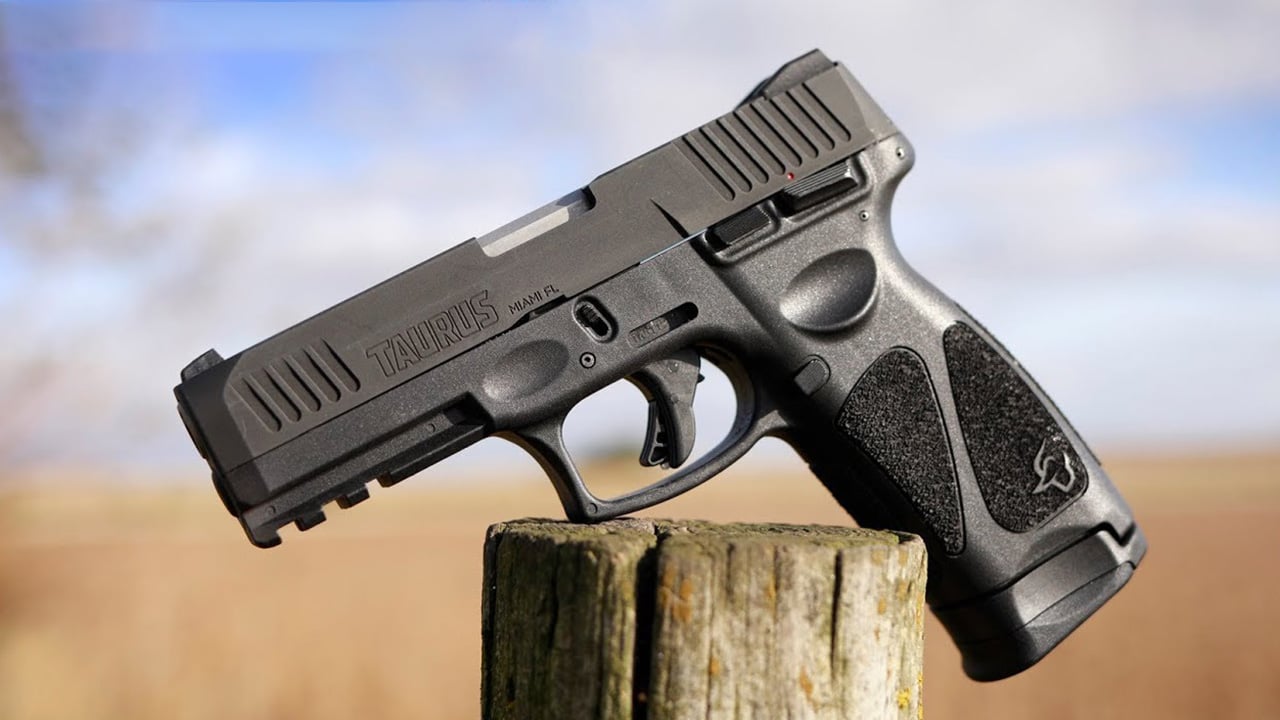
The G3 came along with higher expectations and the same old skepticism. Folks watched closely for failures, because that’s what happens when a brand is trying to rebuild trust.
What helped the G3 was being a little more refined and shootable than the earlier compacts while staying affordable. It’s one of those pistols that’s easy to shrug off until you see one that’s been carried hard and still keeps ticking. If you’re the type who actually practices, that matters more than logo loyalty.
13. Beretta APX
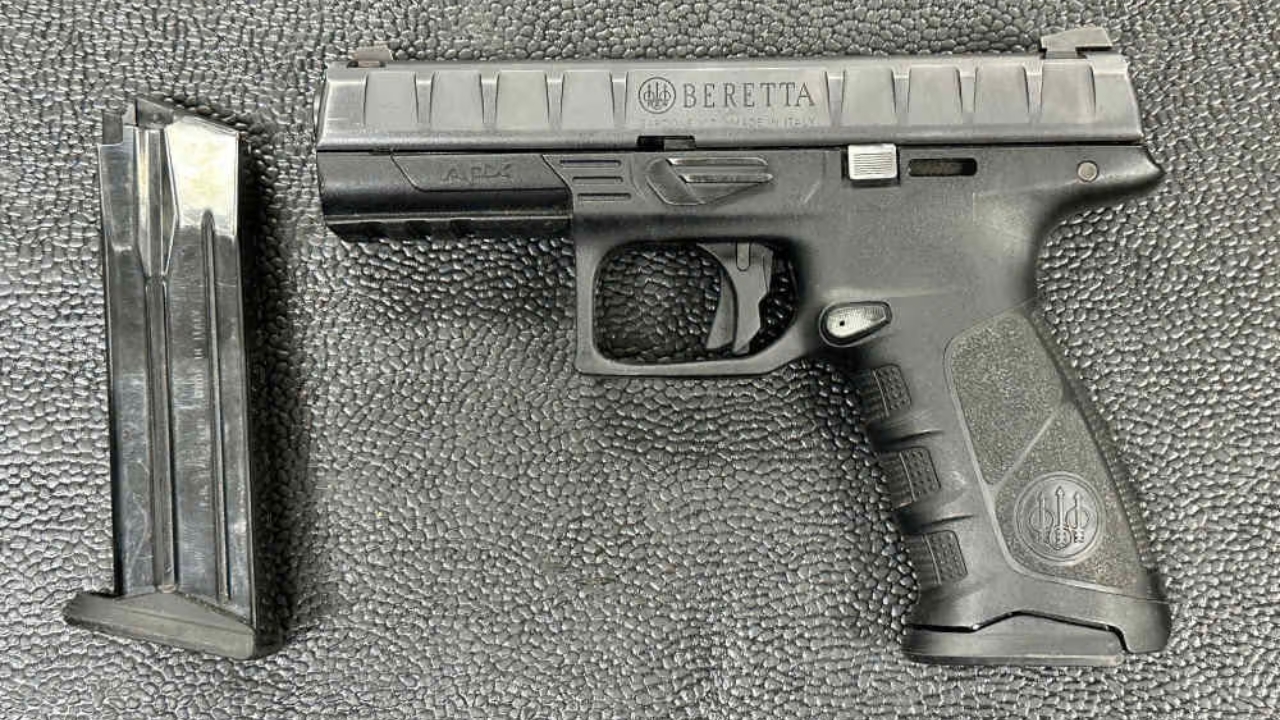
The APX didn’t get a fair shake early because it was “the other striker gun” in a market full of striker guns. The styling didn’t help either. Some folks took one look and decided it was ugly, therefore it must be bad.
Then you shoot it. The ergonomics are legit, the slide serrations are aggressive in a good way, and it tends to run without drama. It also shows up at good prices, which makes it a quiet winner for someone who wants a duty-sized pistol without paying duty-sized money.
14. Heckler & Koch VP9

The VP9 got plenty of love, but it also got early grumbling about “HK finally made a striker gun” and whether it was worth the money. Some shooters didn’t like the paddle-style mag release on other HKs and lumped all HK opinions together.
The VP9 proved itself by being easy to shoot well. The trigger is good for a factory striker gun, the grip fits a lot of hands, and it tracks flat. If you want a pistol that makes you look like a better shooter than you are on a cold range day, this one can do it.
15. Walther PPS M2

The original PPS had a following, but the M2 still had to convince folks it wasn’t just a re-skin. Single-stack 9mms also got overshadowed fast once the higher-capacity micros showed up.
But the PPS M2 is one of those pistols that just feels right when you present it. Slim, easy to conceal, and generally very reliable with decent magazines. It’s not the highest capacity option, but it’s one of the more comfortable “real shootin’” slim guns.
16. FN 509

The 509’s early reputation got tangled up with high expectations and some early complaints about trigger feel. When you price a gun in the FN neighborhood, folks get picky fast.
Over time, the 509 proved to be a rugged, duty-minded pistol with strong magazine support and good durability. It’s a little blocky, and the trigger isn’t everyone’s favorite, but it’s the kind of gun you can run hard without babying. For a do-it-all pistol that can live on a belt or in a safe, it’s a serious contender.
17. CZ P-10 C
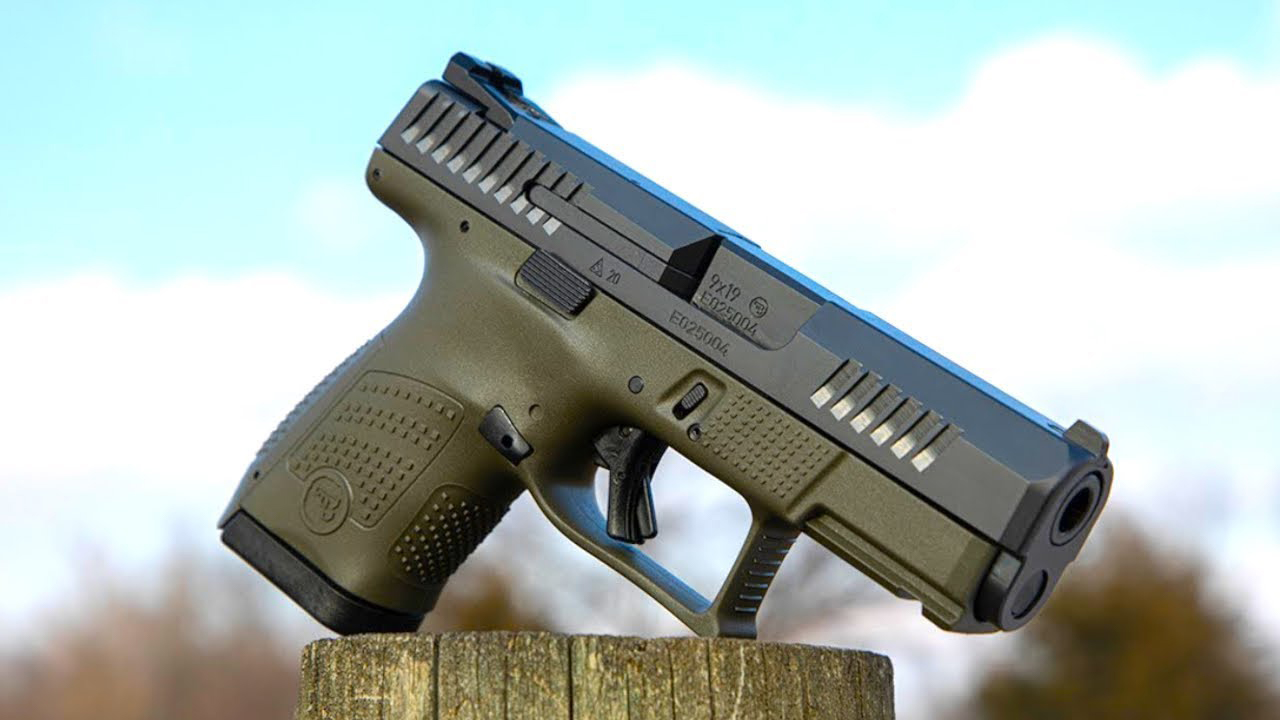
The P-10 C showed up to poke the striker-fired bear, and it did. Early on, there were hiccups—magazine and parts availability, some early extractor/ejection chatter—and that made cautious buyers pause.
Then the pistol settled in and started earning a reputation for excellent ergonomics and a strong out-of-the-box trigger feel. It shoots flatter than many guns in its size class, and it fits hands that never quite loved a Glock. It’s one of those pistols that makes you wonder why you didn’t try it sooner.
18. Canik TP9SF
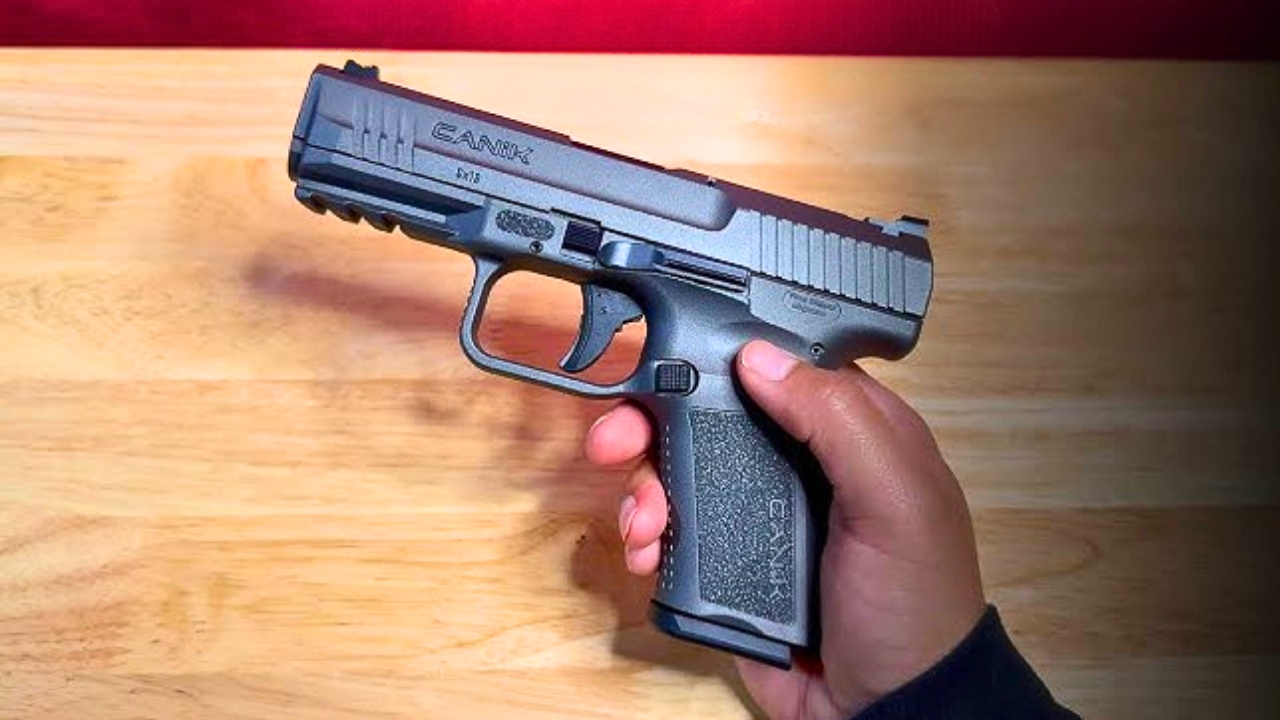
Canik’s early problem wasn’t always performance—it was perception. A lot of shooters see a low price and assume corners got cut in the places that matter, like reliability and longevity.
The TP9SF and its close relatives changed a lot of minds because they shot well and kept running. The triggers tend to be surprisingly good, and the value is hard to ignore if you actually want to train. Are they perfect? No. But they forced plenty of “name brand only” guys to admit they were wrong.
19. Kimber Solo Carry

This one hurts because the idea was good: a small 9mm from a company known for sleek carry guns. The early stories, though, were full of picky ammo behavior and reliability complaints that made it a tough sell for a pistol meant to be trusted.
What proved folks wrong is that some Solos run very well when fed what they like and maintained properly. That doesn’t excuse the pickiness, but it explains why you’ll still meet owners who swear by theirs and won’t part with it. It’s a reminder that “bad reputation” and “bad every single time” aren’t the same thing.
20. Smith & Wesson Bodyguard 380

The Bodyguard .380 took heat for the trigger and the tiny-gun shootability struggle. Out of the box, a lot of shooters didn’t enjoy it, and an unpleasant range session will get a gun labeled “junk” fast.
But it earned respect as a true pocket option that can live in a holster, a jacket, or a tackle bag without taking up space. It’s not glamorous, and the sights are nothing to brag about, yet it fills a real role for folks who need deep concealment or a lightweight backup. If you practice enough to run it well, it’s a capable little pistol.
A rough start doesn’t always mean a pistol deserves forgiveness. Sometimes a lemon is just a lemon. But a lot of these guns got better with quiet updates, better magazines, and real-world trigger time from owners who weren’t interested in repeating internet takes. The lesson is simple: shoot it, maintain it, test your carry ammo, and don’t let first impressions—or somebody else’s—make the decision for you.
Like The Avid Outdoorsman’s content? Be sure to follow us.
Here’s more from us: