Photo credit: Kenney Badboy/Unsplash.com
Some dogs are difficult because they are stubborn. Others are difficult because they are too smart, too energetic, too independent, or simply too good at finding ways around the rules. The result is the same: they can make even experienced owners question whether the dog is ignoring them on purpose.
That does not mean these breeds are bad dogs. Many are excellent working animals and deeply loyal companions. The problem is that they were bred to think, move, hunt, guard, or work for hours at a time. Put that kind of dog in a boring routine and the dog usually creates its own entertainment. These 20 breeds can be incredibly rewarding, but they also have a way of turning everyday ownership into a constant exercise in patience.
Siberian Husky
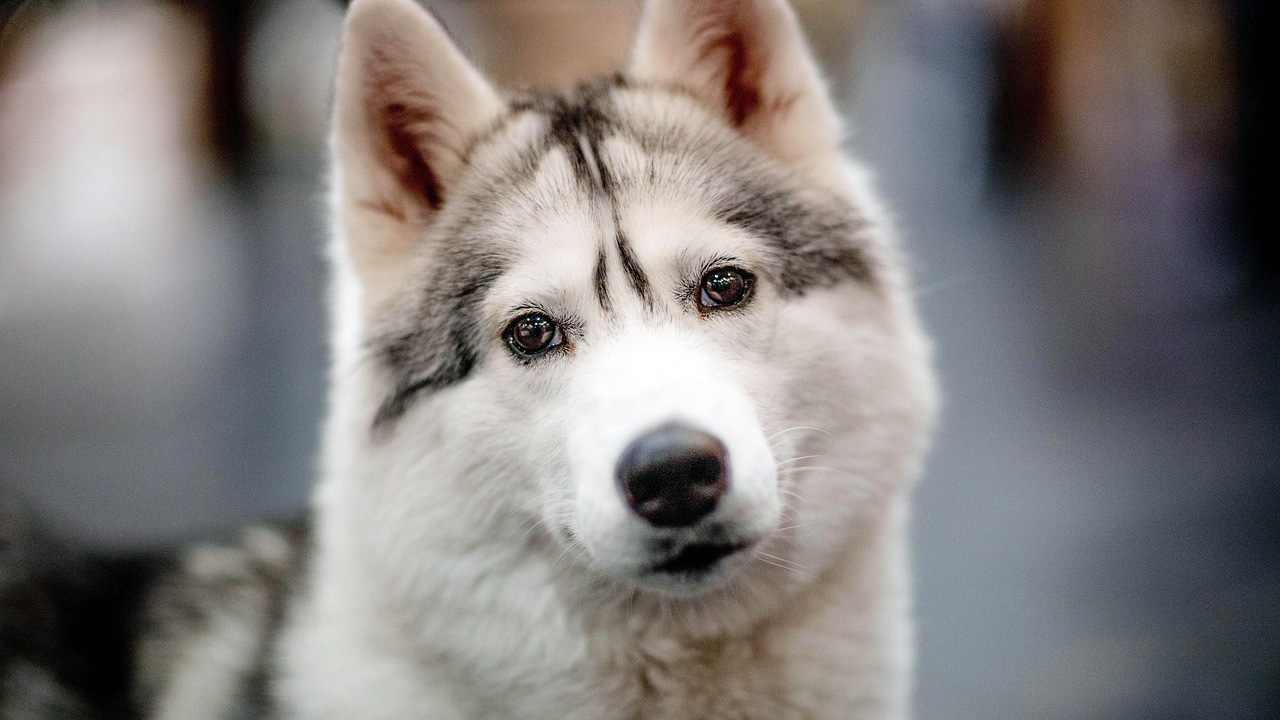
Huskies can make an experienced dog owner feel like a beginner. They are athletic, independent, vocal, and remarkably talented at escaping from places that look completely secure.
The biggest challenge is that they often understand what you want and simply decide whether it benefits them to cooperate. A Husky that is under-exercised can dig, climb, chew, howl, or disappear through a gap you did not know existed. Their friendly temperament makes them lovable, but that does not make them easy. If you expect obedience for obedience’s sake, a Husky can wear you down quickly.
Jack Russell Terrier
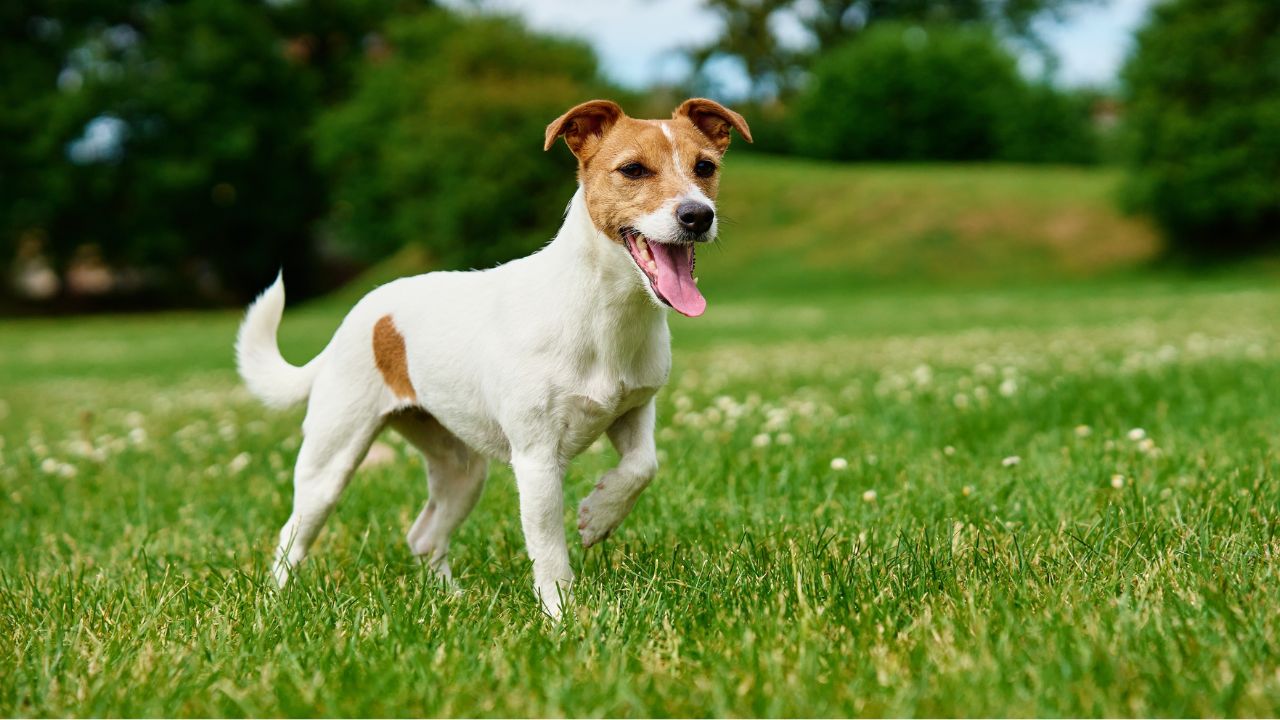
Jack Russells are small enough that people underestimate them. That usually lasts until the dog starts climbing furniture, chasing everything that moves, digging under fences, and looking for another job five minutes after the last one ended.
They have enormous prey drive and a level of energy that feels completely unreasonable for their size. A bored Jack Russell can become destructive with impressive speed. They also tend to be confident enough to challenge dogs much larger than themselves. You need consistency, exercise, and a sense of humor because this is not a breed that quietly waits for the day to happen.
Belgian Malinois

The Malinois is one of the most capable working dogs in the world, which is exactly why it can be exhausting in a normal home.
These dogs want something to do constantly. They are fast, intense, highly observant, and quick to turn bad habits into routines if you are inconsistent. A Malinois does not just need physical exercise. It needs structured training and mental work. Throwing a ball until the dog is tired usually creates a fitter Malinois rather than a calmer one. In the right hands they are exceptional. In the wrong setting they can become overwhelming very quickly.
Australian Cattle Dog

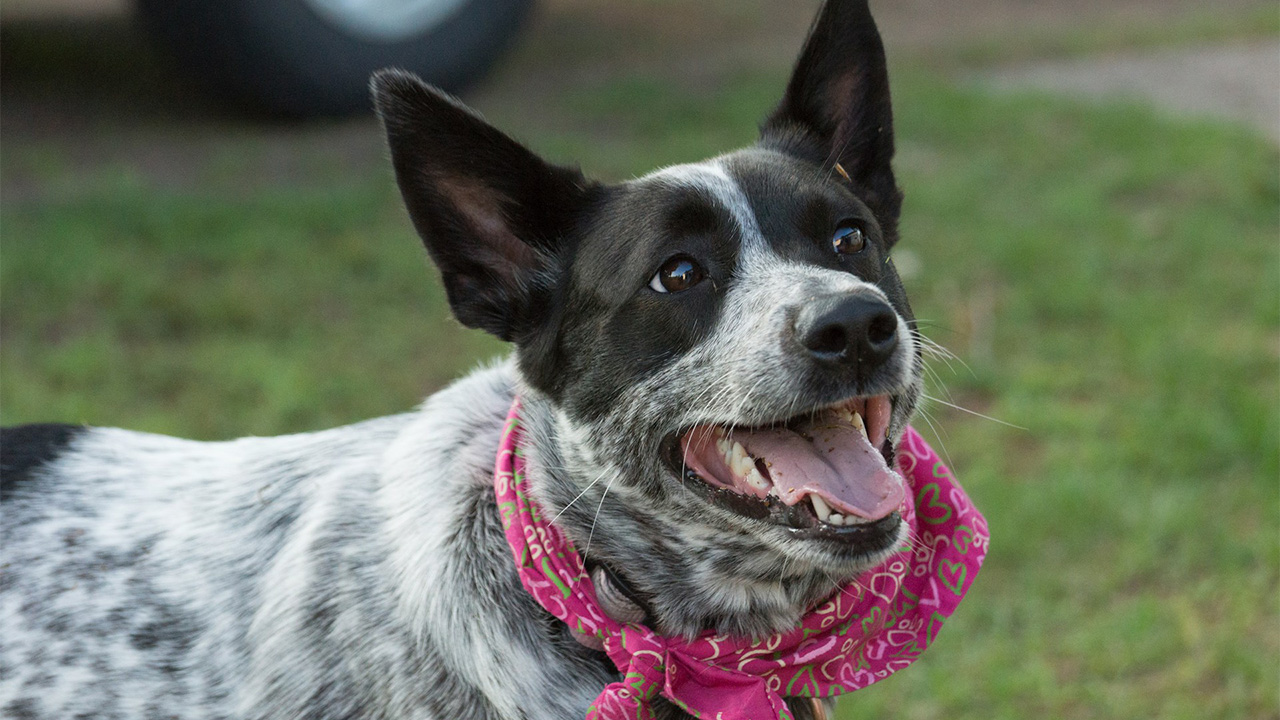
Australian Cattle Dogs were bred to push stubborn livestock over long distances, and they bring that same determination into daily life.
They can be bossy, mouthy, suspicious of strangers, and intensely attached to routines they consider their own. A cattle dog may try to control children, other pets, or even adults by blocking movement or nipping at heels. They are smart enough to notice every inconsistency in training. If you give them an inch, they often turn it into an entire operating procedure.
Dachshund

Dachshunds look like easy little companion dogs until their hunting-dog personality starts showing through.
They were bred to go underground after badgers, so stubbornness and fearlessness are part of the package. Housebreaking can take patience, recall may disappear when they catch a scent, and barking can become a full-time hobby. Their small size makes them manageable physically, but not necessarily easy mentally. A Dachshund often knows exactly what you want and has no problem choosing another option.
Beagle

Beagles are friendly, social, and often wonderful family dogs. They are also ruled by their noses.
Once a Beagle catches an interesting scent, your commands may suddenly become background noise. They can be loud, persistent, and extremely food motivated, which means counters and trash cans are constant temptations. Their pack-hound background also makes them prone to vocalizing when bored or left alone. A Beagle is not usually trying to be difficult. It is just operating according to a set of priorities that rarely puts your convenience first.
Great Pyrenees

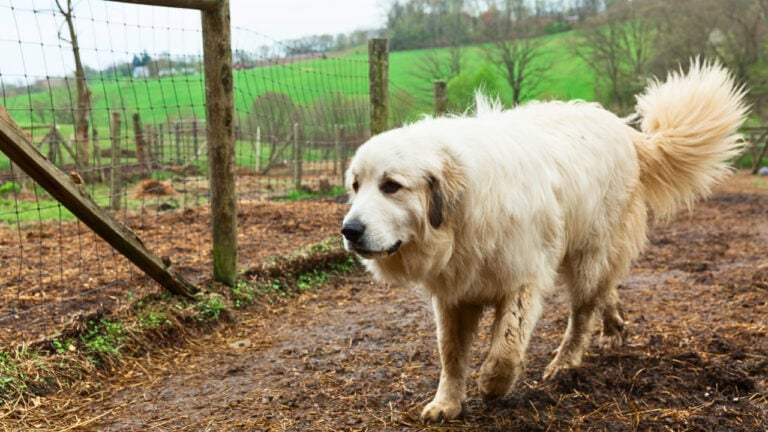
Great Pyrenees can be calm for hours and still test your patience every single night. Their livestock-guardian instincts make them independent, territorial, and very comfortable making decisions without human approval.
Barking is one of the biggest challenges. A Pyr may decide that a distant coyote, passing truck, owl, or sound from the next property deserves a full warning. Recall can also be unreliable because these dogs were bred to patrol large areas rather than stay glued to a handler. They can be excellent guardians, but obedience is often more negotiation than command.
Akita

Akitas are serious, independent dogs that usually have very little interest in performing simply to make their owner happy.
They tend to be selective about other dogs, reserved with strangers, and extremely confident in their own judgment. Training has to be consistent without turning into a battle of wills. Repetition can bore them quickly, and harsh handling often makes things worse. An Akita can be deeply loyal, but that loyalty does not mean automatic cooperation. They expect a relationship, not a dictatorship.
Shiba Inu

Shiba Inus are famous for acting more like independent roommates than traditional dogs.
They are clean, intelligent, and often extremely opinionated. Recall is notoriously difficult, handling can become dramatic, and some Shibas will protest grooming or restraint with a scream that sounds wildly disproportionate to the situation. They are also skilled escape artists and usually have strong prey drive. Their personality is part of the appeal, but owners expecting eager obedience are often in for a surprise.
Basenji
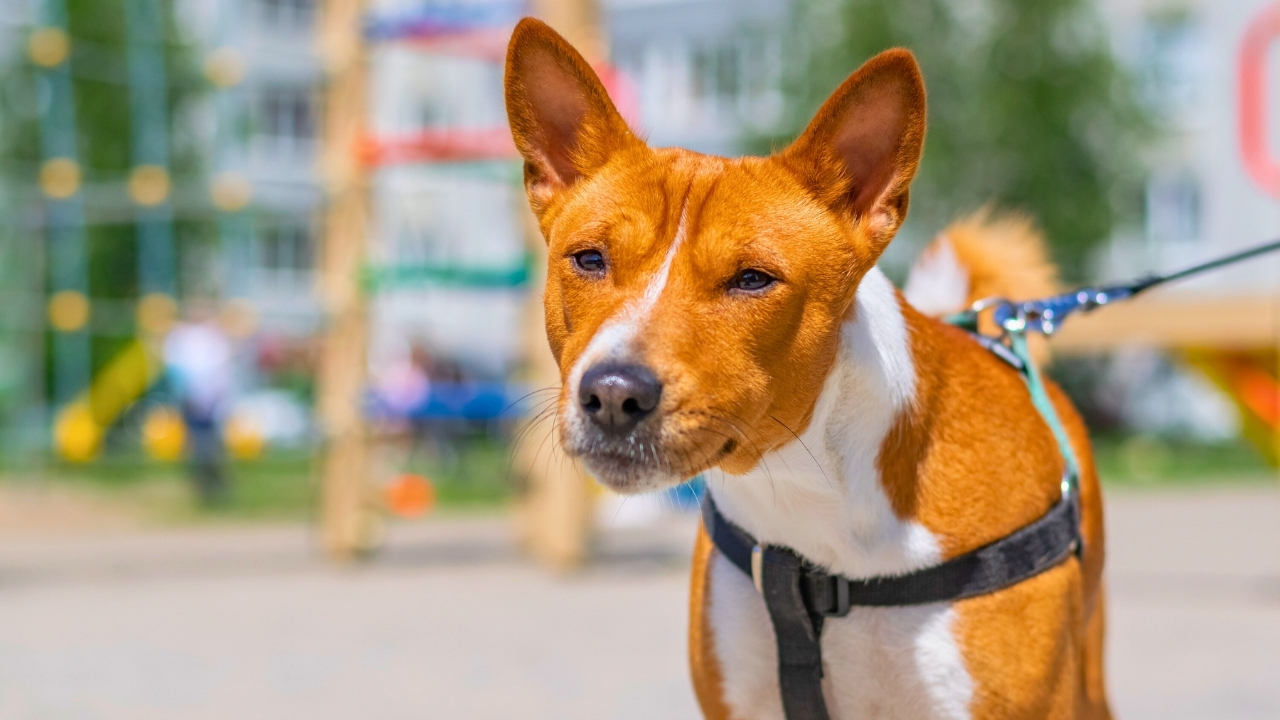
The Basenji does not bark in the usual way, which sounds convenient until you discover the rest of the personality.
These dogs are clever, independent, athletic, and often excellent at getting into things they should not. Their prey drive can make off-leash reliability difficult, and boredom can turn into destruction quickly. They are also known for climbing and escaping. A Basenji tends to solve problems for itself, and unfortunately the problem it is solving may be how to reach the food you thought was safely stored.
Border Collie
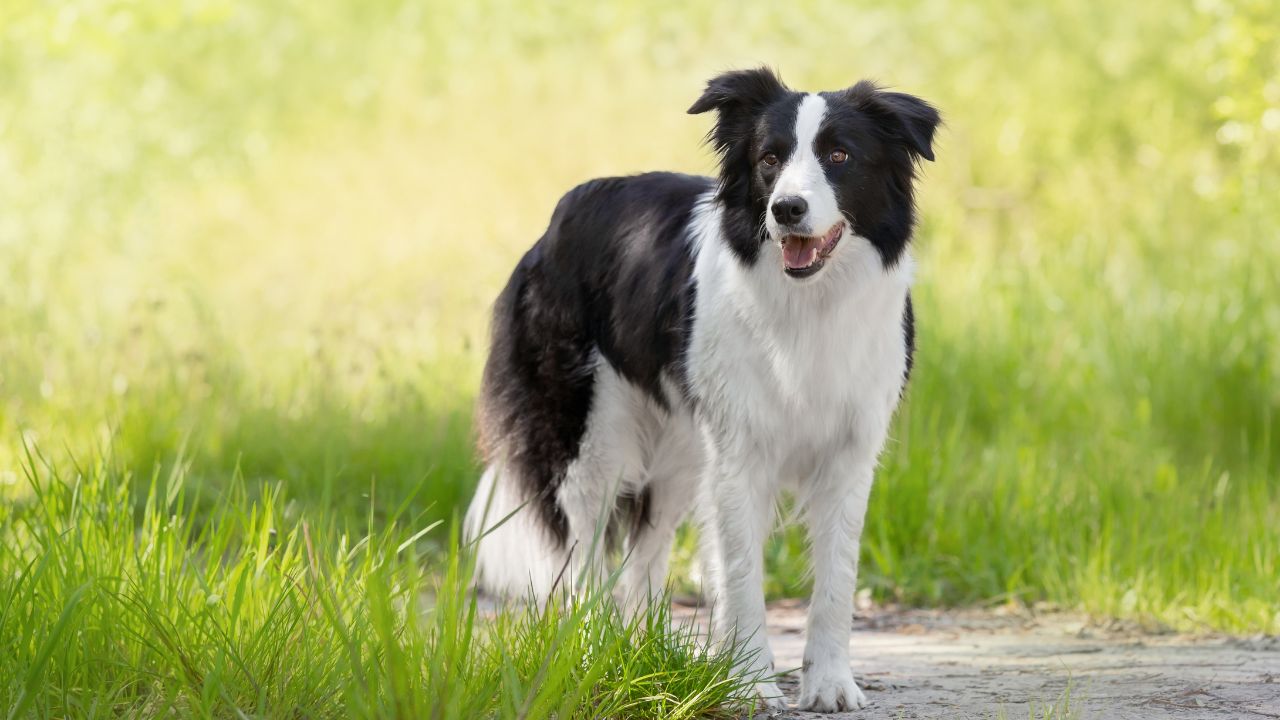
Border Collies are so intelligent that their intelligence can become part of the problem.
If you do not provide enough structured work, they often create their own. That can mean chasing shadows, herding children, staring at reflections, obsessing over toys, or developing repetitive behaviors. Physical exercise alone is rarely enough. They need their brains occupied too. A Border Collie can learn almost anything you teach it, but it can also learn every weakness in your routine just as quickly.
Weimaraner

Weimaraners are energetic hunting dogs with a reputation for becoming extremely attached to their people.
That attachment can turn into separation problems if it is not managed early. They also need large amounts of exercise and can become destructive when bored. Their size means the damage is not limited to a chewed shoe. A restless Weimaraner can rearrange a room. They are intelligent and trainable, but they tend to demand involvement in nearly everything their owners do.
German Shorthaired Pointer
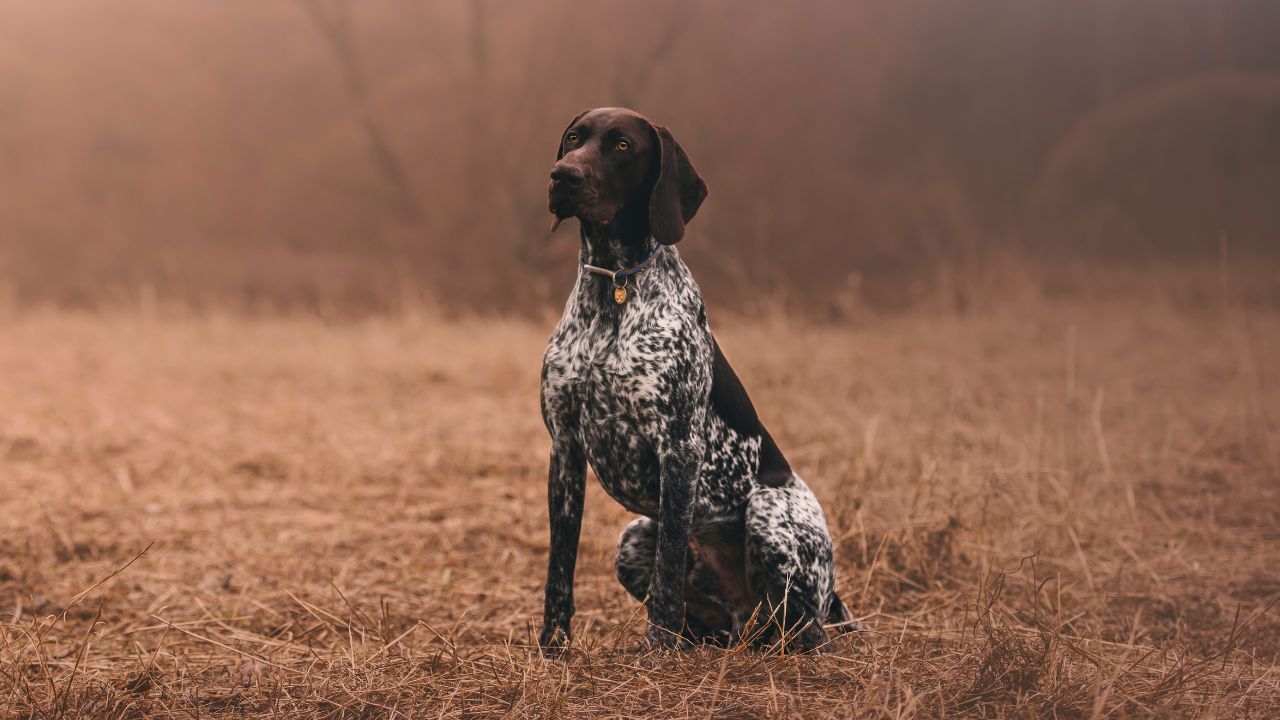
A GSP can turn a quiet household into an endurance event if it does not get enough work.
These dogs were bred to hunt all day, so a quick walk around the block barely registers. They run, jump, investigate, track smells, and frequently discover ways to turn ordinary objects into entertainment. They can also be incredibly persistent when excited. With regular hunting, running, or structured training they are excellent dogs. Without that outlet, they can make every day feel long.
Afghan Hound
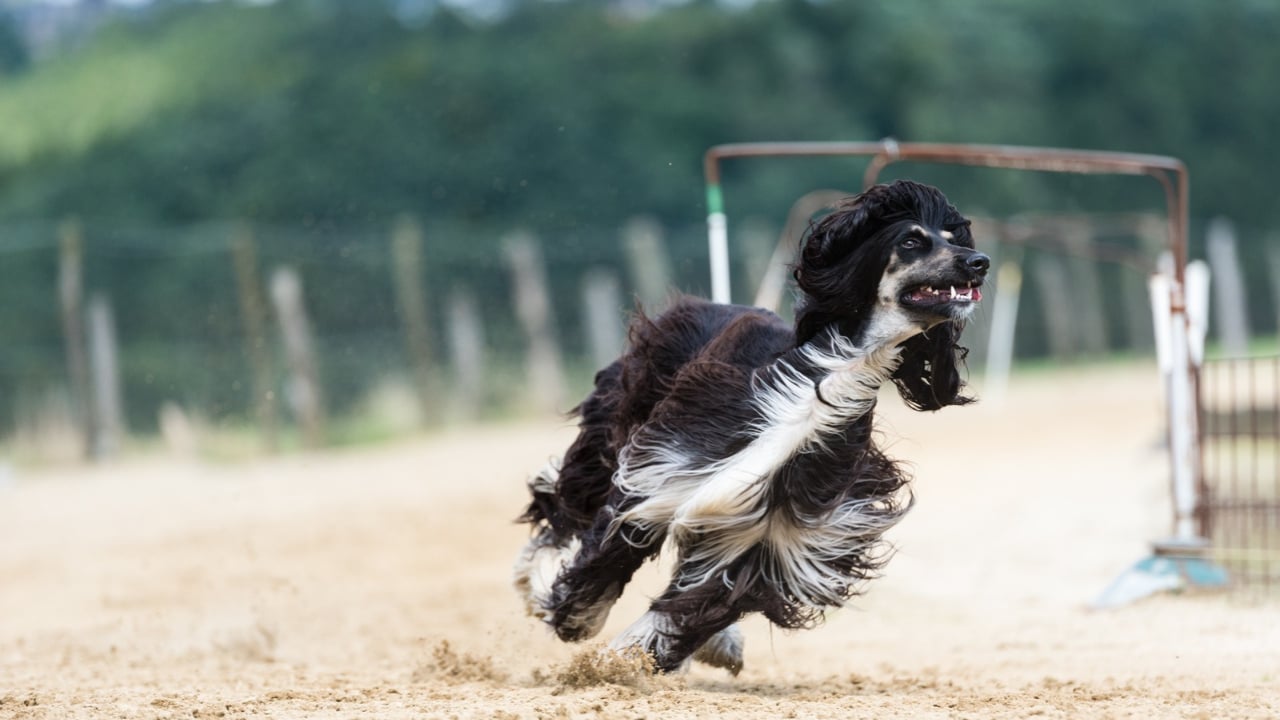
Afghan Hounds are elegant, aloof, and famously independent.
They are intelligent, but their willingness to obey is not always obvious. They were bred to hunt using their own judgment, which means they do not naturally look to people for constant direction. Recall can be difficult, prey drive is strong, and the coat requires significant maintenance. Training an Afghan often requires far more patience than force because pressure tends to produce resistance rather than cooperation.
Miniature Schnauzer
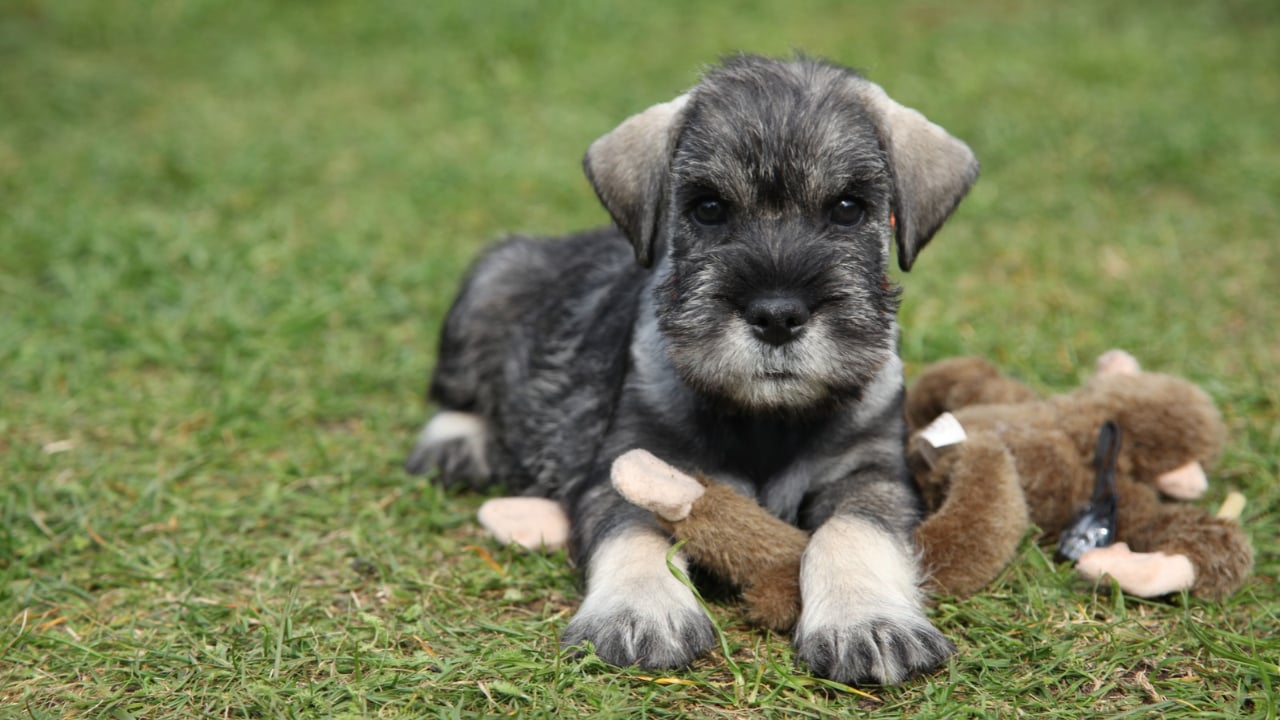
Miniature Schnauzers are smart, alert, and highly involved in everything happening around them. That sounds great until every sound outside becomes a neighborhood emergency.
Barking can become one of the biggest challenges. They are also clever enough to learn routines quickly and stubborn enough to protest when those routines change. Their terrier background gives them prey drive and confidence far beyond their size. A well-trained Miniature Schnauzer is entertaining and capable, but they rarely allow life to become boring.
English Bulldog
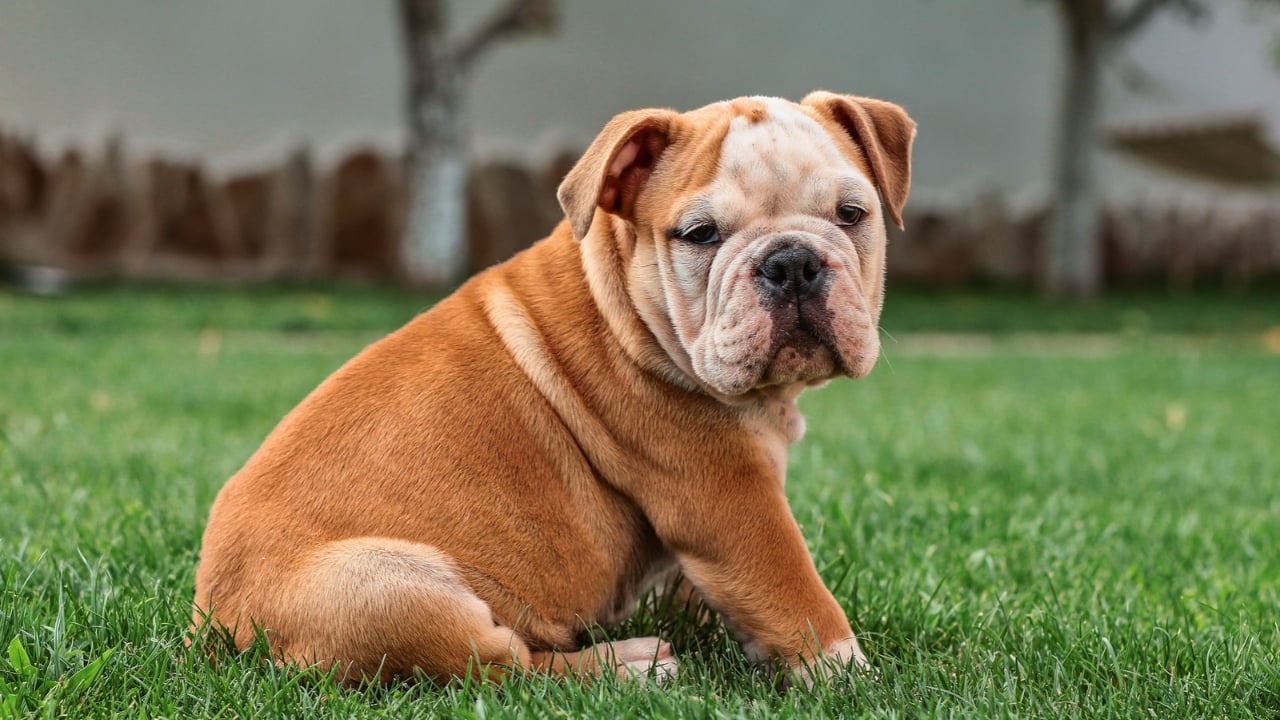
English Bulldogs test patience in a completely different way. They are not usually hyperactive, but they can be unbelievably stubborn.
A Bulldog may simply decide that the walk is over and sit down. Training sessions can stall once the dog loses interest, and food is often the easiest form of negotiation. Their physical limitations also mean owners have to manage heat, exercise, skin folds, and breathing carefully. They are affectionate dogs, but they tend to live life at their own pace whether you agree with it or not.
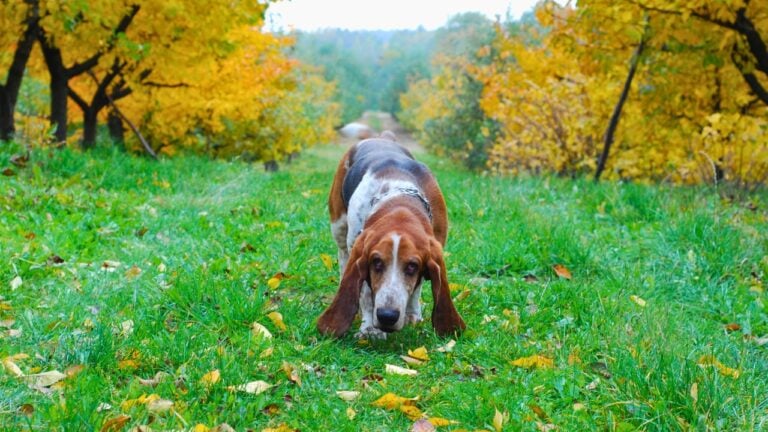
Bloodhound

Bloodhounds combine enormous size with one of the strongest noses in the dog world.
Once they catch a scent, they can pull hard enough to make a leash feel like farm equipment. Drool, long ears, stubbornness, and selective hearing add to the daily challenge. They are generally gentle dogs, but they were developed to follow scent for miles without quitting. That persistence does not disappear just because you would rather go back inside.
Alaskan Malamute

Malamutes are powerful, independent, and often surprisingly stubborn.
They were bred to pull heavy loads rather than perform precise obedience, so they tend to think for themselves. Digging, pulling, escaping, and challenging boundaries are common complaints. They also need far more exercise than their calm indoor moments might suggest. A Malamute that decides to go somewhere has enough strength to make the discussion very one-sided if training is poor.
Airedale Terrier

The Airedale is large, intelligent, energetic, and equipped with the classic terrier belief that its ideas deserve serious consideration.
They can learn quickly, but repetitive training often loses their interest. Strong prey drive and curiosity can lead them into trouble, while their confidence means they are rarely intimidated by correction. Airedales often work best with owners who can keep training varied and consistent. They are entertaining dogs, but they have a talent for making straightforward tasks much more complicated than necessary.
Australian Shepherd

Australian Shepherds are intensely aware of their surroundings and usually want to be involved in everything happening around the property.
That energy can turn into barking, herding, chasing, or obsessive behavior if they do not have enough structure. They are extremely trainable, but that intelligence means they also pick up bad habits quickly. An Aussie that learns it can get a reaction by barking, pawing, or demanding attention will remember the lesson. Give them a job and they can be excellent. Leave them bored and they will invent one.
Like The Avid Outdoorsman’s content? Subscribe to our newsletter so you never miss an article.
Here’s more from us: