Photo credit: Filmbildfabrik/Shutterstock.com
A good hunting dog can change the entire way you hunt. Some are built to point birds, others retrieve ducks from freezing water, and some will run rabbits, tree raccoons, or track wounded deer for miles. The right breed depends almost entirely on what you hunt and the kind of country you hunt it in.
What makes these dogs worth knowing is not just popularity. Each one has a clear working purpose, a long history behind it, and traits that still matter in the field today. Some are easier to live with than others, and several need far more exercise and structure than the average family dog. If you hunt birds, small game, waterfowl, or larger game, these 20 breeds deserve to be on your radar.
Labrador Retriever
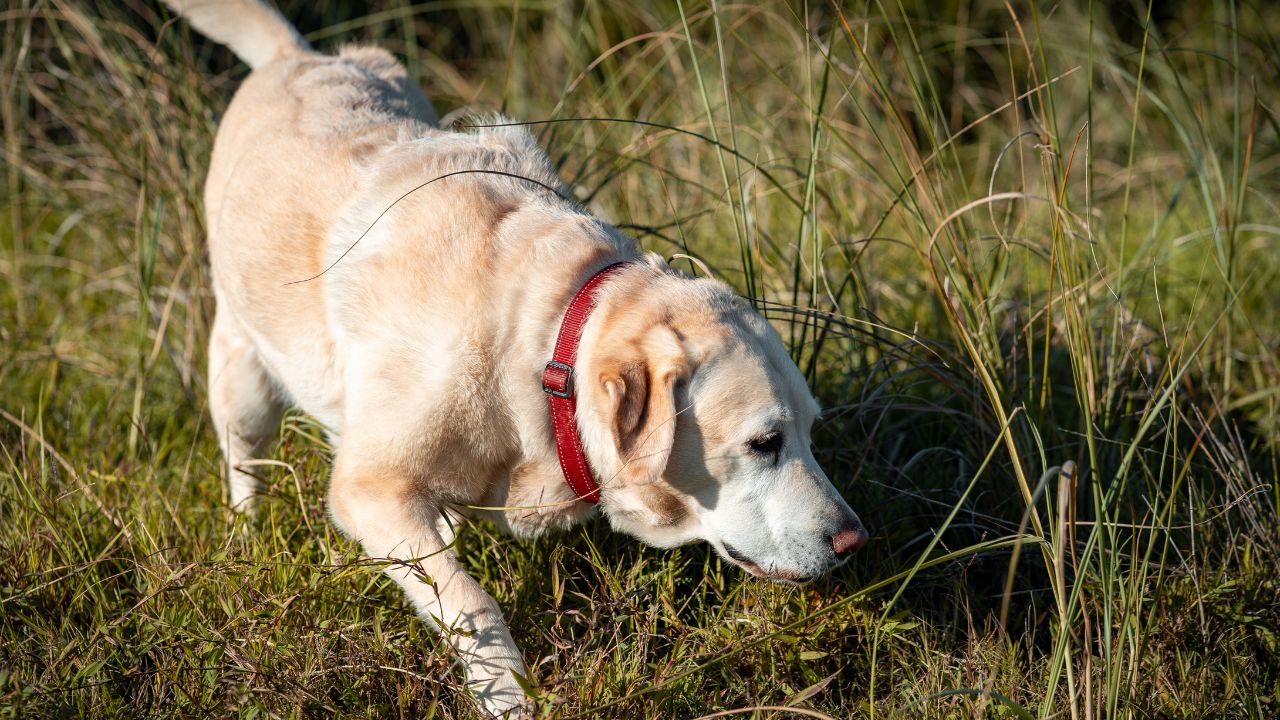
The Labrador Retriever is probably the most versatile hunting dog in America. It is best known for retrieving waterfowl, but a good Lab can also handle upland birds, blood tracking, and general field work.
Labs are strong swimmers, usually easy to train, and tend to have enough drive to work hard without being difficult to live with at home. Their willingness to cooperate is a huge advantage compared with more independent hunting breeds. For a hunter who wants one dog that can do a little bit of everything, the Labrador is hard to beat. It is especially good for hunters who want a serious working dog that still fits naturally into family life.
German Shorthaired Pointer
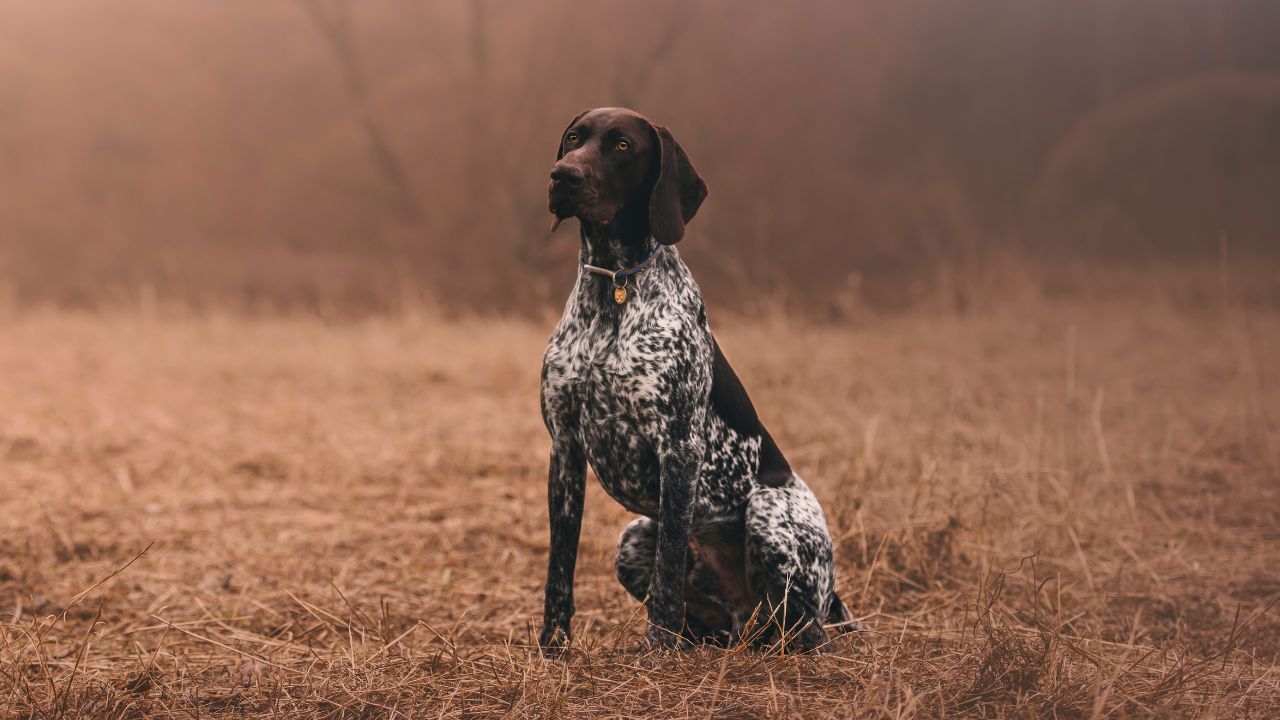
The German Shorthaired Pointer is one of the most recognizable upland hunting breeds for good reason. It combines speed, endurance, pointing instinct, and enough retrieving ability to handle a broad range of bird work.
A GSP can cover country quickly and has the stamina for long hunts over open ground. They are also intelligent and usually very trainable, but they need a lot of exercise. This is not a breed that does well sitting around most of the week. If you regularly hunt quail, pheasant, or other upland birds, the GSP is one of the most complete pointing breeds available.
English Pointer
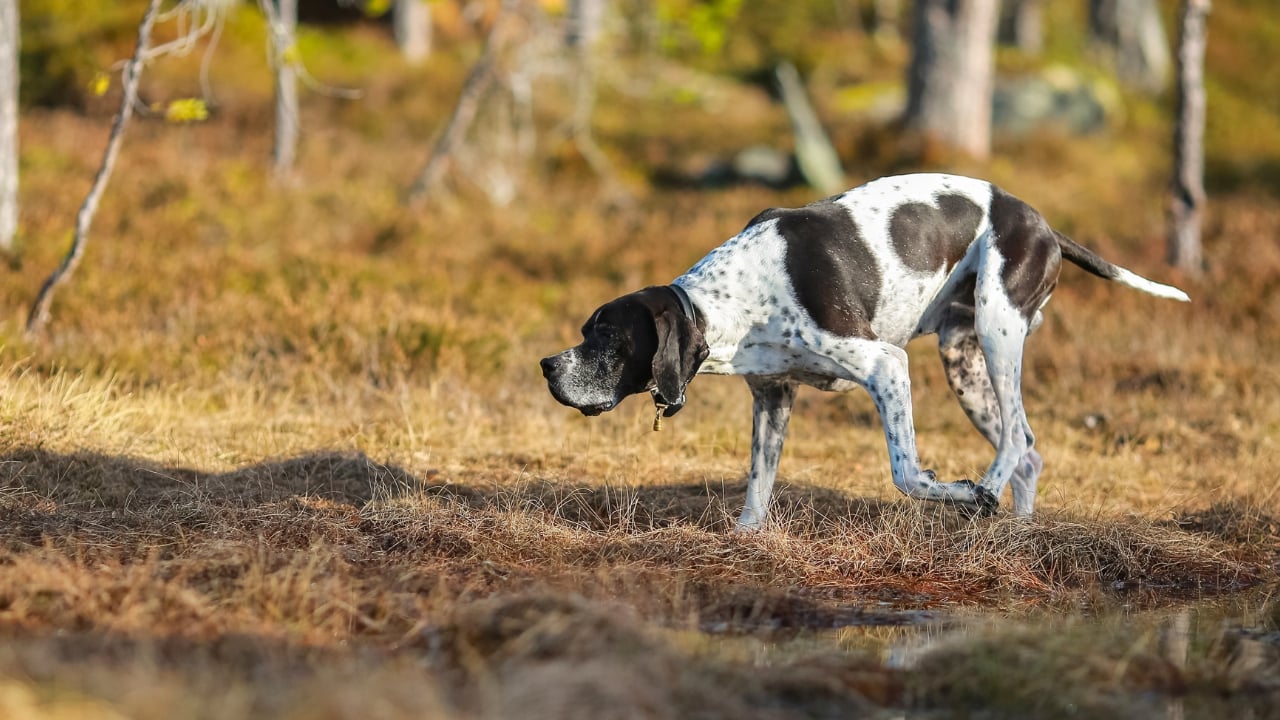
The English Pointer is built for one thing exceptionally well: finding birds over big country. Few breeds cover ground with the same combination of speed, range, and intensity.
They tend to hunt farther out than some other pointing breeds, which can be ideal in open country where birds are spread out. Their style is dramatic, and a good Pointer can lock up hard once it hits scent. They are less versatile than some continental breeds, but if your priority is pure upland performance, especially on quail or similar birds, the English Pointer remains one of the best.
Brittany
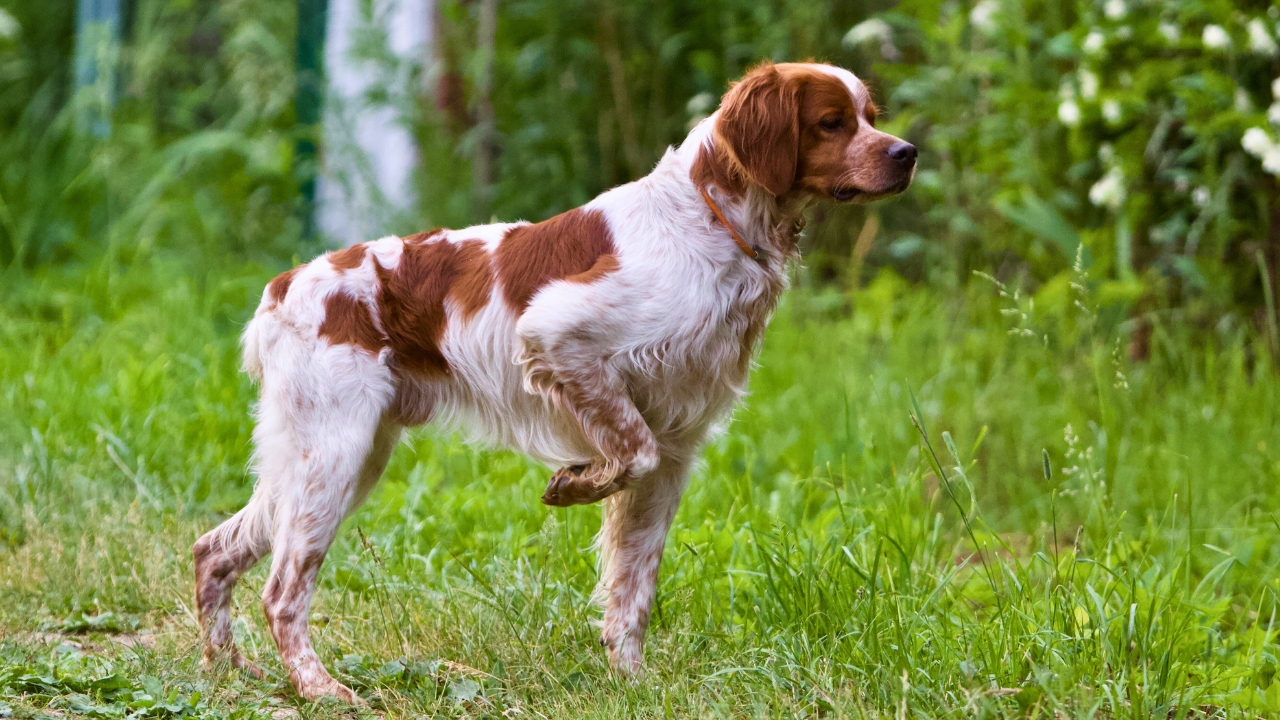
The Brittany gives you many of the advantages of a pointing dog in a slightly smaller package. They are quick, athletic, and usually hunt close enough to remain easy to manage for most hunters.
They are especially good for quail and pheasant work and tend to be more cooperative than some bigger-running pointing breeds. Brittanys also fit family life well because they are affectionate and social. They still need plenty of activity, but they are often easier to manage than extremely high-drive field specialists. For hunters who want a versatile upland dog without a huge frame, the Brittany makes a lot of sense.
English Setter

The English Setter is a classic bird dog with a long history in upland hunting. They are known for a smooth, methodical hunting style and excellent noses.
Setters tend to work beautifully in cover where a slightly more deliberate approach helps. They can range well but usually remain connected to the hunter. Their long coat requires more maintenance, especially in burrs and thick brush, but the tradeoff is a dog with strong bird sense and an easygoing temperament. For hunters who appreciate a traditional pointing breed, the English Setter is still one of the best.
Boykin Spaniel
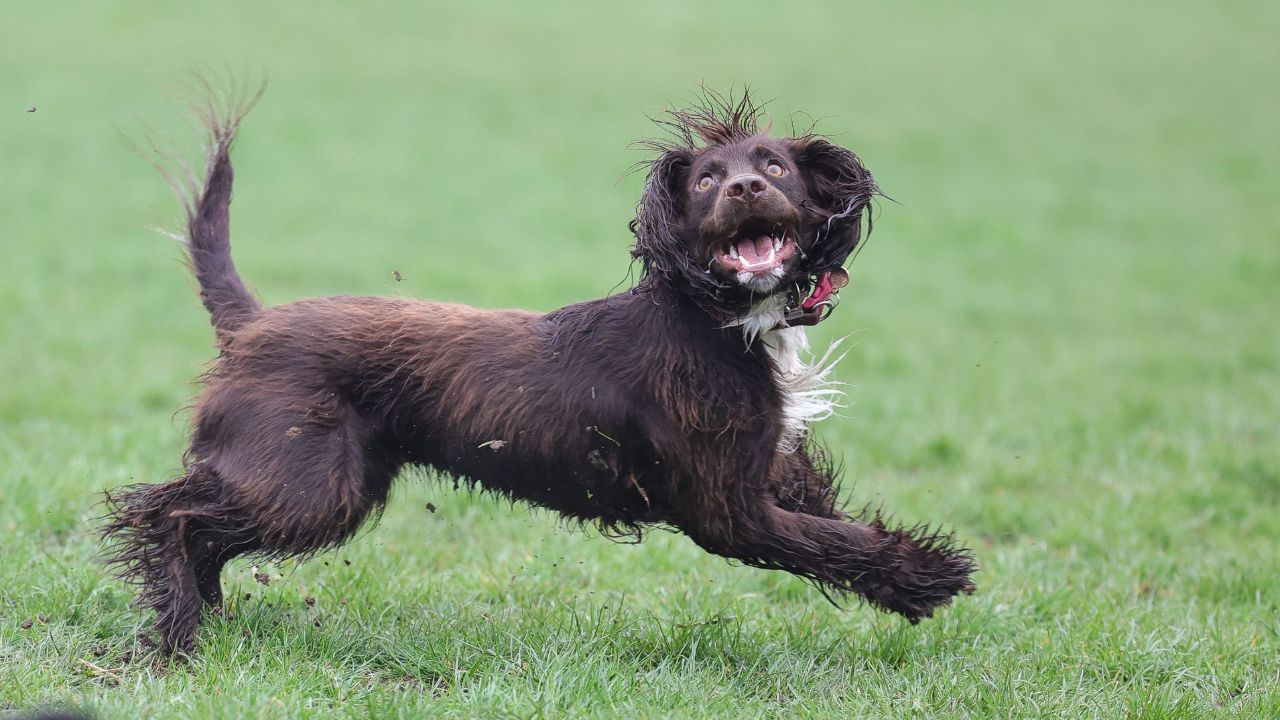
The Boykin Spaniel was developed in the American South and is particularly well suited to hunting from small boats and in tight cover.
They are compact, strong swimmers, and versatile enough to retrieve ducks or flush upland birds. Their smaller size makes them easier to handle in a boat than a large retriever, yet they still have plenty of drive. Boykins also tend to be social and eager to work with their owners. For hunters who split time between waterfowl and upland birds, especially in Southern conditions, the breed deserves serious consideration.
Chesapeake Bay Retriever
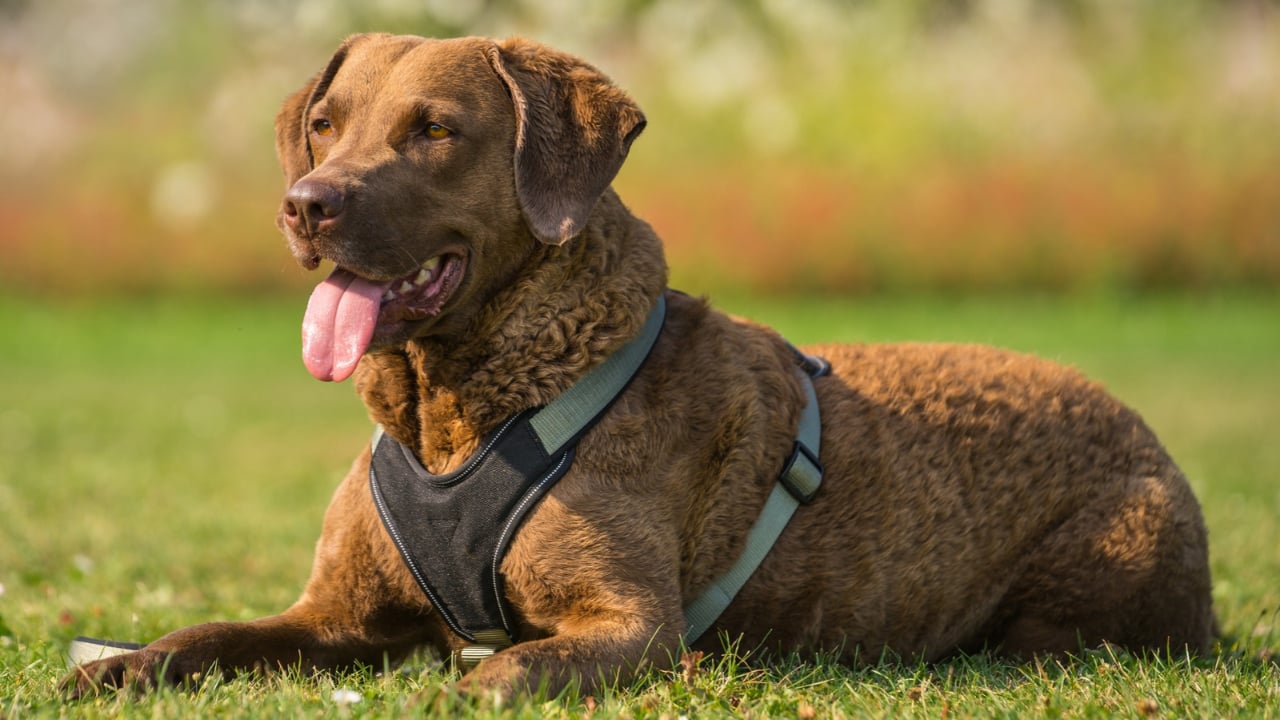
The Chesapeake Bay Retriever is built for rough water and cold-weather retrieving. Compared with Labs, Chessies tend to be more independent, tougher, and less interested in pleasing everyone they meet.
That serious temperament can be an advantage in demanding waterfowl conditions. They have dense, oily coats that help protect them in cold water and enough strength to push through heavy current. Chessies require consistent training and are not always as forgiving as Labs, but for hard-core duck hunters who want a rugged retriever, they are one of the strongest options.
Nova Scotia Duck Tolling Retriever

The Nova Scotia Duck Tolling Retriever is smaller than a Lab or Chesapeake but was built around waterfowl hunting in a very unusual way. The dog’s movement along the shoreline can help attract curious ducks within range.
Once birds are down, the Toller retrieves them. The breed is energetic, quick, and very intelligent, but it needs regular mental work. They are not as common as Labs, which makes them easy to overlook, but they are highly capable waterfowl dogs. For hunters who want a smaller retriever with real working ability, the Toller is worth knowing.
English Springer Spaniel
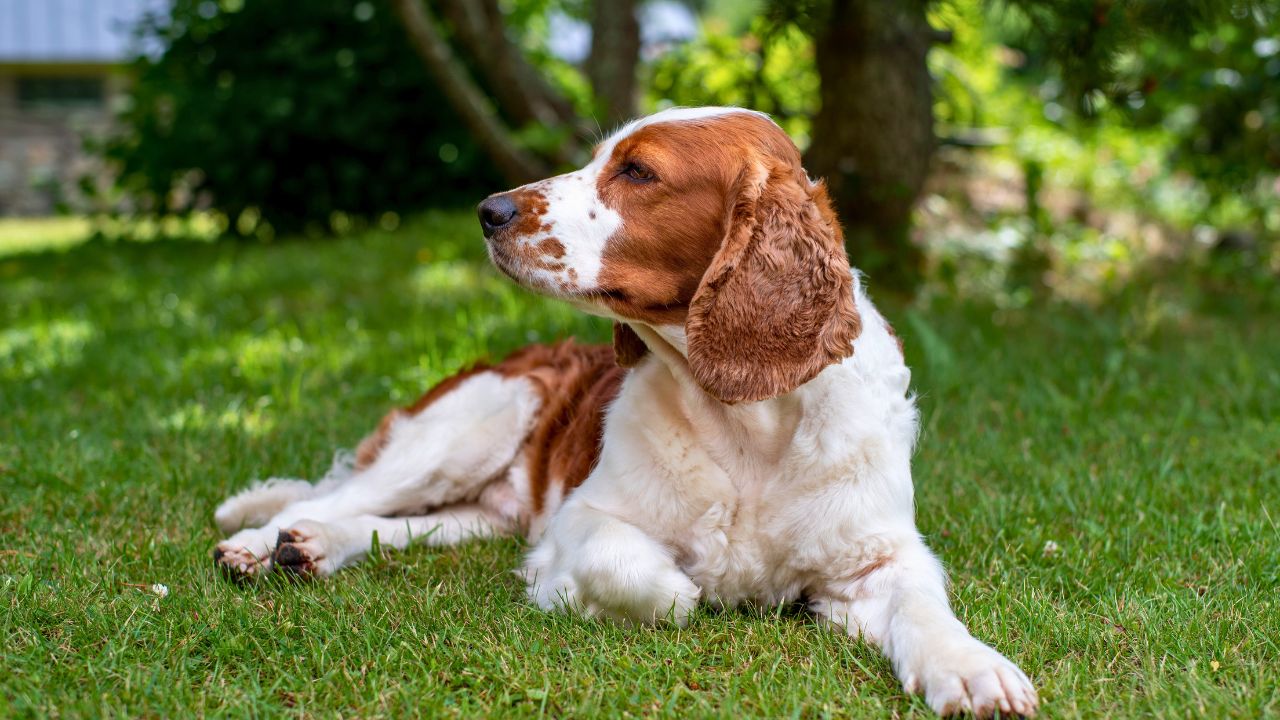
The English Springer Spaniel is one of the best flushing dogs for pheasant, quail, and other upland birds. Rather than pointing, Springers work through cover and push birds into the air within shotgun range.
They are energetic, athletic, and usually very cooperative with handlers. That makes them especially useful in thick grass, brush, and fields where birds may hold tight. They also retrieve naturally and can handle some waterfowl work. A good Springer is fast enough to keep a hunt moving without ranging so far that birds flush out of range.
American Cocker Spaniel
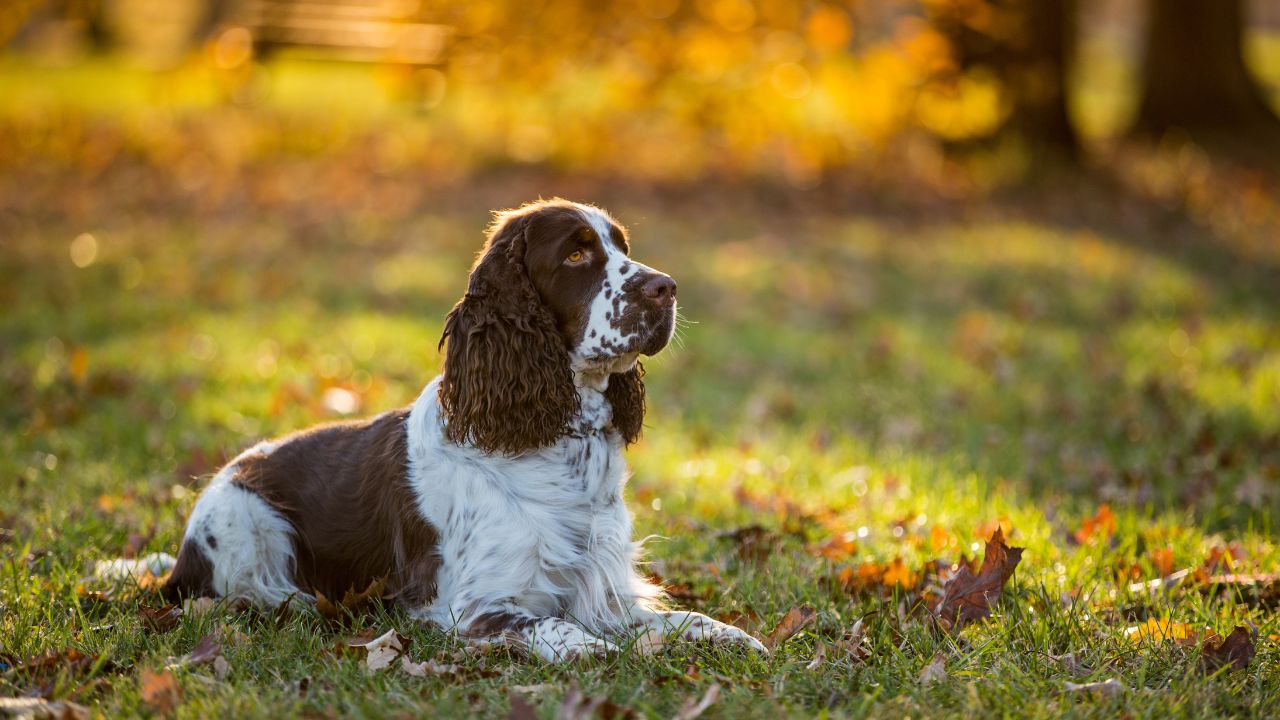
The American Cocker Spaniel is often thought of as a companion dog today, but its roots are in hunting and flushing small game birds.
Working lines are much more athletic and driven than the heavily coated show dogs most people picture. Their compact size allows them to push through dense cover easily, and they can be excellent close-working flushers. They are not as common in the field as Springers, but hunters who find a good working line can get a very capable little bird dog.
Beagle
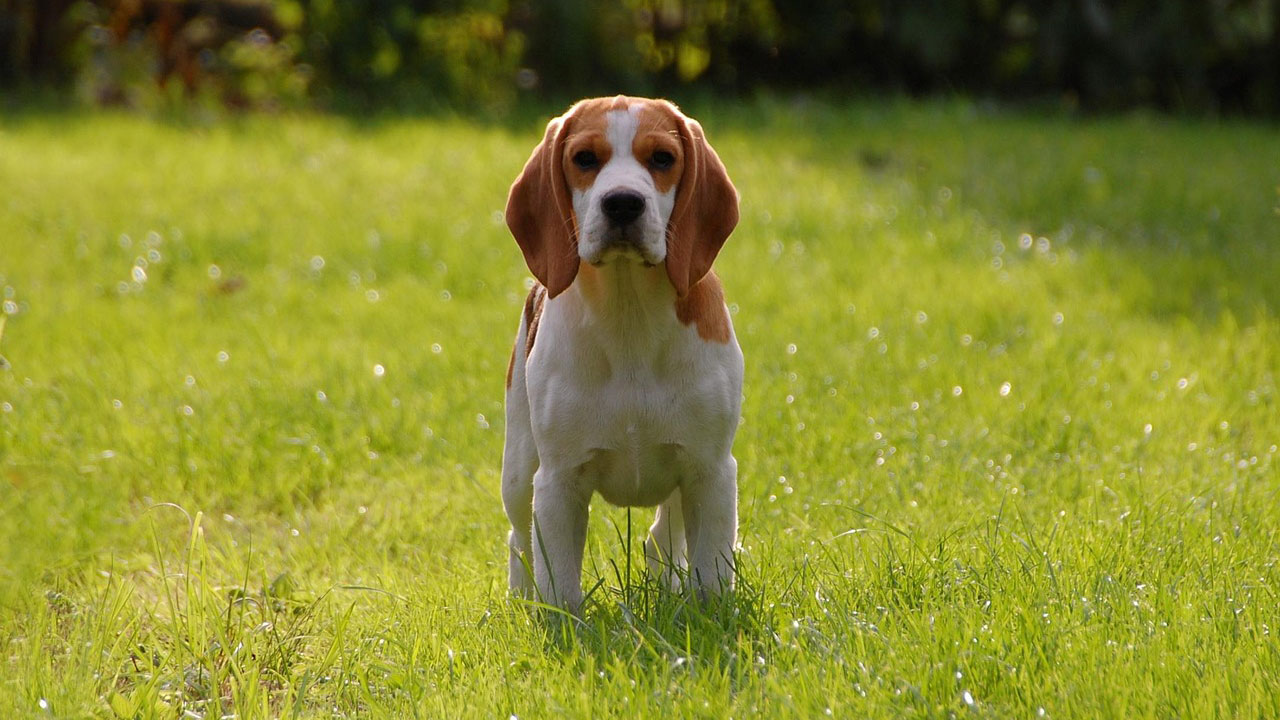
The Beagle is one of the most famous rabbit dogs in the world. Its nose, persistence, and pack-hunting instinct make it exceptionally well suited to tracking cottontails and rabbits through thick cover.
A good Beagle does not need to catch the rabbit. Its job is to follow the scent trail and keep the animal moving until it circles back within range. Their voice is part of the experience, letting hunters follow the chase by sound. Beagles are small, affordable to feed, and effective enough that rabbit hunters have relied on them for generations.
Treeing Walker Coonhound

The Treeing Walker is one of the most popular coonhounds because of its speed, nose, and strong treeing instinct.
These dogs can move quickly through woods, work a track, and stay at the tree until the hunter arrives. They are known for being fairly easy to identify by voice once you spend time hunting with them. Treeing Walkers usually need room and regular work because their hunting drive does not switch off easily. For someone serious about raccoon hunting, this is one of the first breeds worth looking at.
Black and Tan Coonhound
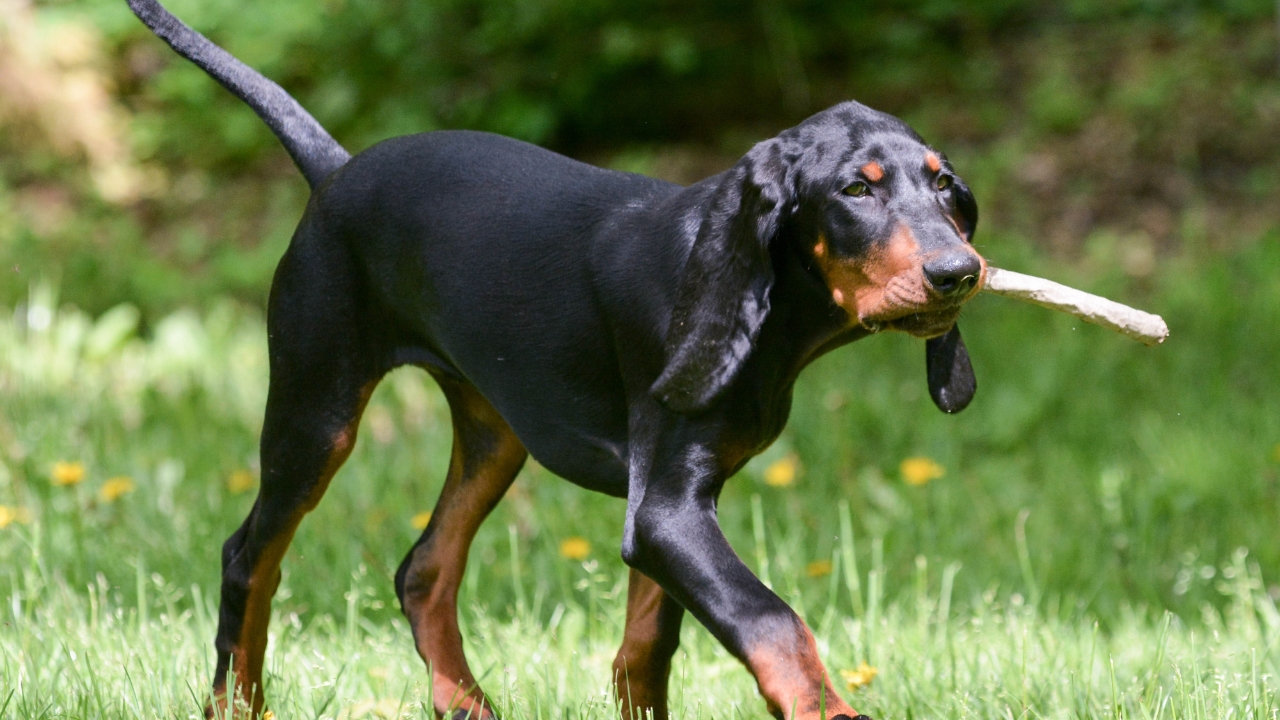
The Black and Tan Coonhound tends to work more deliberately than the Treeing Walker, but it has an excellent nose and the ability to stay with older or colder tracks.
That makes the breed valuable when game is not moving heavily or scent conditions are poor. They are powerful, long-legged dogs that can cover rough country and stay on a track for a long time. Their deep voice also carries well through the woods. They may be slower than some coonhounds, but patience and tracking ability are major strengths.
Bluetick Coonhound
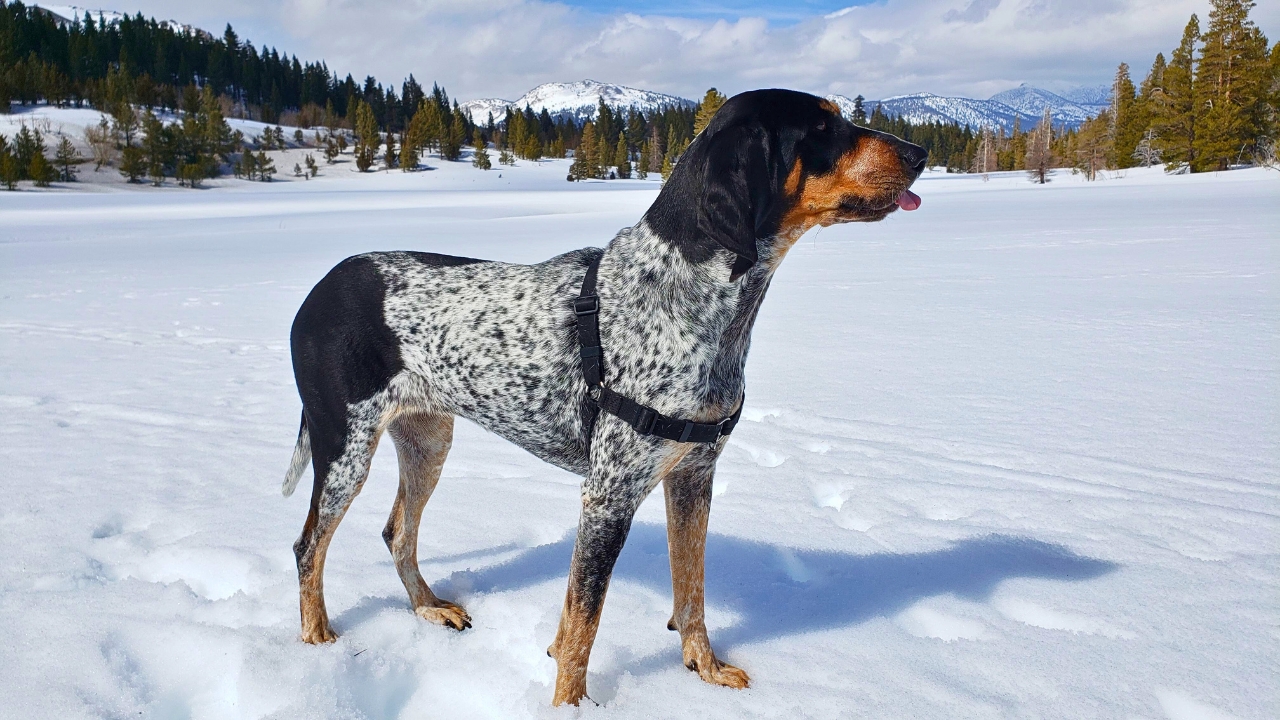
Blueticks are known for their noses and determination. They often excel at working difficult tracks that faster dogs may struggle to sort out.
The breed can be independent and stubborn, which means training takes patience. Once they understand the job, though, they tend to stay committed. Blueticks are used primarily for raccoon hunting but can also pursue larger game where legal. Their loud, distinctive voice and steady tracking style make them easy to appreciate if you prefer a dog that works scent carefully.
Redbone Coonhound

The Redbone is another strong coonhound that combines tracking ability with a little more speed and athleticism than some heavier scent hounds.
They tend to have good endurance and can work rough terrain without wearing down quickly. Redbones are also often described as more easygoing around the family than some hard-driving hounds, though individual dogs vary. Their ability to track, tree, and stay on game makes them useful for raccoon hunting and other scent-driven pursuits.
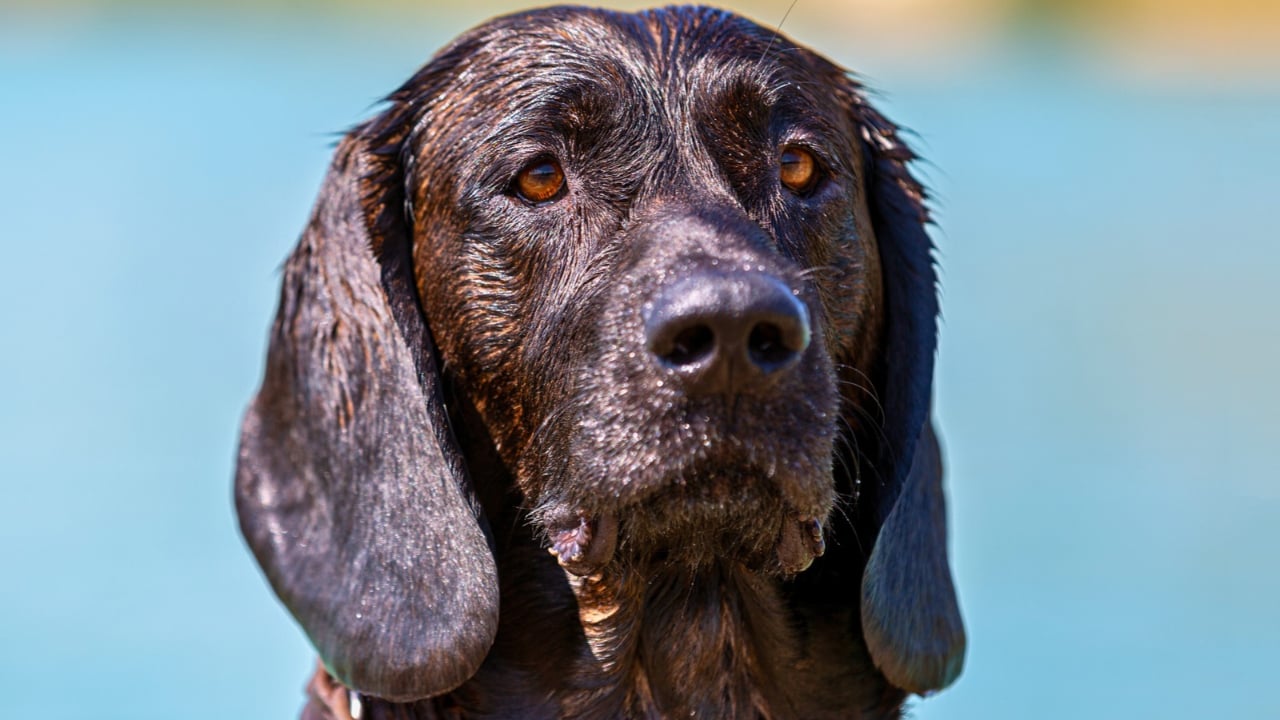
Plott Hound

The Plott Hound has a tougher, more aggressive hunting style than many traditional coonhounds. It was developed for hunting large game, including bear and wild boar.
Plotts are athletic, determined, and capable of working rough terrain. They can track, bay, and hold pressure on dangerous game in a way that smaller or softer dogs cannot. That also means they need experienced handling and are not ideal for every household. For hunters who pursue hogs or other large game where legal, the Plott is one of the most serious hounds available.
Black Mouth Cur

The Black Mouth Cur is one of the most versatile Southern hunting dogs. Depending on the line, they can hunt squirrels, hogs, raccoons, and other game while also handling farm work.
They tend to hunt with more handler awareness than many hounds, which can make them easier to manage in mixed-use situations. Their short coat handles warm climates well, and they have enough athleticism for long days in the woods. A good Black Mouth Cur can be both a working farm dog and a serious hunting partner, which is why they remain popular in rural areas.
Mountain Cur
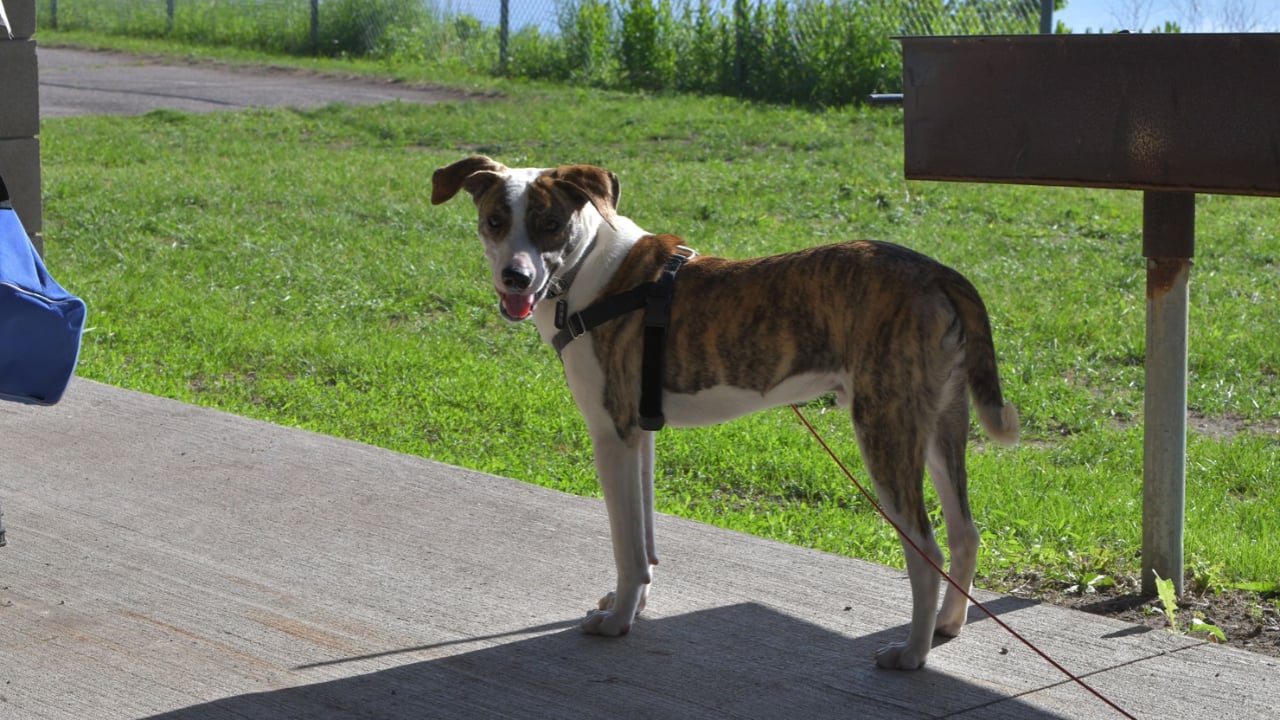
Mountain Curs are best known for squirrel and raccoon hunting. They work by locating game, pushing it into a tree, and staying there until the hunter arrives.
They are quick, athletic, and usually more compact than coonhounds. Many also stay relatively close to the hunter, which makes them appealing to people who do not want a dog ranging miles away. Their versatility around farms and homesteads is another advantage. For small-game hunters who want a tough, practical woods dog, the Mountain Cur is hard to overlook.
Drahthaar
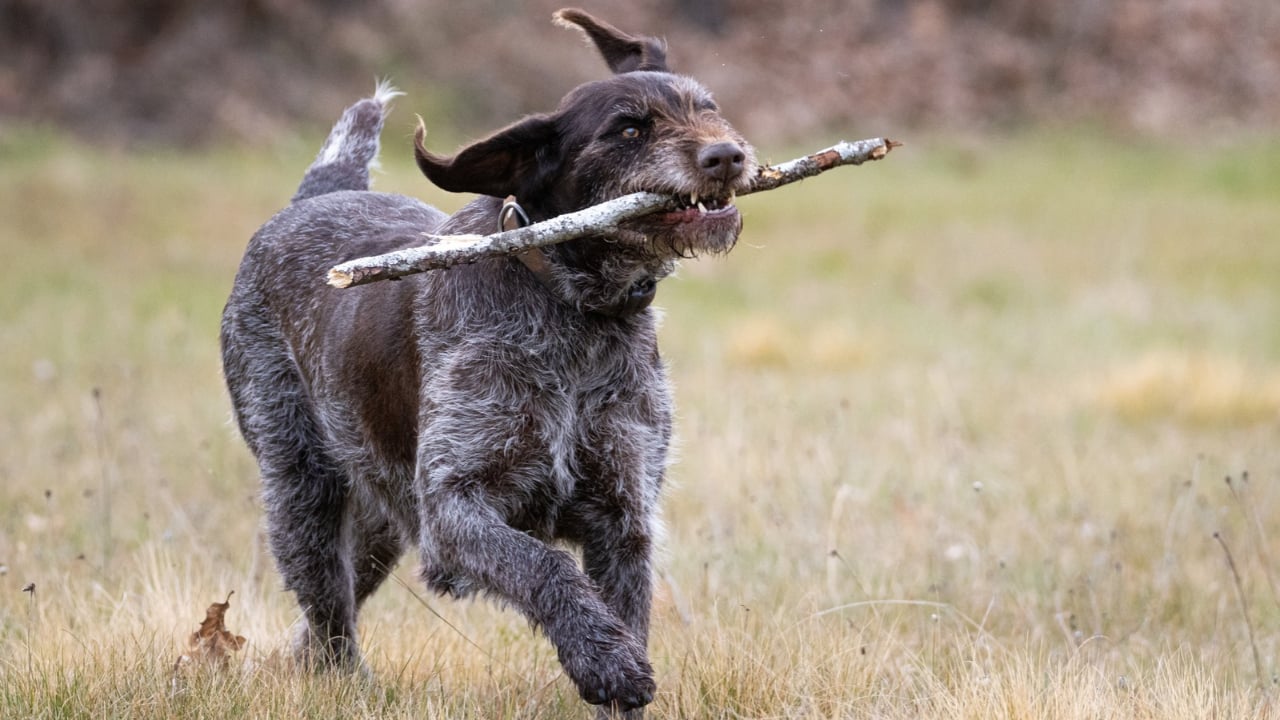
The Deutsch Drahthaar was developed as a truly versatile hunting dog rather than a specialist. It can point upland birds, retrieve waterfowl, track wounded game, and handle furred game in ways many bird dogs cannot.
They are tough, intelligent, and usually have strong prey drive. The wire coat protects them in brush and cold water, while their tracking ability gives them usefulness well beyond bird season. They are demanding dogs and need real training, but for hunters who pursue several types of game, the Drahthaar may be one of the most complete working breeds available.
Hanoverian Scenthound
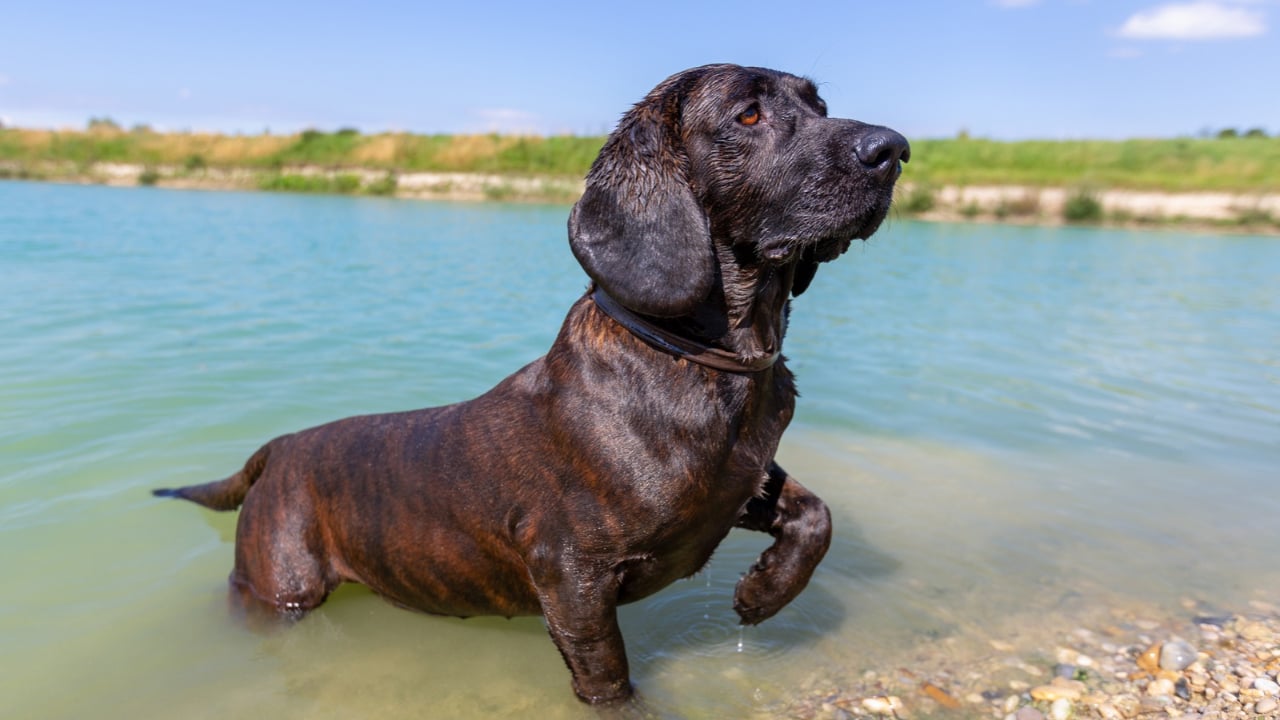
The Hanoverian Scenthound is a specialized tracking breed developed for following wounded big game. Its job is not to chase healthy animals all over the woods but to patiently work a blood or scent trail after the shot.
That makes the breed especially valuable for deer hunters who take recovery seriously. Hanoverians are methodical, focused, and capable of following weak scent over long distances. They are less common in the United States than many other hunting breeds, but they represent one of the most specialized forms of hunting-dog work. For tracking wounded deer and similar game, few breeds are more purpose-built.
Like The Avid Outdoorsman’s content? Subscribe to our newsletter so you never miss an article.
Here’s more from us: