Photo credit: travisp11/Youtube
I have traded a lot of things over the years. Some of those swaps worked out fine. A few even turned into good stories. But there’s one old wheelgun trade that still gets under my skin, because the revolver was memorable and the thing I traded it for wasn’t—so forgettable I can’t even picture it now.
If you’ve spent any time around gun counters, deer camps, and farm shops, you already know how this happens. You get bored. You get tempted. You start thinking you need something “more useful,” more modern, or more whatever. Then two seasons go by, prices jump, and you realize the plain old revolver you let go would have quietly done a hundred jobs without drama. Here are 20 revolvers that tend to become “the one that got away.”
1. Smith & Wesson Model 19 (K-frame .357)
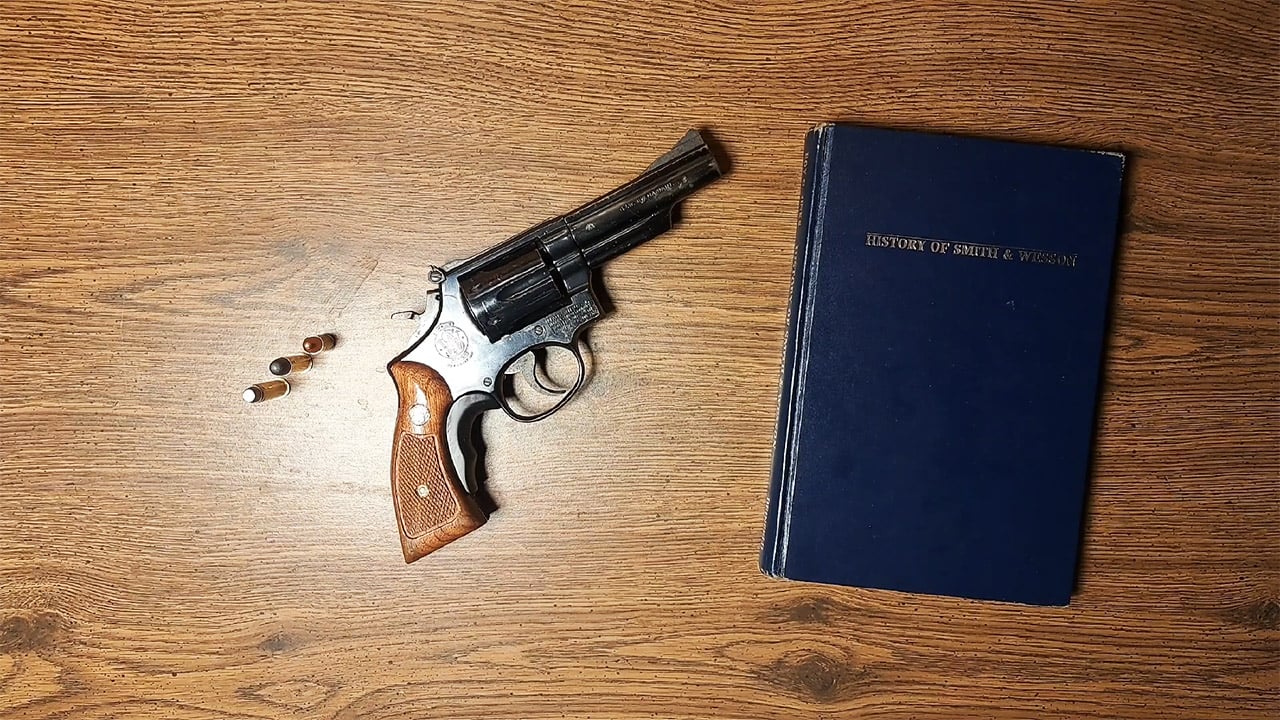
The Model 19 is one of those revolvers that just points right. The K-frame size carries easy on the belt, and the balance is about perfect for a working handgun. It feels like it was built for sitting in a truck door pocket, riding in a hip holster while checking fence, or tagging along on an evening walk to a stand.
The regret usually shows up after you’ve owned newer guns that are technically “better,” but not better to live with. A clean Model 19 is also harder to replace than most folks think, especially if you want one with honest wear and a good action instead of a safe queen price tag. That one hurts.
2. Smith & Wesson Model 10 (Military & Police)
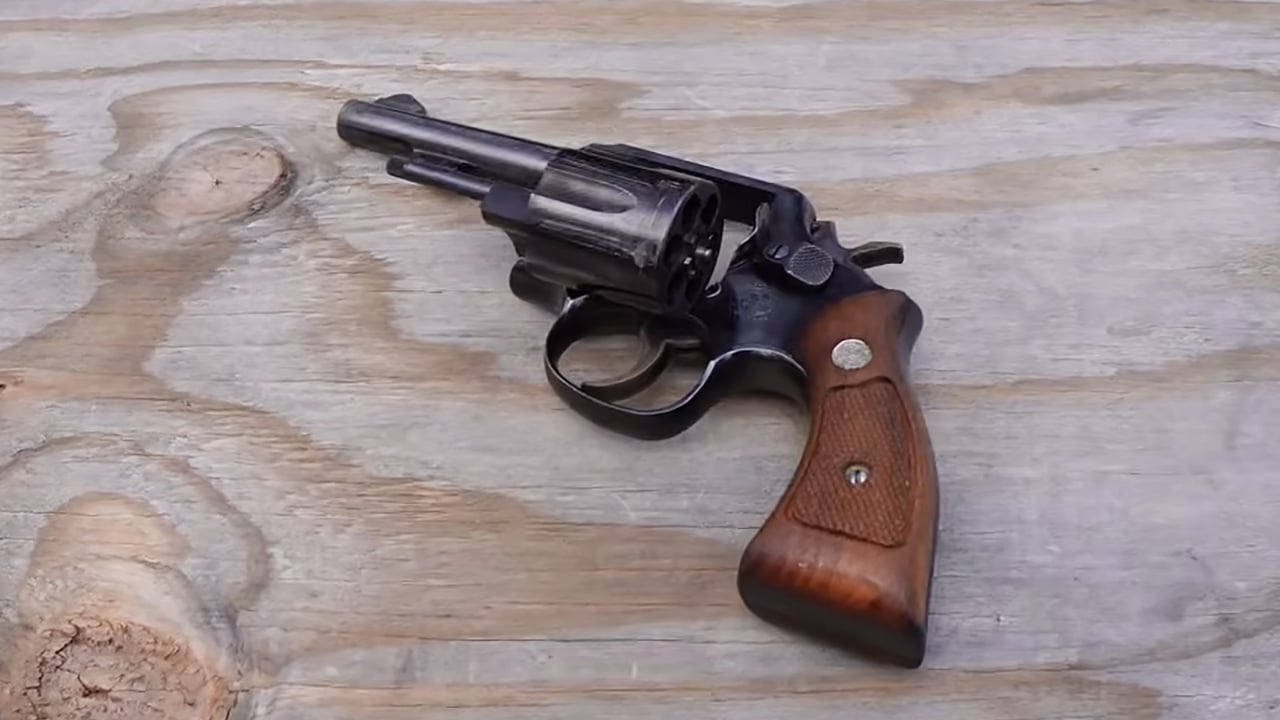
The Model 10 is plain, almost boring, and that’s exactly why it ends up missed. A good one runs forever on basic .38 Special, doesn’t beat you up, and is accurate enough that it’ll make you look like a better shot than you are. The trigger on an older Model 10 can be slick without being light, which is a nice place to be.
A lot of these got traded off because they weren’t “magnum” or “tactical.” Then someone needs a simple house gun for a spouse, a glovebox gun for the ranch (secured, obviously), or a revolver to teach a kid the basics, and they realize they let a perfect tool walk out the door.
3. Ruger GP100 (4-inch stainless)
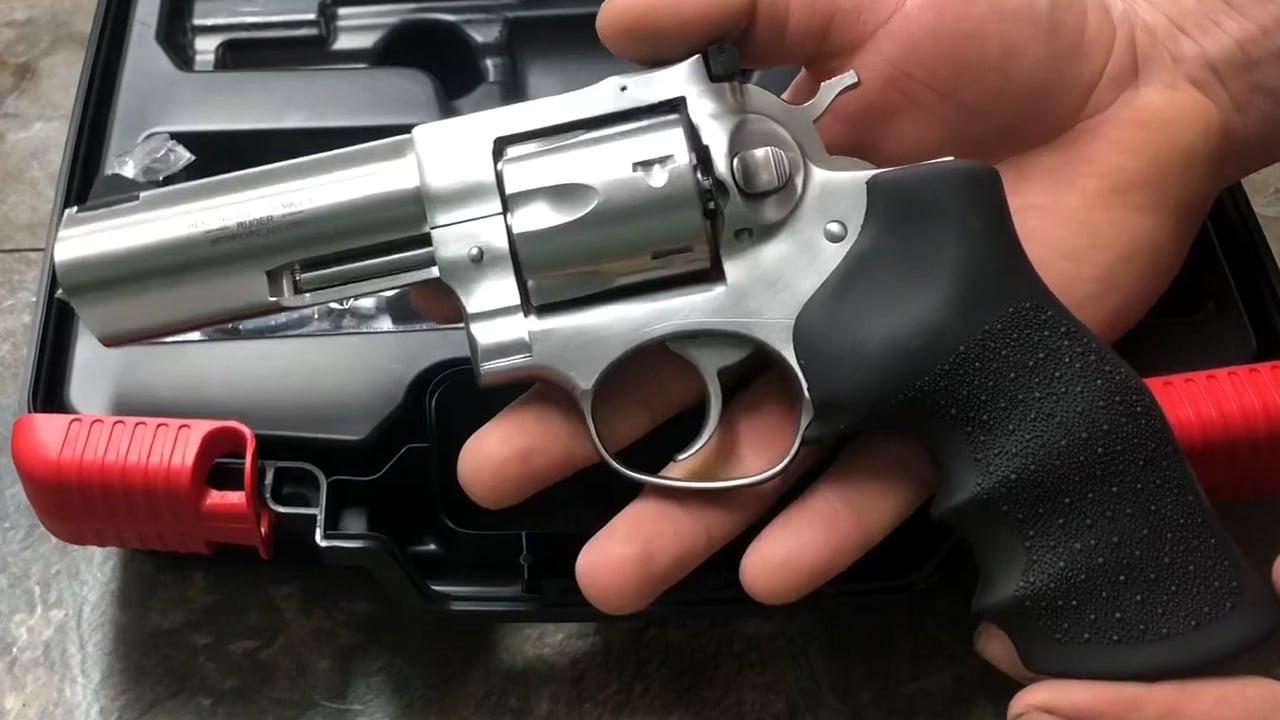
The GP100 is not a romantic revolver. It’s a working revolver. It’s heavier than it looks, built like a fence post, and it’ll eat real .357 loads without feeling like it’s loosening up. That weight is a big reason it shoots so well, especially when you’re practicing with hotter ammo.
Where regret comes in is when someone trades it for a lighter carry gun and then discovers they don’t actually carry as much as they thought. Meanwhile, the GP100 would have been the perfect camp gun, the perfect trail gun, and the perfect “I want one revolver that does it all” option. There is nothing fancy about it, and that is kind of the point.
4. Ruger Security-Six (and Speed-Six)
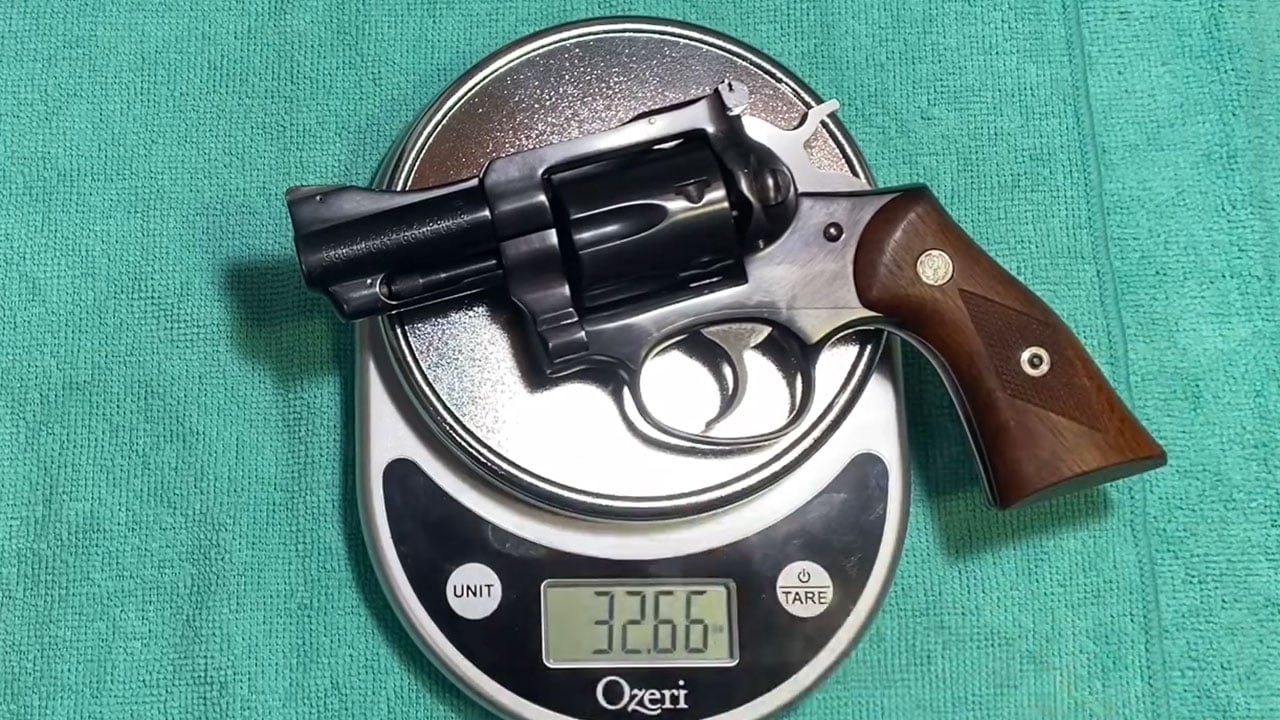
These older Rugers have a feel that’s hard to explain until you’ve handled enough of them. They’re trim compared to a GP100, strong enough for steady .357 use, and they carry better than a lot of modern “duty-sized” revolvers. The fixed-sight models especially make sense as a rough-and-ready outdoors gun.
Folks let them go because they think they’re just “old Rugers.” Then they go looking for one later and realize the nice ones don’t sit around. Parts and grips exist, sure, but finding one that hasn’t been abused or “improved” with a file job is the challenge.
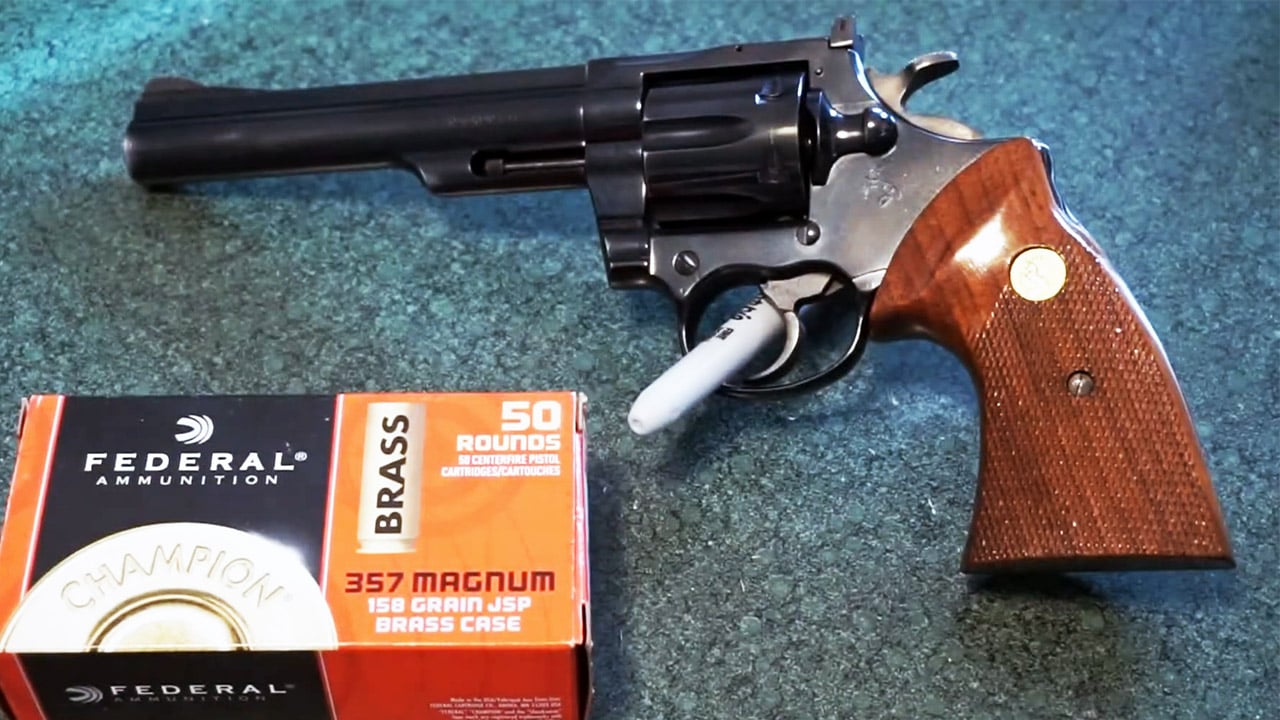
5. Colt Python (blued, 4-inch or 6-inch)
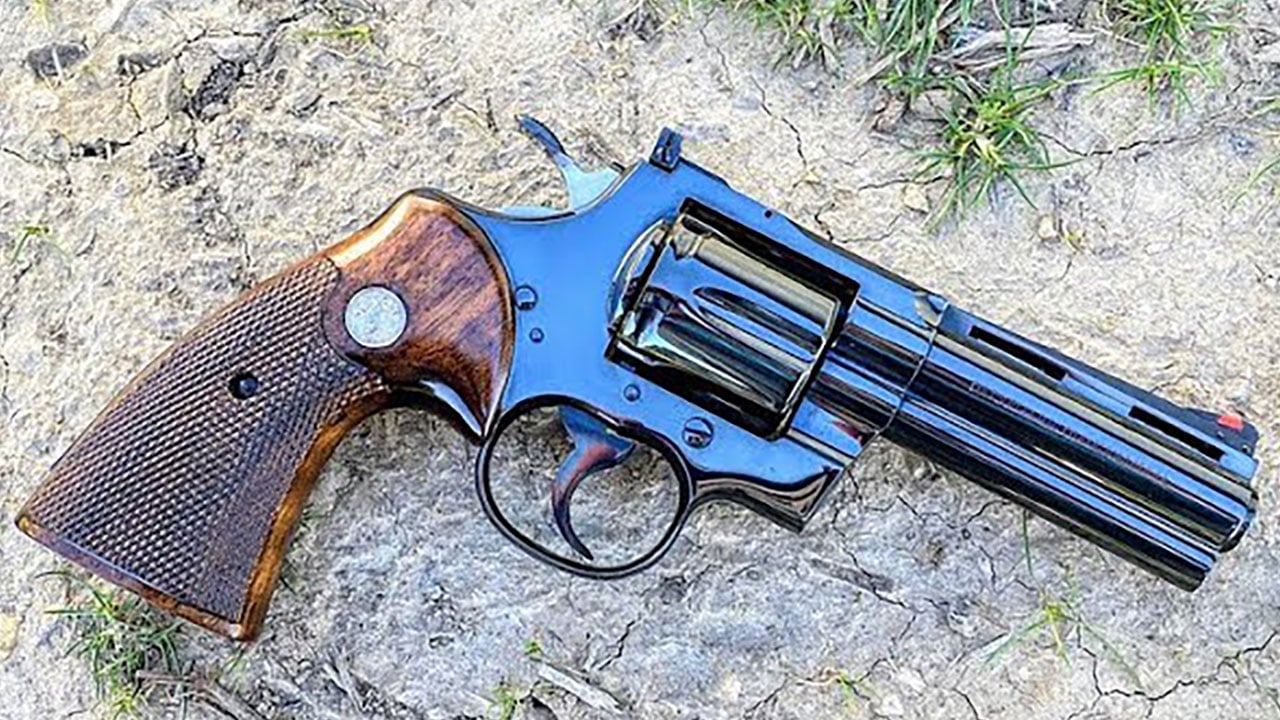
The Python is the obvious regret gun, and yes, the prices are part of it. But even before collector money got crazy, the Python had a way of making other revolvers feel a little crude. The lockup, the finish, the way the action stacks—love it or hate it, it’s distinctive.
A lot of Pythons were traded off for something practical at the time: a hunting rifle, a shotgun, a “carry package” semi-auto. Then years later you realize you traded a revolver that felt like a piece of craftsmanship for something you don’t even remember owning. That’s a bad trade every time, even if the Python isn’t your daily driver.
6. Colt Detective Special

This is one of the revolvers that taught people what a “real” snubnose feels like. It’s a compact package with a serious trigger and a build quality that doesn’t feel disposable. The Detective Special also has enough weight to be shootable, which is more than I can say for some featherweight snubs.
It’s easy to sell because it’s “just a .38,” and because older Colts sometimes intimidate buyers who worry about parts. But for a coat-pocket-sized revolver that can still hit where you aim and not punish you, it’s tough to replace with anything that feels as solid.
7. Smith & Wesson Model 36 (Chief’s Special)
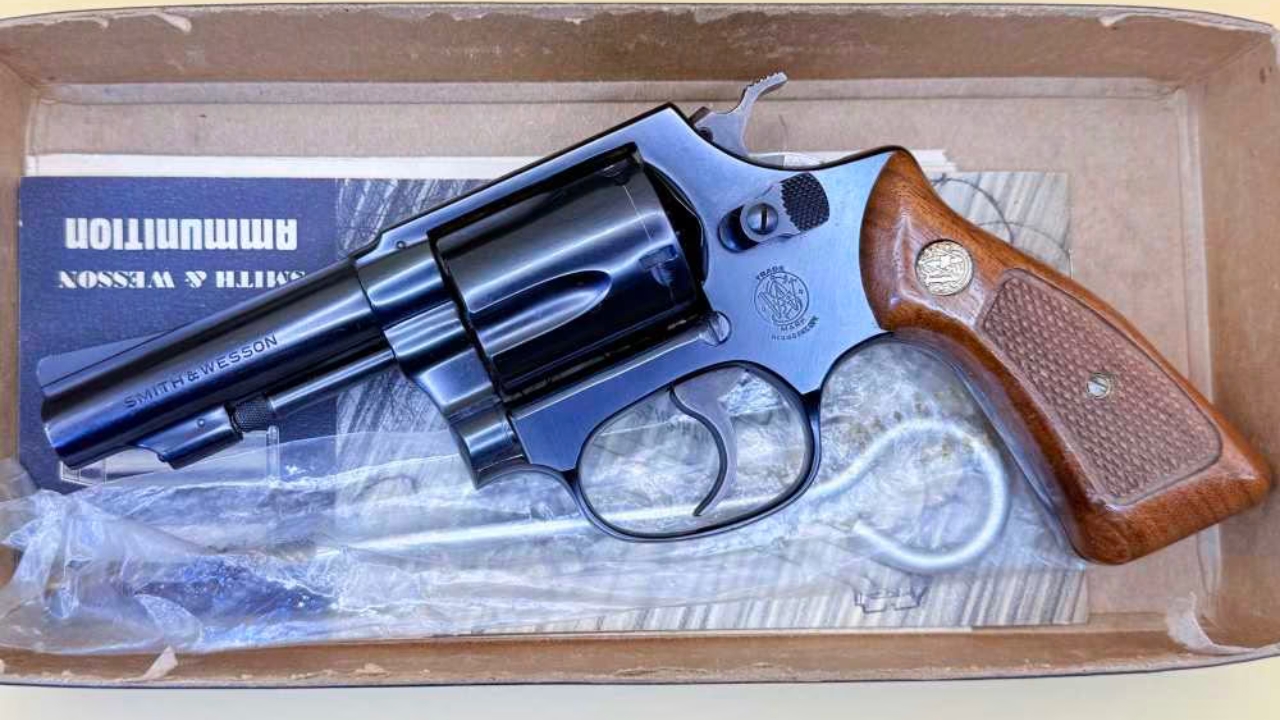
The Model 36 is a classic for a reason. It’s simple, it carries well, and it does the snubnose job without trying to be something it’s not. In a world full of tiny polymer guns that are miserable to shoot, a steel J-frame with a decent set of grips feels like common sense.
The regret comes after you buy a lighter revolver and realize recoil and control matter. A Model 36 is also the kind of gun you can hand down without apologizing for it. You can practice with it, carry it occasionally, and it won’t feel like a compromise in the hand.
8. Smith & Wesson Model 27 (.357, N-frame)
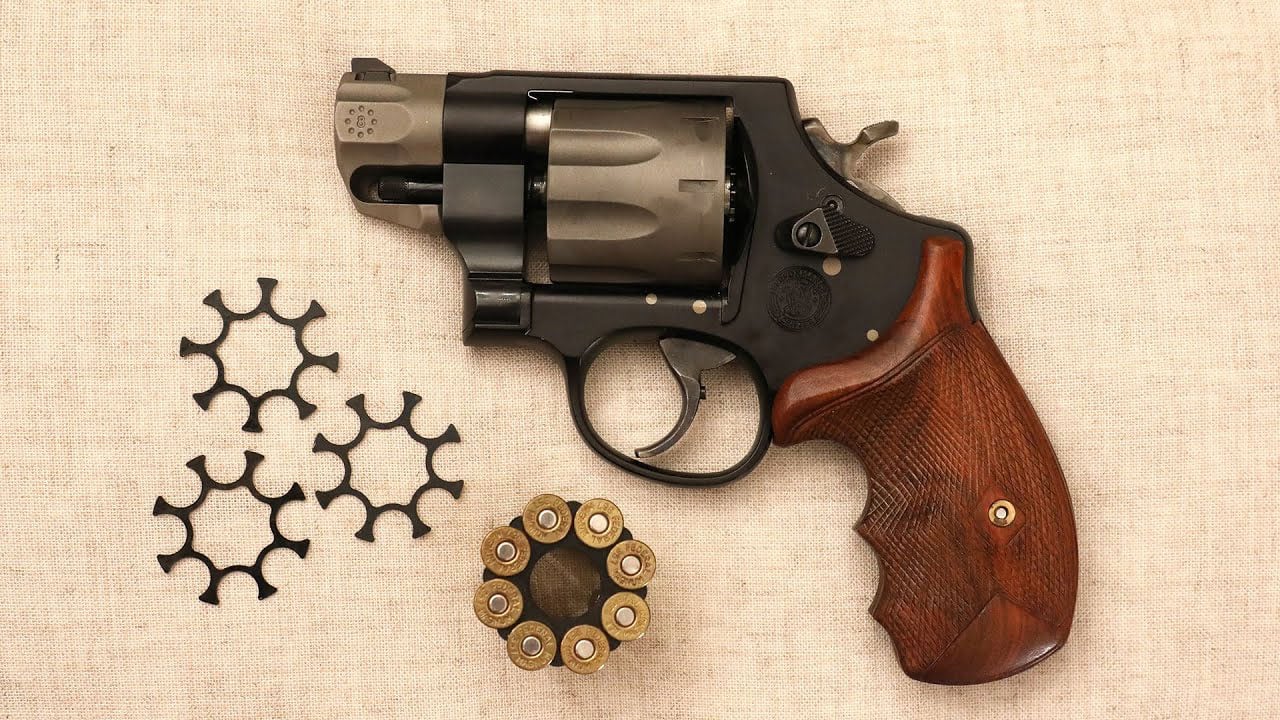
If you’ve ever closed the cylinder on a good Model 27, you know. It’s smooth in a way that makes you pause. This is a big N-frame revolver, not a convenient one, but it’s a joy to shoot with real magnum ammunition. It soaks up recoil and rewards good fundamentals.
They get traded because they’re heavy and “too nice” to beat around. Then a guy goes through three other guns trying to scratch the itch for a serious range revolver and realizes he already had one. It’s also one of those guns that makes you want to practice, and that has value beyond the spec sheet.
9. Smith & Wesson Model 28 (Highway Patrolman)
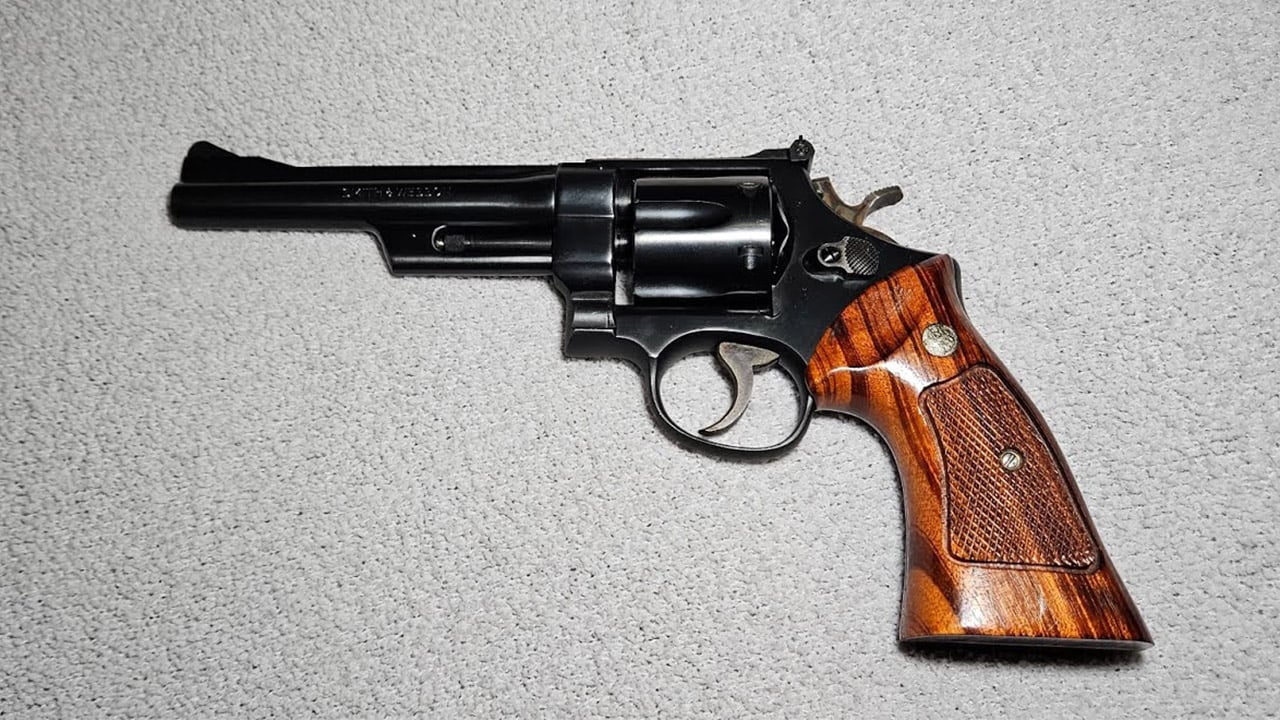
The Model 28 is the working man’s Model 27. Less polish, more utility, same basic idea. It’s big, strong, and built for a lifetime of shooting. If you want an N-frame you don’t feel bad about carrying in a scabbard on an ATV or tossing in a padded console, this is it.
It often gets sold because it looks plain compared to flashier revolvers. Then you try to find one that hasn’t been messed with, and you realize how many have been drilled, refinished, or “upgraded” poorly. A clean Model 28 is the kind of revolver you buy once and stop shopping.
10. Ruger Blackhawk (.357 or .45 Colt)
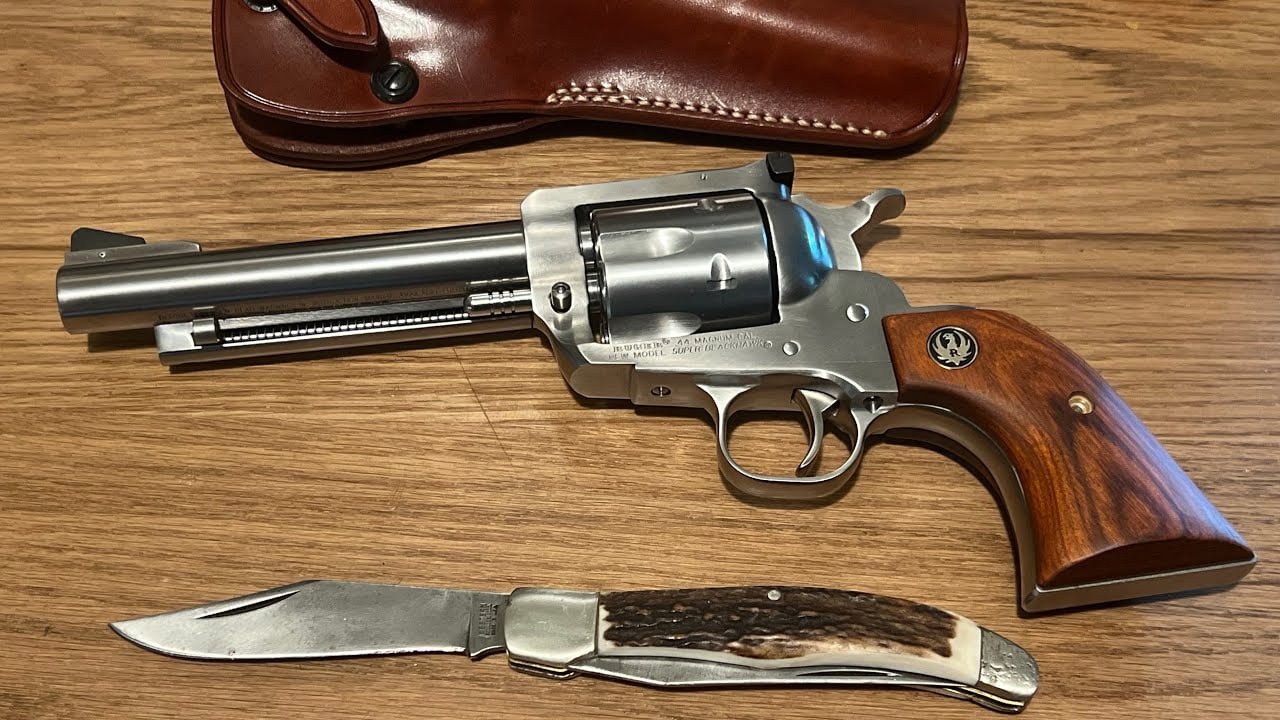
Single-actions aren’t for everyone, and I get why people move on from them. But a Blackhawk is one of the best “woods loafing” guns ever made. It rides well on a good belt, it’s accurate, and it’ll take loads that would be unwise in lighter guns (within safe, published data and the gun’s limits, of course).
The regret shows up when you realize how relaxing it is to shoot and how dependable it is in the field. There’s no magazine to lose, no slide to foul up, and it doesn’t mind dust. It’s not fast like a double-action, but for a lot of outdoor carry, fast isn’t the whole game.
11. Ruger Super Blackhawk (.44 Magnum)
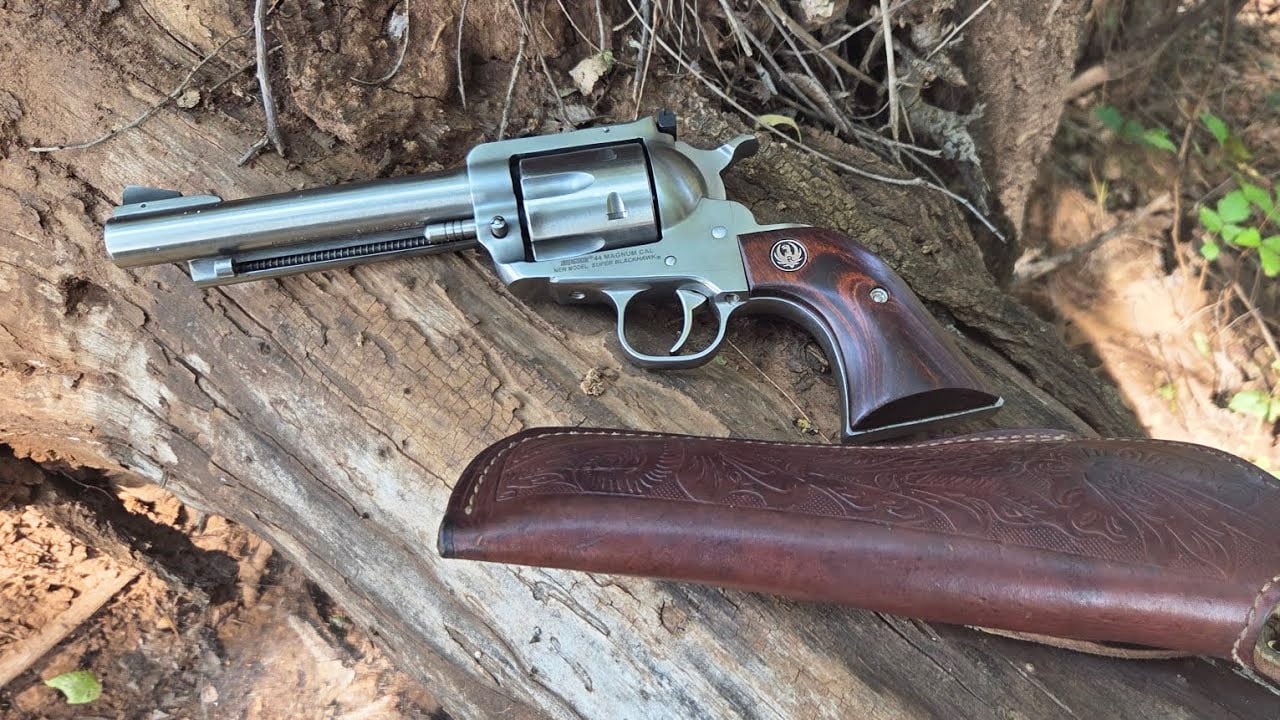
This one gets traded because .44 Magnum scares people off after the first “fun” range session. The thing is, a Super Blackhawk with the right grips and sane loads is far more shootable than many lighter .44 options. It also holds up. You can actually practice with it without wondering what’s wearing out.
Years later, when someone wants a dedicated handgun-hunting revolver or a serious backcountry option, they realize they let a tank go. The Super Blackhawk isn’t a casual carry gun, but it’s a confidence gun, and those are rare when things get loud in the woods.
12. Smith & Wesson Model 629 (stainless .44 Magnum)
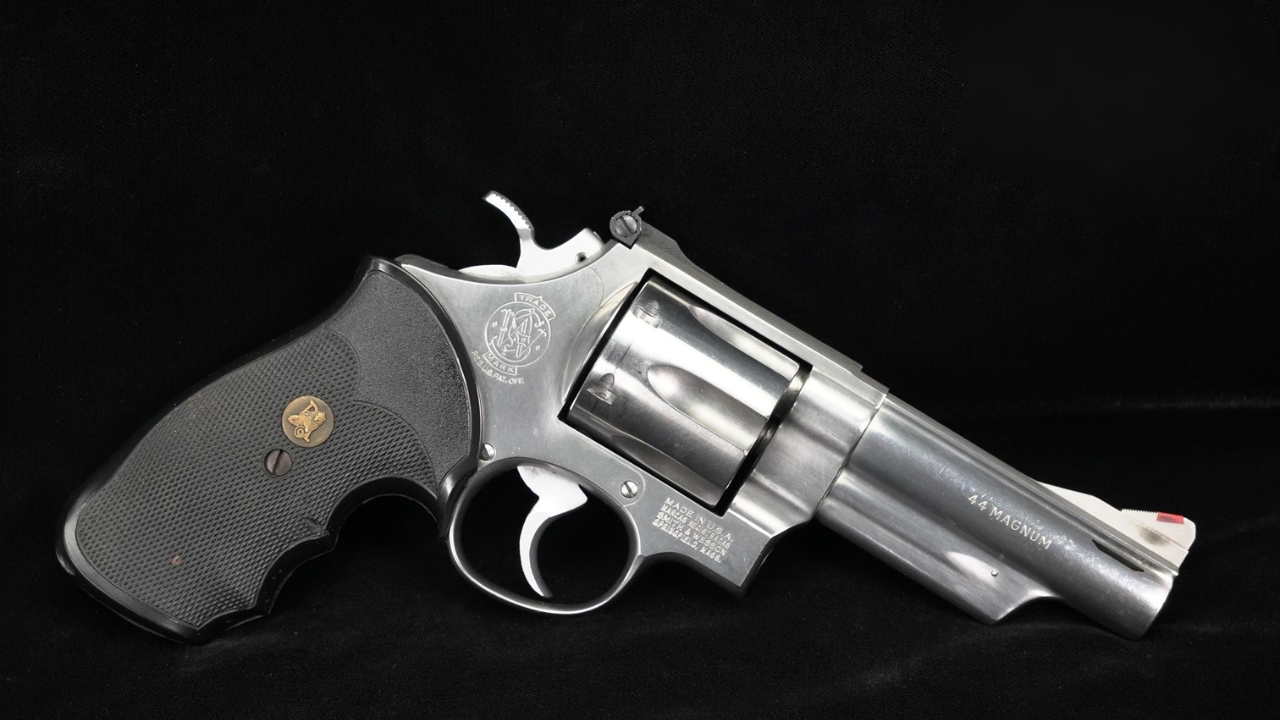
The 629 is one of those revolvers that ends up being more practical than people expect. Stainless is forgiving around sweat, rain, and rough handling. With .44 Specials, it’s pleasant. With magnums, it’s serious. That flexibility is the whole point of owning a .44 revolver in the first place.
Regret comes when a guy trades it for some new wonder pistol and then realizes he doesn’t actually trust that new gun in cold weather, dirty conditions, or after it rides around the truck all season. A 629 will still be there, still locked up, still doing the job if you do yours.
13. Smith & Wesson Model 686 (L-frame .357)
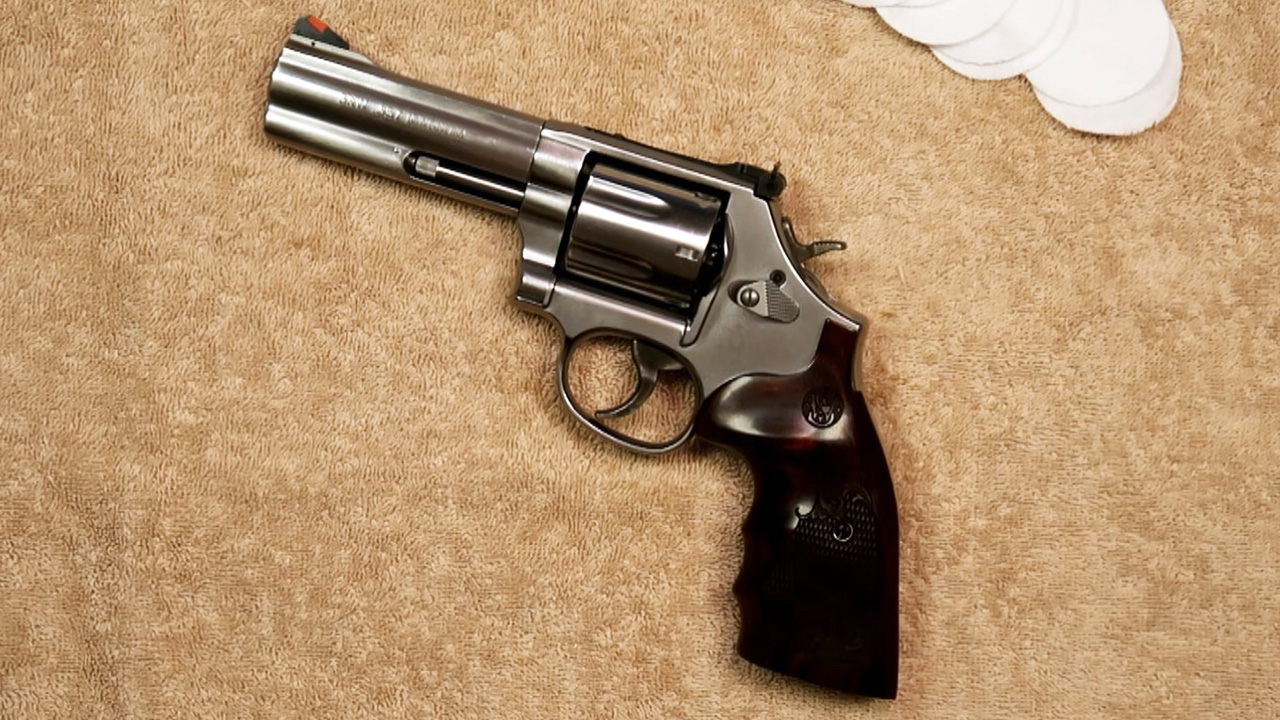
The 686 is what a lot of folks should buy first if they want a .357 they’ll actually shoot. The L-frame is a sweet spot—bigger than a K-frame, not as bulky as an N-frame, and usually accurate enough to make small groups feel normal. The weight makes practice doable, which matters more than internet opinions.
They get traded because they’re common. That’s the mistake. A common gun that works is a gift. When you finally want a dependable revolver for the nightstand, for the range, and for the farm, you remember that you already owned the exact answer and swapped it away for something shiny.
14. Smith & Wesson Model 617 (.22 LR)
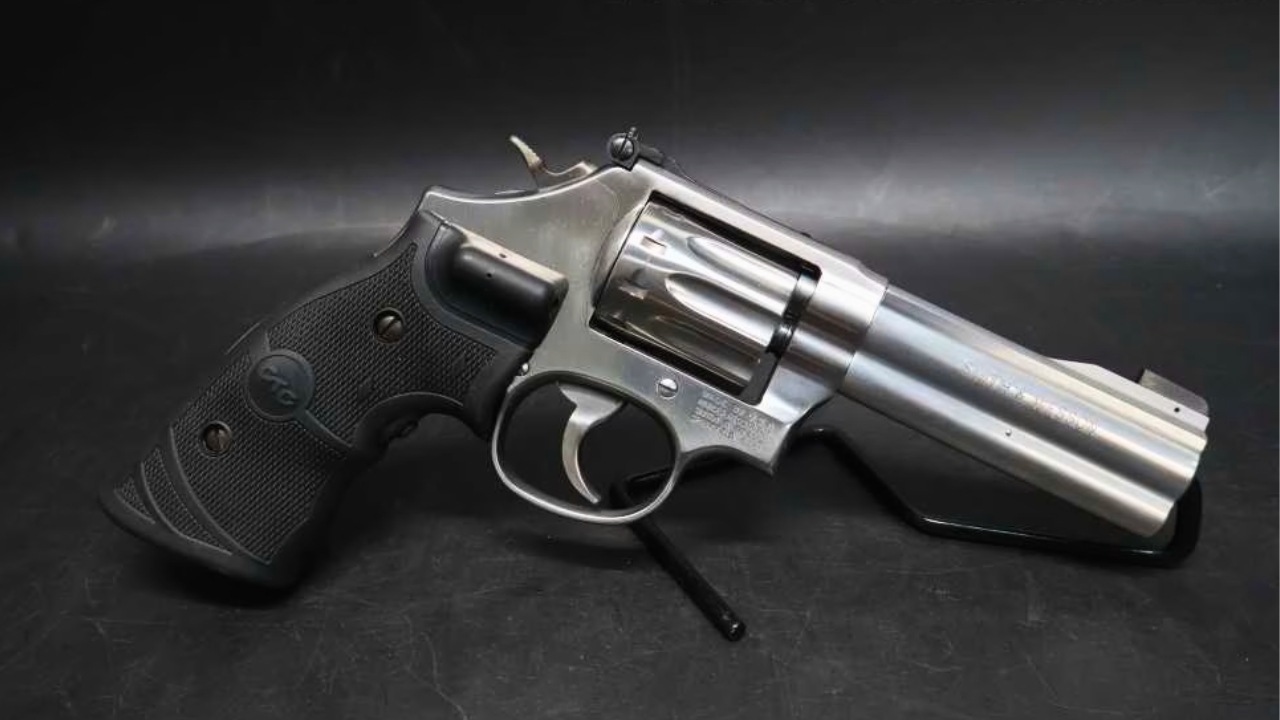
Trading away a good .22 revolver is a special kind of regret because it messes with your training. The 617 is heavy, accurate, and easy to run well. It’s the revolver that lets you practice double-action trigger control without burning centerfire money every weekend.
It also fills a real outdoor niche. A .22 revolver is handy for pests around barns, for a trapline kit, or for just riding along when you’re doing chores. When ammo prices jump or you’re trying to bring a new shooter along slowly, you suddenly remember how useful a good .22 wheelgun is.
15. Ruger SP101 (3-inch .357)

The SP101 is stout for its size, and it carries like it means business. The 3-inch version in particular is a good compromise: enough sight radius to hit with, enough barrel to get useful velocity, still small enough to disappear under a jacket. It’s not a target gun, but it’s a very steady little revolver.
People ditch them because the factory trigger can be stiff and because it’s heavier than some pocket guns. Then they buy something lighter and realize they don’t like shooting it, so they don’t practice. An SP101 that you actually shoot beats a featherweight revolver that lives in a drawer because it hurts your hand.
16. Colt Trooper Mk III (.357)
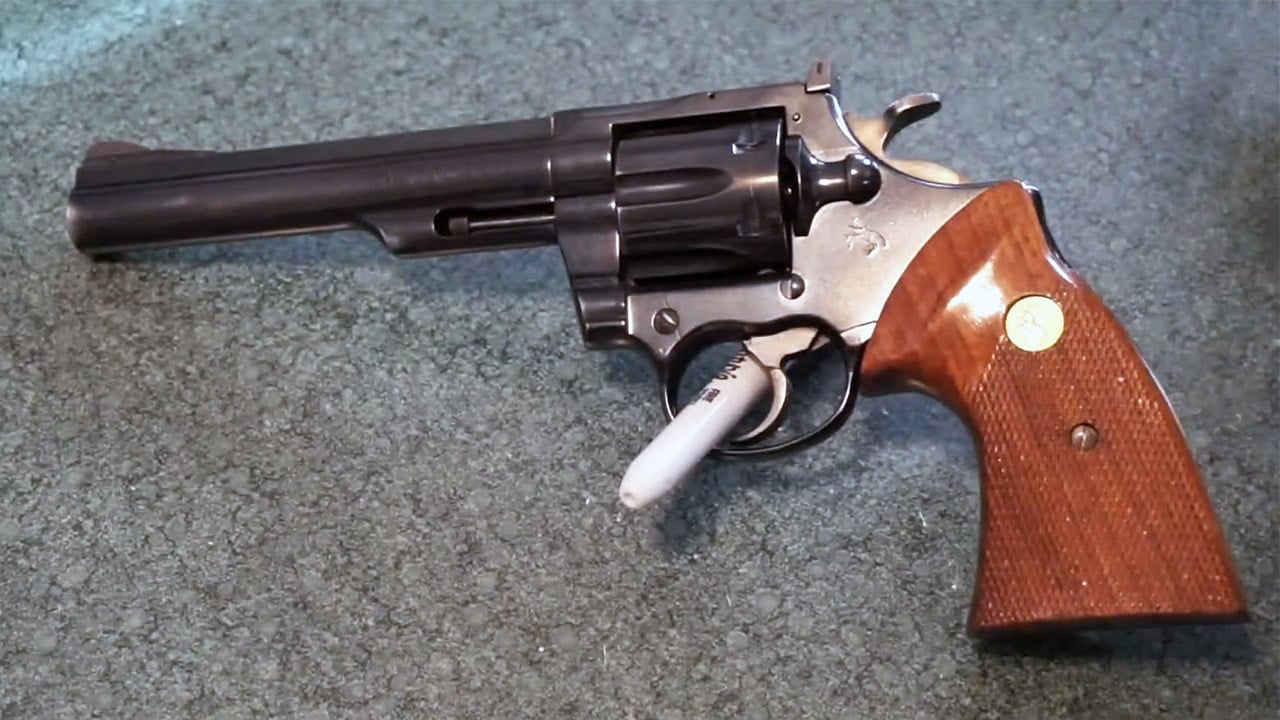
The Trooper Mk III doesn’t get the same attention as the Python, which is exactly why it’s a common “trade fodder” revolver. But they’re solid guns with good barrels and a feel that’s still unmistakably Colt. They also tend to be accurate enough that you start blaming yourself instead of the sights.
The regret comes when you realize you traded away something with character for something forgettable. Mk III Troopers also hit that sweet spot where they’re collectible enough to be interesting but not so precious you’re afraid to shoot them. If you find one that hasn’t been tinkered with, it’s an easy gun to like.
17. Dan Wesson Model 15 (.357, interchangeable barrels)
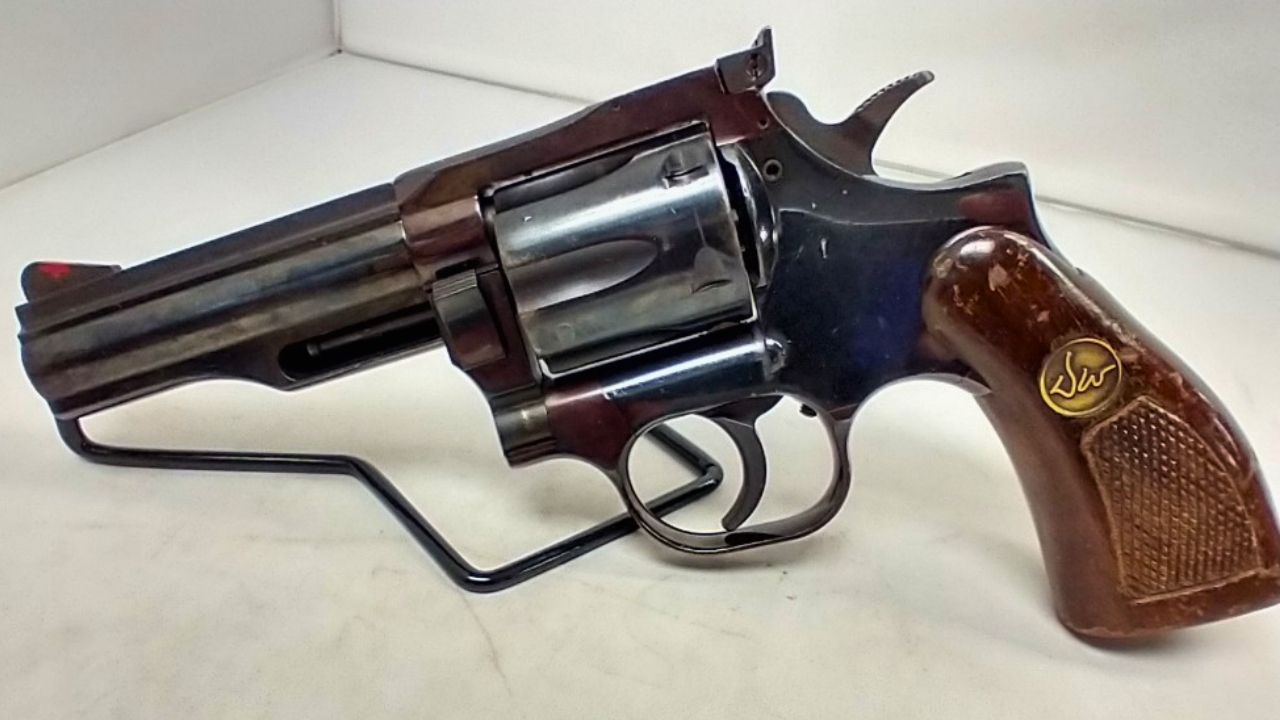
Dan Wessons are a little odd, and that’s why they get traded. The system looks complicated if you’re used to simple fixed-barrel revolvers. But once you’ve owned one, you understand the appeal: strong lockup, excellent accuracy, and the ability to set the gun up for the job you’re doing.
Letting one go usually happens during a “simplify the safe” phase. Then you realize the Dan Wesson you sold was the revolver you could have used for everything from range work to hunting with a longer tube. It’s also the kind of revolver that sparks conversations at the range, because the people who know, know.
18. Smith & Wesson Model 12 (Airweight K-frame .38)
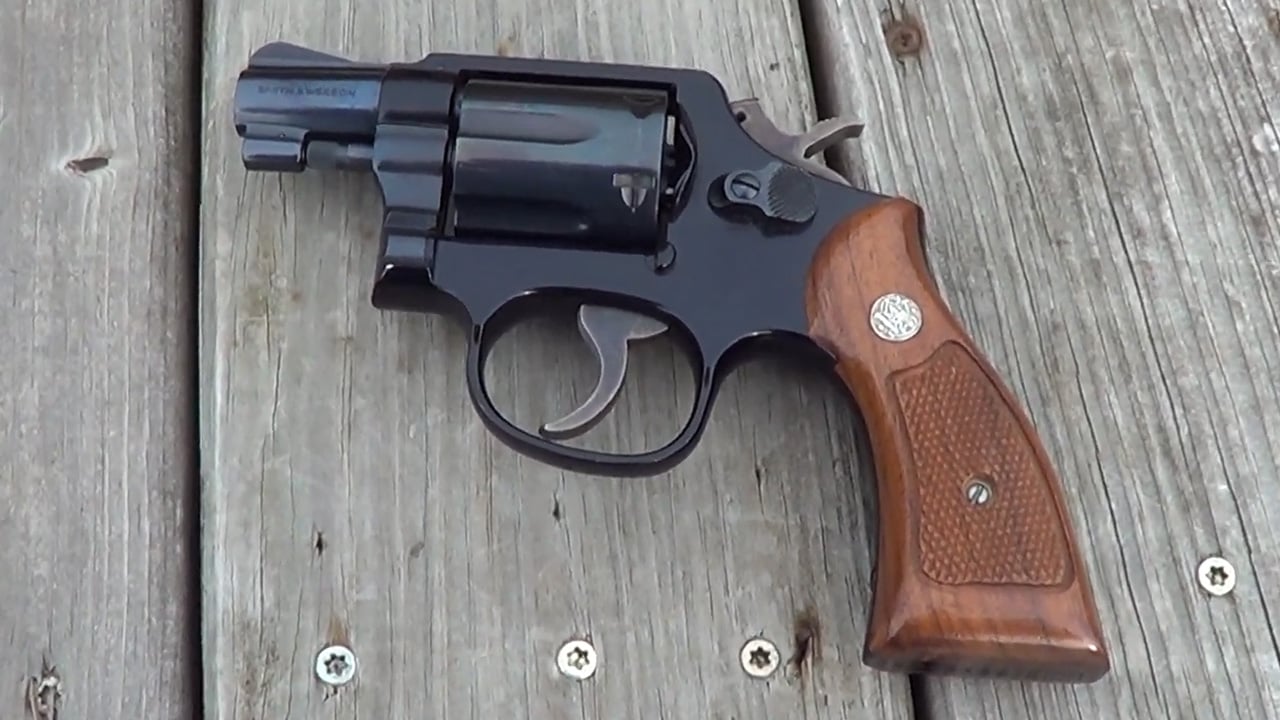
The Model 12 is a carry gun from back when “carry” meant a revolver and a good belt. It’s light for a K-frame, it carries flatter than you’d expect, and it’s still big enough to shoot well compared to tiny snubs. For a woods-walking .38 that won’t drag your pants down, it’s hard to beat.
They get traded because they’re not trendy and because aluminum-frame revolvers make folks nervous. The smart way to treat them is as what they are: .38 Special guns, not a steady diet of hot loads. If you keep it in its lane, it’s a handy, honest revolver that makes a lot of modern carry pieces feel unnecessarily complicated.
19. Ruger Redhawk (.44 Magnum)
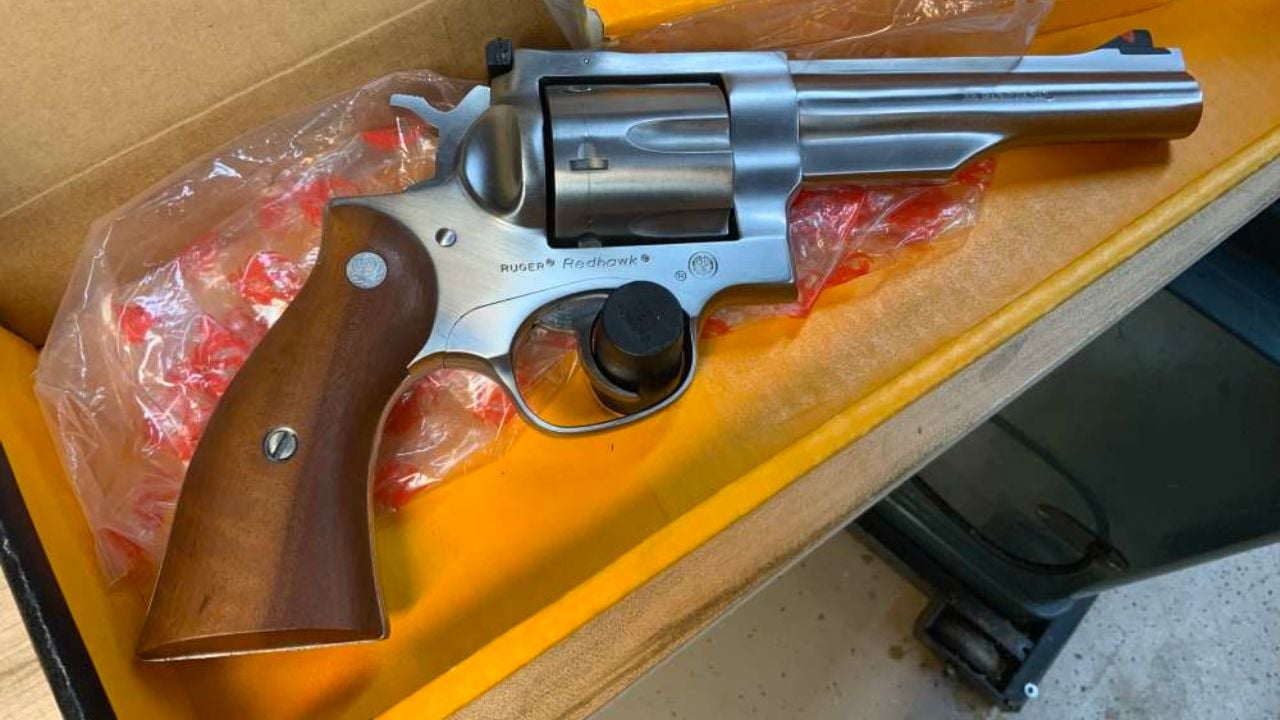
The Redhawk is the revolver you buy when you’re tired of delicate. It’s big, yes, but it’s also the kind of gun you can carry in a chest rig while cutting firewood, hiking, or messing with a downed calf in thick cover. The double-action pull is not always pretty from the factory, but the gun itself is tough.
Trading one away usually happens after a guy decides he wants something lighter. Then he ends up with a lighter gun that he doesn’t enjoy shooting with full-power loads, so it becomes a “just in case” gun instead of a practiced-with gun. A Redhawk invites you to practice because it handles the work.
20. Smith & Wesson Model 48 (.22 WMR)
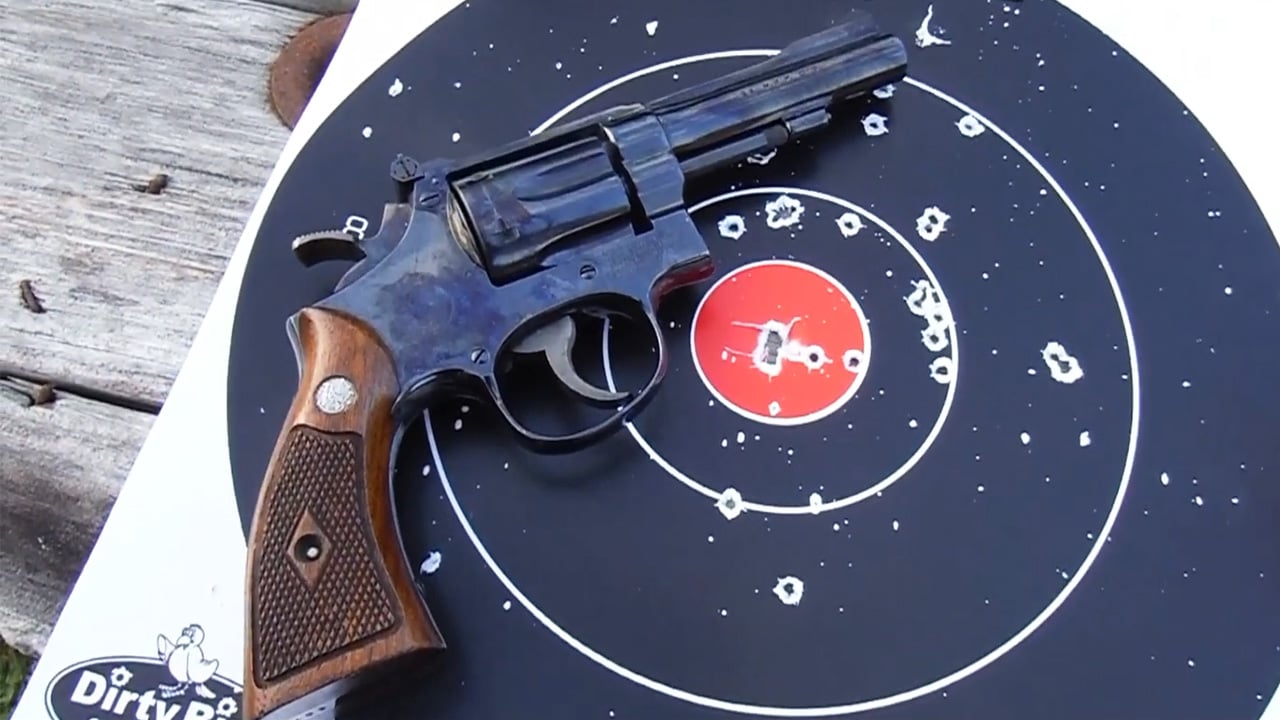
The .22 Magnum revolver is a niche tool, and that’s why it gets sacrificed in trades. But a Model 48 is a serious small-game and pest revolver when you want more reach and authority than .22 LR, especially out of a longer barrel. It’s also one of those guns that makes a walk in the woods more interesting.
Regret shows up when you’re sitting on a hay bale looking at a problem critter at a distance where .22 LR starts feeling iffy. A good .22 WMR revolver also tends to be accurate and easy to live with. You don’t need it every day, but when you do, you really do.
I’m not saying never trade a gun. I am saying don’t trade away a revolver that’s already proven itself in your hands just because you’re restless or chasing the next thing. If you’re going to make a deal, write it down, take a picture, and remember what you’re letting go. Because twenty years is a long time to miss a good wheelgun.
Like The Avid Outdoorsman’s content? Subscribe to our newsletter so you never miss an article.
Here’s more from us: