Photo credit: Ozzie Reviews/Youtube
I’ve sold guns for two reasons: I didn’t want them anymore, or I needed cash fast. The first kind of sale is usually clean. The second kind leaves a mark, because you’re not picking what you’d sell on a calm Saturday with a cup of coffee. You’re picking what will move today, what the shop will actually cut a check for, and what won’t cause a family argument.
Years later, you can replace some of them without much drama. Others? They’re gone in a way that doesn’t really come back, even if you buy the same model again. Maybe it was the exact wear pattern, the trigger you had just right, or the hunts it had already been on. Here are 20 that walked out of my safe when money got tight, and why each one still leaves an empty slot.
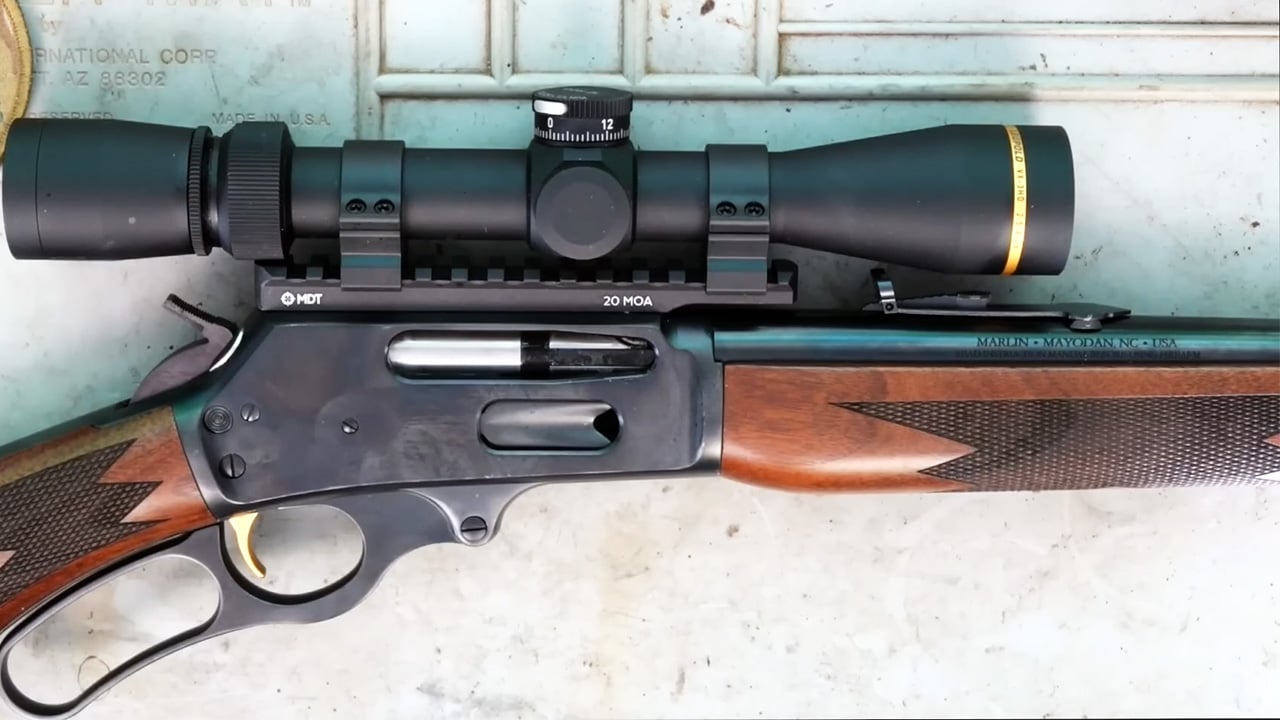
1. Marlin 336C (.30-30)
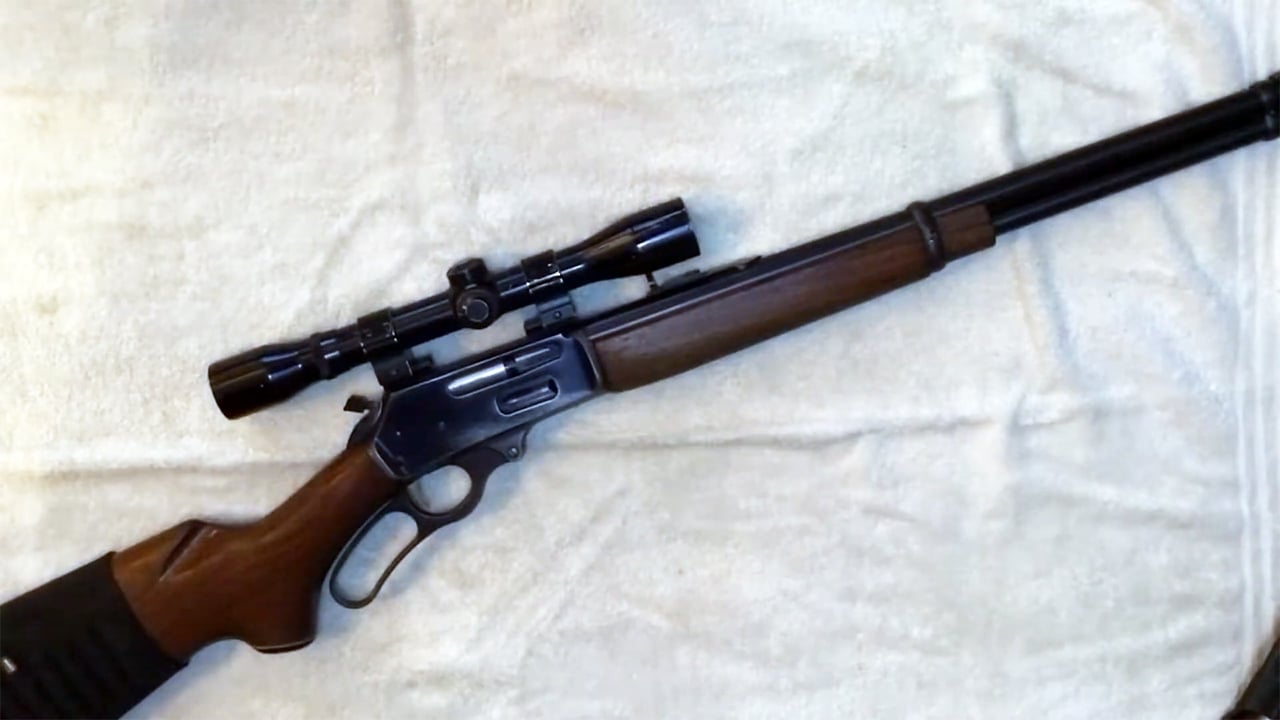
The .30-30 lever gun is the definition of “grab it and go.” Mine carried flat against the body, didn’t snag on brush, and balanced right between the hands like it was built for still-hunting. I had it sighted for the ammo I could actually find, not boutique loads, and it would put shots where they needed to go inside normal woods ranges.
When I sold it, I figured I’d just snag another 336 later. That was naive. The older ones with a smooth action and decent wood aren’t sitting unloved on every rack anymore, and the prices climbed while I was busy paying bills. I can hunt with other rifles, sure, but a good .30-30 lever gun has a way of making you hunt better because it’s so easy to live with.
2. Ruger M77 Mark II (stainless, .270 Winchester)
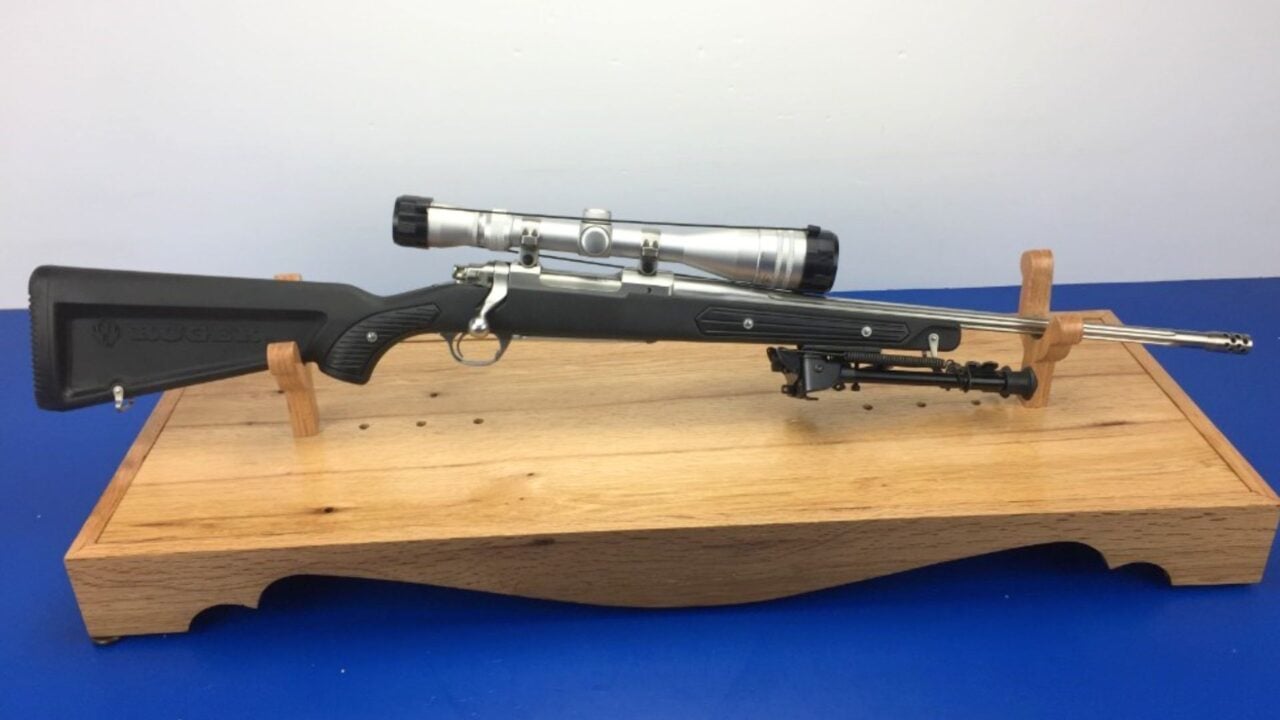
This was my “bad weather” rifle before I even called it that. Stainless, controlled-round feed, and a no-nonsense feel that didn’t ask permission. It wasn’t the lightest rifle, but it rode in a scabbard well and never acted fussy about dust, pine needles, or getting wiped down late.
The reason it stings is simple: it always worked. The safety was positive, the bolt lift felt the same in July as it did in November, and it shot honest hunting groups with regular soft points. When you let go of a rifle like that, you realize how many newer guns are “fine” until something goes sideways. That Ruger never did.
3. Remington 870 Wingmaster (12 gauge)

A good Wingmaster has a slickness you notice the first time you rack it. Not loose, not gritty—just smooth. Mine had the kind of blueing that made you want to wipe it down after every wet morning. It was the shotgun I handed to new shooters because it ran and it didn’t feel cheap in the hands.
I sold it because it was worth real money and I was staring at real expenses. The replacement problem is that not every “870” is the same story anymore, and the older Wingmasters keep getting further away. There are other pumps that do the job, but none of them feel like that particular shotgun did when a grouse blew up out of alder branches.
4. Browning A-5 (Belgian, 12 gauge)
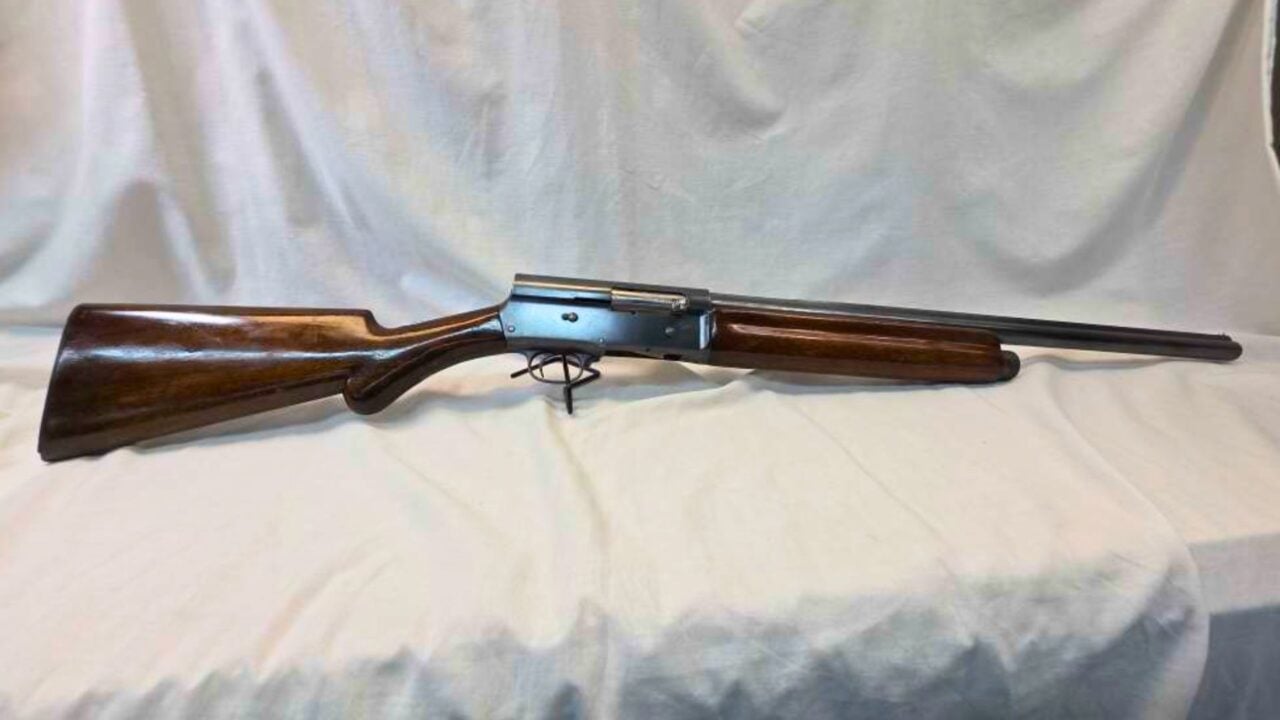
This one wasn’t practical in the modern sense. It was long, it was different, and it had a personality. The first time you shoot an old Auto-5 and feel that long recoil action doing its thing, you either hate it or you grin. I was a grinner.
I get why someone would cash one out. They’re valuable, and they’re not as simple as a gas gun when it comes to setup and recoil rings. Still, letting go of it felt like selling a piece of history that happened to kill birds. Every time I see one at a gun show, I pick it up and feel that same profile, and I know exactly which bill I paid with it.
5. Winchester Model 70 (pre-64 style, .30-06)
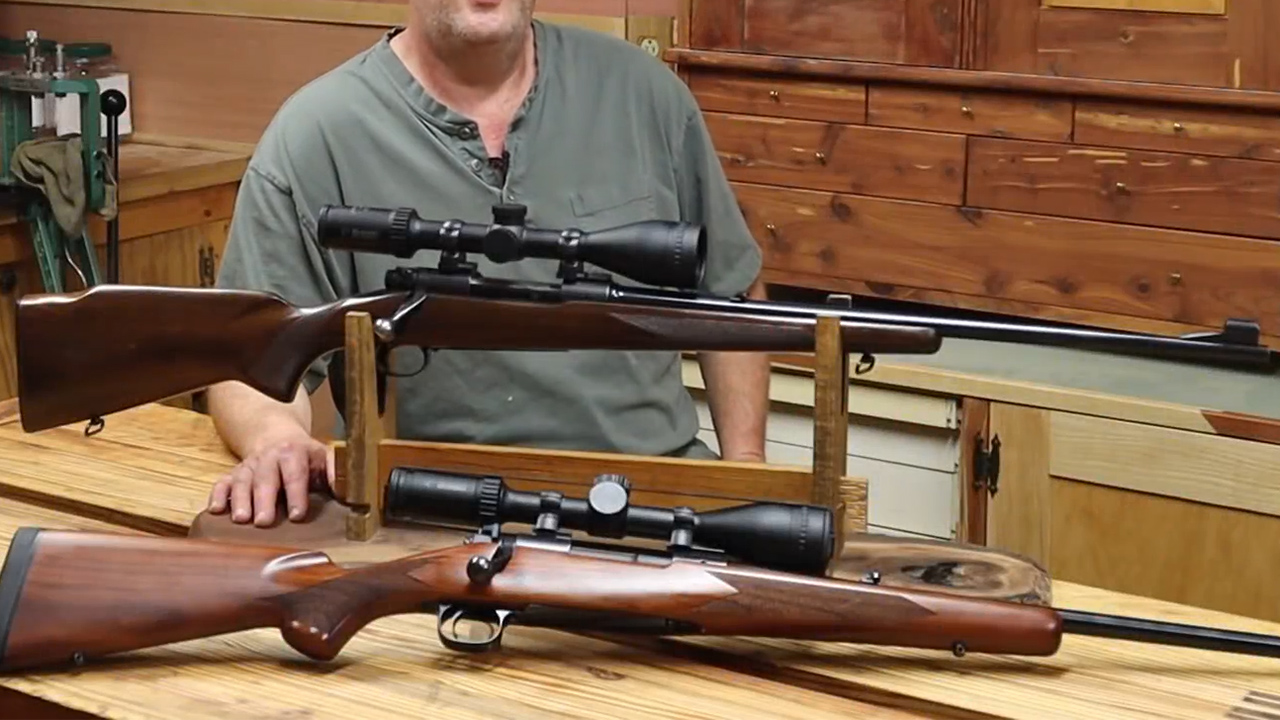
This rifle taught me what “points well” actually means. Not in a magazine-review way, but in a steep-hillside, offhand-shot way where you don’t have time to think about cheek weld. It came up naturally, and the sights were where my eyes expected them to be.
The .30-06 isn’t romantic, but it is steady. You can find ammo in tiny towns, borrow a box from a buddy, and keep going. The replacement cost isn’t the only issue—the feel is. Plenty of rifles shoot tighter groups off a bench. That Model 70 shot deer cleanly when the bench was a stump and the clock was running.
6. CZ 527 (7.62×39)
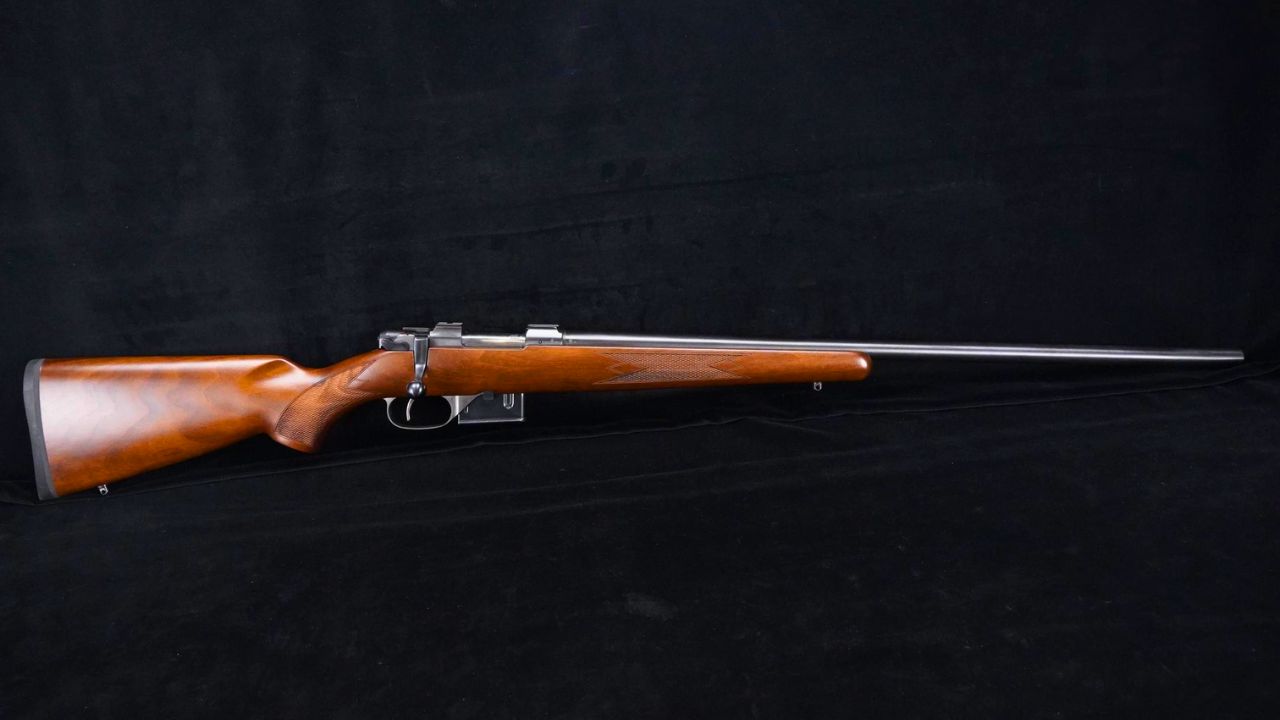
The little CZ was one of those rifles that made no sense until you owned it. A bolt-action in 7.62×39 sounds like a compromise, but in the field it was quiet confidence. Light, handy, and accurate enough for deer inside sensible distances with the right ammo.
It also had that CZ fit and finish that makes you slow down and enjoy working the bolt. The detachable magazine wasn’t perfect, but it was manageable, and the rifle carried like a .22. When I sold it, I told myself I didn’t “need” it. Now I realize it filled a niche that most people don’t even think to fill—a small deer rifle you actually want to carry all day.
Free for gun owners: If something happened to you tomorrow, would your family know where the guns are, who has the safe combination, or what to do first? Our free Gun Owner’s Family Checklist walks them through it. It takes about 15 minutes to fill out. Get your free copy here.
7. Ruger 10/22 (older carbine)
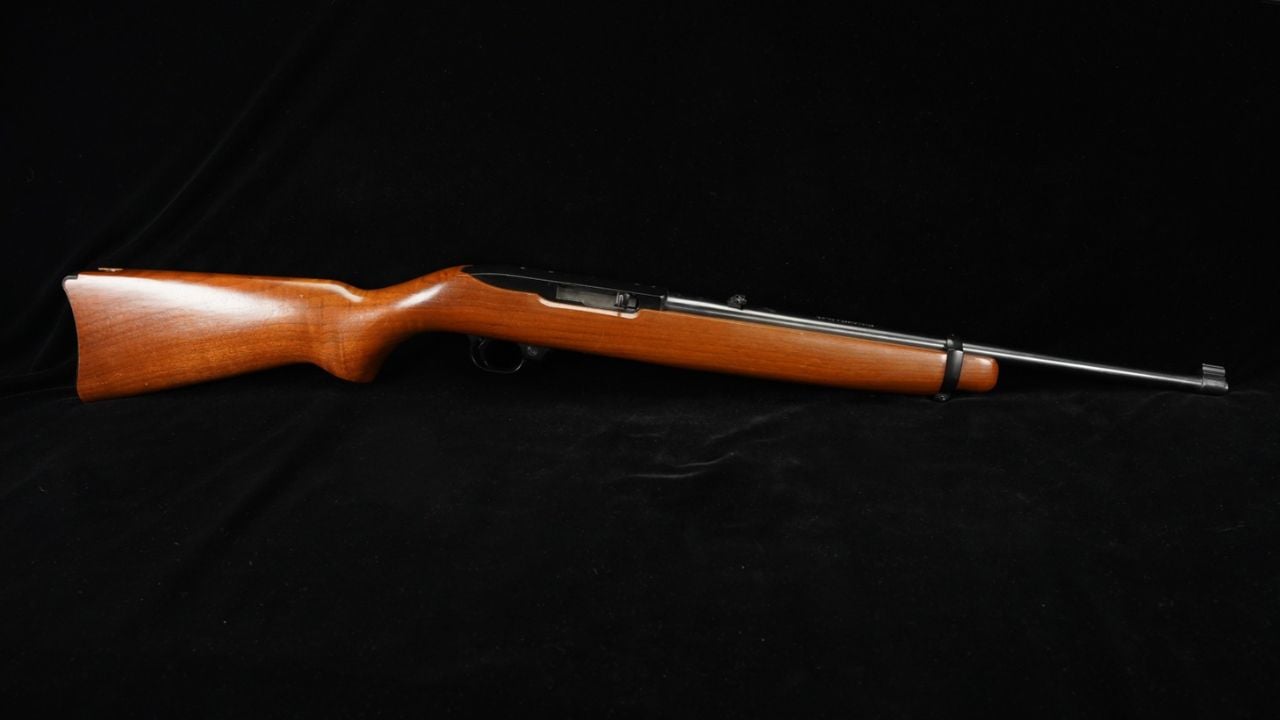
This is the one everyone thinks they can replace without thinking. And you can replace “a 10/22.” What I miss is my 10/22—the one with the trigger I’d smoothed out over time, the sights I liked, and the way it printed with bulk ammo once I figured it out.
A .22 rifle is supposed to be a constant. It lives behind the kitchen door on a farm, rides in a truck, and shows up whenever there’s a raccoon in the barn or a kid ready to learn. When you don’t have that familiar .22, you notice. I’ve owned other rimfires since, but that Ruger was the one that never made the day complicated.
8. Smith & Wesson Model 19 (4-inch, .357 Magnum)
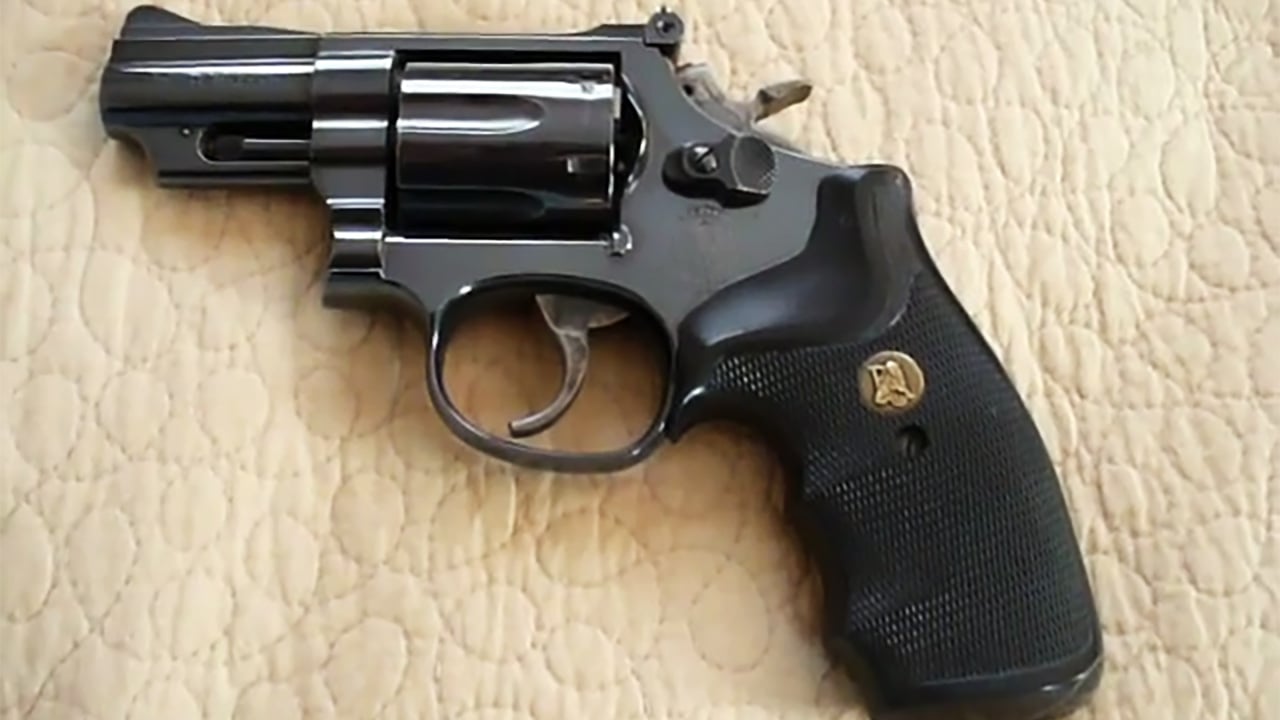
A K-frame .357 is hard to explain to someone who only thinks in terms of “carry gun” or “range toy.” The Model 19 was both. With .38s it was calm and friendly. With .357s it meant business without beating you up like a boat-anchor revolver.
I sold it during a stretch where every dollar felt spoken for. The regret comes back anytime I handle a newer revolver that feels a little rough, a little too sharp on the edges, or just a little soulless. That old Smith had a trigger that made you look like a better shooter than you were, and that’s not nothing. It was also the kind of gun you could hand down and feel good about.
9. Colt Python (6-inch, .357 Magnum)
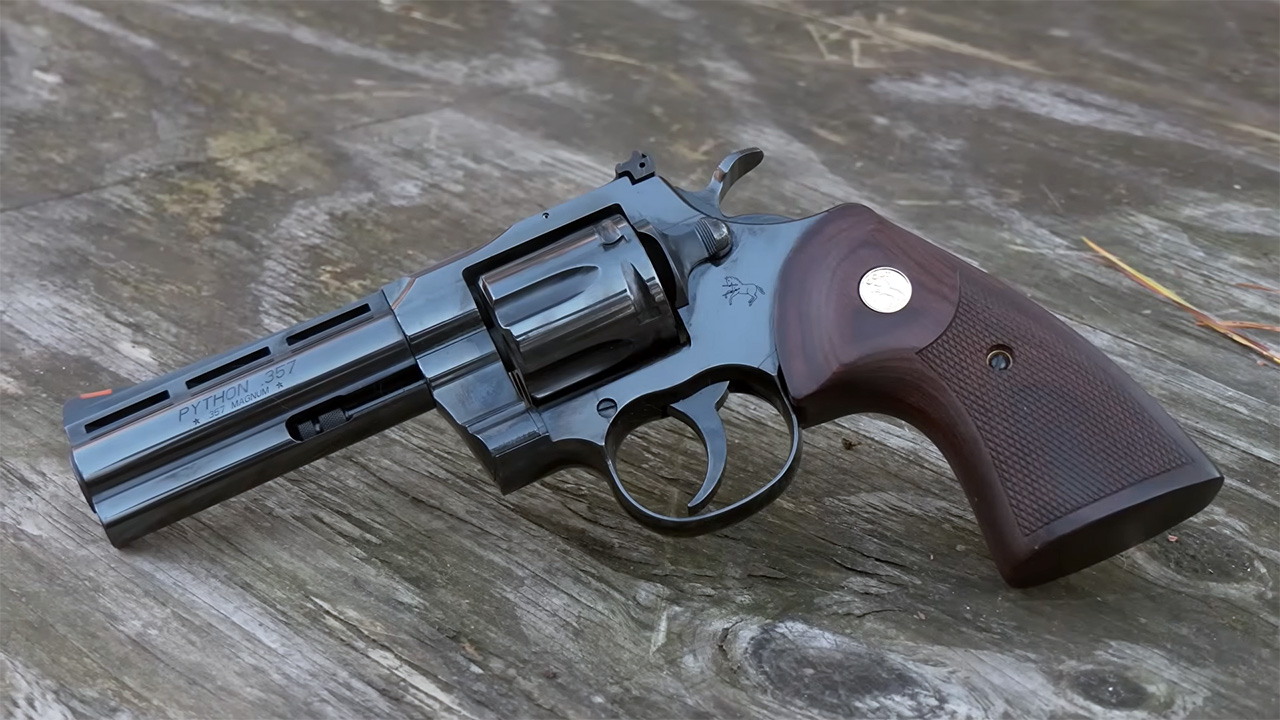
This one hurts because it wasn’t just a gun, it was an event every time it came out. The balance, the rib, the way the cylinder locked up—it felt like somebody cared when it was built. Mine wasn’t a safe queen either. It was shot, carried to the range, and enjoyed.
When money gets tight, a Python looks like an obvious solution: turn steel into cash. And it does, fast. What I didn’t appreciate was how quickly “I’ll buy another later” becomes “I’m not paying that.” Even if you buy one again, it’s not the same revolver with the same wear and the same memories. It’s just another expensive object, and that’s a different feeling.
10. Glock 19 (Gen 3)
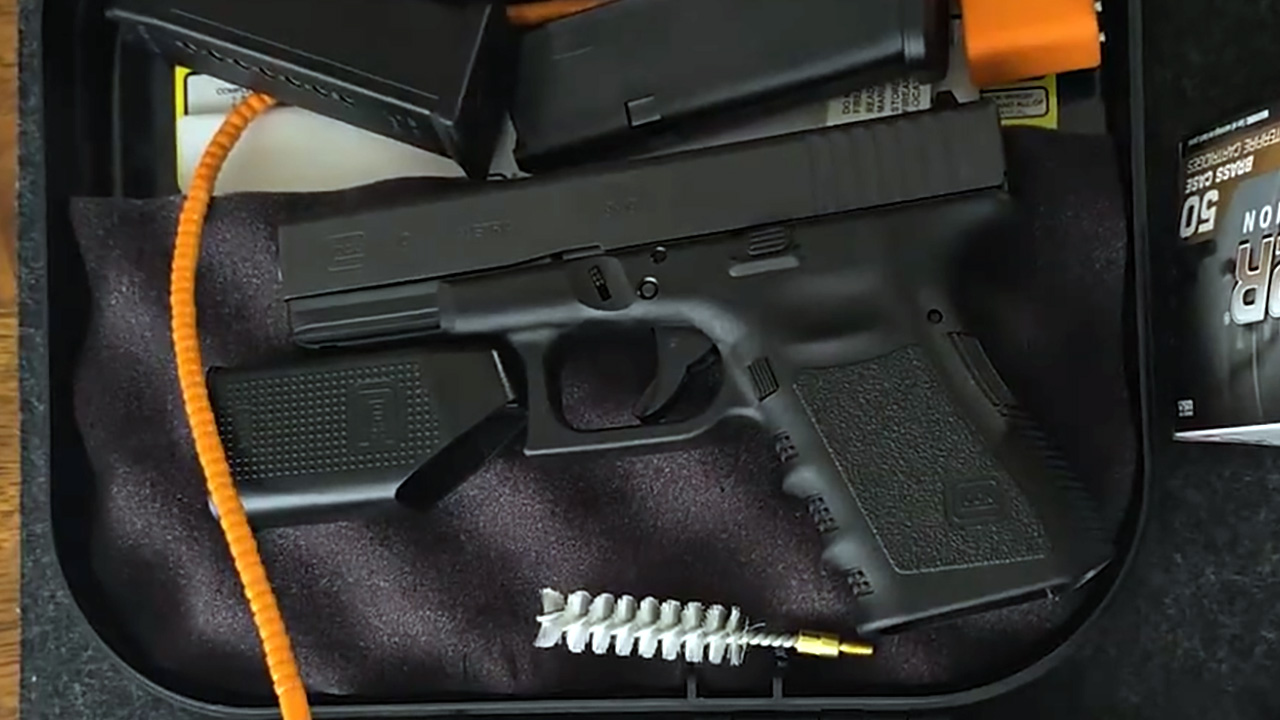
Not every gun on this list is sentimental. Some are just dependable like a good pair of boots. My Gen 3 Glock 19 ran with whatever magazines were on hand, whatever decent ammo I could scrounge, and it didn’t care if it got sweaty or dusty.
I sold it because I had other pistols and I thought I was being smart. Then life reminded me that “other pistols” can be pickier, heavier, or harder to support with parts and mags when you actually need to simplify. The Glock wasn’t exciting. It was better than that. It was the pistol that kept the whole system easy—holsters, spare mags, sight options, all of it.
11. SIG Sauer P229 (9mm)
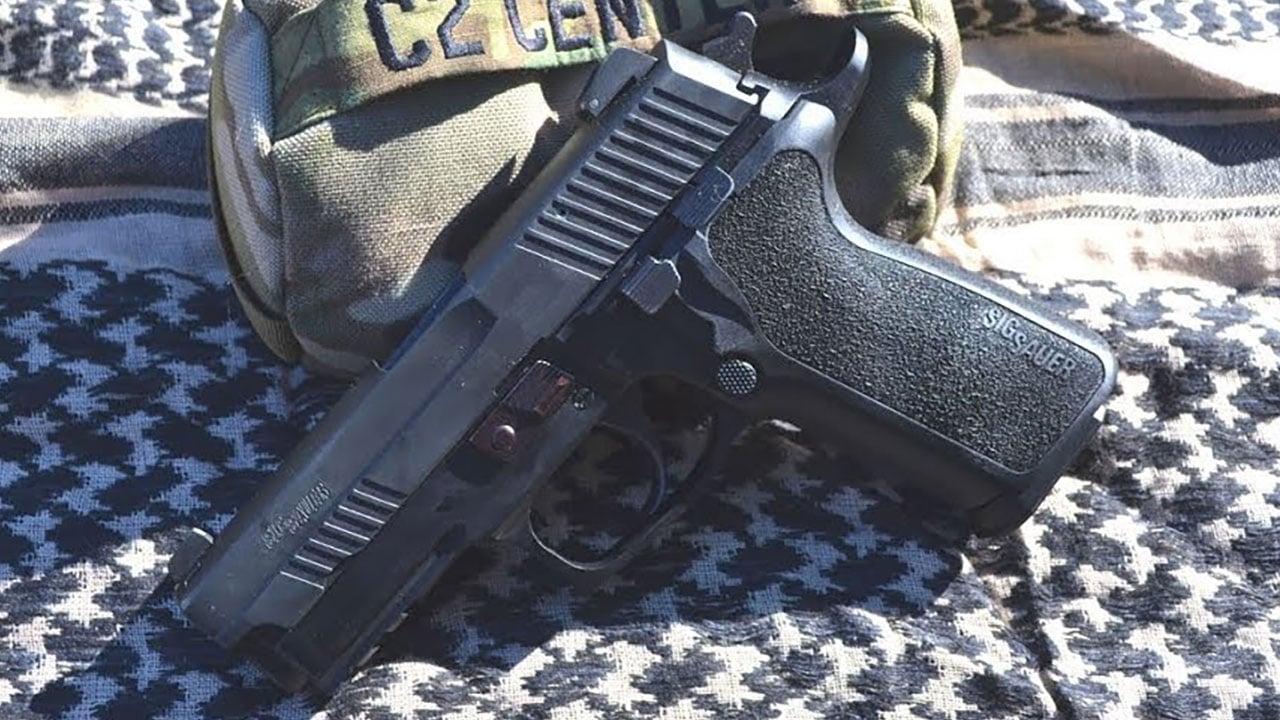
The P229 is one of those pistols that feels overbuilt in a good way. Slide-to-frame fit, weight, and recoil impulse all work together so the gun tracks flat and returns to target like it wants to help you. Mine was a boring kind of accurate, which is exactly what you want in a serious handgun.
It’s not the cheapest gun to feed with magazines and parts, and it’s not the lightest to carry, so I understand why it ends up on the chopping block. What I miss is the confidence it gave me on the range. When you’re shooting fast but trying to keep it clean, some guns feel like they’re fighting you. That SIG didn’t. It made “practice” feel productive, not frustrating.
12. Ruger GP100 (4-inch, .357 Magnum)
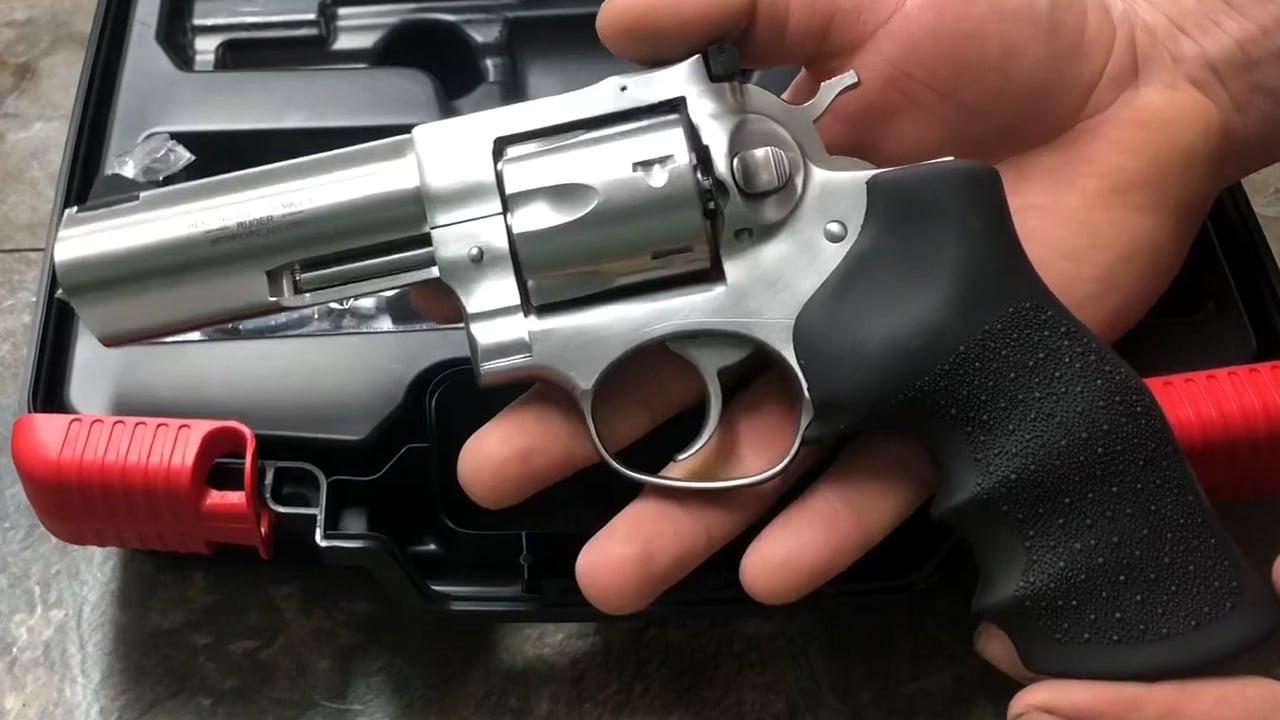
The GP100 is the revolver you buy when you’re tired of drama. It’s not delicate, it’s not fancy, and it’s not trying to be the lightest anything. It’s a working gun, the kind you can run hard with full-house loads and not feel like you’re committing a sin.
I let mine go thinking I’d moved past revolvers. Then I spent more time in the woods and around rural properties and remembered why a tough wheelgun makes sense. Snakes, feral dogs, that odd feeling when you’re checking a fence line alone—having a simple, reliable revolver has value even if you carry something else day to day. And when you find a GP100 with a trigger you’ve already learned, it feels like home.
13. Henry H001 (Classic .22 lever action)
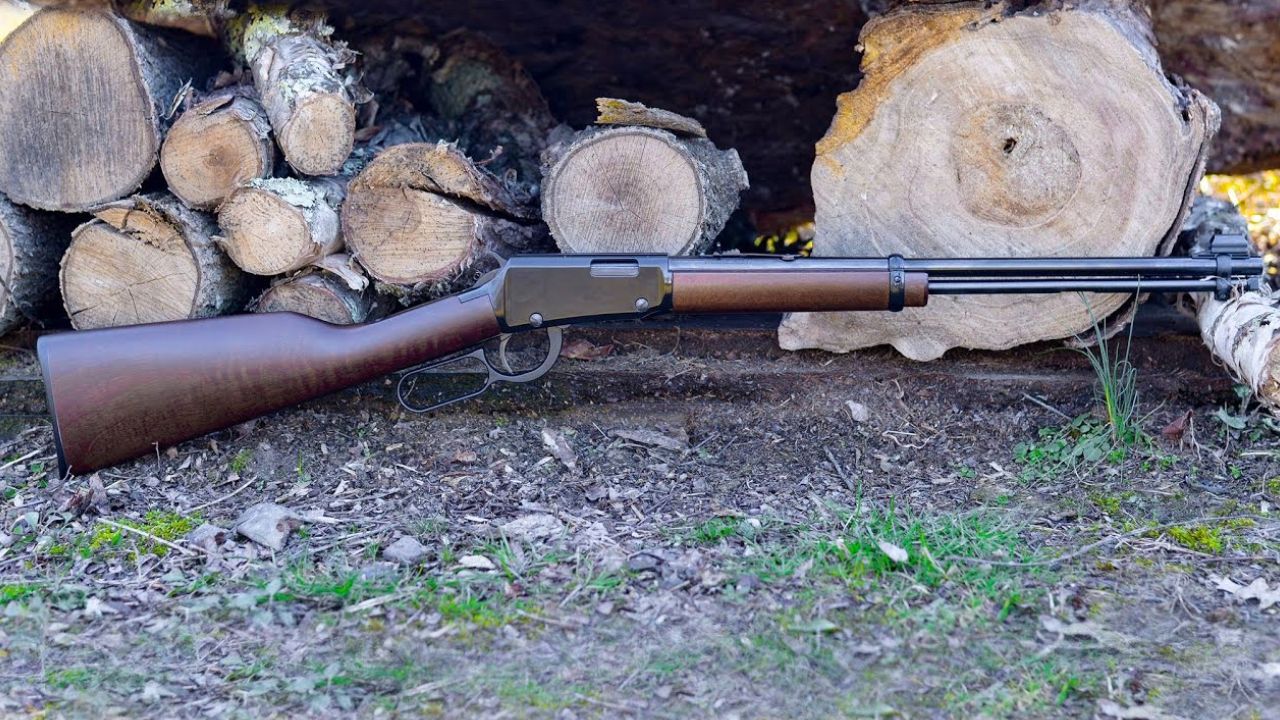
This rifle was pure fun, but it wasn’t just a toy. It was the gun that came out when neighbors stopped by, when kids wanted to shoot, and when you needed to thin pests without making it a big production. The lever throw was smooth, and it made slow-fire plinking feel like an afternoon well spent.
I sold it because I was trying to be “practical,” and I had other .22s. What I forgot is that the gun you enjoy is the gun you actually practice with. A lever .22 makes you pay attention to basics—sights, breathing, trigger press—without being boring. I’ve shot other rimfires since, but none of them got pulled from the safe as often just because it made the day better.
14. Savage Model 99 (.300 Savage)
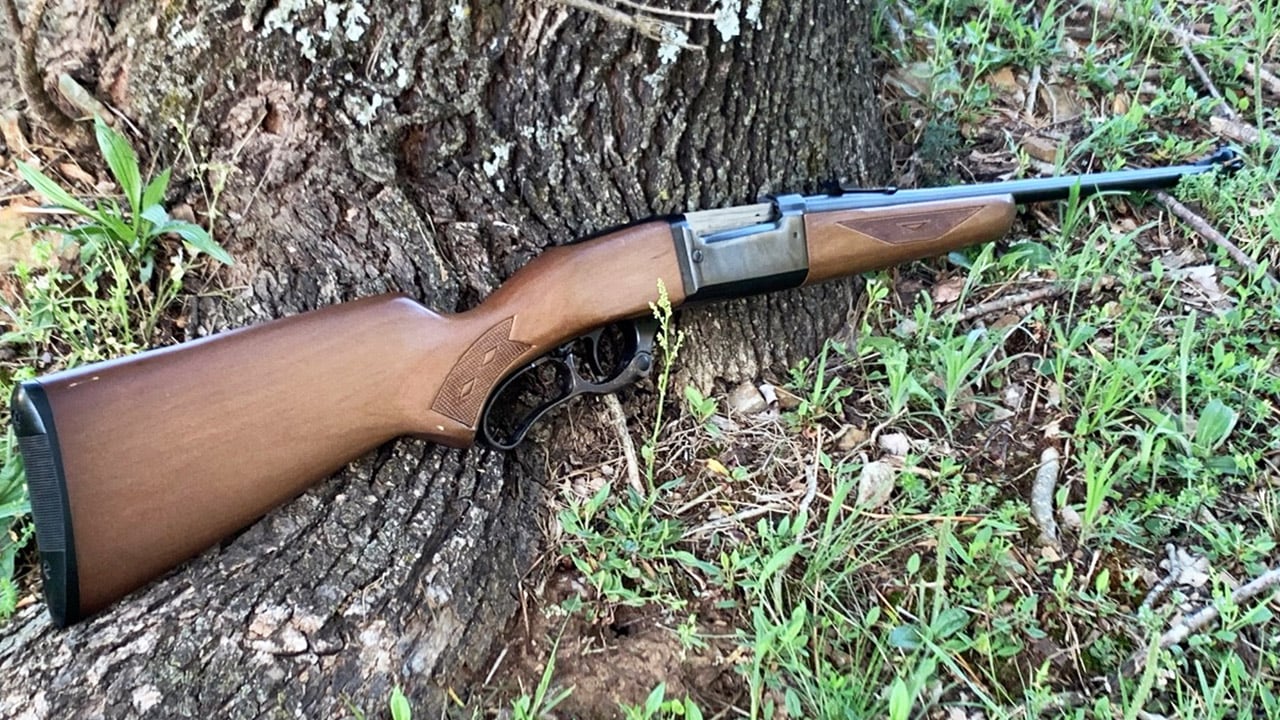
The Savage 99 is one of those rifles that makes you stop and look, even if you’re not a collector. Mine had honest wear and a rotary magazine that just felt clever. It carried slim and shot better than it had any right to considering its age and the loads I was using.
.300 Savage isn’t on every shelf, and that’s part of why I sold it. Feeding it felt like a chore at the time. Now I realize it wasn’t a chore, it was a commitment, and the rifle was worth it. The 99 is also a conversation piece that still does real work in deer woods. When you sell one that you’ve hunted with, you don’t just lose a tool—you lose a link to how rifles used to be built.
15. Mossberg 590A1 (12 gauge)
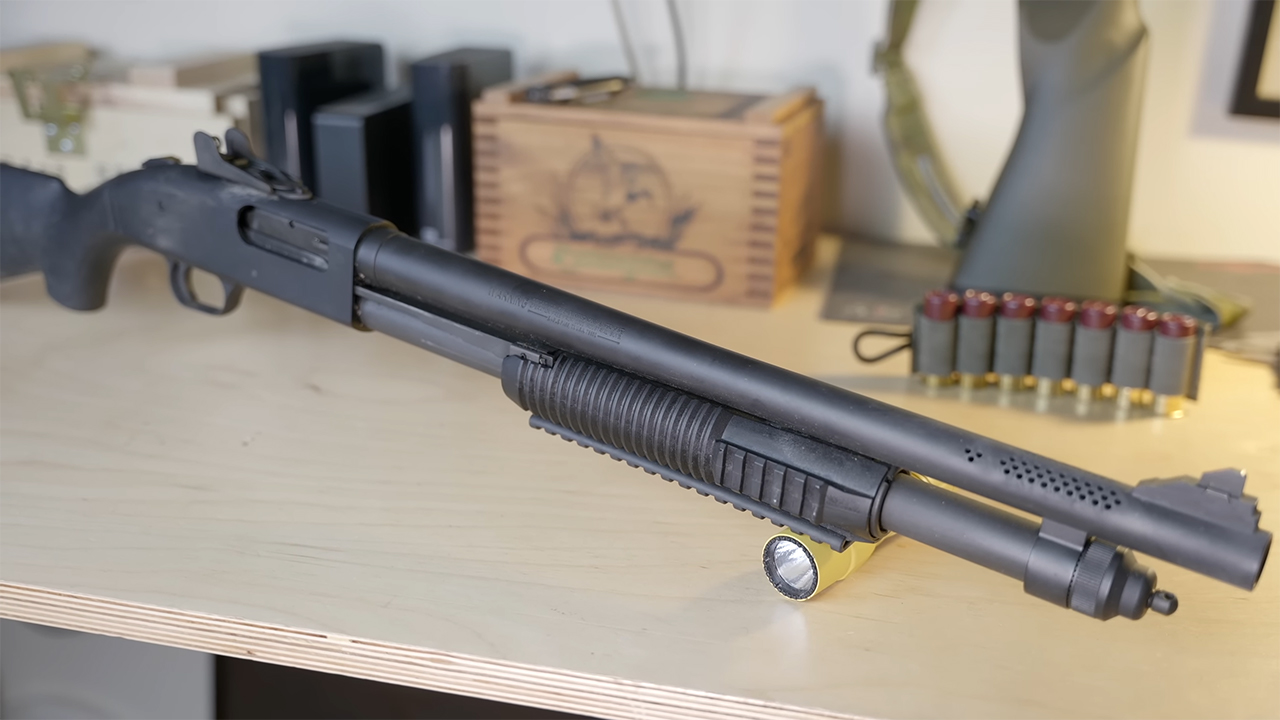
This shotgun was not graceful. It was heavy, clunky in the best way, and it felt like it could survive being bounced around in the floorboard of a truck for a decade. The safety location was perfect for how I run a pump gun, and the ghost rings on mine were fast up close.
I sold it during a phase where I convinced myself I didn’t need a dedicated defensive shotgun. Then I spent a few years on a rural place where things go bump in the night and the driveway is longer than you want it to be. A 590A1 isn’t for everyone, but as a “simple and ready” option it’s hard to beat. The replacement isn’t hard to buy; what’s hard is trusting a new setup the same way.
16. Springfield Armory 1911 Loaded (Government, .45 ACP)

I’ve owned a few 1911s, and I’m not pretending they’re perfect. They take maintenance, magazines matter, and not every one is reliable out of the box. This particular Springfield, though, was the one that ran. It fed what I shot, shot where I aimed, and the trigger made slow fire and practical shooting both feel natural.
When I sold it, I thought I was simplifying calibers and moving on from heavy steel pistols. Then I remembered why the platform has survived: it points like a finger for a lot of hands, and a good trigger covers a lot of sins. .45 ACP isn’t cheap, but there’s something about a full-size 1911 on a cold range day that still feels right. That one had earned its place.
17. Ruger Blackhawk (Convertible, .357/9mm)
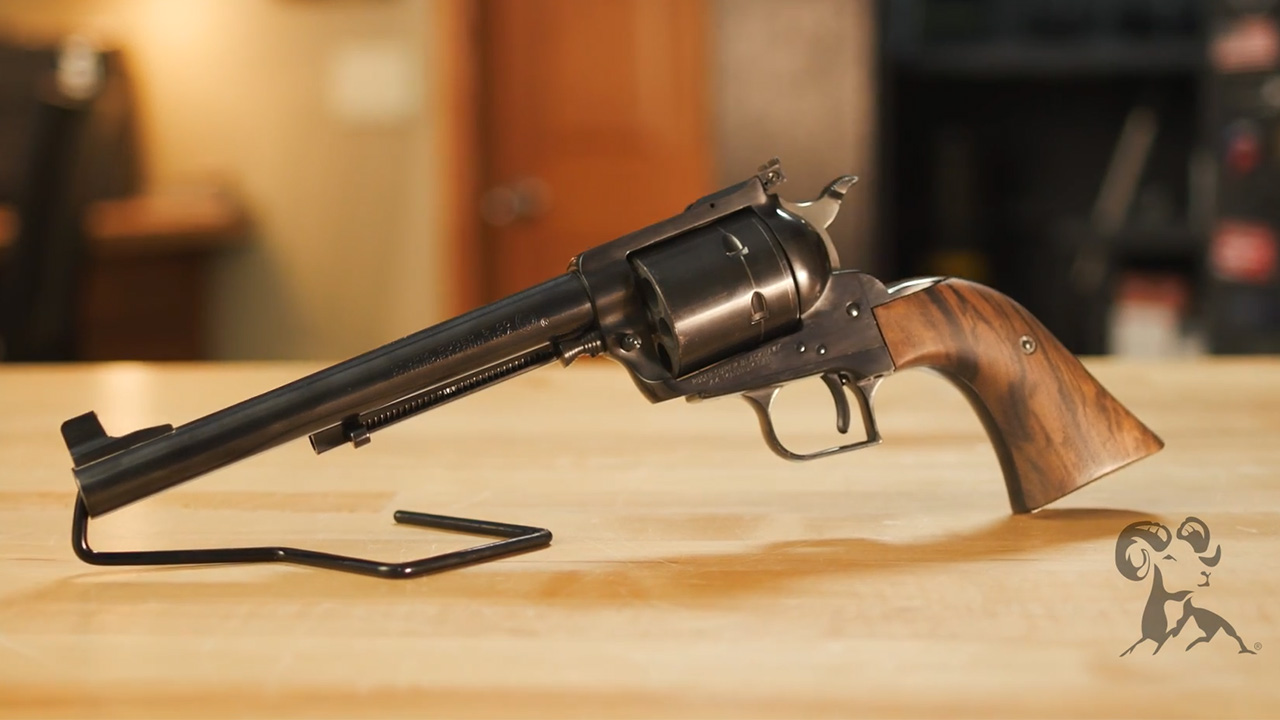
A single-action revolver is not “necessary,” and that’s exactly why I miss it. Mine was the convertible model, and being able to shoot .357 or 9mm made it the most useful fun gun I’ve owned. It was what I grabbed for camp, for stump shooting with safe backstops, and for relaxing practice that didn’t feel like work.
The Blackhawk also taught patience. Slow loading, deliberate shooting, and paying attention. In a world of high-capacity everything, that’s a good habit to keep sharp. I sold it because it wasn’t part of my “serious” lineup. Looking back, that was a mistake. Serious guns are important. Guns that make you want to shoot are important too, because skill doesn’t show up by accident.
18. Weatherby Vanguard (First Gen, .243 Winchester)
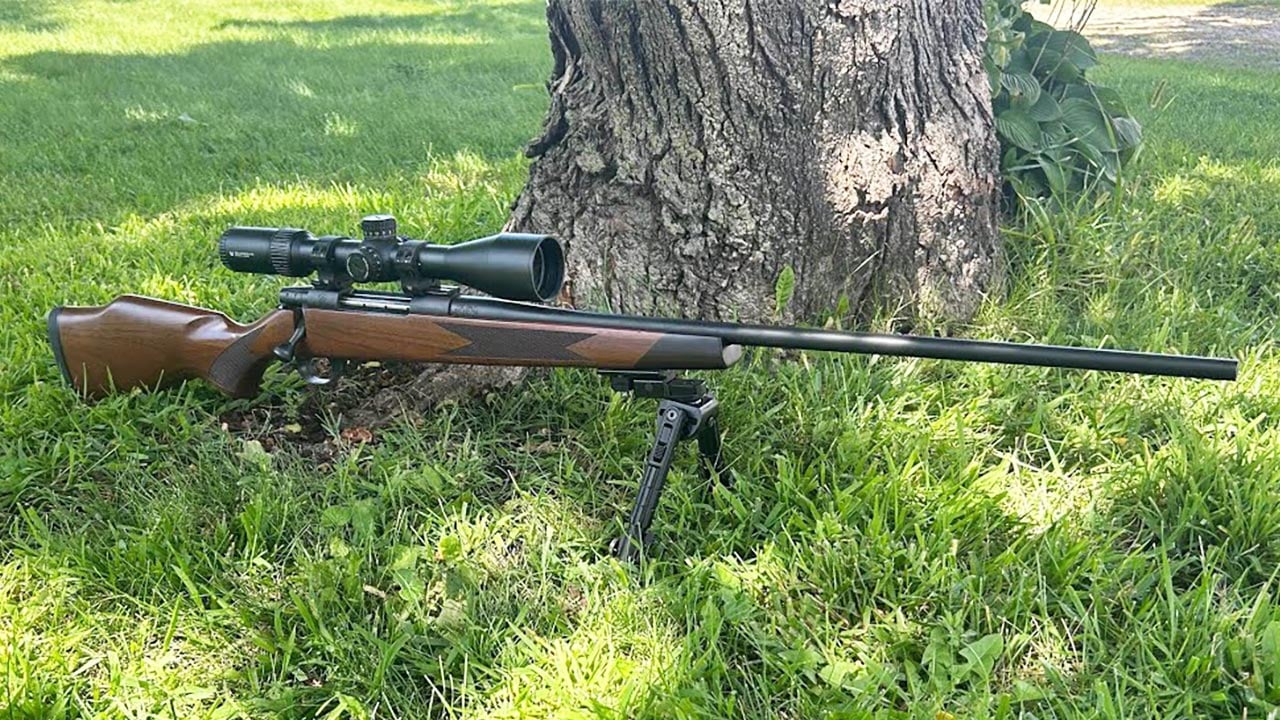
This rifle was my loaner deer gun and my “new hunter” rifle, and it did that job perfectly. .243 Winchester gets argued about online, but in the real world it works when you put the bullet where it belongs. The Vanguard was accurate with basic factory loads and didn’t beat anyone up.
I sold it because it felt replaceable. They made a lot of them, and they’re not collector pieces. But the one I had was dialed. Scope mounted right, sling already fitted, and I knew exactly where it hit at 100 and 200. When you’re trying to help someone get their first deer, having a rifle like that is gold. I’ve bought “better” rifles since. None of them filled that easy, confidence-building role as well.
19. Tikka T3x Lite (.308 Winchester)
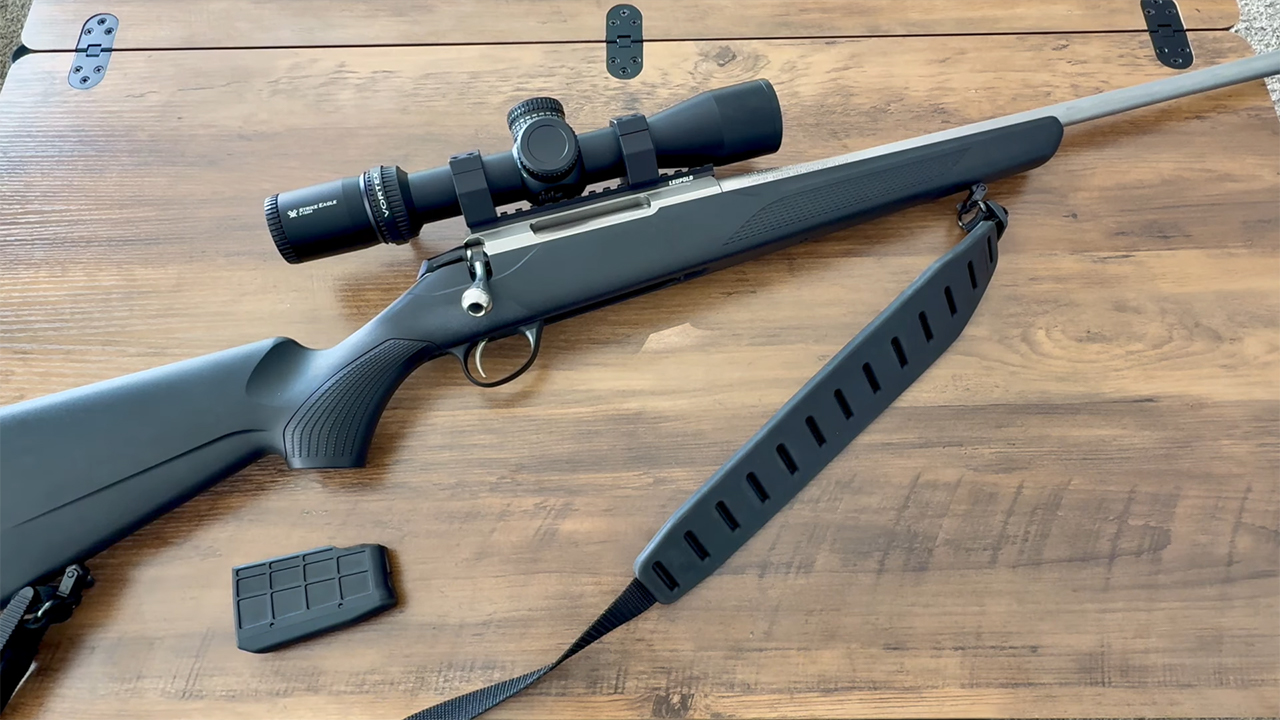
This was the rifle I trusted when I wanted a light carry that still shot. Tikka actions are slick in a way that makes you wonder why everyone else can’t do it. The factory trigger was clean, and the rifle didn’t need much tinkering to be honest accurate.
I moved it because lightweight rifles in common calibers sell fast when you need money. The regret isn’t about status or looks. It’s about having a rifle that made hard hunts easier. A .308 Tikka with a simple scope is about as practical as it gets for deer, hogs, and general use. When you’ve climbed hills all morning, ounces matter. Selling that rifle felt like selling future comfort, and that’s a weird thing to realize after the fact.
20. Beretta 92FS (9mm)

The 92FS is big, and the grip isn’t for every hand. But when it fits you, it’s a smooth shooter with a soft recoil impulse and a reputation built the hard way. Mine was the pistol I brought when I wanted a long range session without beating myself up, and it never gave me reasons to doubt it.
I let it go because it wasn’t my primary carry gun and it tied up money I needed elsewhere. What I miss now is how easy it was to shoot well, especially for newer shooters who struggled with snappy compacts. The Beretta made them look good, and that matters when you’re building safe habits and confidence. I can buy another 92. I haven’t, because I know I’m really trying to buy back a time in life when range days were simpler.
If you’ve never sold guns to cover real life, good. Keep it that way if you can. If you have, you already know the strange part: it’s rarely the most expensive one you miss the most. It’s the one that always worked, the one that carried right, the one you’d already learned. Money problems pass. The space in the safe has a way of sticking around.
Like The Avid Outdoorsman’s content? Subscribe to our newsletter so you never miss an article.
Here’s more from us: