Photo credit: Centerfire Systems/YouTube
Some rifles used to live in the “nice for the money” lane. They were the guns you bought because they were practical, fun, and easy to justify without having to think too hard about the price. Then supply got tight, collectors got interested, imports slowed down, or manufacturers brought them back at prices that no longer felt like the old version of the story. That is how a cheap rifle turns into a rifle people talk about more than they buy.
This is not a ranking by exact dollar increase. It is a gallery of rifles that used to feel like easy buys and now feel like they slipped out of that category for good. Some got expensive because they became collectible. Some got expensive because supply dried up. Some just stopped being the kind of rifle you could grab without a second thought. Either way, the cheap days are gone.
M1 Carbine

The M1 Carbine should have stayed the kind of rifle you bought because it was handy, historic, and still within reach. That is not really where it lives now. These are no longer the kind of rifles people casually expect to find in steady, plentiful supply, and that changed the whole feel around them.
That is what stings about the M1 Carbine. It still feels like a rifle that ought to be a fun, practical classic instead of a careful purchase. But once supply tightens and collector pressure builds, that old “cheap shooter” identity disappears fast.
M1 Garand

The M1 Garand was never exactly bargain-bin cheap, but it used to feel much more reachable than it does now. Better grades and more desirable examples no longer sit in the kind of easy-buy territory many shooters still remember.
That is why it belongs here. The Garand still feels like a rifle a regular shooter should be able to buy for history and enjoyment without entering premium-rifle territory, but the market has clearly moved on from that old idea.
Winchester Model 94

The Winchester 94 should have stayed one of those deer rifles that felt common enough to stay affordable forever. Instead, it became too iconic for that. It is one of the most recognizable lever guns in America, and that sort of reputation never stays cheap for long.
That is how a practical deer rifle stops feeling cheap. It was too useful, too loved, and too tied to American hunting memory to stay ignored. Once nostalgia and collecting pressure got involved at the same time, the bargain part of the story faded.
Marlin 336 Classic

The Marlin 336 should have stayed a straightforward deer-woods rifle with a straightforward deer-woods price. Instead, the modern return of the rifle came with tighter availability and pricing that made it clear the old cheap-lever-gun version is gone.
That is why the 336 feels like one of the biggest “this used to be easier” rifles on the market. It still makes sense. It still belongs in camp. It just no longer feels like the kind of rifle you buy without wincing a little.
Marlin 1894 Classic

The Marlin 1894 got dragged into the same reality. It still looks like a practical, fun, pistol-caliber lever gun, but it no longer lives in the cheap plinker category people remember.
That is what makes it frustrating. A rifle this handy and this easy to like ought to stay in the “grab one and enjoy it” category. Instead, it now feels much more like a deliberate purchase.
Savage 99

The Savage 99 used to feel like the smart older rifle you bought because you knew what it was before the rest of the market fully caught up. That quiet advantage is gone. The rifle now lives in a much more collector-aware world than it used to.
That does not mean every Savage 99 is museum money. It means the days when it felt like a sleeper deal are mostly behind it. Too many people finally noticed that it was both useful and cool, and that is always bad news for cheap prices.
Ruger Mini-14 Ranch Rifle

The Mini-14 Ranch Rifle still wears the image of a practical ranch gun, but it no longer carries a practical ranch-gun price in the way many shooters still remember. Current pricing has pushed it well past what older Mini fans still think of as normal.
That is the whole disconnect. It still feels like the kind of rifle that should be simple, useful, and reasonably priced. Instead, it now sits in a lane where “practical” no longer means “cheap.”
Ruger Mini-14 Tactical

The Mini-14 Tactical is even more proof that the Mini family no longer lives in its old value bracket. It still looks like a straightforward working semi-auto, but the sticker no longer feels straightforward at all.
That matters because this rifle still has the reputation of a plain-use semi-auto. The price no longer matches that old identity, and that is exactly why it lands on this list.
Ruger Mini Thirty

The Mini Thirty belongs here for the same reason. It still feels like a practical field rifle that ought to stay in the affordable-fun category, but it no longer does.
A rifle in 7.62×39 with this kind of old-school utility should not feel this expensive in people’s heads. But the market stopped caring what it “should” feel like a while ago.
Chinese Type 56 SKS
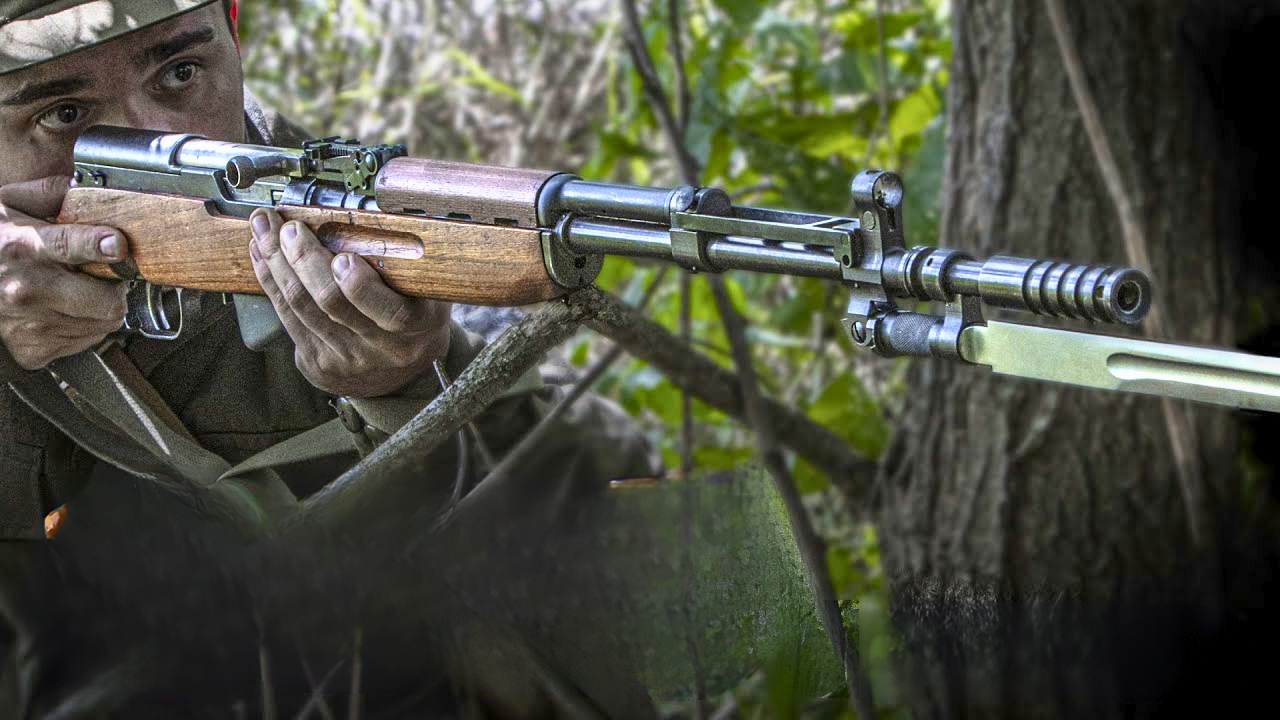
The Chinese Type 56 SKS should have stayed one of the all-time classic cheap rifles. It absolutely did not. What used to be surplus-rifle bargain territory has shifted into collectible, watched, and often surprisingly expensive territory.
That is what makes the SKS such a painful example. It used to be the answer for “I just want something fun, practical, and inexpensive.” Now it is much more likely to make people talk about what it used to cost than what they are about to pay.
Norinco SKS

The Norinco SKS deserves its own mention because it is the version so many shooters remember as the old cheap buy. That memory is exactly why current prices feel so wrong to people who have been around these rifles for a while.
It still looks like a rifle that should be inexpensive. The market clearly disagrees, and that gap between image and price is exactly why it belongs here.
East German Karabiner-S
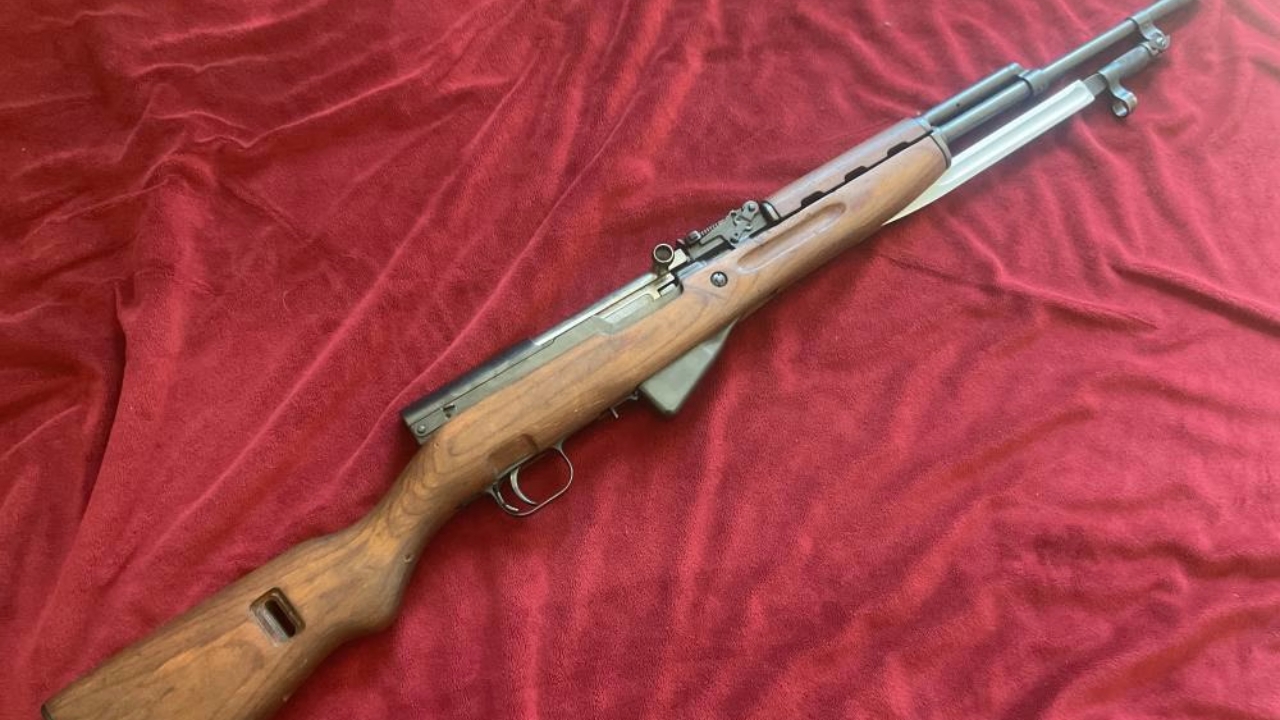
The East German Karabiner-S was never going to stay cheap once collectors woke up, and that is exactly what happened. It crossed from “interesting SKS variant” into serious collector territory.
Once a surplus rifle starts getting treated like a prize subtype instead of a cheap shooter, there is no going back to the old price story. That is exactly where this one landed.
Yugoslav M59/66 SKS
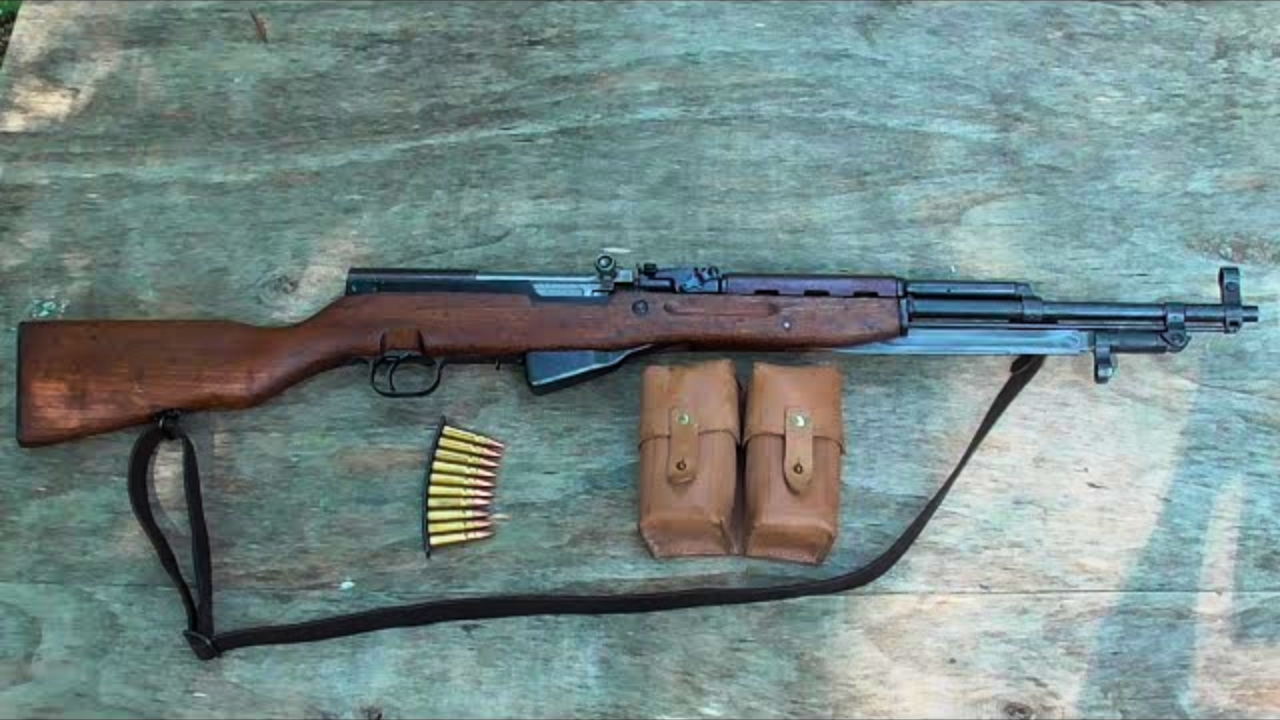
The Yugoslav M59/66 should have stayed a rough-and-ready surplus rifle you bought for fun. Instead, it became another member of the SKS family that the market now watches much more closely.
Even when you are not chasing unusual examples, the broader message is the same: once a surplus family starts getting broken into collectible tiers, the whole platform usually stops feeling cheap.
Winchester 9422
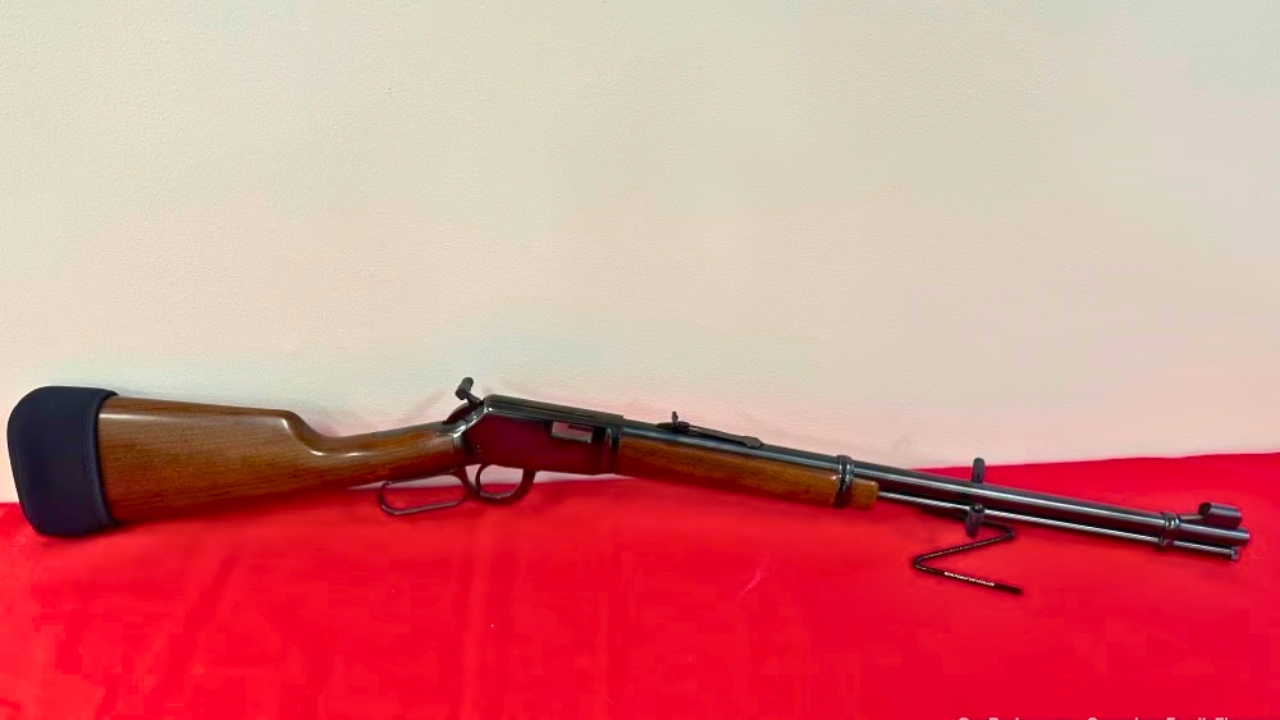
The Winchester 9422 should have stayed a beloved little lever .22 that people bought to shoot instead of stare at. Instead, it became one of those rimfires that now carries real collector gravity.
That is what happens when a rimfire gets too well-made, too charming, and too discontinued at the same time. The 9422 still feels like a rifle that ought to be a simple pleasure, but it often gets priced with collector eyes first.
Remington Nylon 66

The Remington Nylon 66 should have stayed the kind of weird, lightweight .22 people grabbed because it was fun and different without costing much. Instead, it became another older rimfire that collectors took seriously.
That is the frustrating part. The Nylon 66 still feels like it should live in the “cheap old rimfire” world. But once a rifle becomes distinctive enough and nostalgic enough, the market rarely leaves it there.
Winchester Model 94 pre-64
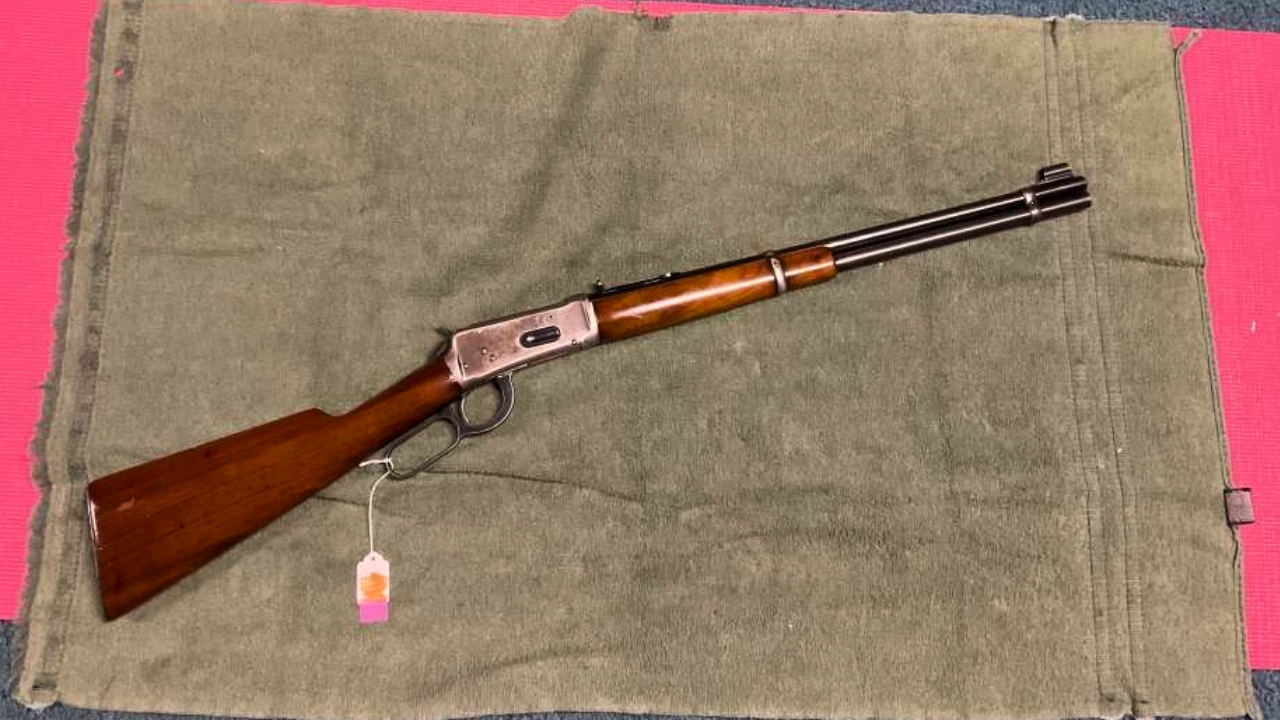
The pre-64 Winchester 94 deserves its own mention because this is where the Model 94 really stops pretending to be a cheap deer rifle and starts acting like a full collector object. Once buyers start hunting specific years, features, and condition levels, the old working-gun price story is over.
This is one of the clearest examples of usefulness and collectibility teaming up to ruin affordability. The rifle was too beloved to stay cheap forever, and pre-64 versions were the first to really prove it.
JM-stamped Marlin 336
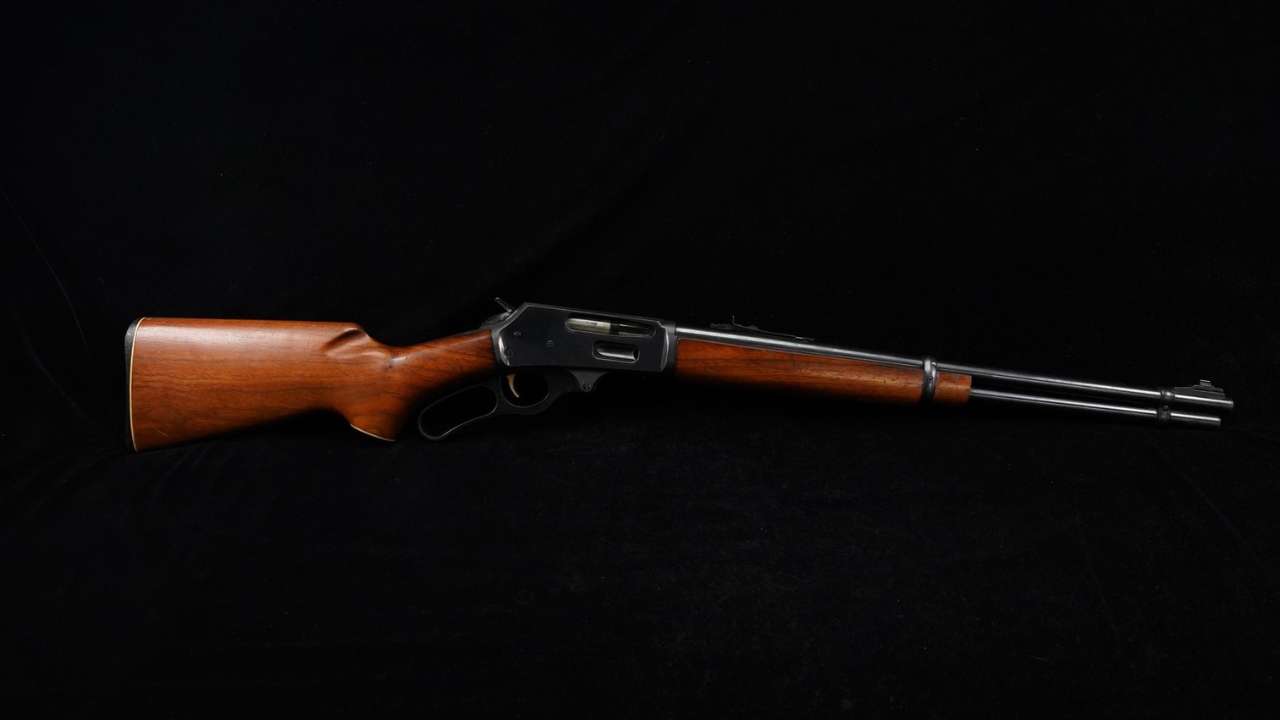
The JM-stamped Marlin 336 should have remained the rifle people recommended when someone wanted a sensible used lever gun. Instead, old-production loyalty and newer-production scarcity pushed those rifles into a much more watched market.
That is why older JM rifles no longer feel like the “smart cheap buy” they once were. Once the new gun got more expensive and harder to find, the old one got even more attractive, and that always pushes prices the wrong direction for bargain hunters.
Like The Avid Outdoorsman’s content? Subscribe to our newsletter so you never miss an article.
Here’s more from us: