Photo credit: Graniteviewsports/Youtube
Walk a few gun shows, poke around a couple pawn counters, and you start to notice a pattern with wheelguns. The really good ones don’t stay put long, and the ones that look rough usually aren’t “junk” so much as honest use and bad lighting. Revolvers are weird like that. They’re simple until they aren’t, and a solid one is often worth more than what’s tagged on it—whether it’s pristine, holster-worn, or downright ugly.
This isn’t about buying beat-up guns and “fixing them up.” It’s about the revolvers that tend to hold their value, keep working, and keep earning a spot in the safe in just about any condition they come in. Some are classics. Some are sleeper picks. A couple are heavy and impractical and still somehow hard to regret.
1. Smith & Wesson Model 10
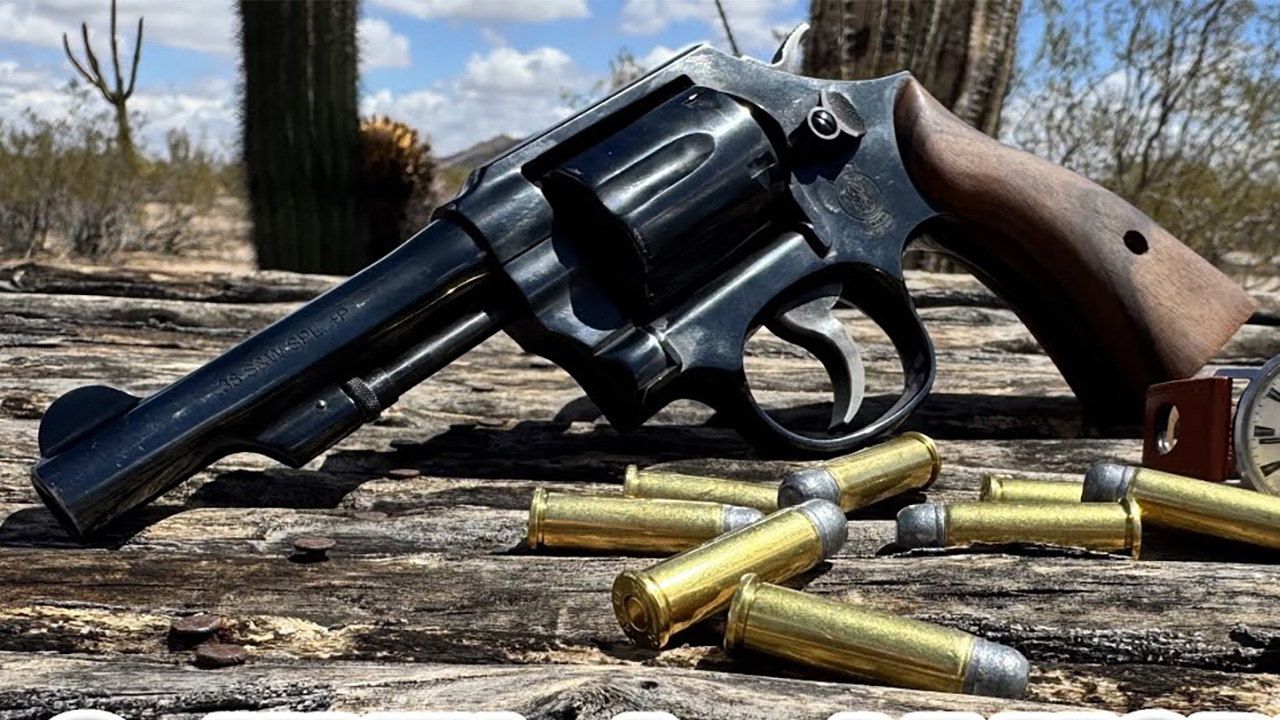
If you’ve ever handled one with a slick double-action pull, you get it. The Model 10 is the blue-collar .38 that taught generations what a good service revolver feels like. Even when the bluing is thin and the grips are chipped, it still points like it was fitted to your hand.
There’s nothing flashy here, and that’s part of why it’s underpriced so often. A clean one is nice, but a worn one is usually just “carried a lot, shot a little.” For a nightstand gun, a tackle-box camp gun, or a range day where you want to actually enjoy yourself, it’s hard to beat.
2. Smith & Wesson Model 19
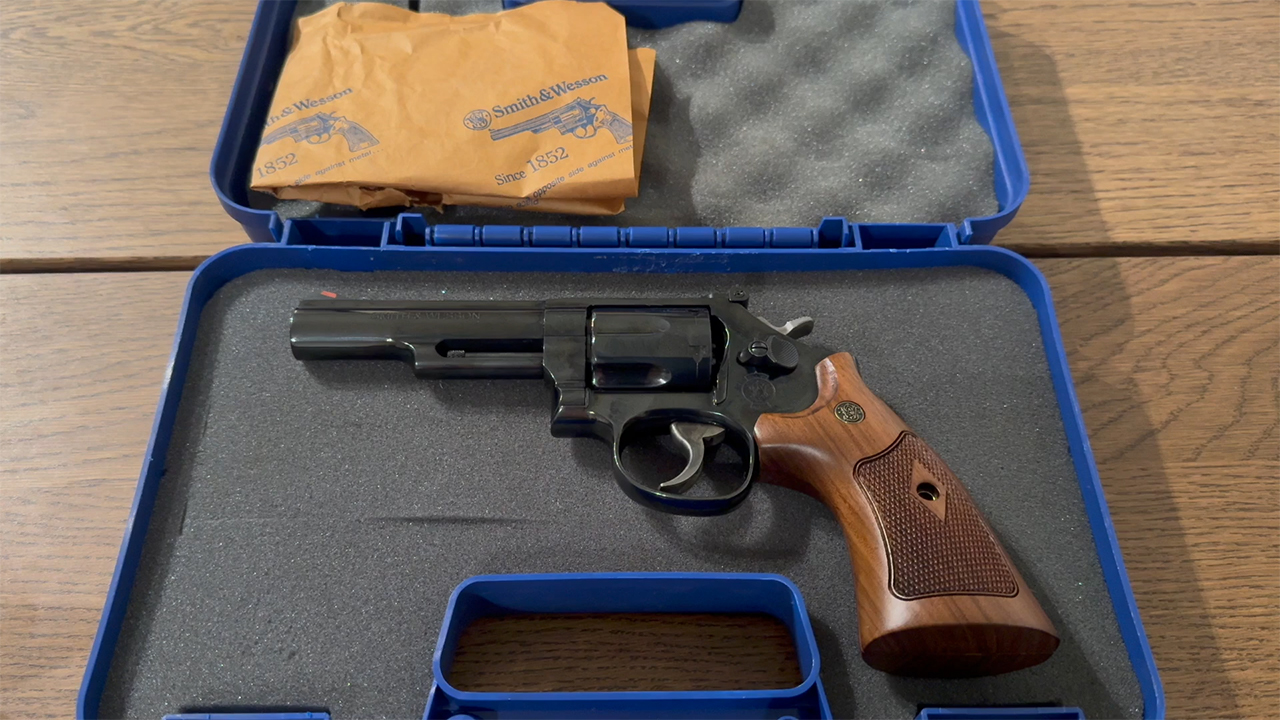
The Model 19 is one of those revolvers that makes people talk like they’re telling fishing stories. K-frame .357s have a feel to them—balanced, quick, and not overly bulky. When they show up with holster wear, that’s usually just a sign they were loved.
I’m not pretending they’re indestructible if you feed them a steady diet of hot, light .357 loads, but for real-world use they’re excellent. The asking price on a Model 19 is often based on cosmetics, while the value is in the trigger and the way the gun carries.
3. Smith & Wesson Model 27
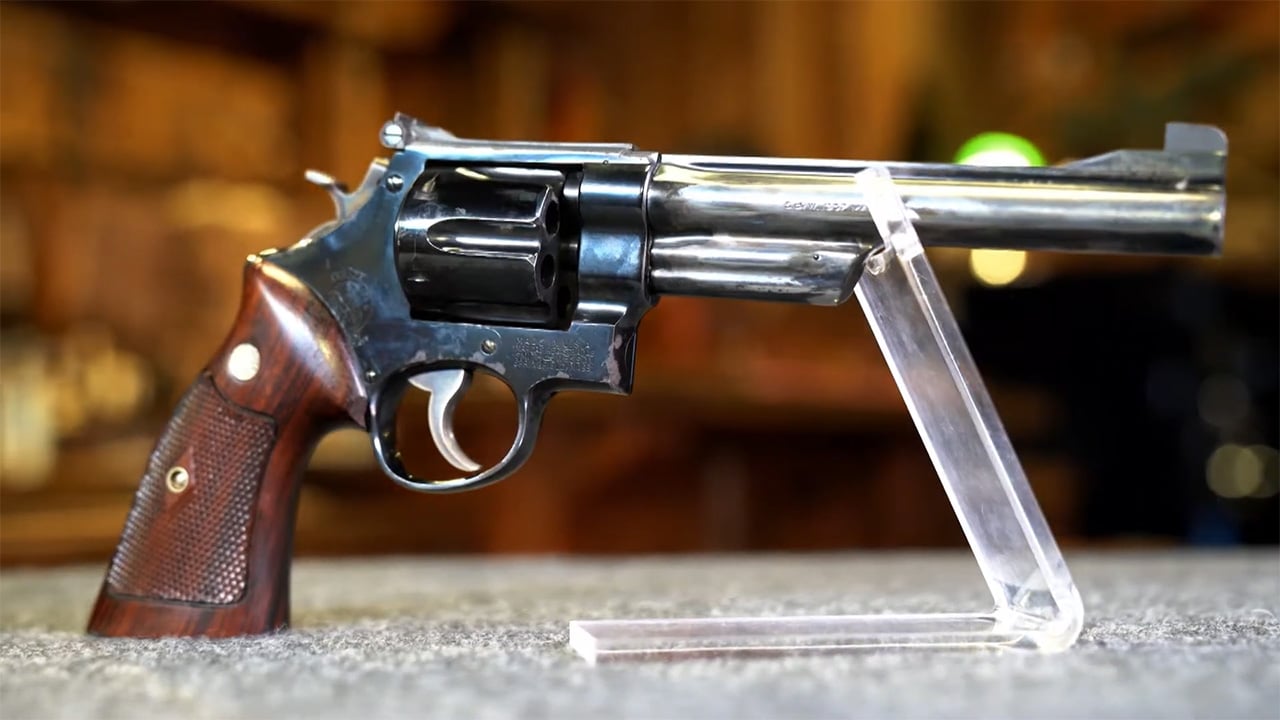
N-frames are big, and the Model 27 is proudly big. This is the kind of revolver that makes a .357 feel like it calmed down and started behaving. Even a scratched-up example has that old-school “built like it matters” vibe.
People balk at the weight until they shoot it, then they stop complaining. If you find one that’s been carried hard but not abused—tight lockup, good timing—it’s usually a better deal than the tag suggests.
4. Smith & Wesson Model 29
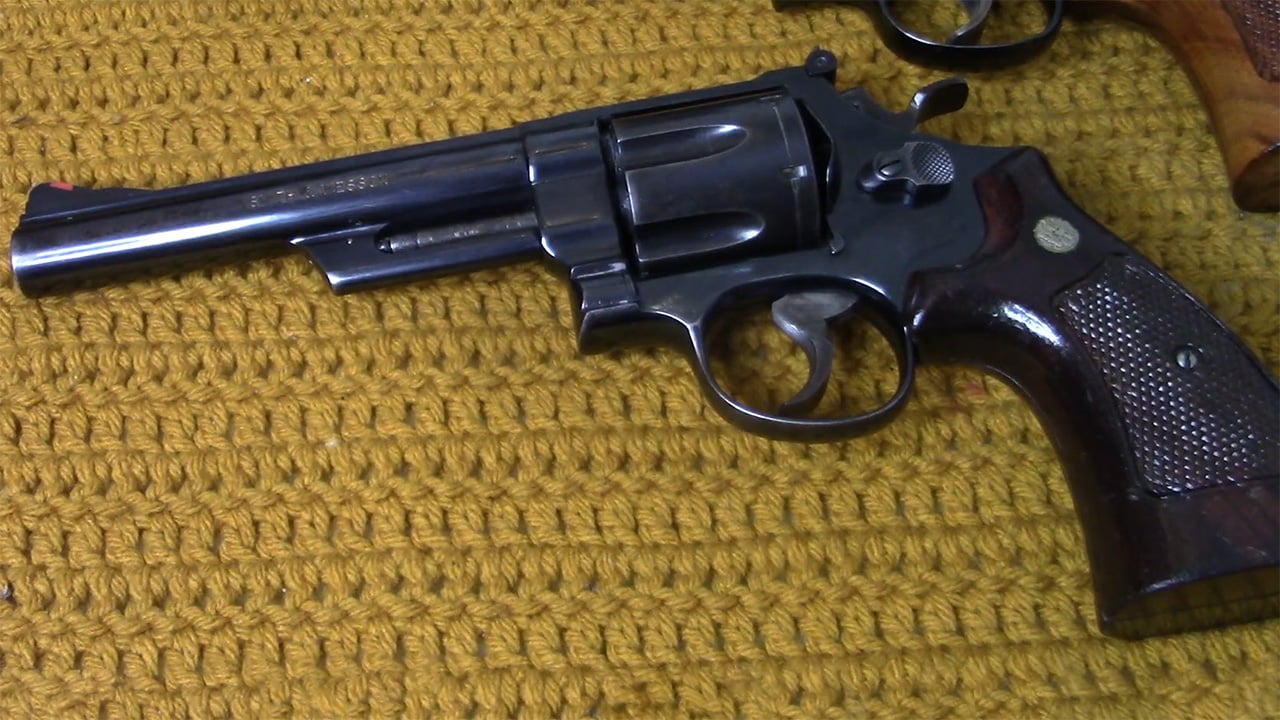
Dirty Harry did a number on common sense pricing, but the reality is the Model 29 is still a serious revolver. A .44 Magnum isn’t everyone’s idea of a good time, yet it’s hard not to respect a revolver that’s been dropping deer, hogs, and black bears for decades.
Even when the finish is worn, the bones are what matter. If the cylinder is tight and the forcing cone looks healthy, you’re looking at a revolver that tends to outlast fads—and usually outlasts the price tag sitting under it.
5. Smith & Wesson Model 36 (Chief’s Special)

Small-frame revolvers get judged harshly because they’re not fun on the range. That doesn’t mean they aren’t useful. A Model 36 is the kind of snub that disappears in a pocket holster and still gives you a real trigger and real sights for what it is.
They show up with worn bluing and lint in places lint shouldn’t be. That’s normal. In good working order, even a rough-looking Chief’s Special tends to be worth more than “just another old .38.”
6. Smith & Wesson Model 60

The stainless J-frame is a working person’s revolver. It rides in boats, trucks, and sweaty waistbands without getting as cranky as blued steel. The Model 60 also hits a sweet spot for folks who want a small gun that doesn’t feel like a toy.
Because it’s stainless, a lot of them have cosmetic scuffs that look worse than they are. Mechanically sound Model 60s rarely feel like a bad buy, even when the price seems a little “too low to be true.”
7. Ruger GP100

If you want a .357 you can shoot a lot without babying, the GP100 is usually the answer. It’s not as sleek as some Smiths, and it’s not trying to be. It’s a work gun that can handle hard use and still keep its timing.
Folks sometimes trade them off because they’re chunky for concealed carry. Fair. But as a range revolver, a woods gun, or a house gun, a used GP100 in almost any condition is often a bargain.
8. Ruger SP101
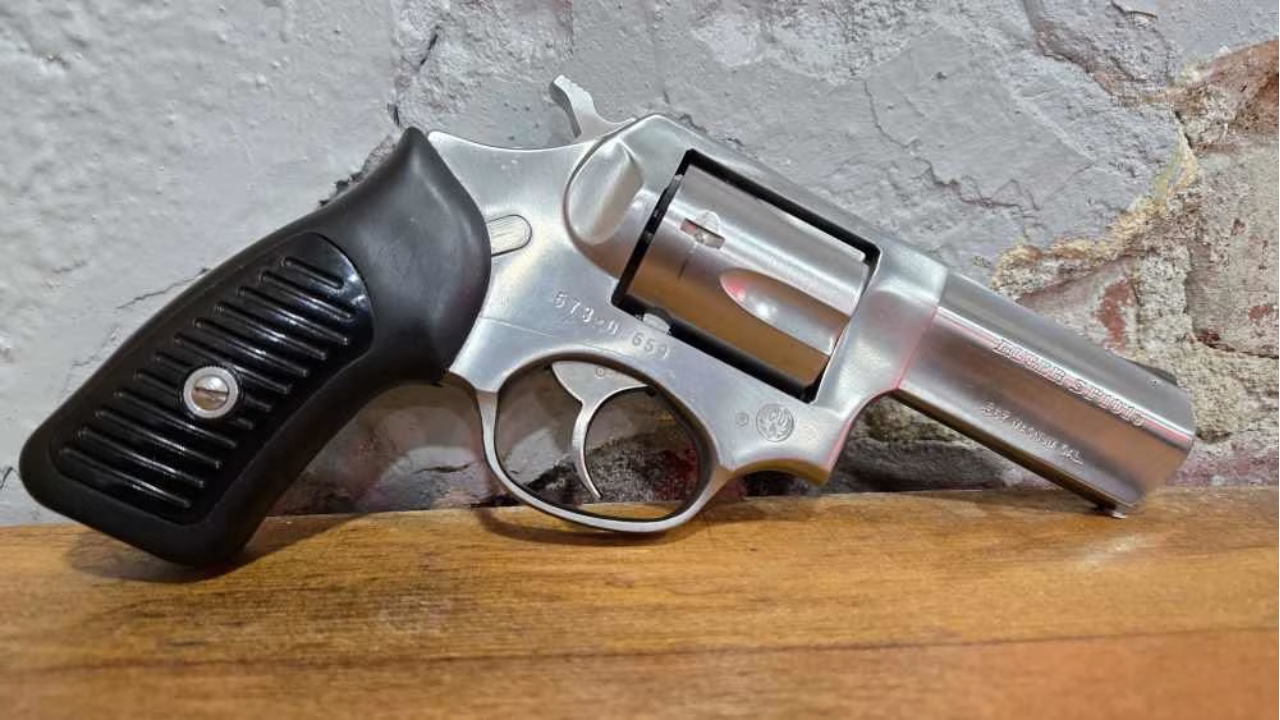
The SP101 is one of the best “real” small revolvers ever made. It’s heavier than the featherweight snubs, which is exactly why it’s easier to control. I’ve seen plenty with dings and scratches from glove boxes and holsters, and they just keep ticking.
If you find one with a rough trigger, don’t panic—many smooth out with normal use. What you’re paying for is the tank-like build and the fact that it’s not picky about living a hard life.
9. Ruger Blackhawk

Single-actions aren’t everybody’s daily carry choice, but the Blackhawk has put a lot of meat in freezers. Hunters who actually use them tend to keep them, which is why a reasonably priced one feels like you spotted a unicorn.
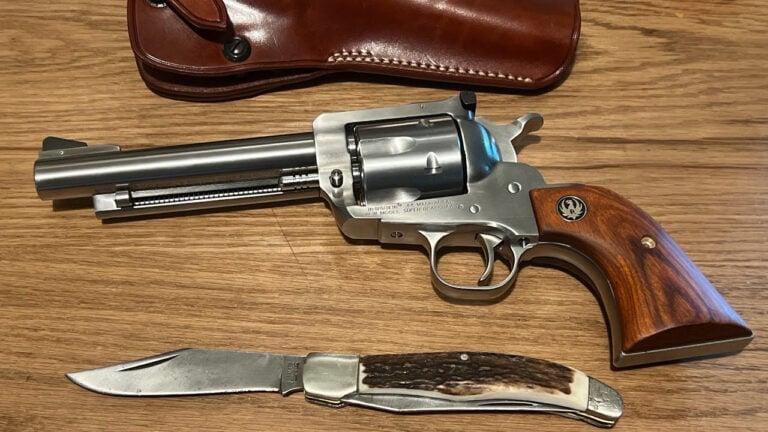
They show wear at the muzzle and on the cylinder from being carried and cycled a lot. That’s not a deal-breaker; it’s a sign the gun wasn’t just a safe ornament. If it locks up right, it’s usually underpriced for what it can do.
10. Ruger Super Blackhawk
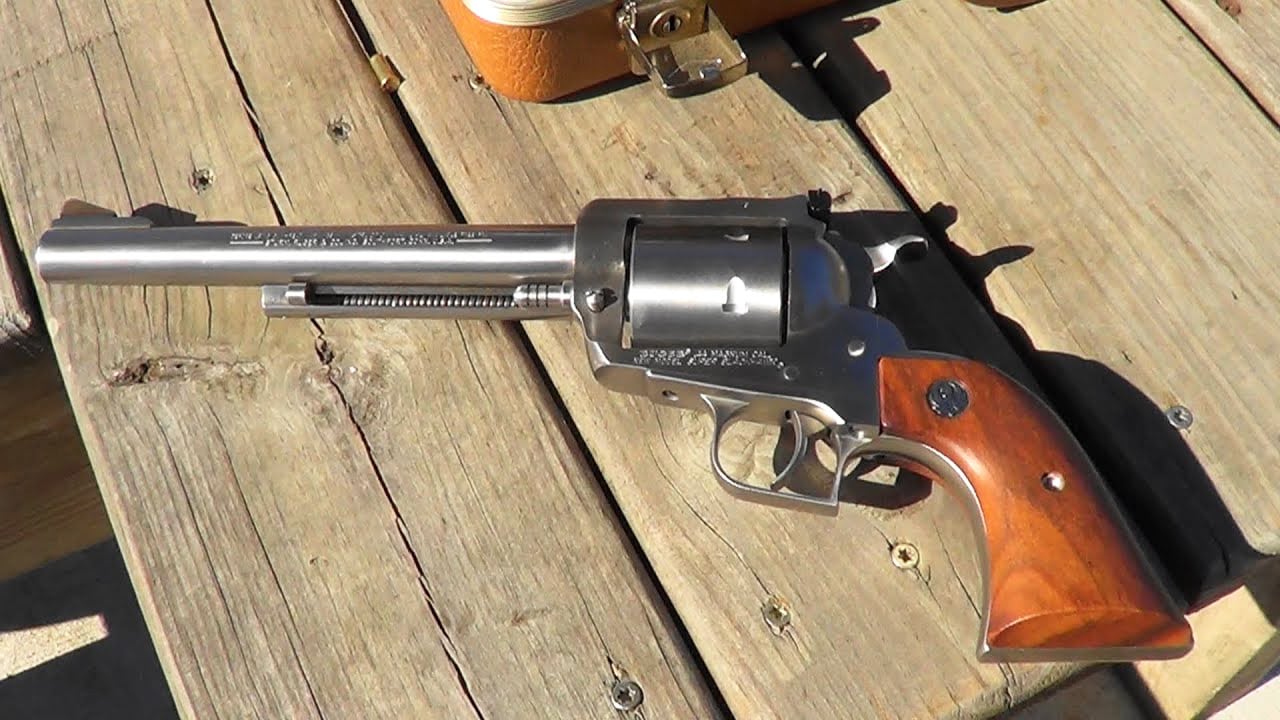
This is where “fun” turns into “respect.” A Super Blackhawk in .44 Magnum is not a casual plinker for most shooters. Still, it’s a legitimate hunting sidearm, and it holds up when you actually use it.
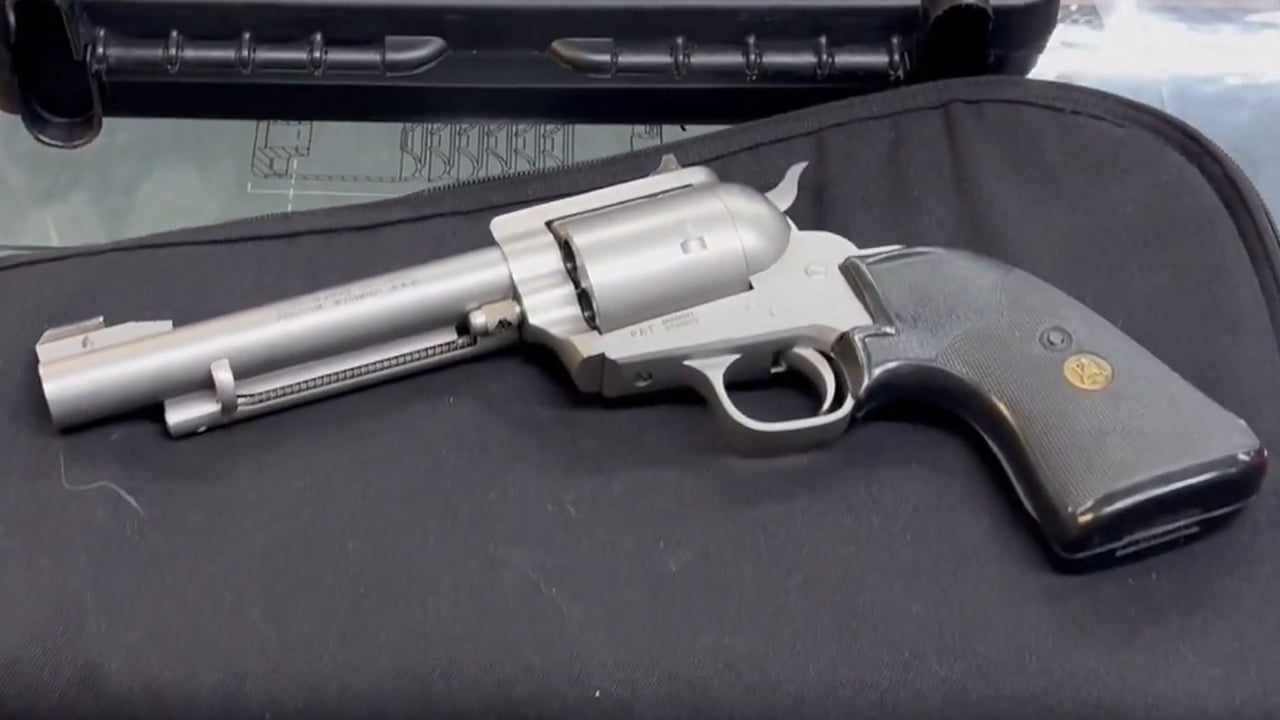
A lot of them come with honest field wear and maybe a grip swap that looks questionable. I don’t care. If the action is sound and the bore is clean, the value is in the strength and shootability, not the cosmetics.
11. Ruger Redhawk
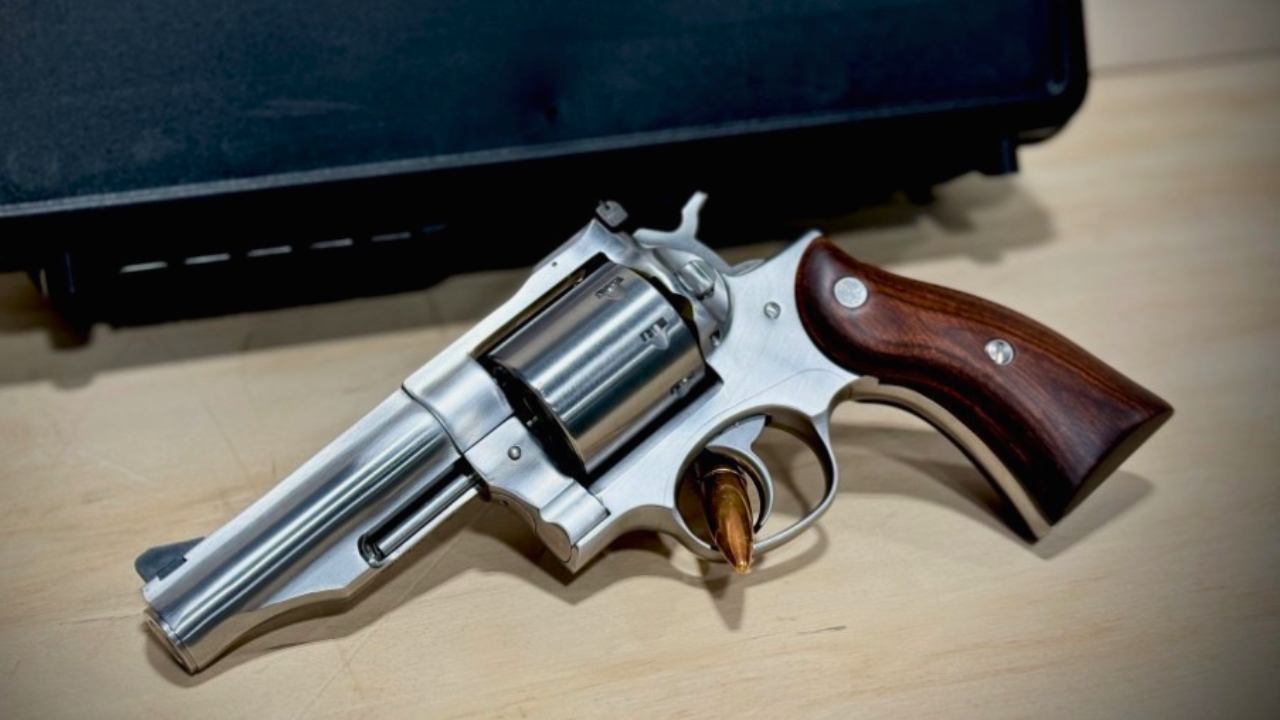
The Redhawk is built for heavy loads and hard living. It’s a revolver that makes sense if you spend time in the woods, run traps, or just want a big-bore you can trust. It’s also not light, and nobody should pretend it is.
Because they’re big and “not pretty,” Redhawks can sit a bit longer in used cases. That’s where the deal is. Scratches don’t matter much on a revolver that’s meant to be a tool.
12. Ruger Security-Six
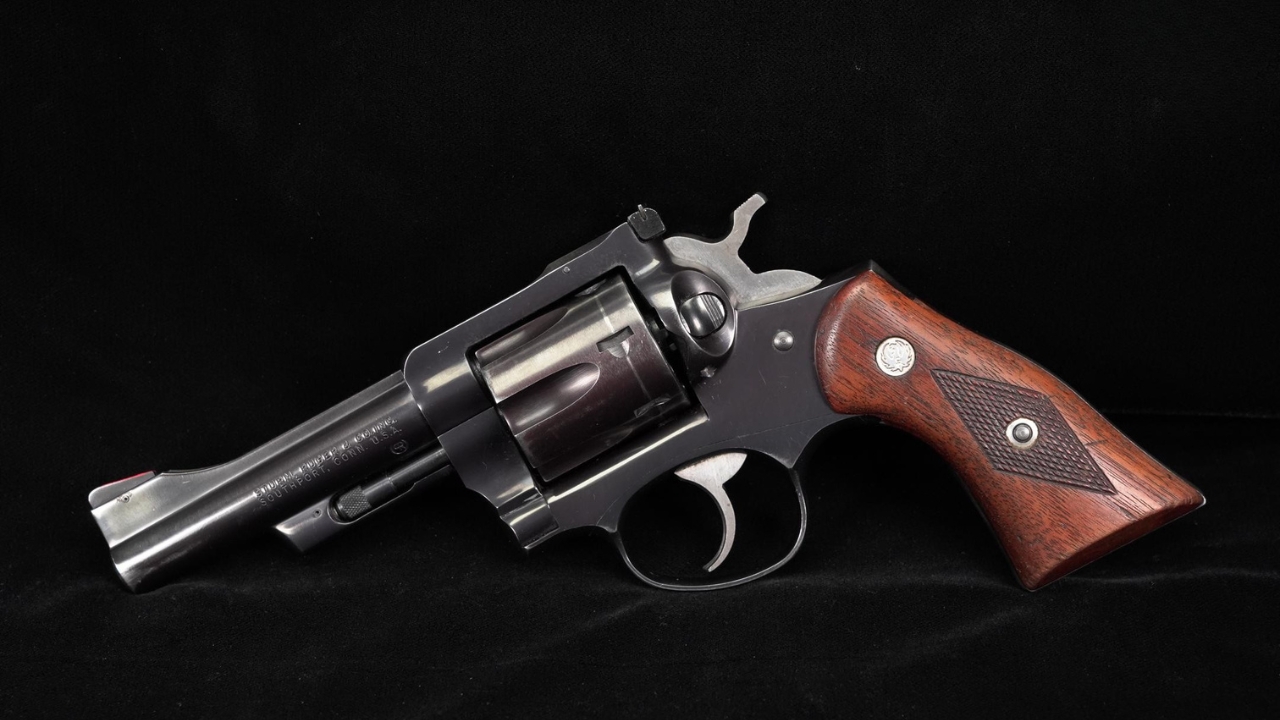
These older Rugers are one of the best values in used revolvers, and the market still hasn’t fully caught up. The Security-Six line has that classic service-gun feel, and they carry a little trimmer than a GP100.
Most of the ones you’ll see have some wear. That’s fine. What you’re hunting for is solid timing and a cylinder that locks up like it should. When you find that, the sticker price is often playing catch-up.
13. Colt Python (older production)
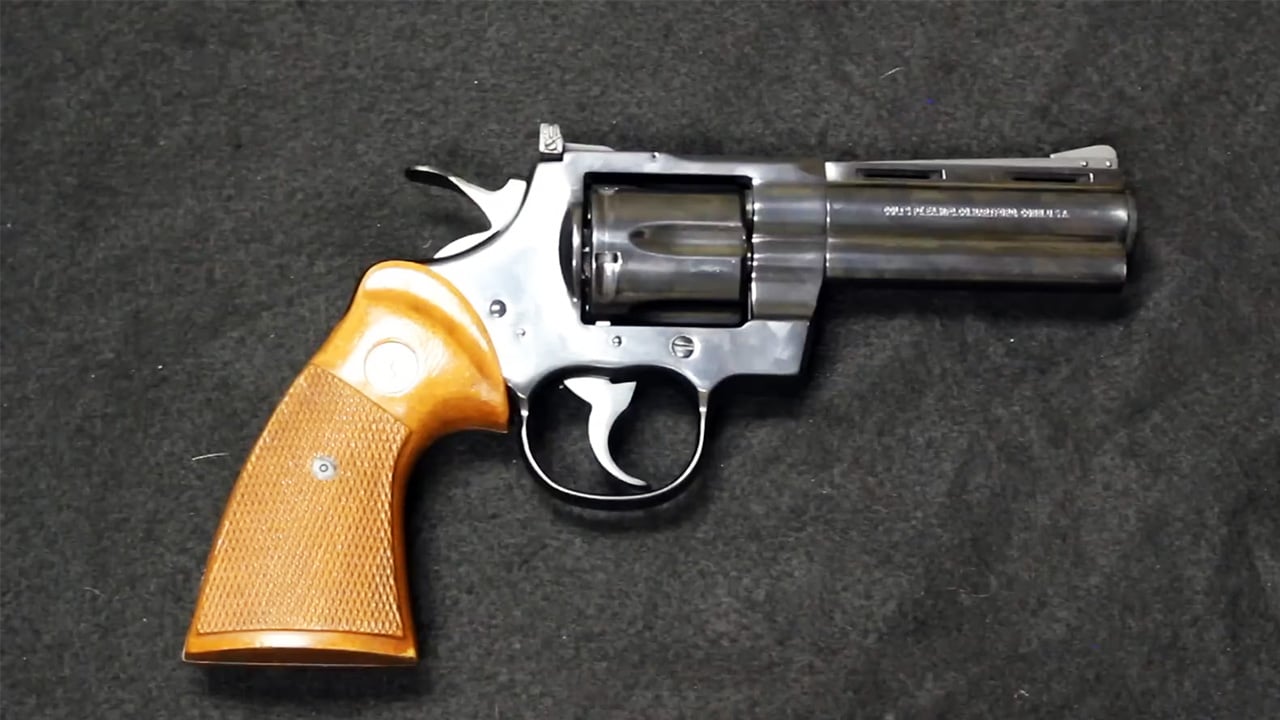
The Python is the revolver everybody points to when they want to talk about craftsmanship. The funny thing is, the best buys aren’t always the spotless safe queens. Sometimes it’s the one with a little finish wear that scares off the “collector only” crowd.
Colt actions can be more finicky about being messed with by the wrong hands, so condition here means more than looks. If it’s mechanically right, though, a Python tends to be worth more than what it’s sitting on—because people don’t stop wanting them.
14. Colt Detective Special
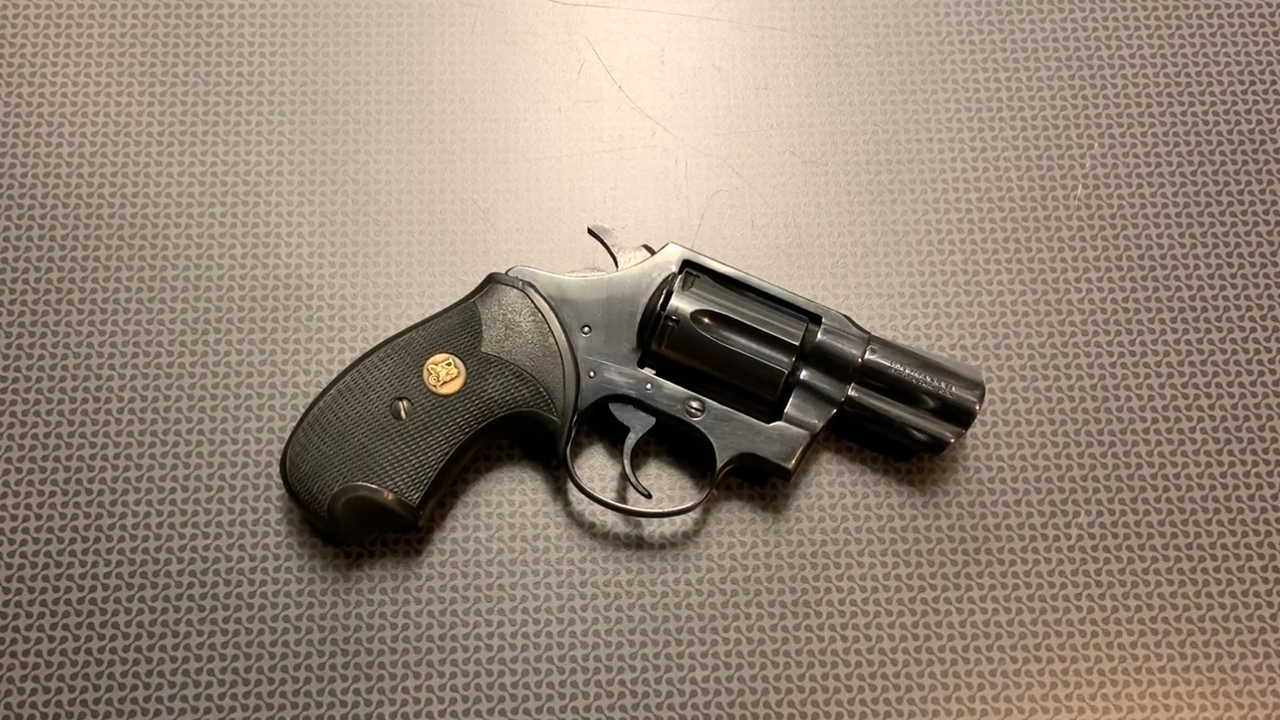
This is one of the all-time great carry revolvers from the era when “carry gun” meant a snub-nose with a real trigger. It’s thicker than a modern micro-9, sure, but it’s also a revolver you can run well with a little practice.
They often show up with worn bluing and grip wear from years of being actually carried. To me, that’s part of the appeal. The good ones feel like a serious tool, and their prices usually creep up over time.
15. Colt Trooper Mk III
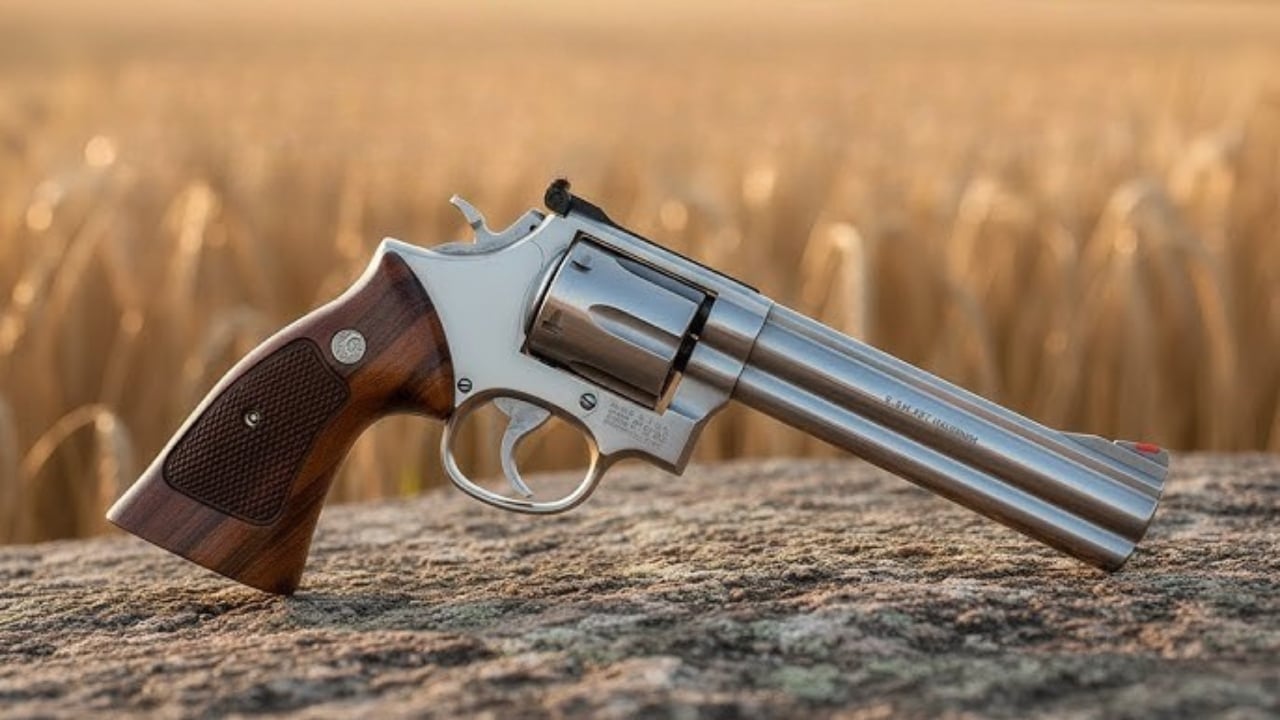
The Trooper Mk III is a sneaky good buy because it doesn’t get the same hype as the Python. That’s exactly why it belongs on a list like this. They’re solid .357s with a Colt name on the side and a feel that still stands out.
Some are a little rough around the edges, and some have triggers that aren’t as buttery as the high-dollar Colts. Still, they’re dependable revolvers that often get priced like “just another old wheelgun.” That one hurts for the seller later.
16. Dan Wesson Model 15 (.357 Magnum)
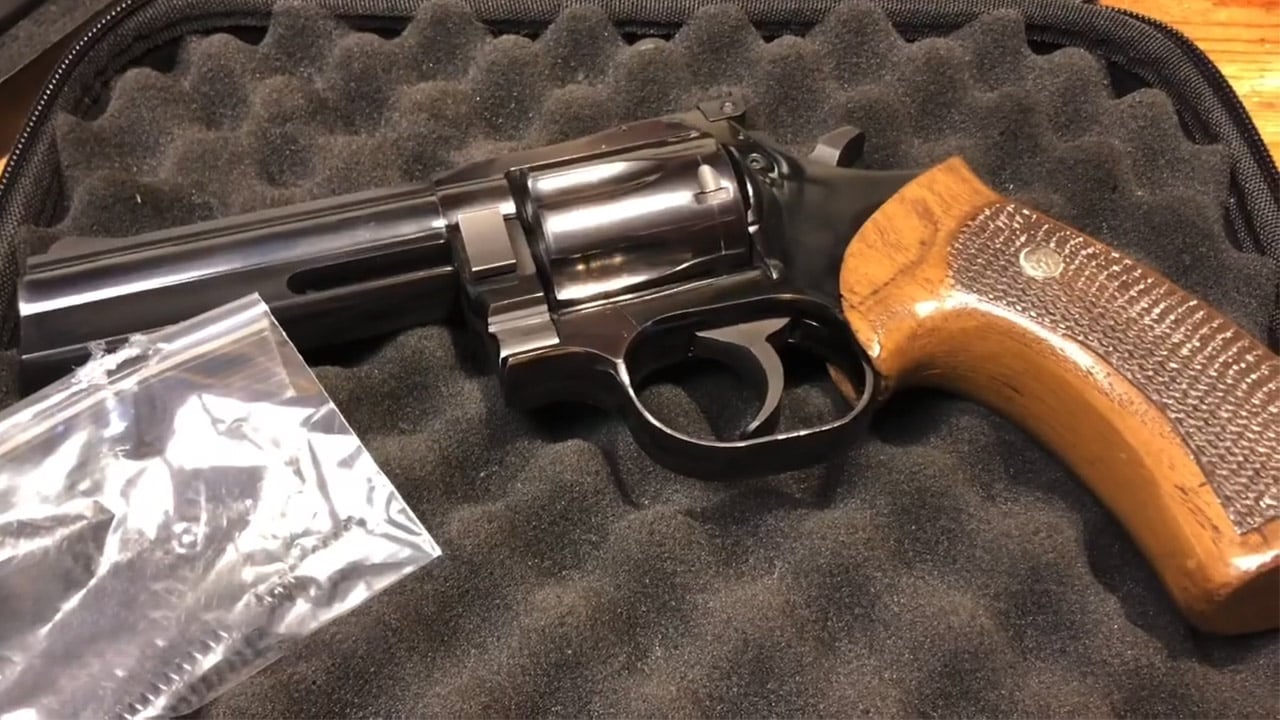
Dan Wessons have a reputation with the folks who actually shoot them. They’re accurate, sturdy, and a little different. The looks don’t win everybody over, and that keeps prices from going completely out of reach.
You’ll sometimes see them with heavy wear or mismatched accessories, which can spook buyers. I’m more interested in lockup and bore condition. A good Model 15 is a shooter’s revolver, and the value tends to exceed the asking price when you find one in the wild.
17. Dan Wesson Model 44
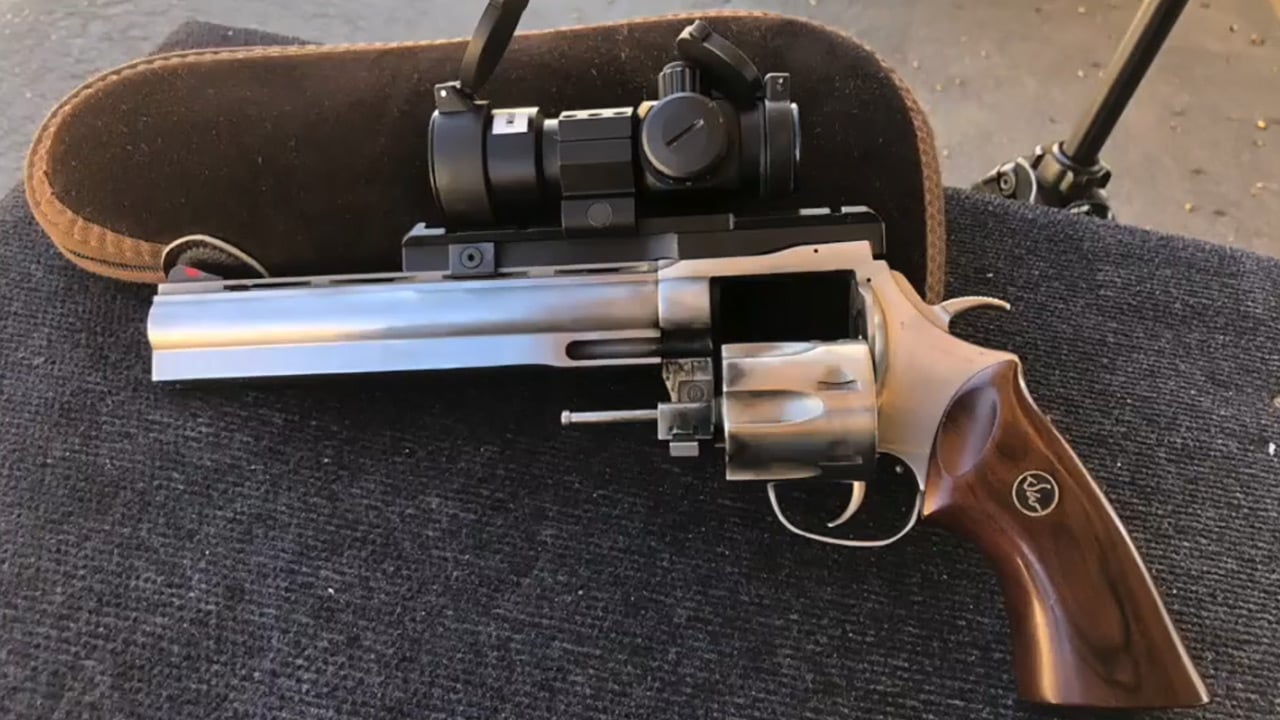
This is one of those revolvers that serious handgun hunters quietly love. It’s not as famous as some Smith & Wesson .44s, so it can slip under the radar. When it’s wearing scope rings and has a few bumps, that usually just means it’s done real work.
The upside is performance. A tight, accurate .44 that doesn’t beat itself up is worth having, and it’s often priced like it’s just another big revolver sitting in the case.
18. Freedom Arms Model 83
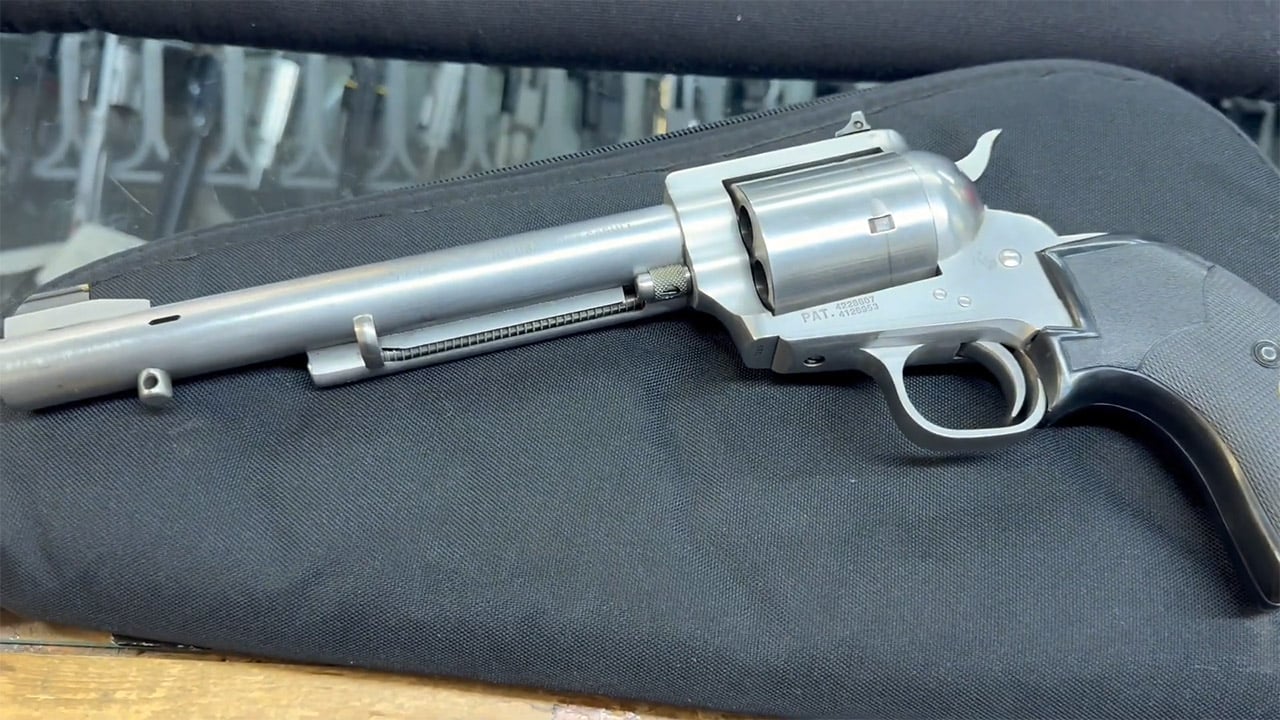
Freedom Arms revolvers are expensive new, and they’re still expensive used. The point is, even a used one that shows honest wear often costs less than it should for the precision you’re getting. These are high-end hunting revolvers that feel like bank vaults.
They aren’t for everyone. The tolerances are tight, and they’re built around doing things right, not doing things fast. But if you know what you’re looking at and it checks out mechanically, it’s hard to find a better long-term value in a revolver.
19. Smith & Wesson Model 586/686
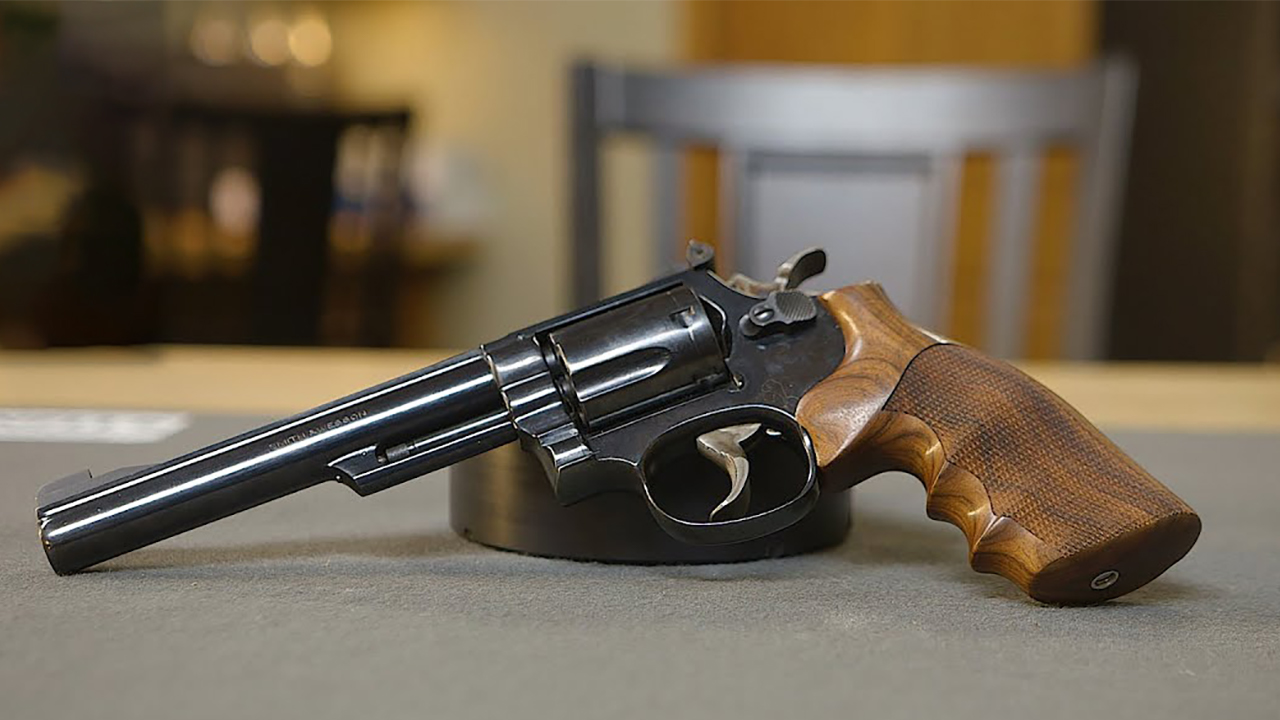
There’s a reason you see 686s on ranges everywhere. L-frame Smiths are that middle ground between “nice to shoot” and “can take some use.” The stainless 686 in particular takes cosmetic abuse without looking like it’s been through a war.
These aren’t rare, but good ones don’t feel cheap when you run the trigger. If you find one with finish wear, swapped grips, or a turn line that’s been there since the first box of ammo, don’t overthink it. They’re steady, useful revolvers that hold their place.
20. Smith & Wesson Model 625 (.45 ACP)

Moon-clip revolvers are a niche until you shoot one and realize how handy they can be. The 625 is a big, smooth .45 that shoots softly for its power and reloads faster than most folks expect a revolver to reload. It’s a fantastic range gun and a legitimate defensive option.
They aren’t always pretty, and they’re definitely not light. But they’re the kind of revolver you can run hard, clean, and run again. If you spot one at a reasonable price, it’s usually a better deal than it looks like on paper.
A revolver doesn’t have to be perfect to be a smart buy. What matters is the stuff you can’t fake at the counter: tight lockup, good timing, a clean bore, and an action that feels like it’s supposed to. Cosmetic wear is just a story. And in a world where a lot of new guns feel disposable, a good wheelgun—ugly or not—still earns its keep.
Like The Avid Outdoorsman’s content? Subscribe to our newsletter so you never miss an article.
Here’s more from us: