Photo credit: NRApubs/Youtube
Some revolvers are still easy to replace because manufacturers keep producing close equivalents. Others are becoming a very different story. A certain barrel length disappears, an unusual chambering gets dropped, or an older production style simply never comes back.
That is where replacement becomes painful. You can sell the gun today and discover a year later that the closest substitute costs more, feels different, or no longer exists at all. These 20 revolvers are exactly the kind serious shooters are increasingly reluctant to let go because finding another comparable example is getting harder.
Smith & Wesson Model 65 3-Inch
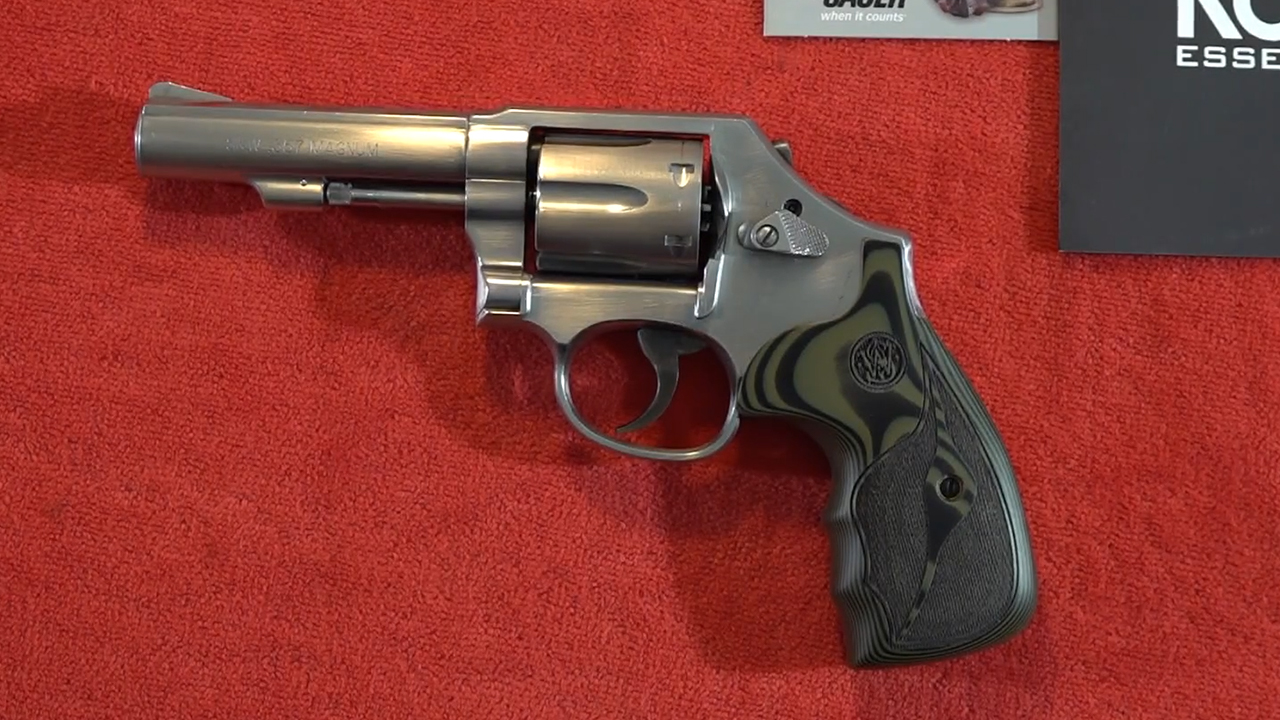
The 3-inch Model 65 may be one of the best-balanced fighting revolvers Smith & Wesson ever built.
It gives you fixed sights, stainless construction, a compact K-frame, and enough barrel length to shoot noticeably better than a snubnose without becoming bulky. That exact combination is what makes it hard to replace. Modern revolvers may offer similar dimensions, but very few duplicate the feel of a 3-inch K-frame with old-school Smith proportions. Clean examples tend to disappear quickly because owners already know what they have.
Ruger Speed-Six 2.75-Inch
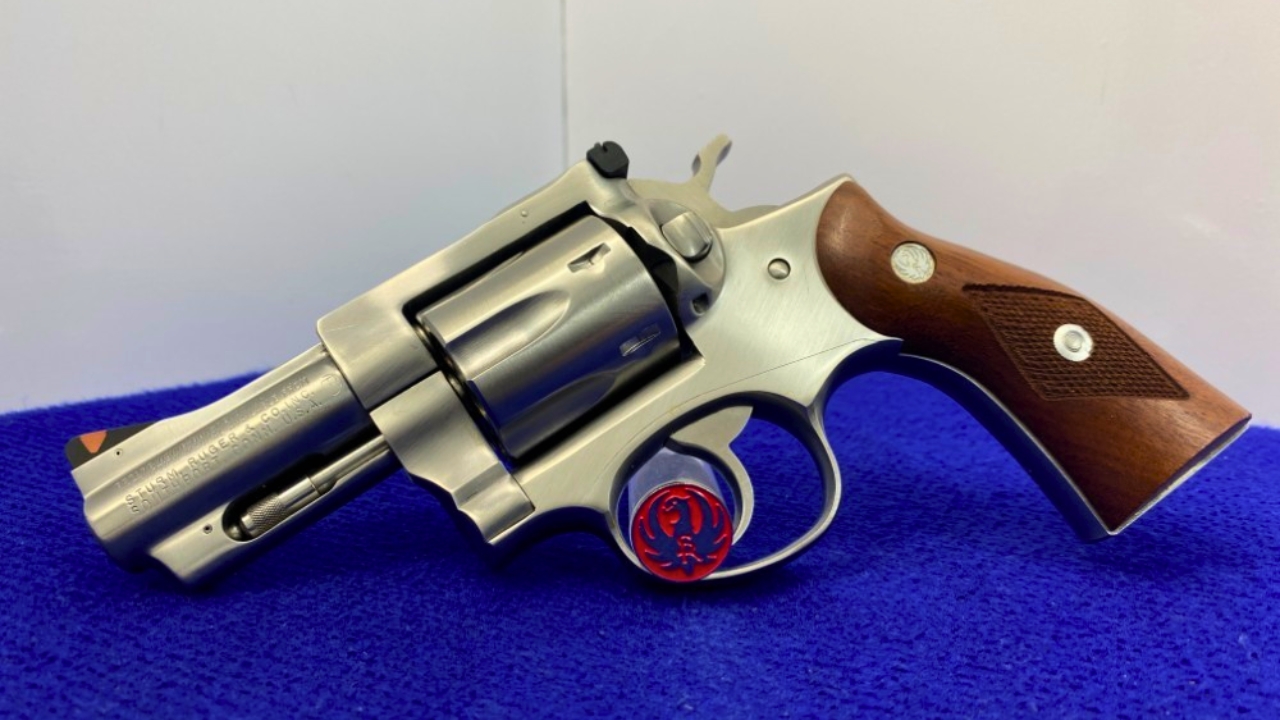
The Speed-Six is another revolver that occupies a size and weight class modern manufacturers do not reproduce very often.
Its rounded grip frame, fixed sights, and stout construction make it ideal for carry or field use. It is smaller and handier than a GP100 but feels more substantial than most current lightweight carry revolvers. That middle ground is increasingly rare. Once a good Speed-Six leaves your hands, replacing it with something that feels exactly the same can become frustrating.
Colt Detective Special 3-Inch
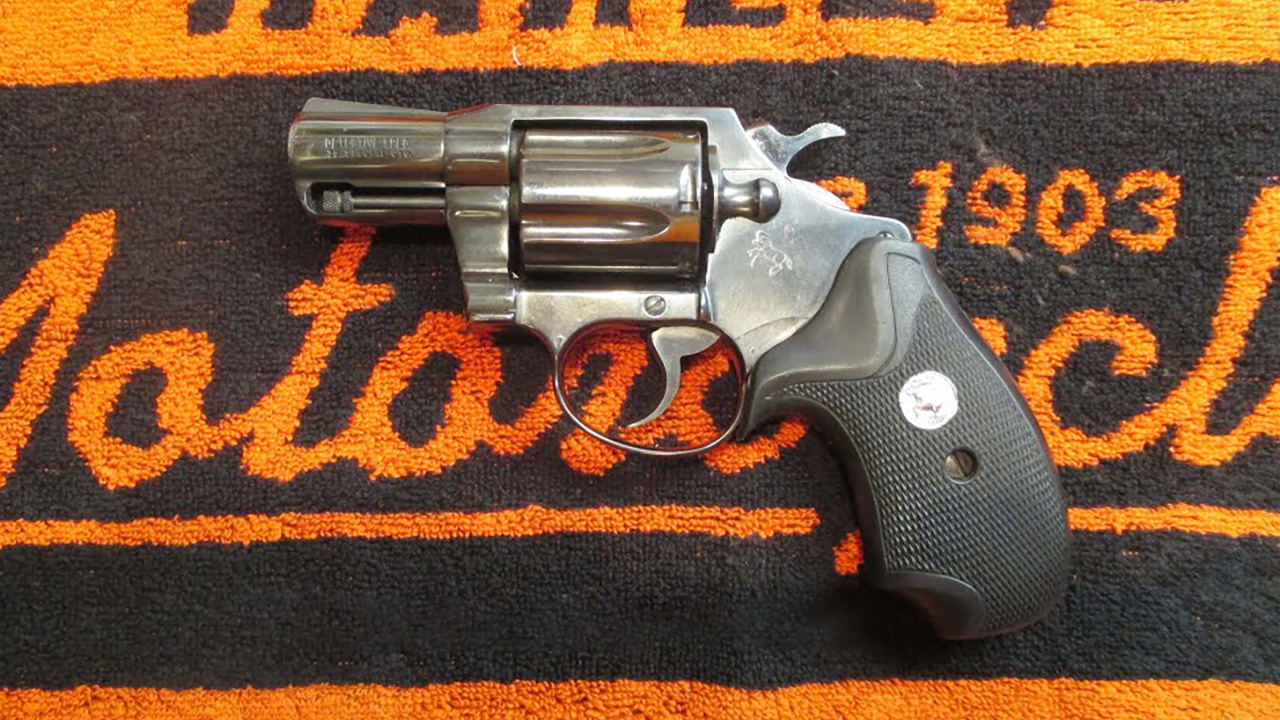
Most people think of the Detective Special as a short snubnose, but the 3-inch versions are particularly desirable because they stretch the concept just enough.
You still get a compact six-shot revolver, but the extra barrel length improves sight radius and handling. Colt’s newer revolvers are mechanically different, and that alone means an older Detective Special cannot truly be replaced with a current model. The gun’s size, capacity, and classic action combine in a way that modern carry revolvers rarely match.
Smith & Wesson Model 581
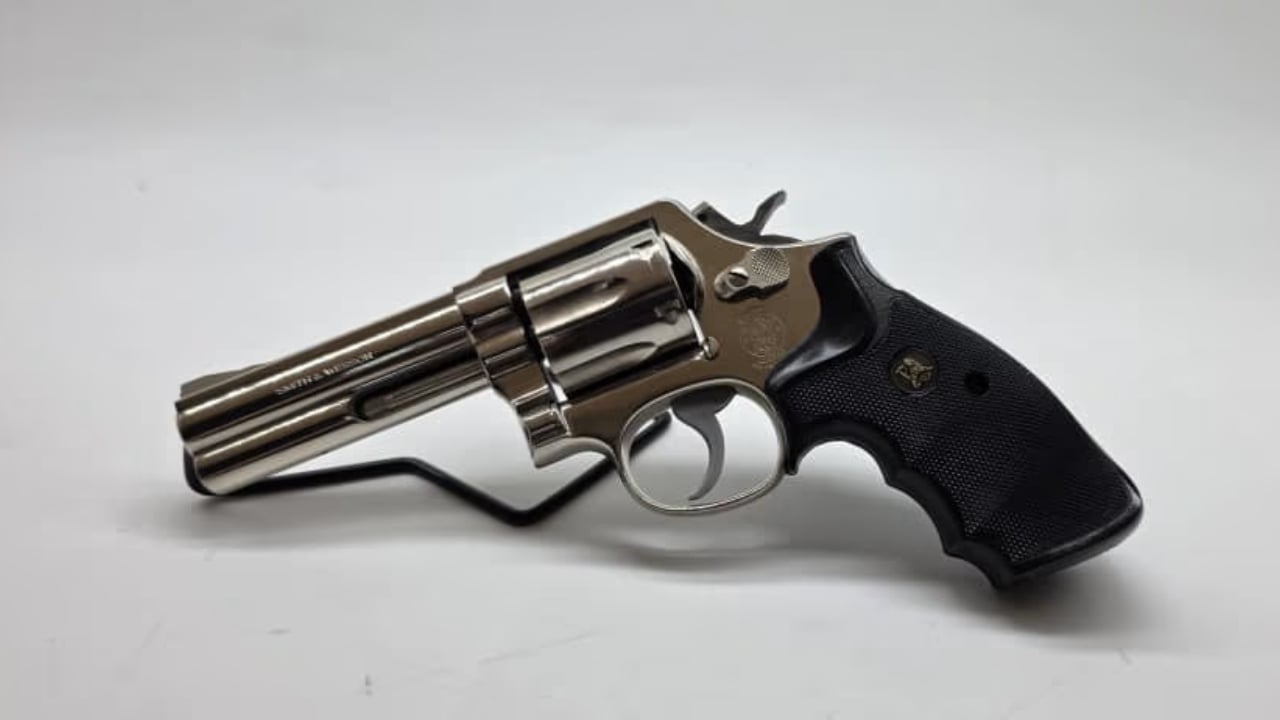
The fixed-sight Model 581 spent years in the shadow of the adjustable-sight 586.
That plain configuration is exactly why people value it now. You get the strength of the L-frame without the extra complexity of adjustable sights, making it feel like a serious duty revolver. There are plenty of .357s available today, but very few modern guns duplicate the 581’s combination of balance, finish, and fixed-sight simplicity. Owners who sell one often discover the replacement is never quite the same.
Ruger Security-Six 4-Inch Stainless
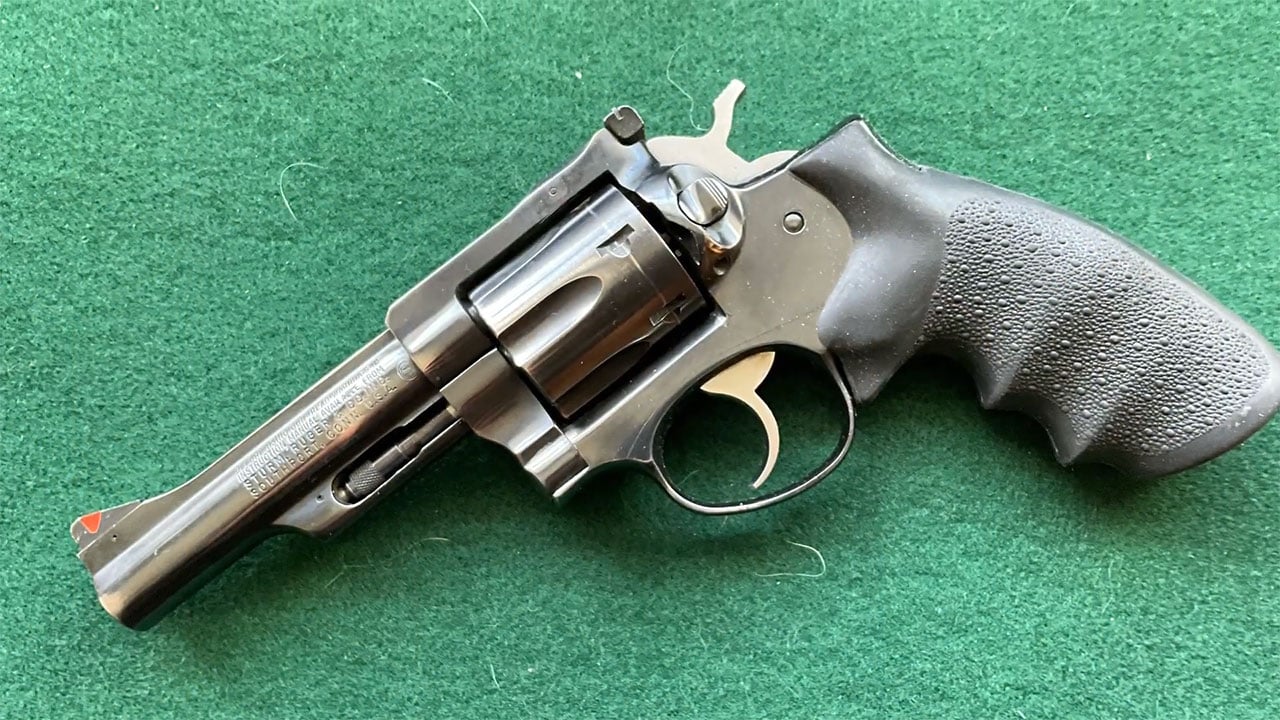
The Security-Six represents the older Ruger service-revolver formula before the company moved to the heavier GP100.
That difference matters. The Security-Six is lighter, trimmer, and easier to carry while still being strong enough for regular .357 Magnum use. A stainless 4-inch example is especially versatile because it works as a range gun, field revolver, or general-purpose sidearm. Modern Rugers are excellent, but they do not feel like this.
Smith & Wesson Model 13 3-Inch
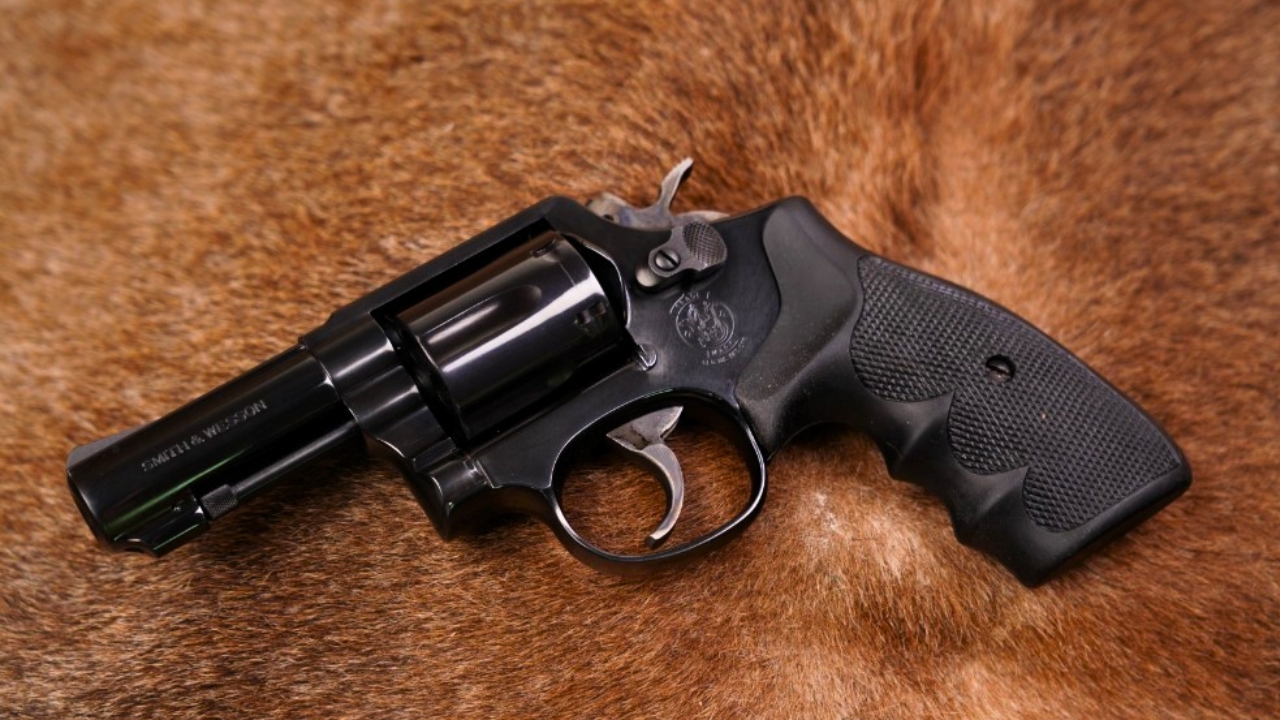
The 3-inch Model 13 has developed a loyal following because it gives you a compact fixed-sight .357 on the classic K-frame.
That is a configuration that looks almost perfect once you understand what it was built for. It carries well, points naturally, and shoots better than its modest dimensions suggest. Modern carry revolvers often go lighter and smaller, while larger guns move toward adjustable sights. The Model 13 sits right between those categories, and that is why clean examples keep getting harder to replace.
Colt Magnum Carry
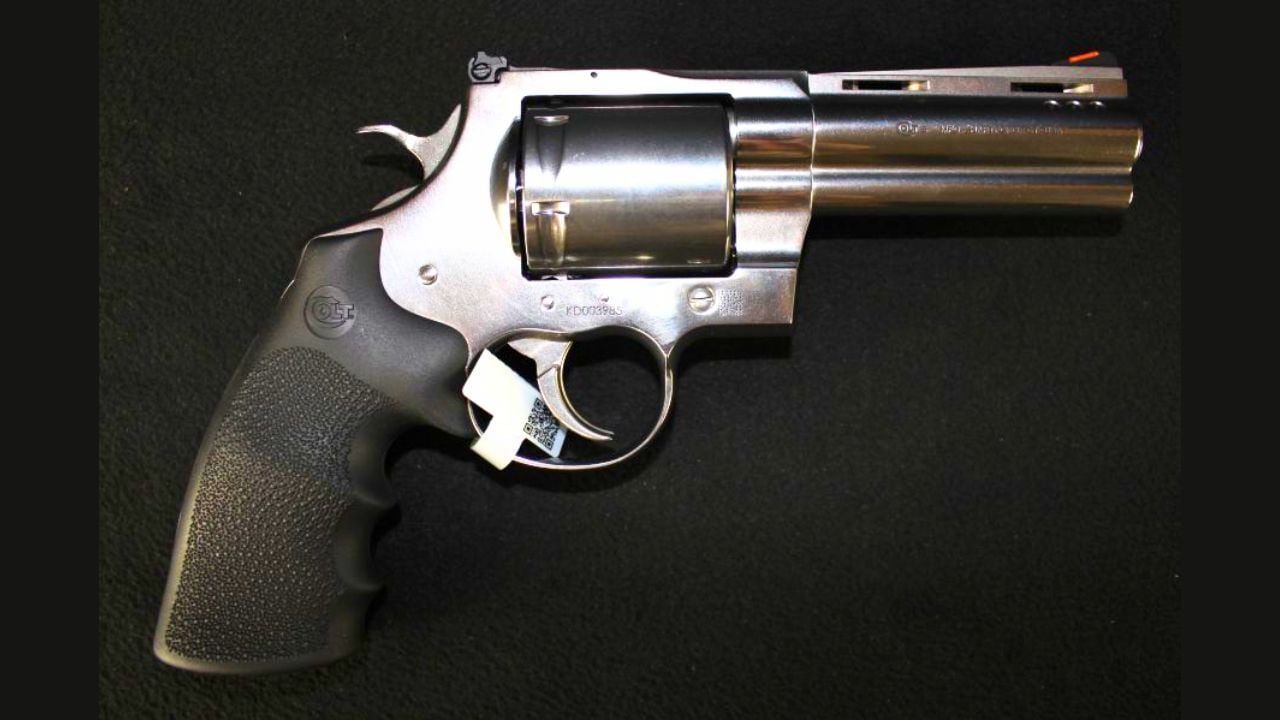
The Magnum Carry was a short-lived attempt to build a compact stainless Colt revolver around .357 Magnum.
Its production life was brief enough that there were never huge numbers circulating. That scarcity matters more now because Colt’s modern revolver lineup does not offer a direct equivalent with the same dimensions and historical identity. A Magnum Carry is the kind of gun you can sell quickly and spend years trying to buy back.
Smith & Wesson Model 547 3-Inch
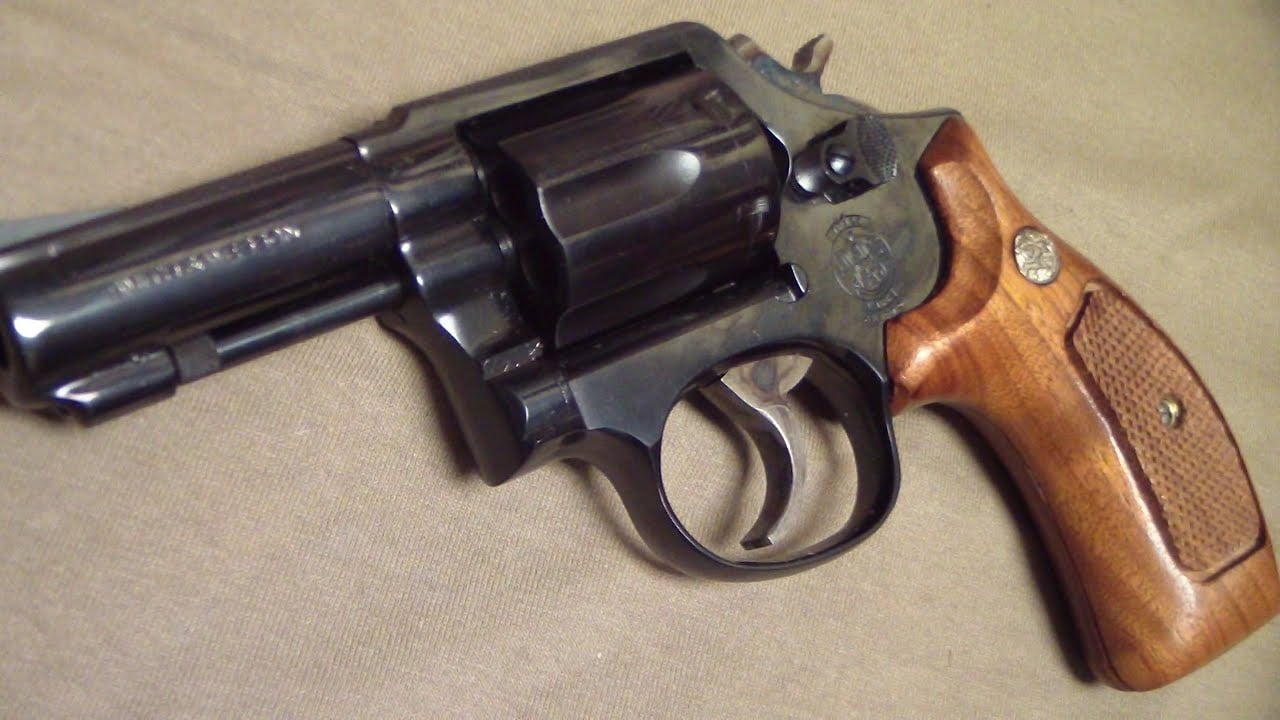
The 547 is unusual because it chambers 9mm without relying on conventional moon clips.
The 3-inch version is even more appealing because it combines that odd extraction system with a compact K-frame package. There is no obvious modern replacement. Current 9mm revolvers generally take different approaches, and none carry the same mechanical curiosity. That makes the 547 far more than just another old Smith.
Ruger SP101 .32 H&R Magnum
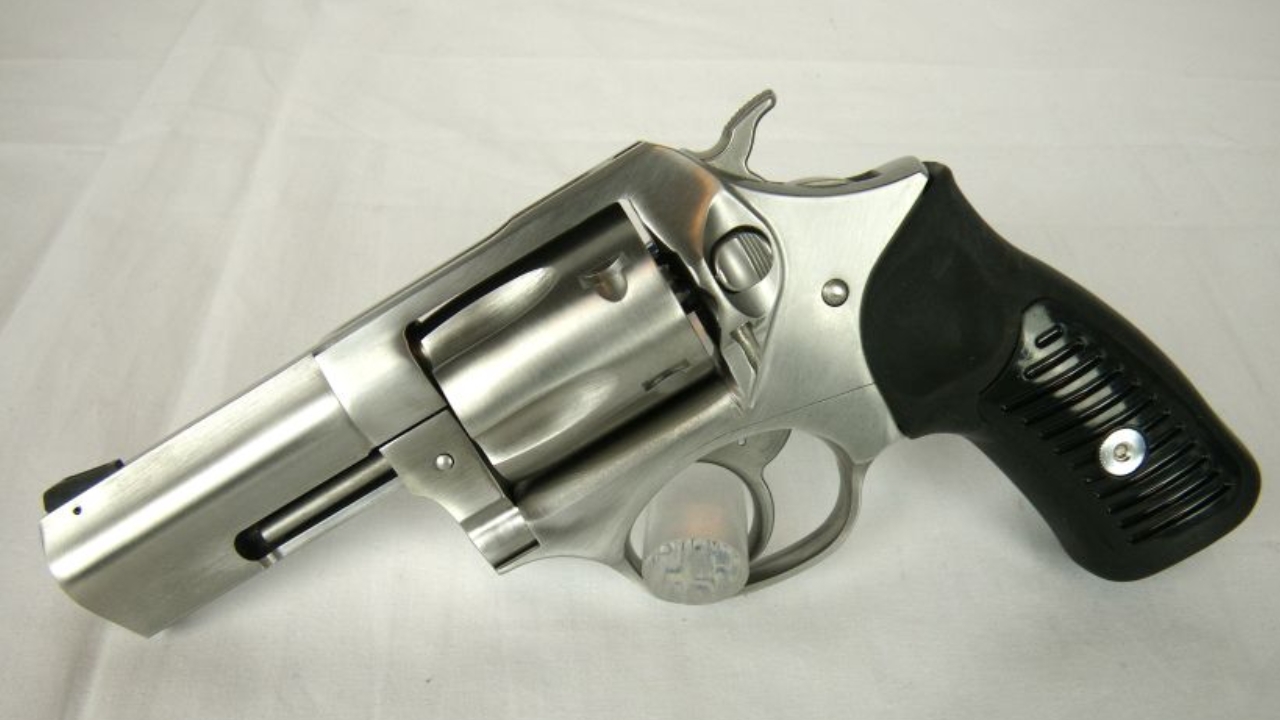
The SP101 is still alive and well, but older .32 H&R Magnum versions occupy a niche that is becoming harder to duplicate.
The cartridge gives you mild recoil and excellent field utility in a sturdy compact frame. Newer .327 Federal options cover similar territory, but the original .32 H&R guns have their own appeal, especially for shooters who prefer the milder cartridge. Specific older configurations can be surprisingly difficult to find once somebody decides they want one.
Smith & Wesson Model 631
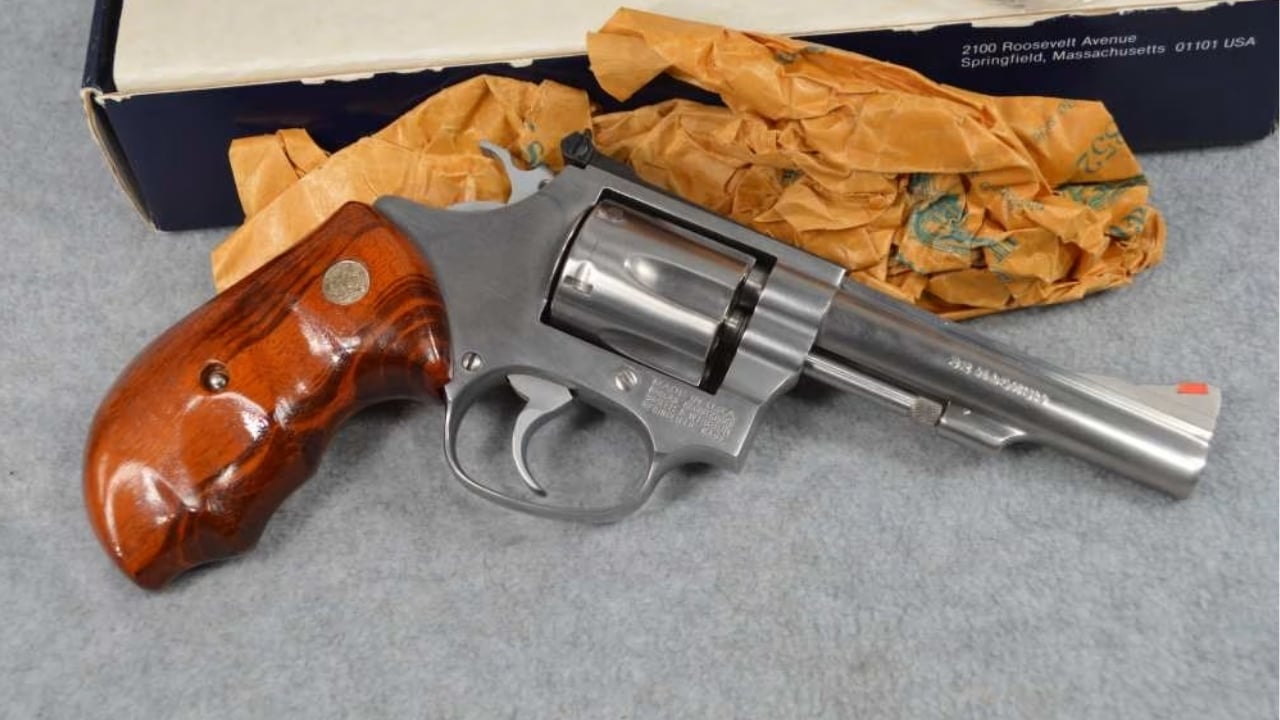
The Model 631 is one of those small-frame revolvers that hardly seemed important when it was new.
Chambered in .32 H&R Magnum, it offered more capacity and less recoil than many comparable .38s. Today, renewed interest in .32-caliber revolvers has made older Smiths like the 631 much more desirable. There are modern .32 options, but not many that combine older Smith construction with the same compact dimensions. That makes a clean one difficult to replace after the fact.
Ruger GP100 Wiley Clapp 3-Inch
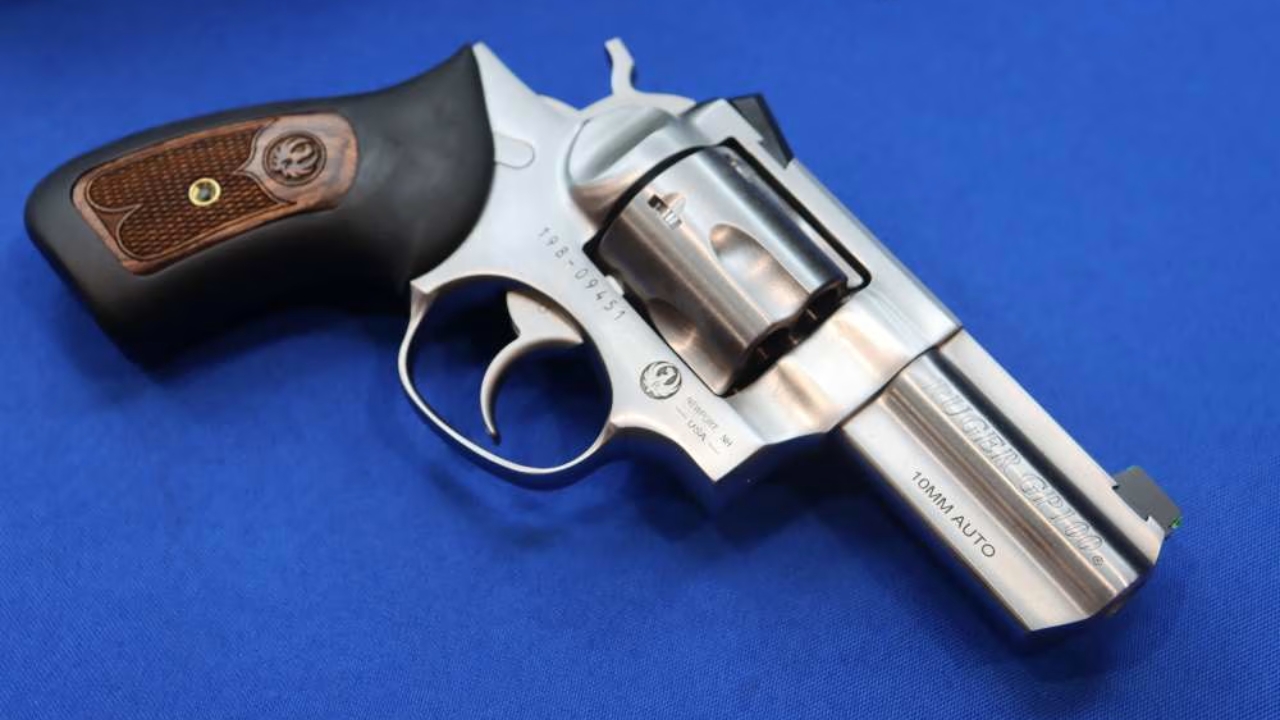
The Wiley Clapp GP100 takes the standard platform and turns it into a much more practical carry-oriented revolver.
The shorter barrel, upgraded sights, and special grip setup give it a personality the ordinary GP100 does not quite match. Distributor and special-edition configurations like this can become difficult to locate once production changes. If you find one that fits you perfectly, selling it and assuming you can always buy another may be a mistake.
Smith & Wesson Model 242
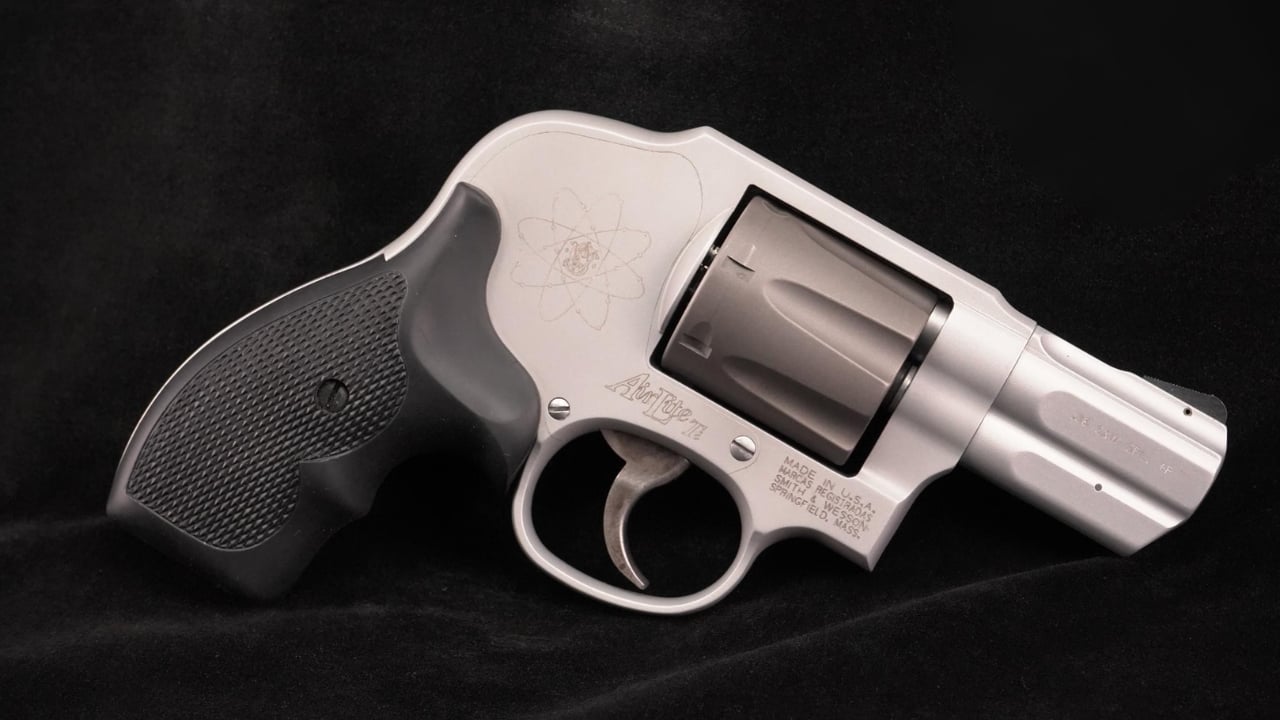
The Model 242 is one of Smith & Wesson’s more unusual lightweight revolvers, combining an L-frame-size cylinder with lightweight construction.
It never became mainstream, and that is precisely why it is increasingly difficult to replace. The gun offers more capacity than a typical J-frame while remaining much lighter than a steel L-frame. Modern manufacturers have explored similar ideas, but the exact combination remains uncommon. This is the kind of oddball Smith that becomes more desirable the longer it stays out of production.
Colt Viper Original Production
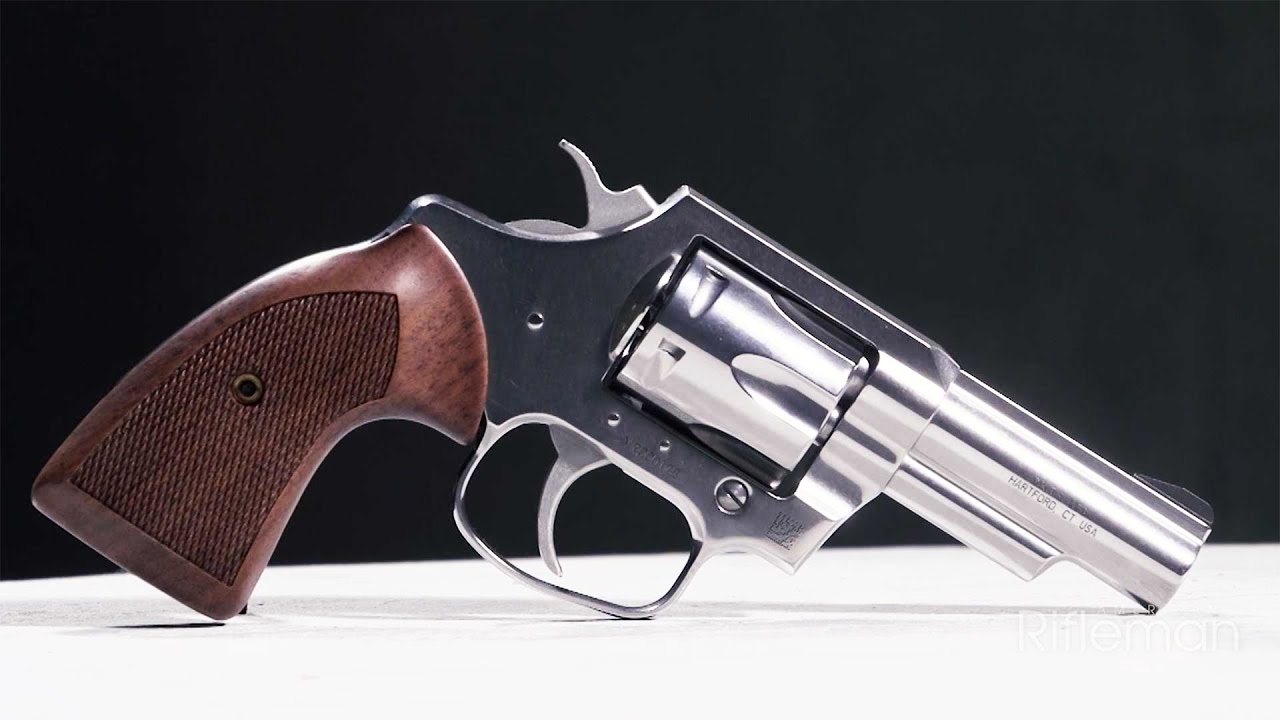
The original Viper was a relatively obscure Colt revolver that never had the fame of the Python or Cobra.
That low profile kept it affordable for years, but it also means there were fewer people paying attention while the supply dried up. The combination of Colt name, short production period, and distinctive configuration makes it difficult to replace now. Modern guns wearing similar names are not the same thing to collectors who specifically want an original example.
Smith & Wesson Model 520
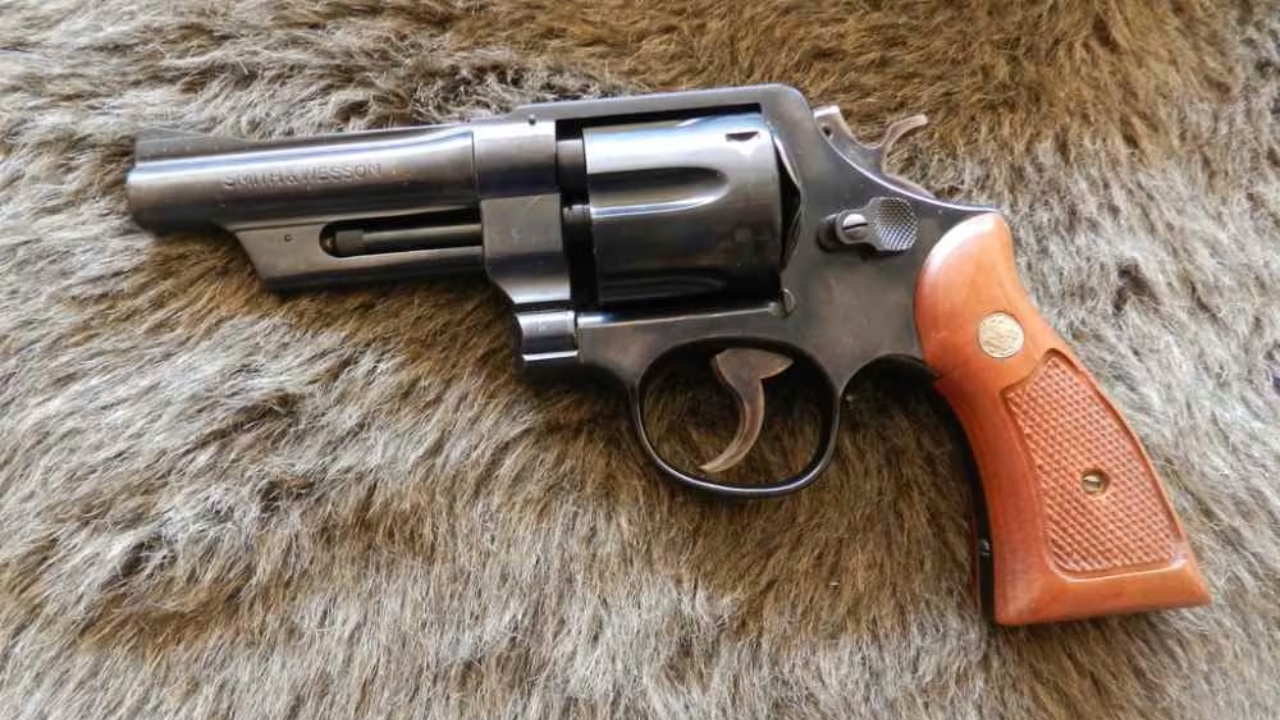
The original Model 520 was a fixed-sight .357 Magnum N-frame built for a law-enforcement contract that never developed the way Smith expected.
That unusual history is part of why the gun is increasingly difficult to find. It looks utilitarian, but mechanically it occupies a very specific niche in Smith & Wesson history. There is no current production revolver that truly replaces it. Once collectors absorb more examples, the remaining clean guns only get harder to locate.
Ruger Blackhawk .357 Maximum
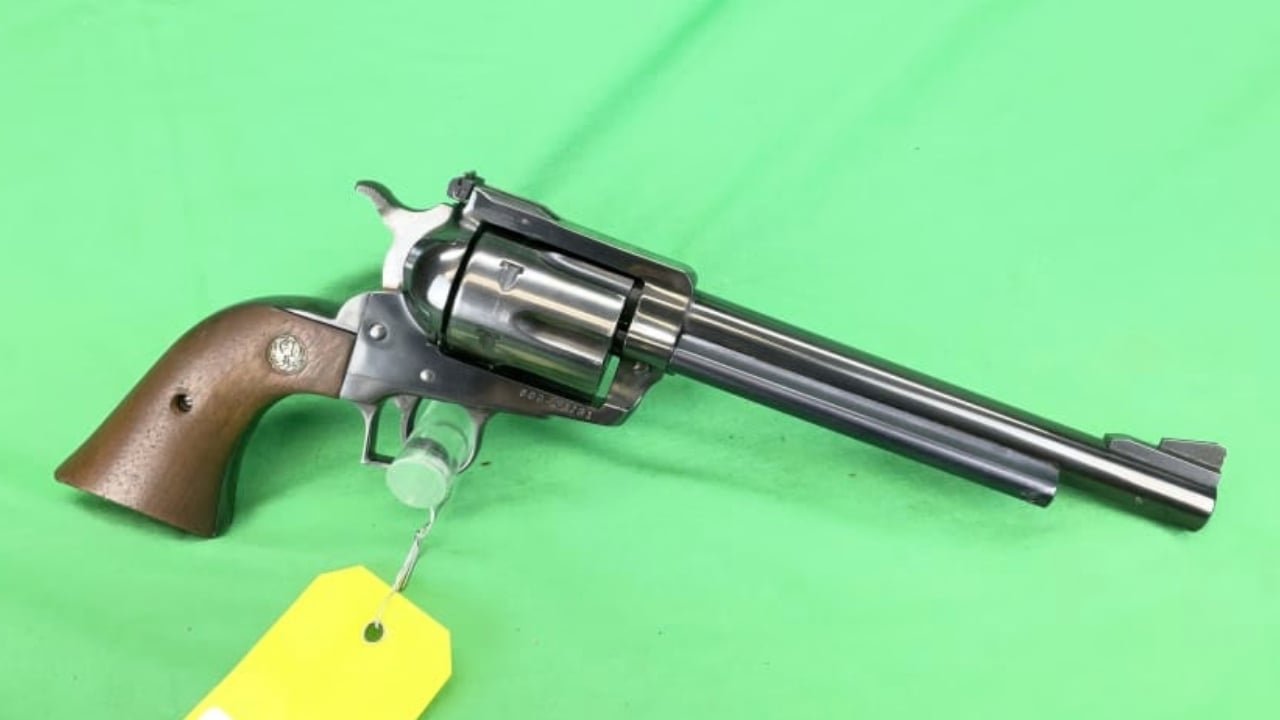
The .357 Maximum Blackhawk is one of those revolvers that shooters ignored until they realized Ruger was never going to make huge numbers forever.
The elongated frame and high-pressure cartridge make it noticeably different from a standard Blackhawk. It appeals to handloaders, hunters, and collectors at the same time, which puts pressure on a limited supply. You can buy other powerful single actions, but replacing the exact .357 Maximum experience is another matter.
Smith & Wesson Model 25 Mountain Gun
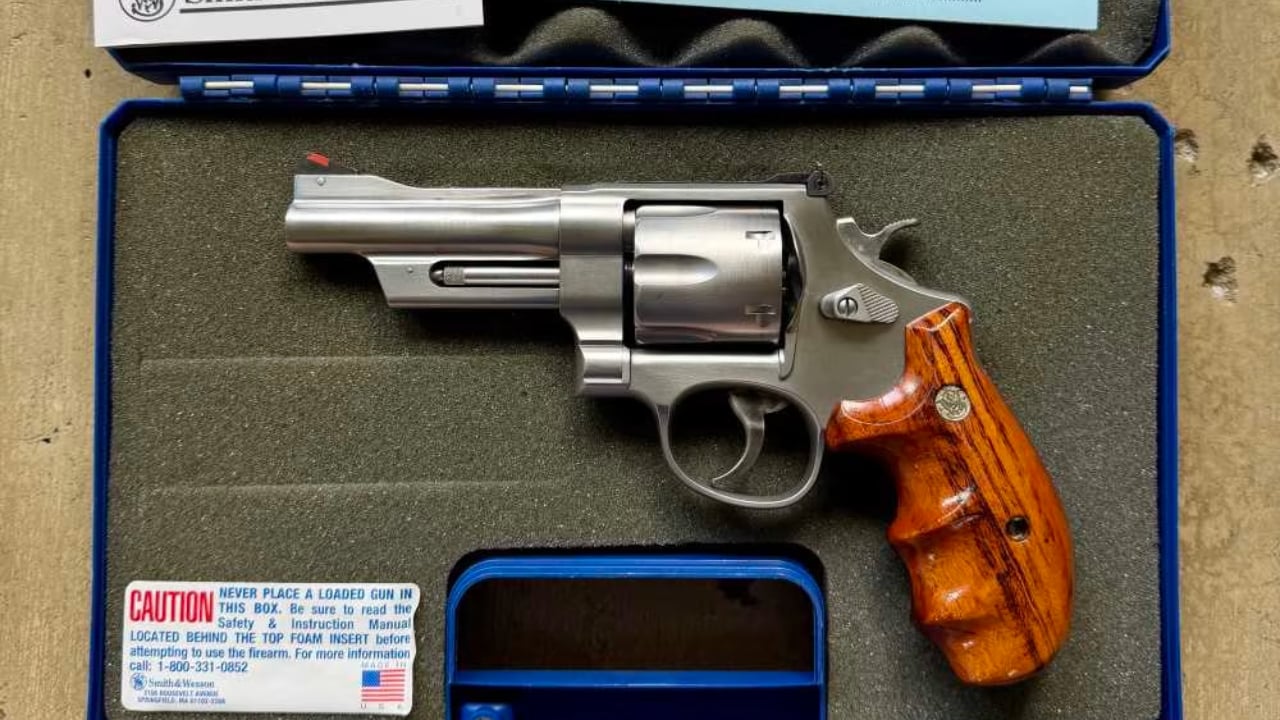
Mountain Gun variants have always attracted shooters because they trim weight from Smith’s large N-frame revolvers without sacrificing the big-bore chambering.
The Model 25 versions are particularly appealing because they give you .45-caliber performance in a more carryable package. That tapered-barrel configuration is much harder to find than a standard heavy N-frame. Once an owner gets used to the balance, a conventional replacement can feel clumsy.
Ruger Redhawk 4-Inch .45 Colt
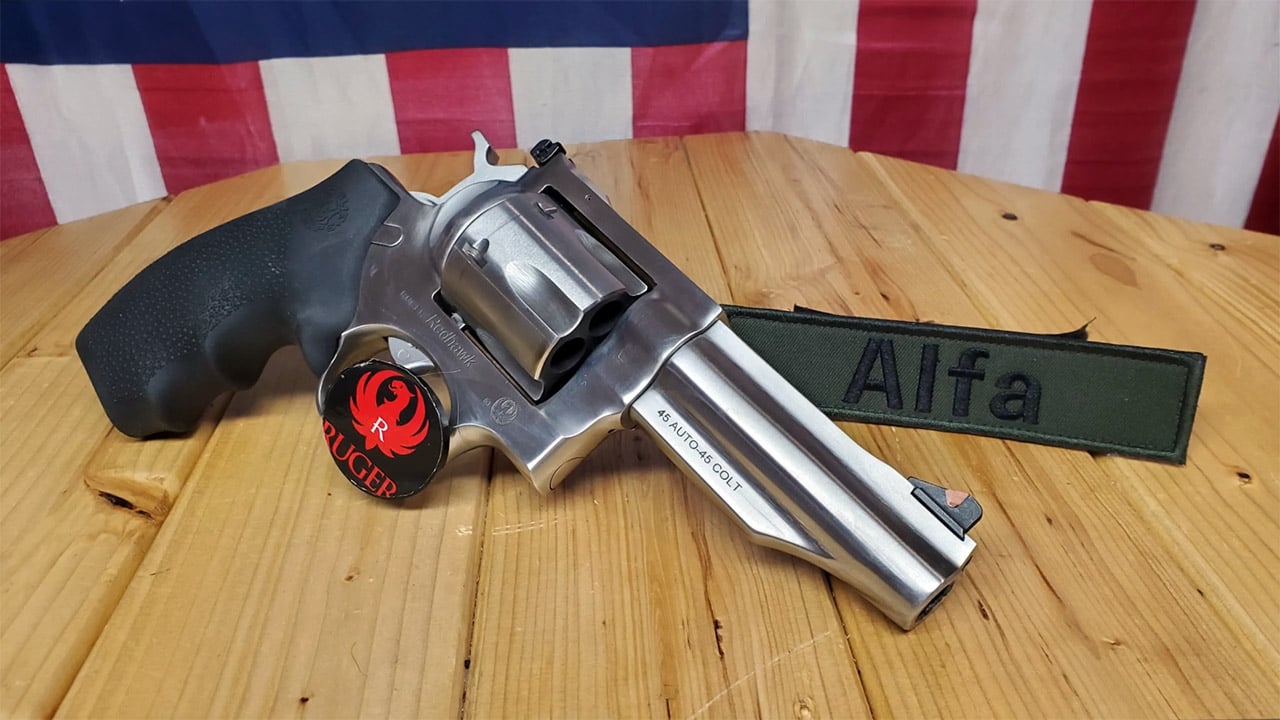
The shorter Redhawk changes the entire feel of the platform.
Instead of a long hunting revolver, the 4-inch .45 Colt becomes a serious field gun that is still strong enough for substantial loads appropriate to the platform. Ruger has offered different barrel lengths over the years, but specific combinations come and go. A short .45 Colt Redhawk is exactly the kind of revolver that becomes irritatingly scarce after people decide they want one.
Smith & Wesson Model 646
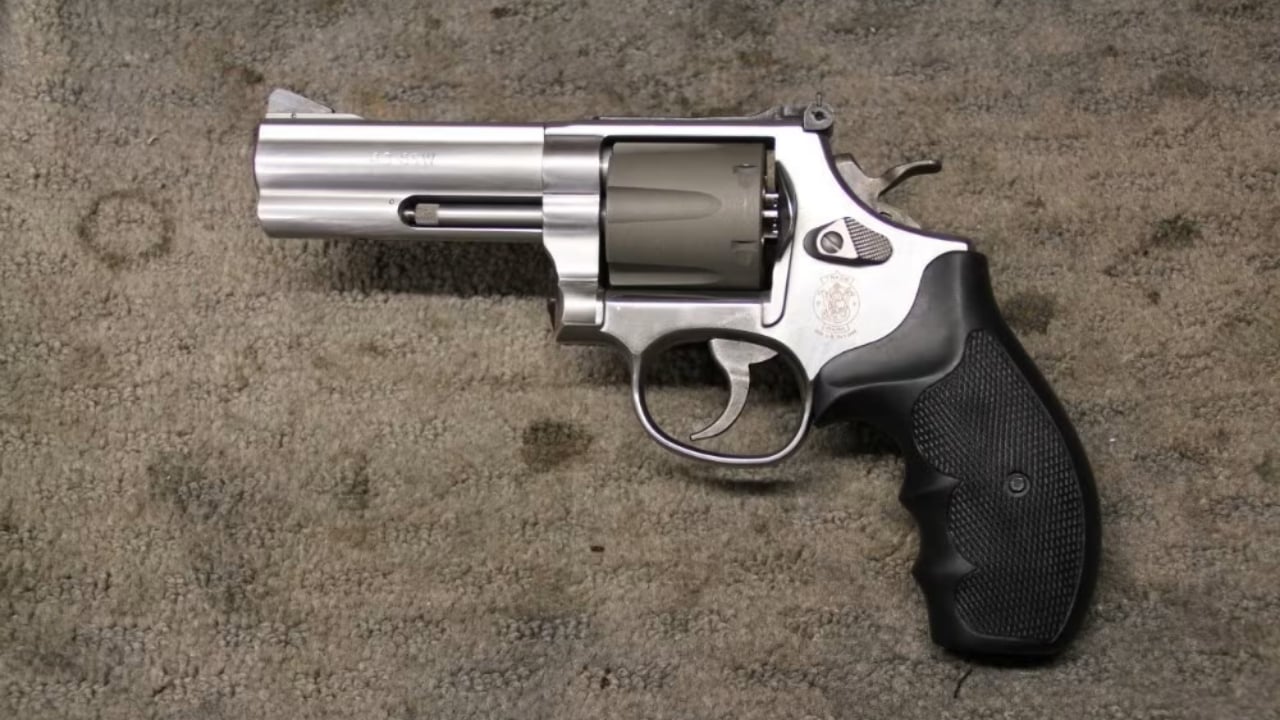
The Model 646 is a stainless L-frame chambered in .40 S&W and built around moon clips.
That sounds odd today, which is exactly why the gun is so difficult to replace. There are very few revolvers chambered in .40 S&W, and even fewer built on a platform as proven as the L-frame. The cartridge’s declining popularity did not help production longevity, but collectors increasingly appreciate the unusual configuration.
Ruger Single-Six Hunter .22 Magnum
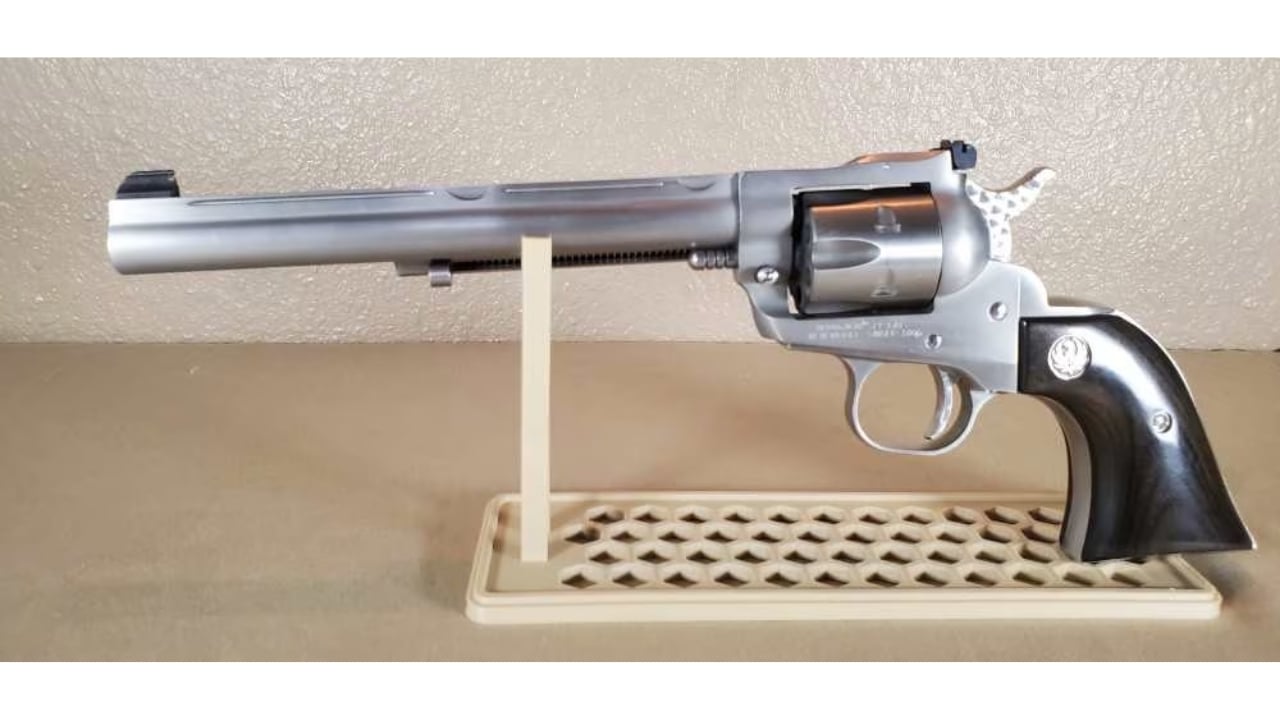
The Hunter configuration takes the familiar Single-Six and gives it a heavier barrel profile and integral scope-mounting capability.
That makes it much more specialized than the ordinary rimfire single action. Shooters who use one for small-game hunting quickly understand how useful the extra weight and optics capability can be. Specialized Ruger rimfires often become harder to find once a particular configuration disappears, and the Hunter is no exception.
Smith & Wesson Model 696
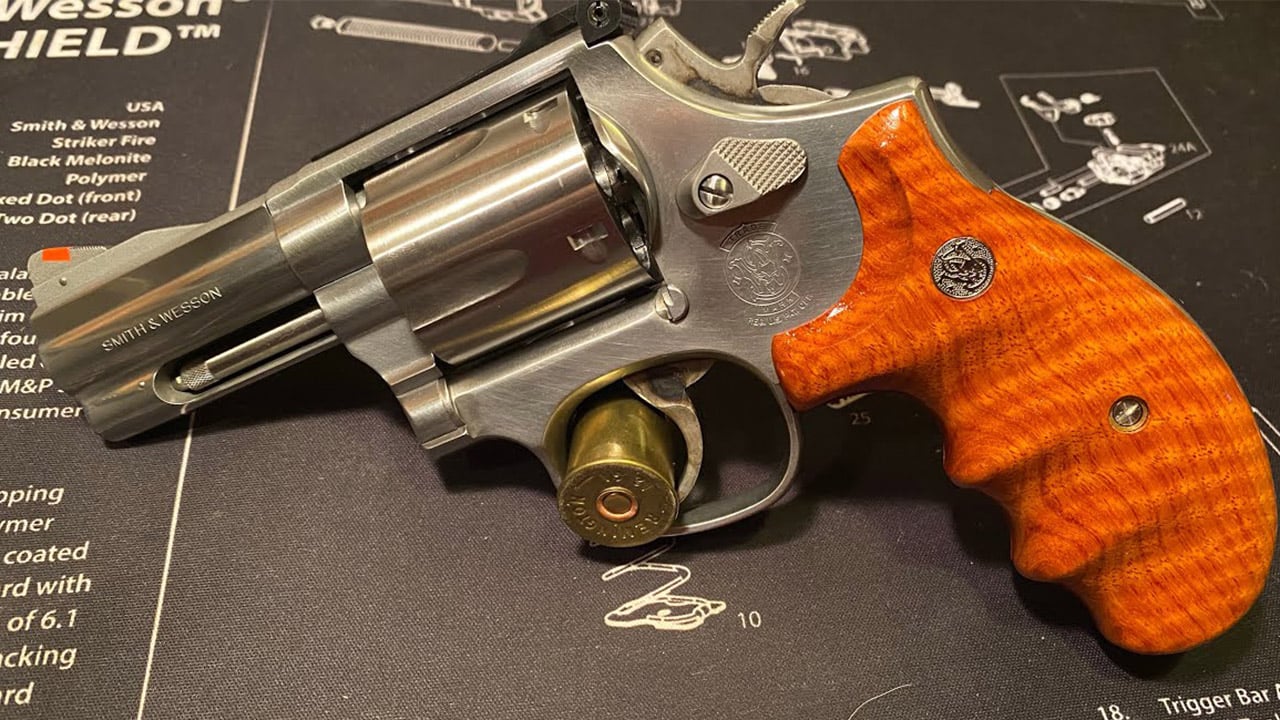
The Model 696 combines .44 Special with the L-frame, creating one of the most appealing mid-size big-bore revolvers Smith ever produced.
That combination is difficult to replace because most .44-caliber revolvers are either much larger or considerably more specialized. The 696 gives you a manageable frame, useful barrel length, and a cartridge that is pleasant to shoot without giving up big-bore appeal. Once owners discover how good that package feels, they tend to stop selling them.
Like The Avid Outdoorsman’s content? Subscribe to our newsletter so you never miss an article.
Here’s more from us: