Photo credit: Guns of the West/YouTube
If you’re new to revolvers, one of the first decisions you’ll run into is choosing between single-action and double-action. Both have been around forever, and each offers something a little different. Whether it’s about speed, accuracy, or just how they feel in hand, these two styles can lead to very different shooting experiences. Before you pick one over the other, it helps to know what really separates them. Here are eight things to consider when deciding between single-action and double-action revolvers.
How the Trigger Changes Everything

With a single-action revolver, you manually cock the hammer before each shot. This gives you a light, crisp trigger pull. Double-actions let you pull the trigger to both cock and release the hammer, making for a heavier and longer pull. It’s a big factor in how each gun feels during actual shooting.
Speed Favors Double-Action

In fast-paced situations, double-actions come out ahead. You don’t need to cock the hammer—just pull the trigger and go. This is a key reason why double-actions have been favored for defensive use. Single-actions are slower, making speed less of a priority and accuracy more of the focus.
Accuracy Can Go Either Way

Some shooters feel they shoot single-actions better because of the light, consistent trigger. Others prefer double-actions in single-action mode for the same reason. Double-actions give you options—quick double-action pulls or slower, more deliberate single-action shots. Both can be accurate, but single-actions tend to encourage a more deliberate pace.
Reloading Is Quicker on Double-Action

Most double-actions use swing-out cylinders, which make reloading easier and faster. Single-actions require you to eject and load one round at a time through a loading gate. If quick reloads matter, like in competition or defense, double-actions have the clear advantage.
Single-Actions Handle Magnum Loads Well

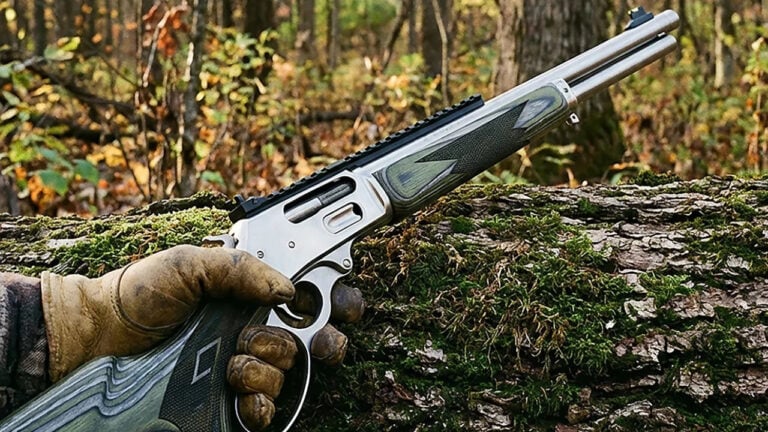
Single-action revolvers have a grip shape that naturally rolls with recoil. That makes them more comfortable to shoot with heavy magnum loads. Many big-bore hunters stick to single-actions for this reason. Double-actions handle recoil fine, but tend to have more muzzle rise with stout rounds.
Double-Actions Offer More Modern Features

If you want options like adjustable sights, rubber grips, or optics mounts, you’ll find more of that in double-actions. Single-actions lean more toward classic looks and simplicity. For folks wanting something modern and practical, double-actions give you more flexibility.
Simplicity Keeps Single-Actions Popular

Single-actions have fewer moving parts and are often simpler to maintain. There’s less that can go wrong, and they’ve earned a reputation for reliability. Some shooters just like the slower, more mechanical experience. It’s part of why these old-school designs are still popular today.
Consider What You’ll Actually Use It For

At the end of the day, your choice should match your needs. If you’re hunting or enjoy slow, accurate shooting, single-actions can be a solid choice. If you want quicker follow-ups or a good carry option, double-actions are usually better suited. Both have their place—you just need to know what fits your use case.
*This article was developed with AI-powered tools and has been carefully reviewed by our editors.