Photo credit: Old Arms of Idaho
Not every old rifle cartridge deserves to be brought back. Some faded because newer rounds duplicated the same performance with cheaper ammunition, stronger brass, better rifle availability, or fewer headaches. Others were tied so closely to obsolete actions and narrow hunting roles that once those rifles disappeared from gun racks, there was not much reason for the cartridge to follow them into the modern era.
That does not make these cartridges historically unimportant. Several killed an enormous amount of game, served militaries, or helped shape the rounds we use today. The issue is whether starting fresh with one still makes sense. If you already own a good rifle chambered for one, keeping it fed can be worthwhile. If you are buying a rifle today, though, these 20 cartridges usually ask you to accept scarce ammunition, limited component choices, or outdated performance when much easier alternatives are sitting right beside them.
.32-40 Winchester
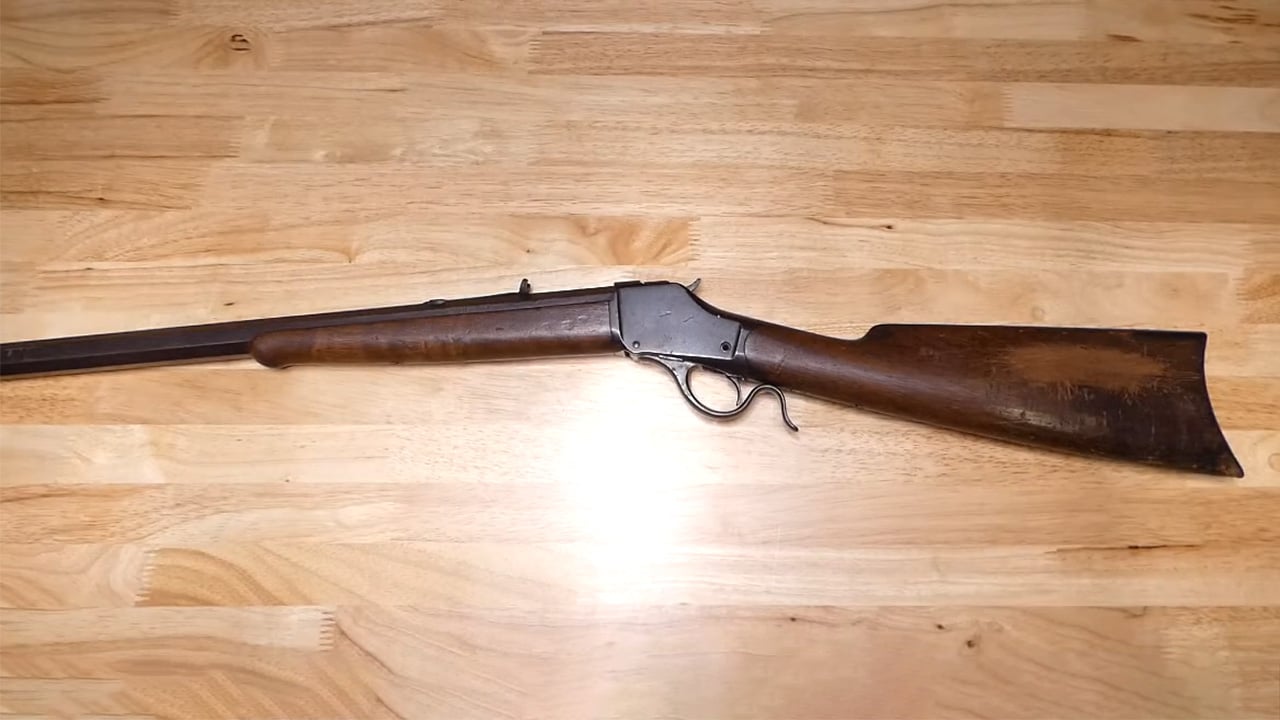
The .32-40 Winchester came from an era when black-powder target shooting and early smokeless sporting rifles overlapped. It developed a strong reputation for accuracy and mild recoil, especially in single-shot rifles, and it later appeared in lever actions used for deer and general sporting work. For its time, it was a perfectly respectable cartridge.
Today, the problem is that almost everything it did can be handled more easily by another round. Ammunition is uncommon, modern rifles are essentially nonexistent, and bullet selection is limited compared with mainstream .30- and .35-caliber cartridges. Its relatively low velocity also leaves little room for modern hunting expectations. Collectors and handloaders can still enjoy it, particularly in an original rifle, but there is very little practical reason to choose .32-40 as a new hunting cartridge when .30-30 and many others are dramatically easier to support.
.25-20 Winchester
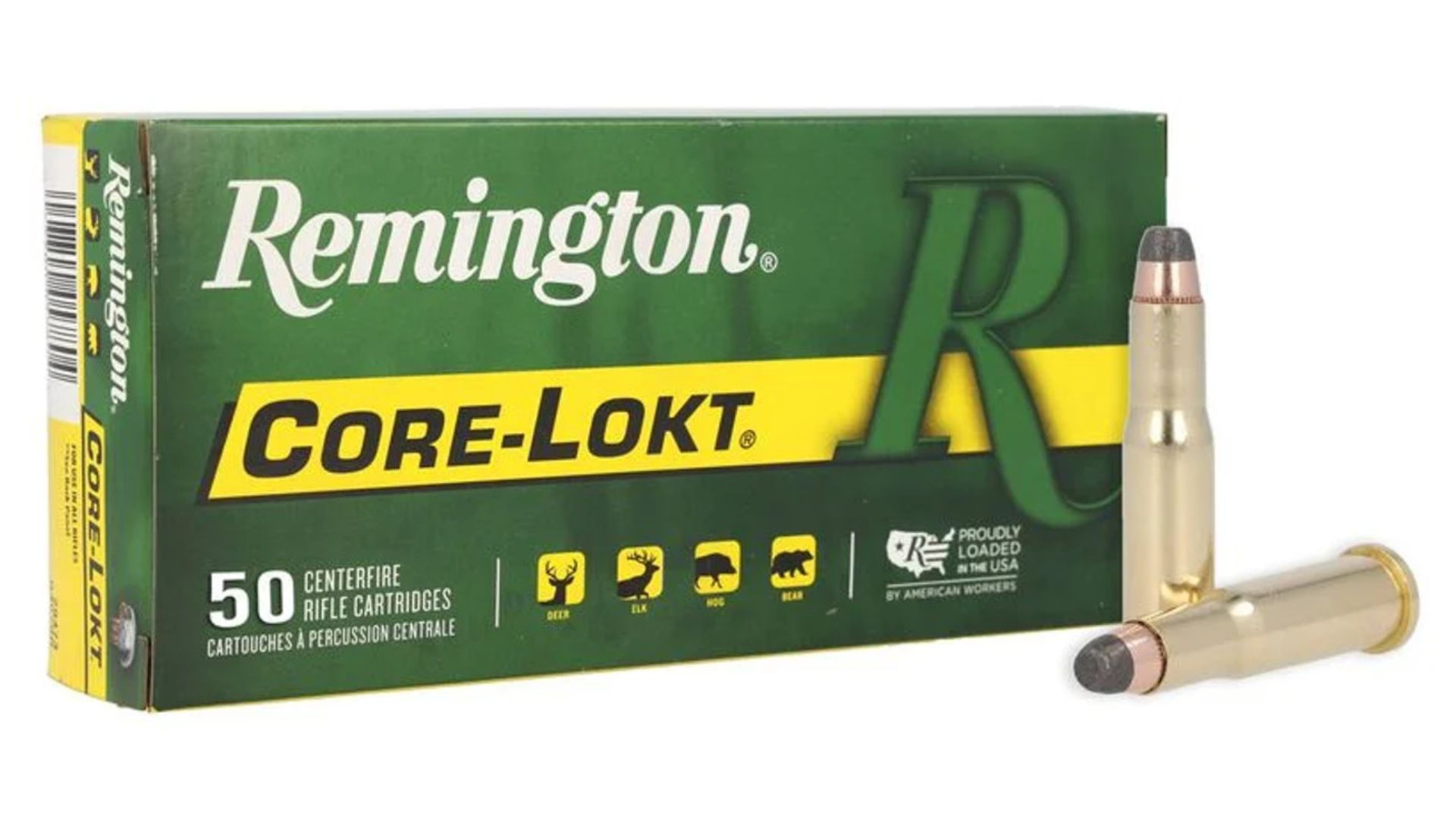
The .25-20 was once a useful small-game and varmint cartridge, particularly for farmers and ranchers who wanted more reach than a rimfire without stepping into a loud, heavy centerfire. In a light lever rifle, it was pleasant, efficient, and accurate enough for the work people expected it to do.
Its usefulness has been squeezed from both directions. Modern rimfires such as .17 HMR handle much of the small-varmint role cheaply and with less fuss, while .22 Hornet and .223 Remington offer considerably more range and ammunition support when centerfire performance is needed. Factory .25-20 ammunition can be expensive and difficult to locate, and few modern rifles are chambered for it. The cartridge is charming in an old Winchester or Marlin, but nostalgia is doing most of the work now. As a practical new purchase, there are simply too many easier options.
.32-20 Winchester

The .32-20 was a classic dual-purpose cartridge that appeared in both rifles and revolvers. That sounded especially useful in an era when carrying one cartridge for multiple firearms could simplify life on a farm, ranch, or trail. It was mild to shoot and capable of handling small game, pests, and limited defensive work.
Modern shooters do not gain much from that flexibility anymore. Factory loads tend to be mild because of the wide variety of old firearms still in circulation, and ammunition availability is spotty. If you want a pistol-caliber rifle today, .357 Magnum provides far more power, dramatically better ammunition availability, and a huge selection of lever guns and revolvers. The .32-20 remains enjoyable for collectors and careful handloaders, but as a general-purpose rifle cartridge it has been surpassed so thoroughly that bringing it back into mainstream use would solve a problem nobody really has.
.25-35 Winchester

The .25-35 Winchester was once a sensible light-recoiling deer cartridge, especially for smaller-framed hunters using lever rifles. It offered better reach than some of the heavier, slower cartridges of its period while keeping recoil extremely manageable. At normal woods distances and with careful shot placement, it earned a legitimate hunting reputation.
The modern problem is support. Ammunition is scarce, bullet choices are narrow, and new rifles are extremely limited. Hunters wanting mild recoil now have options such as .243 Winchester, 6.5 Grendel, .350 Legend, and even reduced-recoil loads in more common cartridges. All of them are easier to feed and generally easier to find rifles for. The .25-35 still has historical charm and can absolutely kill deer in capable hands, but that is different from being a sensible cartridge to adopt today. Its niche has been filled many times over.
.303 Savage
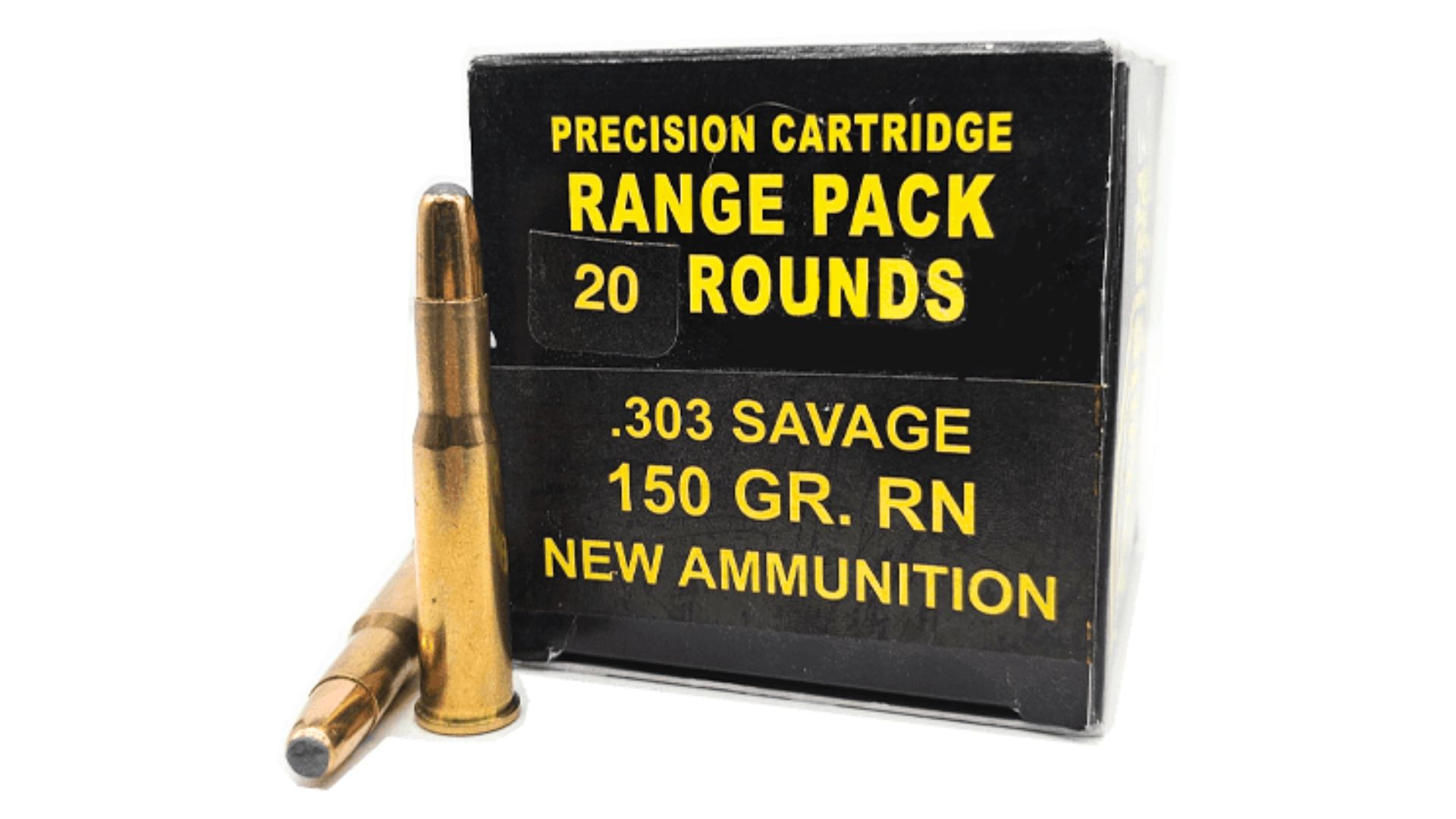
The .303 Savage was developed as a hunting cartridge for early Savage lever rifles and spent years taking deer, black bear, and similar game. It was never the same cartridge as .303 British despite the similar name, and that distinction has become increasingly important as factory support has disappeared.
Its biggest problem today is isolation. There are essentially no modern rifles chambered for it, factory ammunition is difficult to find, and component choices are limited. Performance is also not strong enough to justify the inconvenience. A .30-30 Winchester or .300 Savage can handle similar hunting roles while offering a much easier ownership experience. If you inherit a Savage 99 in .303 Savage, preserving and occasionally shooting it makes sense. Buying into the cartridge deliberately, though, means choosing scarcity without gaining any meaningful field advantage.
.401 Winchester Self-Loading
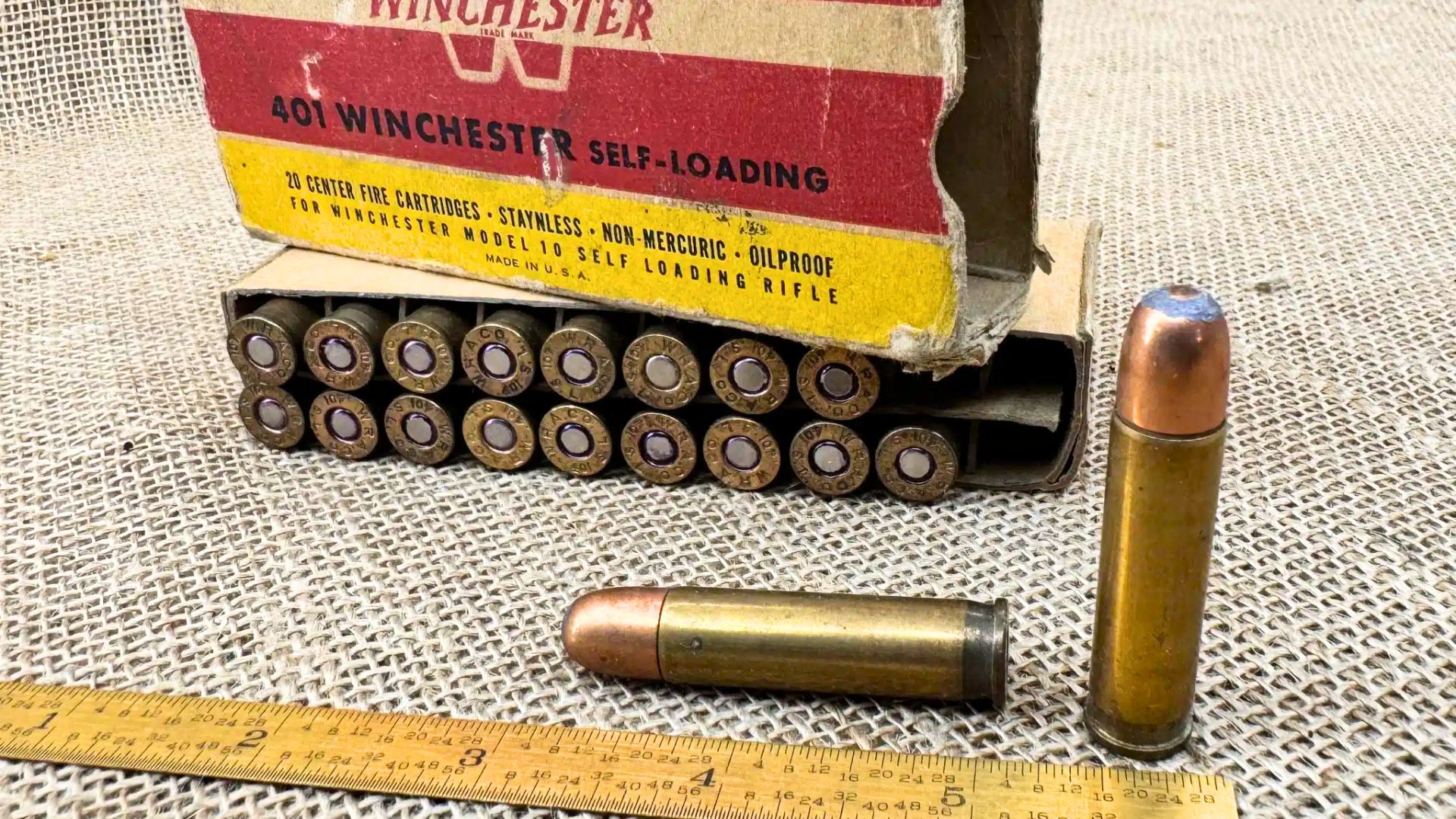
The .401 Winchester Self-Loading was designed for the Winchester Model 1910 and delivered impressive close-range power for an early semiautomatic sporting rifle. Heavy bullets and substantial energy made it capable on deer and other medium game, and at the time it offered a combination of repeat shots and authority that was genuinely unusual.
The cartridge’s fate was tied too closely to one old rifle design. Once the Model 1910 disappeared, the .401 WSL had virtually nowhere else to go. Ammunition and brass became specialty items, and the performance no longer looks special beside modern semiautomatic cartridges. Today you can get equal or better results from much lighter, more serviceable rifles chambered in common rounds. The .401 WSL remains mechanically and historically interesting, but there is no practical reason to revive it outside collector circles. Its era ended with the rifle that made it relevant.
.351 Winchester Self-Loading
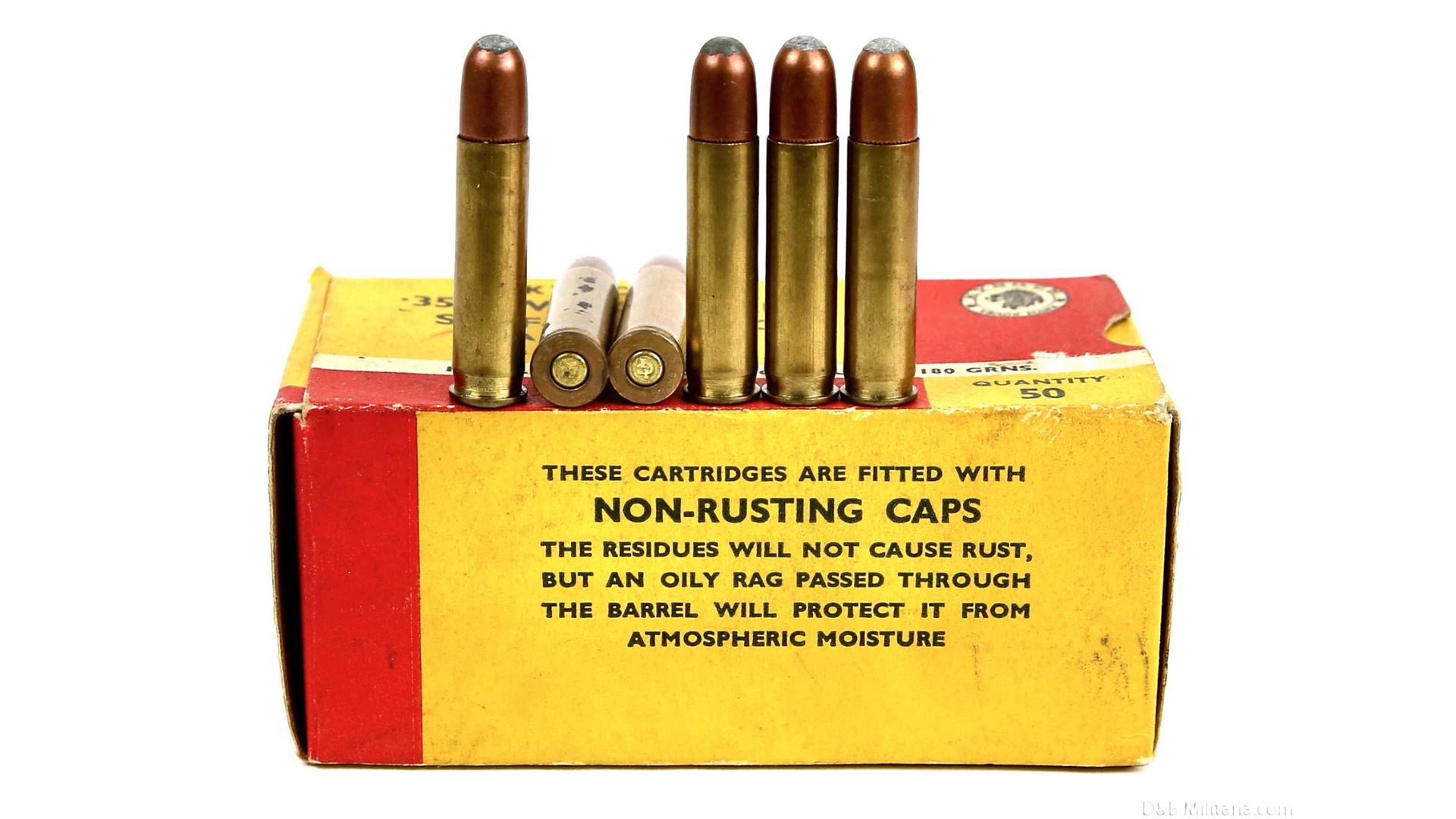
The .351 WSL served police, prison guards, hunters, and even some military users through Winchester’s Model 1907. It was a fairly serious intermediate-power cartridge long before the modern concept of an intermediate rifle cartridge became standard.
That history is fascinating, but ownership today is difficult to justify. Factory ammunition is scarce, brass can be troublesome to source, and the old rifles require careful maintenance because replacement parts are not exactly stacked on every gunsmith’s shelf. Modern cartridges such as .350 Legend, .300 Blackout, and 7.62×39 cover similar practical territory with vastly better firearm support. The .351 WSL deserves recognition for being ahead of its time, but being historically influential does not make it a good modern choice. It makes far more sense as a cartridge to preserve than one to put back into widespread service.
.35 Winchester
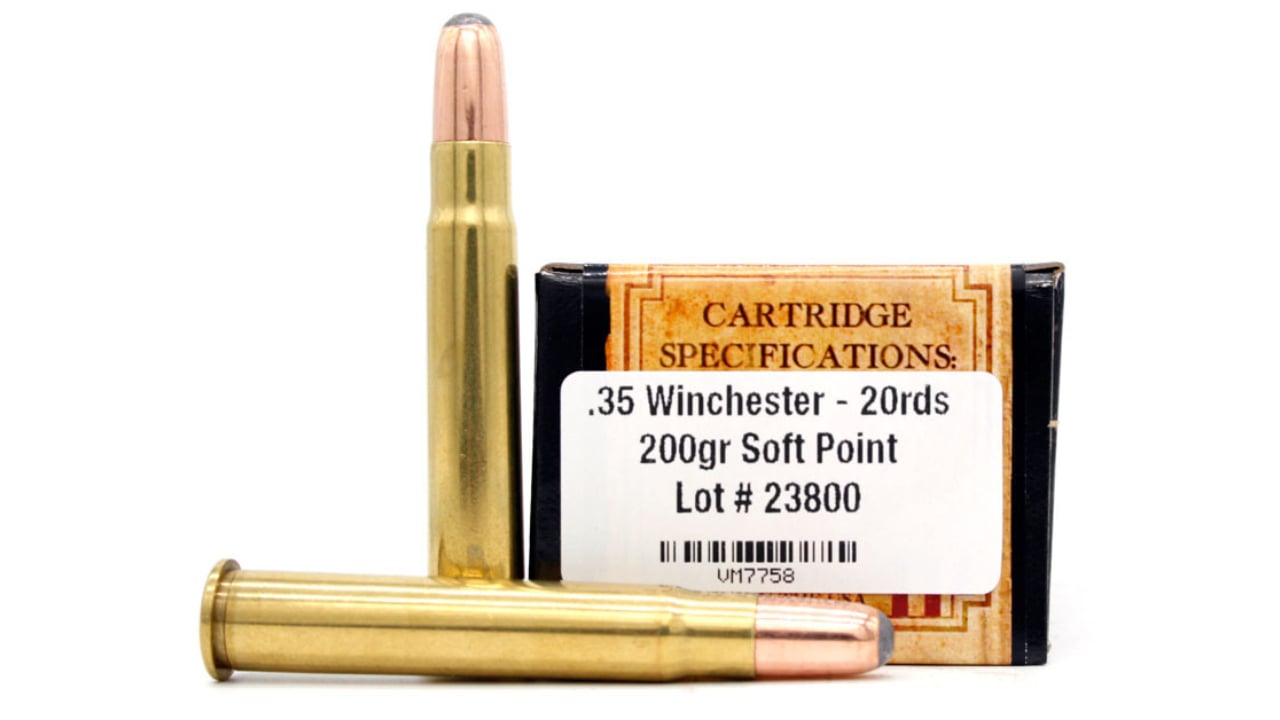
The .35 Winchester was a powerful early sporting cartridge developed for rifles such as the Winchester Model 1895. It launched heavy bullets with enough authority for larger North American game and fit nicely into the era’s growing interest in smokeless big-game cartridges.
Its problem is that later cartridges did the same job better and survived. The .35 Whelen offers excellent heavy-bullet performance with much more modern support, while .358 Winchester provides similar bore diameter from a shorter case. The old .35 Winchester has almost no meaningful factory presence today, and original rifles are collector pieces that many owners have little interest in firing extensively. Handloading can keep one alive, but that is largely an exercise in maintaining history. For a hunter who simply wants a .35-caliber rifle, starting with .35 Winchester in the modern market creates difficulty without delivering a corresponding advantage.
.405 Winchester
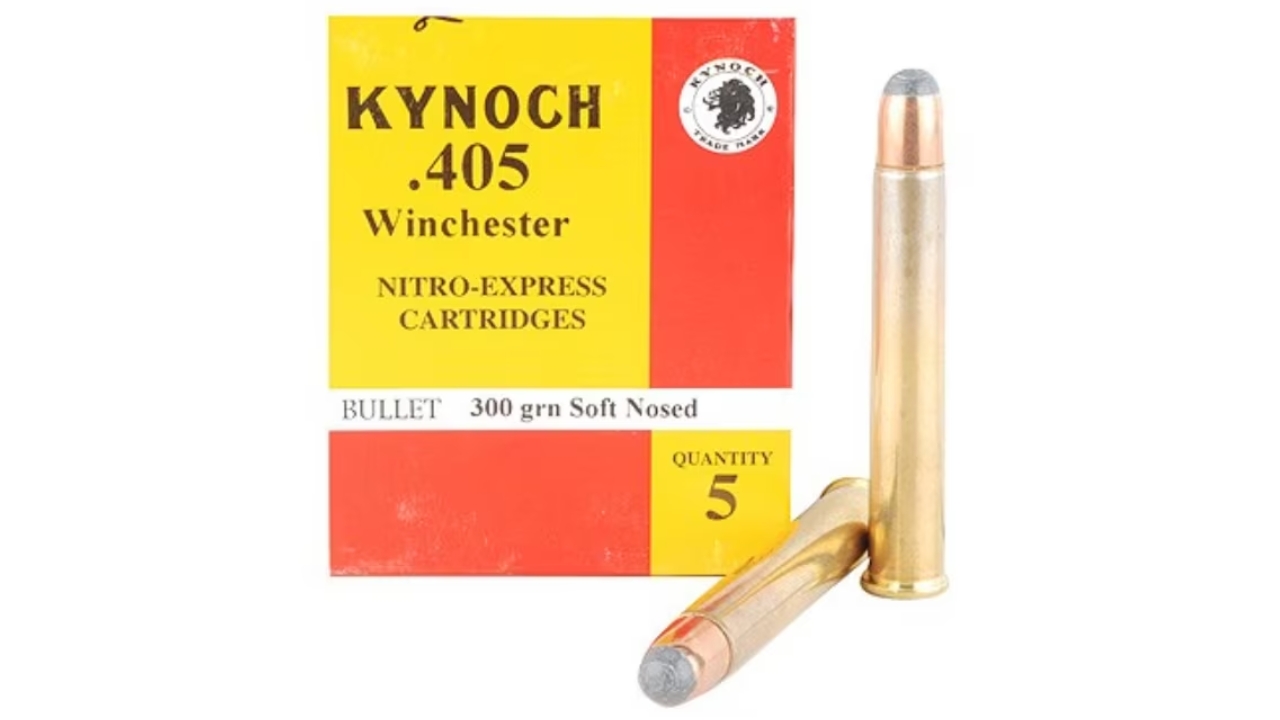
The .405 Winchester has an undeniable historical reputation, helped greatly by Theodore Roosevelt and the Winchester Model 1895. It was a serious cartridge for large game and could deliver heavy bullets with plenty of authority at moderate ranges.
Its modern practicality is far less impressive. Ammunition is expensive and limited, rifle choices are narrow, and recoil can be substantial depending on the firearm. Cartridges such as .375 Ruger, .375 H&H, .45-70, and even .35 Whelen cover much of the same hunting territory with broader bullet and rifle support. The .405 still makes sense for someone who specifically wants the history or owns a Model 1895 chambered for it. Outside that context, you are accepting significant expense and inconvenience primarily for nostalgia. That is not enough reason for the cartridge to reclaim mainstream status.
.30 Remington
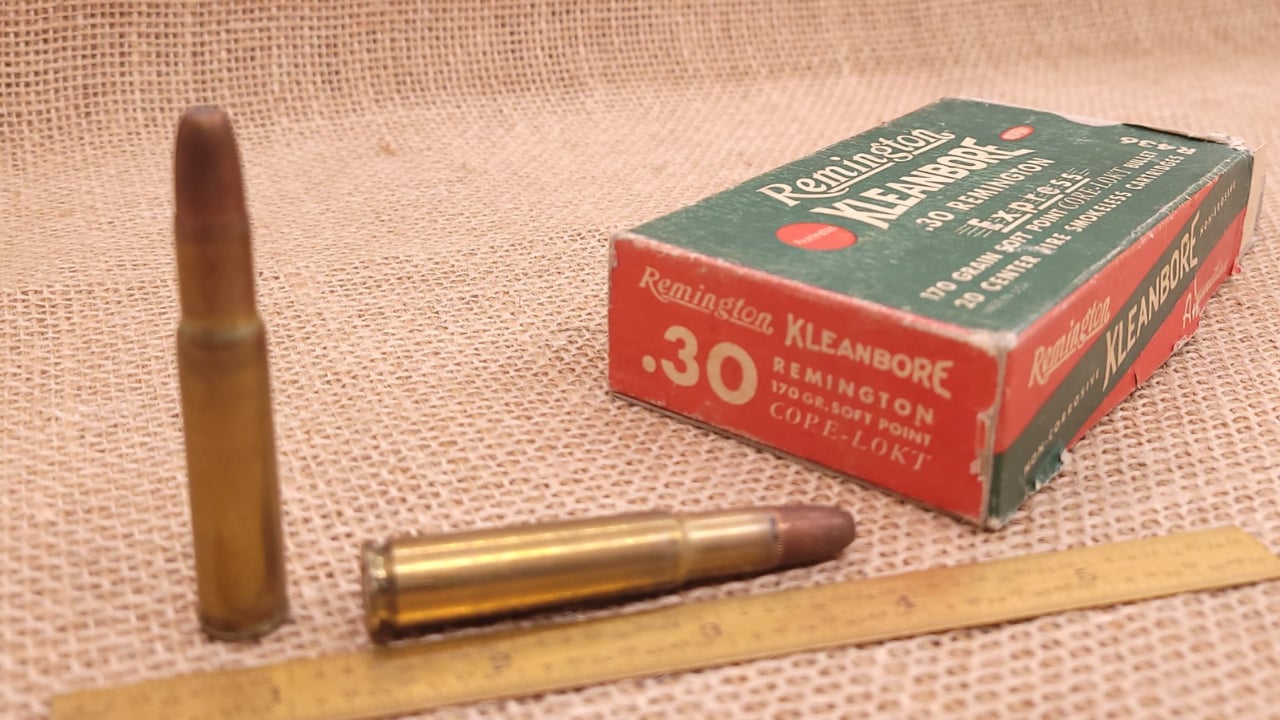
The .30 Remington was essentially a rimless competitor to the .30-30 Winchester and appeared in early Remington pump and semiautomatic rifles. It offered useful deer performance and worked well with box magazines where a rimless case was advantageous.
The cartridge’s biggest problem is that the rifle designs it supported disappeared while .30-30, .300 Savage, and later .308 Winchester continued moving forward. Ammunition availability collapsed, new rifles vanished, and the .30 Remington was left without a meaningful role. Interestingly, its case lineage helped influence later cartridges, so the design was not irrelevant. As a living hunting round, though, it has almost no reason to return. The performance is ordinary by modern standards, while the logistics are anything but ordinary. If you own an old Remington chambered for it, keep it running. If you do not, there is no strong reason to start.
.32 Remington
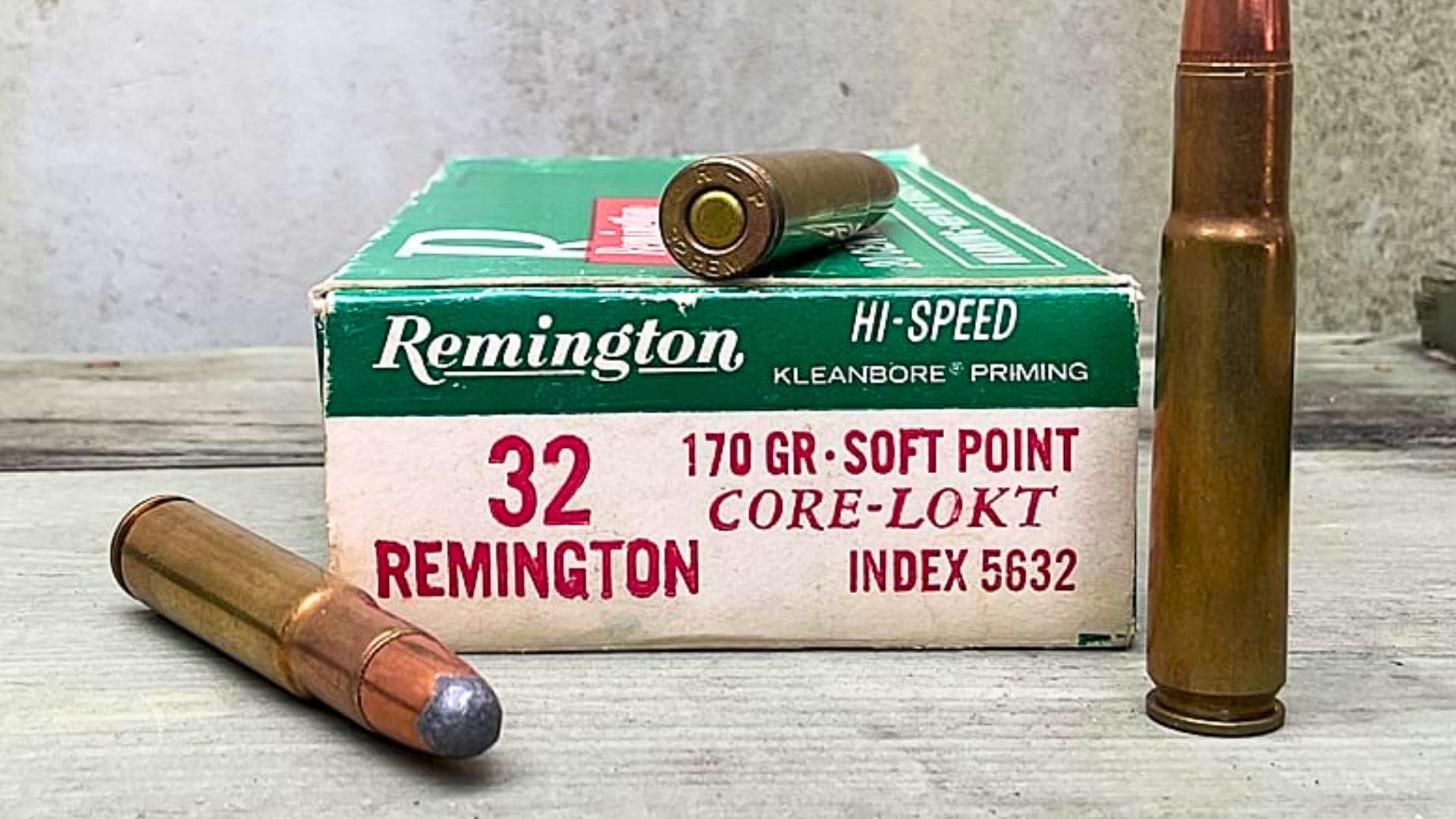
The .32 Remington filled roughly the same space as .32 Winchester Special but used a rimless case suited to Remington’s early autoloaders and pump rifles. It was capable of taking deer and black bear at moderate distances and represented a logical choice in the rifle systems available at the time.
Today, it is mostly an ammunition-sourcing project. Factory support is almost nonexistent, brass is difficult, and there are no modern rifles giving the cartridge a second life. Even if support suddenly returned, the performance would not offer much that .30-30, .35 Remington, or several newer straight-wall cartridges could not match more conveniently. Its remaining value is historical. Old Remington rifles in .32 Remington deserve to be preserved, but there is no practical argument for bringing the caliber back as a mainstream hunting option.
.25 Remington
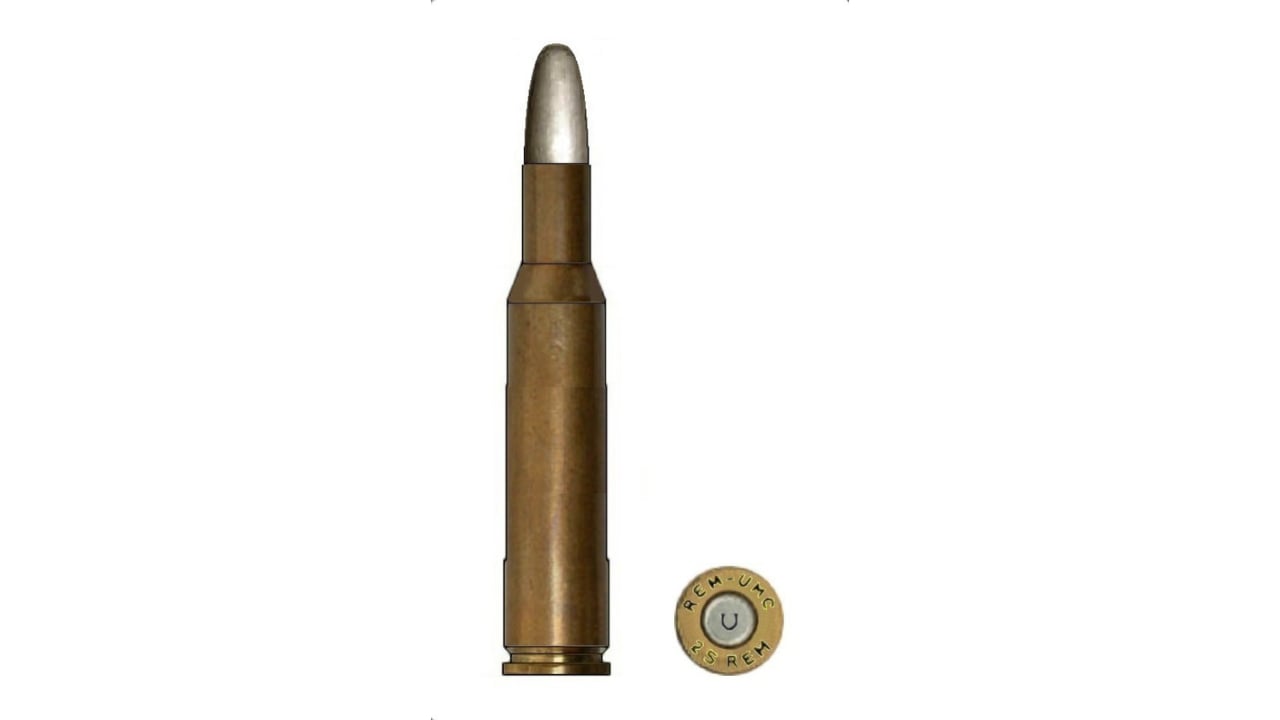
The .25 Remington was another member of Remington’s early rimless sporting-cartridge family. It gave hunters a mild, relatively flat-shooting option for deer and smaller game in rifles that could not conveniently use rimmed ammunition.
That advantage disappeared once more modern bolt-action cartridges took over. Today, the .25 Remington is trapped between history and obscurity. It lacks the velocity of .25-06, the support of .243 Winchester, and the nostalgic following of cartridges such as .257 Roberts. Ammunition is extremely limited, and most rifles chambered for it are old enough that owners treat them more as collectibles than hard-use hunting guns. The cartridge worked in its day, but its day depended heavily on specific early Remington actions. Without those rifles driving demand, the caliber has little practical reason to continue beyond preservation and handloading.
.22 Savage High-Power
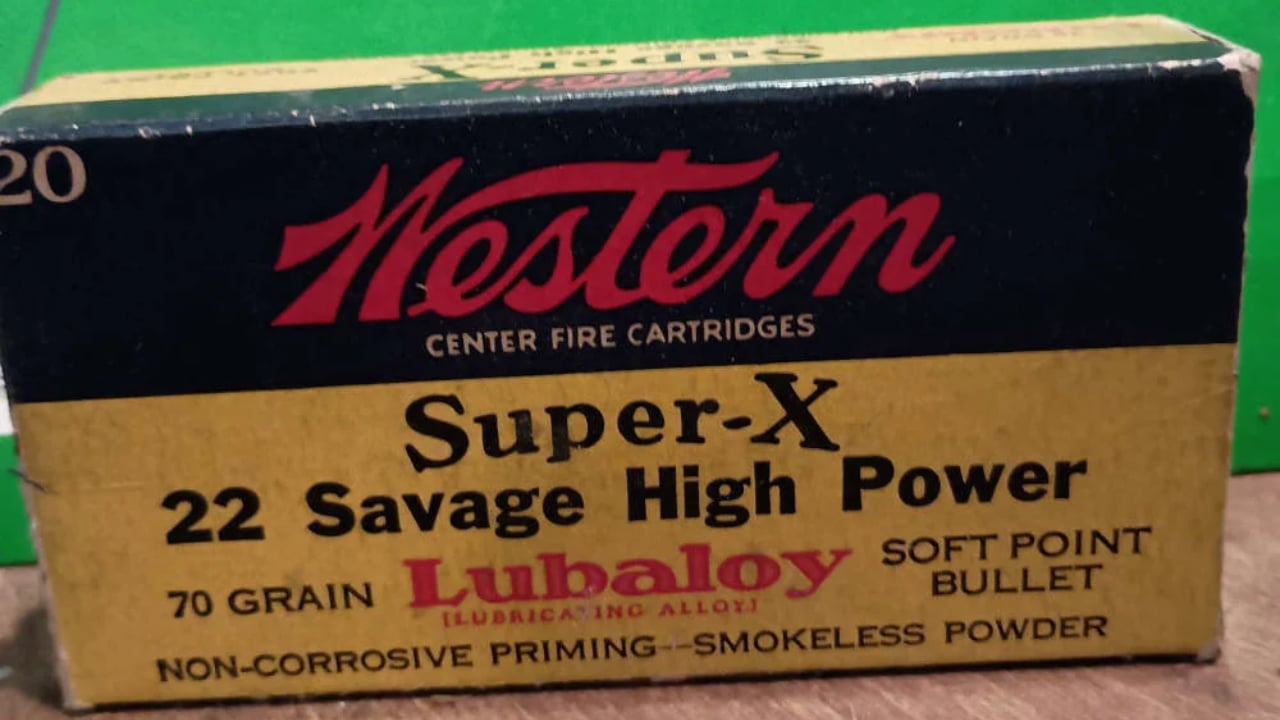
The .22 Savage High-Power, also known as 5.6x52R, was once considered unusually capable for its bore size. It drove relatively heavy .22-caliber bullets at respectable speed and gained a reputation for taking game larger than modern shooters would normally associate with a .22 centerfire.
That historical reputation should not be confused with a good modern hunting recommendation. Ammunition is uncommon, bullet diameter and component compatibility can be awkward, and the rifles chambered for it are generally older collector pieces. Modern .22 centerfires such as .223 Remington and .22-250 offer vastly better ammunition support, while larger cartridges make more sense for deer-sized game. The High-Power deserves credit for what it accomplished more than a century ago, but its present-day disadvantages overwhelm its novelty. It is a cartridge best appreciated as part of Savage history rather than revived for ordinary field use.
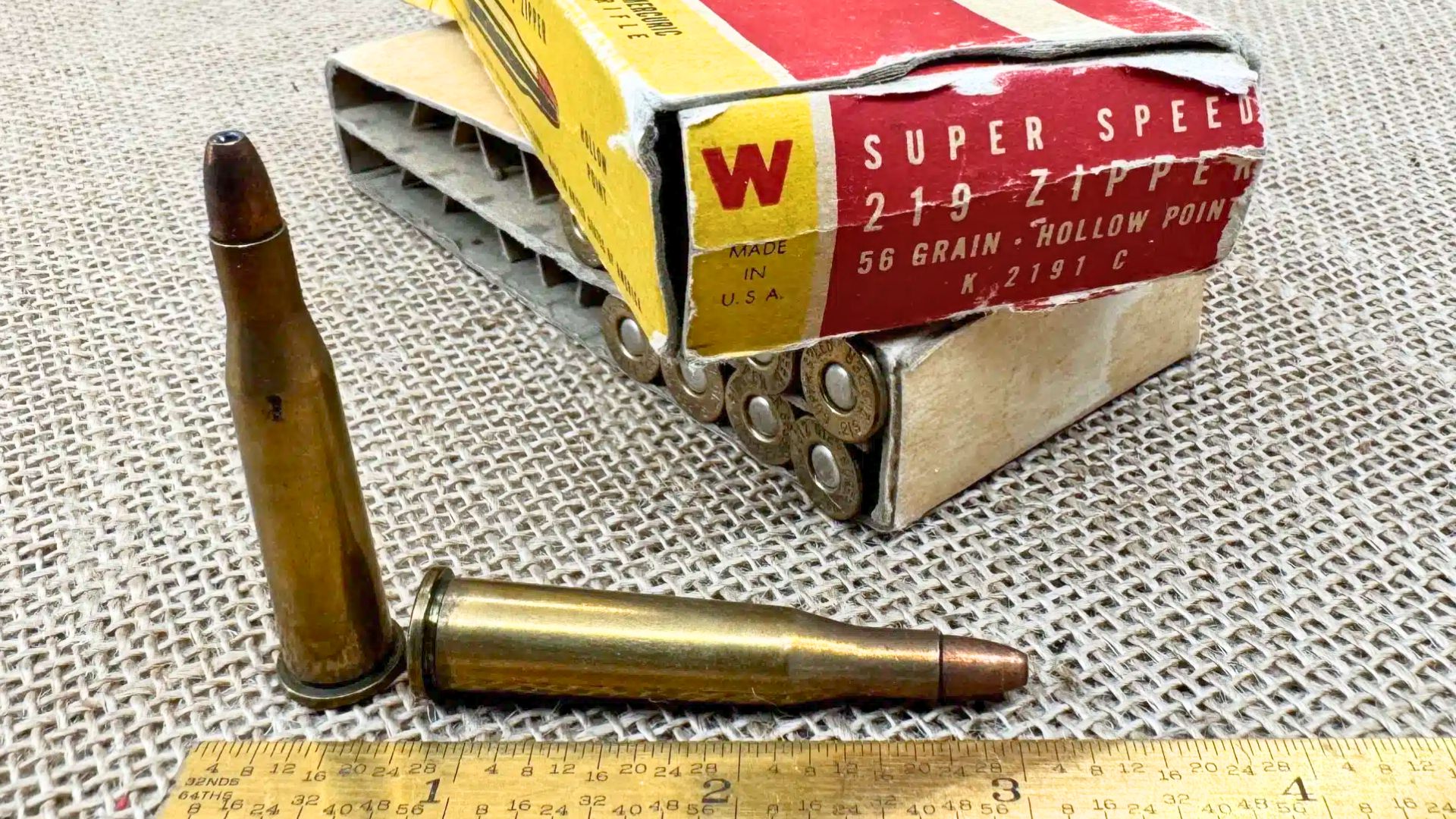
.219 Zipper
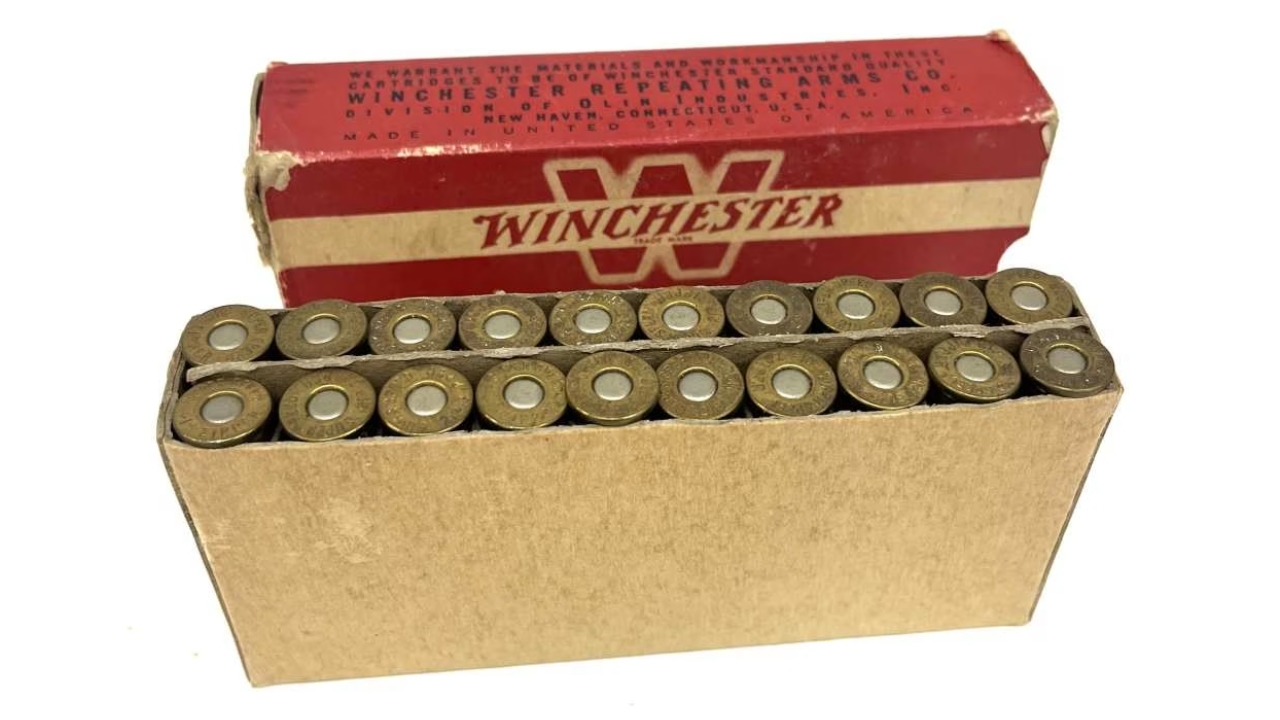
The .219 Zipper was Winchester’s attempt to bring high-velocity varmint performance to the lever-action Model 64. It was fast for its era and offered a flatter trajectory than traditional lever-gun cartridges, making it a genuinely interesting concept when introduced.
The limitations of the platform eventually caught up with it. Pointed bullets and high-pressure small-bore cartridges are easier to exploit in bolt actions, and cartridges such as .22-250 and .223 Remington ultimately dominated the varmint world. Today, rifles and ammunition for the Zipper are both scarce, and there is little practical payoff for dealing with that scarcity. The cartridge’s history is more interesting than its current utility. A clean Model 64 chambered for it is worth appreciating, but building a modern hunting or varmint setup around .219 Zipper would be choosing complication for the sake of being different.
.225 Winchester

The .225 Winchester was supposed to replace older varmint cartridges and challenge the emerging high-velocity .22 centerfires. Ballistically, it was capable. The problem was timing and competition. The .22-250 Remington became vastly more popular and essentially took the market the .225 needed to survive.
Once that happened, rifle and ammunition support faded quickly. Today, the .225 still works perfectly well if you handload and own a suitable rifle, but there is no advantage significant enough to offset its obscurity. .223 Remington gives you cheap ammunition and enormous rifle availability, while .22-250 provides the classic high-speed varmint performance the .225 was trying to deliver. The .225 Winchester is a good example of a cartridge that did not fail because it was ineffective. It failed because another cartridge did the same job with stronger commercial momentum, and nothing has changed enough to reverse that outcome.
8x56mmR Mannlicher
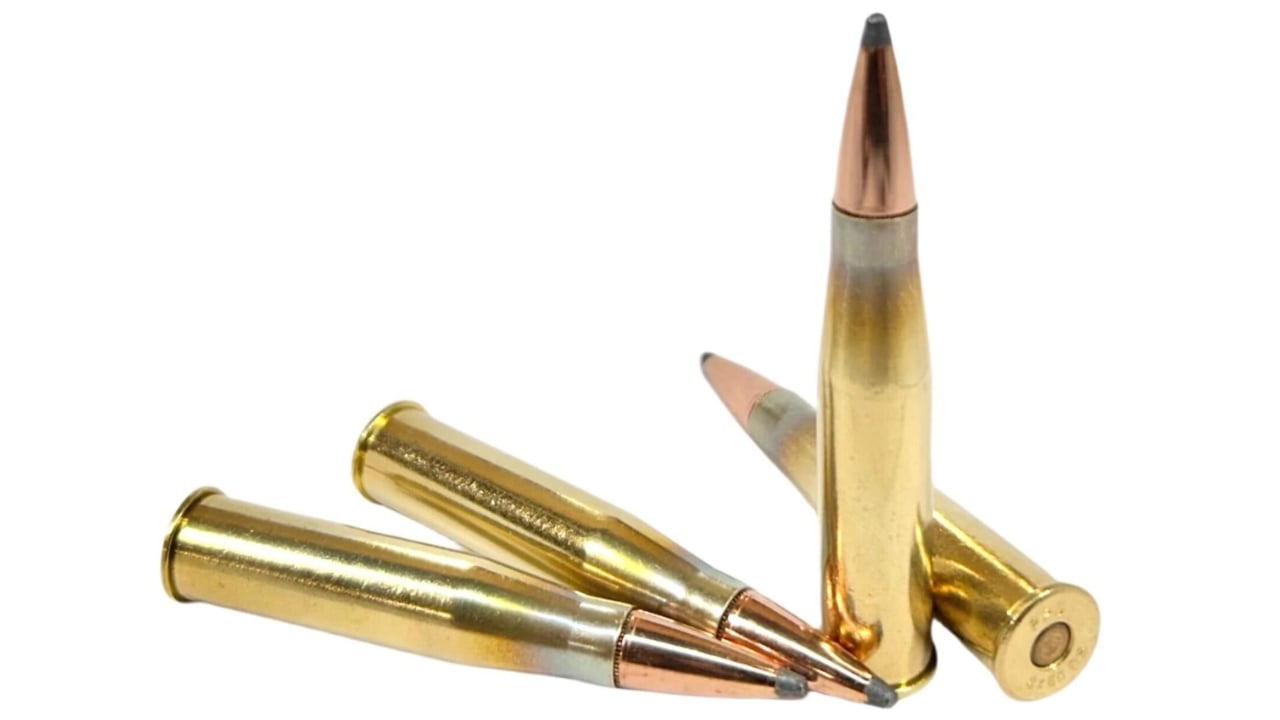
The 8x56mmR Mannlicher served military rifles and later became familiar to American shooters through surplus firearms. It launches a substantial bullet and can be perfectly capable on medium game when loaded correctly.
The difficulty is everything surrounding it. Surplus ammunition has become scarcer, modern factory choices are limited, and many rifles chambered for it are aging military pieces with unusual clips or sights. The cartridge also offers no meaningful hunting advantage over common rounds such as .308 Winchester, .30-06, or 8×57 Mauser. If you own a Steyr M95 and enjoy shooting historical rifles, there is nothing wrong with maintaining a supply. As a cartridge to deliberately adopt for hunting or regular range use today, however, it makes little sense. History is its strongest feature, and history alone is not enough to overcome the inconvenience.
6.5x52mm Carcano
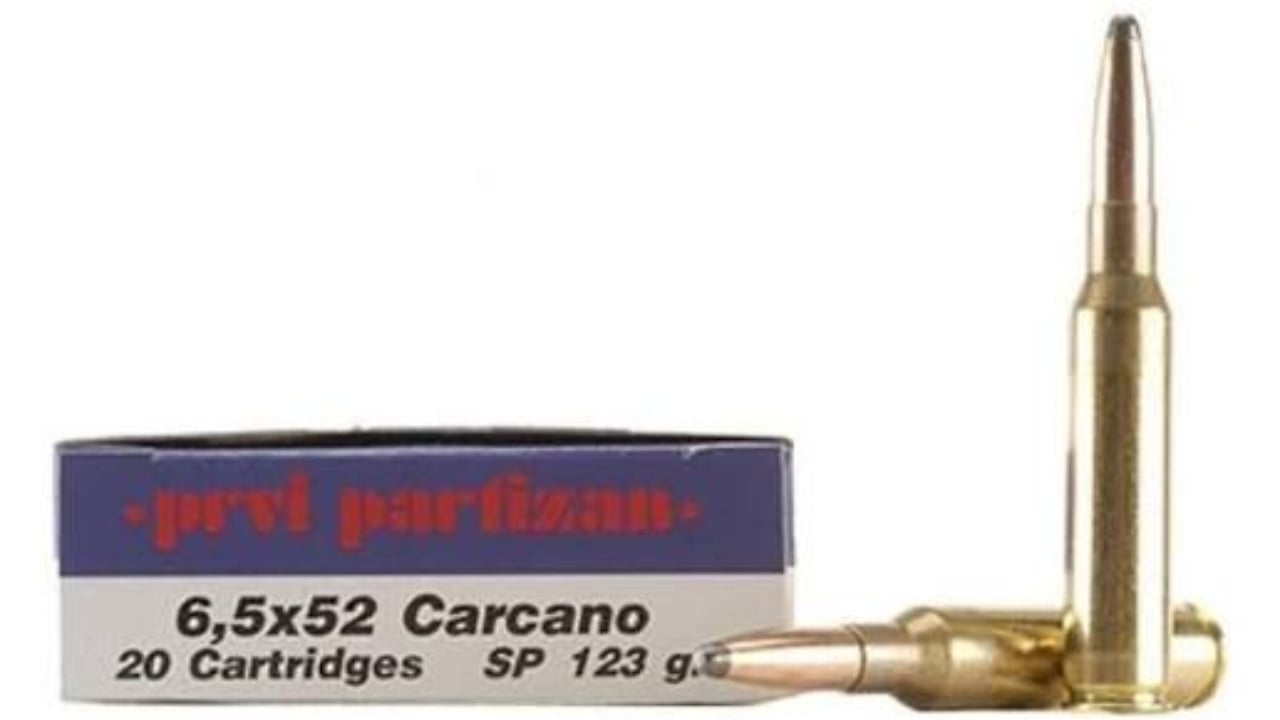
The 6.5 Carcano is historically significant and has become better known as surplus Carcano rifles have circulated among collectors. The cartridge uses a relatively long, heavy bullet and reflects a military philosophy focused more on penetration and manageable recoil than high velocity.
Modern ownership can be frustrating. Correct bullet diameter has historically complicated handloading, factory ammunition is inconsistent in availability, and many surplus rifles have worn bores or sights calibrated around military ammunition. The cartridge itself can perform adequately, but there is no shortage of modern 6.5mm options that are far easier to feed and shoot accurately. A Carcano collector obviously needs the cartridge. A hunter or recreational shooter starting from scratch does not. The 6.5×52 belongs with the rifle that made it famous rather than competing with modern sporting rounds.
7.35x51mm Carcano
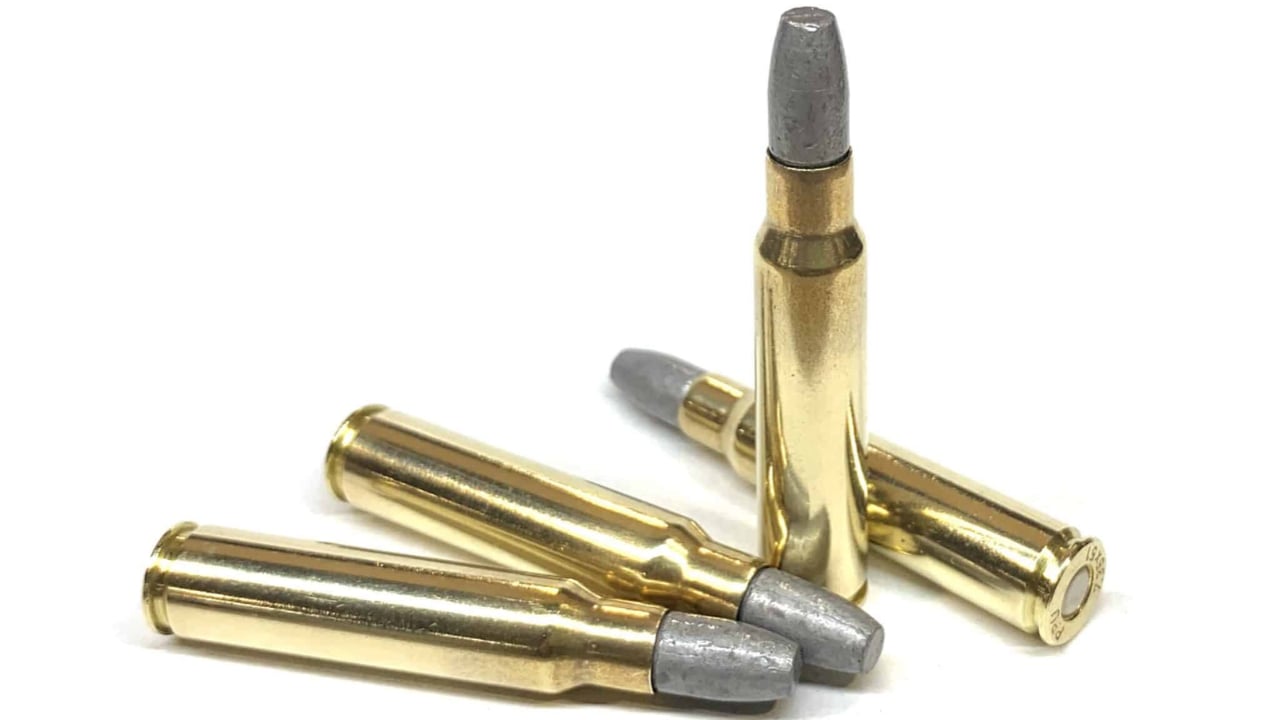
The 7.35 Carcano was Italy’s attempt to move away from the older 6.5mm military round shortly before World War II. The change was never fully completed, which left the cartridge with a short service life and a much smaller rifle base.
That limited history makes it interesting to collectors but miserable as a practical caliber. Factory ammunition is scarce, original rifles are historical pieces, and component support is tiny compared with mainstream cartridges. Ballistically, there is nothing about the 7.35 that justifies this level of inconvenience. Modern .30-caliber and 7mm cartridges provide superior rifle selection, ammunition, and load data without forcing owners to hunt for specialty supplies. The cartridge is worth preserving because it represents an unusual chapter in military small-arms development. It is not worth reviving as a serious modern sporting round.
.30-40 Krag

The .30-40 Krag was the first smokeless-powder cartridge adopted by the U.S. military and later became a respected hunting round. It pushes heavy .30-caliber bullets at moderate velocity and earned a good reputation on deer, elk, and other North American game.
The cartridge itself still works, but modern ownership is increasingly driven by nostalgia rather than practicality. Most rifles chambered for it are old Krag-Jørgensens or collectible sporting rifles, and factory ammunition appears irregularly. Load pressures must also remain appropriate for old actions, which limits the kind of experimentation available with stronger modern designs. A .308 Winchester or .30-06 gives you easier ammunition, more rifle choices, and broader bullet support while covering the same hunting territory. The .30-40 deserves enormous historical respect, but unless you already own the rifle, it is better appreciated as part of the past.
Like The Avid Outdoorsman’s content? Subscribe to our newsletter so you never miss an article.
Here’s more from us: