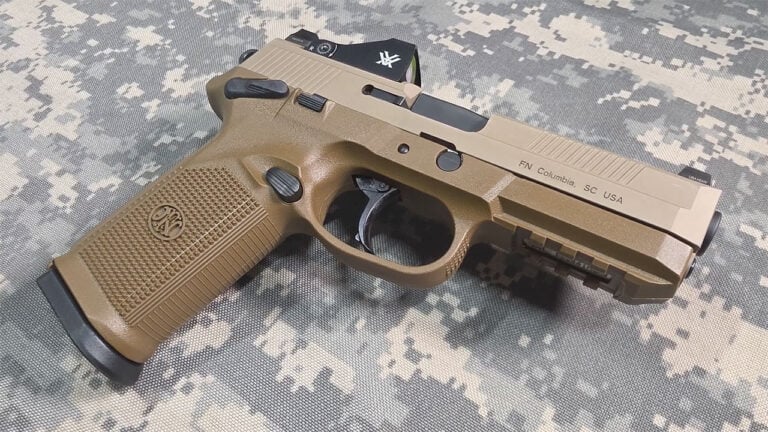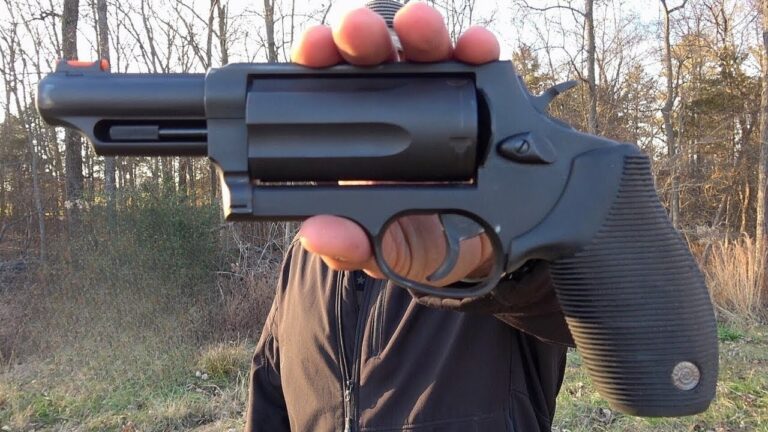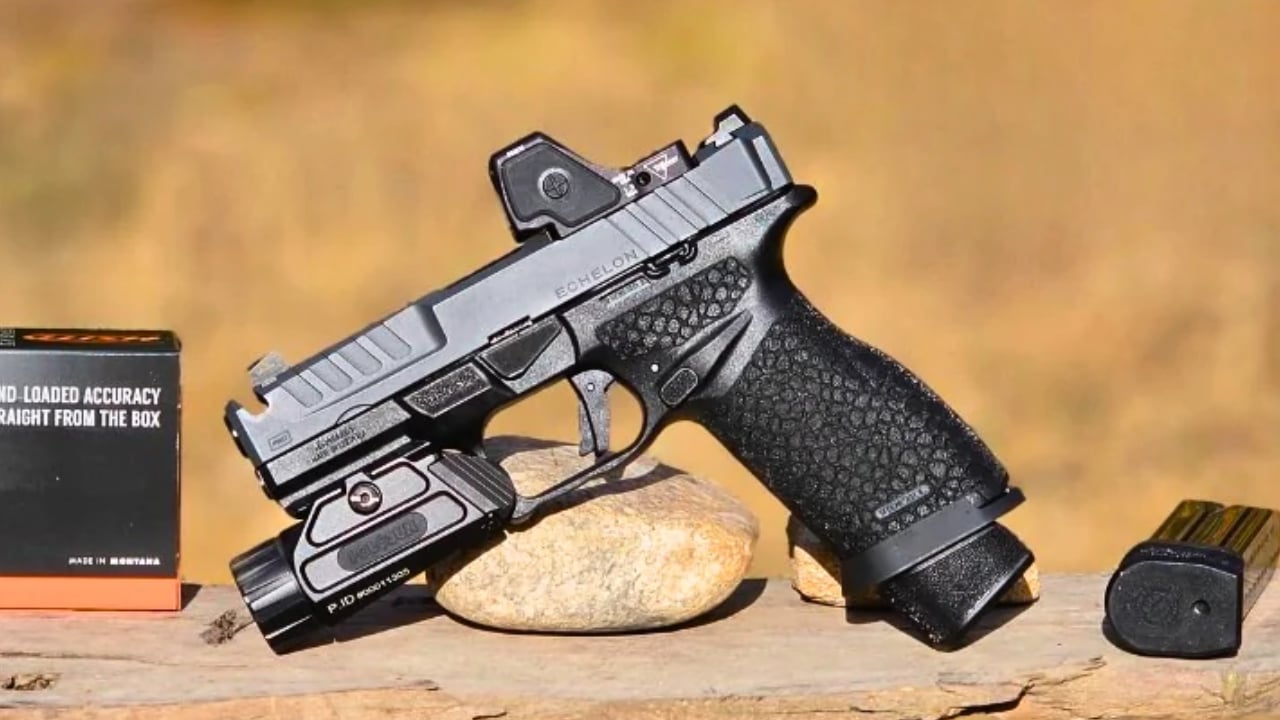
Photo credit: 9 Mil Ridge/YouTube
There are plenty of good handguns that become great after you replace the sights, clean up the trigger, add grip texture, change the controls, and spend another few hundred dollars finishing what the manufacturer started. That can be fun if you enjoy modifying guns, but it is not particularly impressive when a brand-new pistol immediately leaves you making a shopping list.
The better standard is a handgun that feels finished the first time you load it. The trigger should be good enough to leave alone, the sights should be useful, the grip should give you real control, and the gun should already have the features expected for its intended role. Some of the pistols below are expensive because manufacturers did that work at the factory. Others prove you do not necessarily have to spend premium money to get a gun that is ready to shoot exactly as it comes.
Glock 19 Gen6
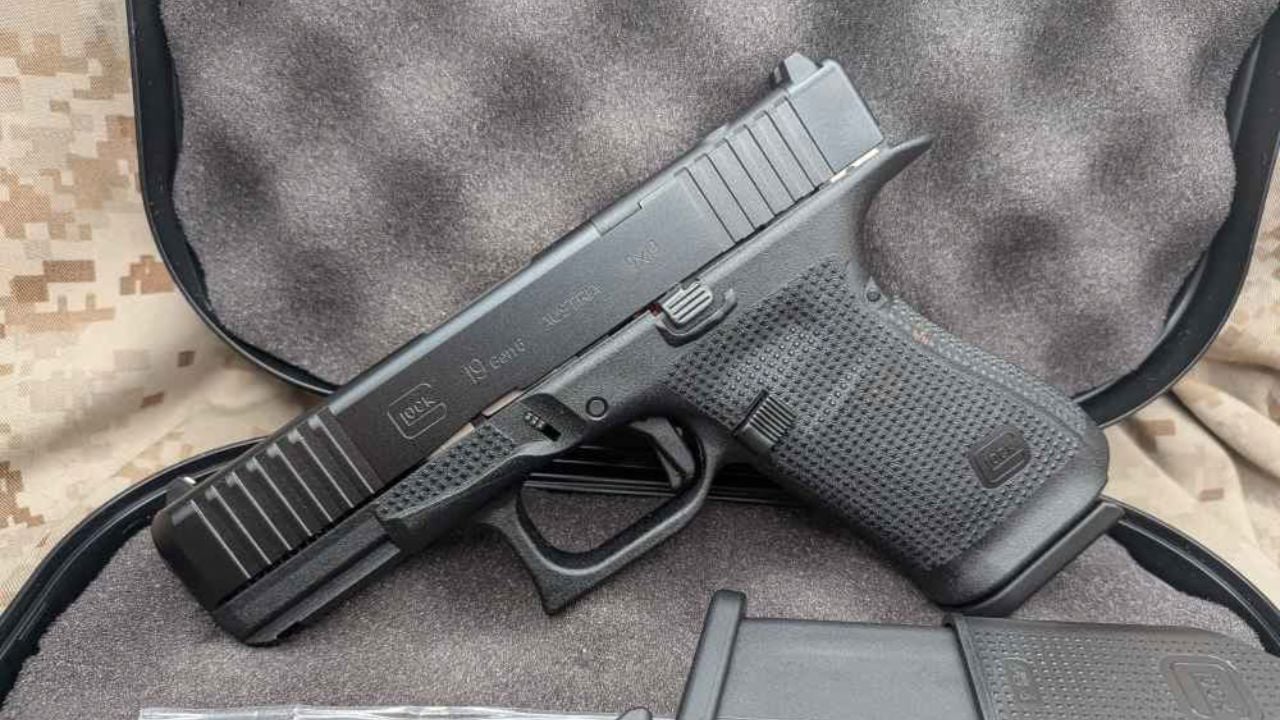
Previous Glock generations almost encouraged modification. Plenty of owners bought a new Glock and immediately started looking at sights, triggers, stippling, and optic plates. The Gen6 Glock 19 finally makes a much stronger argument for leaving the pistol alone. The revised grip has a more pronounced palm swell, an enlarged beavertail, a higher undercut, and texture extending into areas where your support hand actually contacts the frame.
The flat-faced factory trigger is another meaningful improvement, and the new optic-ready system gives you several mounting options directly from the box. You can obviously still modify one because the Glock aftermarket will never disappear, but it no longer feels necessary just to make the gun pleasant. Add Glock’s enormous magazine and holster ecosystem, and the Gen6 G19 is one of the easiest current compact pistols to buy, load, and simply use.
HK VP9A1 K
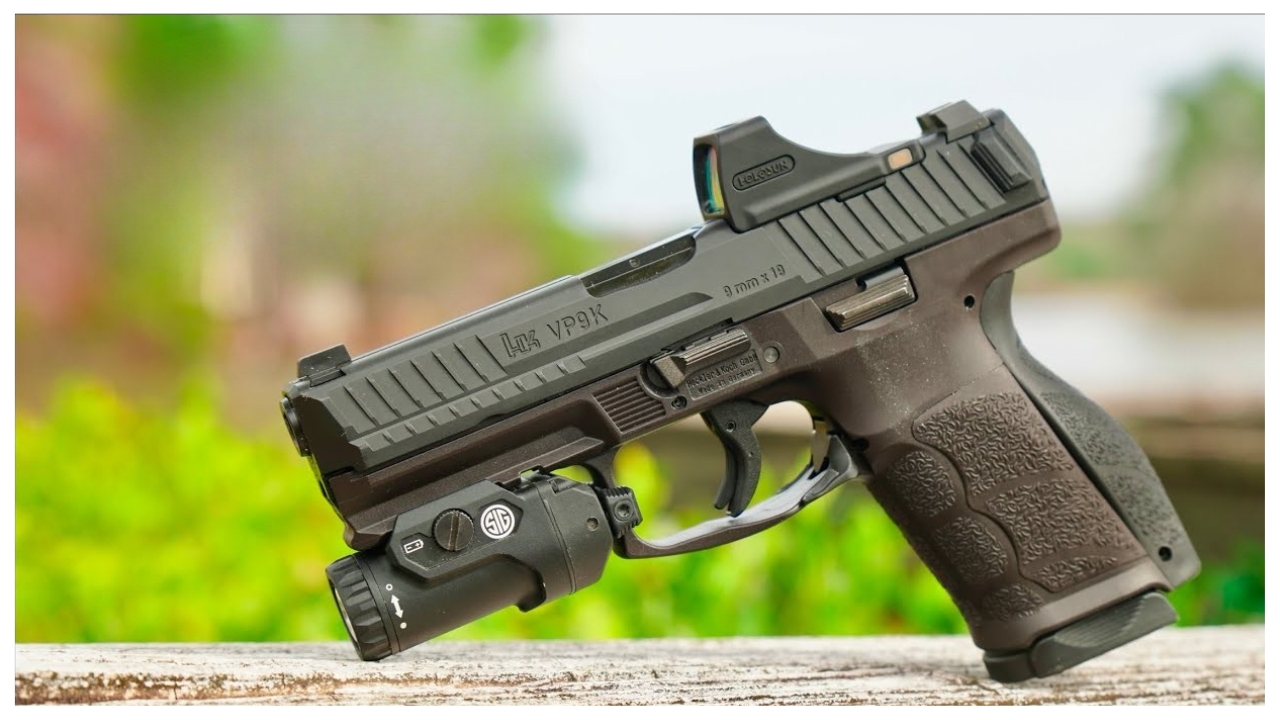
The original VP9 already had some of the best grip customization in the striker-fired market. The VP9A1 K takes that foundation and fixes several smaller complaints without losing what made the gun so easy to shoot. HK revised the trigger components, added a flared magazine well, improved the controls, and retained interchangeable grip pieces that let you change both backstrap and side-panel dimensions.
That matters because the pistol feels unusually tailored once you find the right combination. You also get an optics-ready slide and a compact 15-round frame rather than having to settle for a chopped version of a full-size gun. The factory trigger has a clean enough break and short enough reset that replacing it makes little sense for a defensive pistol. The VP9A1 K is not cheap, but almost every dollar shows up somewhere you can actually feel while shooting.
Springfield Armory Echelon Pro 4.0C Comp
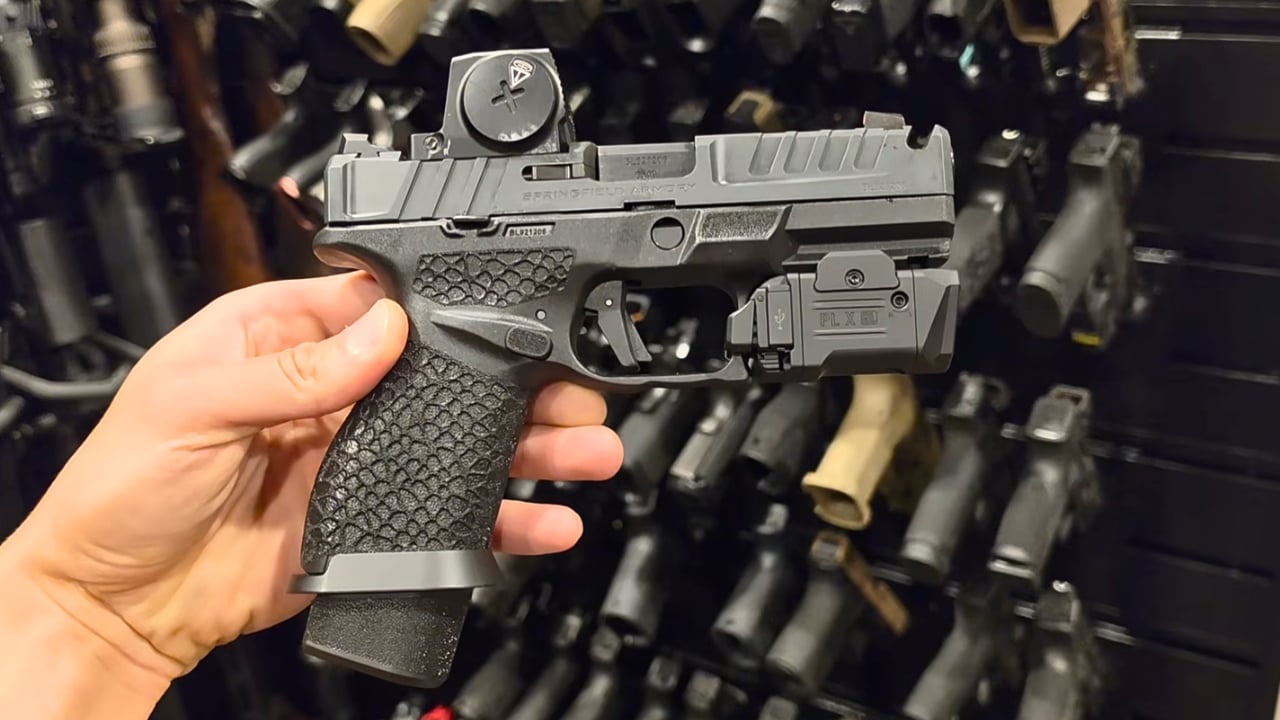
The Echelon Pro 4.0C Comp is almost the definition of a factory-upgraded pistol. Springfield starts with the modular Echelon system and adds an integrally compensated slide, more aggressive grip texture, a steel flared magazine well, upgraded guide rod, enhanced sights, and extended magazines. Normally, that list would describe what an owner added six months after buying the pistol.
The integral compensator is particularly useful because it improves muzzle control without requiring a threaded barrel and separate device hanging off the front. Springfield’s Variable Interface System also lets a wide range of optics mount directly rather than forcing you into a tall plate stack. The trigger is entirely usable from day one, and the controls are genuinely ambidextrous. If your goal is to buy one modern striker pistol and avoid the aftermarket rabbit hole, the Pro version makes a strong case for paying more initially.
Walther PDP Pro SD Compact
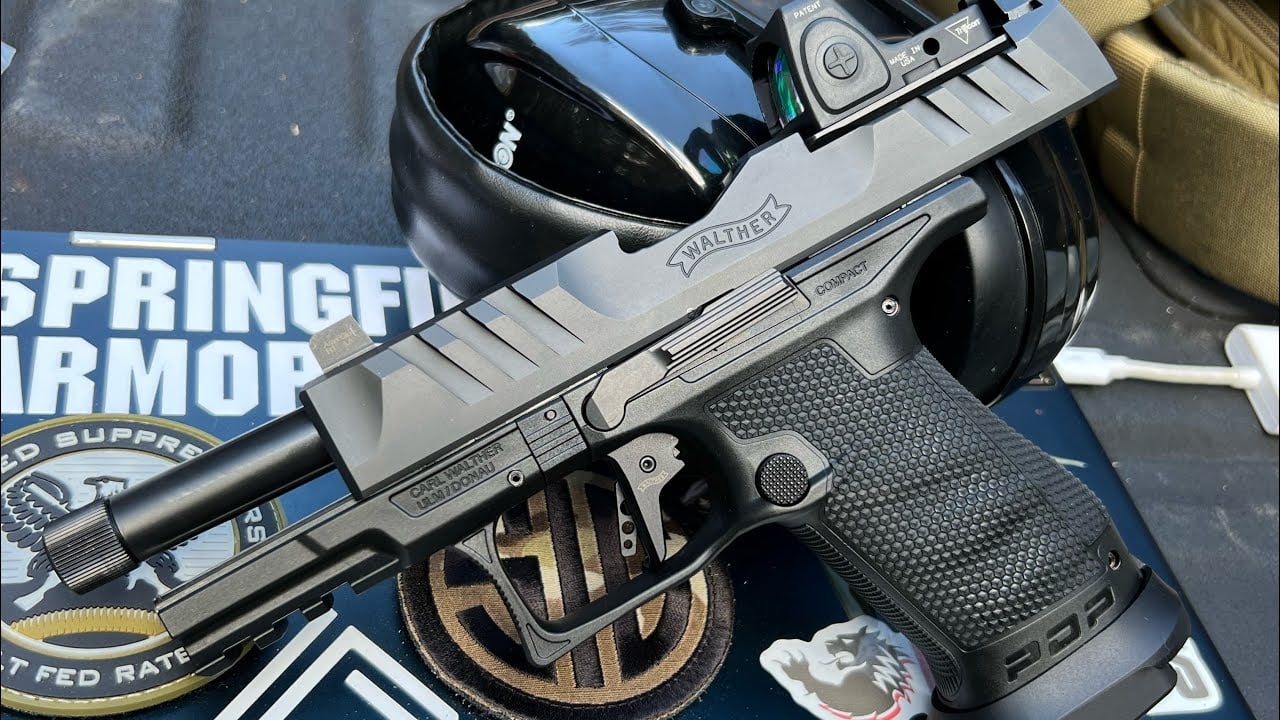
The standard PDP already comes with one of the better striker-fired triggers available, so the Pro SD version starts from a strong position. Walther adds a threaded barrel, upgraded trigger system, and factory magazine well while retaining the aggressive Performance Duty grip texture that makes the pistol exceptionally secure during rapid fire.
What makes the package work is that none of those additions feel ornamental. The trigger gives you a clearly defined break and short reset, the grip needs no additional tape or stippling, and the optics-ready slide is already set up for the way many shooters configure a defensive pistol today. The PDP’s tall slide can produce a little more muzzle movement than some competitors, but good technique handles that easily. Unless you have extremely specific preferences, there is very little reason to start replacing parts on a PDP Pro before you have even learned what the factory gun can do.
Smith & Wesson Performance Center M&P9 Carry Comp
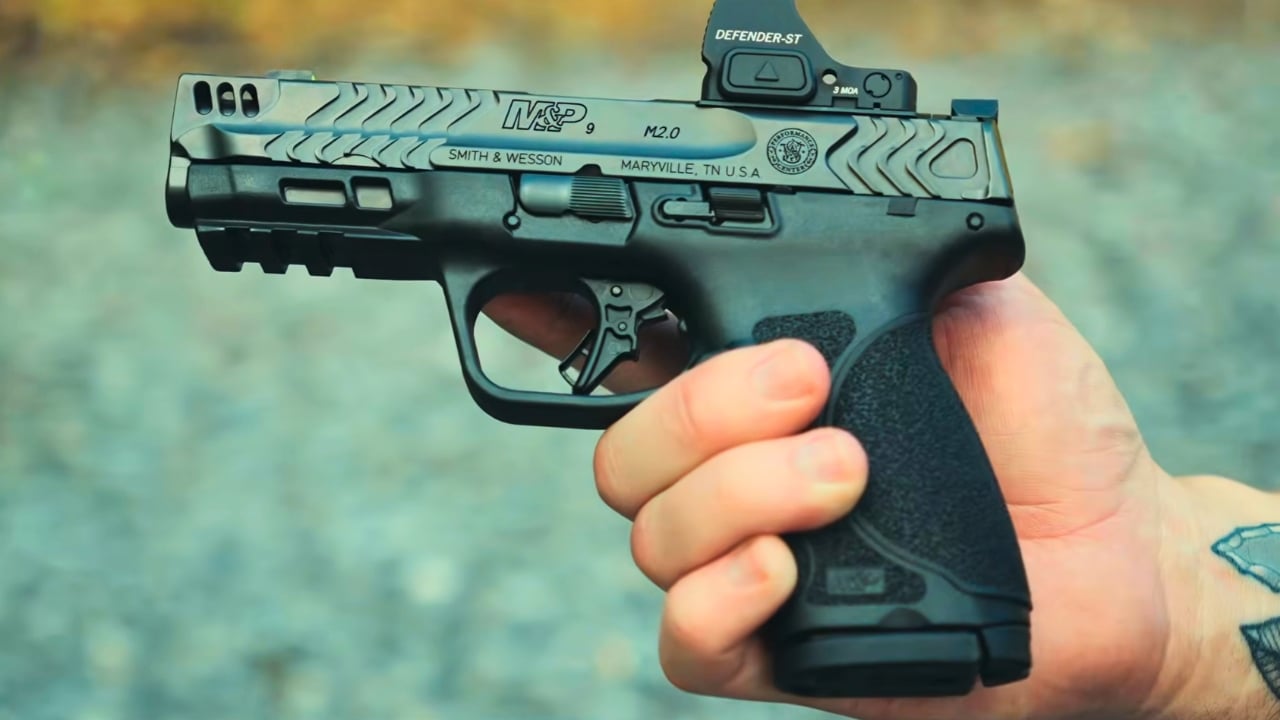
Smith & Wesson spent years selling M&Ps that owners frequently improved with aftermarket triggers. The Performance Center Carry Comp is a very different animal. The current flat-faced trigger is substantially better, the grip texture is excellent, and the compensated slide gives the pistol noticeably calmer behavior without converting it into an oversized competition setup.
The interchangeable palmswell inserts also let you adjust the grip instead of permanently modifying it. That is especially useful for shooters with larger hands who often find compact pistols too narrow through the backstrap. Sights are already suitable for serious use, and the optics-ready configuration means there is no immediate machining bill waiting after purchase. You can certainly customize one, but you would mostly be changing preferences rather than correcting shortcomings. That is exactly what an out-of-the-box handgun should offer.
CZ Shadow 2 Compact

The Shadow 2 Compact costs considerably more than an ordinary polymer carry gun, but it also arrives with very little left for an owner to improve mechanically. The aluminum frame gives it enough weight to settle recoil without making it feel like a full-size steel competition pistol. Its grip geometry is excellent, the slide sits low in the frame, and the factory DA/SA trigger becomes especially impressive once you reach single action.
The pistol also gives you excellent iron sights and an optics-ready slide in a package compact enough for legitimate carry. Some owners may change grips simply because CZ-pattern pistols make that easy, but the factory setup is already extremely functional. The real advantage is that you do not have to spend months tuning the gun before discovering how well it can shoot. It feels like a finished performance pistol the first time you take it to the range.
Beretta 92G Elite LTT
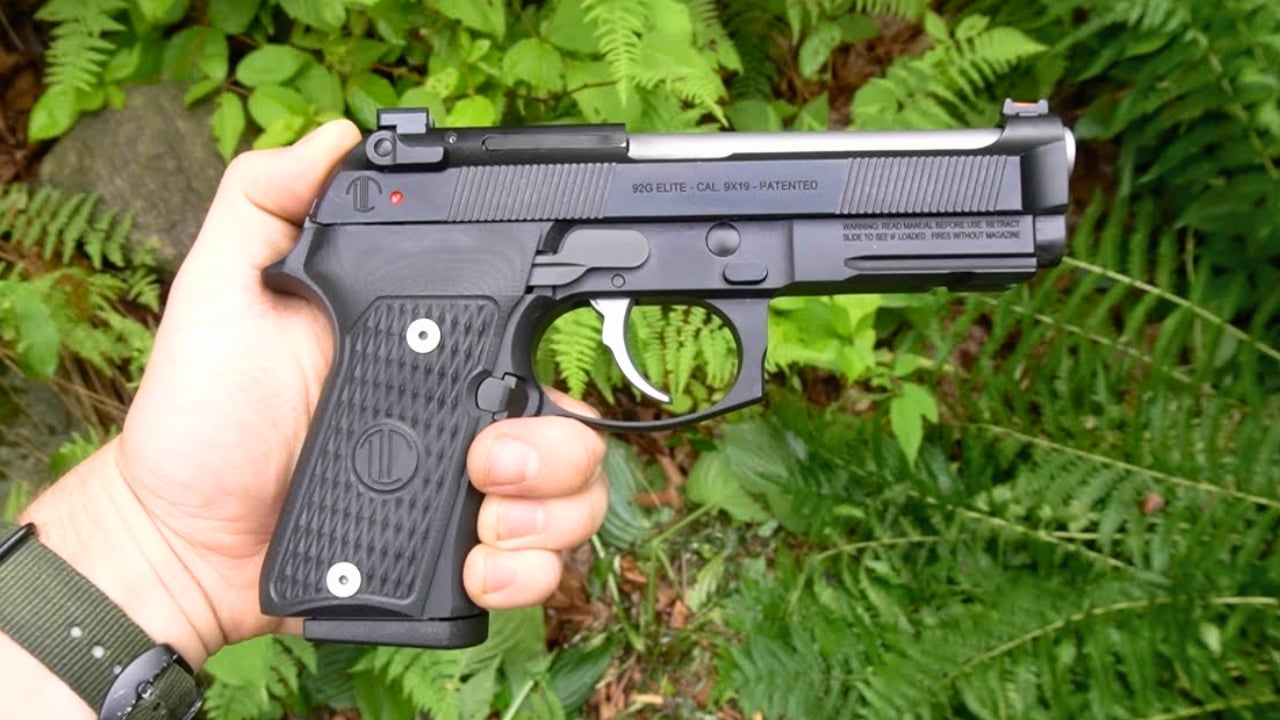
Langdon Tactical’s 92G Elite LTT exists because the basic Beretta 92 platform has enormous potential when the right details are addressed. Instead of making the buyer perform those improvements afterward, this pistol arrives with the trigger work, controls, sights, and grip treatment already sorted out.
The result is dramatically better than a plain service-grade 92. The double-action pull is smooth enough to shoot accurately without fighting the gun, and the single-action stage is crisp and predictable. The G-series decocker-only arrangement also makes sense on a pistol intended for serious defensive use. Add the soft recoil impulse produced by the 92’s size and locking system, and you get a pistol that feels exceptionally polished immediately. There is still a massive Beretta aftermarket available, but you have very little reason to use it unless you are chasing personal preferences.
SIG Sauer P229 Legion

The P229 Legion takes a pistol that was already respected as a durable compact duty gun and addresses most of the little things owners historically changed themselves. You get better sights, improved controls, an enhanced trigger system, aggressive checkering, and a frame treatment that gives the pistol a more secure hold than an ordinary P229.
It remains heavier than a modern polymer compact, but that weight is one of the reasons it shoots so comfortably. The alloy frame keeps recoil settled, and the DA/SA trigger provides a smooth first pull followed by clean single-action shots. SIG also gives the Legion enough refinement that replacing the trigger or controls usually means chasing a very specific preference rather than correcting a weakness. For someone who still prefers a traditional hammer-fired defensive pistol, the P229 Legion remains one of the easiest choices to leave completely stock.
FN 509 Midsize Tactical

The 509 Midsize Tactical comes from the factory in the configuration many owners would eventually build anyway. You get an optics-ready slide, threaded barrel, suppressor-height sights, extended magazine capacity, and aggressive controls without having to buy each component separately.
The grip texture is also excellent for defensive use. It provides real traction without requiring an aftermarket stippling job, and the midsize frame gives you a full enough hold without committing to a giant duty pistol. The factory trigger is not as light or flashy as a competition setup, but it is predictable and appropriate for what the pistol is intended to do. That is an important distinction. A handgun does not need the lightest trigger imaginable to be complete. It needs one that works well for its intended job, and the FN arrives ready for serious use.
Staccato HD C3.6
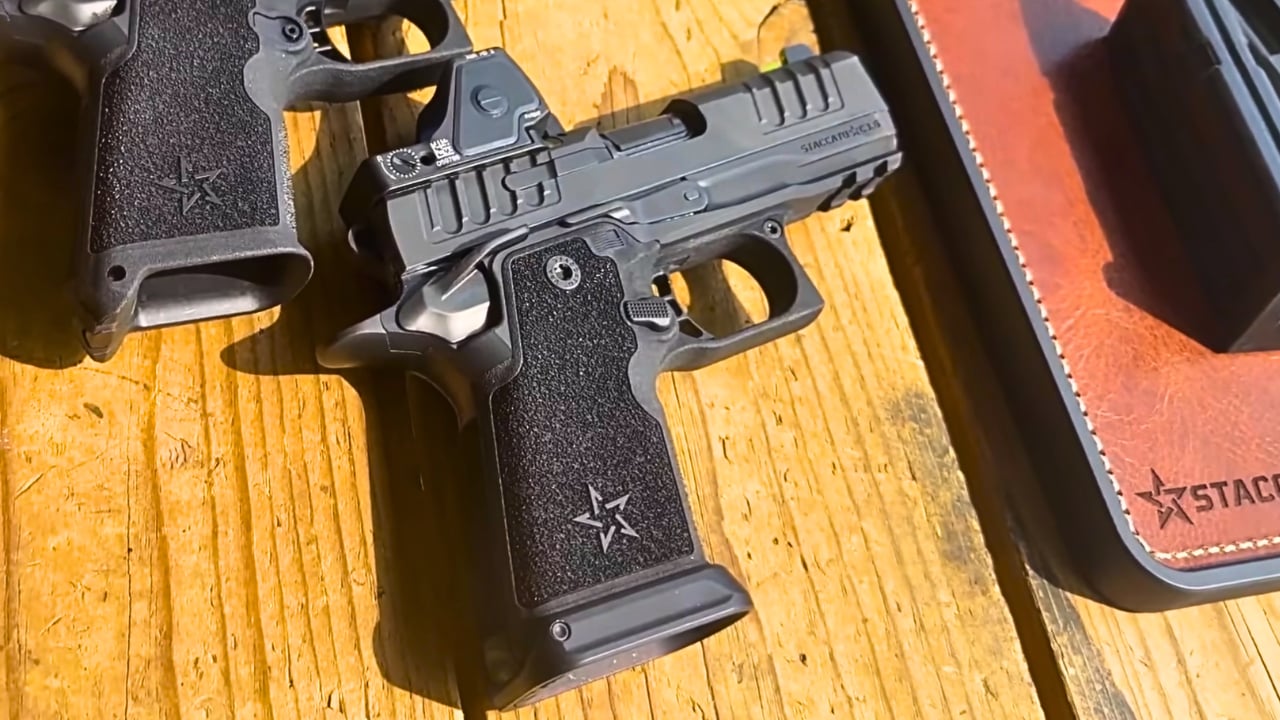
The HD C3.6 is expensive, but the entire reason to pay Staccato money is to avoid buying a basic pistol and then trying to turn it into something better. The single-action trigger is excellent from the beginning, the frame gives you plenty of recoil control, and the slide-to-frame relationship feels much more refined than the average mass-market compact.
The HD series also moves the platform toward a more practical duty-oriented setup, including increased attention to durability and magazine compatibility. The C3.6 remains small enough for carry while retaining the shootability that makes double-stack 1911-style pistols so attractive. You may add a red dot and weapon light, but those are accessories rather than fixes. The gun itself does not arrive begging for a new trigger, grip, barrel, or recoil system. For the price, it absolutely should not.
Dan Wesson DWX Compact OR
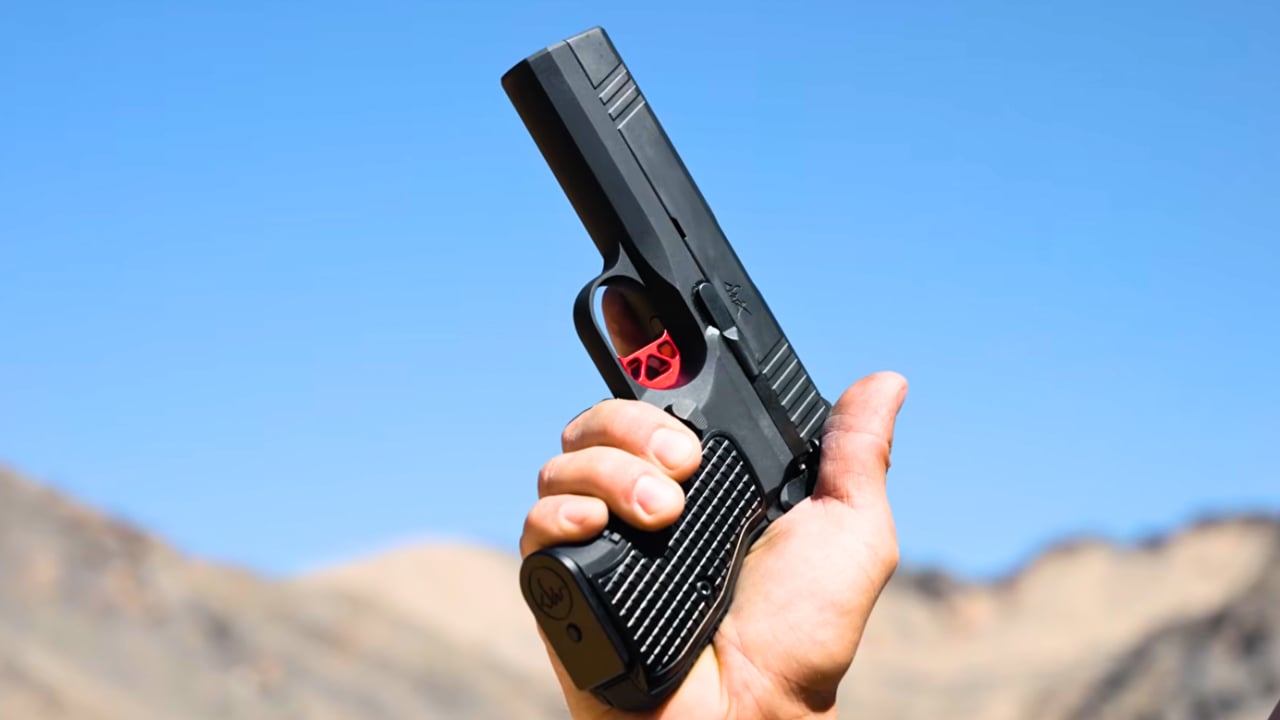
The optics-ready DWX Compact combines a CZ-inspired grip shape with a 1911-style trigger system, and that combination eliminates two common reasons people start modifying pistols. The grip already feels excellent, and the trigger already delivers the short, straight movement shooters often spend considerable money trying to imitate elsewhere.
The aluminum frame keeps the Compact manageable for carry while providing more stability than an ultralight polymer gun. Controls are well positioned, the machining is excellent, and the pistol feels balanced rather than muzzle-heavy or top-heavy. Owners can swap grips because the platform makes that easy, but there is nothing wrong with the factory arrangement. This is one of those handguns where modification can almost feel like changing something simply because you can. The important parts are already very well sorted.
SIG Sauer P365 AXG Legion
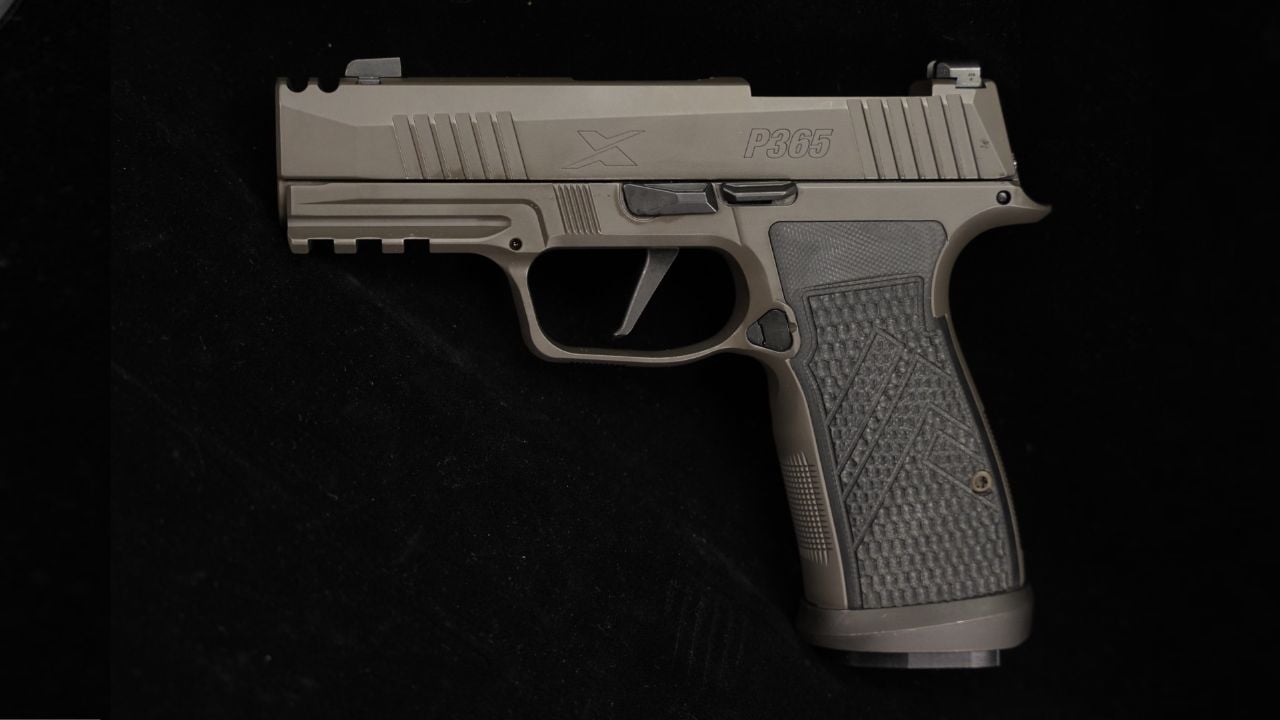
The AXG Legion takes the enormously popular P365 concept and turns it into a far more complete performance-oriented carry pistol. The metal grip module adds useful weight and rigidity, while the extended frame gives you enough surface area to control the pistol properly. Factory compensation helps tame the sharper recoil usually associated with thin, lightweight carry guns.
The result feels much closer to a compact duty pistol than a traditional micro-9 despite remaining relatively slim. You also get a usable flat-faced trigger, excellent factory sights, an optics-ready slide, and high capacity for the gun’s dimensions. There are cheaper P365 variants if maximum concealment is the goal, but many owners immediately start upgrading those guns. The AXG Legion makes more sense for someone who would rather pay once and get the upgraded grip, recoil control, and feature package from the factory.
Canik SFx Rival-S
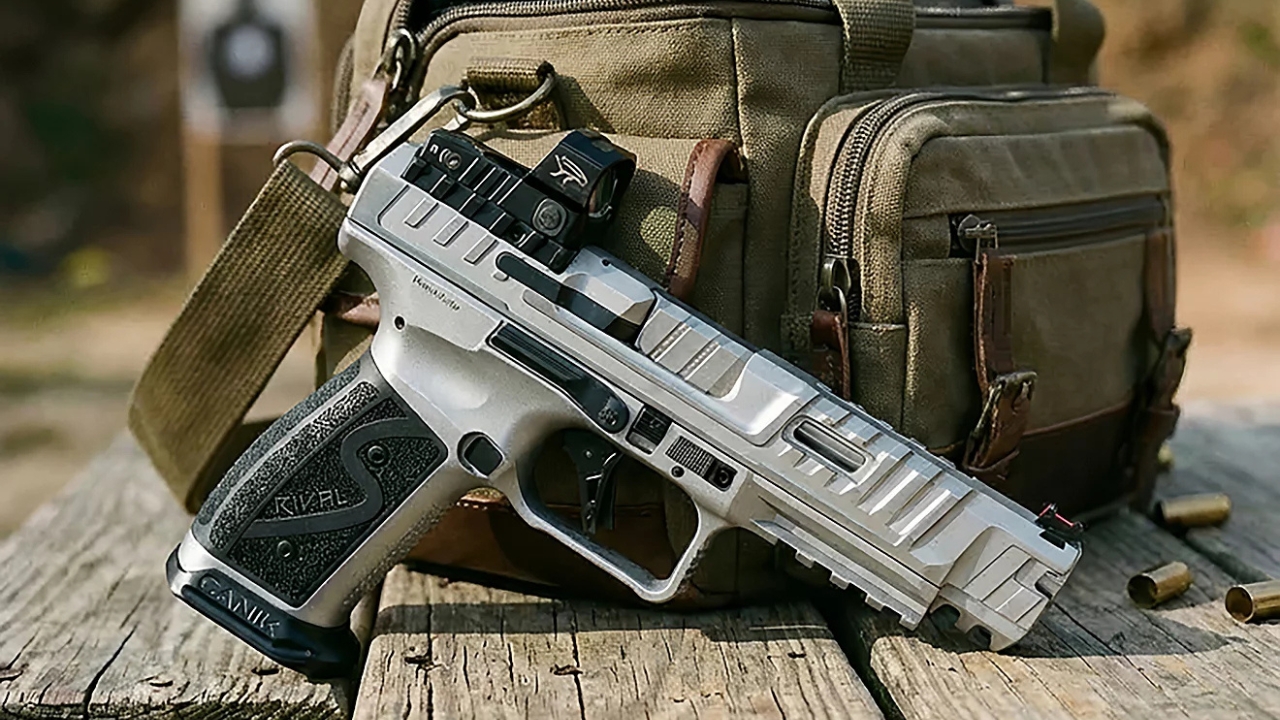
The Rival-S is one of the better examples of a factory pistol that makes aftermarket work largely unnecessary. The steel frame adds serious stability, while the factory trigger is already light, crisp, and short enough for practical competition use. Canik also includes a generous accessory package instead of charging separately for every useful piece.
The pistol is heavy, but that is intentional. The weight keeps the gun flat and makes rapid shooting remarkably easy. Controls are enlarged appropriately, the grip provides a solid firing hold, and the optics system gives competitive shooters flexibility without immediately requiring machine work. This is not a concealed-carry pistol pretending to be everything for everyone. It is a performance gun that arrives ready for its intended role, which is exactly why replacing half of it after purchase makes very little sense.
Kimber KDS9c Rail

The KDS9c Rail is one of the more interesting alternatives for shooters who like 1911-style triggers but want compact dimensions and useful capacity. Kimber gives it a slim aluminum frame, double-stack magazine, crisp single-action trigger, and accessory rail without making the pistol excessively bulky.
The grip feels especially good for a high-capacity metal pistol because it avoids the thick, square shape that can make some double-stack 1911 designs uncomfortable. The factory sights are useful, the optics-ready versions eliminate the need for slide machining, and the trigger is exactly the kind of feature you buy this pistol to get. You can find cheaper compact 9mms everywhere, but many of them eventually receive several hundred dollars in upgrades. The KDS9c arrives much closer to the finished product from the beginning.
Beretta PX4 Compact Carry 2

The PX4 Compact Carry 2 is another Langdon-influenced pistol that exists specifically to address the weaknesses of the basic platform before the buyer ever sees it. The rotating-barrel system already gives the PX4 unusually smooth recoil, and the Carry treatment improves the trigger, sights, controls, and overall handling.
That makes a huge difference because an ordinary PX4 can feel slightly awkward until you start modifying it. The Compact Carry 2 skips that stage. The DA/SA trigger is substantially more manageable, the controls are better suited to concealed carry, and the grip treatment makes the gun easier to hold securely during rapid shooting. It is thicker than modern micro-compacts, but the reward is a pistol that shoots like something larger. If you specifically want a compact hammer-fired gun, this one needs very little help.
CZ P-09 C Nocturne
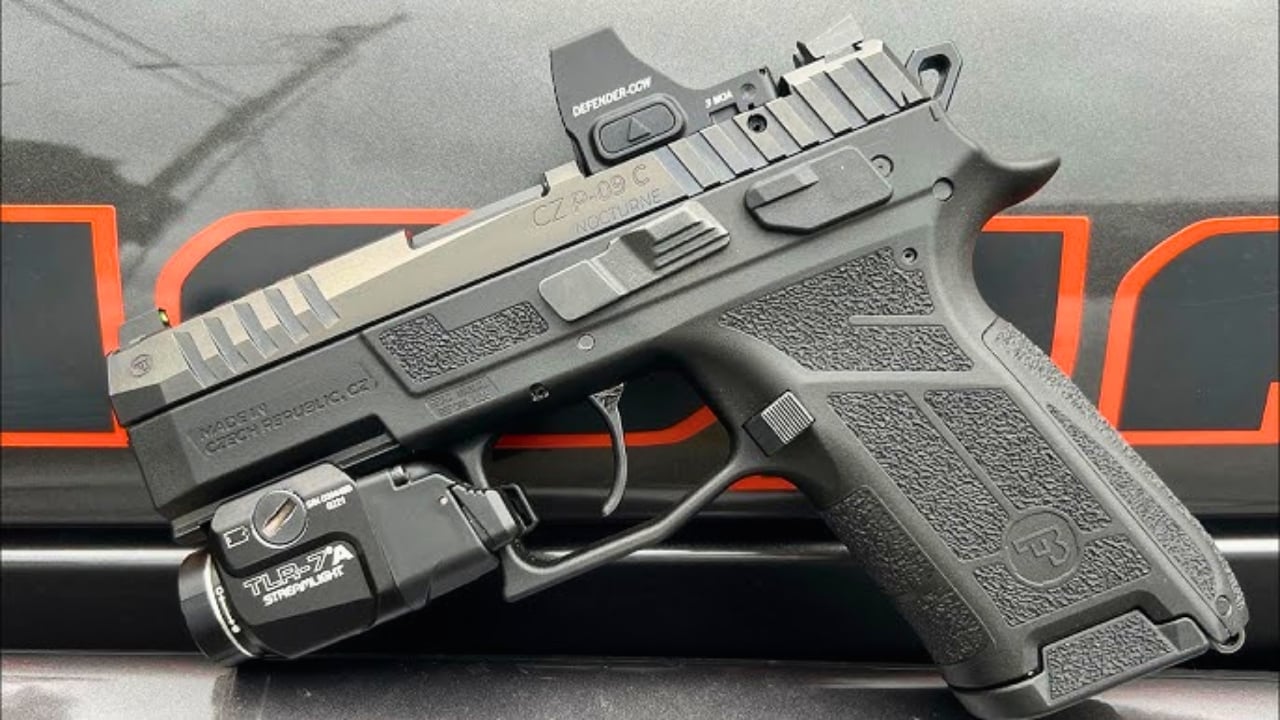
The P-09 C Nocturne represents a major modernization of CZ’s polymer hammer-fired platform. You get a compact DA/SA pistol with an optics-ready slide, useful grip texture, interchangeable backstraps, and controls that remain practical for defensive use.
The reason it belongs here is that there is no glaring weakness forcing you toward the aftermarket immediately. The trigger smooths further with use but is entirely functional from the beginning, the decocker system is straightforward, and the grip shape gives you excellent control. CZ also managed to preserve the low-slide feel that helps its hammer-fired pistols shoot so naturally. It does not have the polished trigger of a Shadow 2 Compact, but it costs far less. As a practical defensive handgun, the factory configuration already covers what most owners actually need.
Springfield Armory Prodigy Compact Comp

The compensated Prodigy Compact gives shooters many of the advantages of a double-stack 1911-style pistol without forcing them immediately into the highest premium price bracket. The single-action trigger provides the short, clean break people want from this platform, while the compensated configuration makes the compact gun calmer than its size would normally suggest.
The grip gives you excellent leverage, and the optics-ready slide means the pistol is already prepared for a modern carry setup. Earlier Prodigy models created some skepticism around the line, but the platform has matured substantially, and the current compact versions are much more convincing packages. You might eventually experiment with springs or other tuning if competition becomes the goal. For ordinary carry and range use, however, there is no requirement to start replacing internals before the gun becomes enjoyable.
Ruger GP100 Match Champion
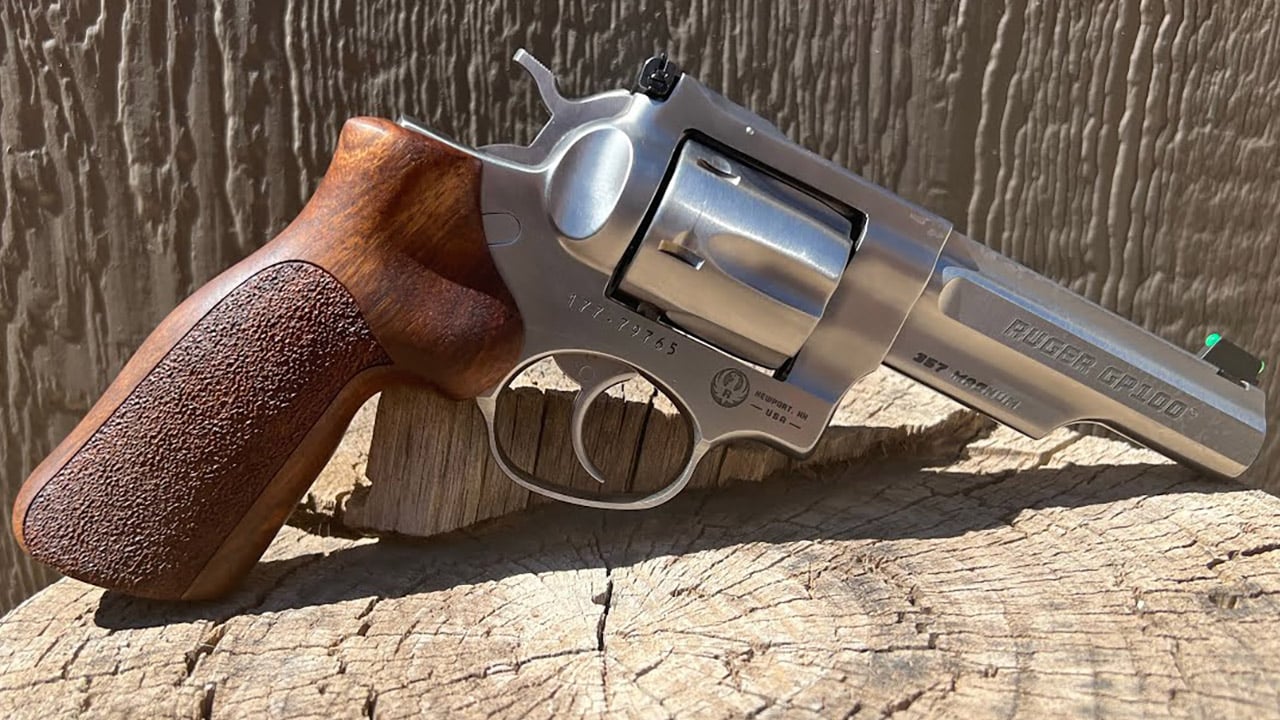
The GP100 Match Champion proves that “ready out of the box” does not have to mean a semiautomatic covered with optic cuts and compensators. Ruger takes the already durable GP100 platform and gives it a better-balanced barrel profile, improved sights, chamfered cylinder, and action work intended to make the revolver more shootable from the beginning.
That extra attention is noticeable, particularly in double action. The trigger is smoother than the basic GP100, while the weight and grip make full-power .357 Magnum manageable and .38 Special extremely pleasant. There is no magazine well to replace, no optic system to sort out, and no plastic sights begging to be swapped. Unless you have a specific grip preference, you can take the Match Champion straight to the range and enjoy it exactly as Ruger built it.
Smith & Wesson Performance Center Model 686 Competitor
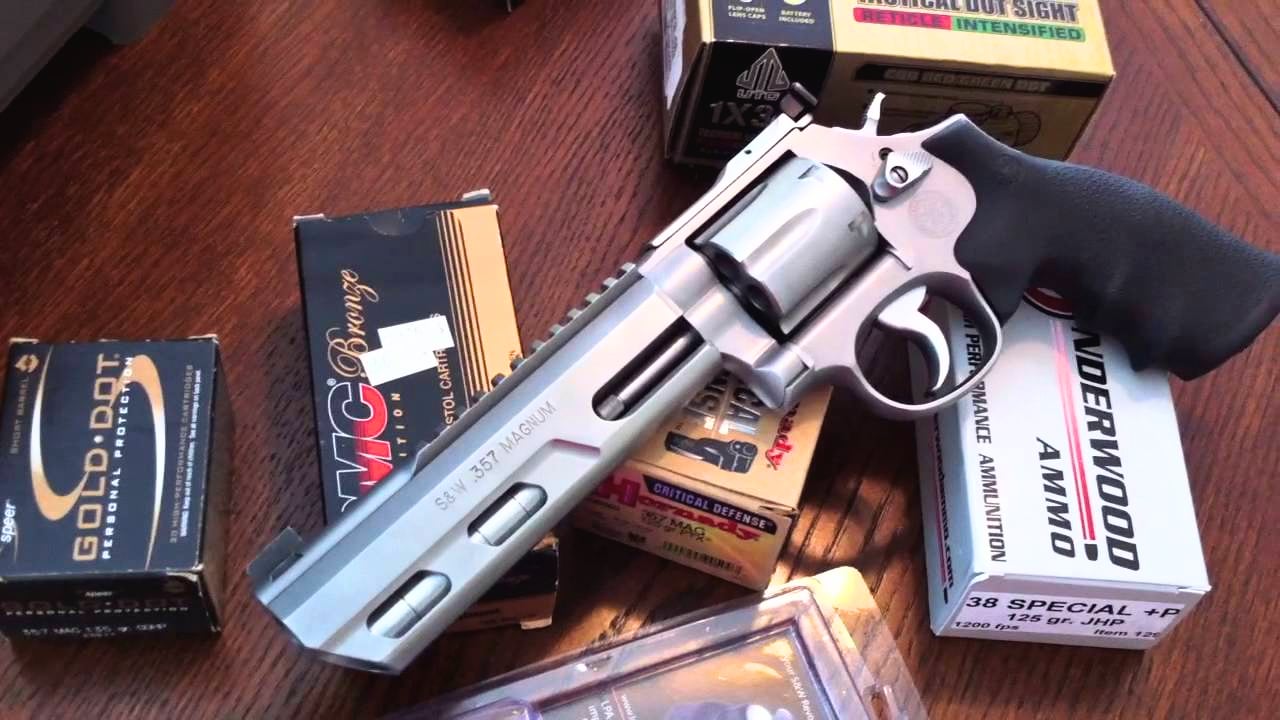
The 686 Competitor is a serious revolver for shooters who want something more refined than the ordinary production model without sending it immediately to a gunsmith. The weighted barrel system gives the pistol a planted feel, while the Performance Center action is noticeably smoother than a basic factory revolver.
That weight pays off with both .38 Special and .357 Magnum. Light ammunition barely moves the gun, and hotter loads remain controllable because there is enough mass ahead of your hands to limit muzzle rise. The adjustable sights are already suited to accurate range work, and the trigger is good enough that additional action work becomes optional rather than necessary. It is large and heavy, but within its intended role, almost everything has already been addressed before it leaves the factory.
Tanfoglio Stock Master
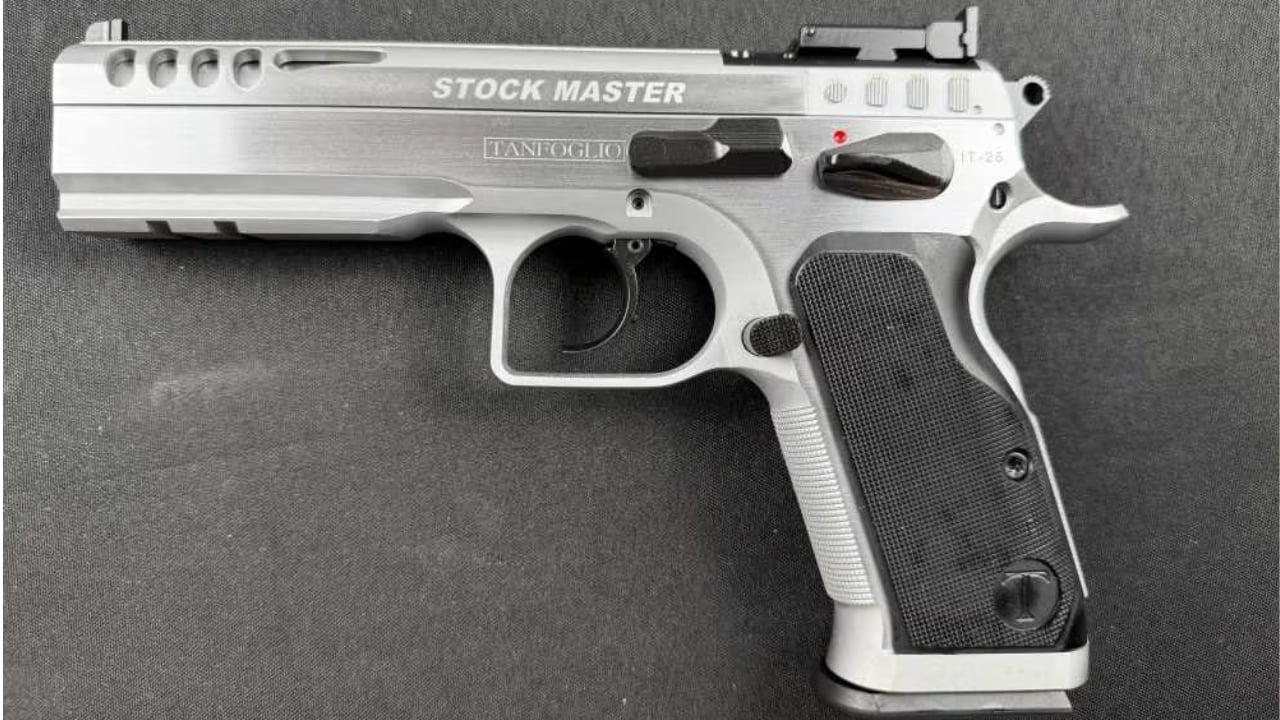
The Stock Master is built for shooters who want a metal-framed pistol that arrives ready for serious range or competition use. Its substantial frame, excellent grip geometry, and low slide give it very little muzzle movement, while the DA/SA trigger is considerably more refined than the triggers found in ordinary service pistols.
Tanfoglio also gives you usable controls, a large magazine well area, and the kind of overall balance that usually takes some experimentation to achieve on cheaper guns. The pistol’s weight makes it impractical for most concealed-carry roles, but that is not what it is trying to be. For range shooting, competition, or anyone who simply appreciates a heavy metal handgun, the Stock Master feels finished. You can tune it further if chasing fractions of a second, but the overwhelming majority of owners can shoot it exactly as delivered without feeling shortchanged.
Like The Avid Outdoorsman’s content? Subscribe to our newsletter so you never miss an article.
Here’s more from us: