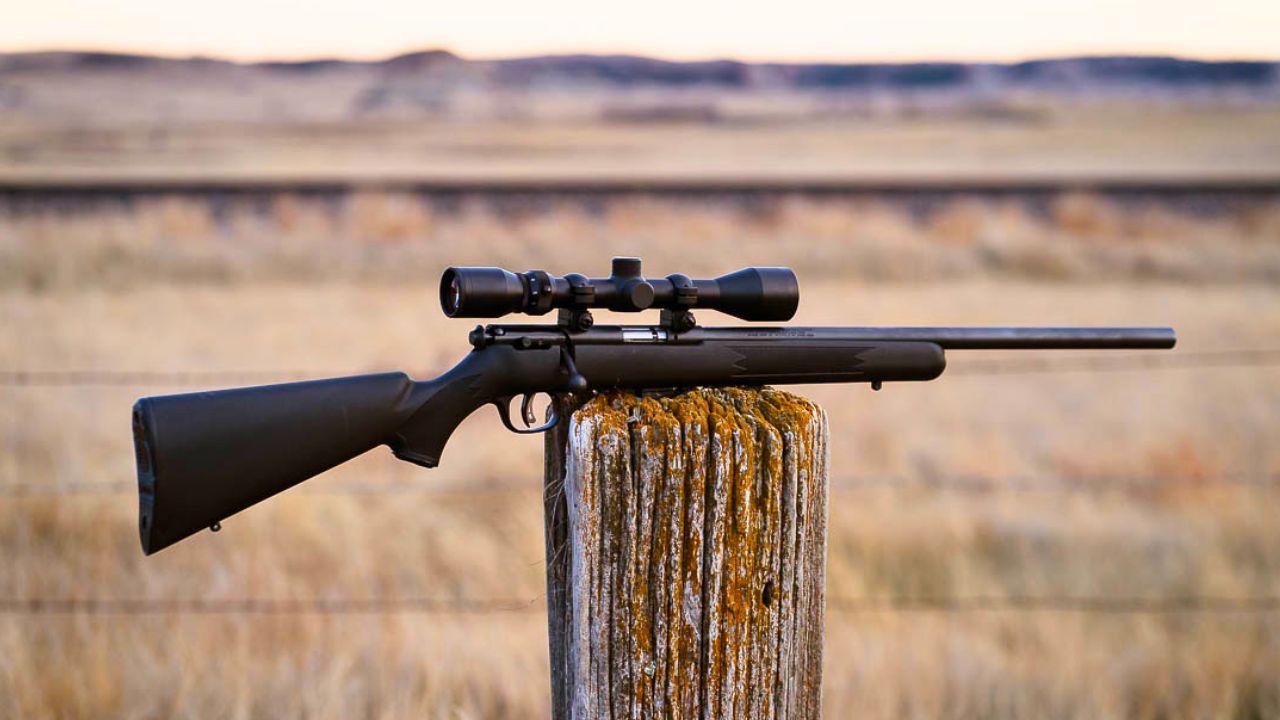
Photo credit: Savage Arms
Spending more money can absolutely buy you a better rifle, but the relationship between price and performance is nowhere near as clean as gun-counter logic sometimes makes it seem. There are rifles selling for ordinary working-gun money that shoot accurately, come with genuinely good triggers, accept suppressors or optics without extra work, and perform well enough that moving several hundred dollars higher starts bringing smaller improvements rather than dramatic ones.
Those are the rifles that stand out here. This is not simply a list of the cheapest guns available. A cheap rifle that feels cheap is not much of a bargain. These are rifles that give you more accuracy, better features, stronger construction, or a more polished shooting experience than their place in the market would suggest. Some are hunting rifles, some are ARs, and several are rimfires. All 20 make it surprisingly difficult to justify spending substantially more unless you know exactly what the extra money is buying.
Ruger American Gen II
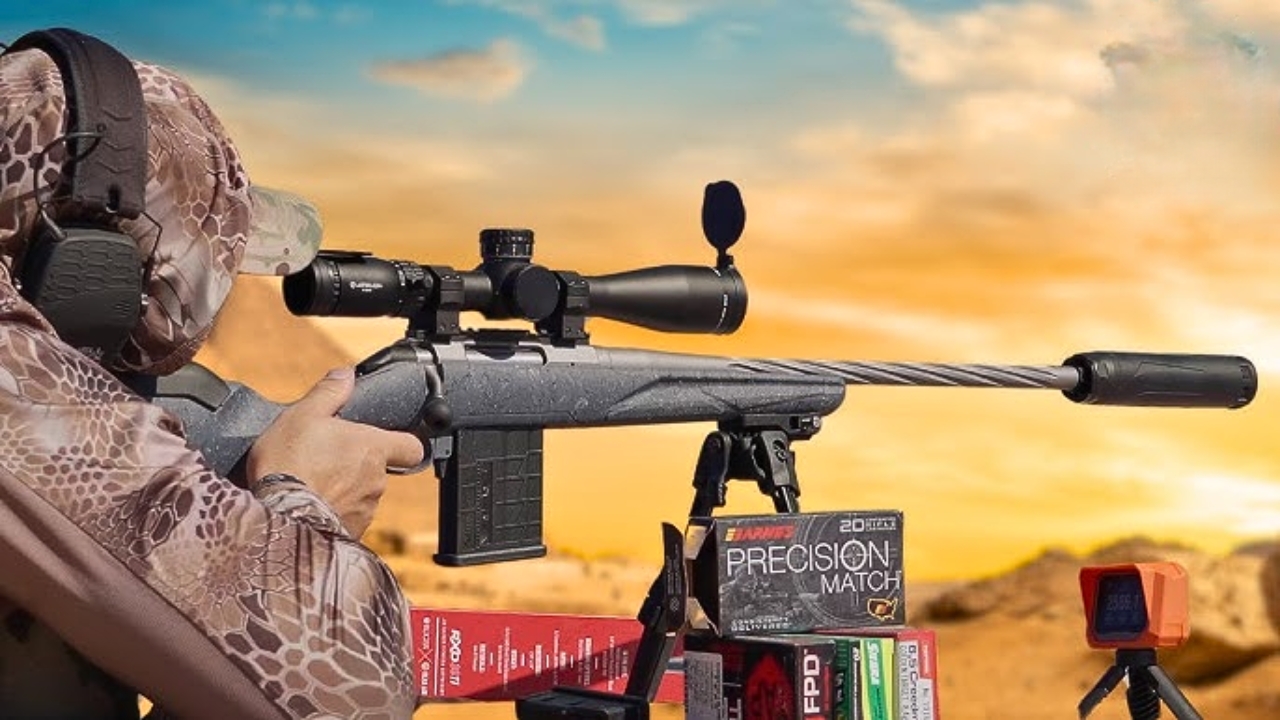
The original Ruger American earned its place by being inexpensive and generally accurate, but it also felt every bit like a budget rifle in several areas. The Gen II closes much of that gap. The stock is more substantial, the fluted barrel and redesigned exterior look far better, and the three-position safety gives the rifle a more finished feel than its price category normally delivers.
More importantly, the basic strengths remain. The action is straightforward, the trigger is adjustable, and Ruger offers the rifle in enough useful configurations that you can build around the way you actually hunt. Threaded barrels also make suppressor use easy without requiring additional gunsmith work. You can spend substantially more on a hunting rifle and get smoother machining or a nicer stock, but you may not see an equally dramatic improvement in actual deer-season performance. That is exactly why the Gen II is such a hard value to ignore.
CVA Cascade XT

CVA entered the bolt-action market without the decades of rifle history behind names like Remington or Winchester, which made the Cascade easy to underestimate at first. The XT version makes that much harder. You get a rigid stock, useful barrel profile, threaded muzzle, and an action that feels much more serious than the price suggests.
Accuracy is the real reason the Cascade has gained attention. The rifle generally gives you the sort of consistency hunters once expected to pay considerably more to obtain. The trigger is also good enough that there is no immediate pressure to replace it, which matters on a rifle meant to stay affordable. The XT is not covered in expensive cosmetic touches, but the money appears to have gone into the places that matter when you are actually shooting. For a hunter who would rather put more of the budget into glass and ammunition, that trade makes a lot of sense.
Howa 1500 Hogue

The Howa 1500 has spent years being one of the easiest rifles to overlook because it lacks the marketing presence of several American competitors. Mechanically, however, there is very little budget about the action. It is strong, smooth enough for serious field use, and has served as the foundation for rifles sold under other respected names.
The Hogue-stocked versions are especially attractive for someone who values function over appearance. The stock provides good grip in wet weather, while the Howa two-stage trigger gives you a predictable break without requiring immediate aftermarket work. The rifle may be heavier than some lightweight competitors, but that extra mass also makes it steadier and more comfortable in harder-kicking chamberings. If you judge it by action quality and shooting performance rather than logo recognition, the 1500 gives you a lot more rifle than its normal selling price would lead you to expect.
Savage Axis 2 Pro

The early Axis rifles were accurate enough but made their budget status obvious through their stocks, controls, and overall finish. The Axis 2 Pro is a much more convincing rifle because Savage kept the affordable foundation while addressing several of the areas that made earlier examples feel disposable.
The AccuTrigger remains a major advantage. A clean, adjustable trigger can make a modest hunting rifle much easier to shoot well, and Savage gives you that without forcing an immediate upgrade. The newer stock and factory configurations also make the rifle feel much closer to a complete hunting setup than the original bargain models did. You can certainly buy smoother actions and nicer furniture, but the Axis 2 Pro gets the important shooting-related pieces right. For a rifle that may spend most of its life riding to deer stands and firing only a few boxes of ammunition each year, it is surprisingly difficult to outgrow.
Weatherby Vanguard Synthetic

Weatherby’s premium reputation can make the Vanguard seem like the cheap sibling you buy only when a Mark V is out of reach. That undersells the rifle considerably. Underneath the plain synthetic stock is a Japanese-built action with excellent strength, good machining, and a long history of dependable hunting use.
The Vanguard also has enough weight to remain steady without becoming miserable to carry. Its two-stage trigger is predictable, and the rifle generally feels more substantial than some ultralight budget competitors. You are giving up the fancy walnut, deep finish, and distinctive action of Weatherby’s premium rifles, but you are not giving up the basic ability to place hunting bullets precisely. For someone who wants a rifle to hunt hard instead of admire in the safe, the Vanguard often delivers nearly everything that matters while leaving a surprising amount of money available for the scope.
Winchester XPR

The XPR does not have the emotional appeal of a Model 70, and that is probably why it never gets the same attention. It was designed as a straightforward modern hunting rifle rather than a traditional heirloom, so the stock, detachable magazine, and overall appearance are clearly built around utility.
Once you shoot it, the value becomes easier to appreciate. The trigger is crisp enough for good field accuracy, the three-lug bolt provides a relatively short lift, and the rifle handles common hunting chamberings without doing anything complicated. Winchester also offers configurations with threaded barrels and other practical features that used to require stepping into more expensive rifles. The XPR will not satisfy someone shopping for polished walnut and controlled-round-feed nostalgia. If the goal is a dependable hunting rifle that shoots better than its modest appearance suggests, however, it is one of the stronger values on the rack.
Stevens 334 Walnut

The Stevens 334 is interesting because it goes against the usual budget-rifle formula. Instead of putting the cheapest possible synthetic stock around a basic action, Savage offers the 334 with actual walnut and a surprisingly traditional appearance while keeping it positioned below many better-known hunting rifles.
The rifle also gives you a three-lug bolt and detachable magazine, which makes it feel more modern mechanically than its wood stock suggests. It is not as refined as a premium European bolt gun, and the trigger and action will not fool anyone into thinking they bought a Sako. That is not the expectation. What matters is that the 334 looks and feels like a rifle you might actually want to keep rather than replace once your budget improves. In a market where affordable rifles increasingly feel temporary, that alone makes the Stevens much more appealing than its price would imply.
Franchi Momentum Elite
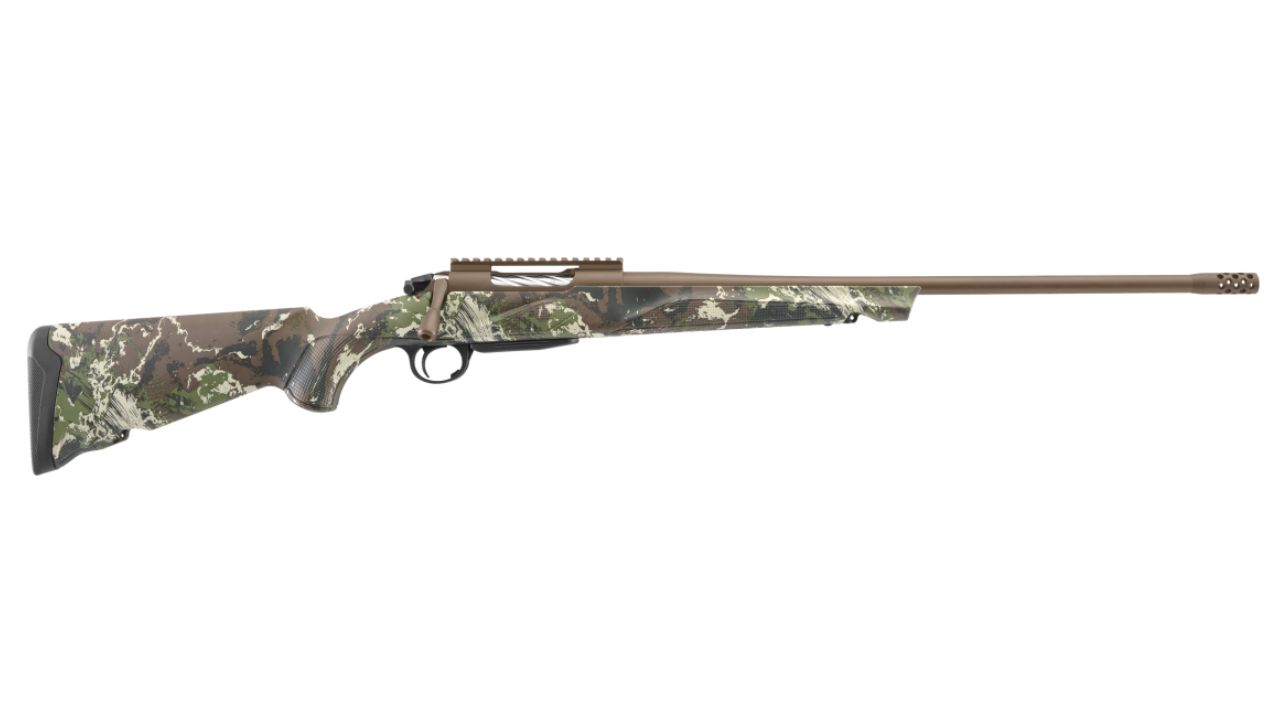
Franchi is better known for shotguns, so the Momentum Elite can disappear into a rack full of established bolt-action names. That is unfortunate because the rifle combines several features that normally start appearing after you move farther up the price ladder.
The stock has useful texturing and a shape designed around real field shooting rather than simply being the cheapest shell available. The barrel is threaded, the trigger is adjustable, and the rifle feels light enough to carry without becoming unpleasantly whippy. Franchi also paid attention to ergonomics, which is one of those areas a specification sheet cannot fully communicate. There are less expensive rifles available, but the Momentum Elite delivers enough extra refinement that it still feels like excellent value rather than merely an affordable option. For someone who wants a modern hunting rifle without jumping into premium pricing, it deserves much more attention.
Tikka T3x Lite

The T3x Lite is not one of the cheapest rifles here, but it often feels noticeably more expensive than it actually is. The bolt is exceptionally smooth, the trigger is clean, and the rifle has a reputation for giving owners very little drama when it comes time to find an accurate hunting load.
What is impressive is how little unnecessary complexity Tikka uses to accomplish that. The synthetic stock is functional rather than luxurious, the detachable magazine works, and the rifle stays light enough for long days on foot. Spend considerably more and you can get carbon-fiber stocks, custom barrels, or prettier metalwork, but those upgrades do not necessarily make a deer any easier to hit. The T3x occupies a sweet spot where the core mechanical quality already feels premium. For hunters more interested in a smooth action and dependable accuracy than decorative extras, it can make much more expensive rifles difficult to justify.
Bergara B-14 Ridge

The B-14 Ridge sits in a price range where buyers often start wondering whether they should keep saving for something more expensive. Once you handle and shoot one, that question becomes less obvious. Bergara’s barrel reputation carries over nicely into a hunting rifle that still uses a familiar Remington 700-style footprint.
That compatibility gives the rifle another layer of value because stocks, triggers, rails, and other components are widely available if your needs change later. The factory configuration is already good enough that you do not have to start upgrading immediately, though. The stock is more substantial than what you find on many entry-level rifles, and the action feels appropriate for something meant to be kept for years. The Ridge is not inexpensive in the absolute sense, but it delivers enough accuracy and mechanical quality that rifles costing significantly more can start feeling like exercises in diminishing returns.
IWI Zion-15

The Zion-15 built its reputation by giving buyers the things they commonly replace on inexpensive ARs without pushing the rifle into premium territory. You get a free-float handguard, sensible furniture, and a rifle that feels assembled as a complete carbine rather than a collection of whichever components were cheapest that week.
That matters because a bargain AR can stop being inexpensive very quickly. Replace the handguard, stock, grip, and a few reliability-related parts and suddenly you are approaching the price of a better rifle anyway. The Zion avoids much of that. It may not have the trigger or barrel of a high-end precision-oriented AR, but for general carbine use it offers a very strong balance. The rifle feels dependable, well thought out, and ready to use without becoming another endless upgrade project. That makes its middle-of-the-market price particularly attractive.
Smith & Wesson M&P15 Sport III

The Sport series has always been aimed at buyers who want a straightforward AR without paying for premium branding, and the Sport III makes the formula much more current. The free-float handguard and modern configuration mean you no longer have to accept the stripped-down appearance and limitations that once defined entry-level ARs.
The best part is that the rifle remains uncomplicated. It accepts the enormous AR aftermarket, uses common magazines, and gives a new owner a solid platform that can remain stock or evolve later. The factory trigger is basic, and nobody will mistake the barrel or internal parts for boutique components. Still, those are upgrades you can make only if you eventually decide you need them. For ordinary range shooting, training, and general-purpose use, the Sport III accomplishes an awful lot without asking premium money up front.
PSA Sabre-15

Palmetto State Armory built its name around inexpensive ARs, but the Sabre line is much more interesting than simply buying the cheapest possible PA-15. The idea is to incorporate better barrels, handguards, furniture, and internal components while still undercutting many similarly equipped rifles from premium brands.
That gives the Sabre an unusual position in the market. It is affordable enough to attract value-conscious buyers but equipped well enough that experienced AR owners do not immediately see a dozen things they want to replace. Configurations vary, so you still need to pay attention to exactly which model you are buying. Pick the right one, though, and you can get a rifle that feels much closer to a serious enthusiast build than a budget factory gun. The price difference between the Sabre and genuinely high-end ARs can be substantial while the practical performance gap is much smaller.
Ruger AR-556 MPR
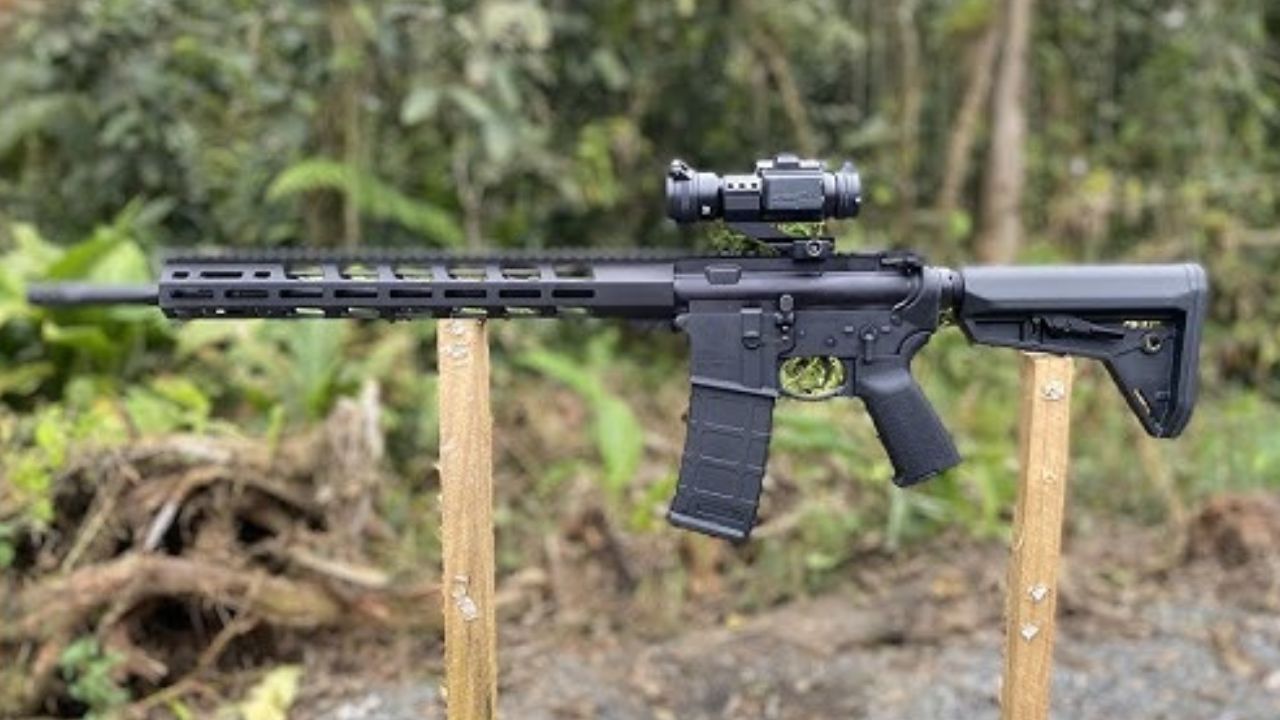
The MPR is the Ruger AR-556 configuration that makes the most sense for someone who wants more than a basic carbine without paying boutique AR money. Ruger gives it a free-float handguard, useful barrel configuration, and other upgrades that move it beyond the entry-level version.
The rifle is particularly appealing because it does not lock you into an unusual proprietary system. It is still fundamentally an AR-15, so changing the grip, stock, trigger, charging handle, or optic setup later is easy. At the same time, you do not need to change those parts immediately just to make the gun enjoyable. The MPR is accurate enough for much more than close-range blasting and comfortable enough for long range sessions. When it is priced competitively, it can make many rifles costing several hundred dollars more look difficult to justify on performance alone.
Savage Mark II FV-SR
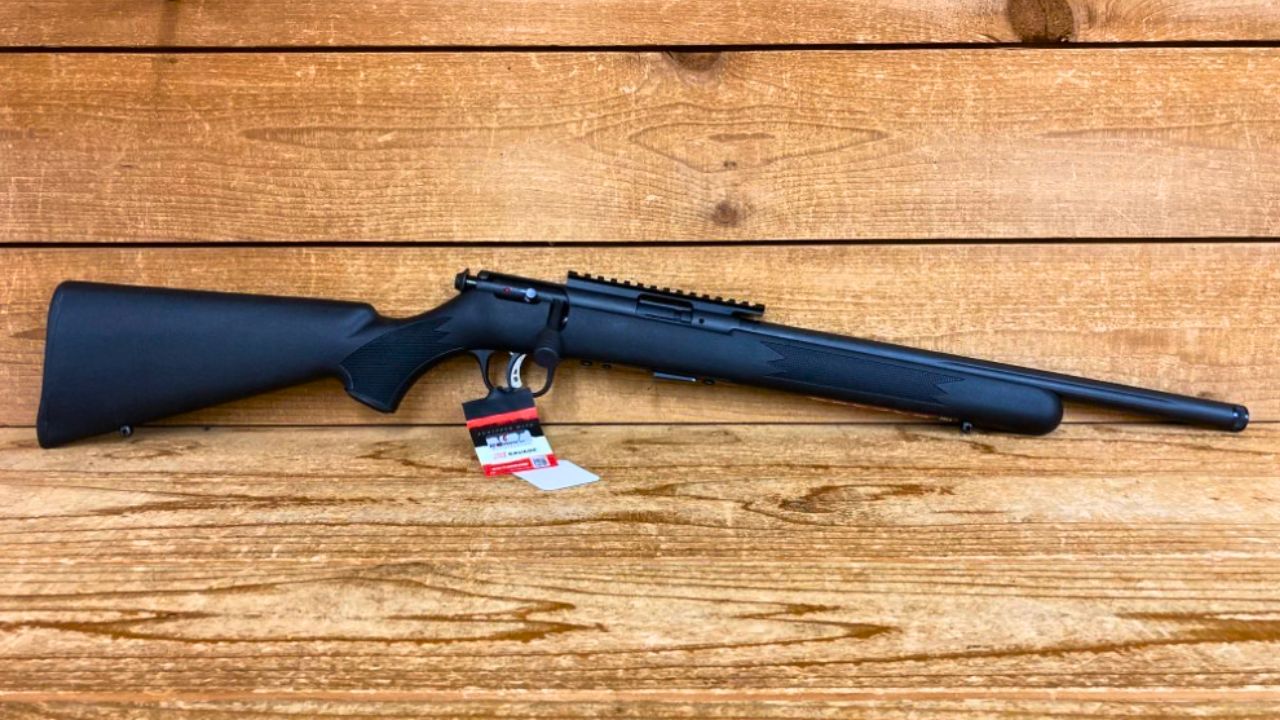
The Mark II FV-SR might be one of the clearest examples of money being spent in the right places. The stock is basic and nobody will confuse the exterior finish for a premium rimfire, but Savage gives you a heavy threaded barrel, adjustable AccuTrigger, and factory scope rail in an extremely affordable package.
That combination makes the rifle remarkably capable for small-game hunting, suppressed shooting, and informal precision work. The magazine system is not its strongest feature, and anyone demanding buttery bolt travel will need to spend more money. Those shortcomings become easier to forgive after you see how well a modestly priced Mark II can shoot with ammunition it likes. It is the sort of rifle that encourages you to spend the savings on several varieties of quality .22 LR and find its preferred load. Once you do, much more expensive rimfires may not separate themselves as dramatically as expected.
Ruger American Rimfire

The American Rimfire has one feature that gives it enormous practical value before you ever discuss accuracy: it uses Ruger’s widely available 10/22 magazines. That means inexpensive, proven magazines are everywhere, and owners are not tied to some obscure proprietary box that costs a fortune to replace.
The rest of the rifle is equally sensible. The adjustable trigger is good enough for accurate rimfire work, the bolt throw is short, and interchangeable stock modules allow you to adjust comb height for different sighting setups. Certain versions also come threaded from the factory, which makes them excellent suppressor hosts. There are prettier and more refined rimfire bolt guns, but few combine this much practicality at the same price. If you want one .22 bolt action for squirrels, training, plinking, and suppressed shooting, the American Rimfire gives you a surprisingly complete answer.
Tikka T1x MTR
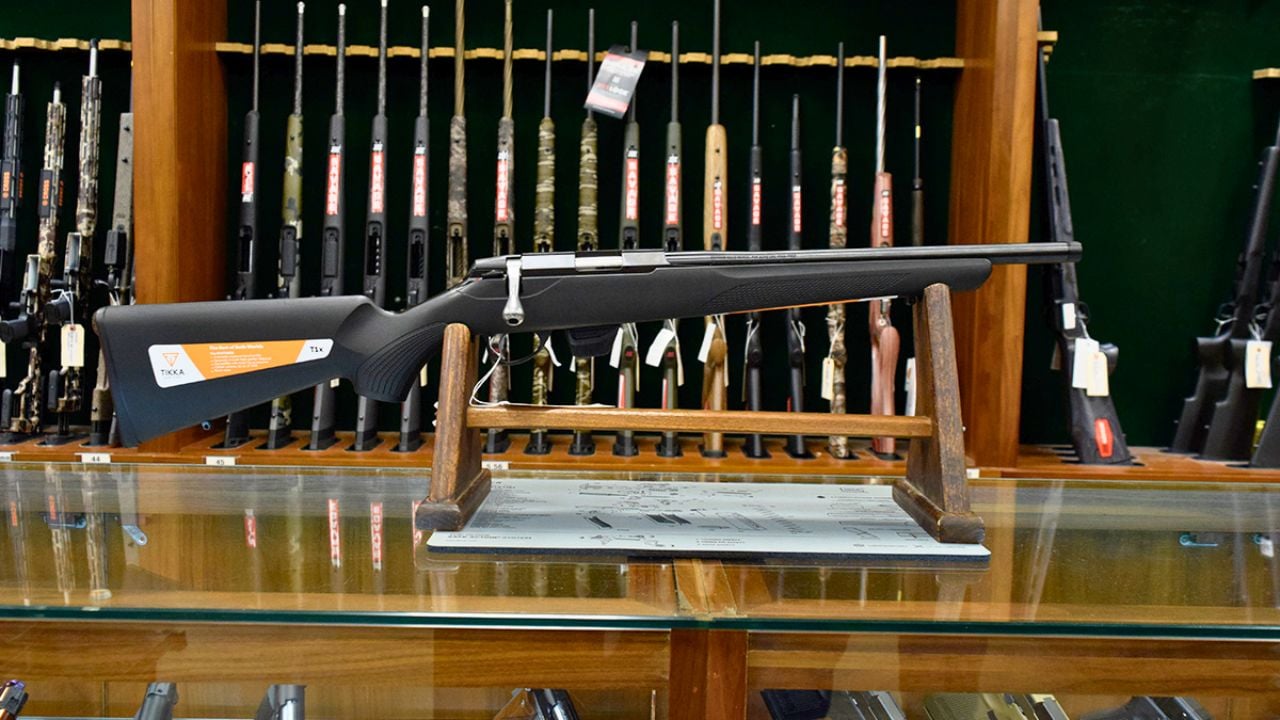
The T1x brings much of the feel that makes the T3x centerfire rifles so popular into a .22 LR or .17 HMR platform. The action is smooth, the trigger is excellent, and the rifle uses a full-sized stock footprint instead of feeling like a reduced-scale toy.
That last point matters if you are using it as a training rifle. The dimensions let an adult establish the same kind of position used with a centerfire hunting or precision rifle, while the mild rimfire cartridge allows you to practice without burning expensive ammunition. Compatibility with a number of Tikka-style stocks and components adds even more long-term value. It costs more than a truly cheap .22, but the quality jump is immediately noticeable. Compared with premium rimfire rifles costing far more, the T1x delivers an impressive amount of the same useful shooting experience without entering collector-grade pricing.
Bergara BMR Steel

The BMR Steel is one of those rimfires that feels like somebody started with the question of how to build an accurate adult rifle rather than how to build the cheapest .22 possible. The stock proportions are sensible, the trigger is good, and the steel barrel gives the rifle the steady feel many shooters want from a precision-oriented rimfire.
Bergara also includes both five- and ten-round magazine options, and the threaded muzzle makes suppressor use straightforward. The BMR is light enough to carry for small game but substantial enough that shooting from a bench or prone does not feel like wrestling an ultralight sporter. It sits above bargain-rifle pricing, yet it still represents strong value because you are getting features and accuracy-oriented design usually associated with much more expensive rimfire setups. For someone who wants to move beyond casual plinking, it is a very sensible step.
Ruger Precision Rimfire

Precision-style rifles can become expensive in a hurry, which is why the Ruger Precision Rimfire remains such an interesting value. It gives shooters an adjustable chassis-style platform, factory rail, threaded barrel, useful trigger, and enough stock adjustment to fit both younger shooters and adults without requiring an aftermarket chassis.
The rifle is heavier than a traditional hunting .22, but that is an advantage for what it is designed to do. From prone or a bench, the extra weight keeps the rifle steady and makes positional training much more productive. It also uses common Ruger rimfire magazines rather than demanding expensive specialty magazines. Serious rimfire competitors may eventually move to actions costing several times as much, but the Ruger provides a remarkably complete introduction to precision shooting. The amount you can learn with one is completely out of proportion to what the rifle costs.
Henry Classic Lever Action H001

The basic Henry H001 has no shortage of more expensive lever-action siblings, yet the plain model remains one of the company’s best values. It is light, smooth, reliable with a wide range of .22 ammunition, and simple enough that almost anyone can enjoy shooting it immediately.
What makes it better than the price suggests is the action feel. Affordable guns often save money in ways you can feel every time you operate them, but the Henry lever remains satisfying even beside much more expensive rimfires. The tubular magazine also lets you shoot .22 Short, Long, and Long Rifle ammunition, giving the gun a flexibility many detachable-magazine semiautomatics cannot match. There are fancier Henry rifles with brass receivers and upgraded stocks, but the basic H001 captures most of the actual shooting enjoyment for much less money. It is difficult to ask more from an affordable rimfire.
Like The Avid Outdoorsman’s content? Subscribe to our newsletter so you never miss an article.
Here’s more from us: