Photo credit: AK Operators Union, Local 47-74/YouTube
Some rifles get criticized because people repeat old forum stories without ever handling one. Others develop a bad reputation because enough owners encounter the same problem that the complaints become difficult to dismiss. Poor reliability, weak parts, rough actions, bad magazines, questionable materials, and designs that simply did not age well can turn an inexpensive rifle into something buyers learn to avoid.
That does not mean every example of these rifles is guaranteed to fail. Plenty of owners have guns that run acceptably, and a few models improved during later production. The issue is consistency. When a rifle repeatedly develops the same complaints across years of ownership, the reputation usually comes from somewhere. These 20 rifles are remembered less for what the advertisements promised and more for the problems shooters actually encountered after bringing them home.
Remington Model 742 Woodsmaster

The Model 742 looked like an ideal deer rifle. It gave hunters semiautomatic fire in traditional hunting cartridges such as .30-06 while still wearing the familiar wood-and-blue appearance people expected from Remington. For a while, these rifles were everywhere in deer camps, and many owners genuinely liked them when they were new and functioning correctly.
The problem showed up as rifles accumulated use. The receiver rails could become battered by the bolt, creating the infamous worn or chewed-up rail condition that eventually caused cycling problems. Once that damage became severe, there was not always a practical repair. Dirty chambers and neglected maintenance could make reliability even worse. Plenty of 742s killed deer successfully, but enough worn rifles turned into malfunctioning headaches that the reputation stuck. A clean example can still work, but I would inspect one very carefully before treating it as a bargain.
Winchester Model 100
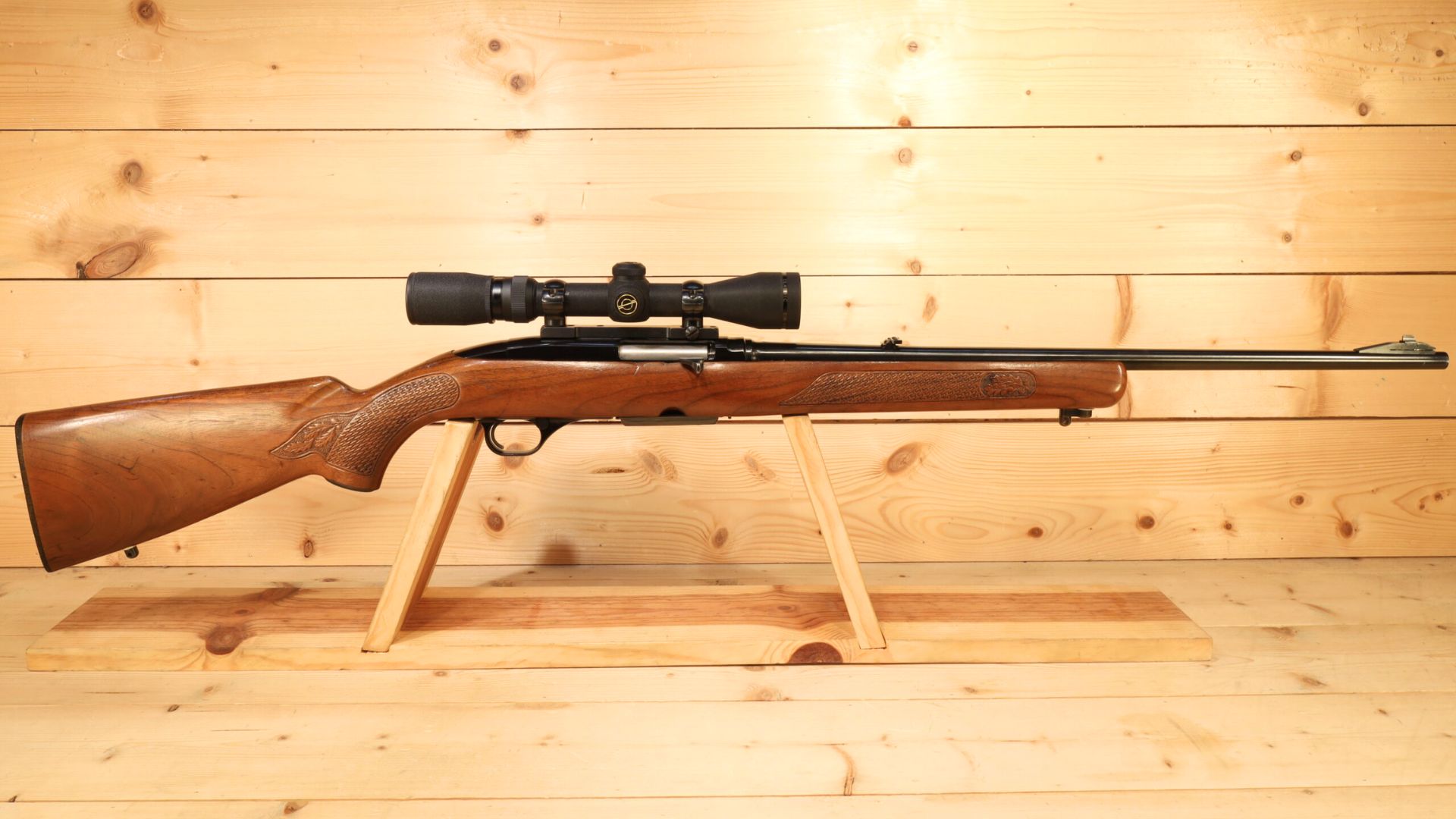
The Model 100 was sleek, fast handling, and far more modern-looking than many semiautomatic hunting rifles of its era. It chambered useful cartridges and gave hunters a detachable magazine in a handsome sporting package. That combination should have made it a long-term classic.
Instead, mechanical issues followed it. The rifle became known for firing-pin concerns serious enough to produce a factory recall, and aging examples can also suffer from extraction, feeding, and general reliability problems. The operating system is more complicated than a simple bolt gun, which makes neglected rifles especially troublesome decades later. Good examples can still be pleasant shooters, but buying one requires more homework than the attractive exterior suggests. The Model 100 earned its questionable reputation because the problems were not merely cosmetic. They involved parts that mattered directly to safe and dependable operation.
Remington Model 522 Viper
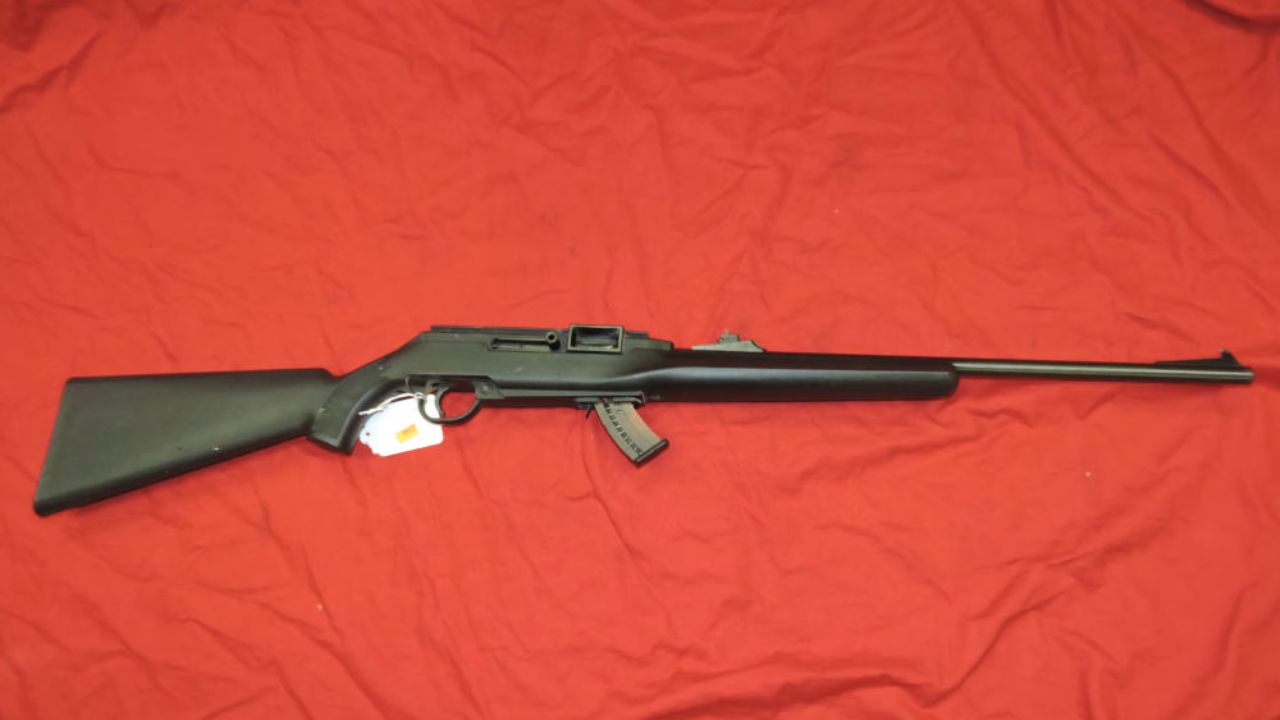
The Viper was supposed to be a modern, inexpensive semiautomatic .22 that could compete with the established rimfire rifles already dominating the market. The polymer-heavy construction kept the gun light, and the detachable magazine looked convenient compared with traditional tubular designs.
Owners quickly discovered why the rifle never earned the same affection as Remington’s older rimfires. Feeding problems, magazine sensitivity, brittle or cheap-feeling components, and mediocre overall durability became common complaints. The rifle could run well with ammunition it liked, but inconsistency hurt its reputation badly. It also arrived at a time when buyers could simply choose proven alternatives from Ruger, Marlin, and others. The Viper did not fail because the idea was terrible. It failed because the execution never inspired enough confidence to overcome the competition, and many surviving rifles still carry that reputation today.
Charter Arms AR-7 Explorer
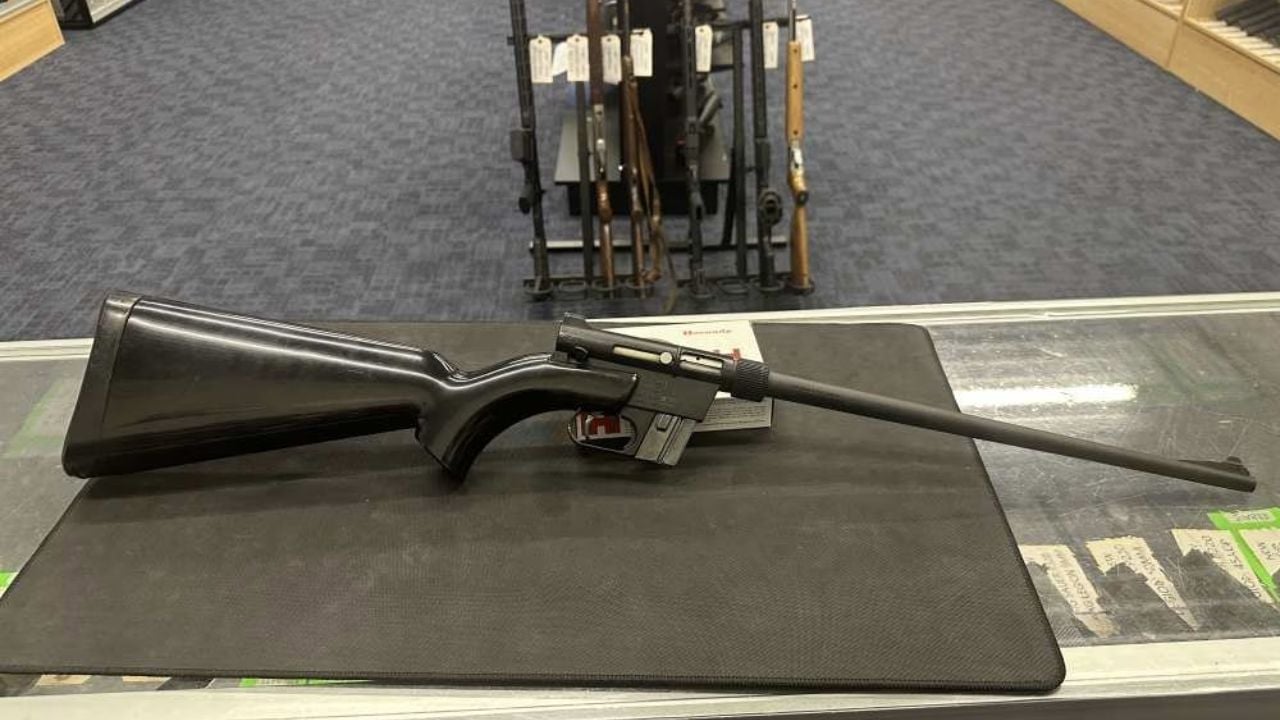
The AR-7 concept is brilliant on paper. A lightweight .22 semiautomatic that breaks down and stores inside its own stock sounds nearly perfect as a survival or emergency rifle. The original design has enough historical credibility that buyers often assume every version will perform equally well.
The Charter Arms Explorer is where that assumption can get dangerous. These rifles became known for unreliable feeding, magazine issues, rough actions, and inconsistent quality. Some owners managed to find ammunition and magazines that made their rifles run, but others spent more time clearing malfunctions than shooting. A survival rifle is supposed to inspire confidence when you need it, and that is exactly where a temperamental AR-7 falls short. Later manufacturers improved the concept considerably, but the Charter Arms era helped create the long-standing belief that AR-7 rifles are unreliable.
Bushmaster Carbon 15

The Carbon 15 attracted buyers because it promised an exceptionally light AR-style rifle. Carbon-fiber-reinforced construction seemed futuristic, and the reduced weight made the rifle look ideal for anyone tired of heavy carbines.
The problem was that weight savings came with compromises that many shooters did not like. Early Carbon 15 rifles developed a reputation for cracked receivers, proprietary components, inconsistent reliability, and overall durability concerns. The rifles could also be finicky compared with conventional aluminum-receiver ARs. Once lightweight forged-aluminum rifles became easy to build without taking the same risks, the Carbon 15’s advantage became much harder to defend. Some examples worked acceptably, but the model earned its reputation because owners were trusting unconventional construction in places where conventional ARs had already proven extremely durable.
Century Arms C308
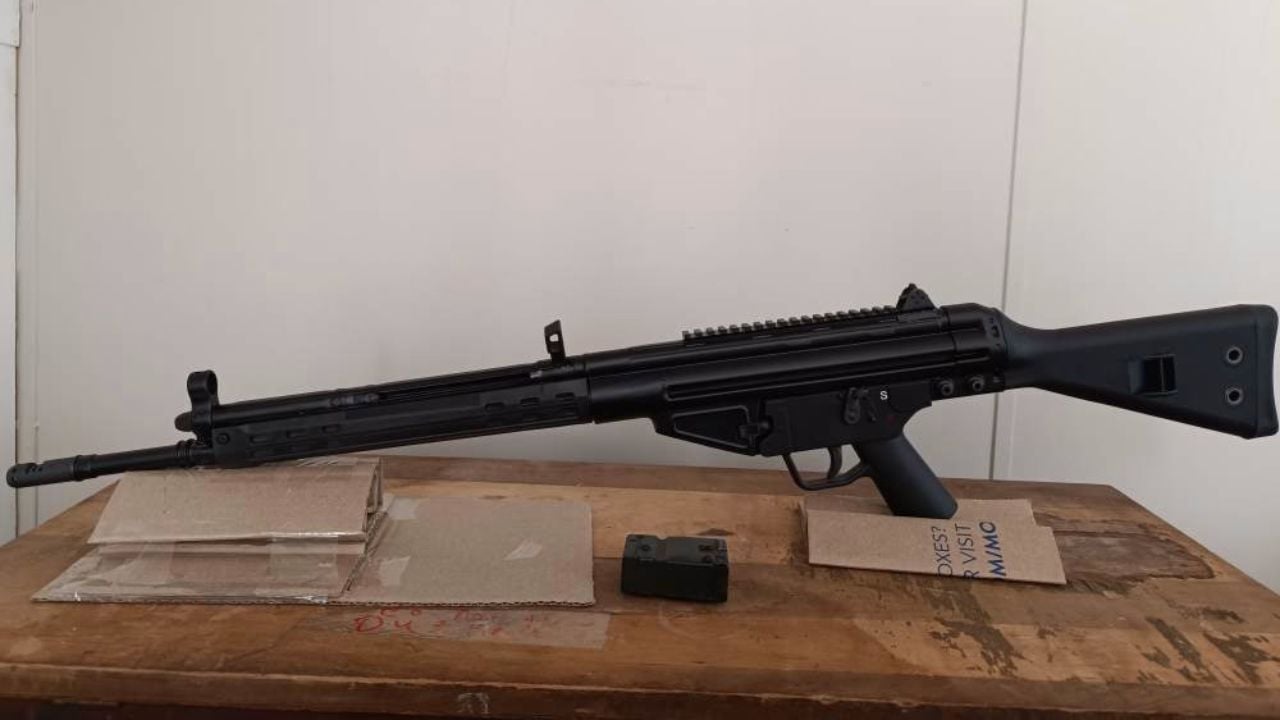
The C308 offered one of the cheapest routes into the roller-delayed .308 world. That alone made it tempting. Buyers could get HK-style looks, a full-power cartridge, and inexpensive surplus magazines without paying genuine HK money.
The catch was inconsistent assembly quality. Some rifles ran well, while others showed rough welds, questionable bolt-gap measurements, stiff controls, poor fit, or reliability problems that should have been caught before the gun left the factory. The basic CETME design can be extremely durable when built correctly, but that phrase matters. A poorly assembled roller-delayed rifle can become expensive and frustrating very quickly. The C308 earned its reputation because buyers often felt they were gambling on which example they would receive. When you get a good one, it can be fun. When you do not, the bargain disappears.
Century Arms RAS47

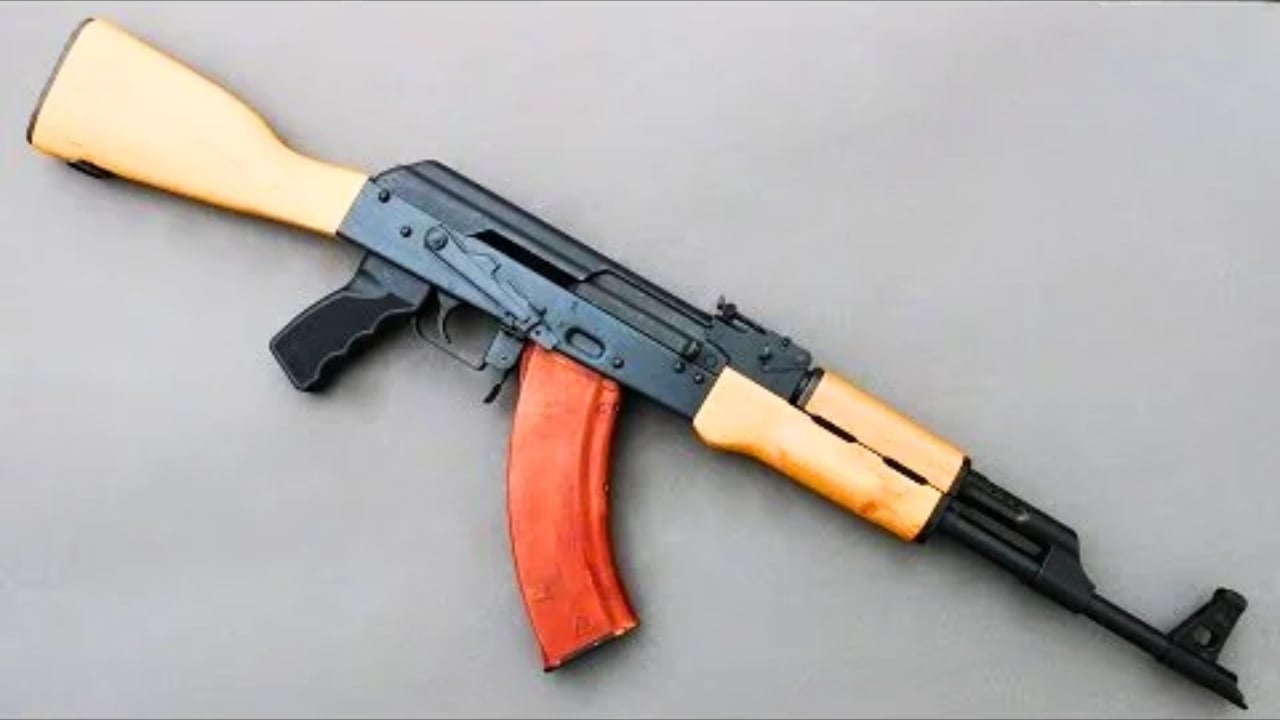
The RAS47 entered the market when buyers wanted affordable American-made AK-pattern rifles. It looked the part, accepted common magazines, and carried a price that made it attractive compared with imported guns.
The rifle’s reputation collapsed because of concerns surrounding critical internal components and long-term durability. Reports of abnormal wear, headspace changes, and parts deformation became widespread enough that serious AK buyers started treating the model with caution. An AK’s entire reputation rests on durability, so a rifle that develops questions around bolt and trunnion strength has a major problem. Plenty of RAS47 rifles fired thousands of rounds without dramatic failure, but the volume of negative reports was enough to permanently damage trust. In a market full of stronger AK options, that reputation is difficult to overcome.
I.O. Inc. AKM247

I.O. Inc. rifles frequently attracted buyers with aggressive prices and American-made AK styling. For someone who wanted an AK without paying imported-rifle prices, they looked like an easy entry point.
Unfortunately, quality-control complaints followed the brand for years. Owners reported canted sights, rough rivets, poor magazine fit, inconsistent heat treatment, and premature wear in areas where an AK should be extremely durable. Reliability could vary dramatically from rifle to rifle, which made buying one feel like a gamble. The AK platform is mechanically forgiving, but even a forgiving design cannot completely overcome weak assembly and questionable components. I.O. rifles earned a reputation that became difficult to separate from the company name itself. Buyers learned that a cheap AK is not automatically a good value just because the basic design is rugged.
Remington Model 597
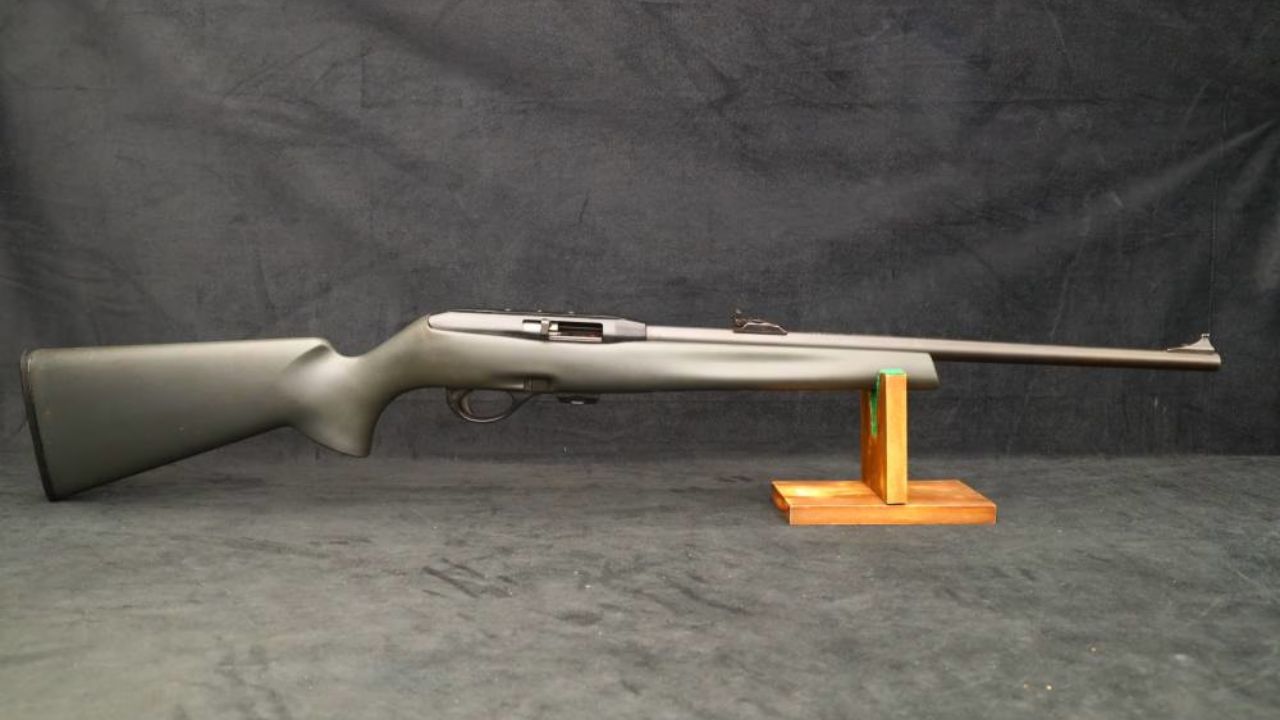
The Model 597 was intended to challenge the Ruger 10/22 and other popular semiautomatic rimfires. It had a decent basic layout, detachable magazines, and enough accuracy potential to make the design seem promising.
The magazines became one of the biggest problems. Early examples were notorious for feeding issues, particularly with the original magazine designs. Later versions improved, but the damage to the rifle’s reputation had already been done. Owners also complained about finicky operation and a lack of the enormous parts ecosystem that made competing rimfires easier to live with. The 597 could be accurate, and a good example with reliable magazines can still be enjoyable. The problem was consistency. A .22 semiautomatic should be easy and inexpensive to shoot, and too many 597 owners spent range time troubleshooting instead.
Mossberg 464 SPX
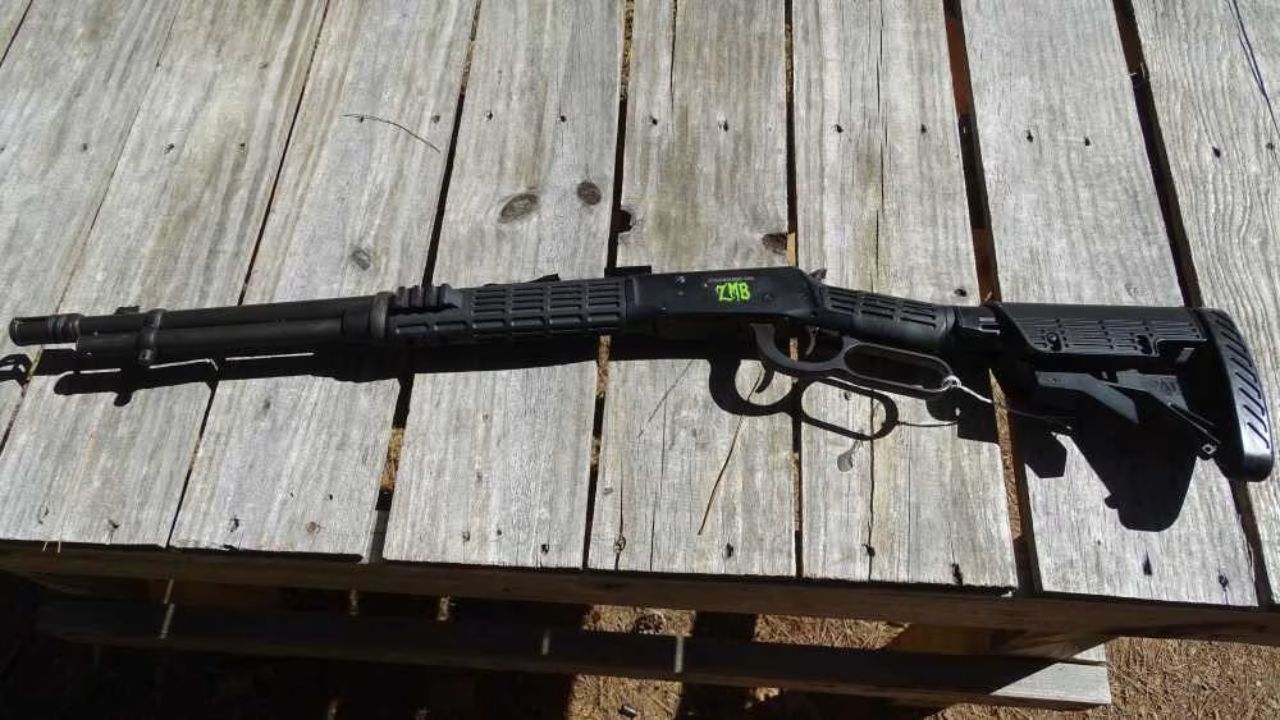
The 464 SPX tried to modernize the traditional lever-action rifle with tactical furniture, rails, and aggressive styling. On paper, it offered the familiar .30-30 cartridge in a configuration aimed at shooters who wanted something different from walnut and blued steel.
The result was awkward. The rifle’s bulky synthetic furniture and rail setup added visual drama without improving the basic shooting experience enough to justify it. Handling suffered compared with the slim traditional Model 464, and the overall package looked more convincing in advertisements than it felt in the hands. Reliability was not necessarily catastrophic, but buyers often found the rifle clumsy and less refined than established lever guns. The bad reputation came from a disconnect between concept and execution. It tried hard to look modern without making the lever-action platform meaningfully better.
Marlin Model 60 Late-Production Examples
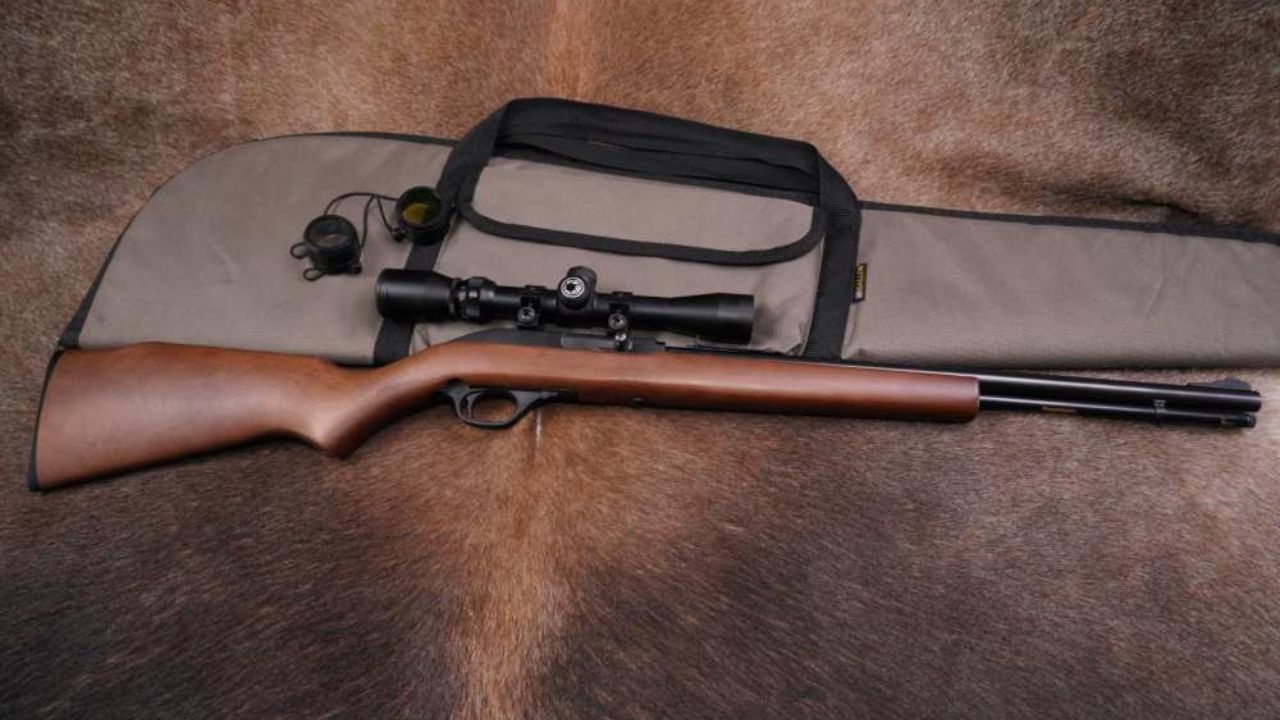
The Model 60 itself absolutely deserves its classic reputation. Millions of these rifles have provided decades of inexpensive shooting. The trouble came with some later production periods when quality became less consistent than longtime Marlin owners expected.
Rough machining, inconsistent fit, feeding problems, and general finish complaints appeared often enough that buyers started separating older examples from later ones. The design still worked, but execution mattered. A rifle that had once been known for running almost automatically could become frustrating if the feed throat, magazine tube, or internal parts were not quite right. This is not an indictment of every Model 60. It is a reminder that a respected model name can still develop a bad reputation during a weak production era. Older, well-made examples are usually a completely different story.
Remington Model 770

The Model 770 was built to hit a very low price point, and that objective showed almost everywhere. It usually came as a package rifle with a scope, which made it attractive to hunters who wanted a complete setup without spending much money.
The bolt was one of the biggest complaints. It often felt rough, stiff, and cheap compared with even modestly priced competing rifles. The stock and magazine did little to improve the impression, and the bundled optics were rarely a selling point once owners actually used them. Many 770s were perfectly capable of killing deer, but that is a low bar for a centerfire rifle. The model earned its reputation because nearly every interaction reminded you where costs had been cut. When slightly more money could buy a much better rifle, the initial savings became difficult to defend.
Mossberg 715T
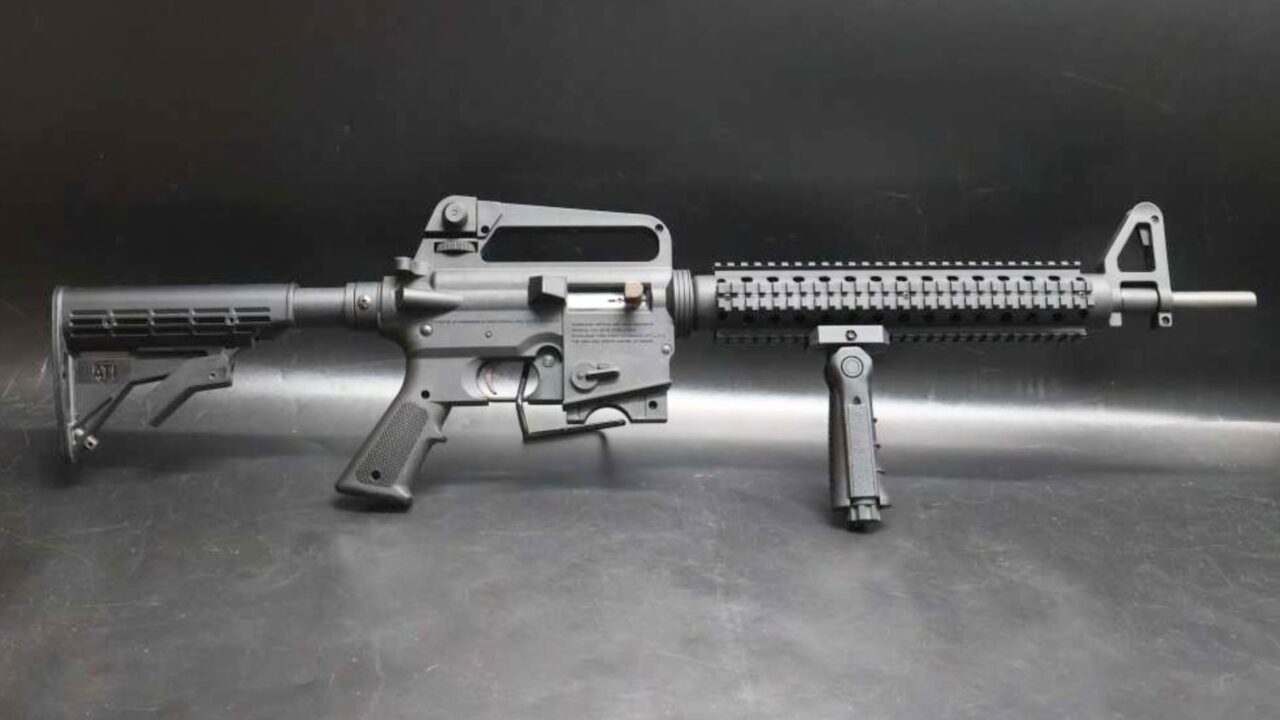
The 715T looked like a tactical .22 rifle and was priced low enough to attract new shooters. The AR-style shell, detachable magazine, and modern appearance made it seem like an affordable training rifle.
Underneath that styling, however, was a much more basic rimfire action surrounded by a bulky clamshell-style housing. Owners often complained about awkward disassembly, magazine problems, and a cheap overall feel. The controls did not truly replicate an AR, so the rifle was not especially useful as a serious trainer either. It could still provide casual plinking fun, but the tactical appearance promised more than the underlying gun delivered. The 715T’s bad reputation came largely from that mismatch. It looked like a modern carbine but behaved like an inexpensive rimfire wearing a costume.
Remington 710
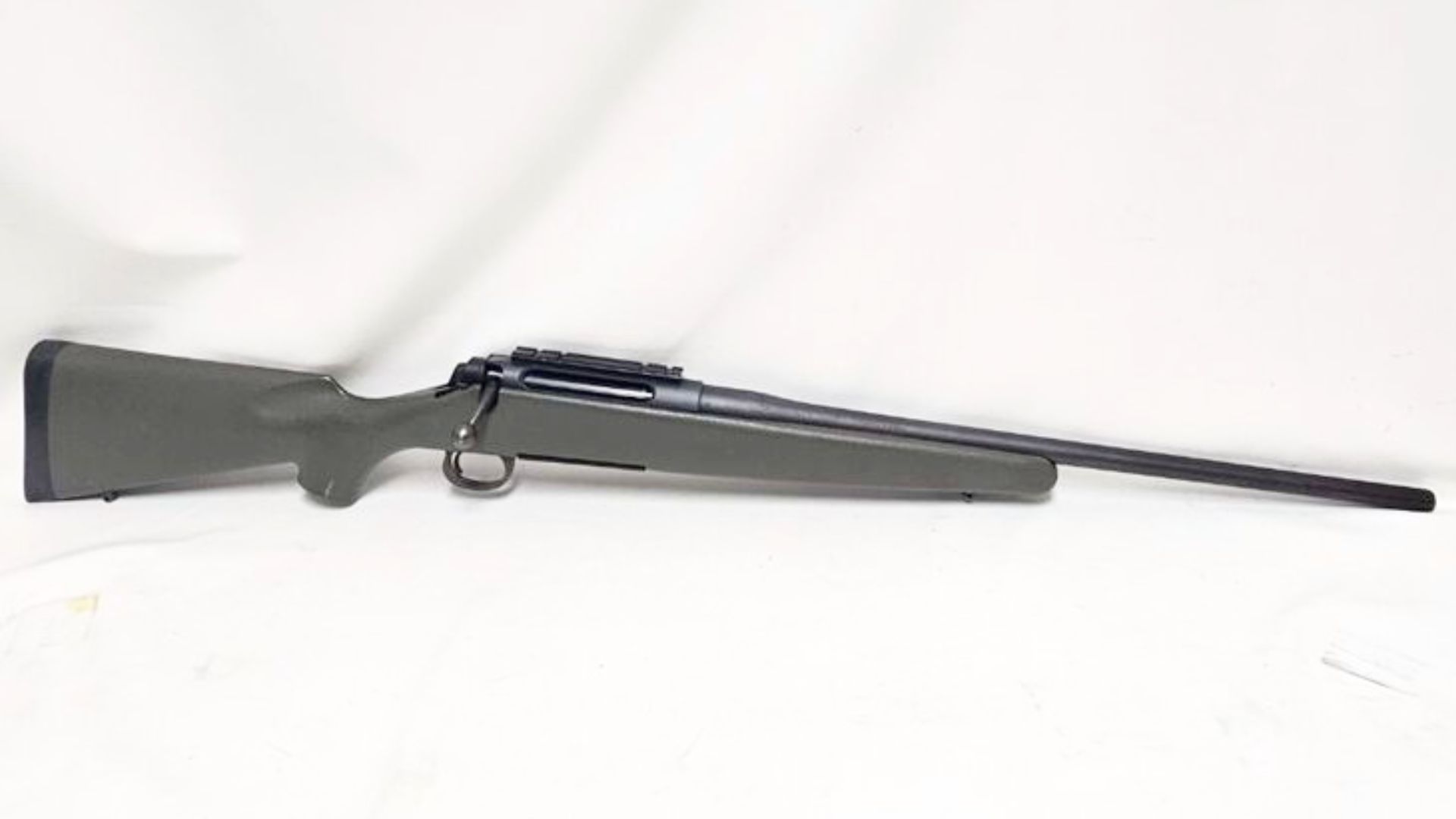
The 710 was another attempt to produce an inexpensive hunting rifle for buyers who wanted a scope-ready package at the lowest possible cost. The idea itself was reasonable, especially for occasional hunters.
The execution made the rifle difficult to love. The bolt could feel rough, the stock was inexpensive, and several components gave owners little confidence in long-term durability. The rifle was also not designed around easy barrel changes or extensive serviceability, which limited what could be done once something wore out. Accuracy could be perfectly adequate, but the gun often felt temporary rather than durable. That distinction matters in a hunting rifle many people expect to keep for decades. The 710 earned a poor reputation because it delivered function without much pride of ownership, and competing budget rifles eventually proved affordability did not require the same compromises.
Kel-Tec SU-16
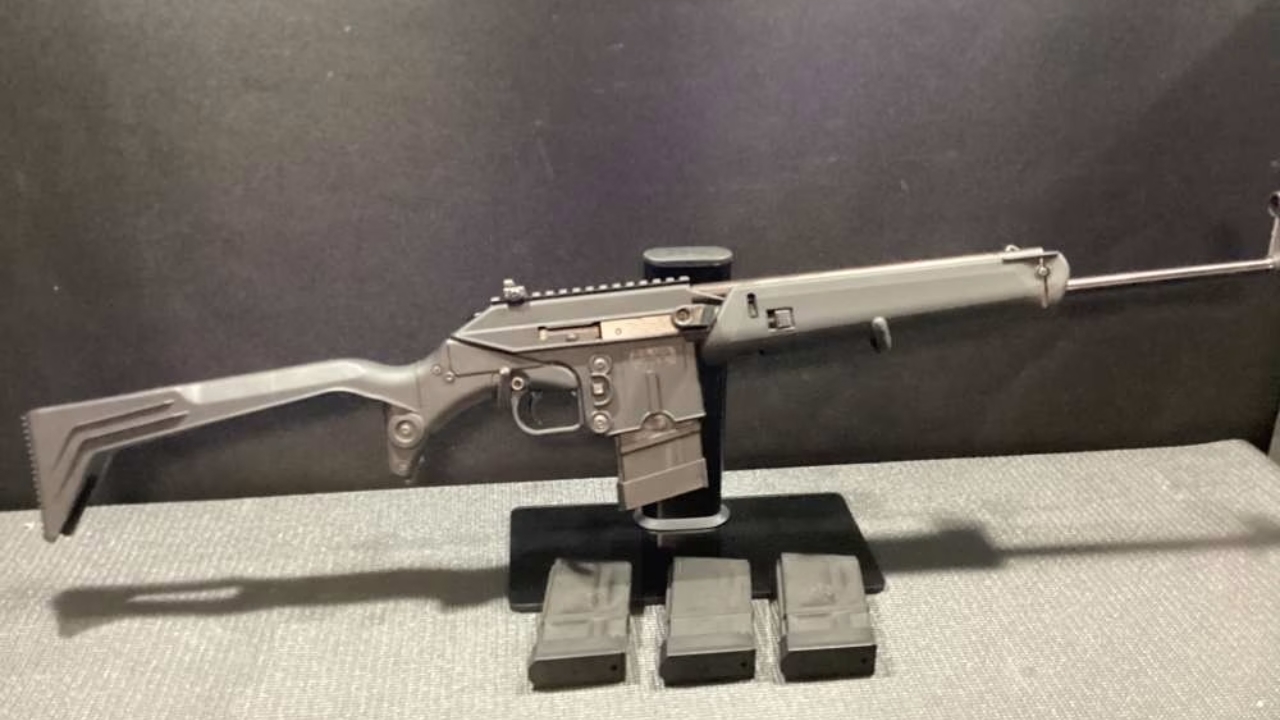
The SU-16 looked like a clever lightweight alternative to a conventional AR-15. It folded, accepted AR magazines, and weighed very little, which made it seem ideal as a truck, backpack, or emergency rifle.
The issue was durability and consistency. Some versions developed reports of cracked receivers or other failures, while the lightweight construction made the rifle feel less substantial than many shooters expected from a centerfire semiautomatic. The trigger and overall fit were also more utilitarian than refined. Plenty of SU-16s have functioned successfully, but the platform never earned the same confidence as a conventional aluminum-receiver AR. Once inexpensive ARs became common, buyers had less reason to accept the Kel-Tec’s compromises. Its reputation reflects a clever concept that never felt quite as durable as the role demanded.
Hesse Arms H91
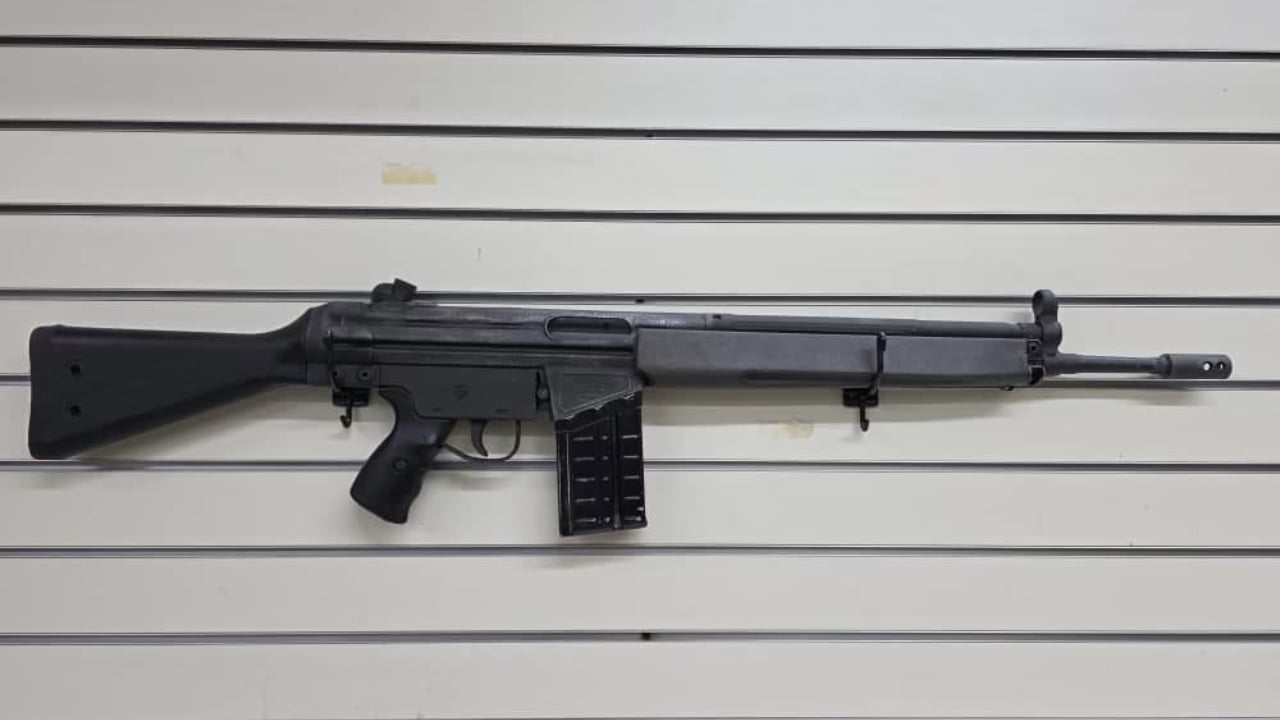
Hesse Arms rifles became notorious among shooters who wanted inexpensive clones of military-style rifles. The H91 and related roller-delayed builds often looked appealing because genuine HK-pattern rifles were expensive and difficult to obtain.
The problem was assembly quality. Poor welds, questionable receiver dimensions, improper bolt gap, rough finishes, and reliability issues were reported frequently enough that the brand became almost synonymous with risky clone builds. Roller-delayed rifles require correct geometry to function properly, so sloppy construction can cause much more than cosmetic irritation. A rifle that looks like an HK but is assembled badly can quickly become an expensive project. Hesse earned its reputation the hard way, and that reputation followed later companies associated with the same ownership and production history.
Vulcan V50
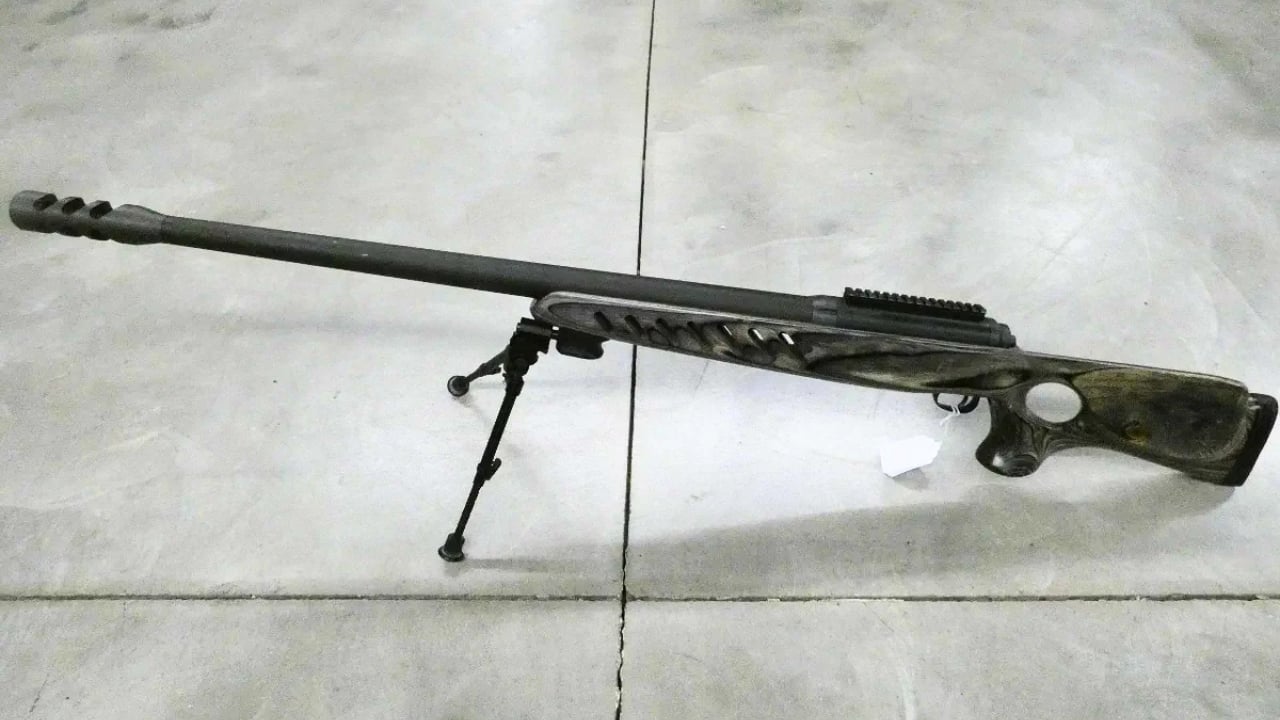
The Vulcan V50 attracted attention because it offered .50 BMG firepower at a much lower price than established rifles from Barrett or other premium manufacturers. For shooters dreaming of owning a fifty, the sticker price was incredibly tempting.
That is exactly the kind of rifle where bargain pricing should make you cautious. The V50 developed concerns around crude construction, questionable design choices, and overall confidence in a firearm containing enormous chamber pressure. When the cartridge is .50 BMG, there is very little room for sloppy engineering or weak execution. Even shooters willing to tolerate rough triggers and ugly finishes tend to become much more conservative when structural integrity is part of the discussion. The V50’s reputation became bad because the savings were attached to a platform where buyers wanted absolute confidence, not uncertainty.
USFA Zip .22
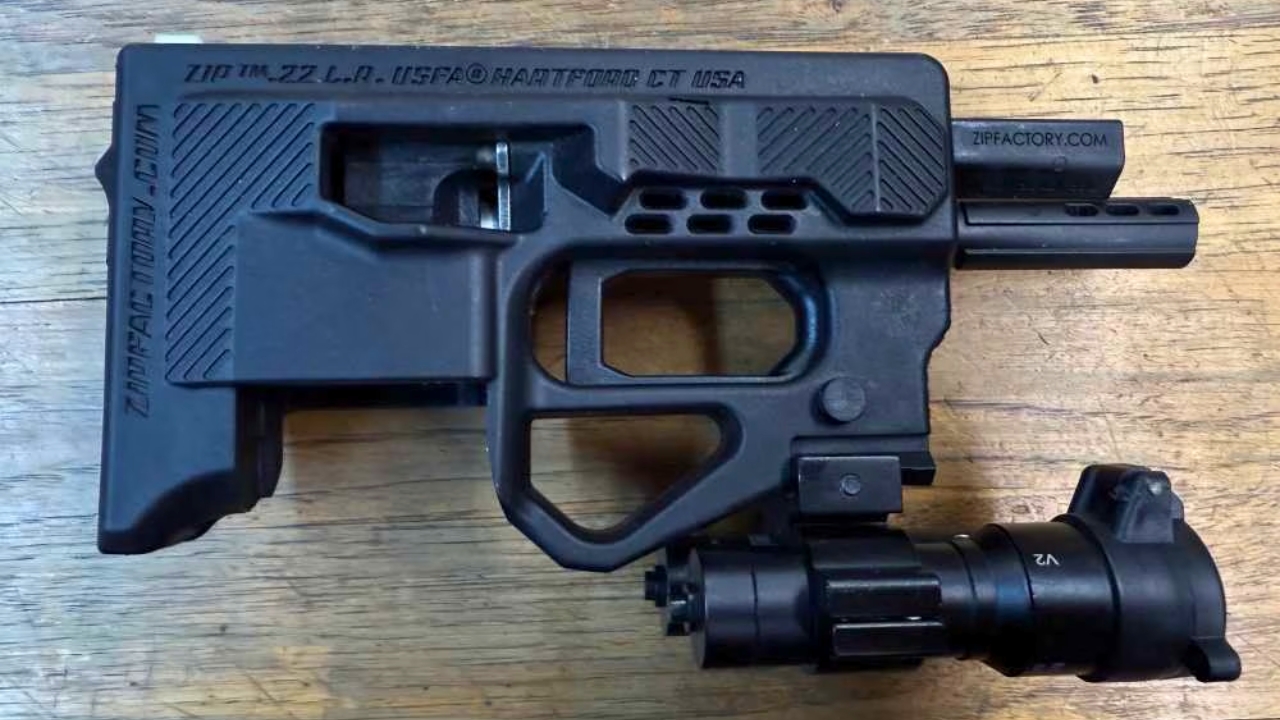
The Zip .22 is technically a pistol-caliber firearm, but in its carbine-style and accessory configurations it ended up being discussed alongside compact rimfire platforms because of its unusual modular concept. The design looked futuristic and promised an inexpensive, highly configurable .22.
In practice, it became infamous for reliability and handling problems. Feeding issues, awkward charging controls, poor ergonomics, and questionable design decisions made the gun frustrating even before long-term durability entered the conversation. The placement of the charging system could also put hands uncomfortably close to the muzzle area if handled carelessly, which did nothing to improve confidence. The Zip earned one of the worst modern firearm reputations because it failed at the most basic expectation of a rimfire: being easy and fun to shoot.
Mitchell Arms AK-22
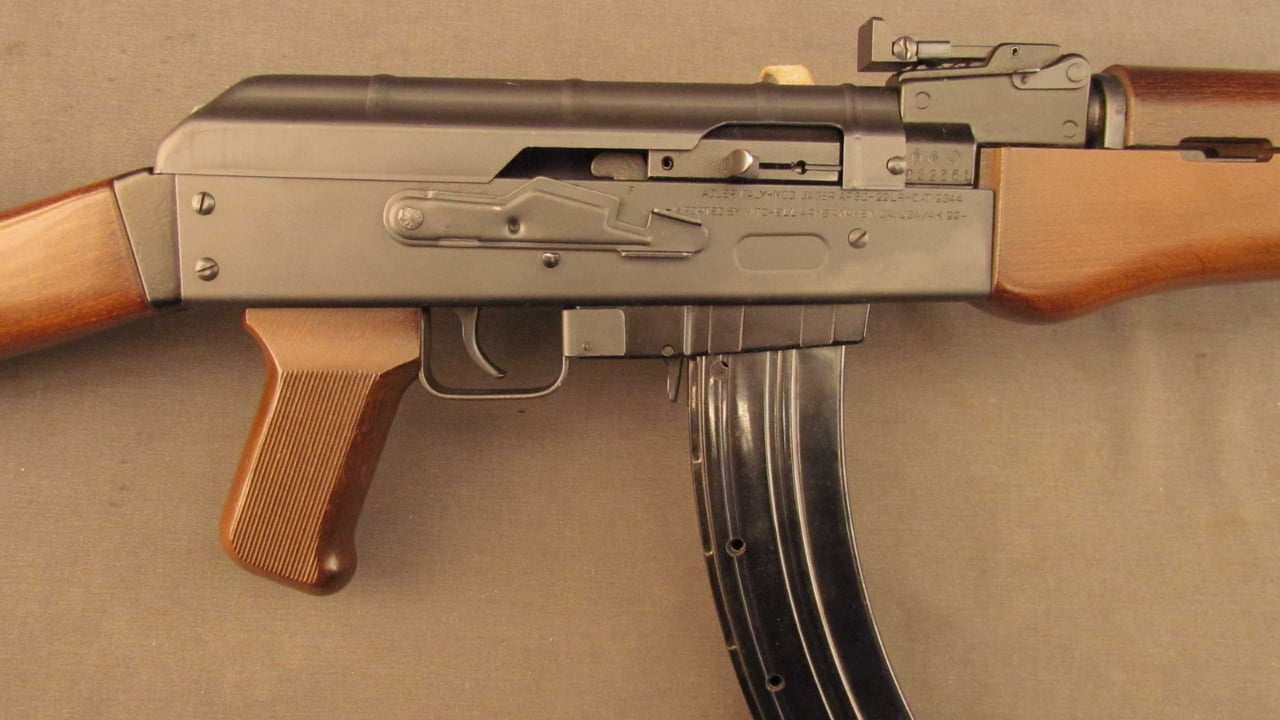
The Mitchell Arms AK-22 gave shooters the look and feel of an AK-pattern rifle while using inexpensive .22 LR ammunition. That sounded like a fun combination, especially before dedicated rimfire replicas became common.
Reliability was the problem. Rimfire conversions and lookalike rifles can be extremely sensitive to magazine design, ammunition, and internal geometry, and the AK-22 developed a reputation for feeding and cycling issues. Parts and magazine availability also became increasingly difficult as the rifles aged. A gun that works only with one particular magazine or load becomes less enjoyable quickly, especially when the entire point is cheap plinking. The AK-22 remains interesting as a curiosity, but its reputation reflects how frustrating older rimfire replicas can become once factory support disappears.
Like The Avid Outdoorsman’s content? Subscribe to our newsletter so you never miss an article.
Here’s more from us: