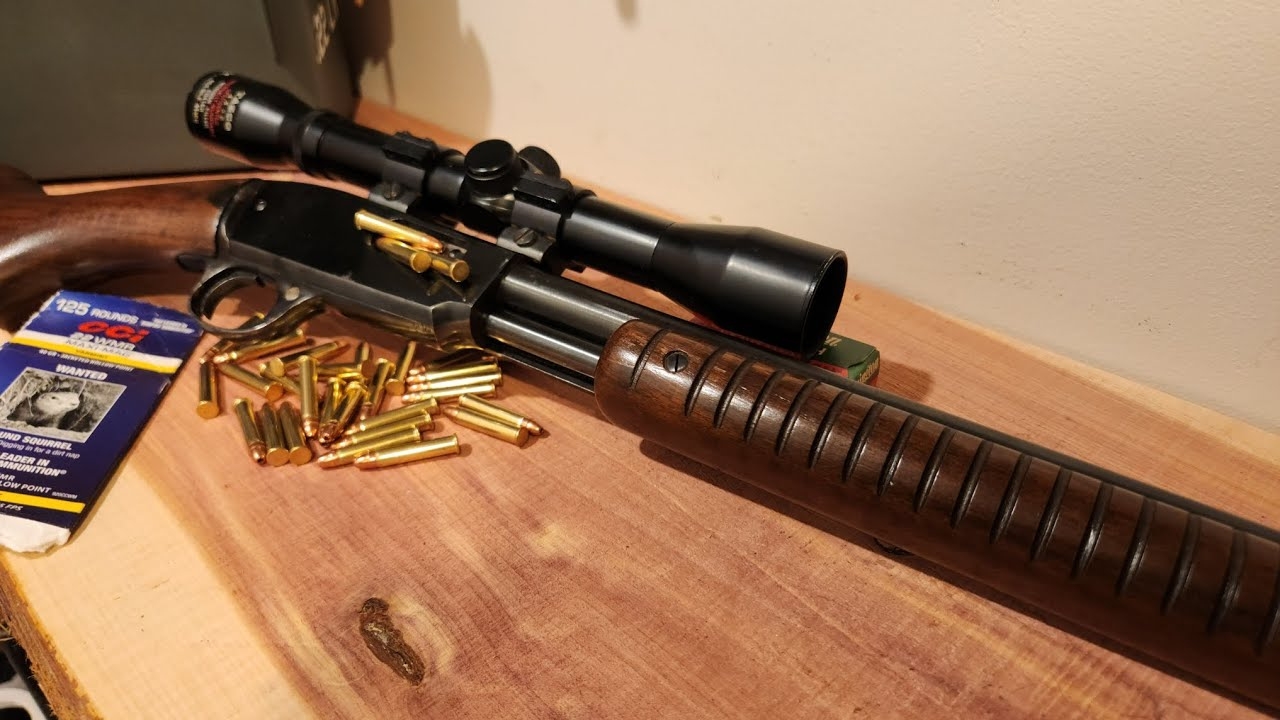
Photo credit: Rust and Lust/YouTube
Some rifles become valuable because everyone knew they were special from the beginning. Others take a much stranger path. They spend years sitting in gun racks, riding in trucks, getting carried through deer season, and selling for ordinary used-gun money. Then production ends, interest grows, and suddenly people start paying serious money for rifles that once seemed almost common.
That is what makes this category interesting. A lot of these rifles were not treated like collectibles when they were new, which means clean examples are much harder to find than production totals suggest. Original stocks were cut, receivers were drilled, sights disappeared, finishes wore thin, and owners simply used the guns the way they were intended. Today, originality matters more, and buyers are willing to pay for it. These 20 rifles are good examples of guns that have become far more valuable than many owners ever expected.
Winchester 9422
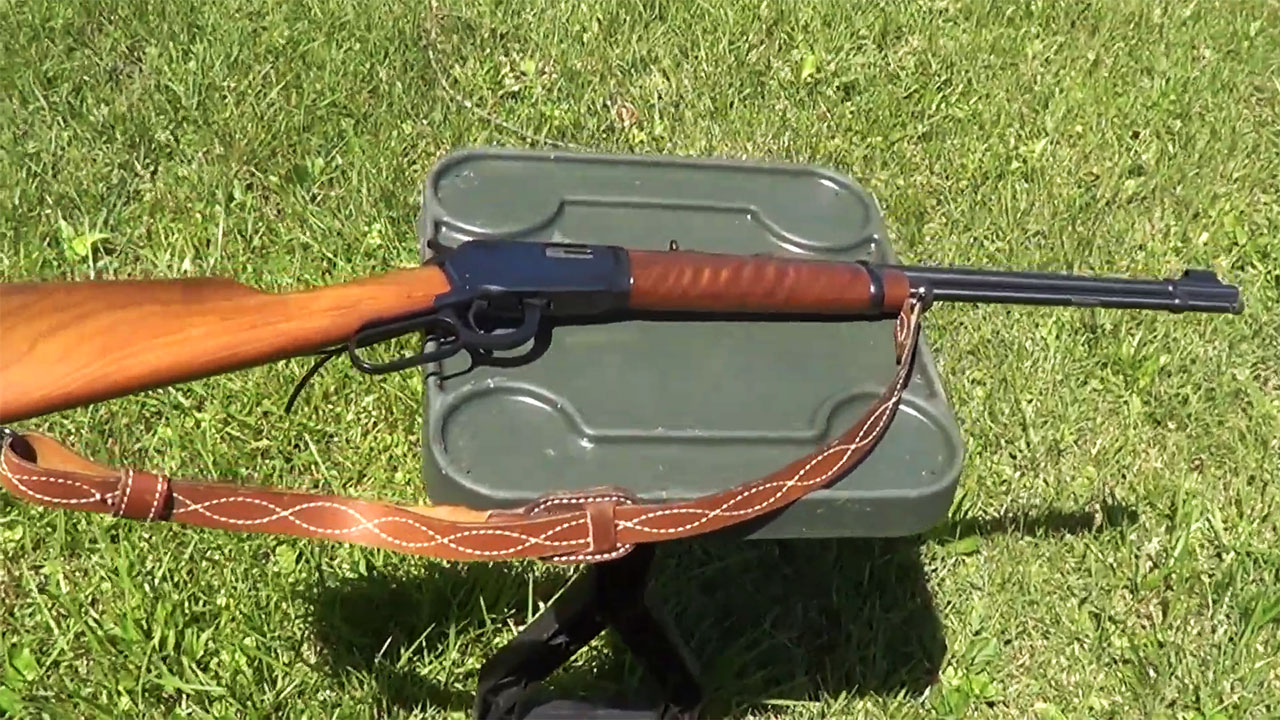
The Winchester 9422 spent years being viewed as a premium but ordinary rimfire lever gun. People bought them for squirrels, plinking, and teaching younger shooters, not because they thought the rifle would become a serious collectible.
That changed after production ended. The smooth action, excellent fit, and traditional Winchester styling became much more appealing once buyers realized no direct replacement really existed. Clean examples, especially rifles with strong blue finish, nice wood, and original boxes, now draw much more attention than they did years ago. The 9422 is a perfect example of a rifle whose value grew because owners started realizing how difficult it would be to reproduce the same quality today. A shooter-grade gun is still obtainable, but pristine examples have become much more expensive.
Marlin Model 39A

The Model 39A was once simply one of the best .22 lever actions you could buy. It was built for actual use, and generations of owners treated it that way.
That history is exactly why nice examples have become valuable. Many surviving rifles show decades of honest wear, while clean guns with original finish and wood are increasingly uncommon. The takedown design, forged-steel construction, and classic proportions all add to the appeal. It also helps that modern buyers increasingly appreciate older Marlin quality. The 39A was never truly rare, but rarity and value are not the same thing. A rifle can become expensive simply because the good ones disappear into collections and rarely come back out.
Ruger 44 Carbine

The original Ruger .44 Magnum Carbine was once a practical woods rifle that hunters used for deer and hogs at close range. It was compact, fast handling, and powerful enough for the job.
For years, nobody treated most of them like collector pieces. That means many were hunted hard, scratched up, and modified. Once production had been gone for a while, buyers began appreciating how unusual the design really was. A lightweight semiautomatic .44 Magnum carbine is still a very useful concept, and Ruger never truly replaced it with something identical. Clean examples now command far more respect than they used to. The rifles with strong finish, intact stocks, and no questionable modifications are the ones that have climbed most noticeably.
Remington Nylon 66

The Nylon 66 was sold as a lightweight, durable .22 that could handle hard use. Owners believed the marketing and treated them accordingly.
That made pristine examples much scarcer than the raw production numbers would suggest. Certain color variants became especially desirable, but even ordinary examples in excellent condition now attract buyers who remember seeing these rifles everywhere decades ago. The unusual synthetic stock, internal magazine design, and unmistakable profile give the Nylon 66 a kind of personality that newer rimfires rarely match. What was once viewed as an inexpensive utility rifle has become a nostalgia-driven collectible, and clean examples can surprise anyone who still thinks of them as cheap old .22s.
Winchester Model 61
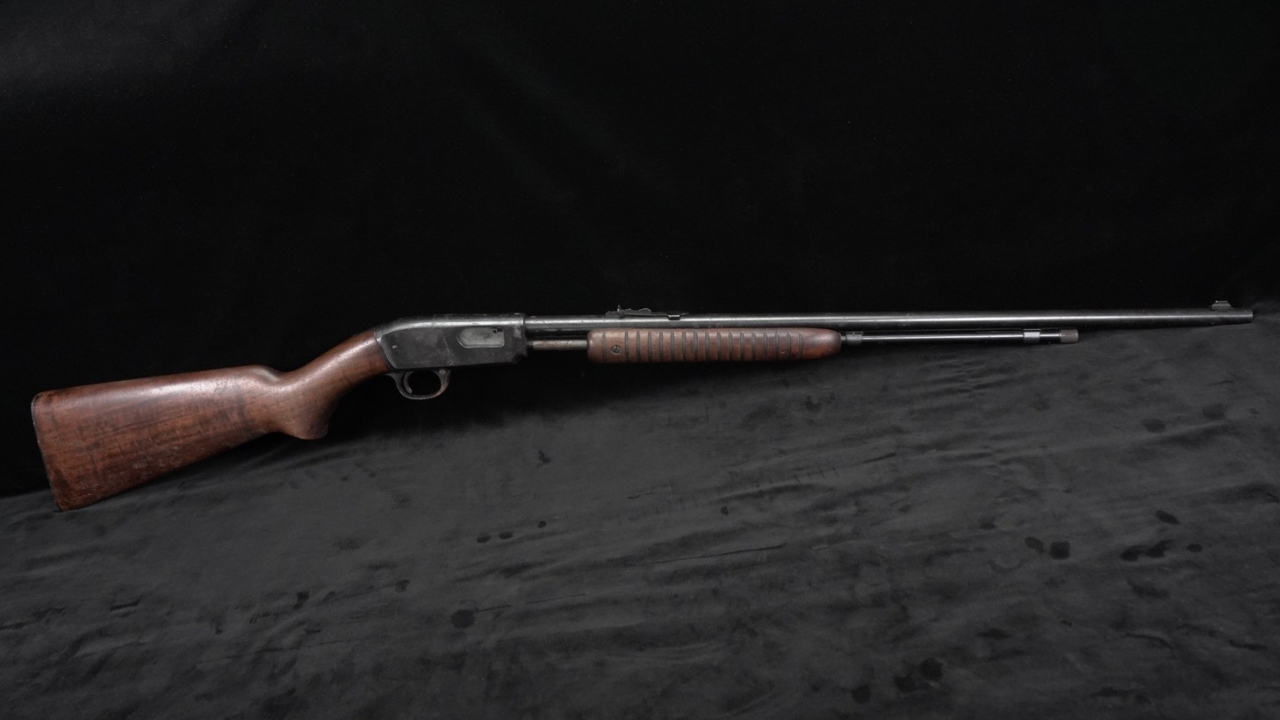
The Model 61 is one of those rimfires that always had quality, but its value took time to catch up. It is a slide-action .22 with beautiful machining, excellent balance, and classic Winchester construction.
Many were used heavily because they were such good small-game and plinking rifles. That means strong original examples stand out immediately now. Buyers pay close attention to finish, stock condition, barrel markings, and whether the rifle has been altered. The Model 61 also benefits from broad Winchester collector interest, so it is not competing only within the rimfire world. A clean rifle can bring far more than casual shooters expect because it appeals to both dedicated Winchester collectors and people who simply want one of the finest pump-action .22s ever made.
Browning B78

The Browning B78 was an elegant falling-block single-shot that combined modern manufacturing with classic rifle styling. It was never a cheap gun, but it also was not treated like a major investment when new.
Now, clean examples are much more desirable. The rifle has excellent wood, strong metalwork, and a level of finish that stands out against many modern production guns. Certain chamberings are particularly attractive because they combine practical hunting use with collector appeal. The single-shot format also aged well because buyers now view it as part of the charm rather than a limitation. A B78 that once looked like an expensive but ordinary hunting rifle can now bring surprisingly strong money, especially when it is original and well preserved.
Ruger No. 3
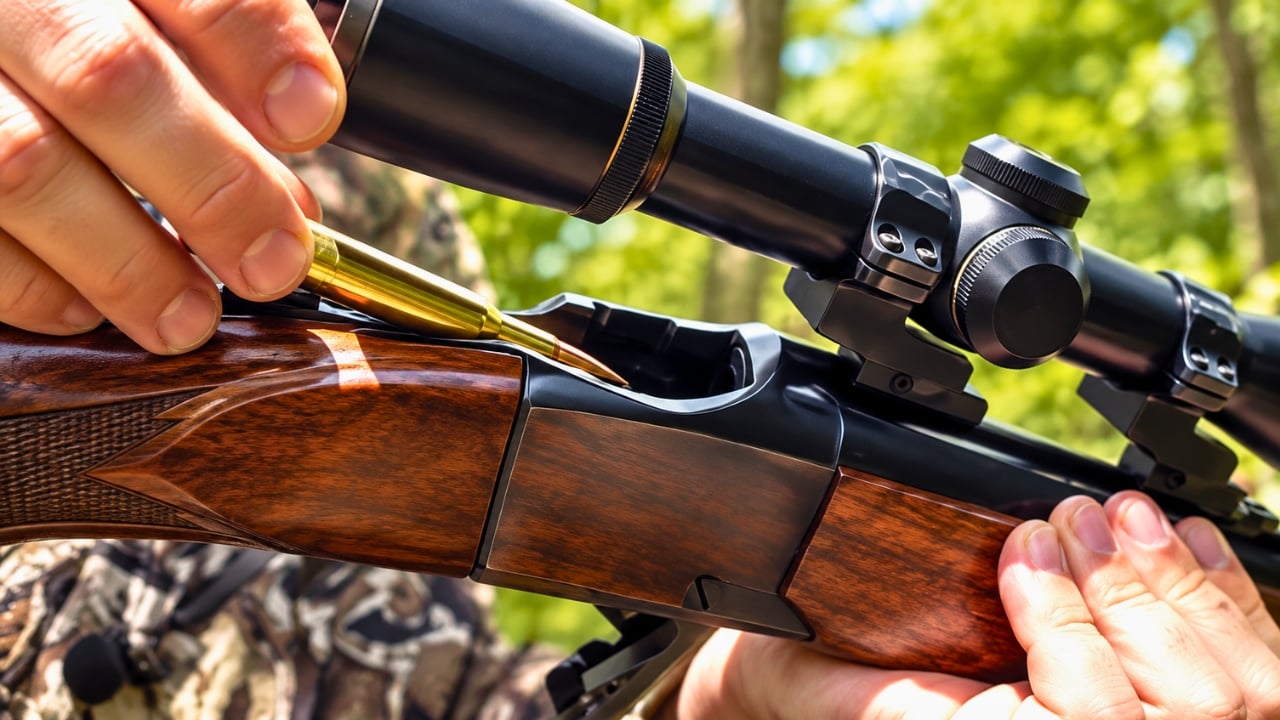
The Ruger No. 3 was intended as a more affordable, utilitarian alternative to the No. 1. Its simpler stock and lever design made it look less prestigious, and for years it lived in the shadow of its fancier sibling.
That has changed. Production numbers were lower than many shooters realized, and the rifle’s compact size, falling-block action, and unusual chamberings have all contributed to growing collector interest. Because the No. 3 was viewed as a working rifle, many were used hard and modified without much concern for future value. Clean, original examples now stand out immediately. It is one of those rifles that proves the supposedly cheaper version can sometimes become the one collectors chase hardest later.
Sako L46 Vixen
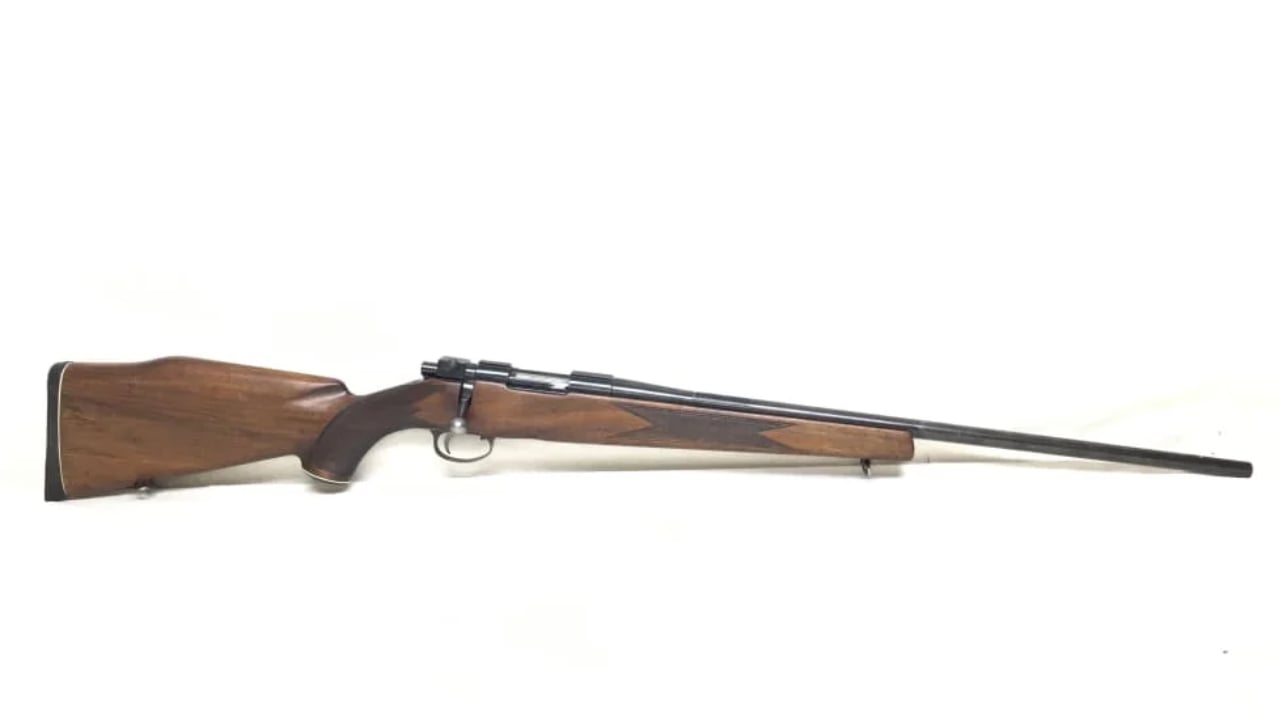
The L46 Vixen built Sako’s reputation among varmint and small-game shooters. It was compact, smooth, accurate, and beautifully finished for a rifle of its size.
The problem, from a collector’s perspective, is that owners actually used them. Many Vixens spent years on benches, in trucks, or in the field chasing varmints. That makes high-condition examples especially desirable now. Early chamberings and original configurations draw strong interest, and the small action has a level of refinement that is difficult to reproduce at ordinary production prices today. The L46 was once just a good little Sako. Now, collectors see it as an important part of the company’s history, and the prices reflect that.
Remington Model 600
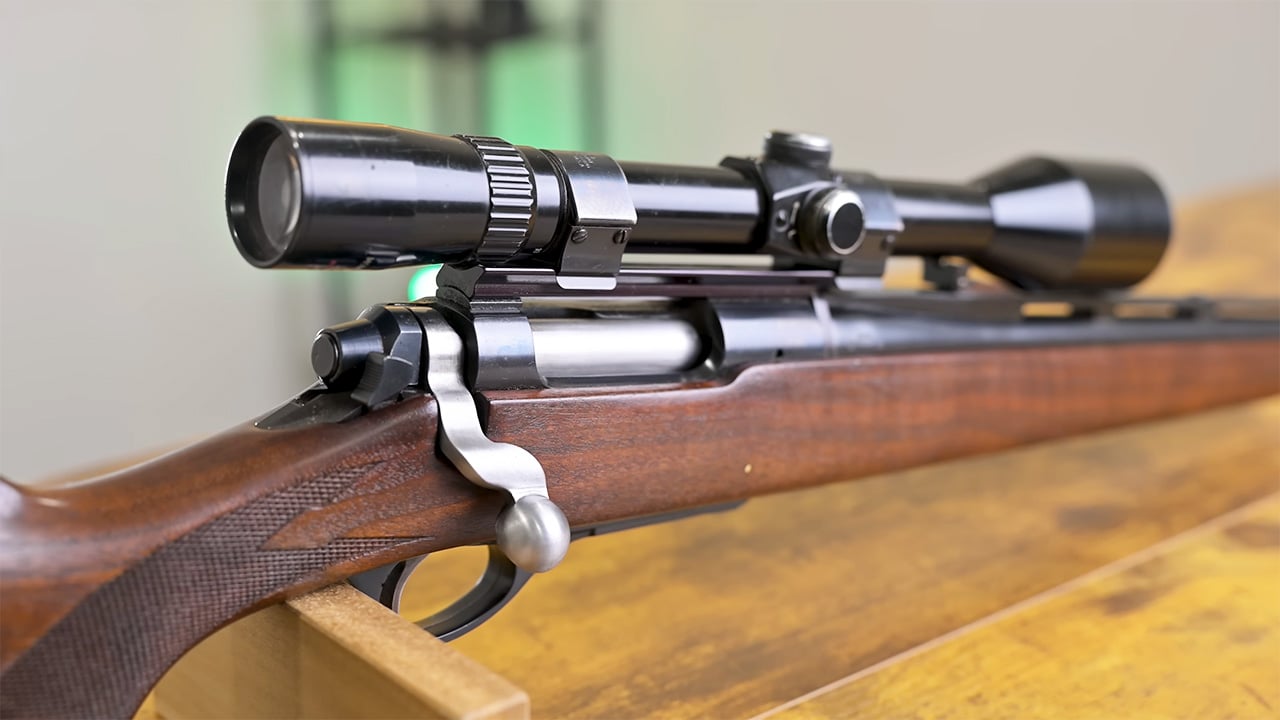
The Model 600 was compact, light, and strange looking enough that it never blended into the background. Its dog-leg bolt handle, vent rib, and short overall length made it unlike almost anything else on the rack.
For years, it was mainly valued as a handy hunting rifle. Now collectors appreciate the originality and limited production much more. Many rifles were modified, had recoil pads added, or simply accumulated hard hunting wear. Clean examples with original parts have become much more valuable as a result. The Model 600 also benefits from the fact that modern compact rifles rarely have the same character. What once looked unusual enough to limit its appeal now looks distinctive enough to drive it.
Winchester Model 43
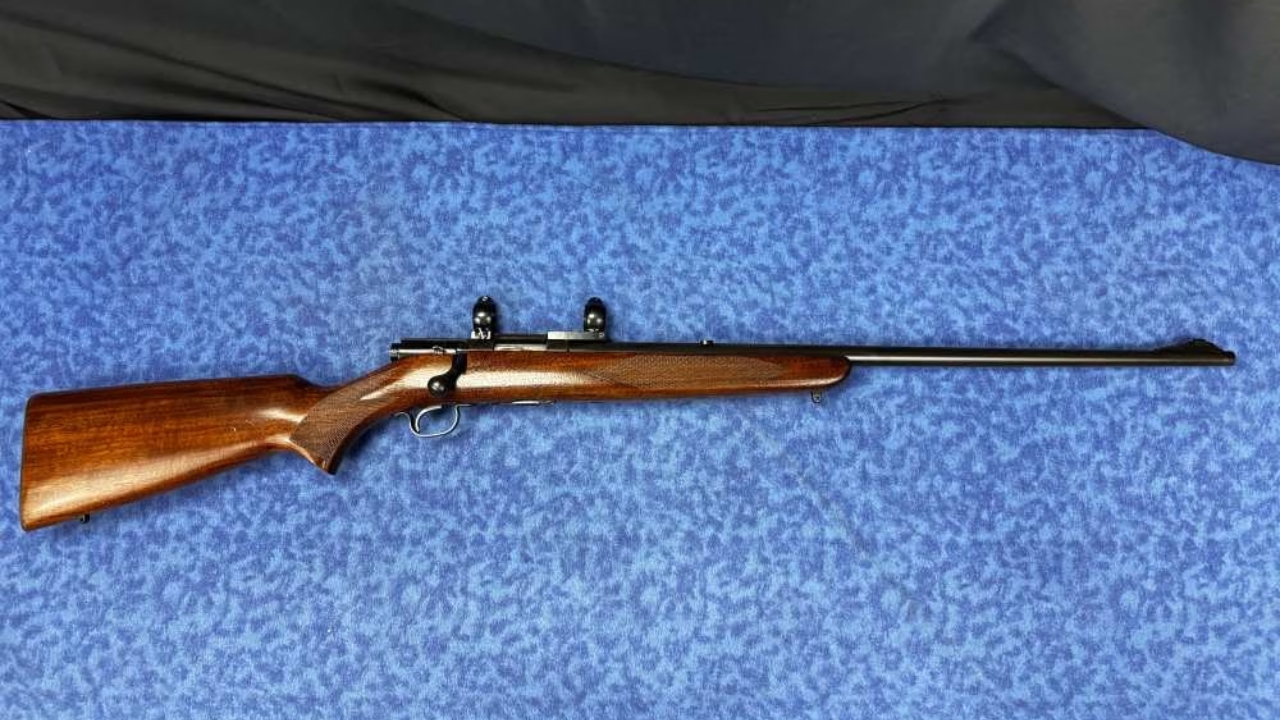
The Model 43 was a small centerfire bolt rifle chambered in cartridges such as .22 Hornet and .218 Bee. It was never one of Winchester’s most famous rifles, which is part of why so many shooters overlooked it.
Today, that relative obscurity works in its favor. The rifles are attractive, compact, and tied to classic varmint cartridges that collectors already appreciate. Many examples were drilled, scoped, rebarreled, or used hard on farms and ranches, so original rifles have become much more desirable. The Winchester name adds another layer of demand. A Model 43 that once looked like a modest varmint rifle can now bring surprisingly strong money if the condition and configuration are right.
Remington Model 788

The 788 was introduced as a budget rifle, and that reputation stuck with it for years. It was inexpensive, plain, and never meant to compete with Remington’s more polished rifles on looks.
What made it famous was accuracy. Shooters discovered that the 788 could shoot extremely well, and that reputation only grew after production ended. Many were hunted hard because owners saw them as tools, not collectibles. Original magazines were lost, stocks were battered, and rifles were modified freely. Clean examples now command much more interest, especially in less common chamberings. The rifle’s rise in value is almost ironic: the gun designed as the cheaper Remington has become one of the discontinued models buyers actively seek.
Savage Model 99

The Savage 99 was produced for so long that older shooters remember when used examples were everywhere. It was a practical hunting rifle, and many families treated one as just another deer gun.
Collector interest has changed that dramatically. Early rifles, uncommon chamberings, takedown models, and high-condition examples can now command serious prices. The rotary magazine, lever-action design, and ability to use pointed bullets give it historical importance beyond nostalgia alone. The biggest issue is condition because so many were drilled, refinished, or carried hard. A clean Model 99 can be far more valuable than someone who remembers bargain-priced used racks twenty years ago might expect.
Winchester Model 88

The Model 88 was Winchester’s attempt to combine lever-action handling with modern bolt-action-style cartridges and a detachable box magazine. It was a forward-thinking design for its era.
For years, they were simply viewed as older hunting rifles. Now, buyers appreciate the unusual action and sleek styling much more. Carbines and rifles in strong condition are especially desirable because many examples were used heavily. Stocks were refinished, recoil pads were installed, and receivers were altered for optics. Original rifles with good magazines and intact finish are getting harder to find, which pushes values upward. The Model 88 has moved from practical old deer gun to legitimate collector piece faster than many owners expected.
Colt Sauer Sporting Rifle
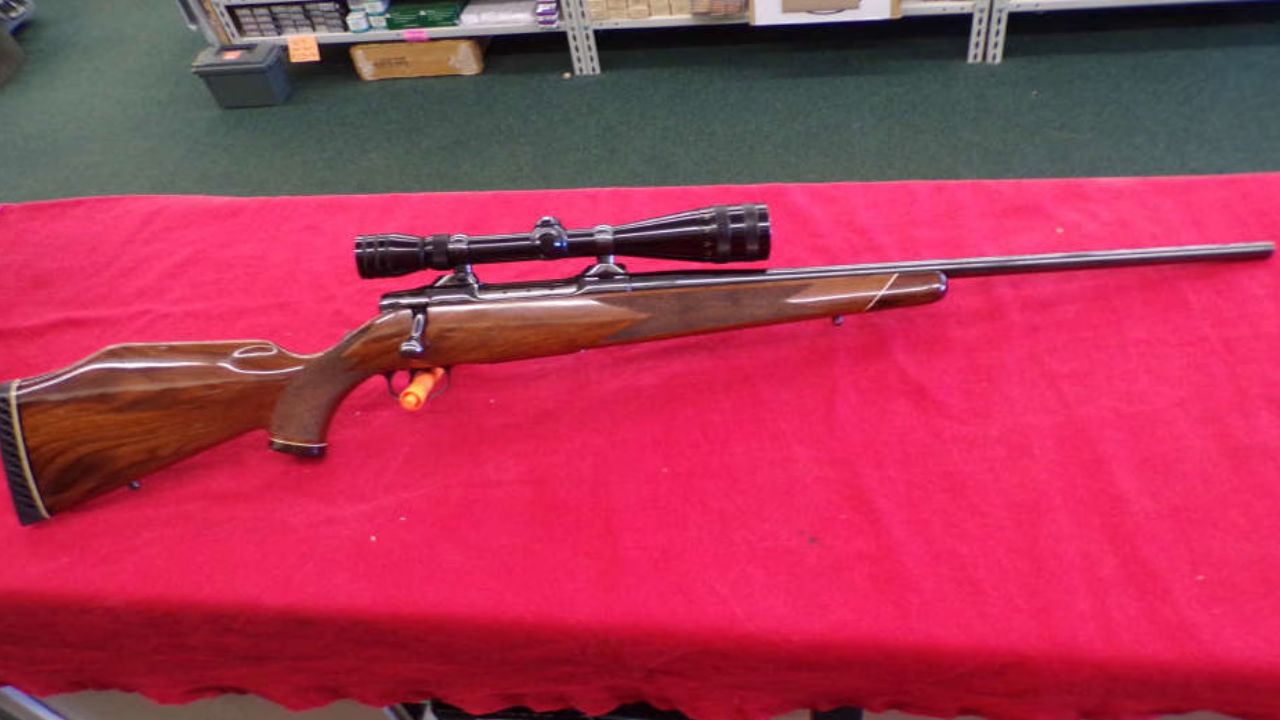
The Colt Sauer was always expensive and beautifully built, but for a long time it sat in an odd spot between American and European collecting interests.
That has changed as more buyers have come to appreciate the rifle’s unusual action, smooth bolt travel, and premium construction. The Colt name adds obvious appeal, while Sauer’s craftsmanship makes the rifle interesting even without the branding. Production numbers were never enormous, and clean rifles tend to stay in collections once they are found. The result is a rifle that can bring much more money today than people who remember them as obscure premium imports might expect. Original condition matters enormously, especially with the high-gloss wood and metal finishes.
Sako Finnwolf VL63
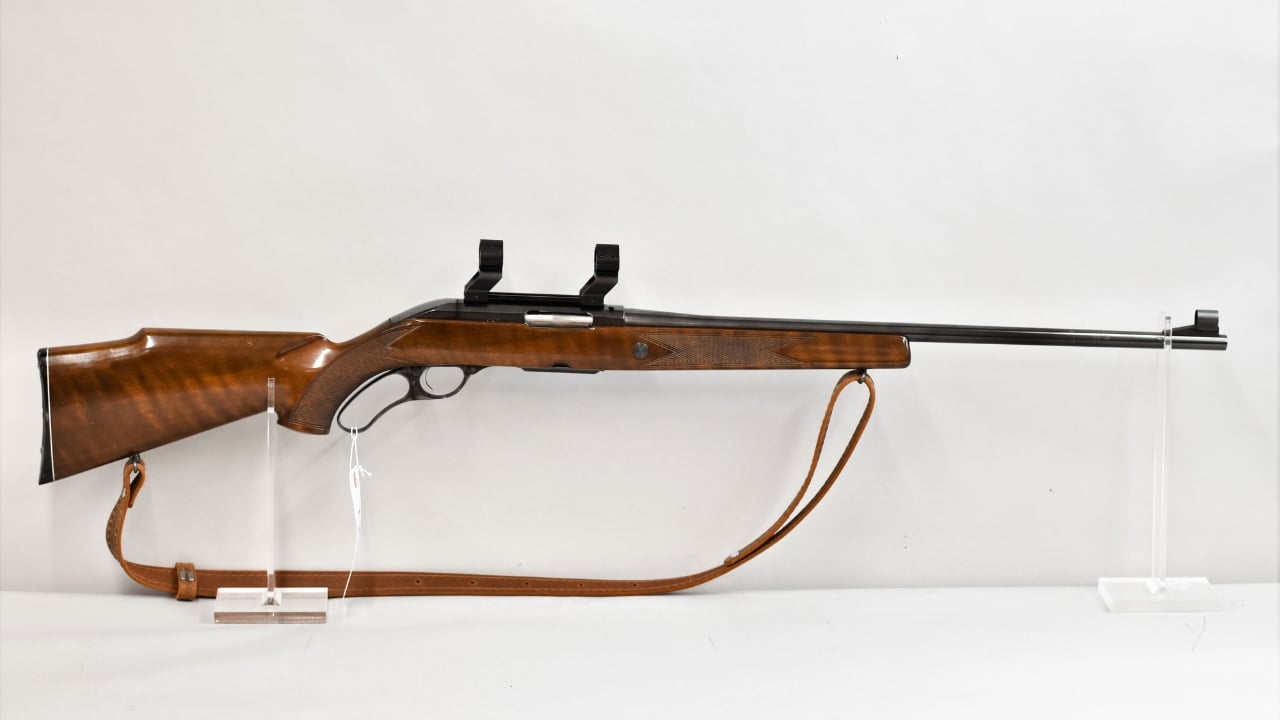
The Finnwolf is one of Sako’s strangest and most desirable sporting rifles. It combined lever-action operation with a detachable box magazine and modern centerfire cartridges.
The rifle never sold in huge numbers, which kept it relatively obscure for years. Once collectors started paying attention, that limited production became a major advantage. Sako enthusiasts appreciate the mechanical quality, while lever-action collectors are drawn to how unusual it is compared with traditional American designs. Clean examples can be very expensive now, particularly when they retain original magazines and strong wood. The Finnwolf is a perfect example of a rifle that became valuable because its oddness eventually turned into desirability.
Kimber Model 82
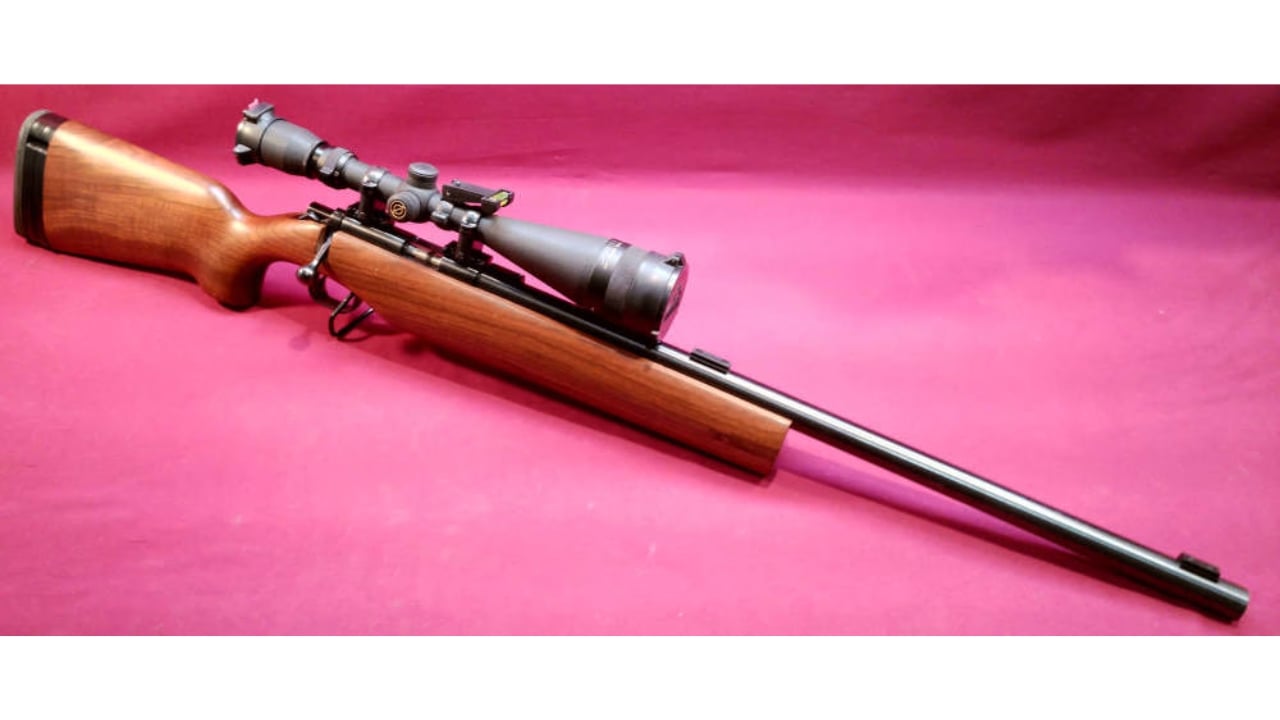
The early Kimber Model 82 rimfires were beautifully made rifles with excellent accuracy and premium sporting-rifle styling. At the time, many owners simply viewed them as high-quality .22s.
The original Kimber era has become much more collectible, and the Model 82 sits right at the center of that interest. Clean rifles with attractive wood, original sights, and strong finish are increasingly valuable because many examples were shot heavily. They also represent a level of rimfire craftsmanship that is difficult to find today without spending serious money. A good Model 82 no longer looks like just another old .22. It looks like a piece of a manufacturing era collectors increasingly want back.
Remington Model 541-S

The 541-S was one of Remington’s finer sporting rimfires, combining excellent accuracy with walnut stocks and a much more refined feel than ordinary .22 rifles.
For years, they were simply appreciated by shooters who knew what they were. Now, the market has caught up. Clean examples are increasingly difficult to find because many rifles spent decades doing exactly what they were built to do. The best rifles show crisp checkering, strong finish, and very little handling wear. Since Remington is unlikely to produce a direct modern equivalent with the same feel, existing rifles have become more desirable. The 541-S is one of those rimfires whose value surprises anyone who still thinks all old .22s should be cheap.
Ruger 77/22

The 77/22 was designed to feel like a real centerfire hunting rifle scaled down to rimfire size. It used a rotary magazine but wrapped it in a substantial bolt-action platform with traditional Ruger styling.
That quality became more obvious once production disappeared in many configurations. Shooters who owned them realized there was not much else on the market that offered the same combination of durability, proportions, and handling. Certain chamberings and configurations have become particularly desirable, and clean rifles now bring much more than they once did. The 77/22 was never rare enough to seem exotic, but it has become valuable because demand stayed strong after supply stopped growing.
Weatherby Mark V Deluxe German-Made
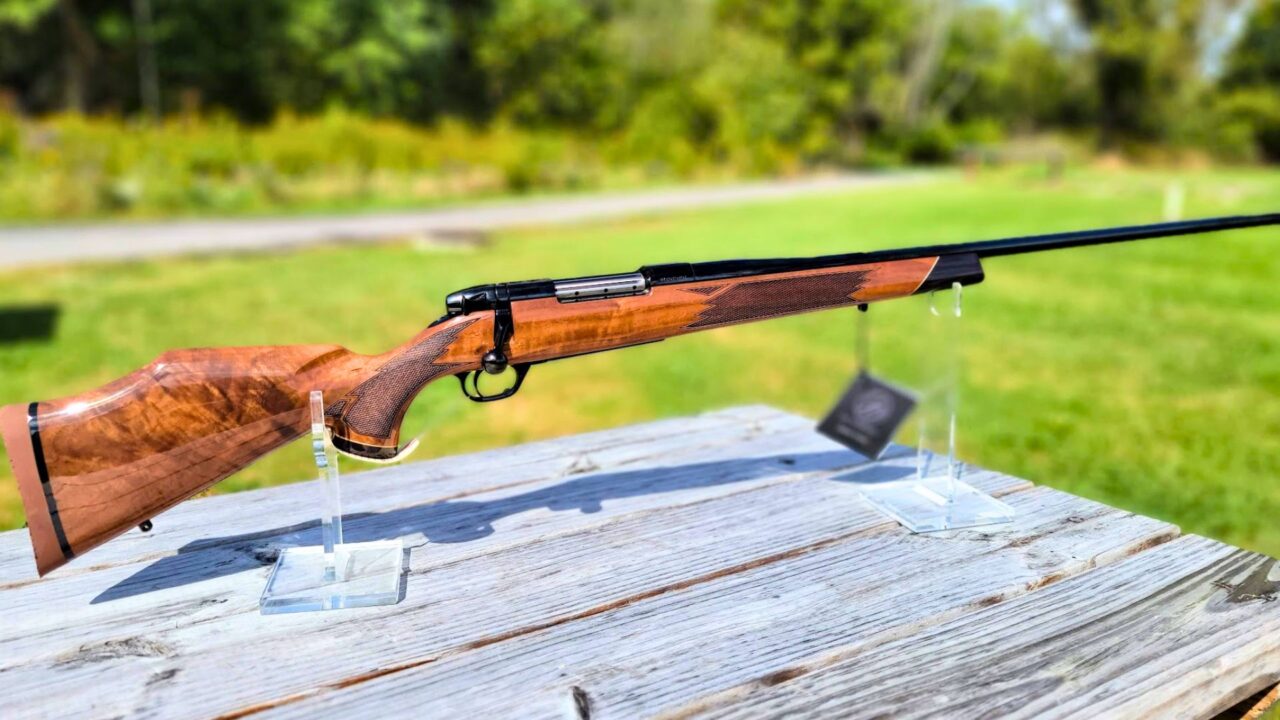
Early German-made Mark V Deluxe rifles have always had visual appeal, but collector interest has grown substantially as buyers have focused more on production era and originality.
The deep bluing, figured stocks, contrasting tips, and unmistakable Weatherby styling represent a period of rifle manufacturing that is difficult to replicate today without premium pricing. Many were hunted hard because owners bought them as serious big-game rifles rather than display pieces. That makes clean examples especially desirable now. German-made rifles in strong condition and classic Weatherby chamberings can command far more than ordinary used Mark Vs, and the gap keeps growing as collectors become more selective.
Mannlicher-Schoenauer Model 1956
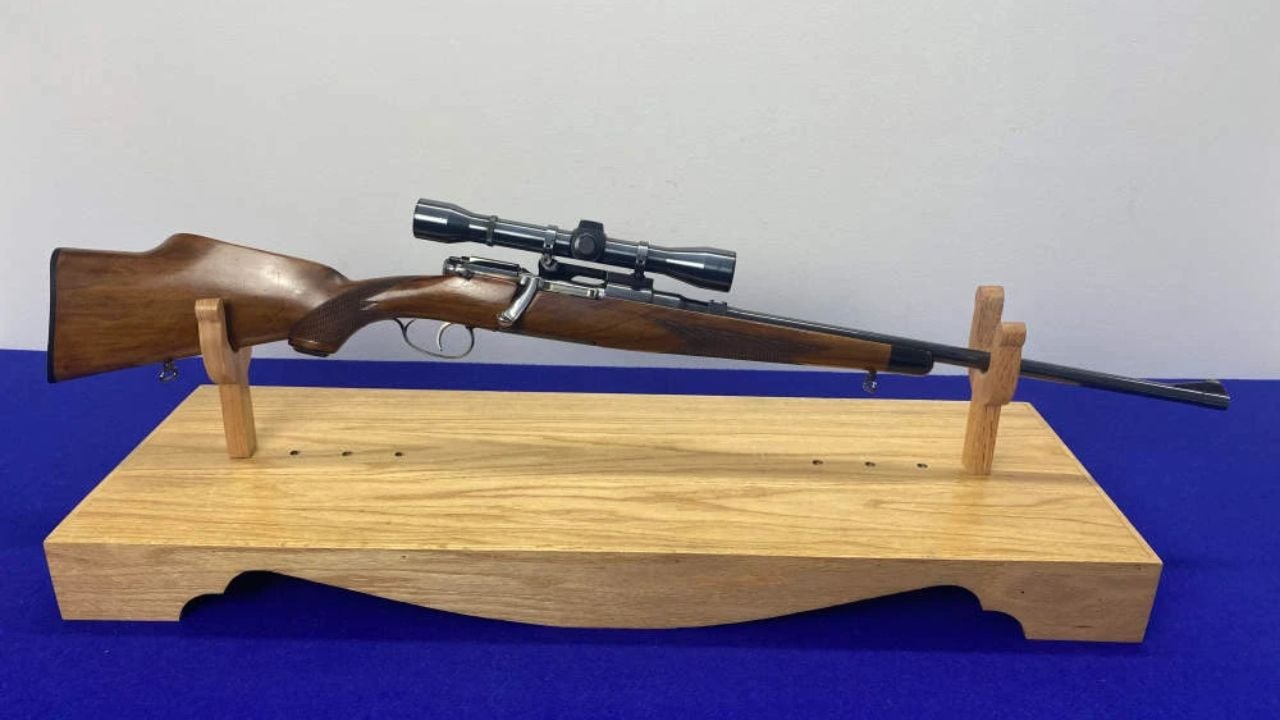
The Model 1956 was built around one of the smoothest sporting actions ever produced. Its rotary magazine, butter-knife bolt handle on some versions, and European stock styling gave it a character unlike most American hunting rifles.
For years, these were simply respected old sporting guns. Now, buyers increasingly recognize how difficult it would be to build something comparable at normal production prices. Many surviving rifles were carried hard, scoped, or modified, which makes original examples much more valuable. The Model 1956 is especially attractive because it sits at the intersection of mechanical quality, history, and old-world craftsmanship. A clean example today can bring numbers that would have seemed surprising when these rifles were just another used European import.
Like The Avid Outdoorsman’s content? Subscribe to our newsletter so you never miss an article.
Here’s more from us: