Photo credit: olgagorovenko/Shutterstock.com
Some dogs bark when a delivery truck pulls in. Other dogs seem to spend their entire day quietly keeping track of what belongs on the property and what does not. True guardian breeds were developed for that kind of work. They watched livestock, homes, estates, and families in places where a bad decision could cost animals or people their lives.
That does not make them naturally aggressive or mean. The best guardian dogs are usually confident enough that they do not need to explode at every unfamiliar sight. They watch, evaluate, and act when they think something has crossed the line. That independence is also why many of these breeds can be difficult for inexperienced owners. These 20 dogs take protection seriously enough that proper breeding, socialization, and management are every bit as important as the instinct itself.
Caucasian Shepherd Dog
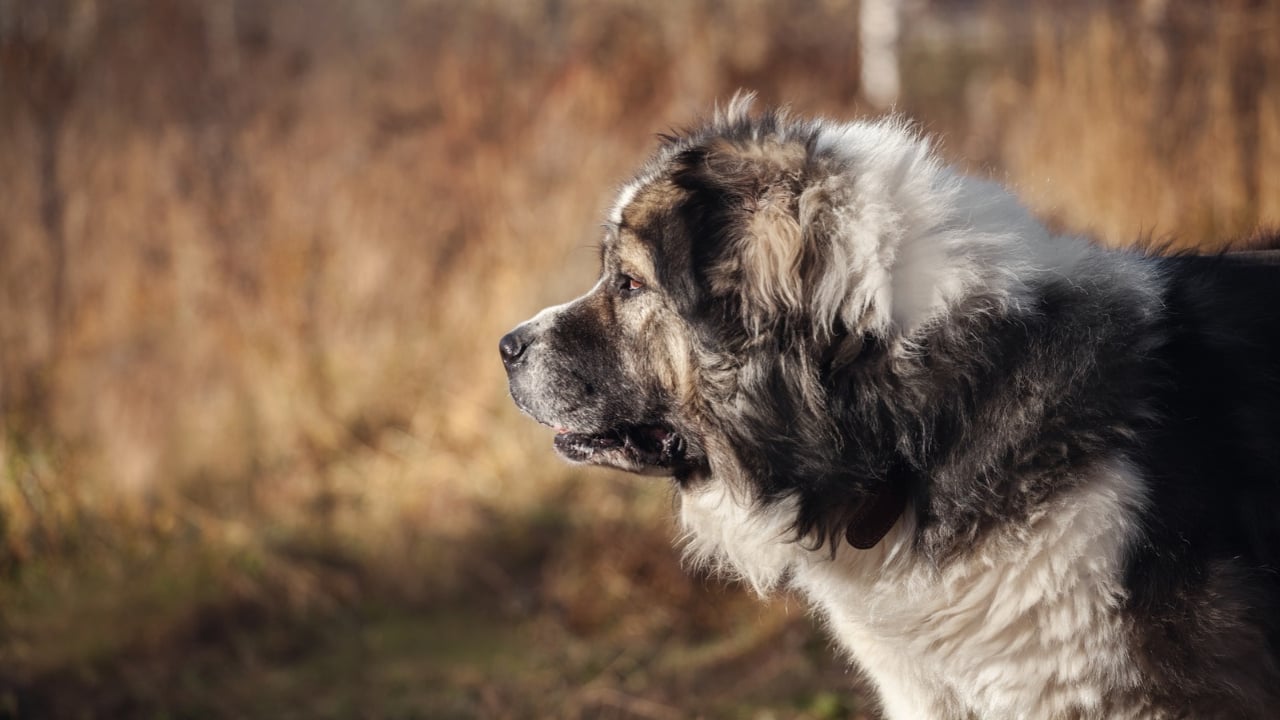
The Caucasian Shepherd was developed in a part of the world where livestock guardians could face wolves, thieves, and other serious threats. That history produced an enormous dog with strong territorial instincts and very little tendency to assume every stranger is a friend.
A well-bred Caucasian can be calm around its own household while remaining extremely suspicious of unfamiliar people entering its space. It is not a breed that needs encouragement to guard. The challenge is usually teaching the dog when guarding is not required. Their size, independence, and willingness to make decisions without waiting for a handler make them a poor match for casual ownership. On the right property with experienced handling, though, few breeds take territory more seriously.
Central Asian Shepherd Dog
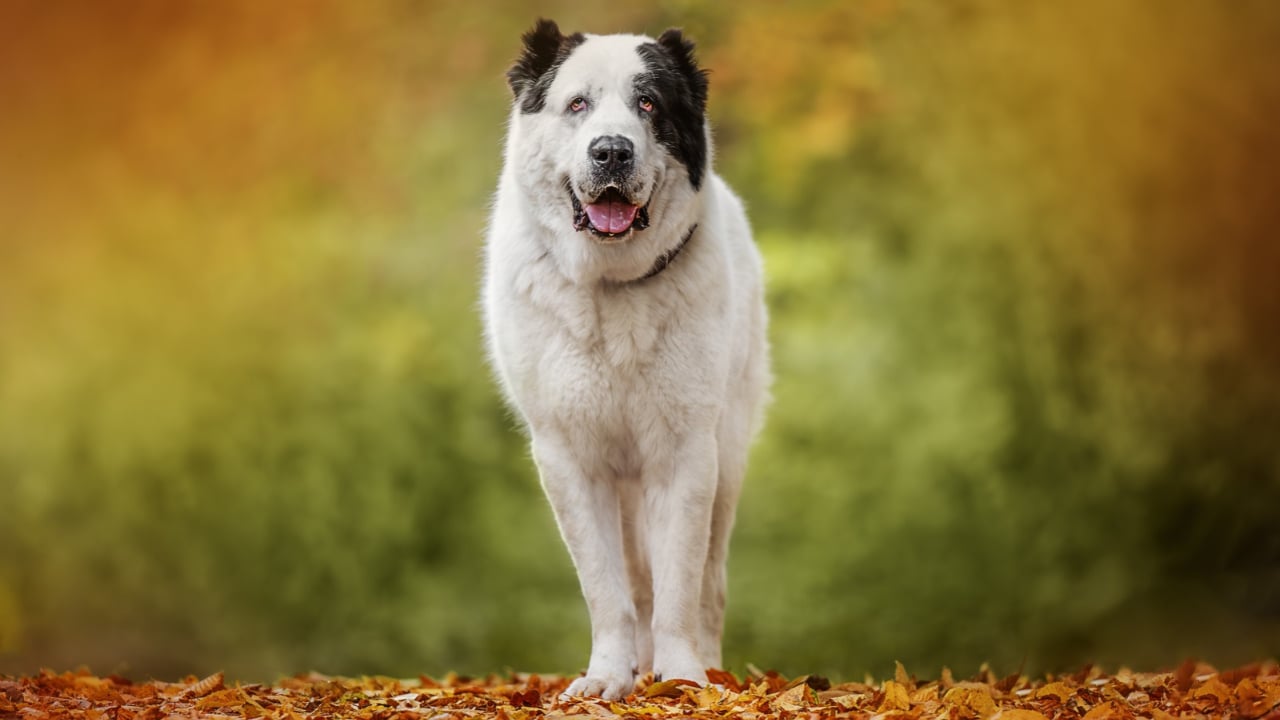
Central Asian Shepherds have guarded livestock and property for centuries across enormous stretches of Central Asia. They were expected to think independently and confront predators without somebody constantly directing them.
That independent judgment remains one of the breed’s defining characteristics. A Central Asian Shepherd may appear relaxed while still monitoring everything around it. They tend to conserve energy rather than waste it barking or racing around unnecessarily, but they can respond very quickly when they believe a threat is genuine. This is a powerful, self-assured dog that needs space, boundaries, and an owner comfortable managing a guardian that does not live for obedience drills.
Kangal

The Kangal is best known as a livestock guardian, and that job requires a very different mindset from ordinary watchdog behavior. These dogs were expected to stay with stock, notice predators early, and prevent an attack before it ever reached the flock.
Their combination of size, speed, and confidence makes them unusually capable guardians. They are generally not frantic dogs and should not be looking for confrontation. A stable Kangal would rather discourage a threat through presence and warning than waste energy fighting. If something continues toward the animals it considers its responsibility, however, the breed can become extremely serious. They need land and a genuine role much more than they need suburban obedience classes.
Anatolian Shepherd

The Anatolian Shepherd shares the livestock-guardian mentality of other Turkish working dogs. It was bred to make decisions over large areas without needing a person beside it, which is why these dogs can seem unusually independent even compared with other large breeds.
An Anatolian often patrols at a distance while still knowing exactly where livestock and family members are. It may ignore commands that conflict with what it believes needs attention, which can frustrate owners used to shepherds or retrievers. That same independence is what makes the dog useful after dark when nobody is outside supervising. With appropriate boundaries and livestock to protect, the Anatolian has a very clear understanding of its job.
Akbash

The Akbash is another Turkish livestock guardian, but it tends to have a lighter, more athletic build than some of the massive guardian breeds. That makes it capable of covering substantial ground quickly.
They are naturally watchful and tend to be reserved around unfamiliar people. An Akbash raised correctly with livestock can develop a strong bond to the animals in its care and spend much of its time positioning itself where it can see approaching activity. These dogs are not designed around constant commands or close heel work. Their entire purpose is independent threat assessment, which makes them valuable guardians and demanding companions at the same time.
Great Pyrenees

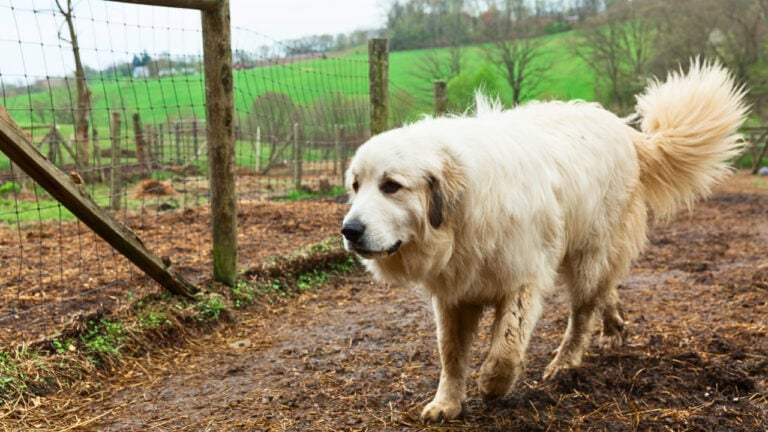
Great Pyrenees often look too calm to be serious working dogs. During the day, many seem perfectly content to lie somewhere with a good view and conserve energy.
Nighttime shows what the breed was actually built for. A Pyr will patrol, bark, mark territory, and react to sounds or scents that people never notice. The barking is not an accident. Much of livestock protection involves convincing predators to stay away before physical confrontation is necessary. Their strong independence can make recall and roaming difficult, but the same trait allows them to work without constant supervision. On farms with poultry, sheep, or goats, a dependable Pyr can be worth far more than its feed bill.
Maremma Sheepdog

The Maremma has spent generations guarding sheep in Italy, and the breed tends to take its relationship with livestock very seriously. Properly raised dogs often prefer staying near their animals rather than following humans around constantly.
That focus can make them particularly useful for farms where the guardian needs to remain with a flock for long periods. Maremmas tend to monitor boundaries, unusual noises, and approaching animals without waiting for direction. They are generally calmer than their size might suggest, but calm should never be mistaken for passive. Their instincts are strongest when they have a genuine group of animals or territory they understand as theirs to defend.
Kuvasz

The Kuvasz is a Hungarian guardian with enough speed and athleticism to surprise anyone who only notices its heavy white coat. Historically, these dogs guarded both livestock and important estates.
They are deeply loyal but tend to be more reserved than outwardly social. A Kuvasz may accept people who have been properly introduced while remaining much more watchful of somebody arriving unexpectedly. The breed’s independence makes repetitive obedience less effective than clear structure and early socialization. They are capable of making decisions very quickly, which is valuable in a working guardian but requires owners who understand how much responsibility comes with that temperament.
Komondor

The Komondor’s corded coat makes it one of the most recognizable dogs in the world, but underneath that unusual appearance is a serious Hungarian livestock guardian.
These dogs were expected to blend in with sheep and remain with them around the clock. They tend to be calm when everything is normal and dramatically different when something enters the territory they consider threatening. Komondors can be suspicious of strangers and highly independent, which makes early socialization essential. Coat maintenance alone requires commitment, but temperament is the much bigger consideration. This is not merely an unusual-looking farm dog. It is a breed developed around making its own protection decisions.
Tibetan Mastiff

Tibetan Mastiffs were developed to guard homes, monasteries, and livestock in harsh environments where dogs often worked with minimal human direction. That background created a breed with strong territorial instincts and a tendency to become particularly vigilant at night.
They may spend daylight hours appearing relaxed and then patrol or bark heavily once darkness arrives. That behavior can be difficult in populated areas but makes sense when viewed through the breed’s history. Tibetan Mastiffs are also extremely independent and may have little interest in performing repetitive commands. They tend to take ownership of territory seriously, which means fencing, socialization, and experienced handling are essential.
Boerboel

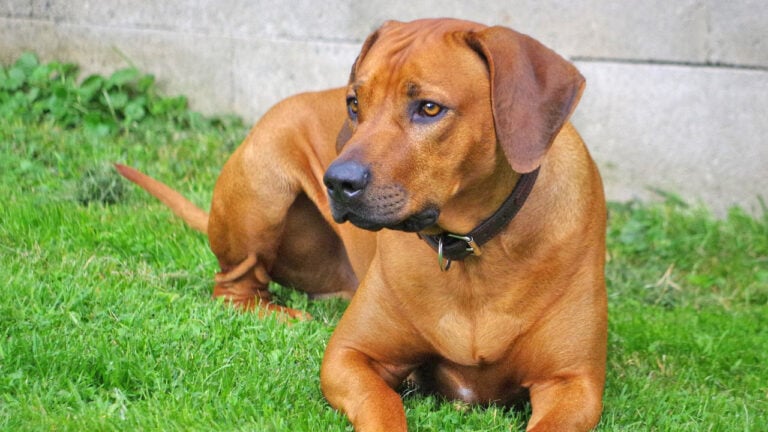
The Boerboel was developed as a South African farm guardian, and its combination of size, athleticism, and confidence makes it an imposing presence around a property.
A stable Boerboel should be deeply attached to its household without behaving nervously around everything unfamiliar. They often prefer to watch a situation and position themselves near family rather than bark continuously. Their strength is the biggest responsibility. A mature dog can weigh well over 100 pounds and has enough physical power that poor obedience becomes a serious problem. In experienced hands, the Boerboel can be calm in everyday life while taking genuine threats very seriously.
Cane Corso
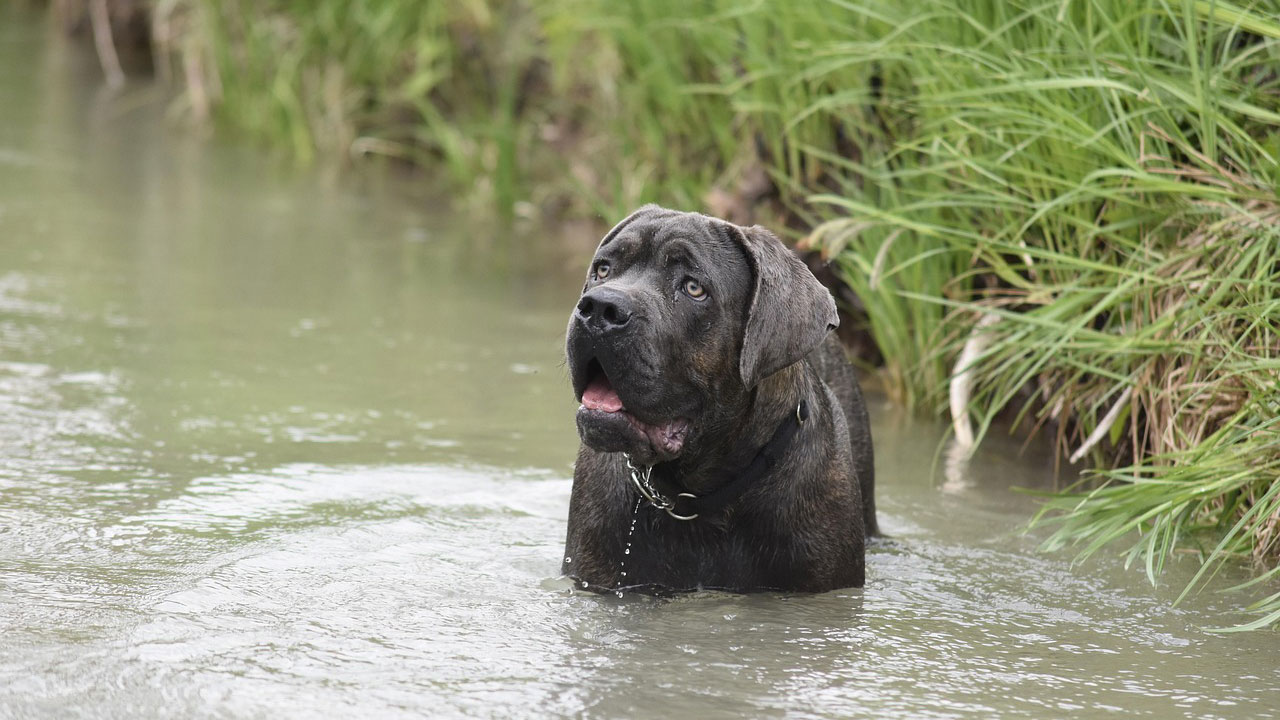
The Cane Corso has become extremely popular, but its guarding instincts deserve more respect than some casual buyers give them. Historically, these dogs were used around farms, property, and livestock, where confidence and physical capability mattered.
Many Corsos naturally keep close track of visitors and unfamiliar activity around the home. They often position themselves near their owners and can become much more serious when a situation feels wrong. The breed does not need aggressive training to become protective. What it needs is enough socialization and control that the dog understands which situations are ordinary. A powerful guardian with poor judgment is a liability. A stable, well-trained Corso can be remarkably composed.
Rottweiler

Rottweilers combine strong attachment to family with the confidence of a dog originally used to move livestock and guard property. They often have enough social ability to live comfortably around people while maintaining a clear awareness of unfamiliar activity.
The breed’s protection style is frequently quieter than people expect. A good Rottweiler does not need to lunge at the end of a leash to appear serious. Size, posture, and calm confidence already send a strong message. They also tend to stay physically close to family members, which gives their guarding instinct a more personal focus than many livestock guardians. Training matters enormously because the same power that makes them convincing guardians makes bad manners difficult to manage.
Doberman Pinscher

The Doberman was created specifically around personal protection, making it different from breeds whose instincts are primarily tied to land or livestock. These dogs tend to monitor the people they love extremely closely.
That handler focus is one of their greatest strengths. A Doberman may notice a change in body language or tone before an owner consciously reacts to it. They are also fast and athletic enough to move immediately rather than relying purely on size. Dobermans generally need much more human involvement than independent livestock guardians, though. They want to be part of the household and often struggle if treated like outdoor security equipment rather than family working dogs.
German Shepherd Dog

German Shepherds became famous as police, military, and service dogs because they combine guarding instinct with unusually high trainability. That makes them easier to direct than many independent guardian breeds.
A stable shepherd tends to watch its environment closely while also checking in with its handler for information. That relationship allows the owner to shape protective instincts rather than simply manage them. Good breeding is critical. Poorly bred shepherds can become fearful or reactive, which has nothing to do with useful protection. The strongest examples are confident enough to remain neutral when nothing is wrong and responsive enough to act when the situation genuinely changes.
Black Russian Terrier

The Black Russian Terrier was developed as a working guard breed, and its enormous frame is backed by a much more serious temperament than the shaggy appearance might suggest.
These dogs tend to be reserved with strangers and strongly attached to their households. They are usually more deliberate than frantic, which can make them seem calm even when they are carefully evaluating somebody unfamiliar. Training and early handling are essential because a mature Black Russian Terrier is far too powerful to improvise with. They can be excellent family guardians for experienced owners who appreciate a dog that watches first and reacts only when it believes the situation requires it.
Giant Schnauzer

Giant Schnauzers were developed as versatile working dogs capable of driving cattle and guarding property. They combine physical strength with enough intelligence and energy to make them serious working partners.
Their biggest advantage is trainability. Unlike many livestock guardians, a Giant Schnauzer generally wants a close working relationship with its handler. That makes it possible to develop a very controlled guardian when the dog receives proper training. The same intelligence creates problems when the dog is bored. Giants need structure, activity, and clear expectations. Given those things, they are exceptionally alert and rarely indifferent to unusual activity around the family or property.
Presa Canario
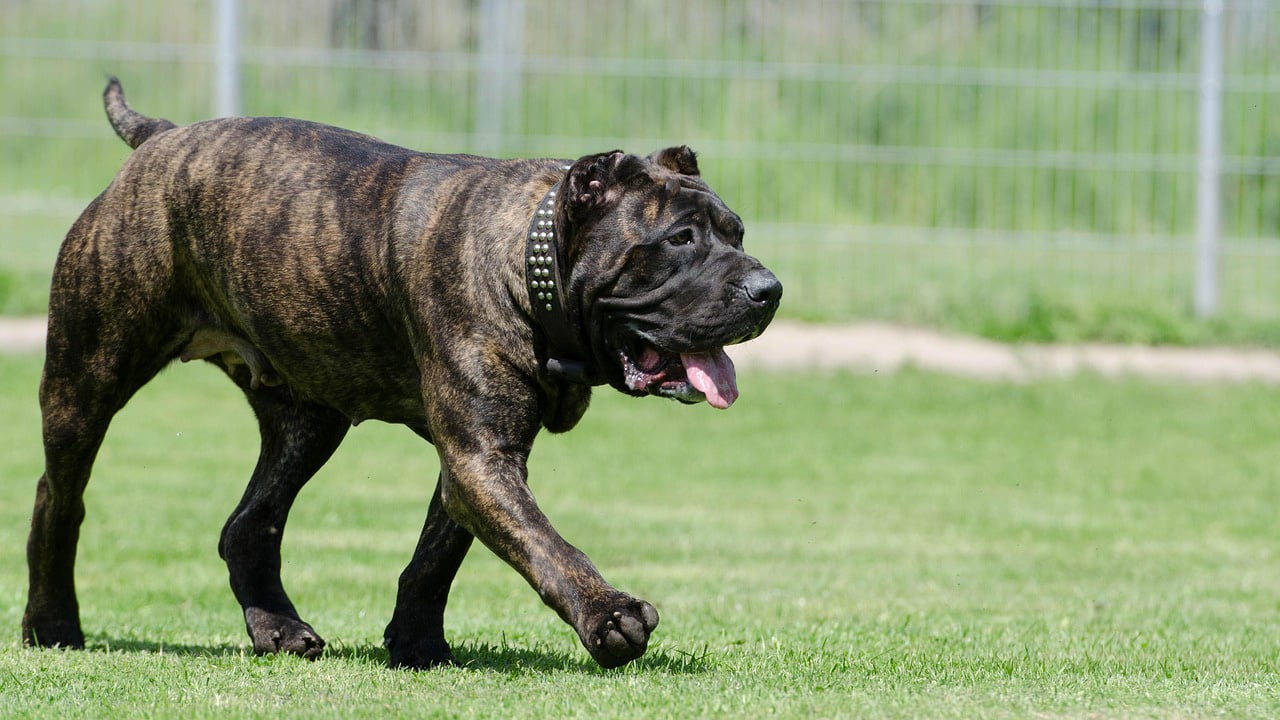
The Presa Canario is a powerful guardian breed with a strong territorial side. It was historically associated with farm work, controlling livestock, and guarding property in the Canary Islands.
A stable Presa tends to be confident rather than frantic, but it is not usually a breed that treats unfamiliar people casually. Early socialization is crucial because the dog needs enough experience to distinguish normal visitors from genuine threats. Its physical power also demands excellent leash manners and obedience. This is one of those breeds where the owner cannot rely on size alone as security. The dog needs judgment and control to make its natural guarding ability useful.
Fila Brasileiro
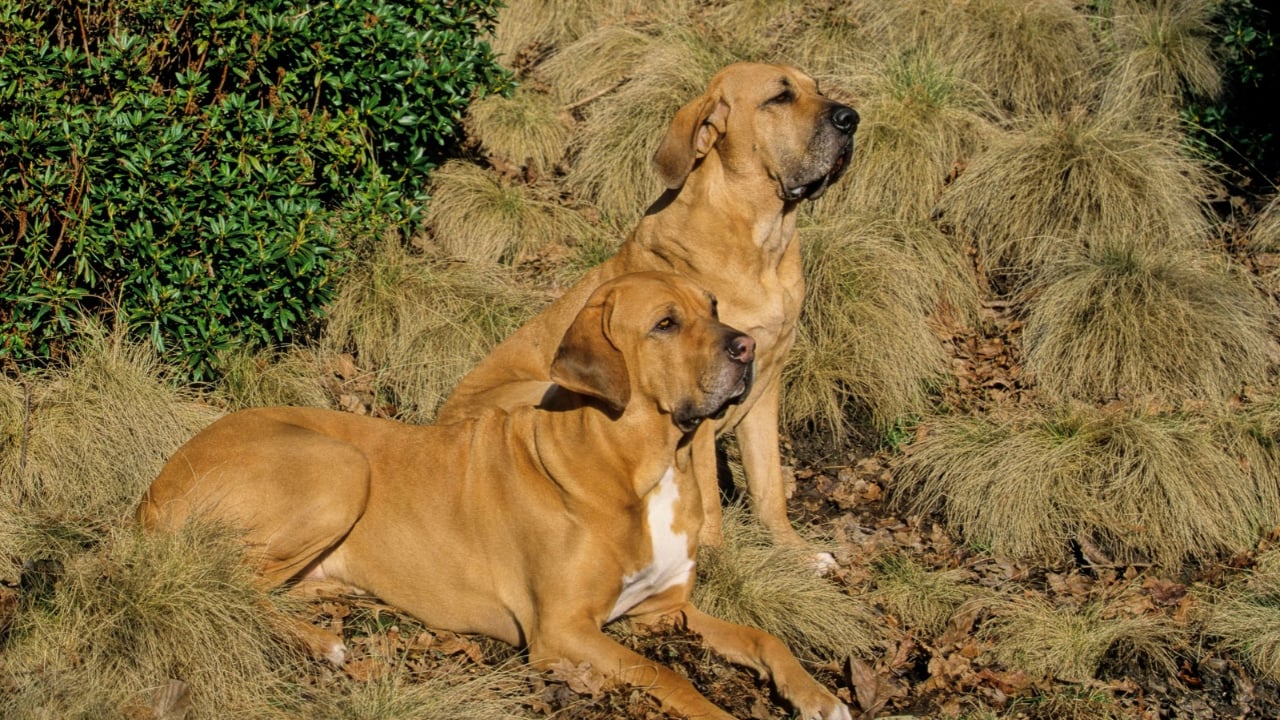
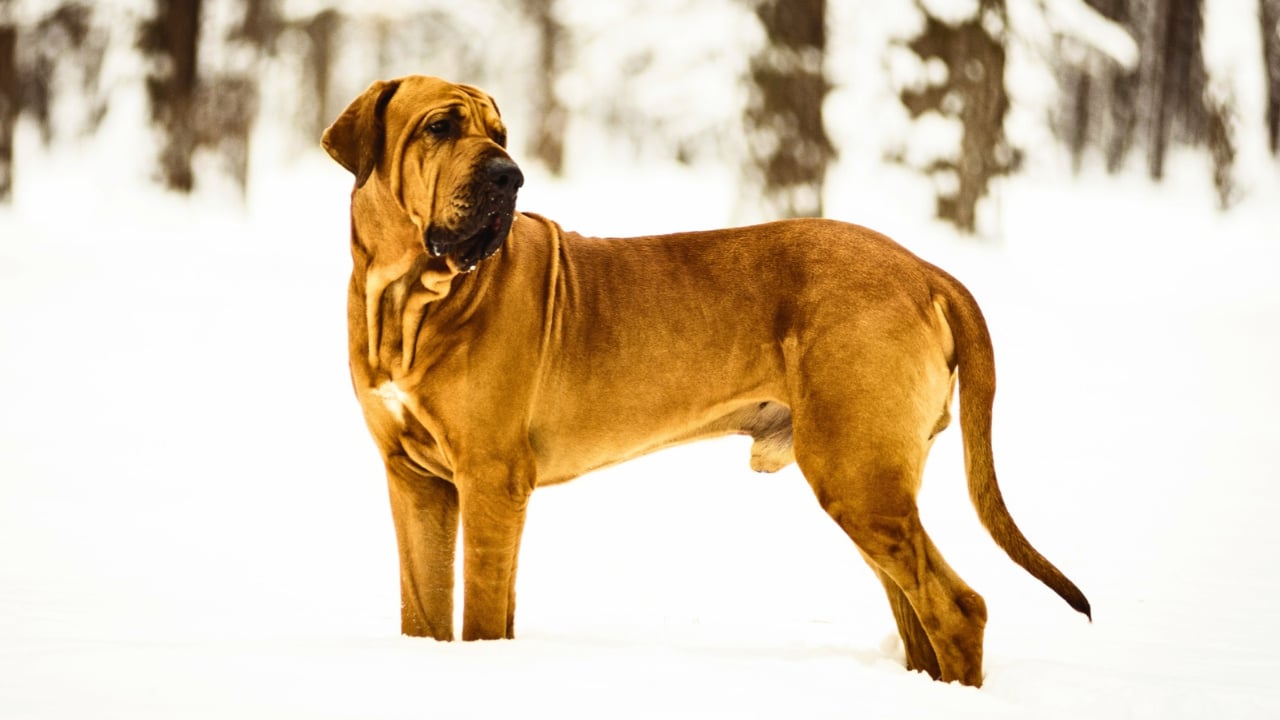
The Fila Brasileiro is famous for being exceptionally devoted to its family and deeply suspicious of strangers. That temperament developed from a history of guarding farms, livestock, and property in Brazil.
The breed’s natural suspicion is strong enough that it requires very experienced ownership. A Fila is not the kind of dog that should be expected to enjoy meeting every visitor or spending weekends at crowded dog-friendly events. Proper management means understanding what the breed is rather than constantly forcing it into situations it was never designed to enjoy. Around its own household, a well-managed Fila can be intensely loyal. That same loyalty is exactly why the breed has to be taken seriously.
Spanish Mastiff
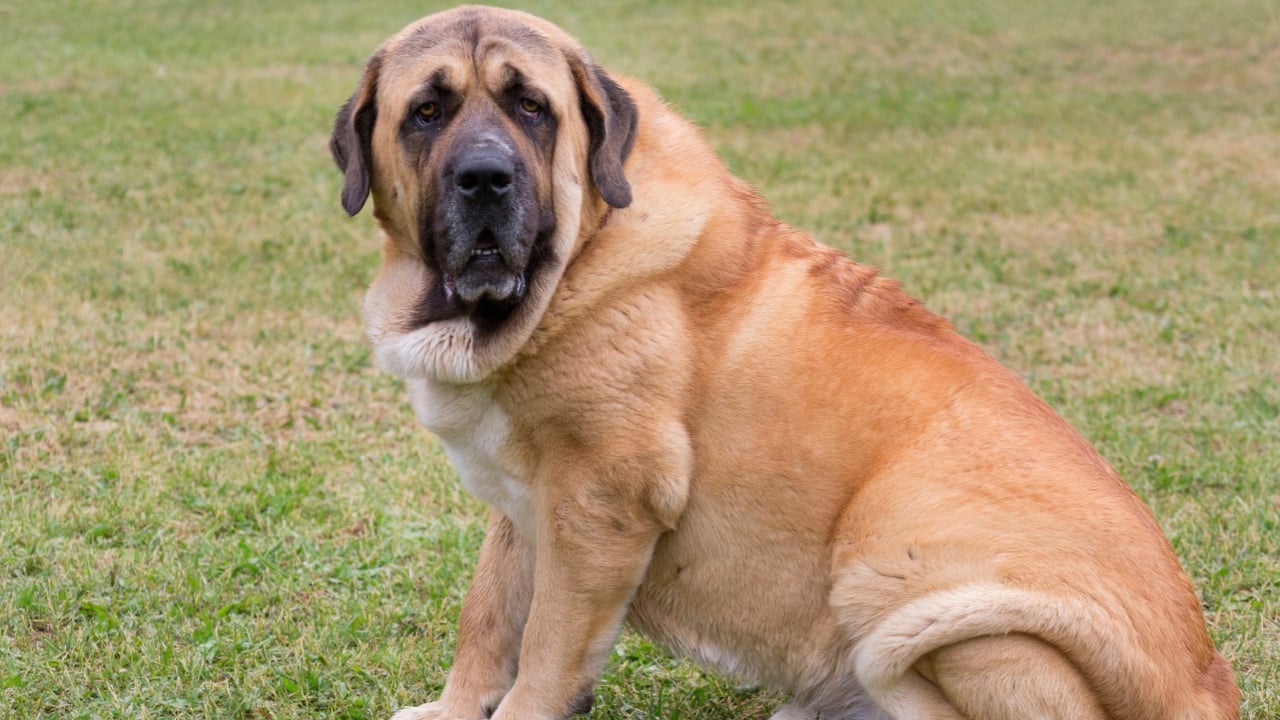
The Spanish Mastiff was developed to protect enormous flocks moving across open country, where wolves and other predators posed real threats. That required a dog with enough size to intimidate and enough independence to work without constant human supervision.
They tend to have a calm, heavy presence and may appear almost lazy when nothing is happening. Like many good livestock guardians, they conserve energy rather than wasting it. When something unfamiliar approaches their animals or territory, their demeanor can change quickly. The Spanish Mastiff is not an obedience-driven working dog and does not need to be. Its job has always been to remain with the flock, assess threats, and make sure predators decide to look elsewhere.
Like The Avid Outdoorsman’s content? Subscribe to our newsletter so you never miss an article.
Here’s more from us: