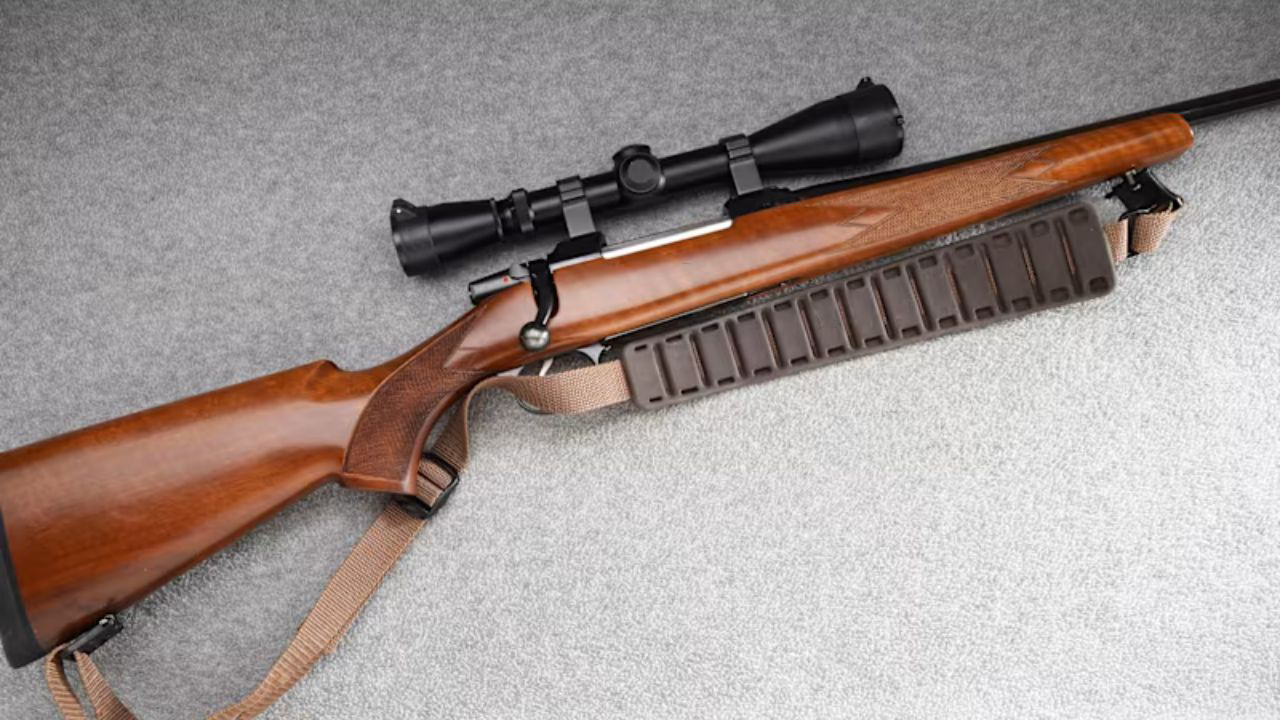
Photo credit: Cabela's
Modern rifles are usually lighter, cheaper to manufacture, easier to mount optics on, and more consistent from one example to the next. None of that automatically means they are built better. In a lot of cases, older rifles used more steel, better walnut, heavier-duty bottom metal, smoother machining, and fewer molded parts. They often felt like finished products instead of platforms designed around cost targets.
That difference is especially obvious when you compare an older model directly with what replaced it. The newer rifle may shoot just as well, and sometimes even better, but the older one often feels more substantial, more refined, and more durable in the hand. These 20 rifles are good examples of models that gave up something meaningful when manufacturers moved on.
Sako 75 Hunter
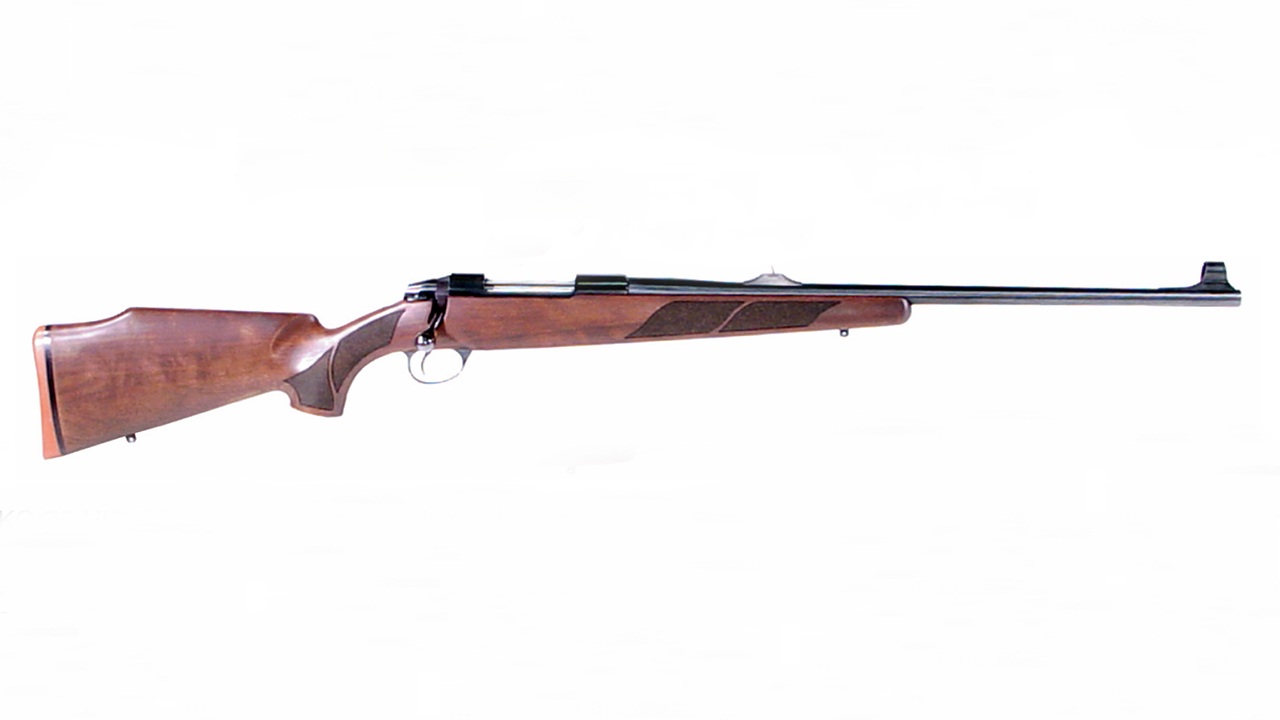
The Sako 75 had one of the best combinations of machining quality, trigger feel, magazine design, and traditional hunting-rifle balance of its era. The action was smooth without feeling loose, the bolt lift was easy, and the walnut-stocked Hunter models had the kind of finish that made them feel properly premium.
Later Sako rifles added newer magazine systems, stock designs, and manufacturing updates, but many owners still prefer the 75 because it feels more solid and less complicated. The rifle already had excellent accuracy, so the newer features did not necessarily solve a real problem. A clean 75 Hunter still gives you the impression that every part was designed around longevity rather than production efficiency. That is the kind of build quality that is hard to duplicate without pushing prices much higher.
Browning A-Bolt Medallion
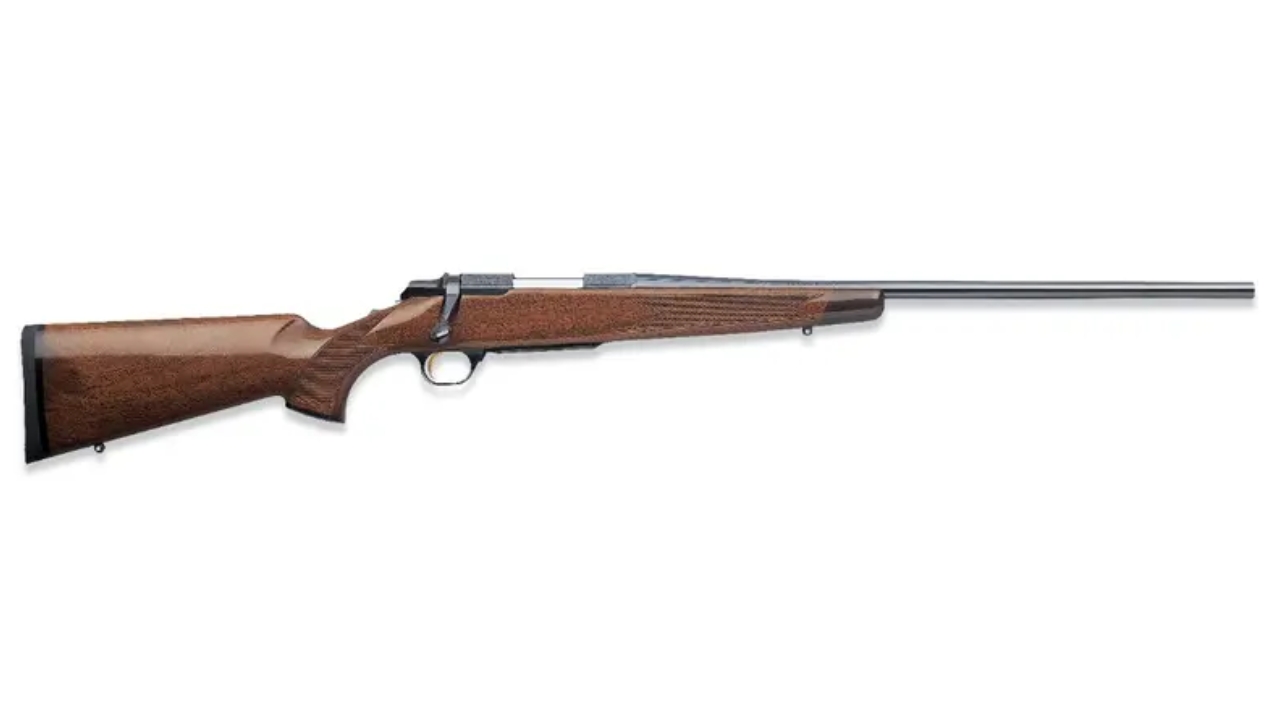
The A-Bolt Medallion was one of Browning’s best traditional hunting rifles because it paired a slick action with attractive walnut, deep finish, and a very natural stock profile. It was refined without becoming delicate.
The X-Bolt that followed is a very good rifle, but the A-Bolt often feels more substantial in the hand. The older rifle had a cleaner visual design and a level of finish that made it feel more expensive than many current production guns. The short bolt lift was already excellent, and the magazine system worked well. Browning gained some modern features with the X-Bolt, but it also lost some of the old rifle’s traditional quality. If you care more about how a hunting rifle feels than how many new features are listed on the box, the A-Bolt Medallion is hard to beat.
Ruger M77 Mark II

The M77 Mark II was not especially light, but it felt like it could survive almost anything. The controlled-round-feed action, large extractor, solid bottom metal, and substantial stock gave it a toughness that defined the rifle.
The later Hawkeye improved the trigger and refined some details, but the older Mark II still has a heavier-duty feel. Modern Ruger hunting rifles such as the American are cheaper and often shoot very well, yet they clearly belong to a different manufacturing philosophy. The Mark II was built around steel and permanence. The newer rifles are built around efficiency and value. Both approaches work, but if you want a rifle that feels like it was designed to stay in the family for decades, the older Ruger has the advantage.
Remington Model 700 BDL
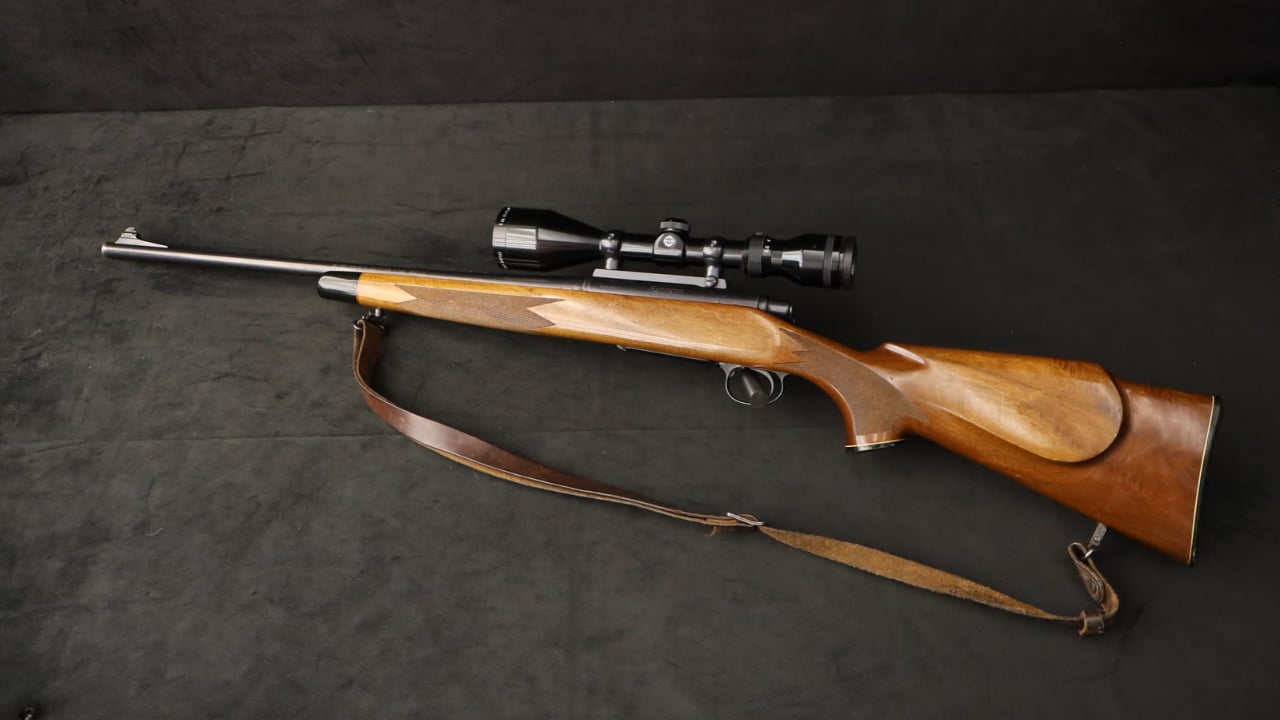
A good older Model 700 BDL had the kind of finish that made the rifle feel complete right out of the box. Walnut stocks, polished bluing, a hinged floorplate, and a smooth action gave it more character than many later 700 variants.
As Remington pushed harder into lower-cost production, more synthetic stocks, cheaper finishes, and stripped-down configurations entered the lineup. Accuracy could still be excellent, but the rifle no longer felt as refined. The BDL’s biggest strength was that it did not need to pretend to be anything other than a traditional hunting rifle. It looked good, carried well, and felt solid. Many modern replacements are easier to produce and customize, but they do not always feel better built.
Winchester Model 70 Classic
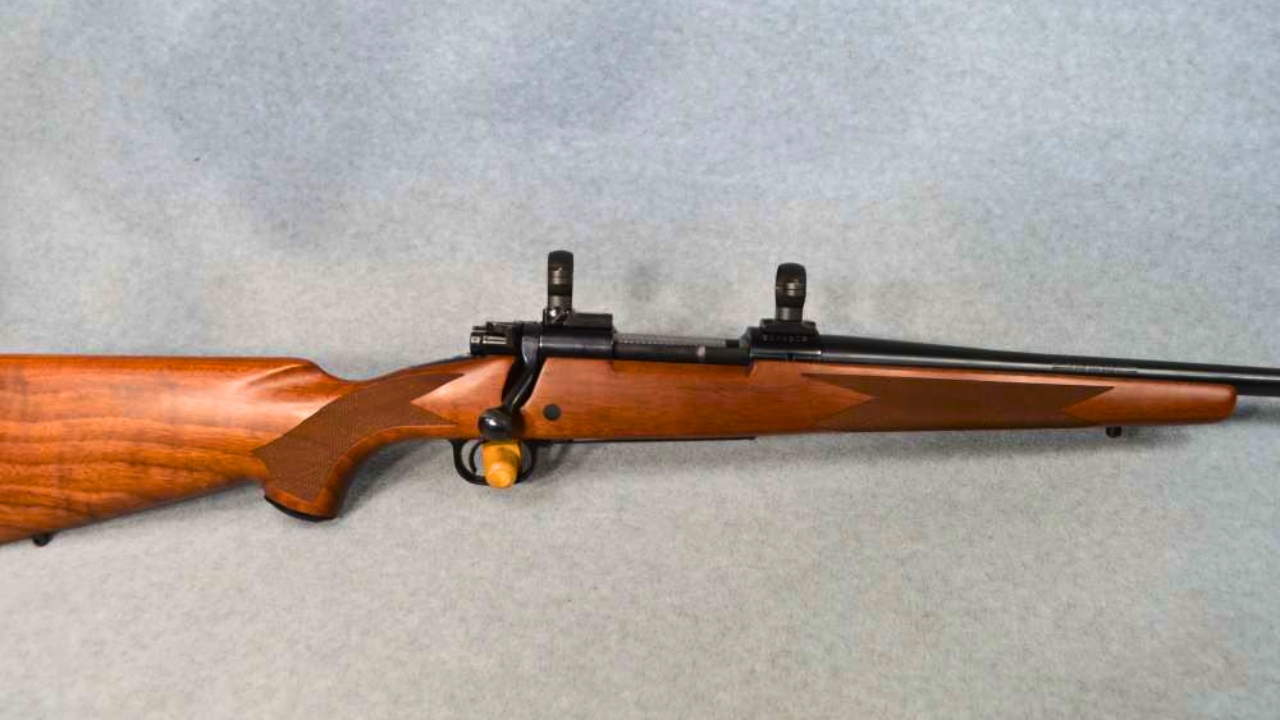
The Model 70 Classic restored controlled-round feed and the large claw extractor that many shooters believed Winchester should never have abandoned. It also returned the rifle to the traditional feel that made the pre-64 Model 70 famous.
Later production improved consistency in some ways, but the Classic still stands out because it combined old-school mechanics with relatively modern manufacturing. The stock lines were right, the three-position safety was excellent, and the action had a reassuringly mechanical feel. Newer Model 70s remain good rifles, but the Classic period is often remembered as the point where Winchester had finally corrected the old mistakes without overcomplicating anything. Once the rifle got back to that formula, there was not much left to fix.
Tikka M595
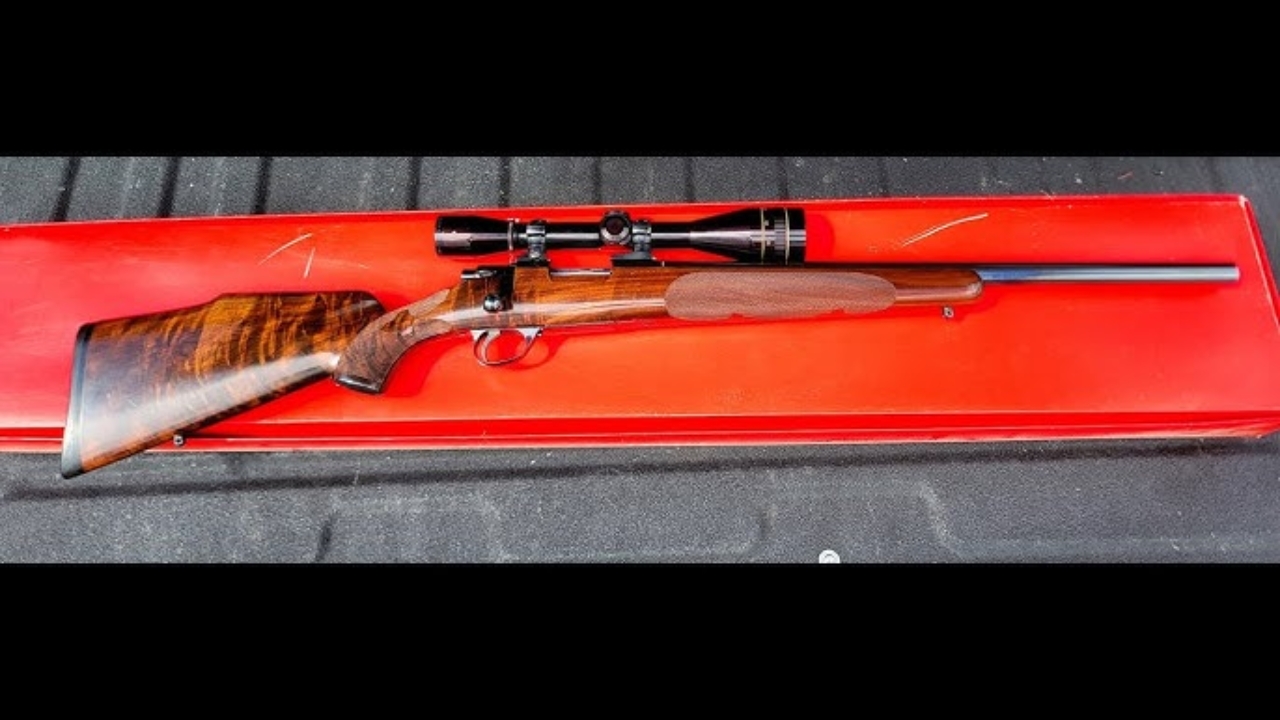
The M595 came from a period when Tikka rifles still had more metal and a more traditional feel. The action was slick, the trigger was excellent, and the overall rifle felt closer to a premium European sporting gun than a mass-market hunting rifle.
The T3 and T3x that followed became huge successes because they were lighter and cheaper to produce while retaining excellent accuracy. The tradeoff was more polymer and more standardized components. That production efficiency did not hurt performance, but it did change the feel. An M595 feels denser, smoother, and more substantial when you cycle the bolt or handle the magazine. For shooters who care about build quality as much as group size, the older rifle still has a lot going for it.
CZ 550 American

The CZ 550 was built around a large Mauser-style controlled-feed action with a full-length extractor and substantial receiver. It was not especially sleek, but it felt like a rifle meant to survive hard use.
The CZ 600 series is more modern and modular, but the 550 has an old-fashioned mechanical confidence that the newer design does not quite replicate. The older rifle used more steel, had integral scope bases, and worked especially well in larger hunting chamberings. The bolt could feel a little rough compared with a Sako, but everything about the rifle seemed overbuilt. For hunters who like simple, traditional actions with plenty of metal in the right places, the 550 remains one of CZ’s best efforts.
Winchester 9422
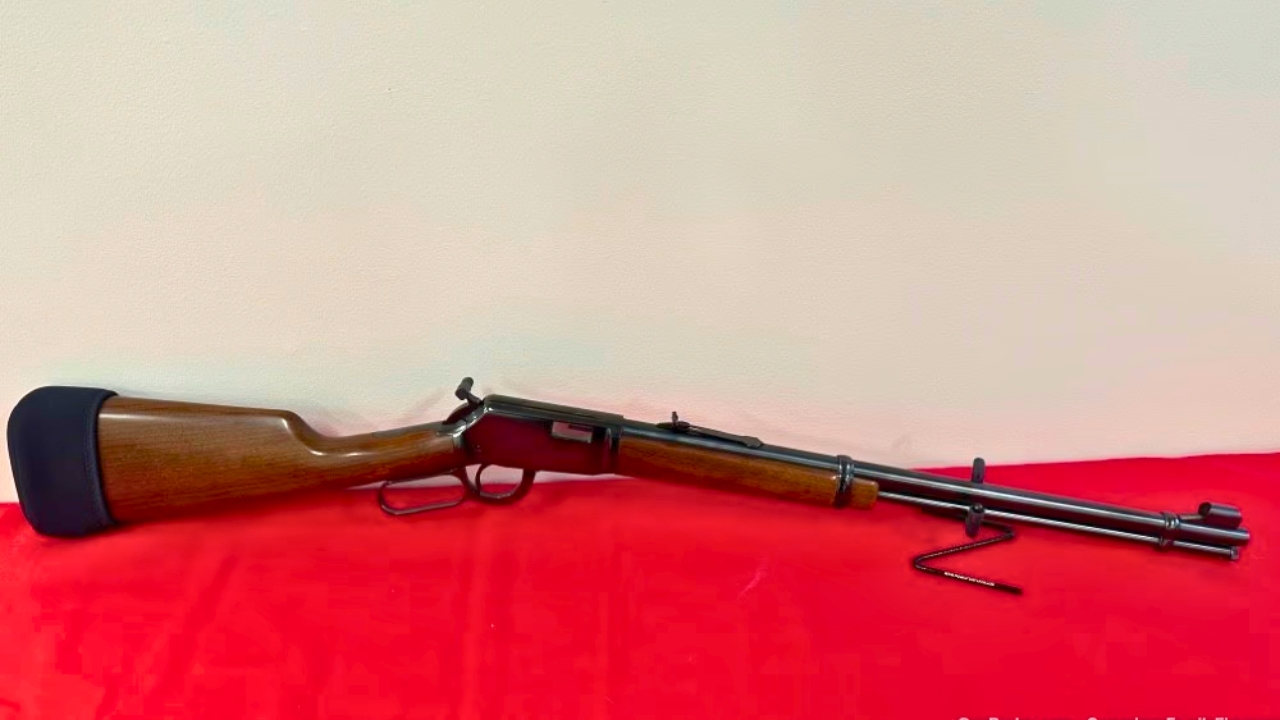
The 9422 was built with a level of rimfire quality that is hard to find now without paying premium money. The action was smooth, the receiver felt substantial, and the wood-to-metal fit was far above what most current .22 lever guns offer.
Modern rimfire lever actions can be fun and reliable, but many rely more heavily on lightweight alloys and simplified construction. The 9422 felt like a centerfire rifle scaled down rather than a cheap .22 made to look like one. That distinction is why collectors still chase clean examples. Winchester could probably build something similar today, but it would cost far more than the old rifle originally did. The fact that used rifles remain so desirable says a lot about how well they were made.
Marlin 39A
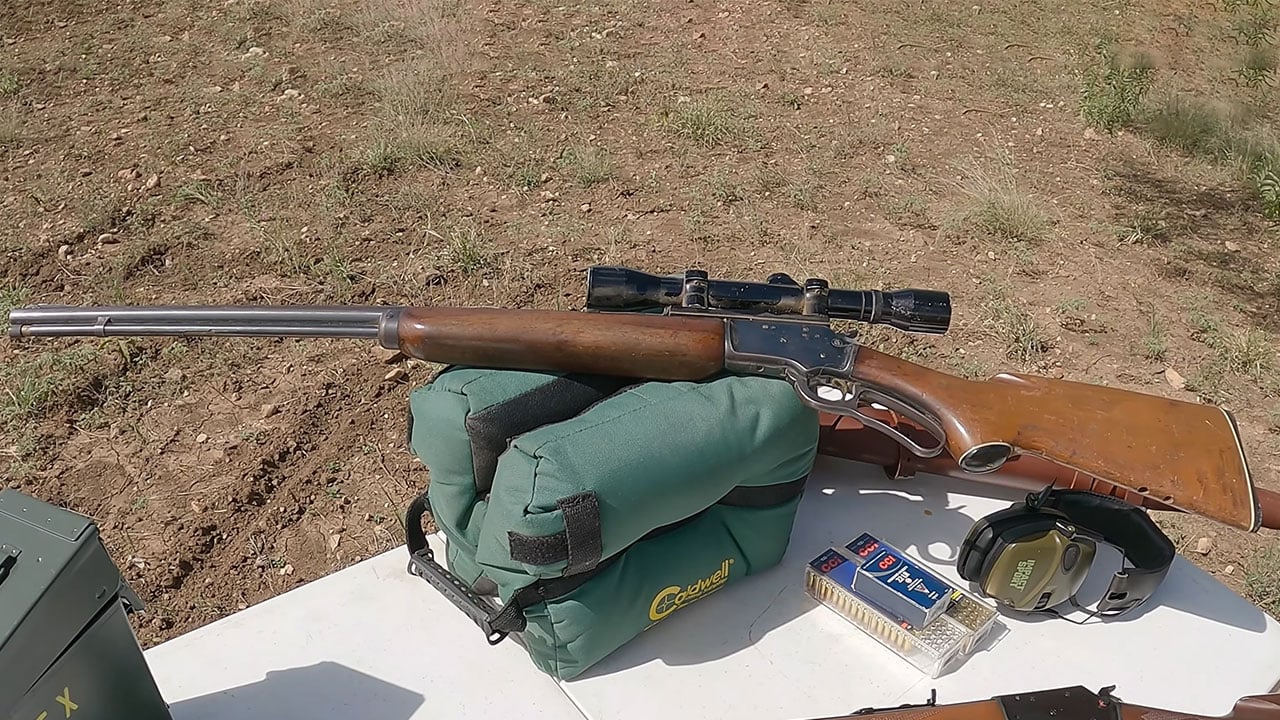
The 39A is another rimfire that feels almost absurdly overbuilt by modern standards. Steel construction, a takedown action, walnut furniture, and decades of proven durability gave it an heirloom quality few current .22s match.
Modern rimfire rifles are often lighter, cheaper, and easier to manufacture, but they do not necessarily inspire the same confidence. The 39A could be shot for generations and still feel tight if it was cared for. That level of manufacturing is expensive, which is probably why rifles like it have largely disappeared. The replacement market may offer more affordable lever .22s, but very few feel as substantial or as permanent. The 39A was built like a serious rifle because that was simply how Marlin did it.
Savage 99
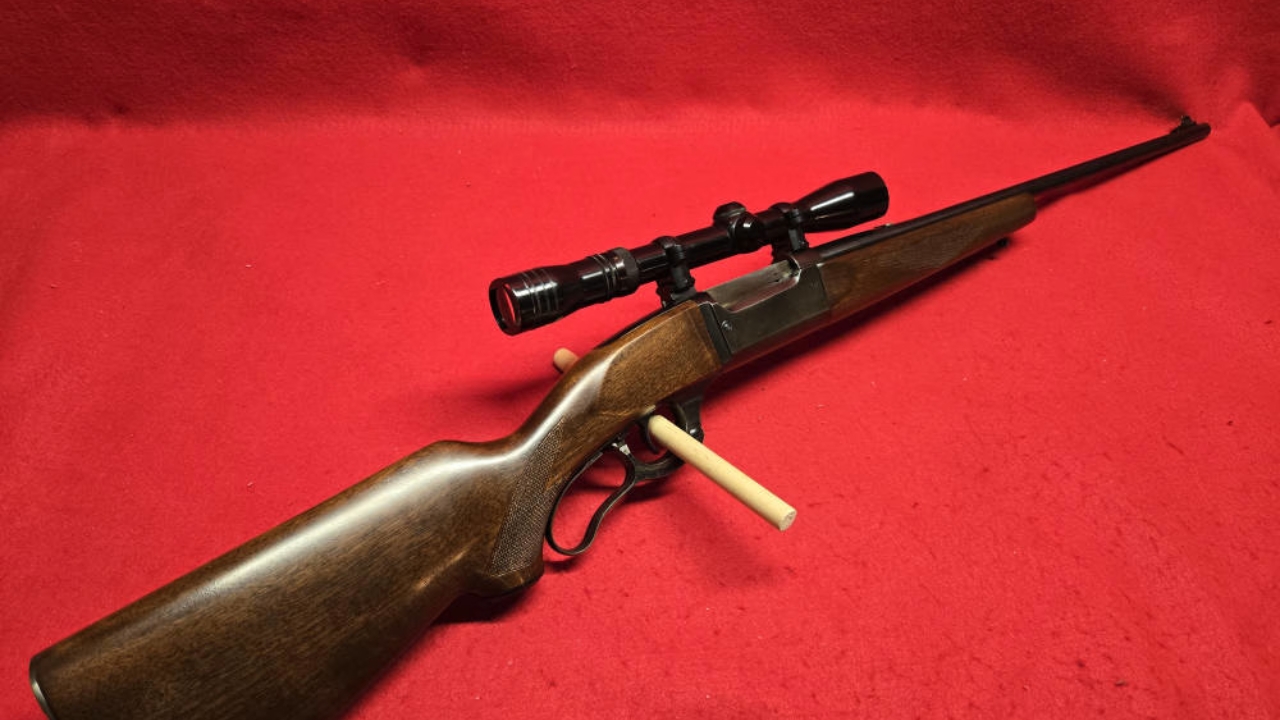
The Savage 99 was mechanically sophisticated, using a rotary or later detachable magazine that allowed pointed bullets in a lever-action rifle. It gave hunters a platform that could handle cartridges traditional tube-fed lever guns could not.
Later attempts to simplify production gradually stripped away some of the refinement, and eventually the model disappeared entirely. Modern lever guns have returned in force, but almost none replicate the same combination of enclosed action, slick handling, and modern cartridge capability. The 99 was expensive to manufacture because it used real machining and a complicated action. That is exactly why it feels so impressive today. The market has replaced it with simpler rifles, not necessarily better-built ones.
Weatherby Mark V German-Made Deluxe
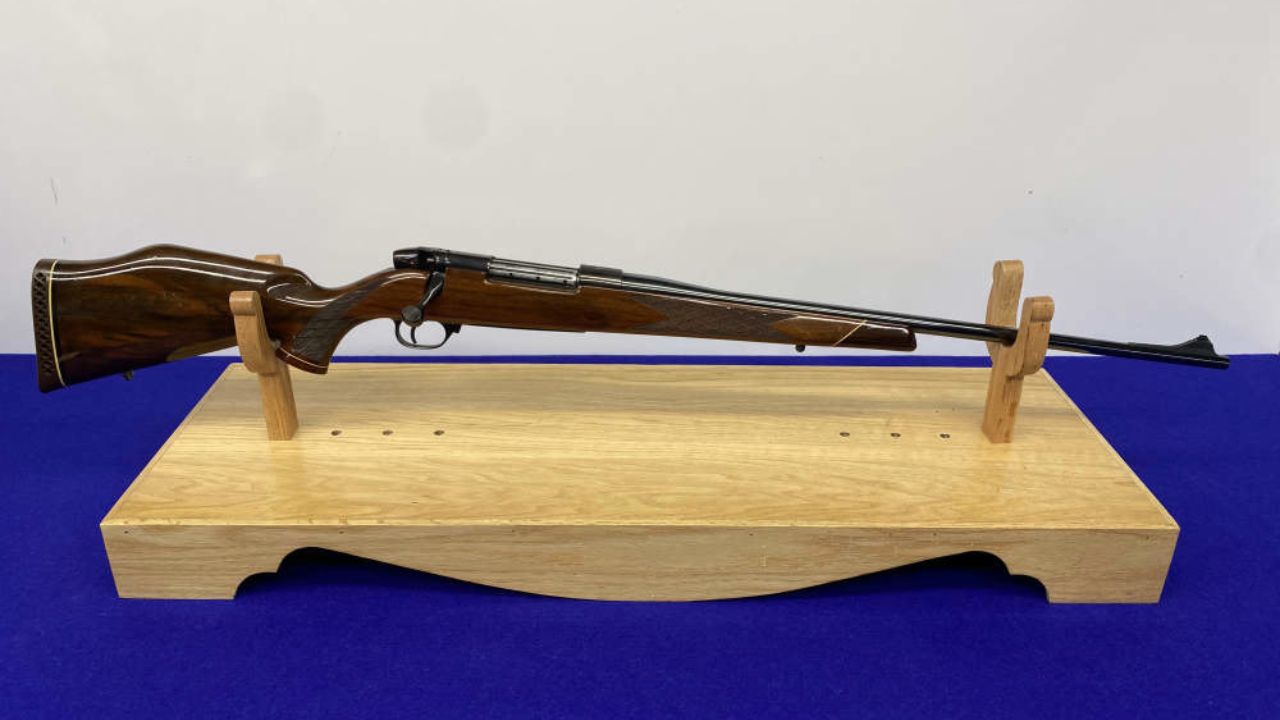
The early German-made Mark V Deluxe rifles established much of the Weatherby look and feel that later generations tried to preserve. Deep bluing, glossy walnut, fine checkering, and extremely smooth actions gave them a level of finish that was hard to mistake.
Modern Mark Vs are excellent rifles, but many current versions focus more heavily on lightweight materials and specialized hunting roles. The older Deluxe rifles felt like flagship products in every sense. They were heavy, polished, and unapologetically premium. That kind of finish is expensive to reproduce today, and buyers can feel the difference. The newer rifles may be more practical for mountain hunting, but the older Mark V was built with a level of visual and mechanical refinement that is increasingly rare.
Steyr Mannlicher Model M

The Model M had one of the smoothest bolt actions and most recognizable stock designs of any European hunting rifle. The machining quality was excellent, and the rifle felt carefully assembled rather than simply produced.
Modern Steyr rifles are lighter and more modular, but they also rely more on synthetic materials and contemporary styling. That makes sense for hard-use hunting, yet the old Model M had a richness of feel that newer designs struggle to match. The action cycled with almost no resistance, the trigger was excellent, and the stock fit felt intentional. It was not cheap to build, which is probably why the industry moved away from that style. The replacement may be more efficient, but the older rifle feels better made.
Remington Model Seven CDL

The Model Seven CDL showed that a compact hunting rifle did not need to feel cheap. The short action, walnut stock, and sensible barrel length gave it excellent handling while preserving the look and feel of a full-quality sporting rifle.
Many modern compact rifles are built around weight savings and price reduction, which often means hollow synthetic stocks and simplified components. The older Model Seven had more substance without becoming heavy. That made it especially good in thick woods where balance and fast handling mattered. Remington eventually pushed the design into more specialized configurations and then away from regular production altogether. The original compact hunting formula was better because it did less and did it well.
Sako Finnbear L61R
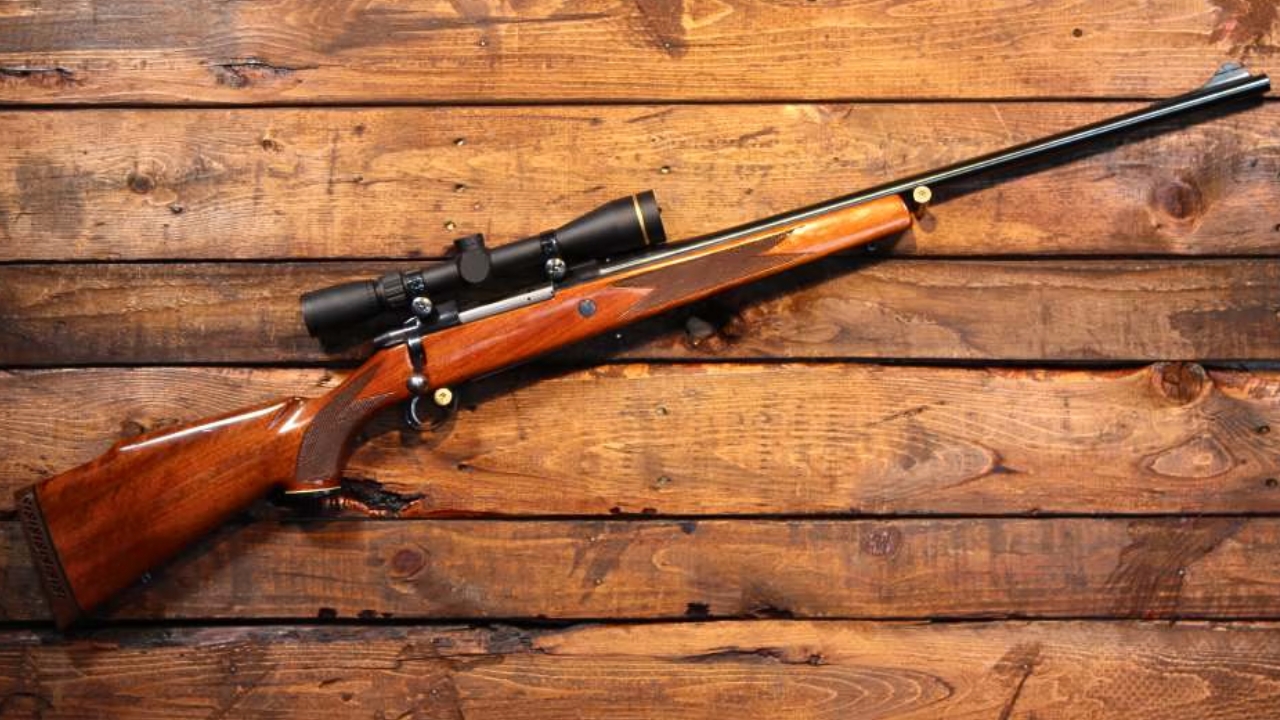
The Finnbear L61R came from an era when Sako’s reputation was built around machining quality rather than product-line breadth. The action was extremely smooth, the trigger was excellent, and the rifle carried a premium feel without being excessively ornate.
Later Sako models became more modern and feature-heavy, but the Finnbear had a directness that remains appealing. The steel, stock, and action all felt properly proportioned and durable. The rifle did not need detachable polymer magazines or complicated modular systems to feel advanced. It was simply built extremely well. That kind of straightforward craftsmanship is one reason clean Finnbears continue to attract serious buyers decades later.
Ruger 77/22
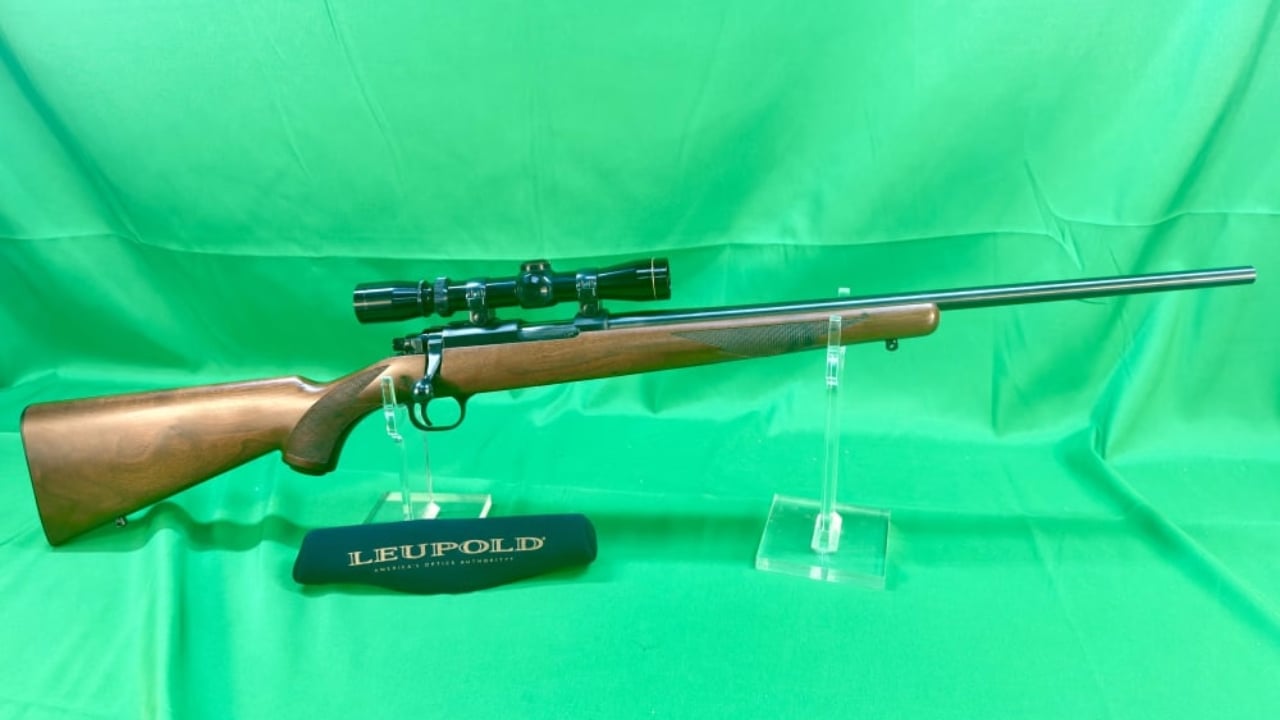
The 77/22 was built like a centerfire hunting rifle scaled for rimfire cartridges. It had a substantial receiver, traditional stock, proper bolt action, and Ruger’s rotary magazine system.
The American Rimfire that followed is lighter, cheaper, and perfectly capable, but it does not have the same build quality. The 77/22 feels like something meant to remain in service indefinitely rather than hit a specific retail price point. It also gave shooters a rimfire trainer with the heft and feel of a real hunting rifle. Ruger made the newer rifle more affordable, but in doing so lost much of the premium quality that made the older gun special. The 77/22 is a good example of cheaper not necessarily meaning improved.
Browning B78
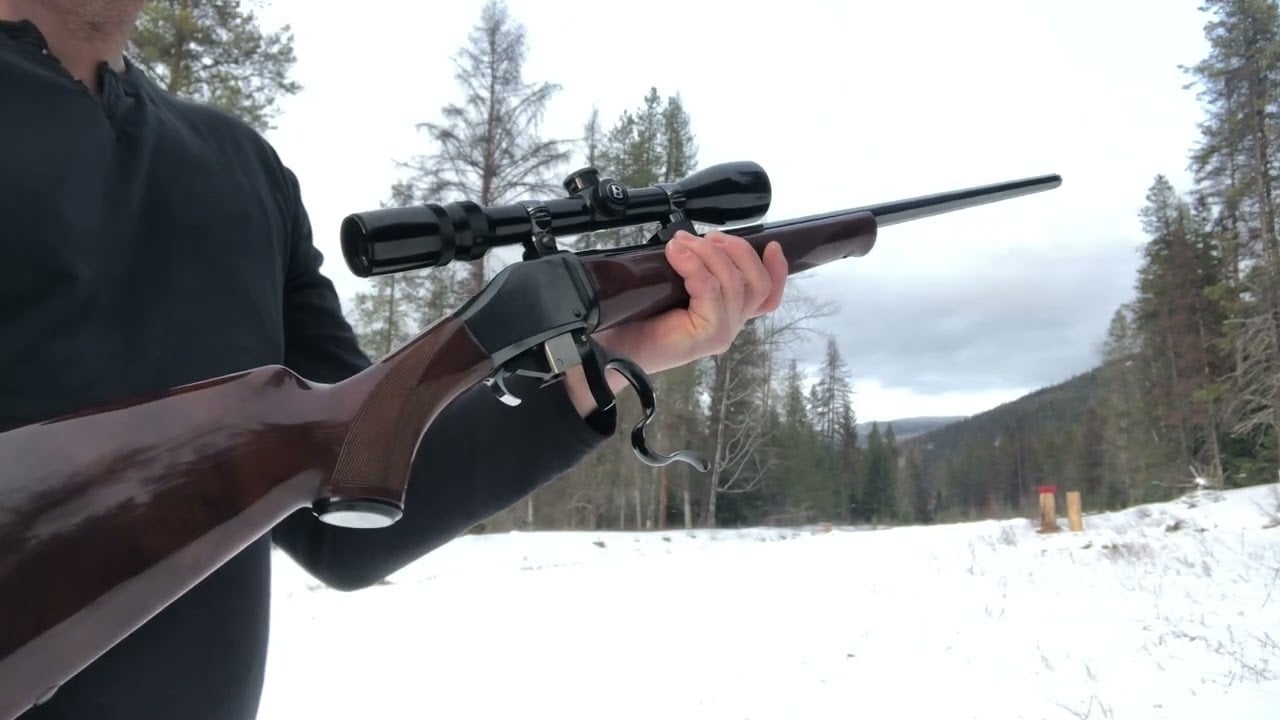
The B78 was Browning’s refined take on the falling-block single-shot hunting rifle. It had excellent walnut, deep bluing, and an action that felt more like a precision instrument than a mass-produced hunting gun.
The later Browning 1885 continued the general concept, but many collectors still prefer the earlier B78 because of its finish and overall feel. Single-shot rifles live or die on craftsmanship because there are fewer mechanical distractions. The B78 delivered that craftsmanship in abundance. Modern rifles can be more practical and easier to scope, but the B78’s combination of wood, steel, and machining has become expensive to replicate. It feels like a rifle from a manufacturing era that expected buyers to appreciate quality even in a relatively niche design.
Colt Sauer Sporting Rifle
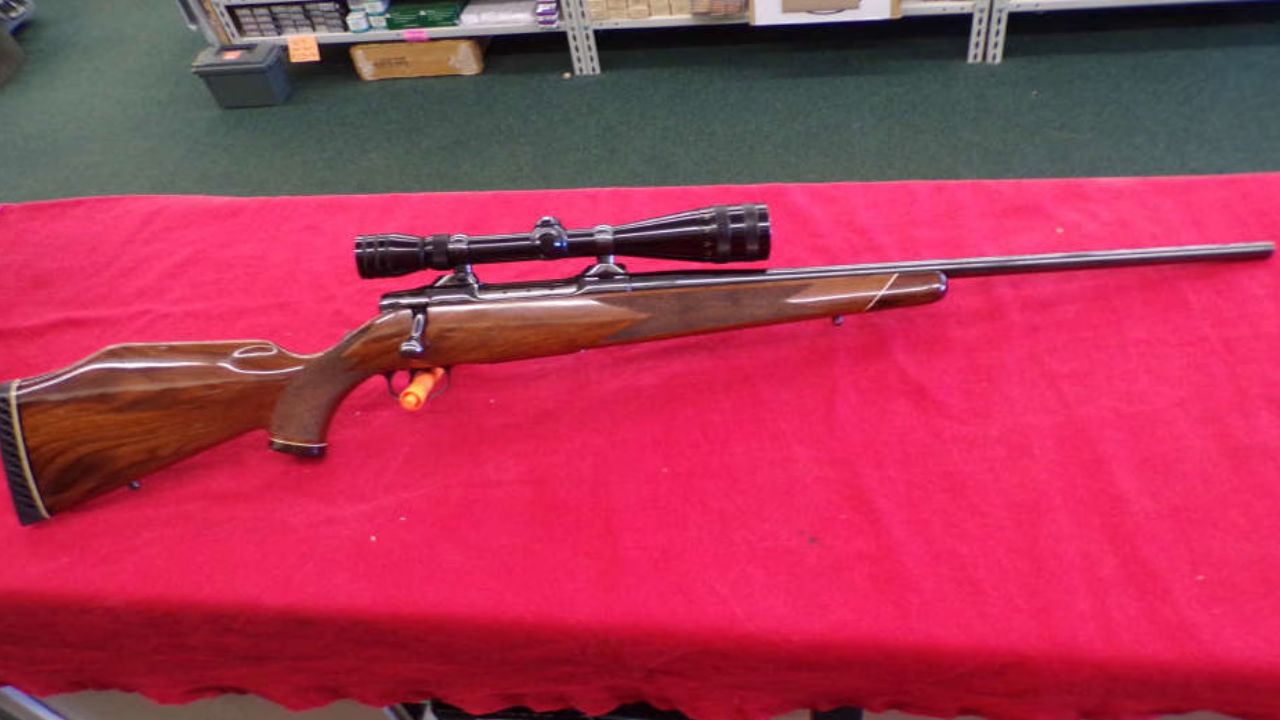
The Colt Sauer Sporting Rifle was one of the most refined production bolt guns of its era. The action was exceptionally smooth, the stock quality was high, and the rifle felt closer to a custom European sporter than an ordinary factory hunting gun.
There is really no direct modern Colt replacement that matches it, which is part of the point. Modern rifles in the same general price tier tend to focus on carbon fiber, weight reduction, or precision features rather than mechanical luxury. The Colt Sauer focused on how the rifle felt every time you worked the bolt or shouldered it. That kind of refinement has become a much smaller part of the market. It was expensive to build then and would be even more expensive now.
Husqvarna 1900

The Husqvarna 1900 earned a strong reputation because it combined a smooth action, good trigger, traditional walnut stock, and excellent Scandinavian manufacturing quality without becoming overly complicated.
Modern hunting rifles are often more accurate out of the box and easier to mount accessories on, but the older Husqvarna feels more substantial than many replacements. The action has a polished feel that suggests careful machining rather than cost-efficient production. Many were treated simply as hunting rifles and used hard, which makes clean examples even more impressive today. It is the kind of rifle that reminds you how good ordinary production guns could feel before synthetic stocks and molded components became standard.
Remington 541-S

The 541-S was a premium sporting rimfire built when Remington still treated high-grade .22 rifles as serious products. The walnut stock, excellent trigger, and accurate barrel made it far more refined than the company’s later economy-focused rimfires.
Modern rimfire rifles may offer threaded barrels, adjustable stocks, and modular accessories, but the 541-S feels like a complete sporting rifle rather than a platform. That difference is significant. It was built to look good, shoot well, and last. Remington eventually moved toward cheaper rimfire production, and the market followed. The 541-S stands out today because it shows how much quality could be packed into a factory .22 when cost cutting was not the primary goal.
Mauser Model 66
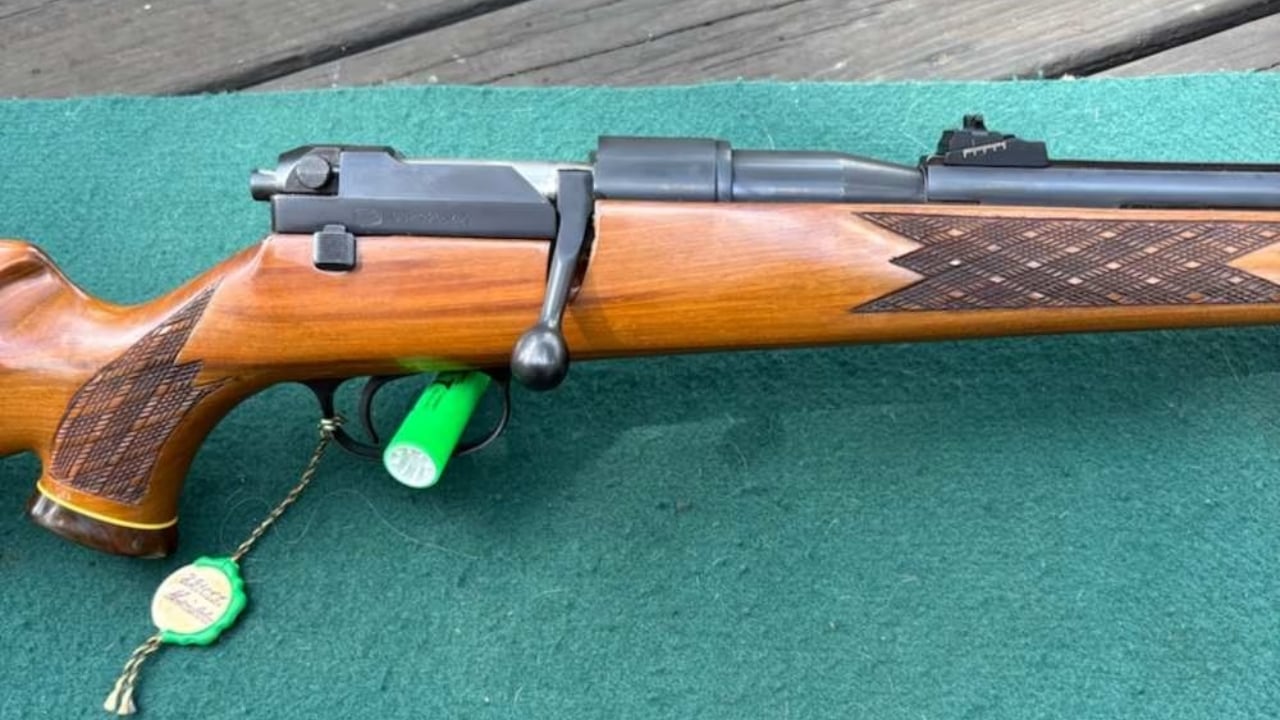
The Model 66 used a telescoping bolt system that allowed a full-length barrel in a surprisingly compact rifle. It was mechanically unusual, highly refined, and expensive to produce.
Modern Mauser sporting rifles are generally more conventional and easier to manufacture, but they do not have the same engineering character. The Model 66 feels like something built during a period when manufacturers were willing to spend money on unusual mechanical solutions simply because they worked well. The action is compact, the machining is impressive, and the rifle has a distinctly premium feel. Newer replacements are simpler and probably easier to service, but simplicity is not the same thing as better construction. The 66 remains a reminder of how ambitious factory rifle design used to be.
Like The Avid Outdoorsman’s content? Subscribe to our newsletter so you never miss an article.
Here’s more from us: