Photo credit: SvetlanaSF/Shutterstock.com
Some rifle cartridges are easy to keep fed almost anywhere. Walk into a decent sporting-goods store and you can usually find .223 Remington, .308 Winchester, .30-06, .270 Winchester, and 6.5 Creedmoor without much trouble. The real headaches start when you own a rifle chambered for something that has slipped out of the mainstream. Those rounds may still be produced, but finding them locally can turn into a scavenger hunt.
That does not necessarily mean the cartridge is dead or useless. Plenty of them are excellent hunting rounds with loyal followings. The problem is distribution. Stores have limited shelf space, and slow-moving ammunition gets pushed aside for cartridges that sell every week. Once that happens, owners have to buy online, order by the case, handload, or grab ammunition whenever they stumble across it. These 20 cartridges are especially likely to leave you staring at empty shelf space when you need a box before deer season.
.35 Remington

The .35 Remington still has a loyal following, especially among hunters carrying older Marlin 336s and Remington pumps. It remains a very capable woods cartridge for deer and black bear, and there is no practical reason to stop using one if you already have a good rifle.
The problem is finding ammunition when you actually need it. Production tends to come in waves, and local stores may go months without receiving a shipment. When it does show up, a few boxes can disappear quickly because owners know they may not see it again for a while. That makes the cartridge frustrating for hunters who do not handload or plan purchases well ahead of season. It still works beautifully in the field, but it has become one of those rounds you buy whenever you see it rather than waiting until the week before opening day.
.358 Winchester

The .358 Winchester is an excellent short-action woods cartridge that pushes heavy bullets without requiring magnum pressure or recoil. It makes a lot of sense for deer, hogs, black bear, and elk at moderate distances.
Unfortunately, its practical strengths never translated into broad ammunition demand. Very few current factory rifles are chambered for it, and that means most stores have little incentive to keep ammunition on the shelf. Even large retailers may not stock a single box. Owners often end up ordering online or handloading, which is not necessarily a problem for enthusiasts but can be annoying for a hunter who just wants to grab ammunition locally. The cartridge is much easier to appreciate than it is to feed.
.338 Federal

The .338 Federal occupies a similar niche. It fits in short actions, uses heavy .338-caliber bullets, and provides strong medium-range performance without the recoil and blast of .338 Win Mag.
That should make it attractive, but it lives in an awkward middle ground. Hunters wanting mild recoil tend to stay with .308-class cartridges, while those wanting serious .338 power usually jump to a magnum. The result is low ammunition demand and limited shelf presence. Even stores with a good hunting section may carry .338 Win Mag while ignoring .338 Federal completely. If you own one, ordering ammunition ahead of time is almost mandatory. It is a good cartridge trapped in a market that never gave it enough volume.
.257 Roberts

The .257 Roberts remains one of the pleasantest deer cartridges ever made. It shoots flat enough for normal hunting distances, recoils lightly, and works extremely well on deer with proper bullets.
The frustrating part is that local ammunition availability has become inconsistent. It is not unusual to see a store with multiple .243 and .25-06 options but no Roberts at all. The cartridge survives through limited factory runs and a dedicated base of handloaders, but that does not help much when you need ammunition this afternoon. Owners of older Rugers, Remingtons, and custom rifles often know to buy several boxes when they find the right load. The Roberts is still practical in the woods. It is the supply chain that is becoming impractical.
.300 Savage

The .300 Savage was once a major American deer cartridge, especially in Savage 99 rifles. It still provides more than enough performance for deer and black bear at normal distances.
Its problem is that the rifles using it are mostly older, and new production is limited. That pushes ammunition into a legacy category where manufacturers make enough to support existing guns but not enough to guarantee widespread distribution. Some stores may carry one load during hunting season. Others will not carry it at all. If you rely on an old Savage 99 every fall, keeping a reserve of ammunition at home is a lot smarter than assuming a local retailer will have some when you need it.
.32 Winchester Special

The .32 Winchester Special was once common enough that lever-gun hunters could find ammunition without giving it much thought. Those days are largely gone.
The cartridge still works well on deer and black bear inside typical woods distances, but the rifle population is aging and factory support has become increasingly sporadic. Most stores will dedicate shelf space to .30-30 long before they stock .32 Special because the demand difference is enormous. Owners of old Model 94s and Marlins often have to order ammunition or wait for seasonal runs. When a box does appear locally, it usually gets noticed quickly by the people who need it. The cartridge is not dead, but it definitely requires more planning than it used to.
.375 Winchester
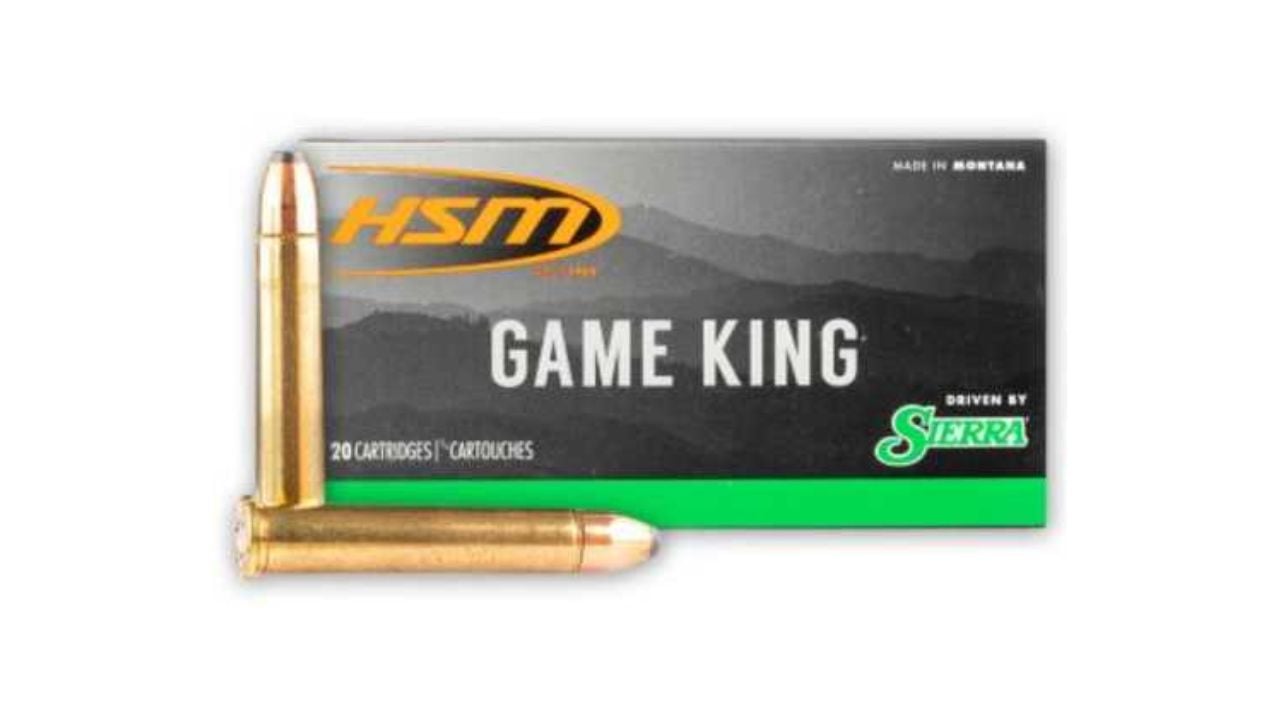
The .375 Winchester offers a lot of power in a compact lever-action package and still makes sense for deer, hogs, and black bear at moderate ranges.
Local ammunition is another story. The cartridge never reached the popularity of .30-30, .45-70, or even .444 Marlin, and its production volume reflects that. Many gun shops have not stocked it in years. Even stores that cater heavily to hunters may have no shelf tag for it at all. The rifles are still out there, but owners generally learn to buy ammunition online or handload. It is one of those rounds where having the rifle is easy. Keeping a reliable local supply of ammunition is the hard part.
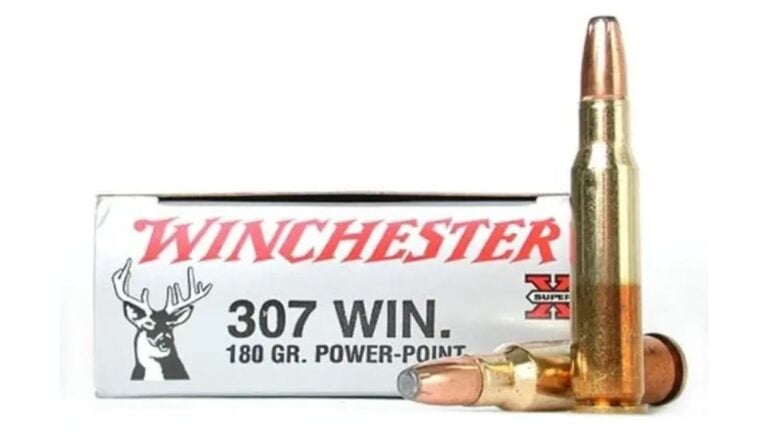
.307 Winchester
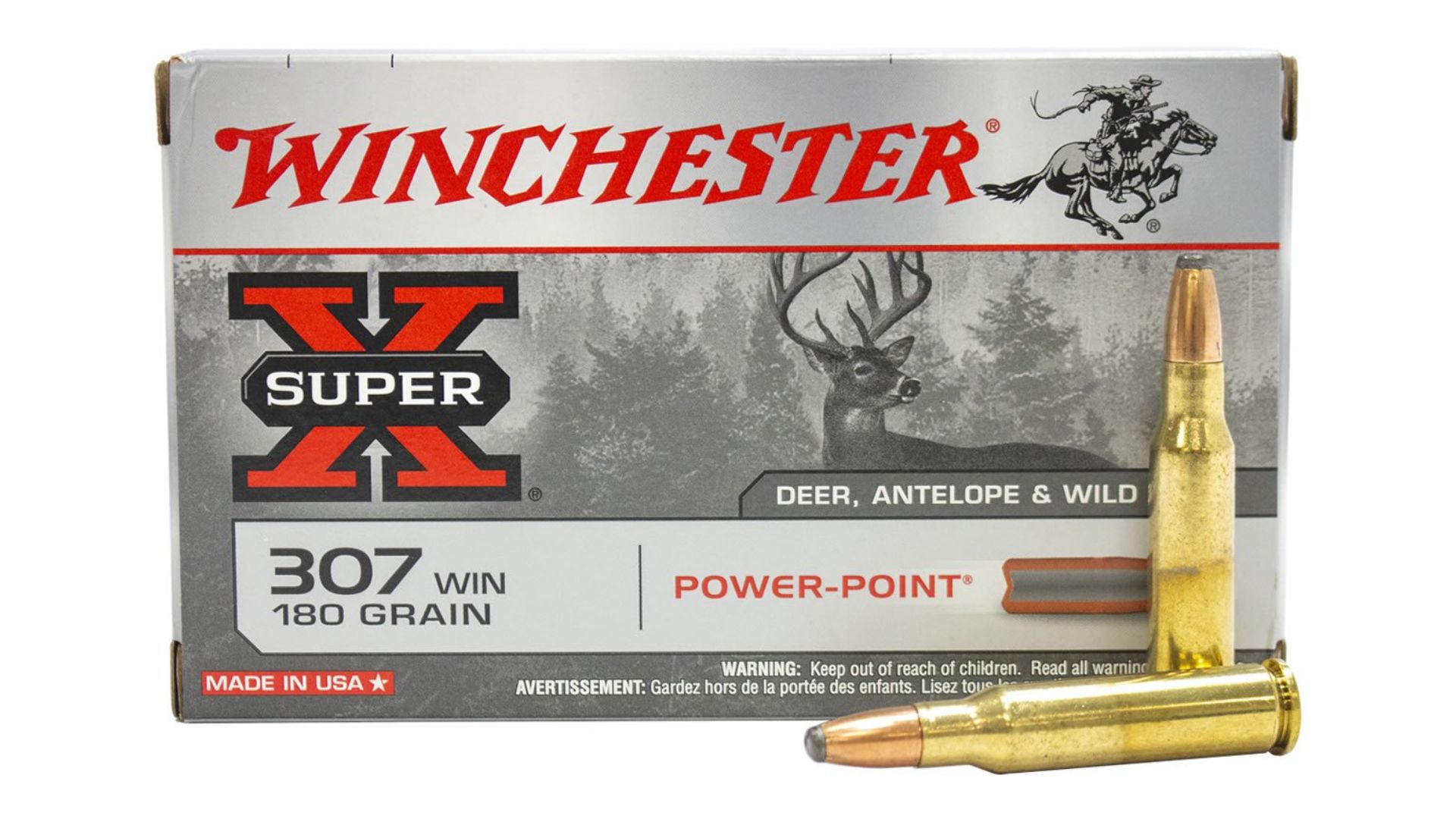
The .307 Winchester was designed to deliver near-.308 performance in lever-action rifles, and from a hunting standpoint the idea was sound.
The market was too narrow to sustain strong ammunition support. Most hunters who wanted .308-level performance simply bought a bolt gun or semiautomatic, while traditional lever hunters stayed with .30-30. That left .307 owners in an awkward position. Ammunition production still appears from time to time, but local availability is poor almost everywhere. You can easily go years without seeing a box on a normal store shelf. If you own one, buying ammunition whenever it becomes available is almost part of owning the rifle.
.356 Winchester
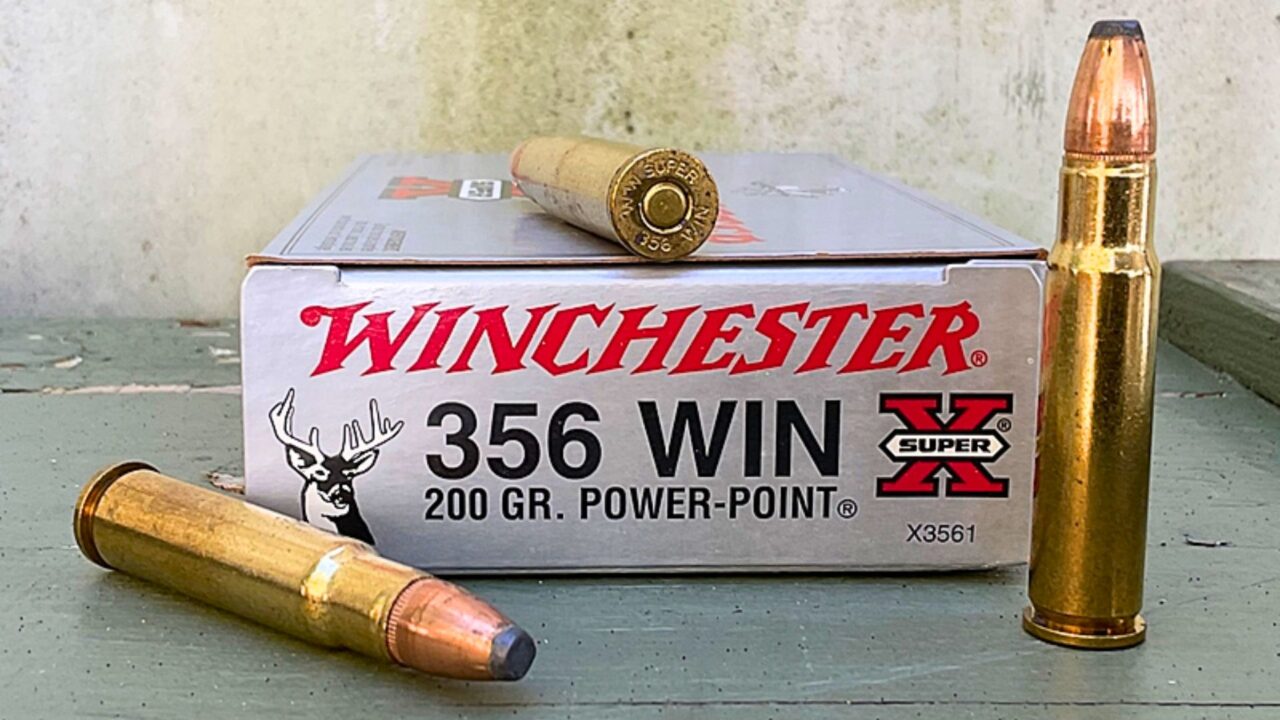
The .356 Winchester is another lever-action cartridge that worked better than its popularity would suggest. It gives you heavy .35-caliber bullets, good penetration, and plenty of close-range authority.
The ammunition situation is rough. The cartridge has been out of the mainstream for decades, and very few current rifles use it. That means even well-stocked stores have almost no reason to reserve space for it. Specialty runs keep the cartridge alive, but owners need to be proactive. Waiting until hunting season starts is asking for trouble. The .356 remains an excellent example of a cartridge that is completely useful in the field while becoming increasingly inconvenient everywhere else.
.444 Marlin

The .444 Marlin is still much easier to find than some cartridges on this list, but local availability can be surprisingly inconsistent. In areas where big-bore lever guns are popular, you may find several loads. In other places, there may be none.
That regional nature makes ownership tricky. The cartridge competes directly with .45-70, and most stores prioritize the round with the larger customer base. As a result, .444 owners often get whatever one or two loads happen to be available rather than having a broad selection. The cartridge is excellent for deer, hogs, and black bear in thick country, but finding the exact bullet your rifle likes can be a challenge unless you order online. It is not rare, but it is far from guaranteed.
.348 Winchester
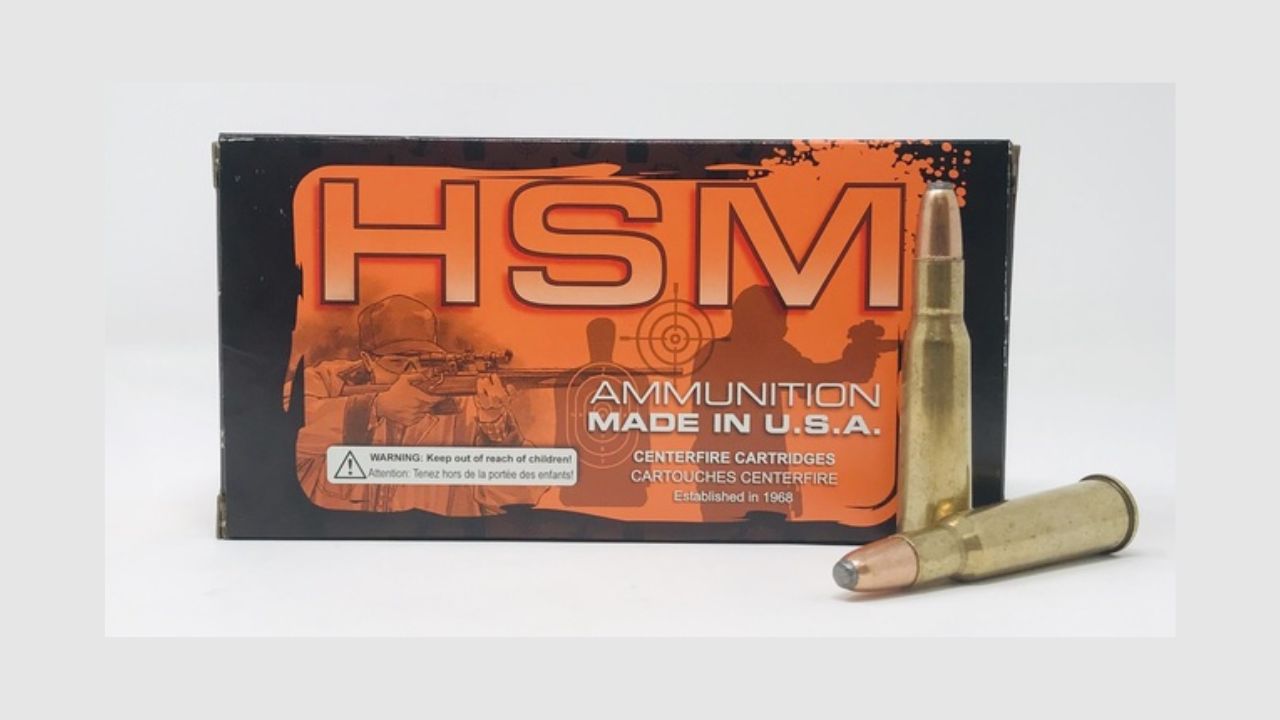
The .348 Winchester has real hunting capability and an iconic home in the Winchester Model 71. It can handle large North American game at sensible ranges and remains one of the most respected old lever-action cartridges.
Local ammunition, however, is exceptionally hard to find. Most stores have no reason to stock it because the rifle population is small and largely collector-oriented. Factory runs can be limited, and prices tend to reflect that scarcity. Owners who still hunt with a Model 71 generally know to keep a healthy supply on hand. This is not a cartridge where you can casually decide to buy ammunition on the way to camp. If you see a few boxes locally, you are looking at something many shooters may not encounter for years.
.284 Winchester

The .284 Winchester was ahead of its time in several ways, offering strong performance from a relatively compact case. It later became popular with certain competition shooters and handloaders, but factory hunting ammunition never enjoyed broad mainstream support.
That makes local availability especially poor. Some specialty manufacturers load it, and handloaders can keep the cartridge running indefinitely, but ordinary stores rarely stock it. Most hunters are simply more likely to buy 7mm-08, .280 Remington, or 7mm Rem Mag. Without enough rifles moving through the market, there is no reason for retailers to dedicate shelf space to the .284. It remains technically impressive while being practically inconvenient for anyone dependent on factory ammunition.
.280 Remington

The .280 Remington is not exactly obscure, but it is far less common on shelves than its performance deserves. Ballistically, it sits in an excellent place between .270 Winchester and .30-06 while handling high-quality 7mm hunting bullets.
The trouble is that it has spent decades competing against both those cartridges plus the 7mm Rem Mag. Stores tend to stock what sells fastest, and .280 often loses that battle. Some shops carry one or two loads, while others carry none. If your rifle happens to prefer a specific bullet weight or brand, finding it locally can become frustrating. The cartridge itself is excellent. The local buying experience often feels much less impressive.
.280 Ackley Improved

The .280 AI has gained more recognition in recent years, but that does not mean it is easy to find on ordinary shelves. Premium hunting stores may stock several loads, while smaller shops may not carry any.
The cartridge appeals strongly to serious western hunters and long-range shooters, but that customer base is still relatively small compared with .308, .30-06, or 6.5 Creedmoor. Ammunition is also usually positioned toward the premium end of the market rather than inexpensive general-purpose loads. That makes availability both limited and expensive. If you own one, buying ahead is smart. Depending on a local store to have the right load the night before a hunt is a gamble.
.264 Winchester Magnum

The .264 Win Mag still has plenty of performance, but it has been squeezed hard by newer 6.5mm cartridges. That has hurt local ammunition availability more than its ballistic capability ever did.
Most stores that have room for only a few 6.5mm choices will prioritize 6.5 Creedmoor and 6.5 PRC. The old Winchester magnum gets pushed aside because fewer new rifles are chambered for it and demand is lower. Factory ammunition still exists, but variety is limited and local stock is unreliable. Owners often have to buy online or handload to keep a consistent supply. It is a cartridge that can still shoot beautifully while becoming increasingly invisible at the retail counter.
8mm Remington Magnum

The 8mm Rem Mag is powerful enough for elk, moose, and other large game, but American shooters never embraced the 8mm bore strongly enough to create a broad ammunition market.
Today, that lack of popularity is obvious when you try to find a box locally. Most gun shops will carry several .300 and .338 magnums before they even consider stocking 8mm Rem Mag. Factory production is limited, and bullet choices in loaded ammunition are far narrower than those of neighboring calibers. Handloaders can still get excellent performance from it, but factory-ammo users are at the mercy of periodic runs. It is one of those cartridges that can make a rifle owner feel isolated from the rest of the market.
.338 Remington Ultra Magnum
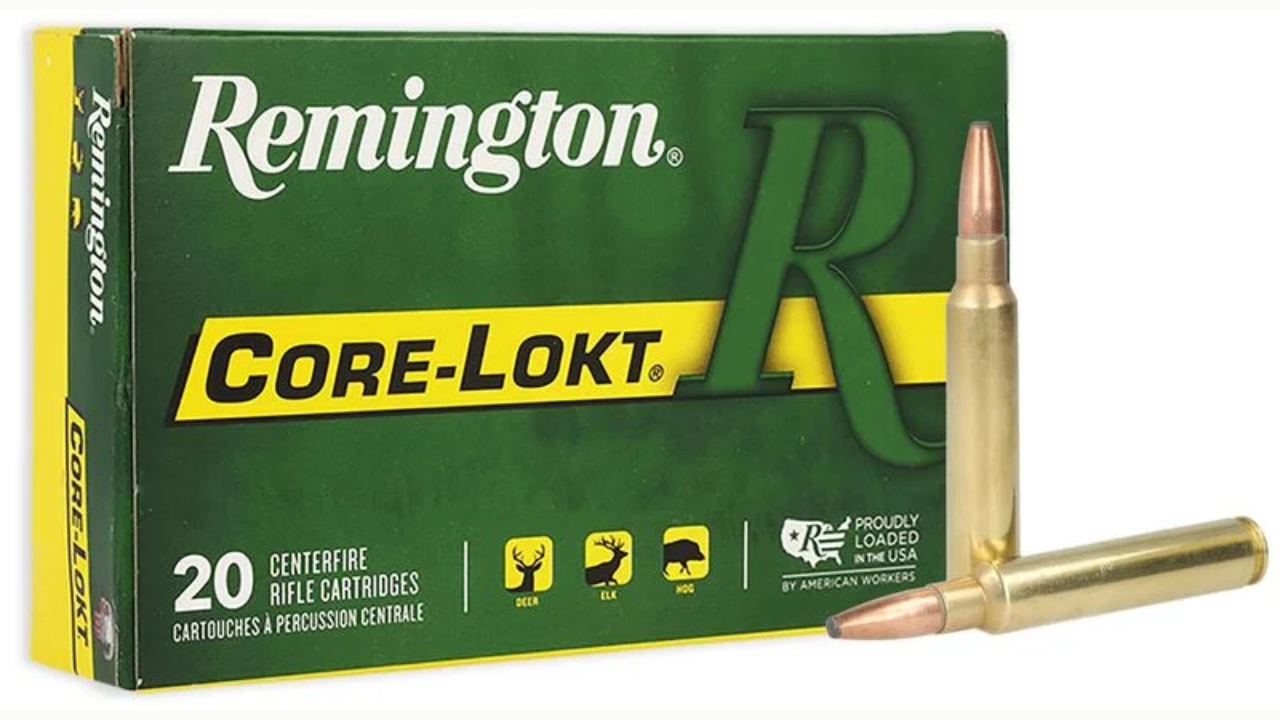
The .338 RUM delivers enormous performance, but that power comes with a small customer base. Most hunters do not need it, and those who do often choose .338 Win Mag or .338 PRC instead.
That leaves ammunition in an awkward position. It is produced, but rarely in enough volume to make it a normal local-stock item. A shop may have one dusty box or none at all. Pricing can also be steep because you are dealing with a large case, heavy bullets, and relatively low production volume. The cartridge still makes sense for certain long-range and big-game applications, but buying one today means accepting that ammunition may need to be ordered rather than picked up locally.
.300 Remington Ultra Magnum

The .300 RUM is more common than .338 RUM, but it can still be surprisingly hard to find outside stores that cater heavily to magnum hunters. It burns a lot of powder, kicks hard, and appeals to a much smaller audience than .300 Win Mag.
That matters when retailers decide what to stock. Most will carry several .300 Win Mag loads and maybe a couple .300 PRC options before they make room for .300 RUM. The owners who still use one tend to be committed to the cartridge, but they often have to plan ahead. Premium hunting ammunition is available, yet local selection can be thin enough that changing bullet brands or weights may be impossible without ordering. It is not extinct by any means, but it is no longer something you can count on seeing everywhere.
.257 Weatherby Magnum
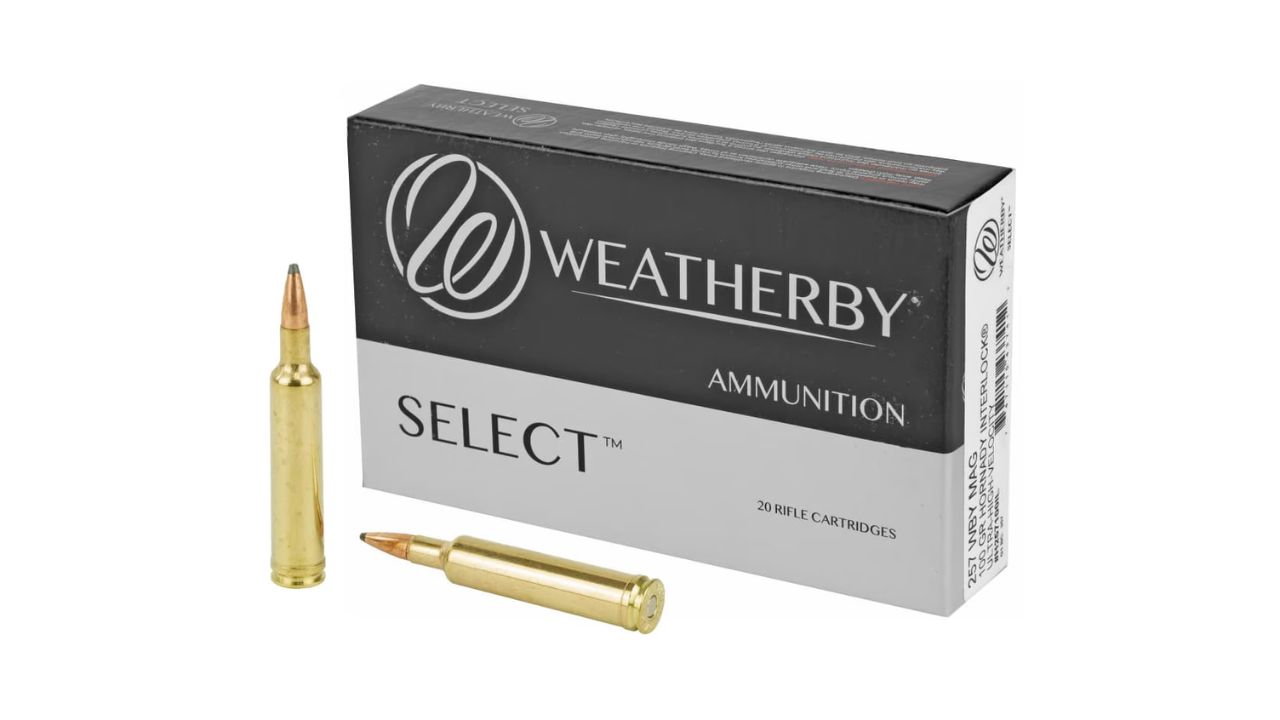
The .257 Weatherby is fast, flat, and devastating on deer and pronghorn, but it has always lived in a more specialized market than the common quarter-bore cartridges.
Ammunition availability depends heavily on where you shop. Some stores with strong Weatherby sales may carry several loads. Others have nothing at all. That makes the cartridge frustrating for hunters traveling away from home because replacing forgotten or lost ammunition can be difficult. The rounds are also expensive enough that retailers may not want much inventory sitting around. If you own one, it makes sense to settle on a load and keep enough on hand for several seasons rather than expecting to find it everywhere.
.340 Weatherby Magnum

The .340 Weatherby is a serious elk, moose, and big-game cartridge with performance that sits well above ordinary .30-caliber magnums. It also has a much smaller following than its capability might suggest.
That small audience makes local ammunition availability terrible in many areas. Even gun stores that carry Weatherby rifles may stock only a few of the brand’s most popular cartridges. .340 often gets left out because demand is low and the ammunition is expensive. If you use one regularly, ordering online or buying multiple boxes at once is almost mandatory. It is a powerful cartridge with a legitimate purpose, but convenience has never been one of its strengths.
Like The Avid Outdoorsman’s content? Subscribe to our newsletter so you never miss an article.
Here’s more from us: