
Photo credit: Sumbria.vikramaditya – CC BY-SA 4.0/Wiki Commons.
Cheap rifle ammunition is not what it used to be, but some cartridges are still noticeably easier on the wallet than their performance would suggest. A few benefit from enormous military and commercial production. Others have become so popular that ammunition companies compete aggressively for the same buyers, keeping basic range ammunition relatively affordable. Even certain hunting rounds can surprise you once you compare them with newer boutique cartridges that routinely cost several dollars every time you pull the trigger.
The important distinction is between cheap practice ammunition and cheap premium hunting ammunition. A cartridge may let you shoot steel all afternoon for reasonable money while still charging considerably more for bonded or match bullets. Even with that limitation, these 20 rounds give shooters more opportunities to practice without turning every range trip into a major expense. Some are obvious bargains, while others have quietly become much less expensive than their reputations suggest.
.22 LR

Nothing else comes close to .22 LR when the goal is putting a lot of rounds downrange for very little money. Even after years of ammunition price increases, bulk .22 LR remains available for only a few cents per shot if you buy larger quantities. That means a shooter can fire several hundred rounds in an afternoon without spending what 100 rounds of many centerfire cartridges would cost.
The real value goes beyond plinking. A good .22 rifle lets you practice trigger control, positional shooting, wind reading, and target transitions without developing a flinch or burning through expensive centerfire ammunition. Premium match .22 LR can become surprisingly expensive, but ordinary high-velocity ammunition remains one of the cheapest ways to practice with a rifle. There is a reason experienced shooters almost always keep at least one accurate rimfire around.
.17 HMR
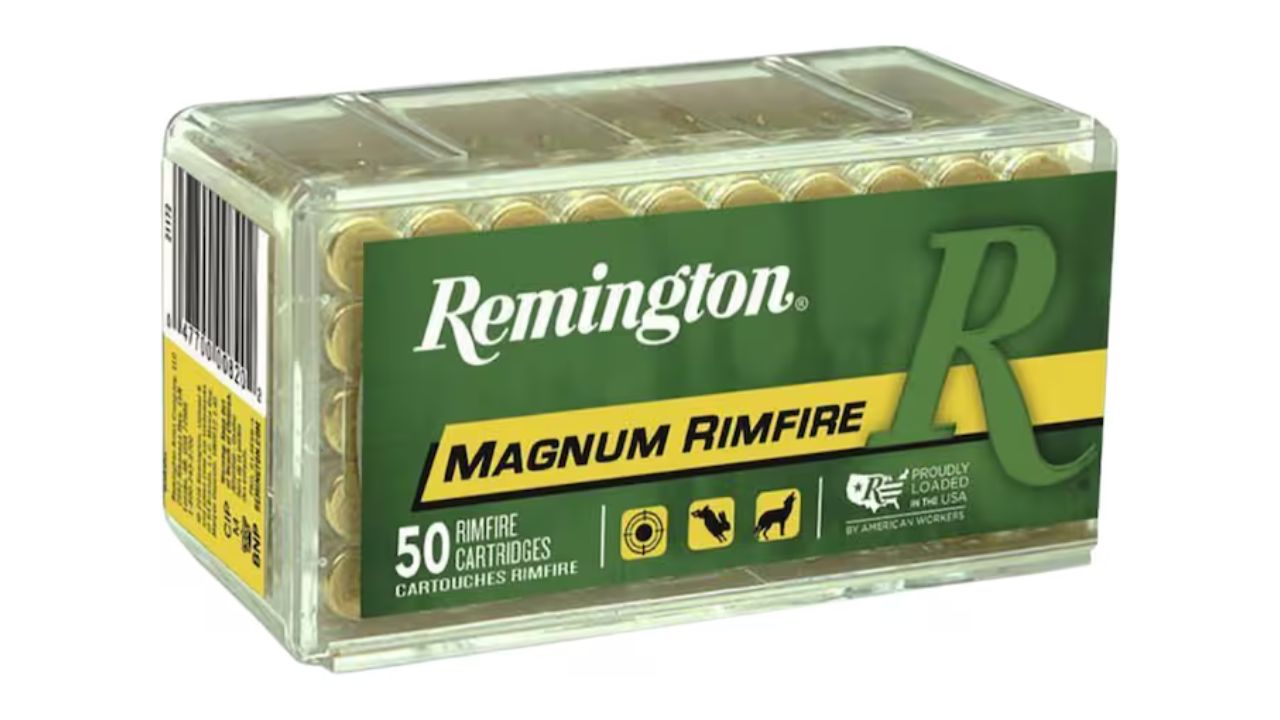
The .17 HMR delivers a lot more performance than its ammunition cost might make you expect. It shoots dramatically flatter than .22 LR, reaches considerably farther on small game, and produces explosive varmint performance without requiring centerfire ammunition prices.
Bulk-style .17 HMR commonly costs only a fraction of what popular varmint centerfires do. That makes it particularly attractive for shooters who want to spend an afternoon working over prairie dogs, ground squirrels, or steel targets at distances where .22 LR starts becoming difficult. You still get very little recoil and mild report compared with a centerfire. It is obviously more expensive than .22 LR, but the increase in useful range is substantial. For a cartridge capable of making small targets surprisingly easy at 150 yards, .17 HMR remains inexpensive entertainment.
.22 WMR

The .22 Magnum is another cartridge whose price makes more sense when you consider what it actually does. It gives you noticeably more velocity and energy than .22 LR while remaining much cheaper to shoot than most centerfire varmint cartridges.
For small game, pests, and close-range predators, that creates a useful middle ground. You get enough power to extend beyond ordinary rimfire distances without moving into .223 ammunition, louder report, and greater ammunition expense. The .22 WMR also has an enormous installed base of rifles, which encourages manufacturers to keep producing plenty of different loads. Premium hunting ammunition costs more, but basic loads remain affordable enough for regular practice. For rural property owners especially, it is still one of the least expensive cartridges that feels like a meaningful step above .22 LR.
.17 Winchester Super Magnum
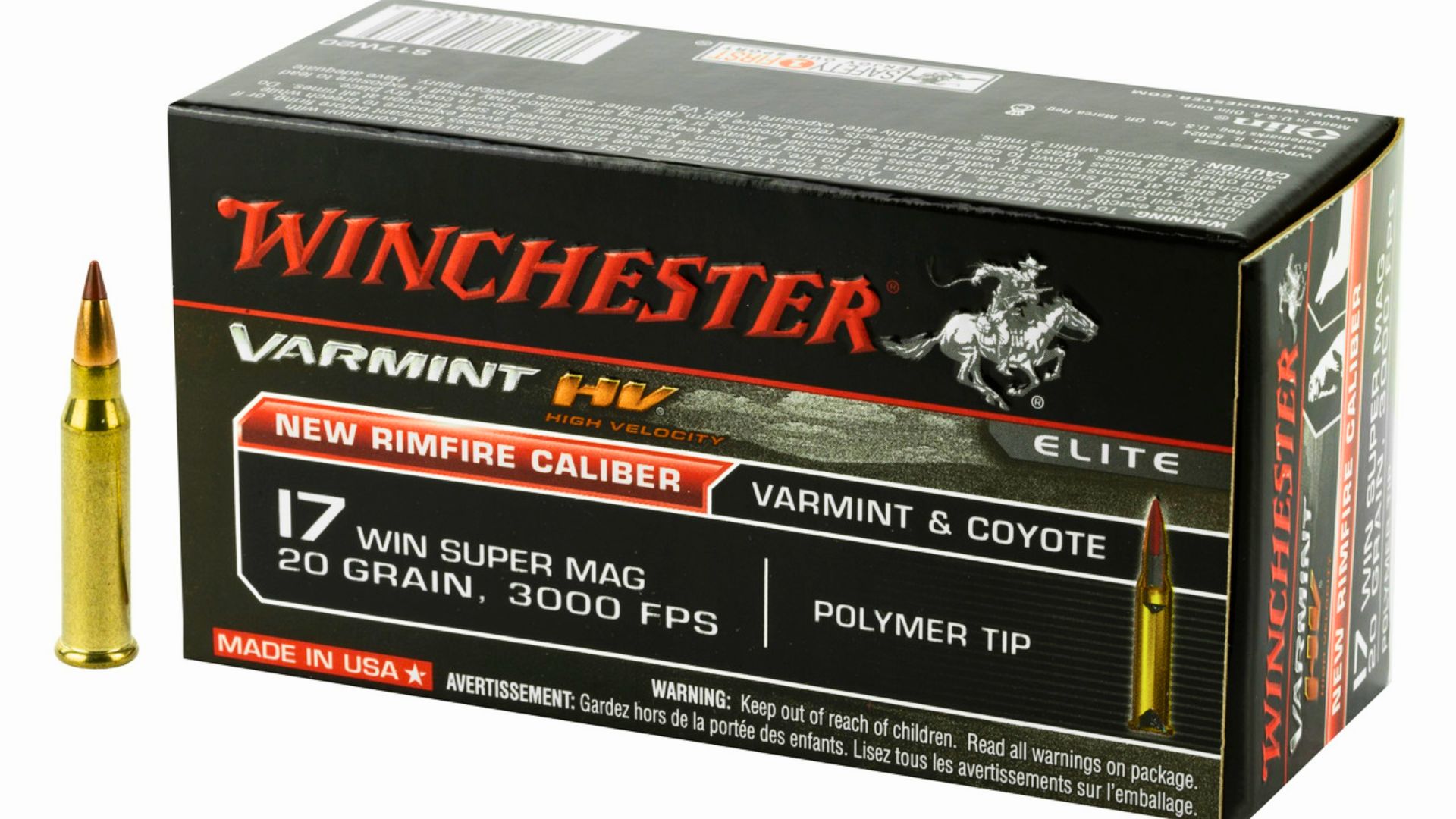
The .17 WSM never became the runaway success Winchester probably hoped for, but its ammunition can still offer impressive performance for the money. It drives tiny bullets considerably faster than .17 HMR and gives varmint hunters centerfire-like trajectory at many practical distances.
That is what makes the cost interesting. You are getting considerably more velocity than ordinary rimfire cartridges without paying typical centerfire prices. Rifle selection is nowhere near as broad as .17 HMR, which limits the cartridge’s popularity, but owners who already have one can shoot a very flat little varmint round relatively cheaply. It is particularly appealing for high-volume pest control where burning through boxes of .22-250 or .223 ammunition would add up quickly. The WSM may be niche, but the performance-per-dollar ratio is hard to ignore.
.223 Remington
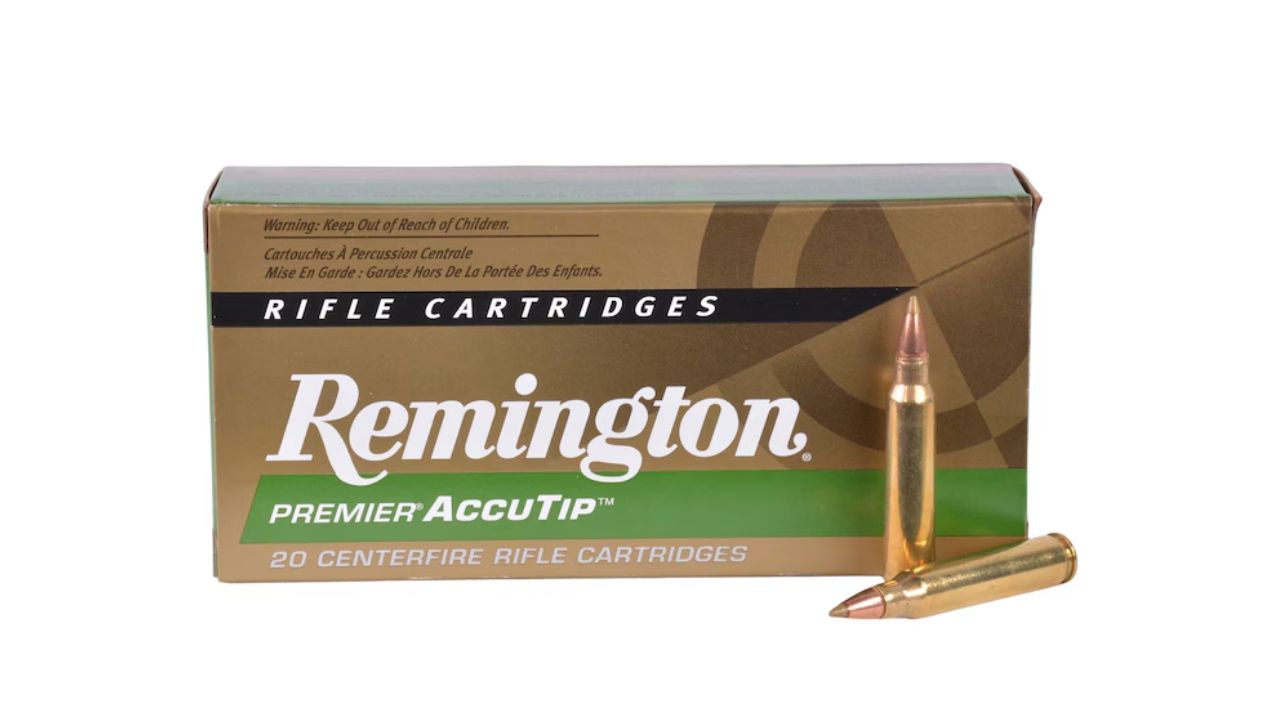
The .223 Remington remains one of the cheapest centerfire rifle cartridges in America because manufacturers produce enormous quantities of it. Bolt rifles, AR-15s, varmint rifles, and countless training guns all use the cartridge, creating a market large enough to support constant competition among ammunition companies.
Basic FMJ ammunition can be purchased in bulk for far less than most hunting cartridges, while inexpensive soft points are commonly available for predators and varmints. Even premium match ammunition benefits from the huge number of components and manufacturers supporting the cartridge. The low recoil also encourages longer practice sessions because shooters do not get battered after a few boxes. If you want a centerfire rifle you can actually afford to shoot regularly, .223 remains one of the safest choices available.
5.56 NATO

The 5.56 NATO benefits from the same enormous manufacturing infrastructure that keeps .223 affordable, but military-style bulk ammunition makes it especially attractive for high-volume shooters. Cases of 55- and 62-grain ammunition are constantly being produced for AR owners, training markets, and institutional buyers.
That scale matters. Even when ammunition prices rise across the board, 5.56 tends to remain relatively inexpensive compared with cartridges produced in much smaller quantities. The cartridge also makes training with a defensive or general-purpose rifle economically realistic. Instead of carefully rationing a box of 20 rounds, you can buy several hundred at a time and actually practice reloads, positional shooting, and rapid strings. Premium defensive loads are considerably more expensive, but ordinary range ammunition remains one of the best values in centerfire rifle shooting.
7.62x39mm

The days of absurdly cheap imported 7.62×39 are gone, but the cartridge is still surprisingly affordable compared with many centerfire rifle rounds. Current bulk ammunition often remains well below the cost of conventional hunting cartridges, especially when buying steel-cased or inexpensive FMJ loads.
That matters because rifles chambered in 7.62×39 tend to encourage high-volume shooting. AKs, SKSs, and increasingly bolt-action rifles are fun to shoot quickly, and mild recoil makes long range sessions easy. The cartridge also offers considerably more bullet weight than 5.56 while remaining relatively inexpensive. Quality hunting ammunition costs more, but there are enough affordable soft-point options to make it useful beyond the range. It may no longer be the bargain it was 20 years ago, but it is still one of the cheaper medium-power centerfires to feed.
.300 AAC Blackout
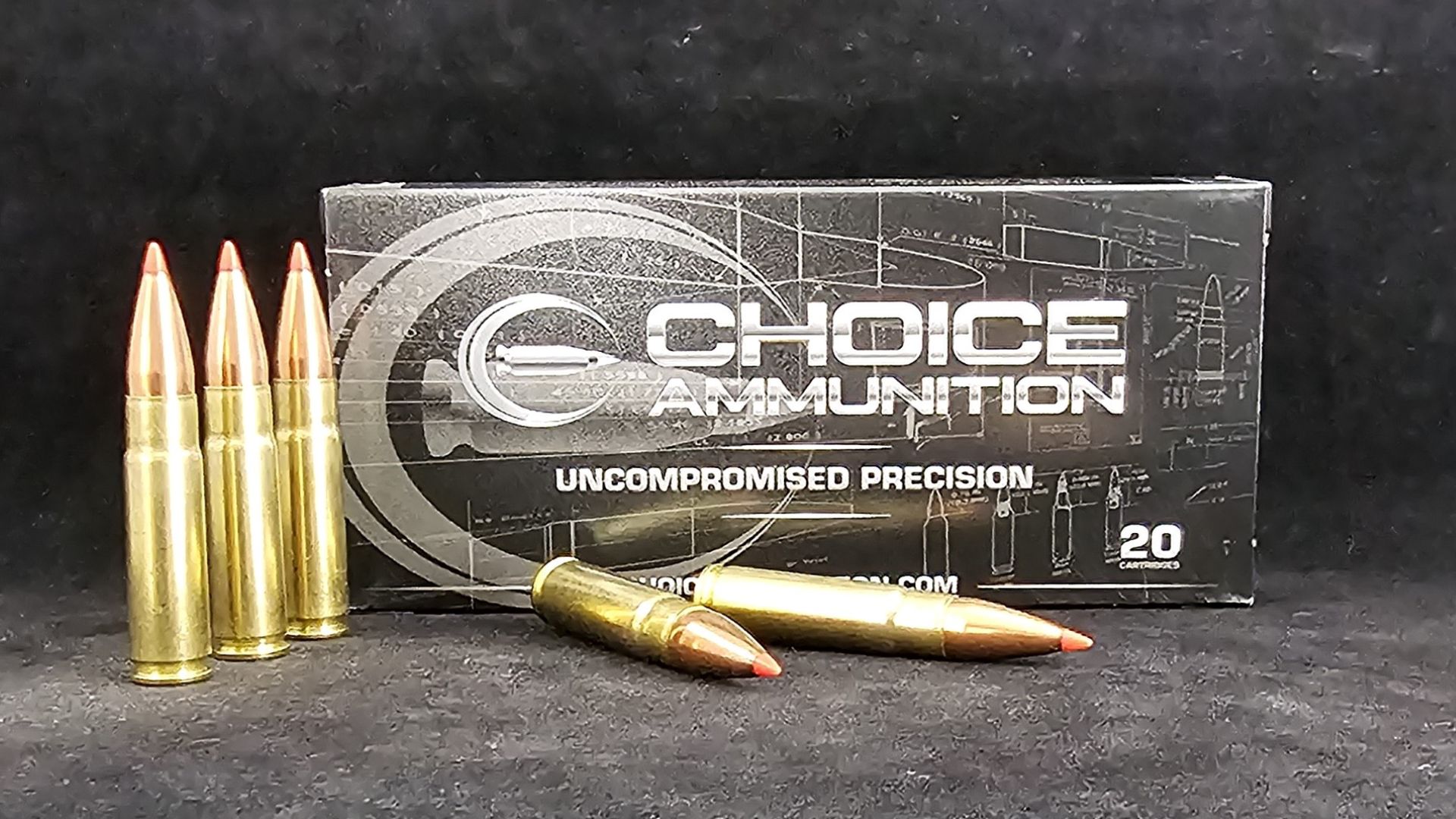
.300 Blackout used to carry a noticeable boutique-cartridge premium. That has changed dramatically as the cartridge has become mainstream. Large manufacturers now produce huge quantities of both supersonic and subsonic ammunition, and inexpensive range loads have pushed prices much closer to 7.62×39 than many shooters realize.
Supersonic FMJ ammunition is particularly affordable compared with the early days of the cartridge. That makes practicing with a .300 Blackout AR far less painful financially than it once was. Subsonic loads still cost more because they use heavier bullets, but even those have become more competitive as demand has grown. Considering that .300 Blackout gives shooters reliable short-barrel performance and excellent suppressor compatibility from a standard AR-15-sized platform, its current ammunition cost is surprisingly reasonable.
.308 Winchester
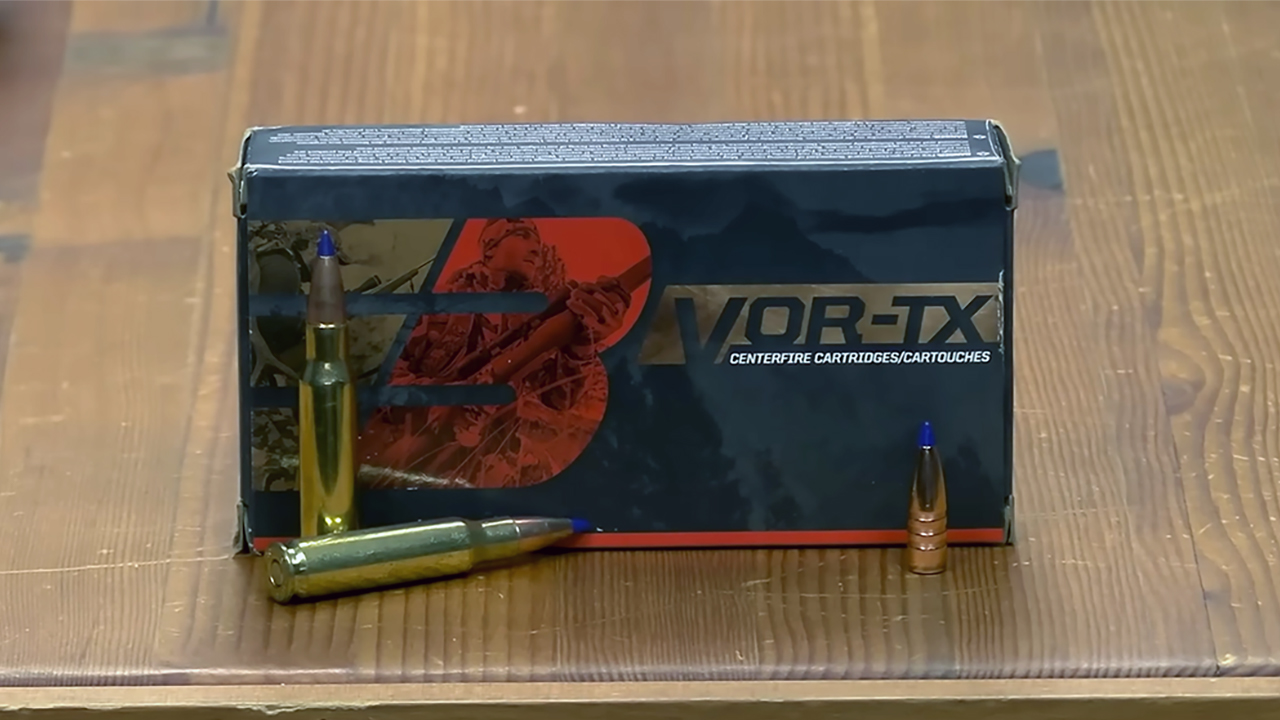
People sometimes assume .308 is expensive because it is a full-power rifle cartridge, but enormous commercial and military demand keeps inexpensive ammunition widely available. Basic FMJ can cost dramatically less than hunting ammunition for cartridges with nowhere near the same market size.
That means a .308 owner has options. You can practice with bulk ammunition, then sight in with premium hunting loads without spending premium money on every trigger press throughout the year. The cartridge also has one of the widest ammunition selections imaginable, from inexpensive ball ammunition to match loads and heavy hunting bullets. Compared with cartridges such as .300 Win Mag, .280 Ackley Improved, or newer long-range rounds, .308 can be remarkably cheap to practice with. For a full-power cartridge capable of handling deer and elk, that remains a huge advantage.
6.5 Creedmoor

6.5 Creedmoor was once treated like an expensive specialty long-range cartridge. Popularity completely changed that. Nearly every major ammunition company now loads it, and competition has pushed basic ammunition prices much lower than many shooters expect.
You can still spend plenty on premium match loads, but inexpensive 6.5 Creedmoor ammunition is now close enough to .308 pricing that the difference often does not matter for moderate-volume practice. That is impressive for a cartridge offering excellent external ballistics, mild recoil, and widespread hunting capability. Shooters also benefit from the enormous selection of rifles and components built around it. Whatever anyone thinks about the hype surrounding Creedmoor, mass adoption did one undeniably good thing: it made a genuinely capable long-range cartridge much cheaper to feed than most comparable specialty rounds.
.243 Winchester

The .243 Winchester benefits from decades of popularity among deer hunters, varmint shooters, and youth hunters. That long-established demand means manufacturers continue loading it in substantial numbers, keeping basic ammunition cheaper than many less common hunting cartridges.
It is especially economical when you consider how versatile it is. One rifle can handle varmints with lighter bullets and deer with heavier hunting loads, eliminating the need to feed multiple specialty rifles. Recoil is mild enough that practicing with it does not become physically tiring either. Premium hunting bullets can still be expensive, but ordinary soft-point ammunition is often available at prices below newer 6mm cartridges. The .243 may not get much attention from shooters chasing the latest ballistic trends, but inexpensive ammunition is one reason it continues making sense.
.30-30 Winchester

Nobody would call .30-30 dirt cheap anymore, but it can be surprisingly affordable compared with other traditional lever-gun cartridges. Basic 150- and 170-grain hunting loads are produced in enough volume that prices often remain far below .45-70, .444 Marlin, or many uncommon woods cartridges.
That is especially important because almost every .30-30 round sold is useful hunting ammunition. There is not a huge market for cheap FMJ practice loads, so the price you see is generally buying an actual deer-capable cartridge. When you compare that with spending several dollars per round on other big-bore lever guns, .30-30 starts looking inexpensive. Recoil is also manageable enough to practice regularly. For someone who wants to hunt with a classic lever rifle without making every box of ammunition painful to purchase, the .30-30 still has a major economic advantage.
.350 Legend

The .350 Legend has become much cheaper to shoot than many people expected when it first appeared. Straight-wall hunting laws created a large enough customer base that ammunition manufacturers quickly invested in the cartridge, and inexpensive practice loads followed the hunting ammunition.
That broad support makes it unusual among relatively new cartridges. Instead of being stuck with nothing but premium $40-plus hunting boxes, shooters can find range ammunition at much more manageable prices. The cartridge also uses relatively modest powder charges and common bullet diameters, helping keep manufacturing costs under control. For hunters in straight-wall states, the value is particularly strong because competing cartridges such as .450 Bushmaster often cost significantly more per shot. The Legend may not be exciting on a ballistic chart, but it is affordable enough that owners can actually practice with their deer rifles.
6.5 Grendel
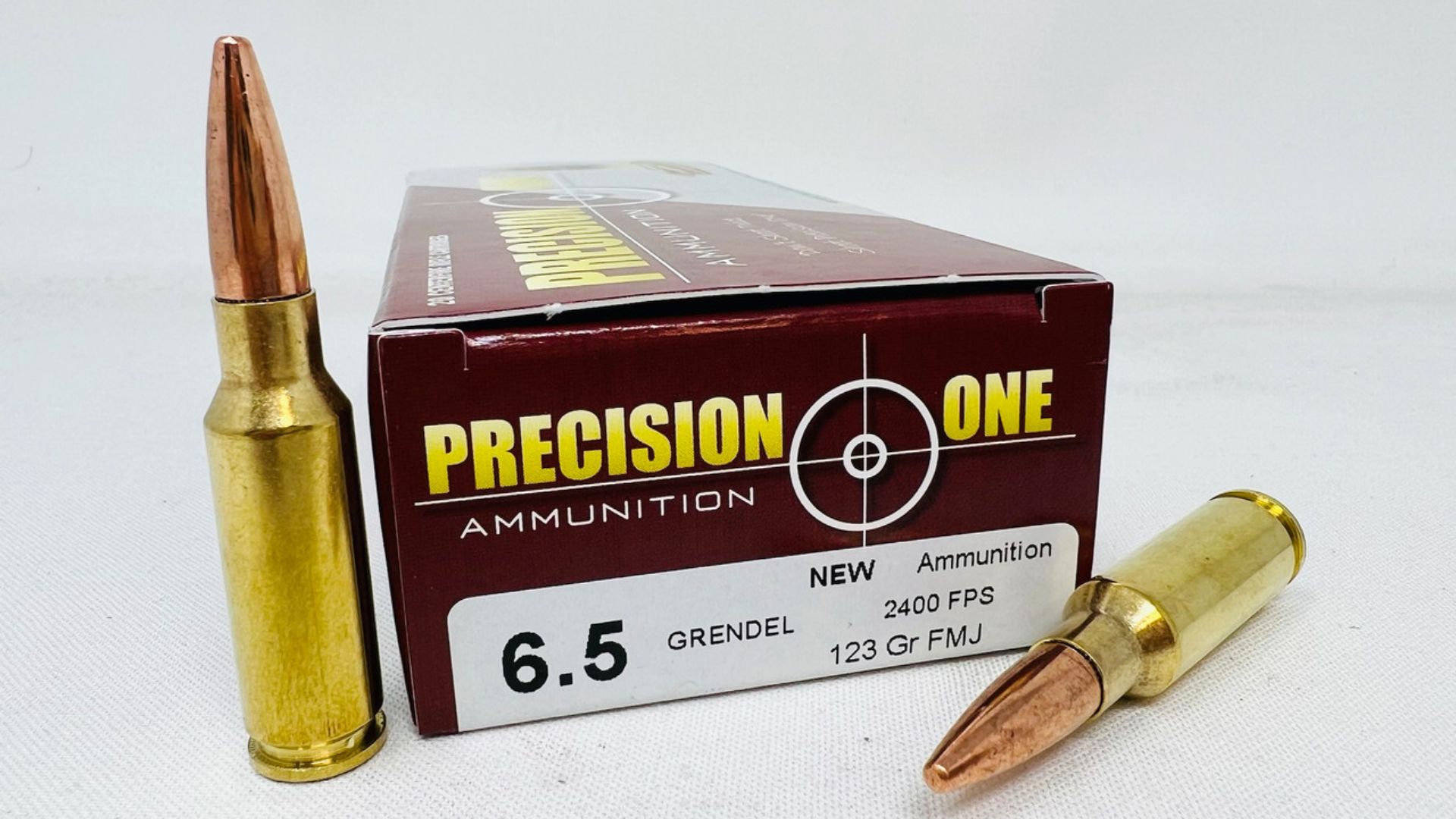
6.5 Grendel has a reputation as a specialized AR cartridge, so its ammunition price can surprise people. Affordable imported and domestic loads have periodically pushed the cost much closer to 7.62×39 than to premium long-range ammunition.
That is impressive considering how much downrange capability the cartridge offers. The Grendel carries velocity better than 7.62×39, provides useful deer-hunting performance, and can stretch an AR-15 well beyond normal intermediate-cartridge distances. Premium hunting and match ammunition still gets expensive, but affordable FMJ and basic loads make practice manageable. It is not as cheap as 5.56, yet few cartridges that fit into an AR-15-size action offer this combination of range and bullet weight for similar money. For shooters who want more capability without moving into an AR-10, the ammunition cost is easier to swallow than many assume.
.22-250 Remington

The .22-250 is not a bulk-ammunition cartridge, but it remains surprisingly inexpensive compared with other high-velocity varmint rounds. Decades of popularity mean nearly every major manufacturer still offers loads for it, and basic ammunition can sometimes be found for less than many ordinary deer cartridges.
That is significant considering the performance. The .22-250 can push lightweight bullets at extremely high velocity, providing a flat trajectory that makes predator and varmint shooting easier at several hundred yards. Cartridges offering comparable specialization often carry much higher ammunition prices simply because production volumes are lower. You are not going to shoot .22-250 as cheaply as .223, but compared with more exotic varmint rounds, it remains one of the least expensive ways to get serious speed from a centerfire rifle.
.30 Carbine

.30 Carbine is another cartridge whose large historical production base helps keep it more affordable than expected. Millions of M1 Carbines, reproductions, and commercial rifles created enough long-term demand that manufacturers still produce considerable quantities of ammunition.
Basic FMJ is usually much cheaper than conventional hunting ammunition, which makes the little carbine practical for recreational shooting. It has mild recoil, low report compared with full-power rifle cartridges, and enough accuracy for casual steel shooting at moderate distances. The cartridge is not an ideal deer round and was never intended to compete with .308 or .30-06. Its value is recreational. For an 80-year-old cartridge tied largely to one famous rifle platform, being able to buy relatively affordable factory ammunition at all is impressive.
7.62x54R

7.62x54R used to be nearly synonymous with dirt-cheap surplus ammunition. Those days are mostly over, but the cartridge can still be less expensive than you would expect from a full-power round capable of matching the general performance class of .308 and .30-06.
Commercial ammunition remains available from multiple manufacturers, and basic FMJ often costs far less than premium hunting rounds for comparable cartridges. That keeps Mosin-Nagants, PSL-style rifles, and other 7.62x54R guns reasonably affordable to exercise. The cartridge’s age is also part of what makes its continued affordability surprising. It dates to the 19th century yet remains in military and commercial use. You will not find the old spam-can bargains anymore, but it can still be cheaper to shoot than many newer cartridges offering similar power.
.30-06 Springfield

The .30-06 looks expensive if you compare it directly with .223, but among full-power hunting cartridges it remains surprisingly reasonable. More than a century of popularity has created enormous production volume, and nearly every ammunition company offers basic soft-point hunting loads.
That competition keeps entry-level ammunition prices below many newer or less popular big-game cartridges. More importantly, those inexpensive loads are not merely range ammunition. A basic 150- or 180-grain soft point is fully capable of handling deer and other big game. You can practice and hunt with relatively inexpensive ammunition without needing separate premium loads unless you want them. Compared with cartridges such as .300 PRC, .280 Ackley Improved, or many Weatherby rounds, the old .30-06 remains remarkably economical considering the amount of hunting capability it provides.
.270 Winchester
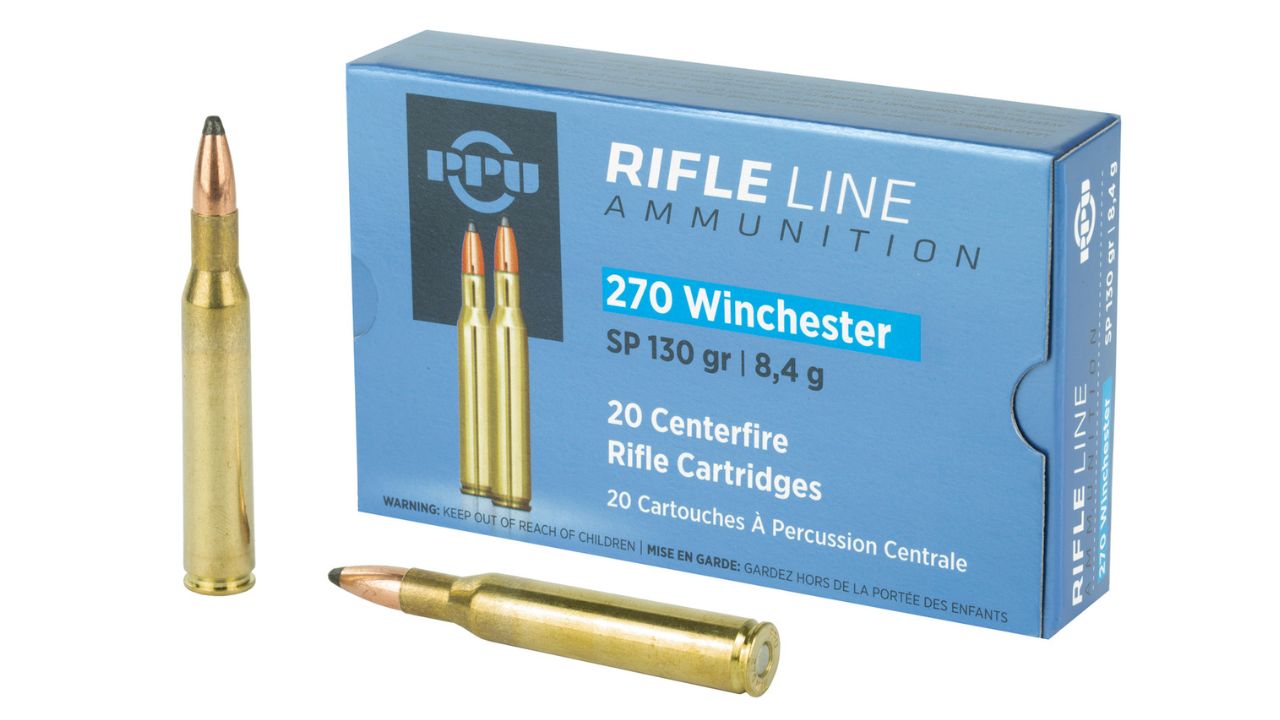
The .270 Winchester benefits from the same advantage as .30-06: enormous long-term demand. Generations of deer and elk hunters have kept it popular enough that ammunition manufacturers compete heavily in the basic hunting-ammunition market.
That means ordinary 130- and 150-grain soft-point loads can often be purchased for considerably less than ammunition for newer long-range cartridges. You also do not need specialized high-dollar bullets for the cartridge to perform well on deer. Conventional ammunition has been doing that job successfully for decades. There are certainly cheaper cartridges for high-volume target shooting, but among serious centerfire hunting rounds the .270 remains relatively inexpensive to keep fed. Its popularity has effectively protected it from the price premiums that plague many less common cartridges.
.204 Ruger

The .204 Ruger is more specialized than .223 or .22-250, but ammunition can still be surprisingly reasonable given the speeds it produces. Tiny bullets and relatively modest powder charges help keep material costs down, while enough varmint shooters use the cartridge to support regular factory production.
For prairie dogs, ground squirrels, and predators, the cartridge gives you extremely flat trajectory and almost nonexistent recoil. That makes it excellent for longer shooting sessions where spotting your own impacts matters. Basic .204 Ruger ammunition costs more than bulk .223, but it is often cheaper than shooters expect from a cartridge capable of pushing bullets past 4,000 feet per second. Compared with larger specialty varmint cartridges, it delivers a lot of speed without requiring huge powder charges or expensive heavy bullets. That efficiency keeps it viable for shooters who actually intend to fire more than a handful of rounds per trip.
Like The Avid Outdoorsman’s content? Subscribe to our newsletter so you never miss an article.
Here’s more from us: