Photo credit: Mossberg
A rifle can have a good barrel, decent trigger, and reliable action, then completely ruin the experience with a bad magazine. Feed-lip problems, weak springs, awkward insertion, brittle bodies, poor geometry, and inconsistent locking can turn a perfectly usable rifle into something shooters stop trusting. In some cases, the magazine becomes the weak link everyone eventually replaces.
Factory magazines also have a way of exposing cost-cutting faster than almost any other part of a rifle. A cheap stock may look ugly and still work. A bad magazine can cause failures every few rounds. Some of the rifles on this list had magazine problems tied to specific generations or early production runs rather than every example ever made, but the reputation stuck for a reason. These 20 rifles are remembered at least partly because their factory magazines caused more frustration than they should have.
Remington 597

The Remington 597 had a lot going for it as a semiautomatic .22, but its early factory magazines became one of the biggest reasons the rifle never seriously threatened the Ruger 10/22. The original magazines had a reputation for inconsistent feeding, poor dimensional consistency, and lips that did not always present cartridges correctly.
Later magazine revisions improved things, but by then the reputation was already established. Rimfire semiautomatics are sensitive to magazine geometry, and the 597 showed exactly how badly things can go when that part is not sorted out from the beginning. Plenty of rifles ran well with good magazines, but owners often learned quickly that one magazine could be reliable while another caused stoppages constantly. That kind of inconsistency is hard to forgive in a rifle meant for inexpensive high-volume shooting.
Savage 64
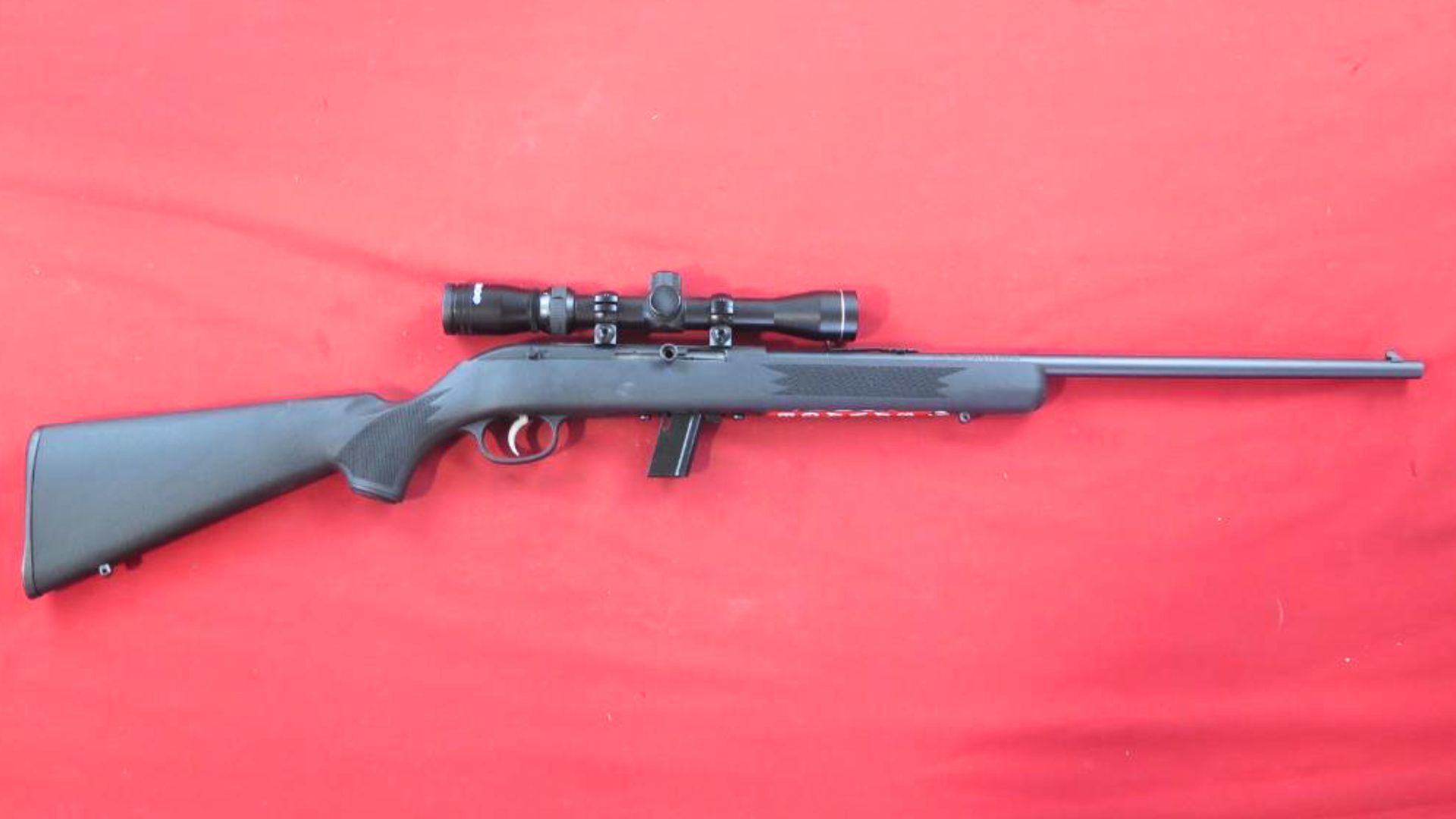
The Savage 64 is an affordable .22 that can shoot well enough for plinking and small game, but its factory magazines have never been one of the rifle’s strong points. They can be awkward to load, stiff to insert, and inconsistent about feeding depending on the individual magazine.
Part of the problem is that the design feels crude compared with better rimfire magazine systems. Owners sometimes end up marking the magazines that work and avoiding the ones that do not. That is not exactly confidence inspiring. The rifle itself is inexpensive, so some compromise is expected, but the magazine is one area where cost savings are immediately noticeable. A cheap rifle can still be dependable, yet the 64’s magazine setup has caused enough frustration over the years that it deserves a place here.
Marlin 795
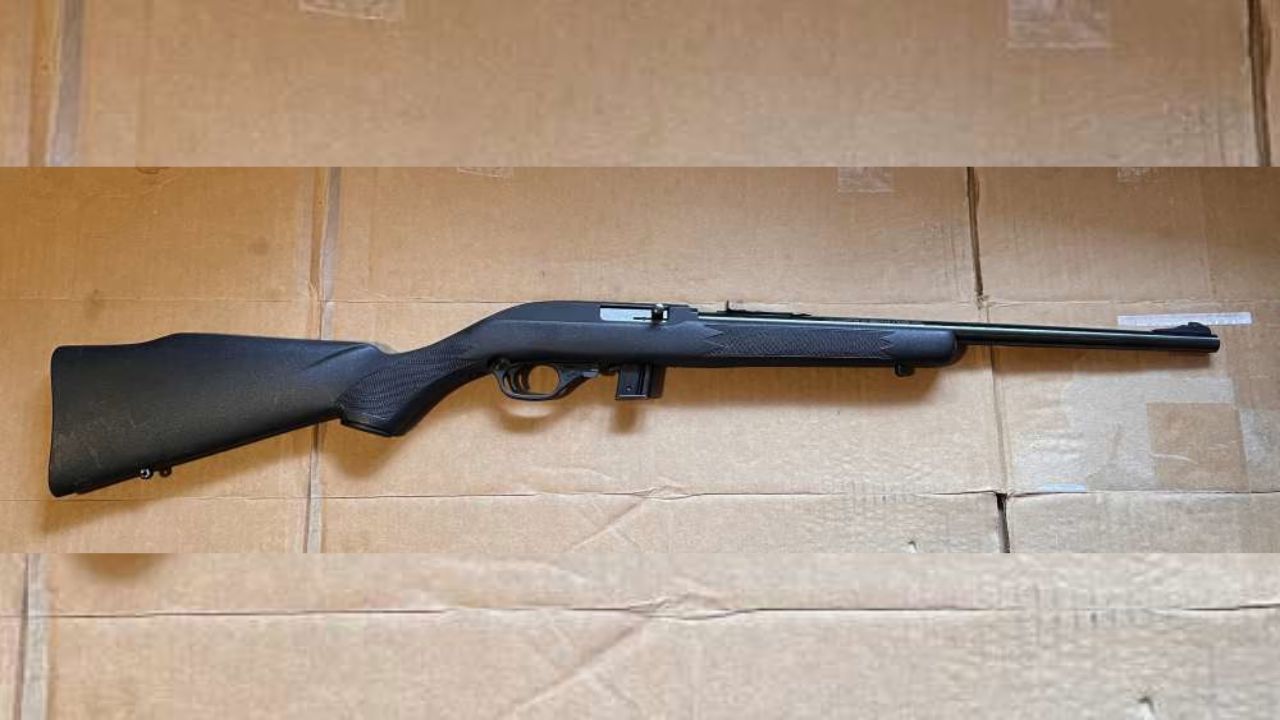
The Marlin 795 was a handy, accurate little .22, but the detachable magazine was not nearly as elegant as the rifle deserved. Factory magazines were small, somewhat awkward to handle, and could be finicky about seating fully.
The biggest issue was not always outright failure. It was that the magazine system felt less polished than the tube-fed Marlins many shooters already trusted. The little steel magazines also became easy to lose, and replacement availability was not always ideal after production changes. A reliable individual magazine could work perfectly well, but the overall system never inspired the same confidence as Ruger’s rotary design. The 795 remained a good shooter despite the magazine rather than because of it.
Mossberg 715T

The 715T looked like a tactical rimfire, but underneath the styling it remained a budget .22 platform, and the factory magazines reflected that. Owners have complained about difficult loading, inconsistent feeding, and magazines that can be more sensitive to ammunition than they should be.
High-capacity rimfire magazines are difficult to get right because tiny .22 cartridges stack poorly compared with centerfire rounds. The 715T’s magazine system did not always handle that challenge gracefully. When everything is clean and the ammunition cooperates, the rifle can run fine. Once the magazine becomes dirty or slightly worn, reliability can deteriorate quickly. That is a bad trait for a rifle marketed around higher-capacity recreational shooting, where the entire point is to fire a lot of rounds.
Remington 522 Viper
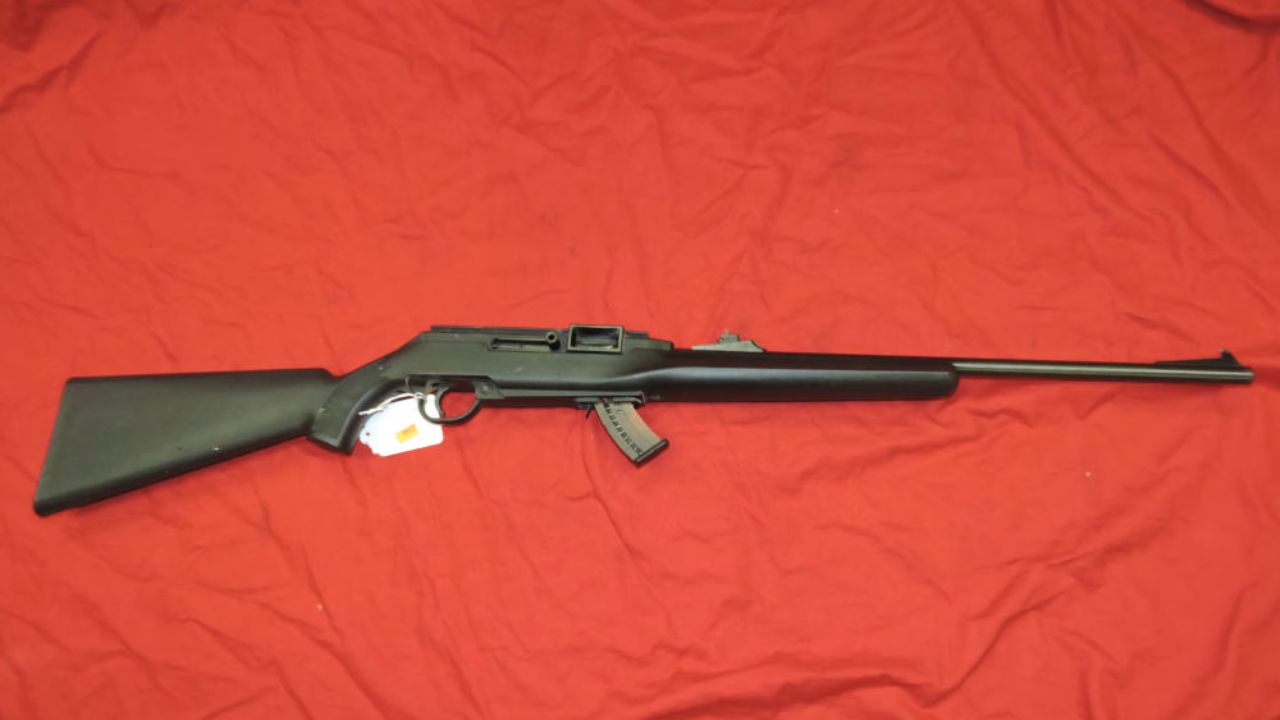
The 522 Viper is remembered for several reasons, and the magazine is one of the biggest. Its plastic magazines were not particularly durable and could become unreliable as the feed lips wore or the body took abuse.
That was especially disappointing because a .22 rifle should be easy to keep running for years. Instead, owners often found themselves searching for replacements or carefully preserving the magazines they had. Once a rifle’s magazine becomes difficult to replace, every cracked body or damaged lip becomes a much bigger problem. The Viper’s magazine design helped turn what should have been a straightforward rimfire into a long-term parts headache, and that reputation still follows the model.
Ruger Mini-14 With Early Aftermarket-Style Factory Alternatives

The Mini-14 itself is generally reliable, but magazine quality has always mattered enormously. Genuine Ruger magazines usually work well, while inferior alternatives historically caused so many problems that the rifle gained a reputation for being picky.
Some factory-era magazine configurations and lower-capacity designs were also clumsier than shooters expected, especially compared with the abundance of cheap AR magazines. The Mini’s rock-and-lock style requires a little more technique, and a magazine that is even slightly out of spec can create feeding issues. The rifle is not cursed with universally bad factory magazines, but its reputation is permanently tied to magazine sensitivity. In a market where AR magazines are cheap, plentiful, and usually excellent, that sensitivity feels especially dated.
Browning BAR Detachable Box Magazine Systems
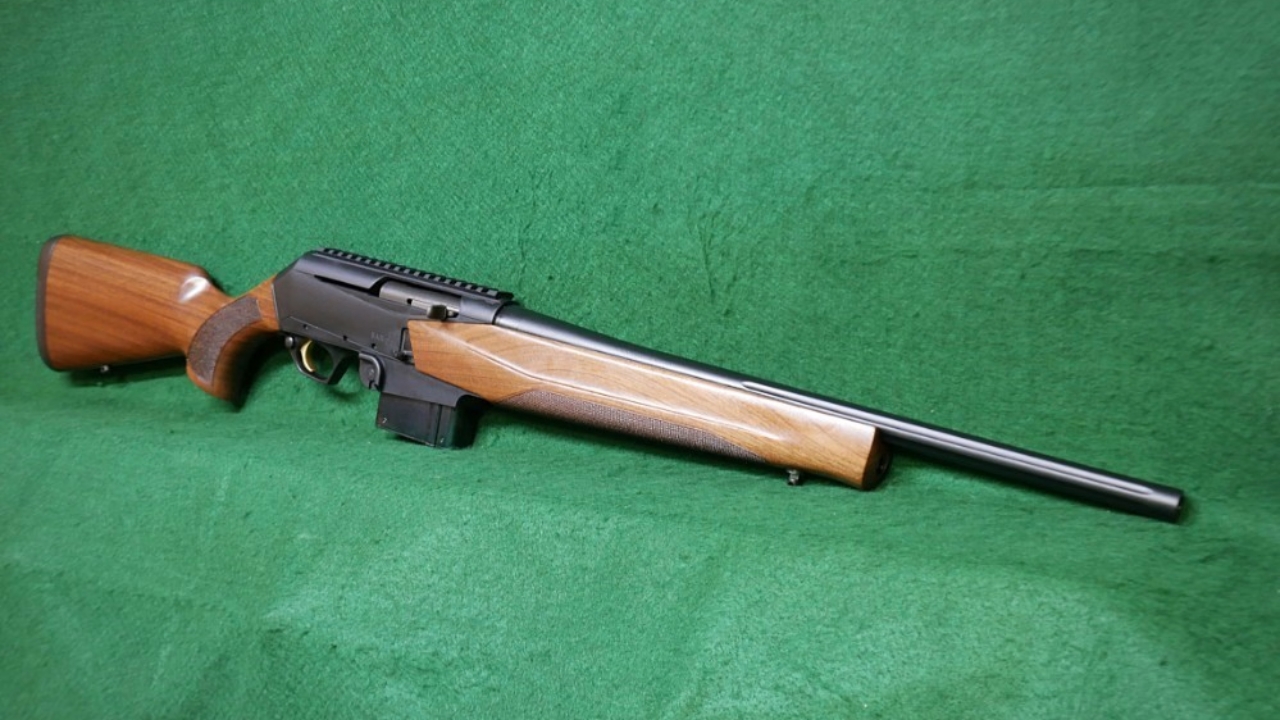
The sporting BAR is an excellent semiautomatic hunting rifle, but its detachable magazine arrangement can be more awkward than expected. On several generations, the magazine interacts with a floorplate assembly rather than simply inserting straight into the rifle.
That arrangement is secure but not especially quick or graceful. Hunters used to simple detachable box magazines often find the system fiddly, particularly in cold weather or while wearing gloves. The magazines themselves are generally reliable, but the design feels unnecessarily complicated for a rifle that otherwise handles smoothly. This is one of those cases where “worst” is less about constant malfunctions and more about a factory magazine system that is simply far less convenient than modern alternatives.
Browning BLR

The BLR’s detachable box magazine is necessary because the rifle is designed to use pointed bullets and high-pressure cartridges that traditional tube magazines cannot handle. Mechanically, that makes sense.
The problem is cost, availability, and model-specific compatibility. BLR magazines are not the kind of thing you casually find everywhere, and different generations can use different magazine patterns. Lose one on a trip and the rifle can become nearly useless until you locate the correct replacement. They also tend to be expensive compared with common detachable magazines. Reliability is usually good, but the ownership experience is frustrating enough that many BLR owners guard their magazines carefully. A hunting rifle should not make one small detachable part feel like a collectible.
Winchester Model 88

The Model 88 was ahead of its time in many ways, but the detachable magazine has become one of the rifle’s biggest headaches for modern owners. Original magazines are increasingly scarce, and replacements can be expensive or inconsistent.
That was not necessarily a serious problem when the rifles were new and factory magazines were easy to obtain. Decades later, it matters enormously. A damaged feed lip or lost magazine can turn an otherwise excellent hunting rifle into a project. The rifle’s design depends completely on that detachable box, so there is no easy fallback. The Model 88 is a great example of how a magazine can become the weak point of an otherwise desirable older rifle once factory support disappears.
Remington 7400

The 7400’s detachable magazines are functional when everything is right, but they can be extremely sensitive to damage, dirt, and feed-lip condition. A slightly bent magazine can create failures that owners wrongly blame on the rifle itself.
That sensitivity is especially frustrating in a hunting gun, where reliability should be boring. Original magazines also vary in condition now that many rifles have been around for decades. Some aftermarket replacements make the situation worse rather than better. A good 7400 with a good magazine can run reliably, but diagnosing which part is causing trouble can become annoying. The magazine system is not catastrophically bad, yet it has generated enough feeding complaints over the years to deserve criticism.
Remington 742
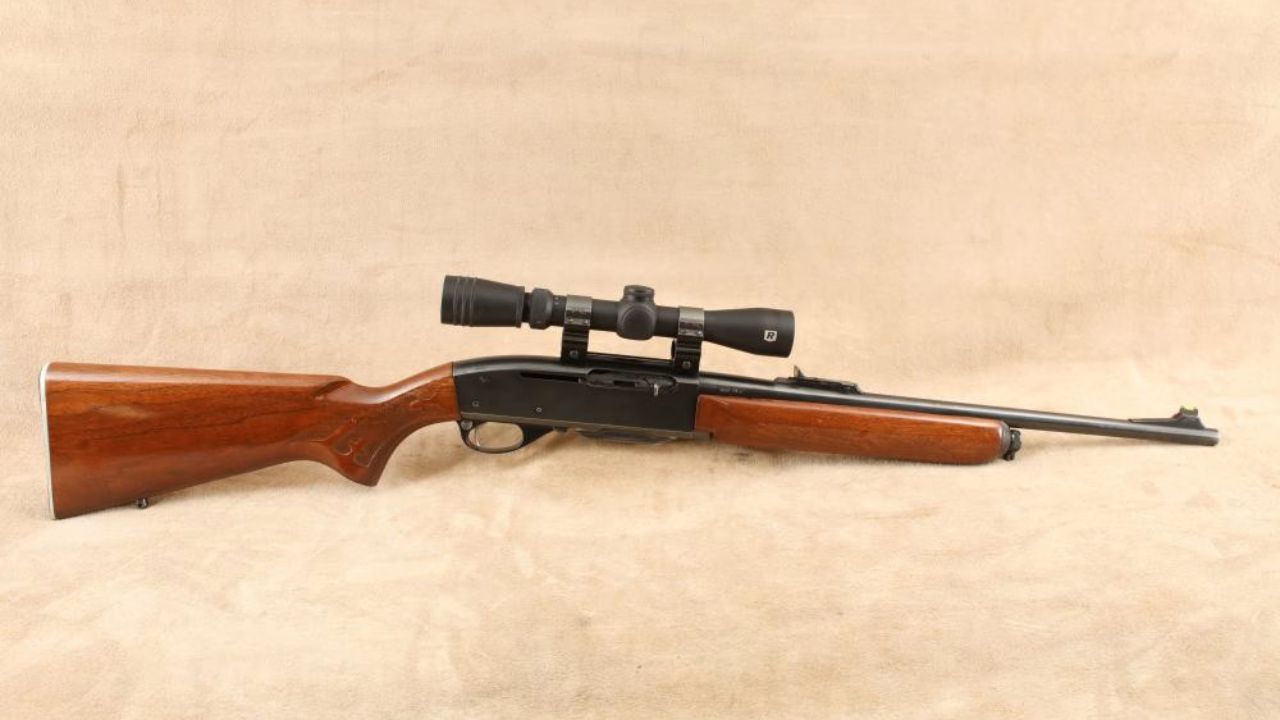
The 742 shares many of the same magazine frustrations as the later 7400, only age often makes the problem worse. Original magazines may be worn, dented, or slightly distorted after decades of use.
Because the rifle already has a reputation for other mechanical wear issues, magazine-caused malfunctions can become difficult to separate from action problems. Owners may chase the rifle when the real culprit is simply a tired magazine. The detachable design was convenient compared with traditional fixed hunting-rifle magazines, but it was never especially tolerant of damage. Today, finding a truly good original magazine can be just as important as inspecting the rifle itself.
Winchester XPR

The XPR is an affordable bolt-action that generally shoots well, but its polymer detachable magazine has never felt particularly premium. The body is light, the latch system can feel cheap, and the whole setup contrasts sharply with the rifle’s otherwise solid accuracy.
Most work reliably, which matters more than appearance, but the magazine still feels like one of the obvious cost-cutting areas. Hunters who grew up with steel internal magazines or better-finished detachable systems often notice immediately. The XPR proves that a magazine does not have to malfunction constantly to hurt a rifle’s reputation. Sometimes it just feels too cheap for something that is supposed to survive years of hard use in the field.
Ruger American Rifle First Generation

The first-generation Ruger American was a tremendous value, but its rotary magazines were one of the most criticized parts of the rifle. Some worked perfectly. Others were picky about feeding, difficult to load, or inconsistent depending on cartridge family.
That variability became especially frustrating because the rifle itself was often impressively accurate. Owners could have a budget rifle shooting tight groups and still be fighting a magazine that did not feed smoothly. Ruger later moved several versions toward more conventional magazine patterns, which says a lot about how the market responded. The original rotary system was clever, but clever does not matter if shooters trust simpler alternatives more.
Ruger American Ranch In 7.62×39

The 7.62×39 American Ranch earned praise for giving shooters a handy bolt rifle in a cheap, practical cartridge. The magazine system, however, has been one of the more debated parts of the package depending on generation and configuration.
Feeding the tapered 7.62×39 case reliably from a detachable box can be tricky, and some factory magazine setups handled it better than others. Shooters often paid close attention to which magazine version their rifle used because reliability could vary. Once the platform moved toward more common magazine compatibility in some configurations, the improvement was immediately appreciated. The rifle itself is excellent for its niche, but the early magazine arrangement did not always match the quality of the rest of the gun.
Mossberg MVP Patrol
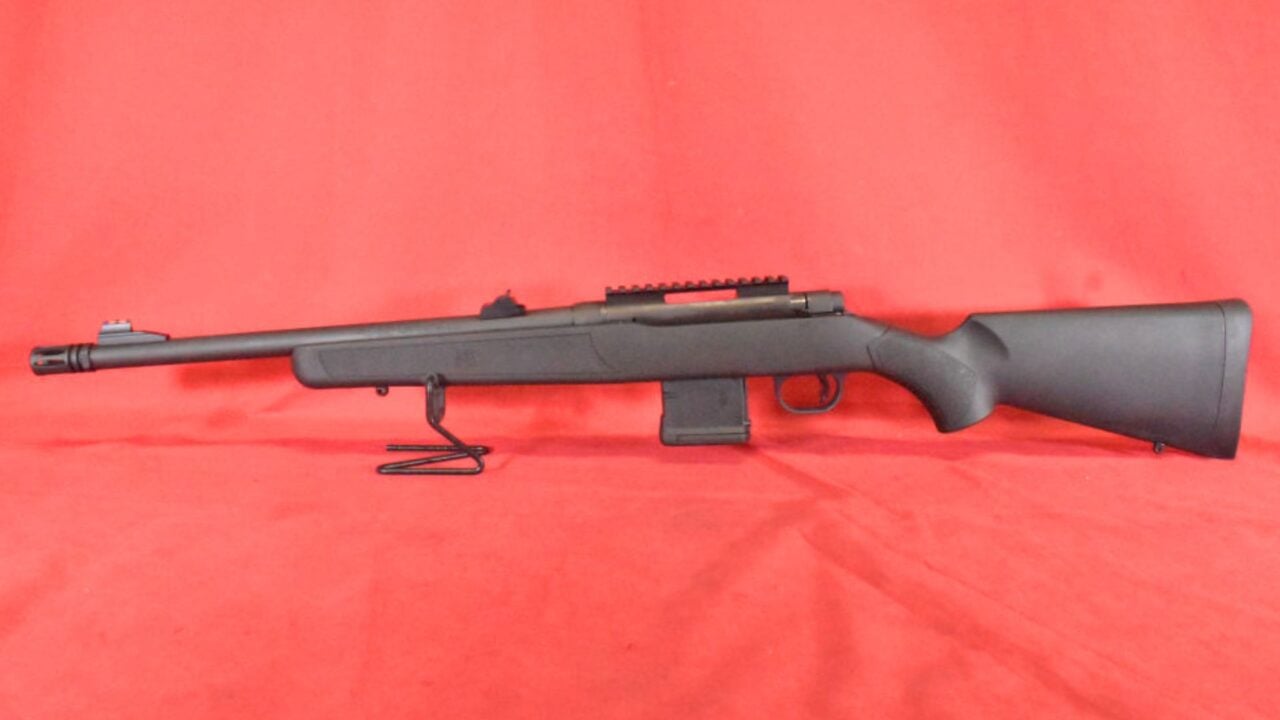
The MVP Patrol’s use of common AR-style magazines sounds like one of its greatest strengths, and in theory it is. The execution, however, can feel rough.
The rifle has to strip cartridges from a magazine designed for a semiautomatic platform, and the feed geometry can feel less smooth than a purpose-built bolt-rifle magazine. Some rifles run beautifully, while others can be picky about magazine brand or how firmly the magazine is seated. That inconsistency undercuts what should be the platform’s biggest selling point. Standardized magazines are useful only when the rifle feeds from them cleanly and predictably.
Mossberg Patriot Predator Detachable Magazine Models
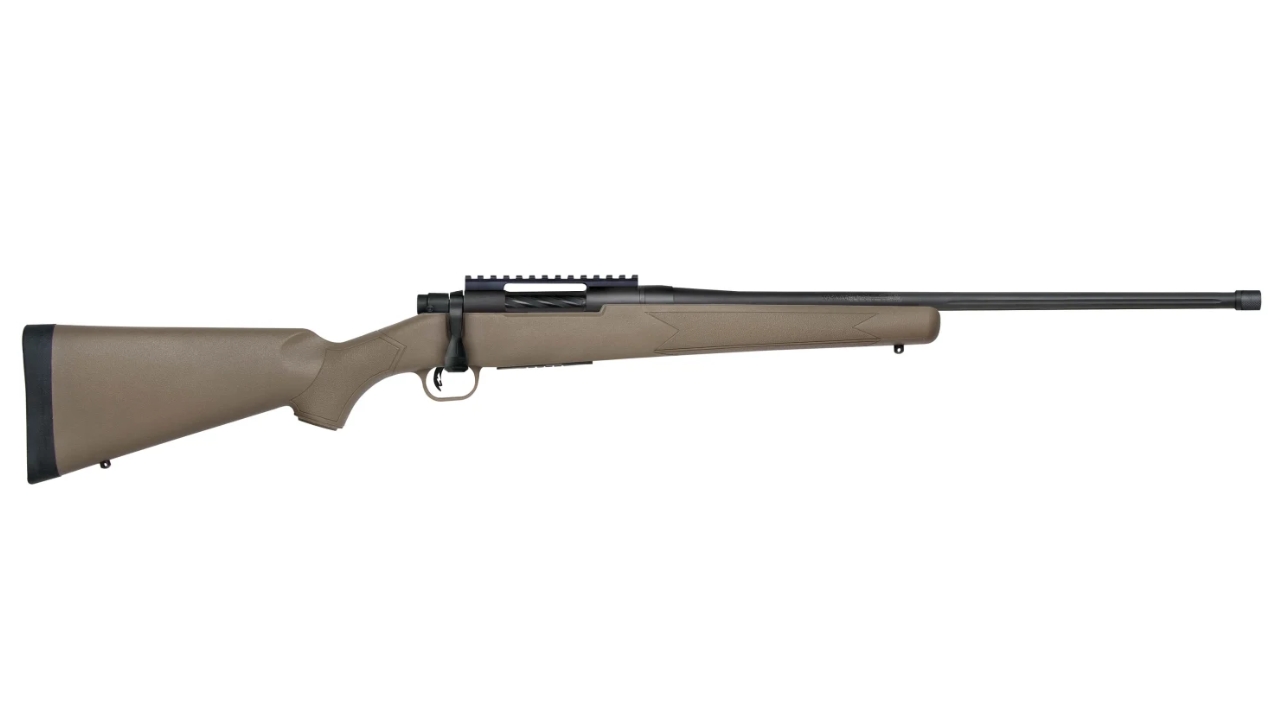
The Patriot Predator has often delivered good accuracy for the money, but the detachable magazine system on some versions feels like one of the cheaper parts of the rifle. Polymer construction and inconsistent fit can make the magazines feel less durable than the action deserves.
Insertion can also be less intuitive than on better-designed systems, especially if the magazine does not lock in cleanly on the first try. Again, this is not a case where every rifle constantly malfunctions. It is more that the magazine feels like the obvious weak link in an otherwise capable budget hunting rifle. A little more attention to the magazine could have made the whole rifle feel significantly more refined.
Savage Axis First Generation

Early Savage Axis rifles became popular because they were accurate and inexpensive, but the detachable magazines were one of the areas where the low price showed. The combination of polymer and stamped components felt flimsy compared with better hunting-rifle magazines.
They could also be awkward to insert and remove, and replacement magazines were not especially cheap relative to the value of the rifle. That is always frustrating on a budget gun. Savage improved the Axis line over time, but the early magazine setup never felt as good as the barrel and action performance. It was a classic case of a rifle shooting better than its supporting hardware suggested.
Tikka T3

The T3 is one of the best hunting rifles of its generation, which makes its polymer factory magazine particularly controversial. Reliability is generally excellent, but the magazine feels cheap compared with the quality of the action, trigger, and barrel.
The bigger complaint is price. Replacing a small piece of molded polymer can cost far more than shooters expect, especially when compared with common metal magazines used by other platforms. The magazines also come in different cartridge-length configurations, which adds complexity. Tikka owners often defend them because they work, and that is fair. Still, a premium-feeling rifle paired with an expensive plastic magazine has always seemed like an odd mismatch.
Sako 85

The Sako 85’s detachable magazine is beautifully made compared with most budget rifles, but the system has its own frustrations. The controlled magazine release was designed to prevent accidental loss, which is smart in theory.
In practice, the push-up-and-release motion can feel awkward until you learn it, especially with gloves. Replacement magazines are also expensive, and losing one hurts far more than losing a common AR or AICS-pattern magazine. The system is reliable, but it is overcomplicated compared with what many hunters want from a detachable box. Sako built a premium solution to a problem that probably did not require quite so much engineering.
Steyr Scout

The Steyr Scout has a clever magazine system with spare-magazine storage built into the stock, but the proprietary factory magazines are expensive and not especially easy to find. That becomes a real issue on a rifle whose whole concept revolves around practical field use.
The magazines generally function well, so the problem is not poor feeding. It is dependence on a proprietary part that is costly enough that owners hesitate to buy several extras. For a general-purpose rifle, common and replaceable magazines would arguably make more sense. The Scout’s magazine design reflects the rifle’s highly engineered nature, but it also creates an ownership headache that simpler systems avoid.
Like The Avid Outdoorsman’s content? Subscribe to our newsletter so you never miss an article.
Here’s more from us: