
Photo credit: SUNDAY GUNDAY/Youtube
The first time you watch a semi-auto turn into a single-shot because the temperature dropped, it sticks with you. It is usually not a “bad gun” in the normal sense. It is a decent design that gets picky when lube thickens, springs slow down, fingers get clumsy in gloves, and the whole system loses a little energy at the exact moment you need it to run.
Cold-weather malfunctions are usually a mix of things: tight chambers, rough feed ramps, weak magazines, underpowered ammo, heavy grease, and actions that do not have much extra oomph to spare. Below are 20 semi-autos I have seen (or watched buddies fight with) that tend to choke when it is truly cold, especially if they are dirty, over-lubed, or running bargain ammo. Some can be made dependable with the right setup and maintenance, but if you want a grab-and-go winter gun, these are the ones I would side-eye first.
1. Ruger Mark IV (when run wet)
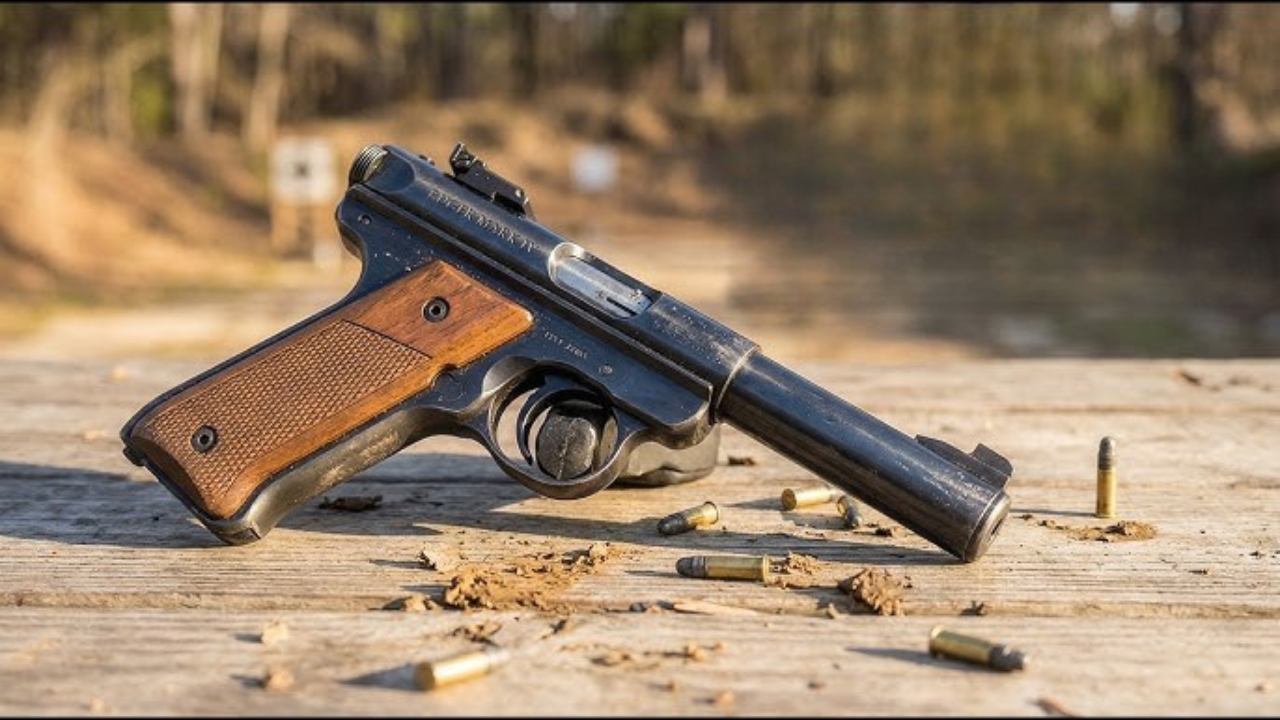
The Mark series is accurate and fun, and the Mark IV is finally easy to take apart. But in real cold, a .22 pistol does not have much energy to begin with, and the moment you get oil in the wrong place, it starts short-stroking. You will see failures to eject and stovepipes that feel like a bad joke on a cold range.
What gets folks is they clean it, then “protect” it with a generous coat of lube like it is a duck gun. In freezing temps that turns gummy, and the bolt loses speed. Dry it out, run quality ammo, and it usually behaves, but wet and cold is where it falls apart.
2. Browning Buck Mark (with tight, dirty chambers)
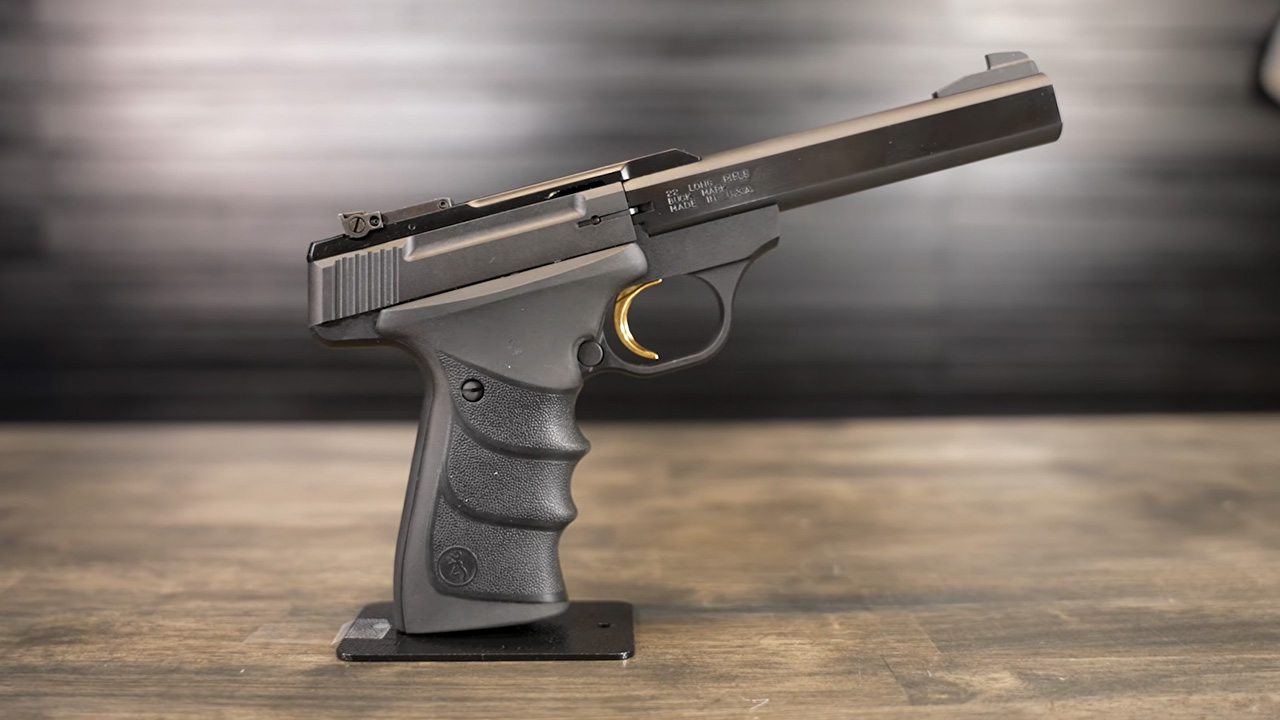
I like how Buck Marks point, and the triggers can be excellent. The problem shows up when the chamber gets a little fouled and the cold makes everything less forgiving. A stuck case in a cold .22 is a miserable thing to clear with numb hands.
It is also a pistol a lot of owners do not detail-clean often because it is a bit more involved than some competitors. That carbon ring builds up, winter hits, and now it is a jam-o-matic until it gets scrubbed.
3. Sig Sauer P365 (with sluggish striker channel from oil)
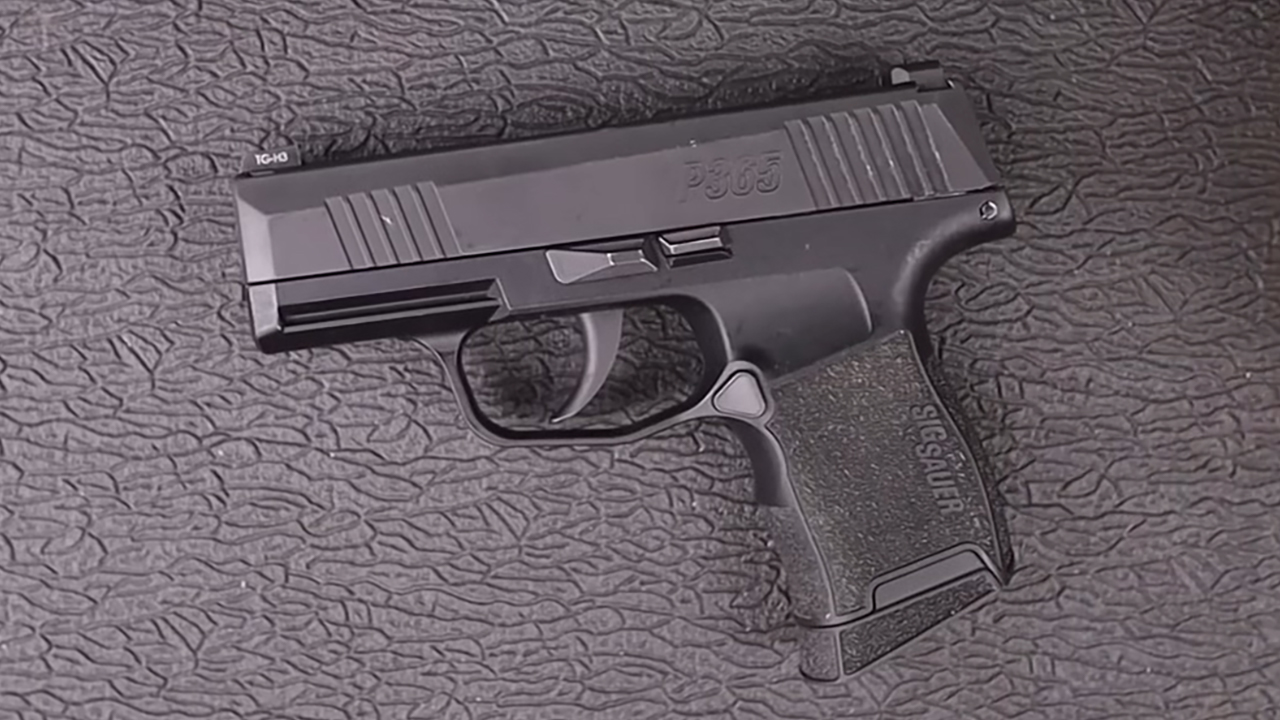
This one hurts because the P365 is a legit carry gun. But striker-fired pistols can get weird in the cold if the striker channel has oil in it, or if pocket lint turns into gritty paste. When it is below freezing, that gunk can slow the striker enough to cause light primer hits.
It does not happen to everybody, and I am not calling the gun junk. I am saying small guns run on small margins, and in winter those margins get thinner. If you carry it hard, keep it cleaner and drier than you think.
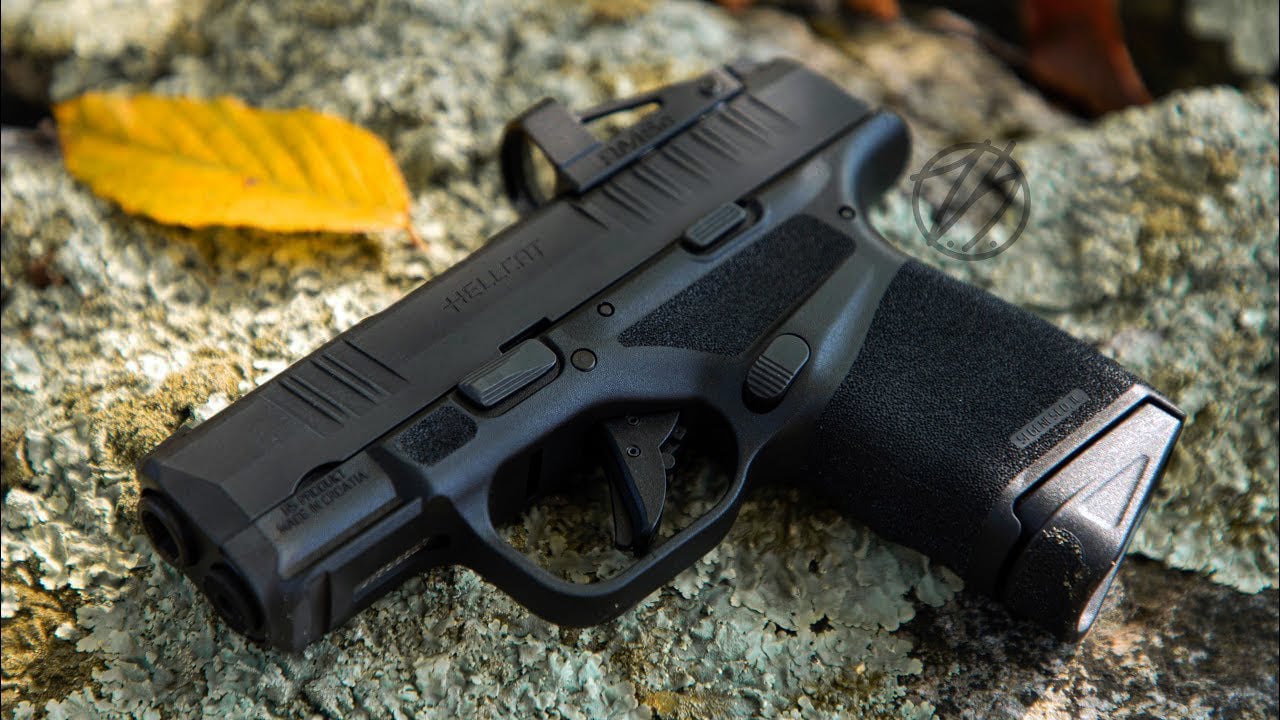
4. Springfield Hellcat (magazine drag in grit and ice)
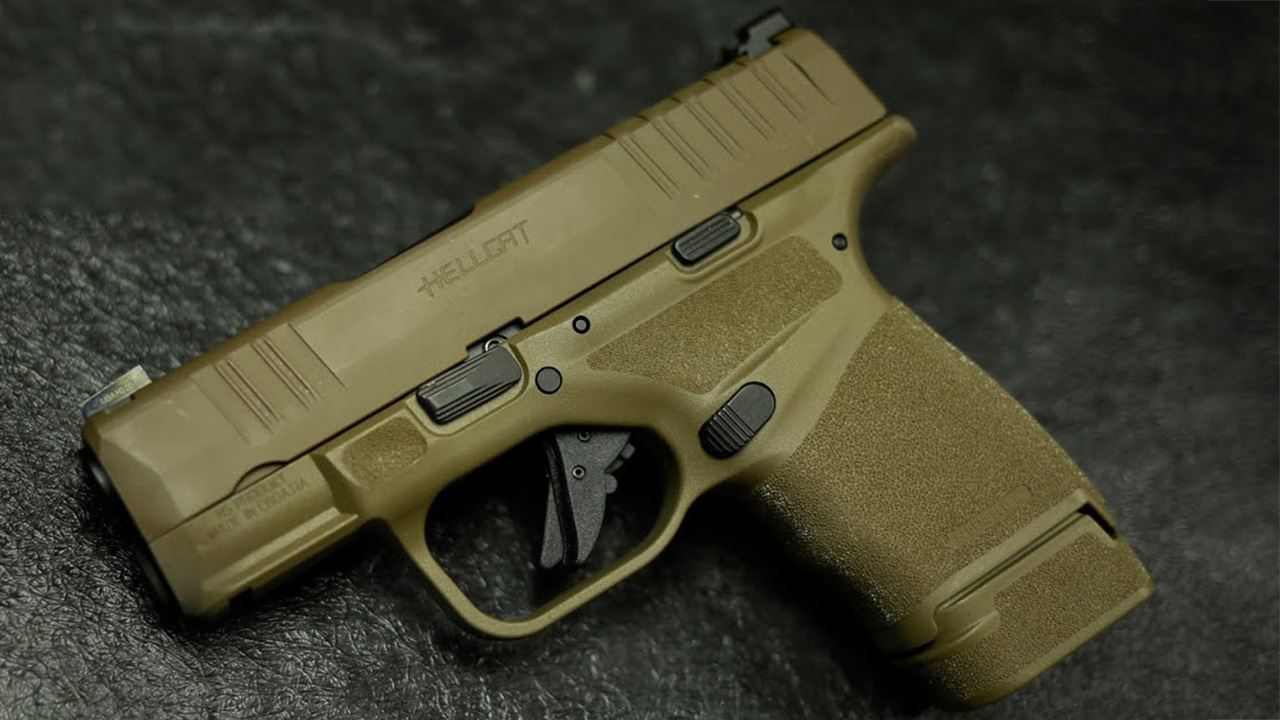
The Hellcat is another micro-9 that runs great… until you mix cold with grit. I have seen magazines get just enough drag from fine sand, frozen slush, or congealed oil that feeding gets inconsistent. It looks like “bad ammo” until you swap mags and the problem follows.
Cold weather is hard on mag springs, too, especially if they are tired. If you are going to bet on a micro-compact in the winter woods or around a snowy farm, treat magazines like critical parts, not accessories.
5. Kimber 1911 (tight gun, tight tolerance, cold reality)

Kimber makes some nice-looking 1911s, and many run fine in normal conditions. In the cold, a tight 1911 with a little thick lube can start choking—failures to return to battery are the classic. You get that last eighth-inch hang-up and your glove is not helping anything.
A looser, well-worn 1911 often does better in ugly conditions than a super tight “custom-feel” gun. If your winter carry plan involves a 1911, the boring, proven one usually beats the fancy tight one.
6. 1911s in 9mm (in general, when sprung wrong)

Not every 9mm 1911 is trouble, but I have seen more finicky behavior here than with .45 ACP. The timing window can be narrower, and when cold slows the slide a touch, you start seeing weird feed angles and the occasional nose-dive.
Add in marginal magazines and cheap ammo, and winter exposes it fast. If you insist on a 9mm 1911, test it in the cold with the mags you actually carry. Ask me how I know.
7. Remington 742/7400 (old woodsmaster, cold and dirty)
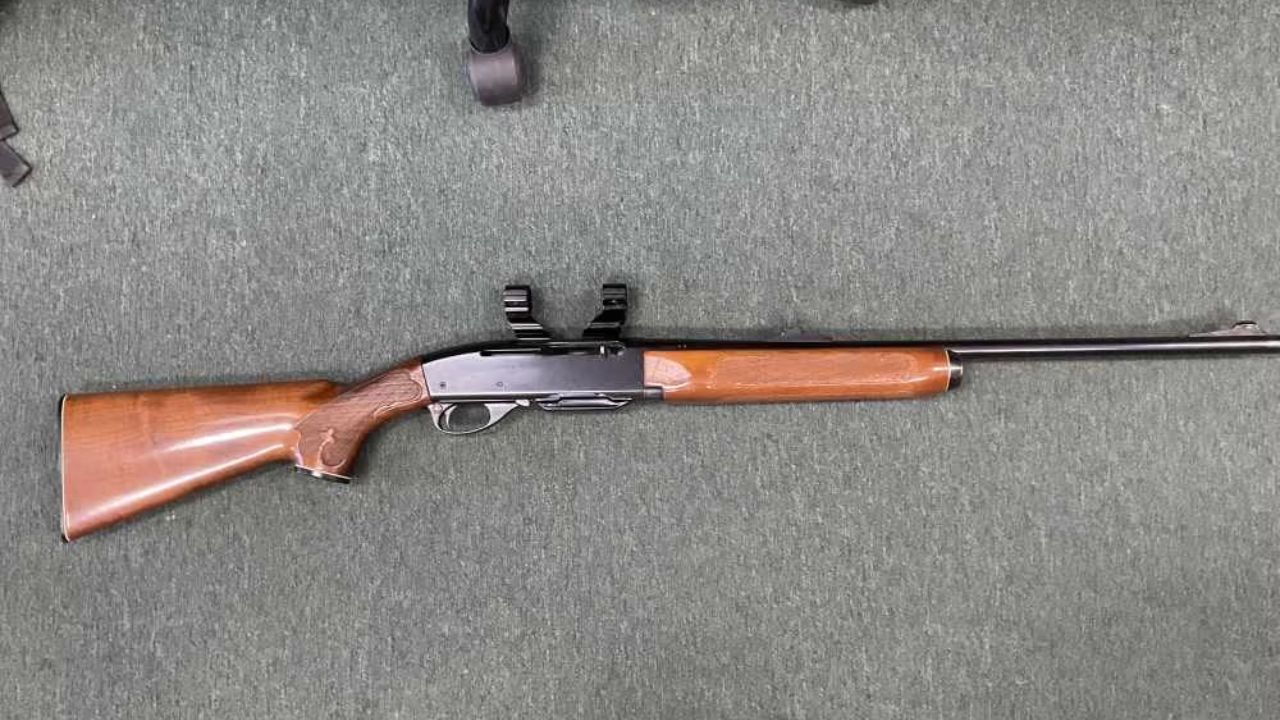
These rifles have put a lot of venison in the freezer, and plenty still shoot straight. But they are also famous for getting cranky with fouling and wear, and cold weather does not help the extraction side of the equation. When they start ripping rims or sticking cases, the day goes downhill quick.
They are not a great choice for a late-season hunt where you might fire one shot after carrying it all day in freezing air. If yours runs, great. If it starts to hiccup, it is usually not a simple fix in camp.
8. Browning BAR (hunting model, when over-lubed)
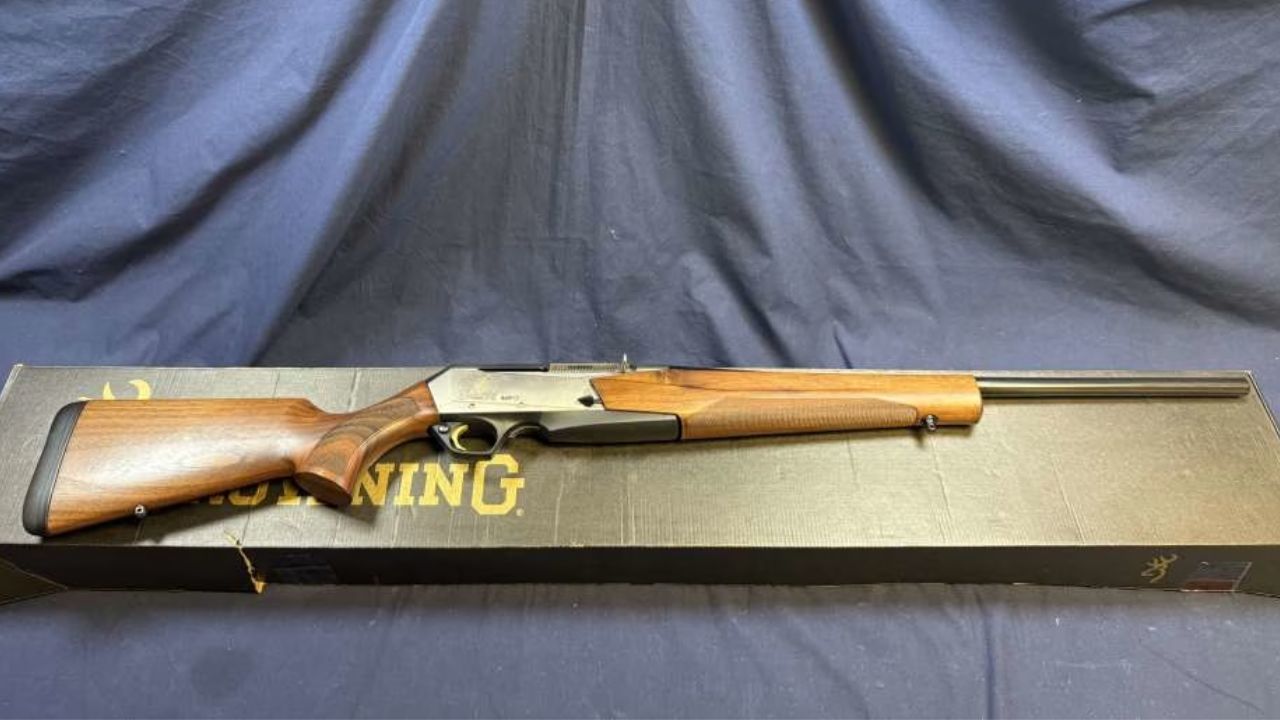
The BAR is a classic, and I have seen them run beautifully. I have also watched them gum up when someone treated it like a boat trailer and greased everything that moved. Gas guns need to cycle, and cold grease is like dragging a tire behind the bolt.
In deep cold, the BAR’s smoothness can turn against you if you are not careful with lubrication and cleaning. Keep it lean, keep the gas system clean, and it usually stays in the game.
9. Benelli M4 (when the ammo is weak and the cold is real)

The M4 has a strong reputation, and deservedly so, but it still obeys physics. Cold weather plus light loads can equal short-stroking, especially if the gun is filthy or the shooter is trying to run low-recoil shells because the shoulder is tired.
This is one that makes people argue online, but on a winter range you can watch it happen. Full-power loads fix a lot of “mystery problems,” and winter is not the time to get cute with the ammo.
10. Beretta 1301 (fast cycling, sensitive to setup)
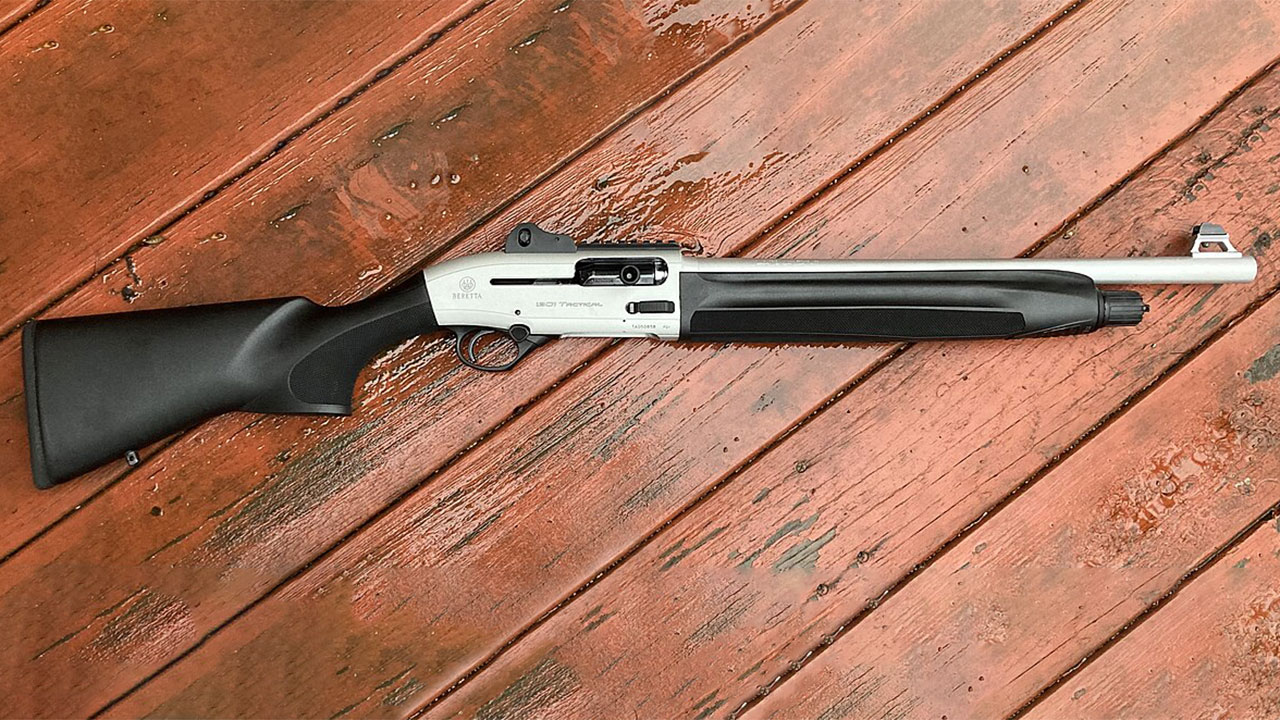
The 1301 is a hammer of a shotgun, and it is fast. But fast-cycling systems can get picky when conditions slow everything down just a little. If your gun is on the edge with a certain load, cold can push it over.
It is also a shotgun that owners love to accessorize. Add weight, add friction, run a questionable shell, then walk into freezing temps and wonder why it is not perfect anymore.
11. AR-15 with a .223 Wylde match chamber (tight chamber + cold + cheap ammo)

I am not calling out the AR platform as a whole. I am calling out the “matchy” build that runs great on a warm range and then sticks cases when it is 10 degrees and you are shooting bargain .223. A tight chamber and a rough/dirty chamber are a bad combo in the cold.
When an AR starts to fail to extract in winter, most folks blame the bolt or the gas. Sometimes it is just a chamber that needs attention and ammo that is not up to it.
12. AR-15 with a stiff buffer setup (H3 buffers and heavy springs in the cold)

The internet loves to “tune” ARs, and some of that is smart. But if you overdo it with heavy buffers and extra-power springs, you can rob the system of the energy it needs when the cold thickens oil and slows everything down. Then the gun that felt soft and smooth in July starts short-stroking in January.
Winter reliability is about margin. If your rifle barely runs in perfect conditions, it will not magically improve when the weather turns mean.
13. AK-pattern rifles with tight aftermarket mags

AKs get a reputation for running no matter what, and many do. But throw in a pile of random aftermarket mags that fit too tight, plus gloves and ice, and now you have slow reloads and feeding issues. I have seen “AK problems” that were really “magazine problems” pretending to be something else.
In the cold, plastic mags can also feel different, and tolerances that were fine at room temperature can get less friendly. Quality mags are boring. They also keep the rifle running.
14. Ruger Mini-14 (older guns with marginal magazines)
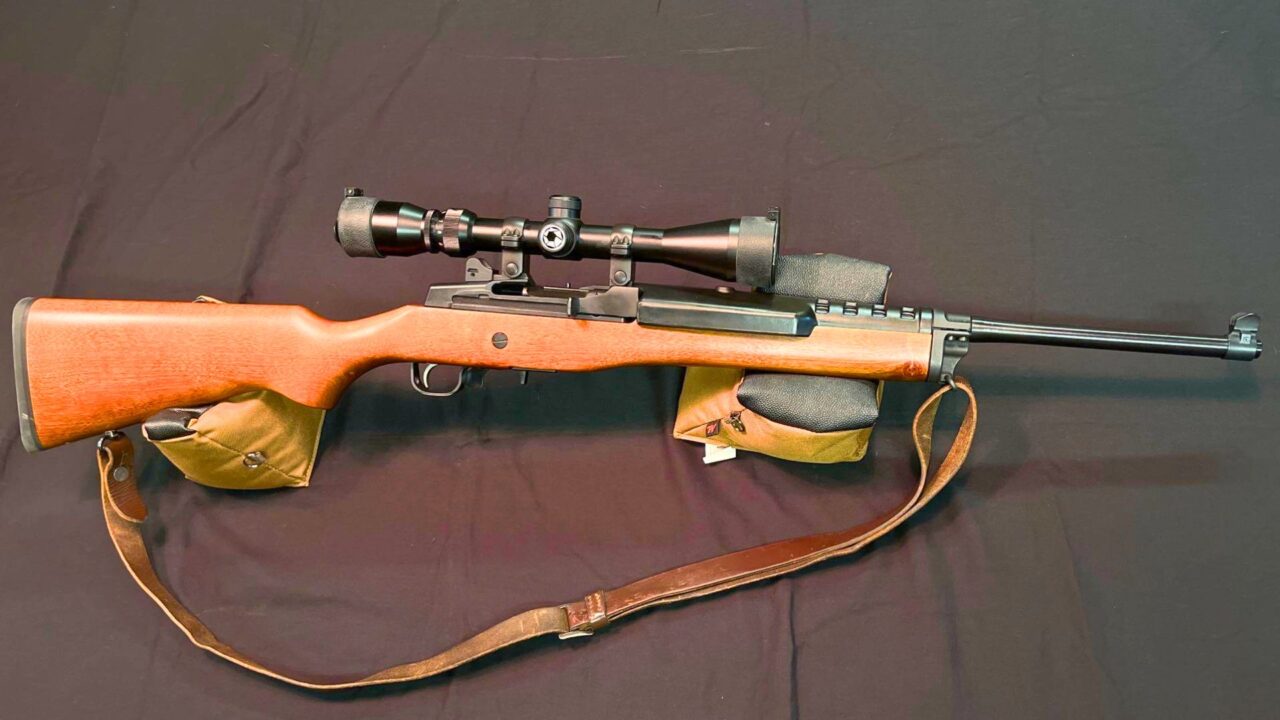
The Mini is handy, light, and it carries well in the truck. The weak link has always been magazines, especially the cheap ones. When it is cold and you are trying to run it fast, a bad magazine turns it into a stoppage drill.
Older Minis can also be a little rough in the action, and cold thick lube makes it worse. If you stick to good mags and keep it reasonably clean, it can be a solid ranch rifle. If you cheap out, winter will call you on it.
15. Ruger 10/22 (bulk ammo + cold wax lube)

The 10/22 is America’s .22, and I love them. But rimfires are rimfires, and bulk ammo has waxy lube that does weird things when it is cold. Add a dirty chamber and a rotary magazine that has not been cleaned in years, and you will get failures to feed and failures to extract.
It is not hard to make a 10/22 run in winter, but you have to stop pretending it is a centerfire. Clean it, use decent ammo, and do not soak it in oil.
16. Smith & Wesson M&P 15-22 (polymer .22 ARs in freezing muck)
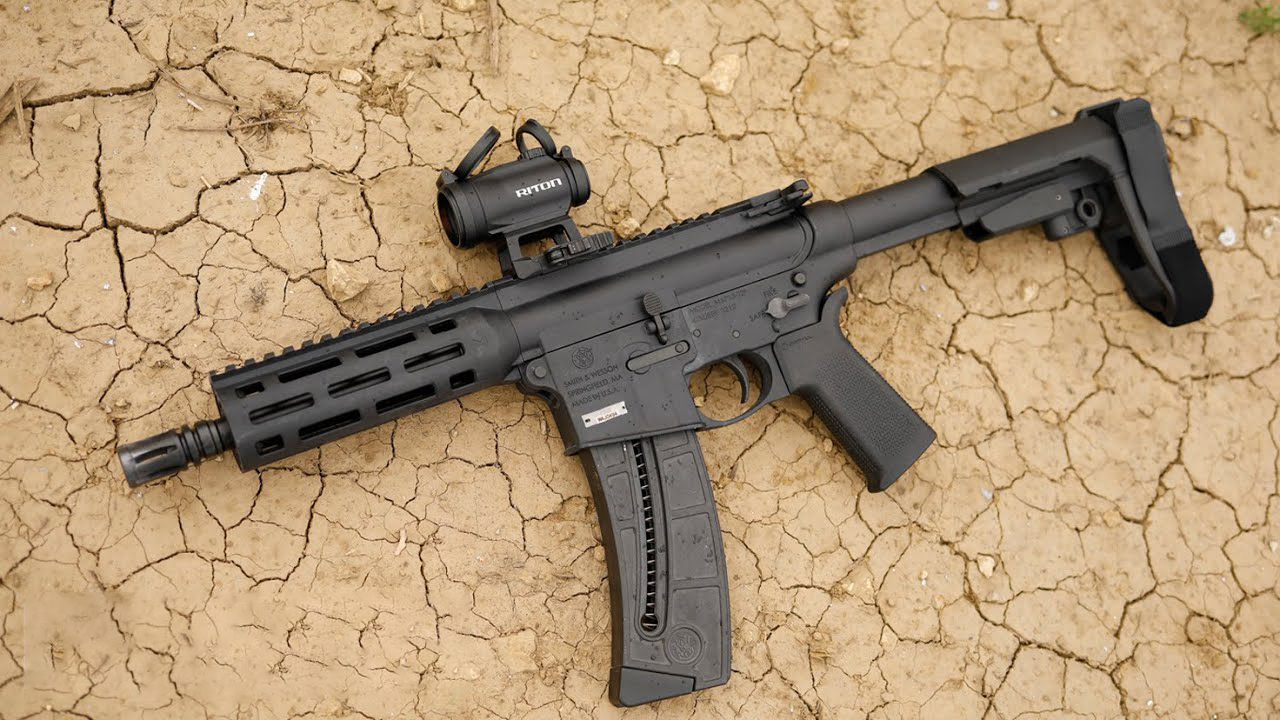
These are fun trainers and they do a good job of mimicking an AR. In wet, freezing conditions, though, .22 blowback guns can get sluggish fast. The combination of rimfire crud and cold is not kind to light bolts and small springs.
If you are using one to introduce a kid to winter shooting, bring good ammo and keep it clean. If you are relying on it to “just run” after being tossed behind a seat all season, it can disappoint you.
17. Glock 44 (ammo sensitive, cold makes it worse)

I wanted the Glock 44 to be a no-drama .22 you could train with all day. Some of them do fine. Others get picky, and when the temperature drops, that pickiness shows up as failures to cycle and inconsistent ejection.
.22s are already sensitive to ammo. Cold weather is like a stress test you did not ask for. If your rimfire trainer is fussy, winter will highlight it.
18. FN 509 (when magazines get packed with frozen grit)
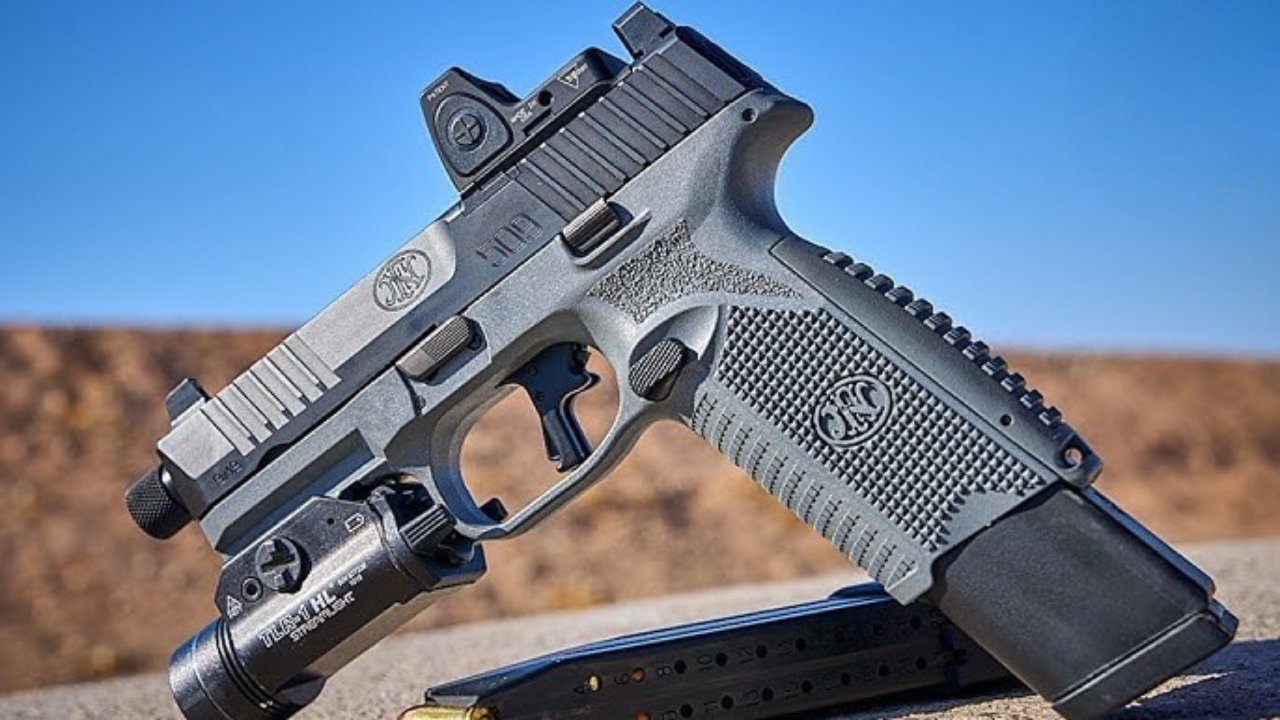
The 509 is a solid service-style pistol, but I have seen the same issue here that I have seen with plenty of duty guns: magazines matter, and winter crud is real. Drop a mag in slushy gravel, seat it with gloves, and now you have drag and feeding that turns rough.
This is not an indictment of the gun so much as a reminder. In cold weather, you do not get to ignore maintenance, and you definitely do not get to ignore magazines.
19. CZ Scorpion (blowback guns + cold + thick lube)

Simple blowback guns hit you with that heavy bolt and a certain clunky feel, but they often run. Where I have seen them stumble is when someone oils them like a duck boat and then takes them into real cold. That bolt needs to move fast, and thick lube steals speed.
Add cheap ammo and a cold, stiff recoil spring, and you can get failures to eject that surprise people because they expected “simple” to mean “invincible.” Keep it cleaner and drier than you think.
20. Ruger PC Carbine (cold mags and ammo quirks)
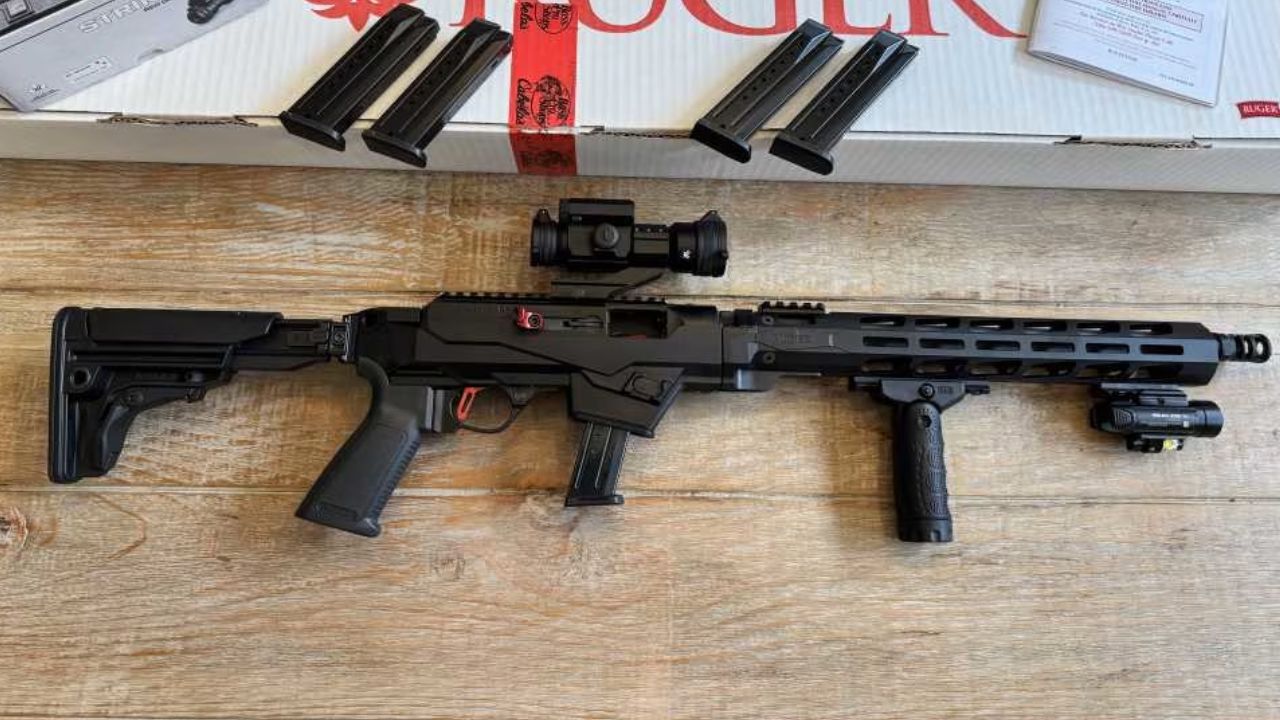
The PC Carbine is handy and accurate, and the ability to run common pistol mags is a real perk. But pistol-caliber carbines can be more ammo sensitive than folks expect, and in cold weather you can see cycling slow just enough to cause oddball stovepipes or feed issues, especially with lightweight loads.
It is also a gun that gets treated like a toolbox gun. Dust, lint, and old oil build up quietly. When winter hits, those little sins show up all at once.
If you read through that list and felt personally attacked, you are not alone. Cold weather is honest. It punishes heavy lube, weak magazines, bargain ammo, and guns that only run when everything is perfect. If you plan to hunt, work, or carry in the cold, do your testing when it is actually cold, and keep your setup simple enough that it still runs when your fingers are numb.
Like The Avid Outdoorsman’s content? Subscribe to our newsletter so you never miss an article.
Here’s more from us:


