Photo credit: MrBigKid/Youtube
After enough range days, enough holster time, and enough dusty afternoons teaching a buddy’s “new favorite carry gun” how to run, you start to see patterns. Most pistols are decent. A handful are excellent. And then there’s a stack of them that look fine in a display case but turn into headaches the moment you actually depend on them.
This isn’t a list of guns I hate, and it’s not a list of guns you’re “wrong” for owning. It’s a list of pistols I’ve spent real trigger time behind that I’d pass on every single time—because of reliability, parts support, ergonomics, safety quirks, weird proprietary stuff, or because they’re just plain outclassed by better options that cost the same (or less).
1. Taurus Millennium PT111 (G2 era and earlier)
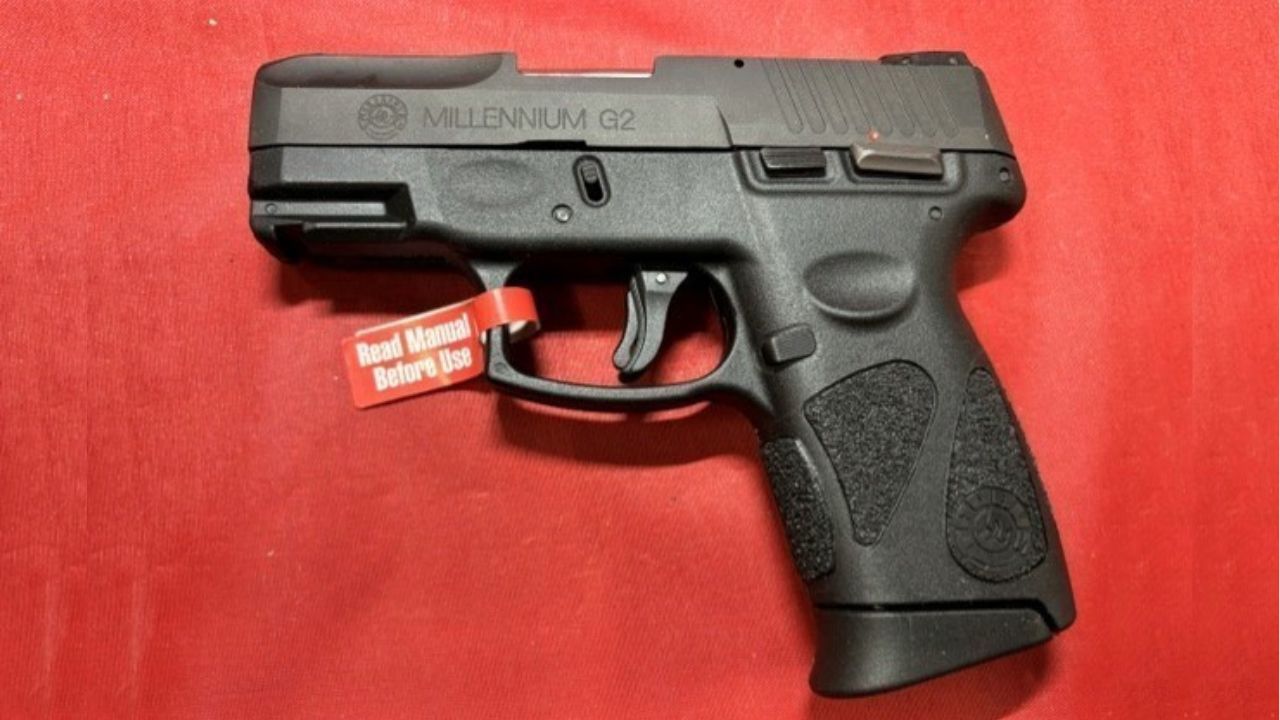
I’ve seen a few that ran okay for a couple hundred rounds, and I’ve seen a few that turned into malfunction factories with basic ball ammo. The trigger feel is never the whole story, but it matters when you’re trying to shoot well under any pressure, and these tend to feel mushy in a way that makes good hits harder than they should be.
The bigger problem is consistency. Magazines can be finicky, and the overall “will it run today?” vibe is not what I want in a carry-sized pistol. If a gun is meant for serious use, it needs boring reliability, not personality.
2. SCCY CPX-1 / CPX-2

I get why they sell. They’re affordable, they’re small, and they look like a practical answer for someone who needs a defensive pistol yesterday. But the long, heavy trigger and the spotty reliability I’ve seen on the line are a rough combo.
When a pistol is already hard to shoot well, the last thing you need is a gun that’s picky about ammo or magazines. In a world full of proven micro and compact 9mms, I’m not rolling the dice here.
3. Hi-Point C9 (and the other blowback Hi-Points)

Yes, I know: “They always go bang.” Sometimes they do. I’ve also watched enough of them choke on feed issues, limp-wrist issues, and magazine weirdness to know they aren’t the no-drama solution the internet wants them to be.
They’re also big and heavy for what you get. A pistol that’s unpleasant to carry and clunky to run becomes a pistol that sits in a drawer. That doesn’t help anyone.
4. Kel-Tec PF-9

This one takes me back. It was a skinny 9mm before skinny 9mms were everywhere, and for that it earned attention. The trouble is, it shoots like a stapler. Snappy recoil, sharp edges, and a trigger that doesn’t encourage confidence.
I’ve watched shooters develop flinches in a single box of ammo with these. A carry gun you won’t practice with is a carry gun you shouldn’t be carrying.
5. Kel-Tec P-11

The P-11 has a loyal following, and I respect anyone who’s carried one a long time and made it work. But the trigger is long and heavy in a way that punishes accuracy, especially at speed, and the grip geometry isn’t friendly for most hands.
They also tend to feel “loose” in the wrong ways as they wear in. Plenty of modern compacts give you the same capacity with better shootability and better support.
6. Walther P22
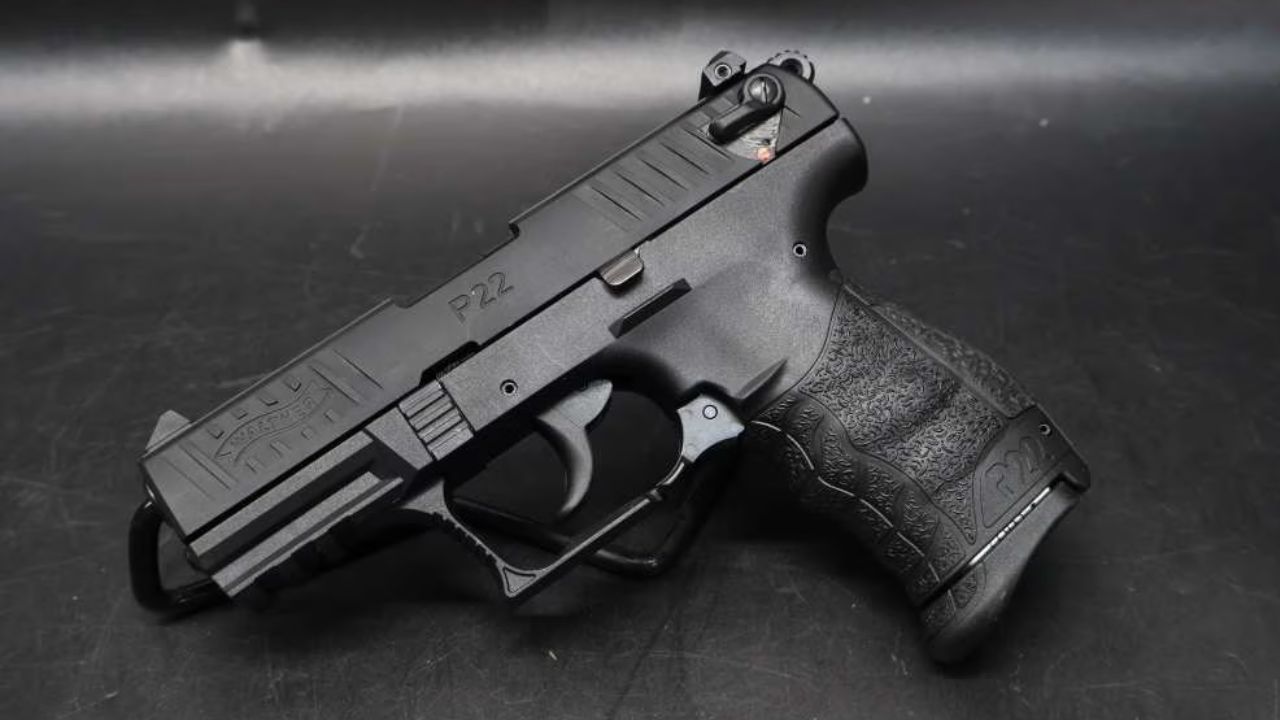
If you want a .22 pistol to teach new shooters, a picky little rimfire that needs a specific ammo diet is not my idea of helpful. I’ve seen P22s run okay with hot ammo, then turn into jam-o-matics with the bulk stuff most folks actually buy.
On top of that, the feel and controls mimic “real” defensive pistols only a little. For training, I’d rather have a .22 that runs and teaches good habits, not one that teaches clearing drills every magazine.
7. SIG Sauer Mosquito

This is another rimfire that promised a “trainer” experience but often delivered frustration. The ones I’ve shot tended to be ammo-sensitive, and the trigger and slide feel never quite matched the price tag.
Rimfires are allowed to be a little finicky, but if I’m buying a .22 for practice and small-game camp use, it needs to run on normal ammo and not act like it’s allergic to being dirty.
8. Kimber Solo
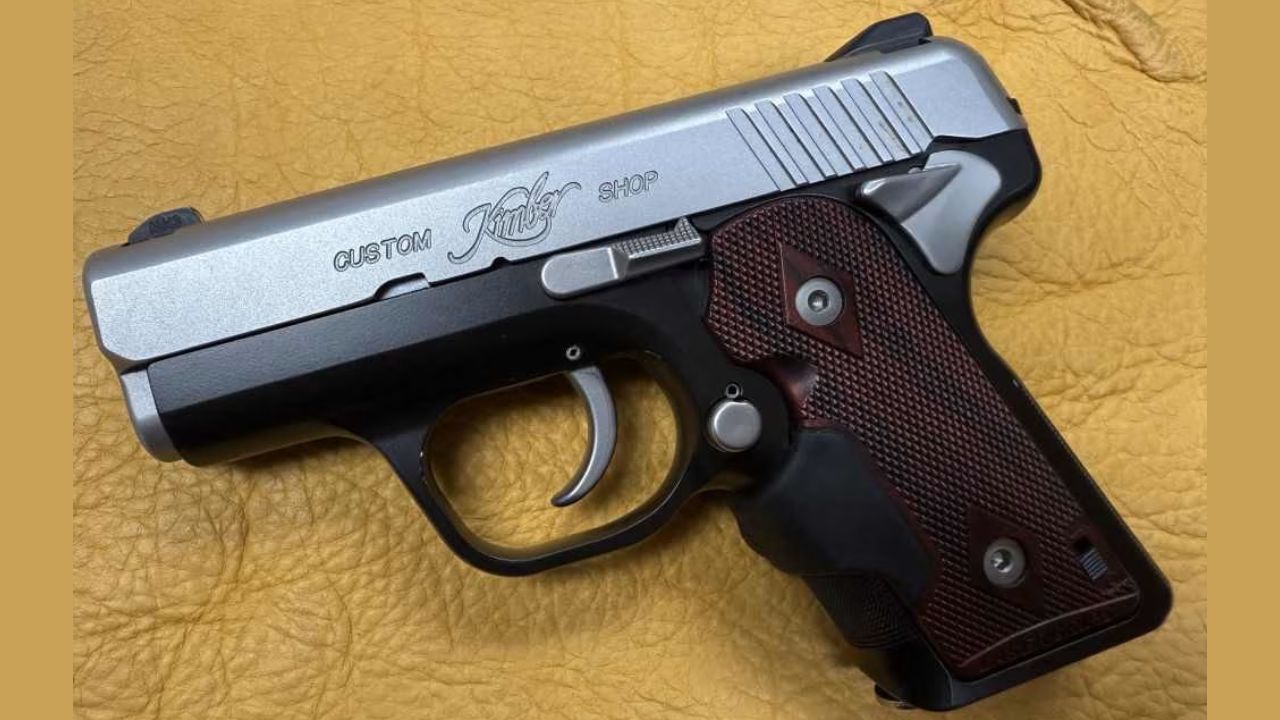
On paper, it was a slick little 9mm for concealed carry. In real life, it’s one of the most ammo-picky defensive pistols I’ve spent time with. When a gun demands premium defensive loads just to function, it’s not a practical tool.
Small pistols already have enough going against them—short slides, stiff springs, small grip. Add “only likes certain loads” and I’m out.
9. Remington R51 (Gen 1)

This one hurts, because the concept was cool and the old Remington pedigree made folks hopeful. The early guns I handled felt rough, and the reliability reputation wasn’t just internet noise. A carry pistol needs to inspire trust the first time you rack it and run it.
Even if you find one that behaves, the parts and support question hangs over it. I don’t like owning an oddball that might become a paperweight if something small breaks.
10. Colt Double Eagle

These are interesting from a “Colt tried something different” angle, but as a shooter’s gun they’ve never impressed me. The trigger system and overall feel can be clunky, and they don’t offer anything that a good 1911 or a proven DA/SA won’t do better.
Then you get into the reality of keeping one running long-term. If I’m spending Colt money, I want Colt simplicity, not Colt “experiment.”
11. Glock 44
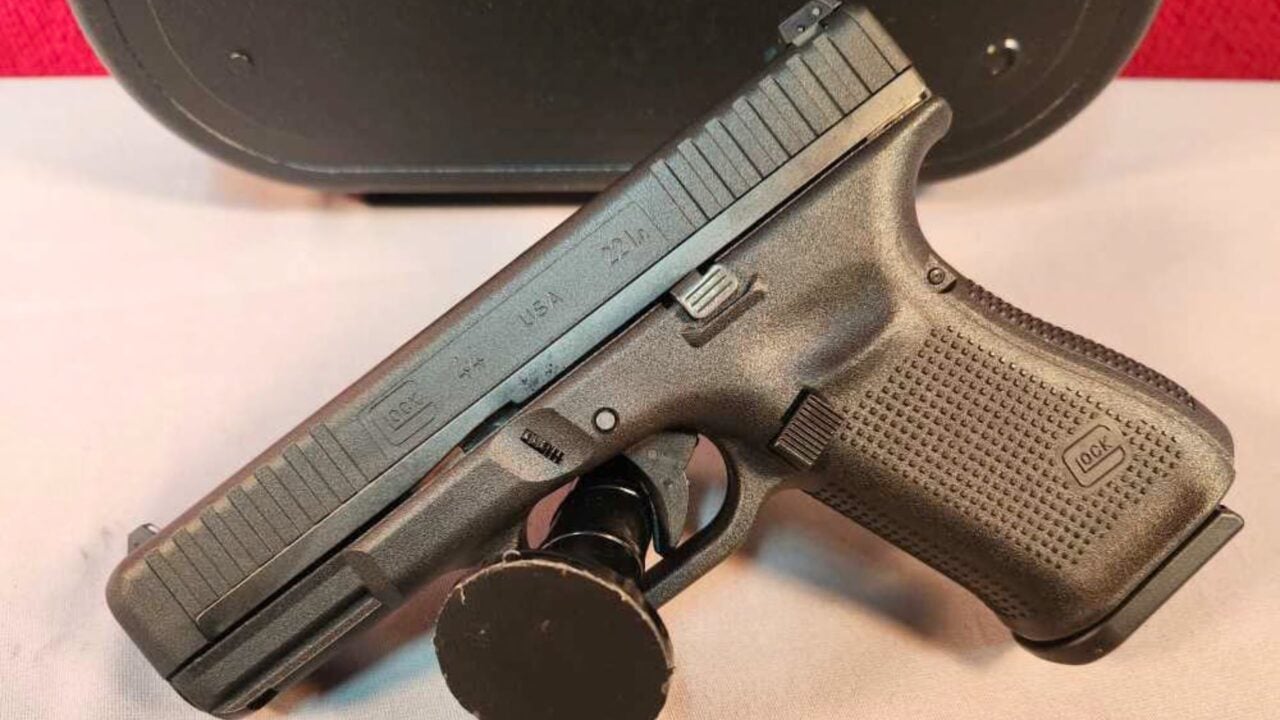
I’m a Glock guy when the job fits. The .22 version, though, has left me cold. I’ve seen enough finicky behavior with certain ammo and enough “it’s fine if you…” caveats that I quit caring.
A .22 trainer should be dead simple and happy with the ammo you can actually find. If I’m packing a .22 for camp chores, I want it to run dirty and run cheap.
12. Springfield XD-S (early generations)

The XD-S carries slim, points okay, and plenty of folks have had good luck with them. My issue is that the platform has enough historical baggage and enough “why am I fighting this?” moments that I’d rather steer clear.
Also, the current market is packed with micro 9s that shoot softer, have better triggers, and have a deeper support ecosystem for mags, sights, and holsters.
13. Beretta Nano

I wanted to like the Nano. It’s snag-free, it’s simple, and it feels like it should be a great pocketable 9mm. But it’s one of those pistols that can feel oddly dead in the hand—like it doesn’t point naturally for a lot of shooters.
When you combine that with a trigger that doesn’t help and sights that aren’t anything to write home about, it becomes a gun that gets replaced fast. I’ve watched that exact story play out more than once.
14. Ruger LC9 (original hammer-fired, long trigger)
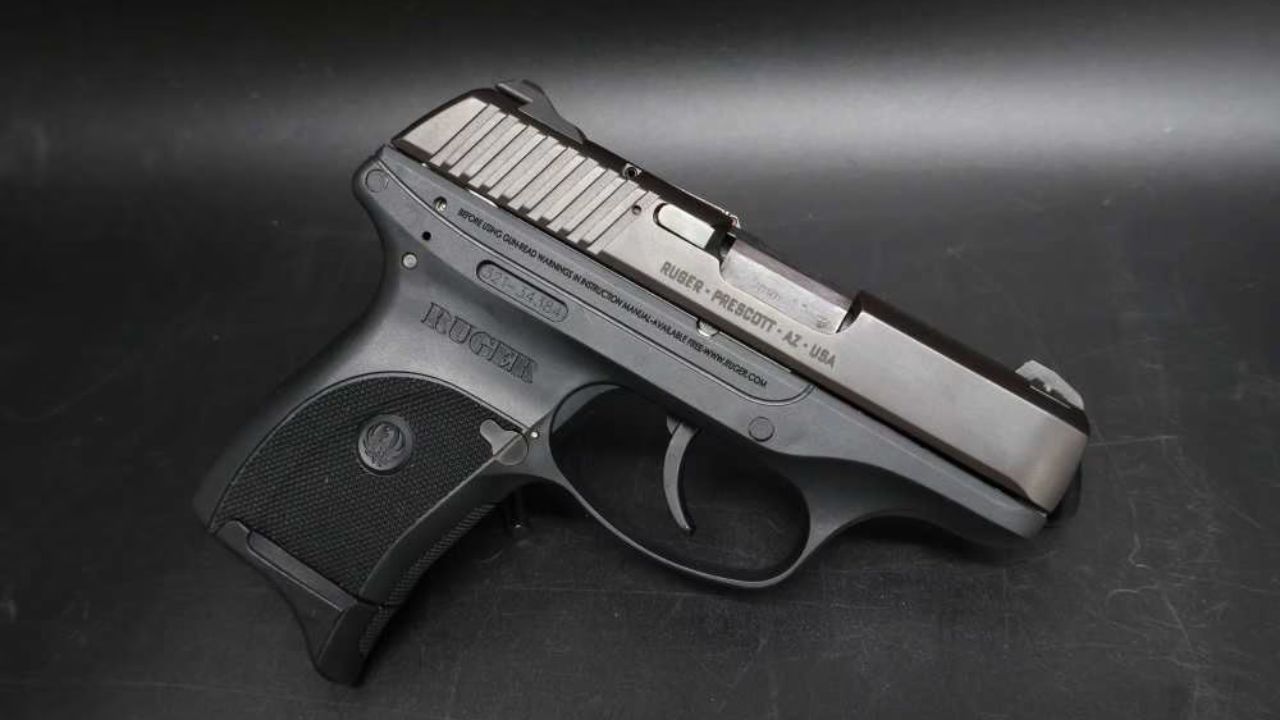
The original LC9 did a lot right for its time, but that long trigger is a deal-breaker for me now. It’s not just “long.” It’s long in a way that makes good shooting feel like work, especially if you’re trying to make clean hits past 10 yards.
The LC9s and other updated designs solved most of my complaints. If you already own the original and shoot it well, fine. I’m not buying one in 2026 when better versions exist.
15. Smith & Wesson SD9VE (and SD40VE)
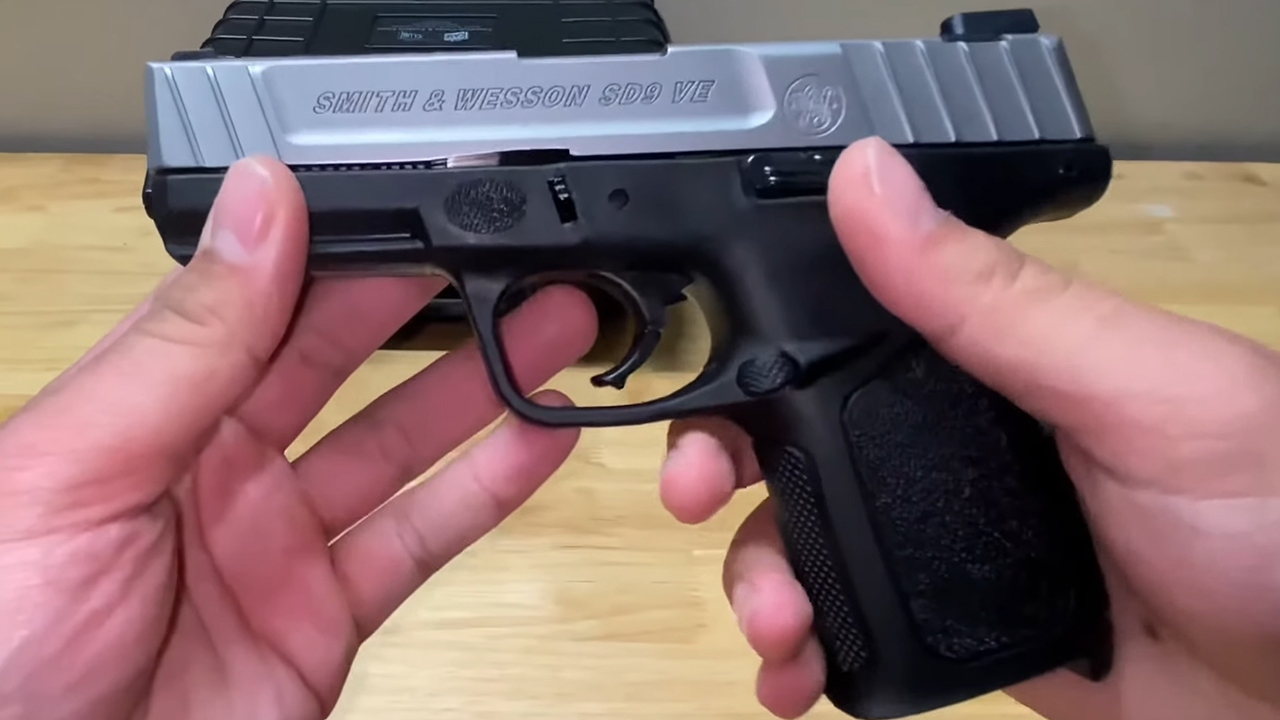
These pistols live in that space where they’re not truly bad, but they’re rarely the best choice. The trigger is often heavy and gritty enough to pull shots, and the overall feel is “serviceable” in the most uninspiring way possible.
If you get one cheap and it runs, you can make it work. But for not much more money, you can get into pistols with better triggers, better sights, and a more confidence-inspiring track record.
16. Taurus Judge (especially the lightweight models)
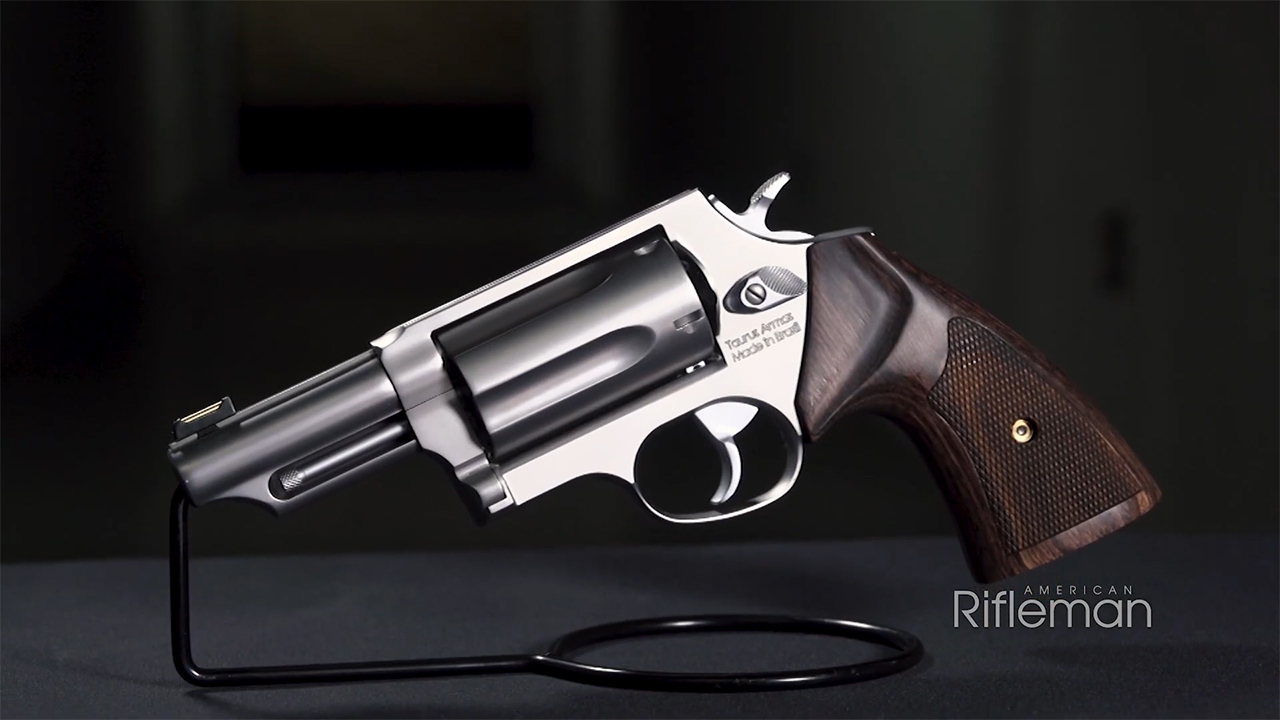
As a novelty, it’s fun. As a practical sidearm, I’ve never been convinced. The .410-from-a-handgun idea gets hyped hard, then you shoot it and realize the pattern spreads fast, recoil can be nasty, and the whole package is bulky for what it does.
If you want a revolver for the woods, a good .357 with solid loads makes more sense. If you want a shotgun pattern, carry a shotgun. The in-between isn’t where I want to live.
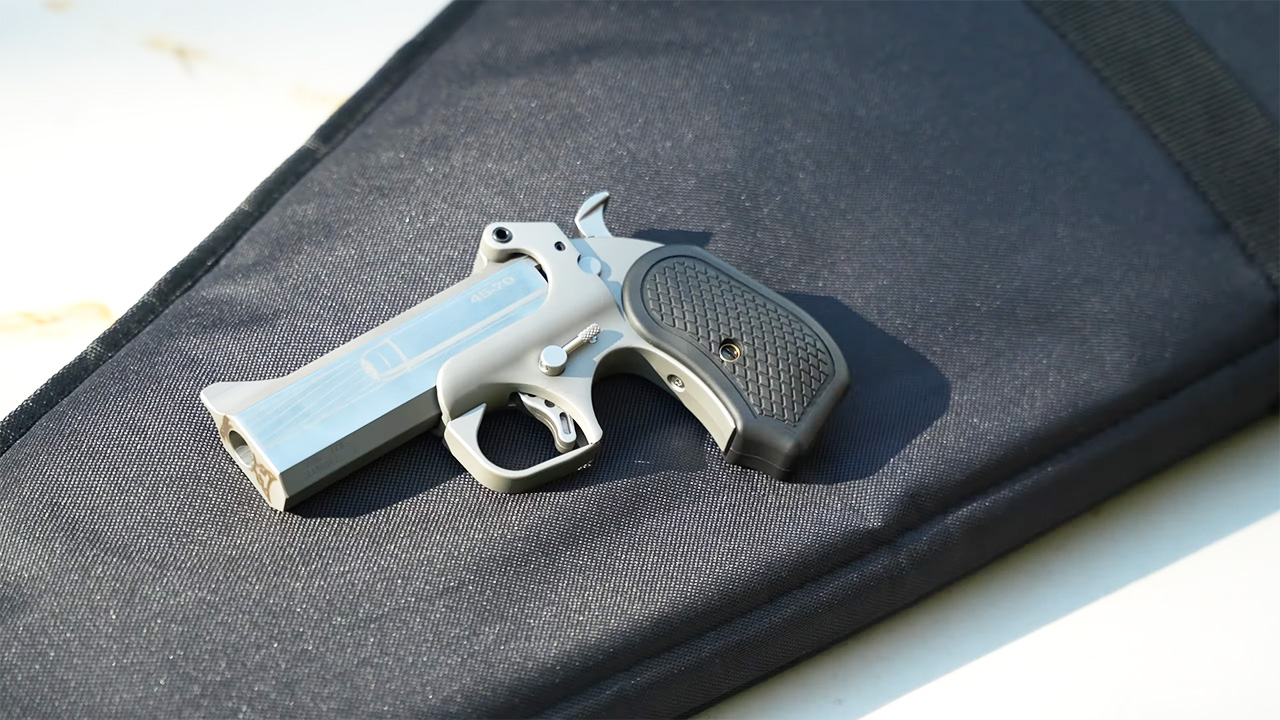
17. Bond Arms derringers (big-bore versions)
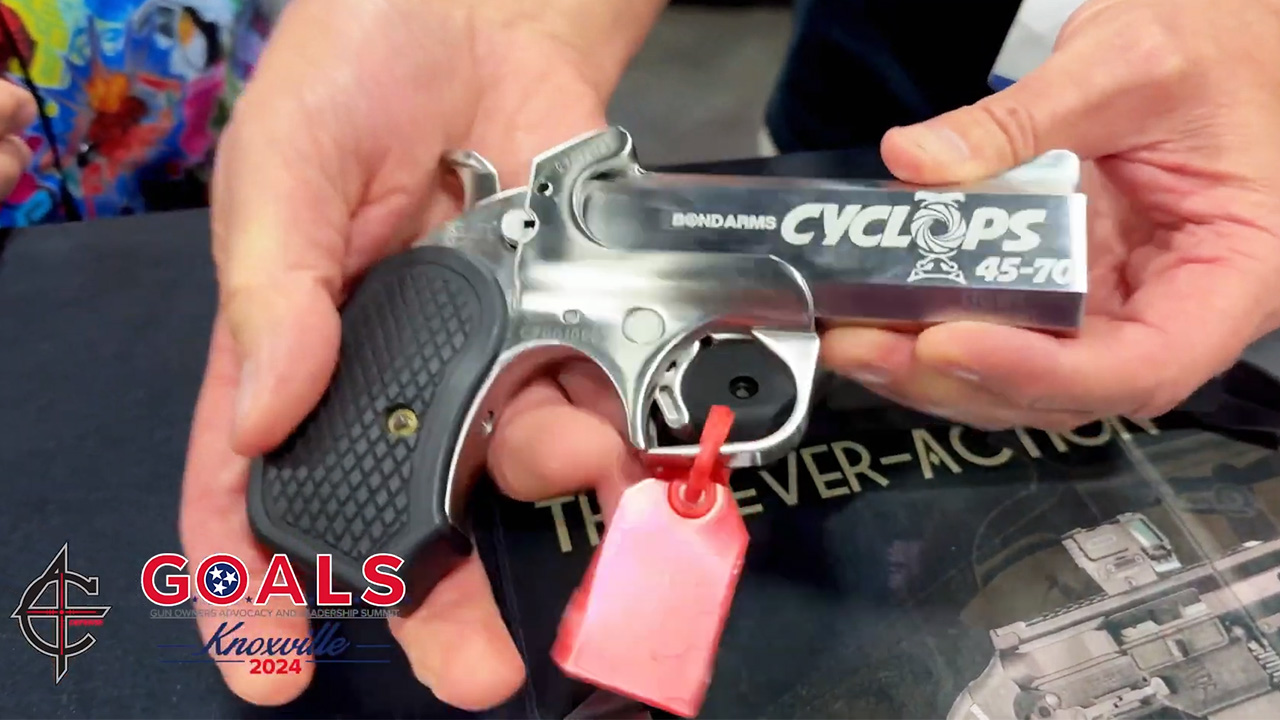
These are built like little anvils and they’re undeniably cool in a “last-ditch” kind of way. But they are not pleasant to shoot, and they’re slow to reload by design. The trigger reach and grip shape are also not friendly for quick, accurate work.
For a deep concealment niche, there are small revolvers and tiny semi-autos that carry almost as easily and are far more usable. A derringer is a conversation piece that can punch your palm.
18. Any cheap 1911 with cast internals and mystery parts

I’m not naming a single brand here because the problem is bigger than one logo. The bargain-bin 1911 market is full of pistols that look like the real thing until you start shooting them. Then you get extractor drama, feeding issues, and parts that don’t interchange like you assumed they would.
A good 1911 is wonderful. A bad one will make you think the whole design is overrated. If I’m doing the 1911 thing, I’m buying quality or I’m not buying at all.
19. Ultra-micro .380s with tiny grips and harsh recoil (LCP-sized class, depending on model)

I’m not saying every pocket .380 is junk. I’m saying a whole category of them gets bought for the wrong reason: “It disappears.” Then it shows up at the range and nobody wants to shoot it because it’s miserable, the sights are minimal, and the grip barely exists.
If you actually practice with yours and can hit with it, good. Most don’t. For many shooters, a slightly larger 9mm is easier to carry well and easier to shoot well—meaning it actually gets carried and practiced with.
20. 10mm subcompacts built to be “bear guns” first and pistols second
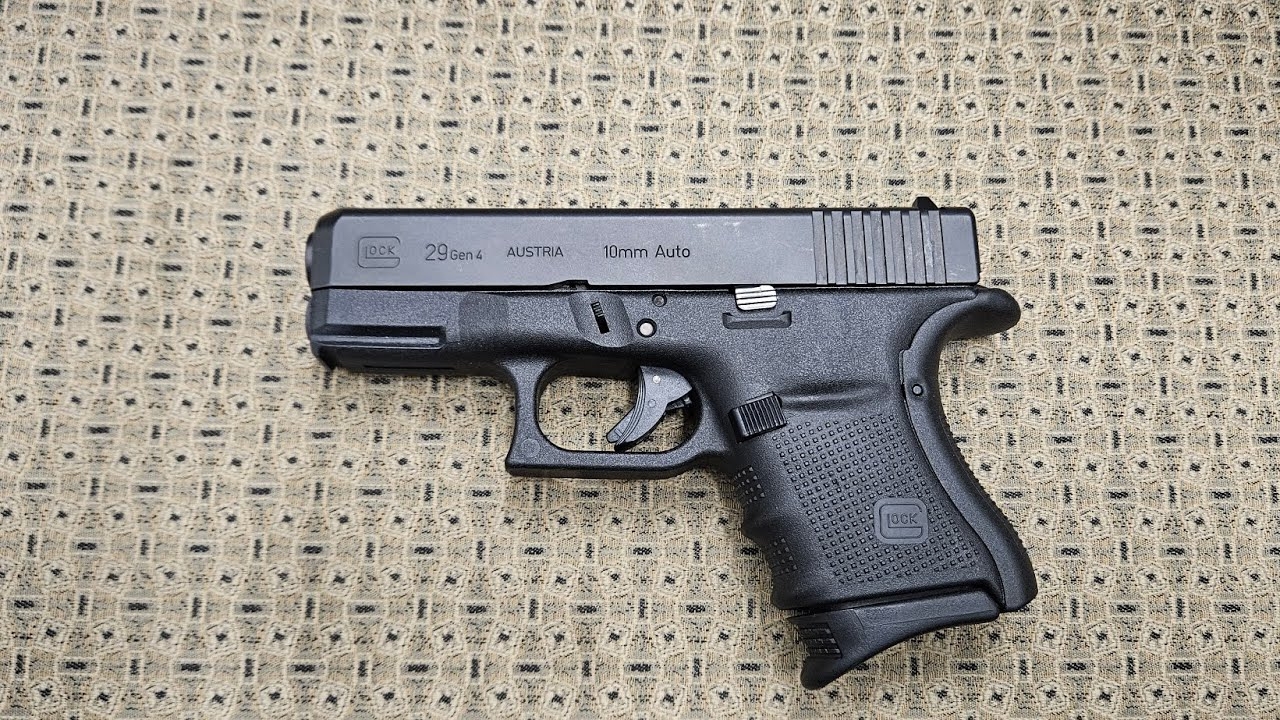
I live where folks talk about bears every season, and I understand the desire for a serious cartridge. But the tiny 10mm pistols often turn into a compromise stack: hard recoil, reduced capacity compared to full-size options, and a gun that’s tough to control with heavy loads.
If you’re serious about 10mm in the woods, a service-size pistol you can actually hang onto and shoot fast makes more sense. If you need something small, be honest about your realistic engagement distances and your ability to put rounds where they need to go.
Here’s the truth: a pistol doesn’t have to be perfect to be useful. But it does have to be dependable, supportable, and shootable enough that you’ll actually practice with it. If you’re sitting on one of these and it’s been flawless for you, I’m not here to talk you out of it. I’m just telling you what I’ve learned the hard way—there are plenty of handguns that look like a deal until you’re the one clearing malfunctions while your buddies are already stapling up fresh targets.
Like The Avid Outdoorsman’s content? Subscribe to our newsletter so you never miss an article.
Here’s more from us: