Photo credit: Guns, Gear & On Target Training/YouTube
Some handguns make learning easier. They fit the hand, soak up recoil, have usable sights, and let a new shooter focus on the fundamentals. Others do the opposite. They magnify every mistake, punish bad grip, hide sight movement, and make the shooter think they are worse than they really are.
That does not always mean the gun is bad. Some of these handguns are powerful, reliable, popular, or even excellent in experienced hands. The problem is that they are hard places to start. New shooters need confidence and clean feedback, not a pistol that turns every small mistake into a frustrating target.
Smith & Wesson J-frame

The Smith & Wesson J-frame looks like the perfect beginner gun to a lot of people. It is small, simple, and easy to understand. No slide, no magazine release confusion, no external safety on many models. Just load it and press the trigger.
That simplicity is misleading. A small lightweight revolver has a short grip, heavy double-action trigger, tiny sights, and sharp recoil with defensive loads. New shooters often struggle to keep the sights still through the trigger press. The gun may be simple mechanically, but it is not easy to shoot well.
Ruger LCR .357 Magnum

The Ruger LCR is a smart lightweight revolver, and the trigger is better than many small wheel guns. The .357 Magnum version, though, can be rough on new shooters. Even if they only fire a few magnums through it, the blast and recoil can make them flinch fast.
Loaded with .38 Special, it becomes more manageable. But many beginners buy the .357 version because they want power, then discover they do not enjoy practicing with it. A carry gun that makes someone avoid range time is not helping them learn.
Taurus 856 Ultra-Lite

The Taurus 856 Ultra-Lite has a lot of appeal because it gives shooters six shots of .38 Special in a small revolver at a reasonable price. That sounds like a good beginner option if someone wants a basic defensive handgun.
The problem is that lightweight snubnose revolvers are hard for new shooters no matter whose name is on the side. The short sight radius, heavy trigger, and small grip make accuracy tough. The extra round is nice, but it does not change the fact that new shooters often fight the gun more than they learn from it.
Ruger LCP
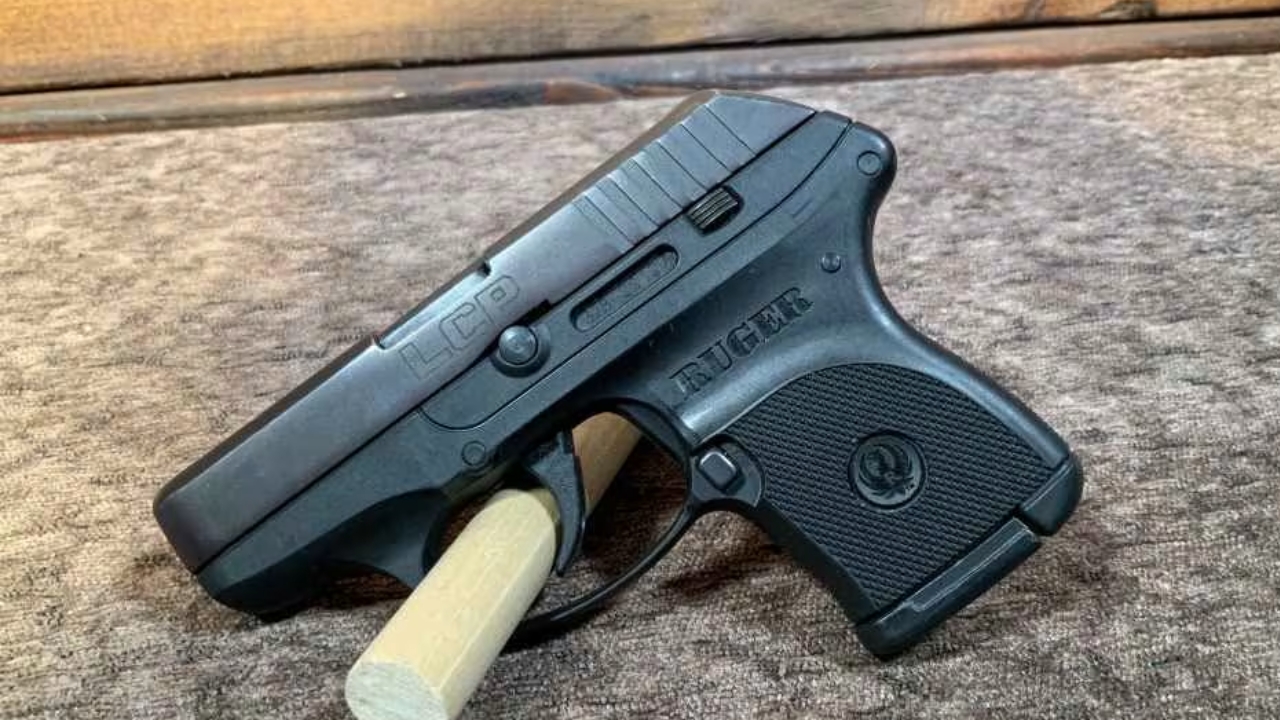
The Ruger LCP is easy to carry and hard to shoot well. That is the tradeoff. It disappears in a pocket, weighs almost nothing, and gives people a firearm they can keep with them when larger guns feel like too much.
For a beginner, it can be discouraging. The sights are tiny, the grip is barely there, the trigger is not especially friendly, and the little .380 can feel snappy. New shooters may assume they are bad shots when the real problem is that the gun gives them almost nothing to work with.
KelTec P-3AT

The KelTec P-3AT helped make ultra-light pocket .380s popular, but it is not a friendly training gun. It is thin, light, and very easy to carry. That also means it gives the shooter little grip surface and little recoil control.
A new shooter needs a handgun that rewards good fundamentals. The P-3AT tends to punish everything. A loose grip, weak wrist, or poor trigger press can show up immediately. It may work as a deep-concealment pistol for someone experienced, but it is a rough first handgun.
Diamondback DB9

The Diamondback DB9 tries to put 9mm power into a very small package. That sounds great until a new shooter actually fires it. Tiny 9mm pistols are rarely forgiving, and the DB9 is a perfect example of why.
Recoil comes back fast, the grip is short, and there is not much mass to help settle the gun. New shooters often end up anticipating the shot and pushing rounds low. A pistol this small may be easy to hide, but it makes learning proper control much harder.
SIG Sauer P365 SAS

The SIG P365 SAS sounds beginner-friendly because it is smooth, snag-free, and compact. The problem is the sighting system. A new shooter already has enough to process without learning a nontraditional sight picture that does not behave like normal irons.
Some experienced shooters can run the SAS well. Many beginners find it slower and less clear than standard sights. The regular P365 is already small enough for carry. The SAS version adds a learning curve that a new shooter probably does not need.
Springfield Hellcat

The Springfield Hellcat is a strong carry pistol, but that does not make it an easy first gun. It packs a lot of capacity into a very small frame. That is excellent for concealment, but the tradeoff is snappy recoil and a grip that can feel cramped.
New shooters often do better with a slightly larger pistol that gives them more hand contact and a calmer recoil impulse. The Hellcat can be learned, but it asks for a solid grip from the start. Without that, the gun can feel jumpy and frustrating.
SIG Sauer P938

The SIG P938 is attractive because it is small, metal-framed, and chambered in 9mm. It looks like a premium carry gun, and the 1911-style controls make sense to people who like manual safeties.
For beginners, it can be a lot. The grip is short, recoil is sharp, and the single-action safety system requires consistent handling habits. New shooters who are still learning grip, sight alignment, trigger control, and safe manipulation may be better served by something larger and less demanding.
Kimber Micro 9

The Kimber Micro 9 has the same basic issue as many small single-action carry pistols. It looks refined, feels classy at the counter, and seems like a more serious choice than a plastic pocket gun. But tiny 9mms are rarely easy for beginners.
The recoil is sharper than the size suggests, the controls require practice, and the grip gives little room for error. A new shooter may like how it looks and hate how it shoots. That is not a great recipe for building confidence.
Glock 27

The Glock 27 was once a popular compact carry gun because it offered .40 S&W power in a small package. Experienced shooters can manage it, but for beginners it can be a handful. The short grip and sharp .40 recoil make it less forgiving than a compact 9mm.
New shooters often struggle with low-left hits when they are already fighting trigger control. Add a snappy caliber and a small frame, and those problems get worse. A Glock 19 or Glock 48 is usually a much better learning platform.
Smith & Wesson M&P Shield .40
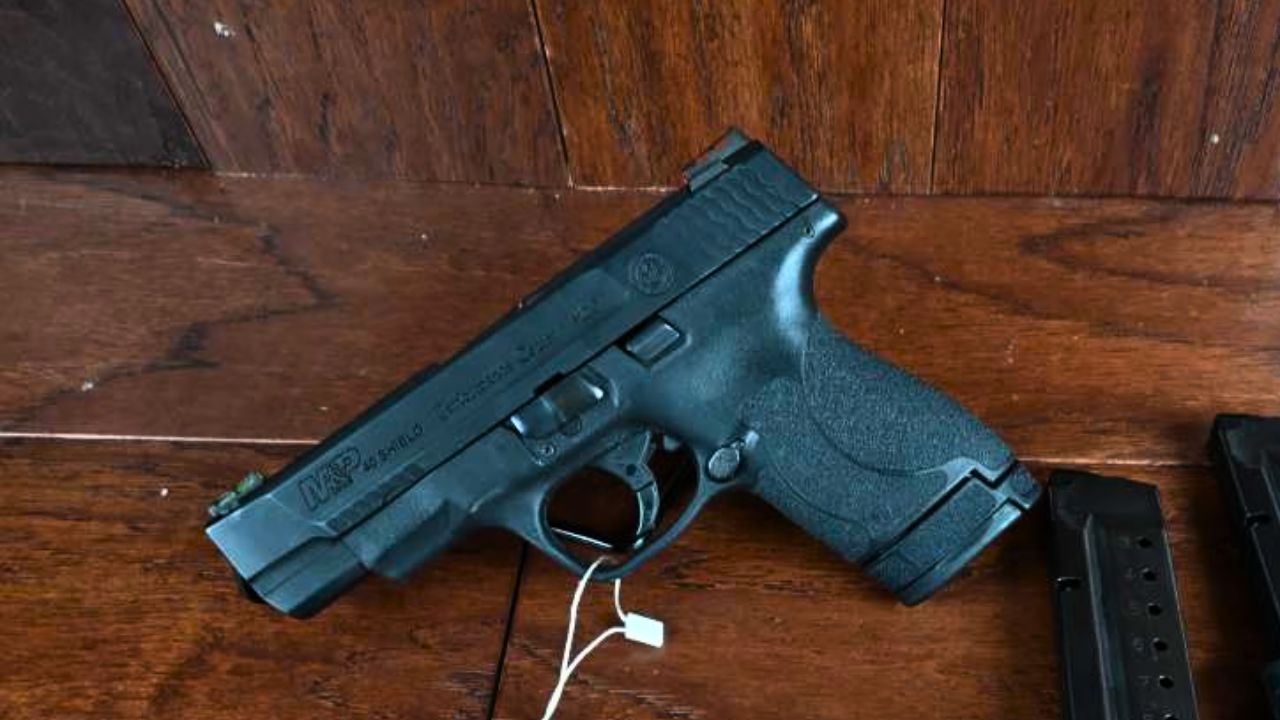
The original M&P Shield was a strong carry pistol, but the .40 S&W version can be rough for new shooters. It is thin, light, and compact, which makes it easy to carry. Those same traits make recoil feel sharper.
A beginner is usually better off with the 9mm version. The .40 may offer more snap without offering enough practical benefit to justify the harder learning curve. When a new shooter is trying to build confidence, comfort matters.
Springfield XD-S .45 ACP
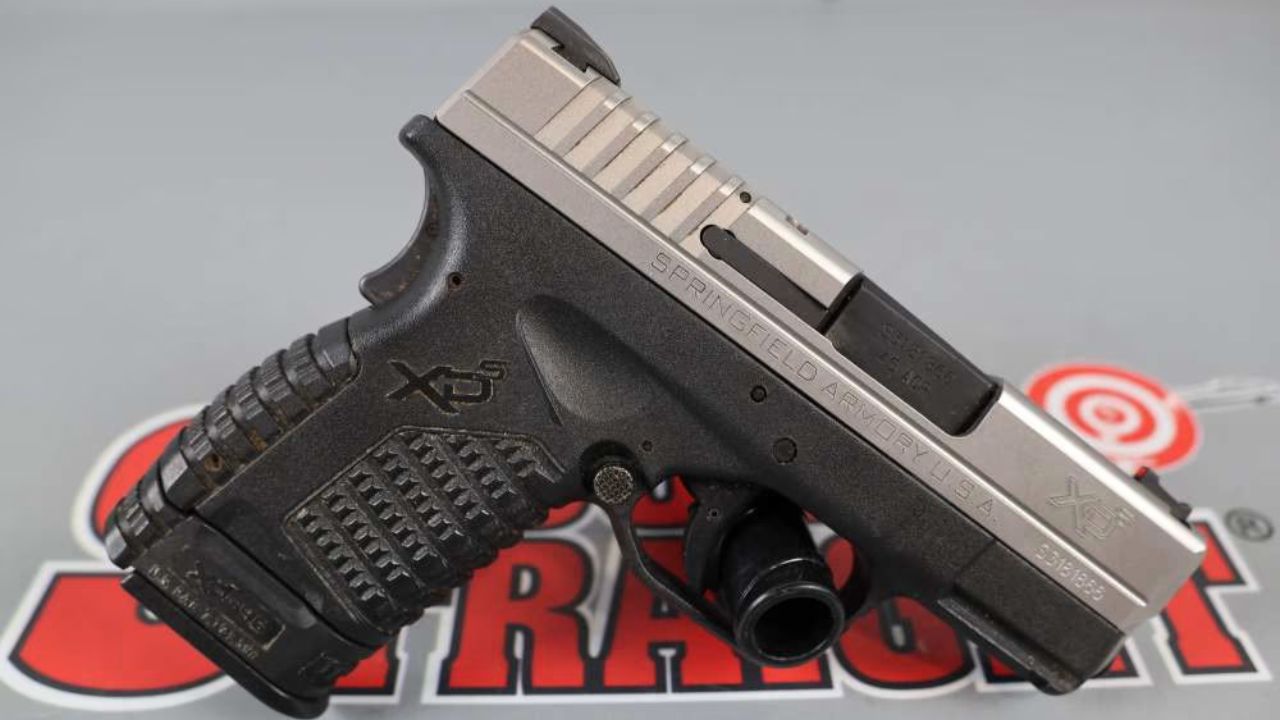
The Springfield XD-S in .45 ACP sounds appealing to people who want a big bullet in a slim carry gun. That idea sells well at the counter. The problem is that a small, thin .45 can be unpleasant for new shooters.
The recoil is stout, the grip is narrow, and follow-up shots can be slow. A beginner may fire one magazine and decide handguns are not fun. The XD-S can work for experienced carriers, but it is not an easy place to start.
Glock 36

The Glock 36 is a slim .45 ACP pistol that appeals to people who want Glock reliability with a bigger caliber. It carries flatter than larger .45s and has a straightforward design.
For new shooters, though, it combines limited capacity with a recoil impulse that is harder to manage than a similarly sized 9mm. The grip does not give as much control as a full-size pistol, and .45 ACP in a slim gun can feel pushy. It is not a beginner-friendly setup.
Taurus Judge
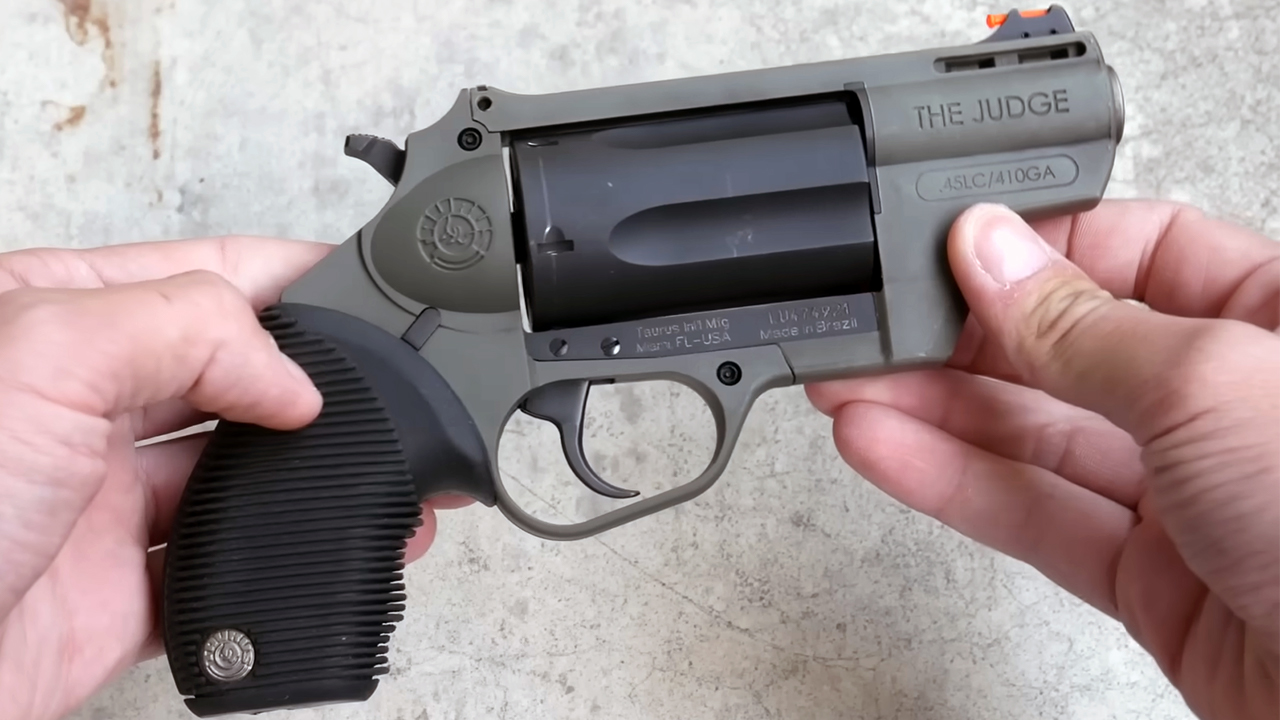
The Taurus Judge often gets recommended to nervous beginners because it sounds easy. A revolver that fires .410 shotshells seems forgiving, powerful, and intimidating. That sales pitch can be very convincing.
In reality, it is bulky, heavy, and not especially easy to shoot well. The trigger is long, the gun is large, and the recoil with certain loads can surprise people. New shooters need clear feedback and simple fundamentals. The Judge often gives them noise, blast, and confusion instead.
Smith & Wesson Governor

The Smith & Wesson Governor has the same problem as the Judge. It sounds versatile because it can fire .410 shotshells, .45 Colt, and .45 ACP with moon clips. Versatility can be useful, but it can also overwhelm new shooters.
Beginners do not need a handgun that asks them to sort through multiple ammunition types, recoil levels, and use cases. They need a gun they can learn consistently. The Governor is interesting, but it is not the smoothest path to basic handgun skill.
Desert Eagle .50 AE

The Desert Eagle in .50 AE is not a beginner gun, but plenty of new shooters still get talked into trying one at the range. It is famous, huge, loud, and exciting. That makes it tempting.
It is also a terrible confidence builder. The weight, blast, recoil, and cost all work against learning. A new shooter who starts with a Desert Eagle may develop a flinch before they ever understand what a clean trigger press feels like. It is a spectacle, not a teaching tool.
Ruger Super Redhawk .454 Casull

The Ruger Super Redhawk in .454 Casull is a serious hunting revolver, not a beginner handgun. It is strong, powerful, and built for people who know exactly why they need that much revolver.
For a new shooter, it is too much too soon. The recoil and blast can create bad habits quickly, even in a heavy gun. Someone learning handgun fundamentals should not be introduced with a cartridge that makes experienced shooters pay attention. Power is not helpful if it teaches fear of the trigger.
North American Arms Mini Revolver

The North American Arms Mini Revolver is tiny, clever, and easy to carry. It also looks unintimidating to people who are nervous around larger handguns. That can make it seem beginner-friendly.
It is not. The grip is extremely small, the sights are minimal, and the manual operation takes care and practice. It is difficult to shoot accurately beyond very close range. A new shooter needs a handgun that makes safe handling and good hits easier, not harder.
Ruger Wrangler

The Ruger Wrangler is not a bad beginner gun in the right context. As a slow-fire .22 revolver, it can be safe, affordable, and fun. The reason it belongs here is that it can also slow down learning if someone needs practical defensive handgun skills.
Single-action revolvers teach deliberate shooting, but they do not teach slide operation, magazine changes, recoil control with centerfire calibers, or modern defensive pistol handling. For casual plinking, the Wrangler is fine. For a new shooter trying to become capable with a defensive handgun, it is not enough by itself.
Like The Avid Outdoorsman’s content? Subscribe to our newsletter so you never miss an article.
Here’s more from us: