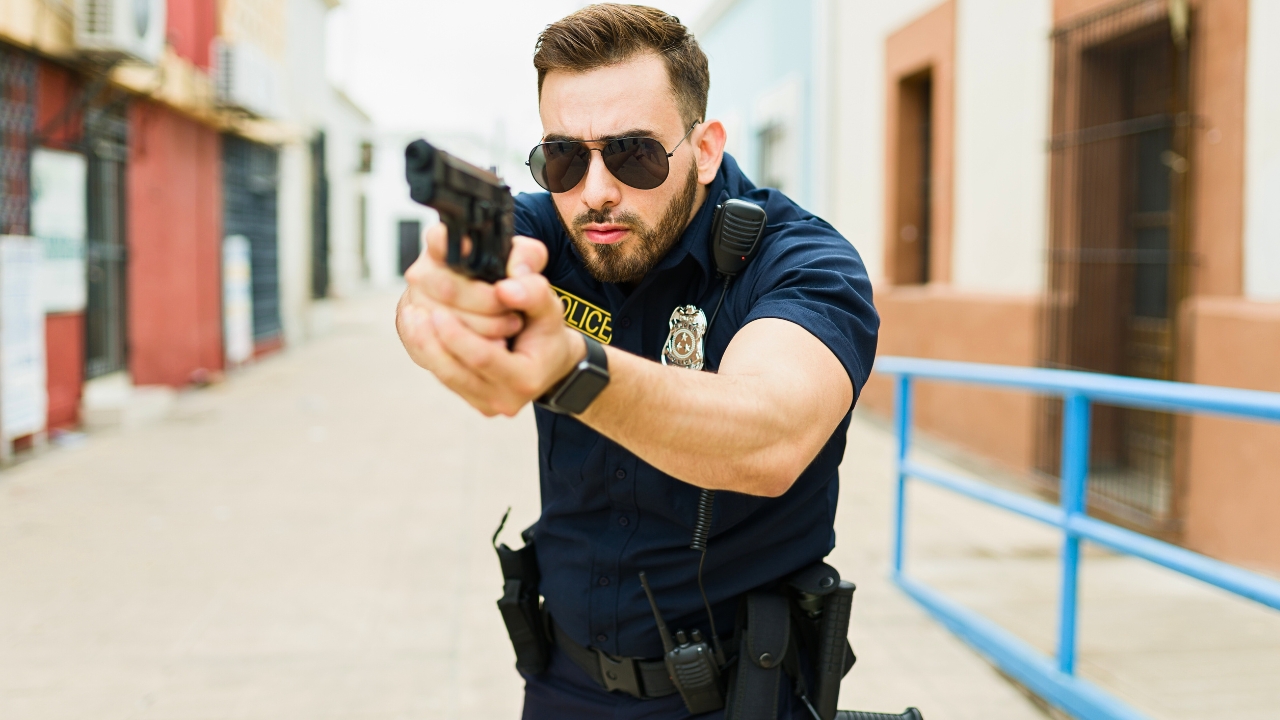
Photo credit: antoniodiaz/Shutterstock.com
A duty pistol isn’t a range toy or a weekend carry gun. It rides in a holster through rain, sweat, road grime, and long shifts. It gets drawn thousands of times in training, bumped into door frames, and run one-handed in awkward positions. And when it finally has to work for real, it has to work right now—no excuses, no drama, no “it usually runs.”
That’s why you see the same handful of pistols dominate law enforcement year after year. They’re not always the newest, and they’re rarely the most exciting. They’re the guns that departments can train with, maintain in bulk, and trust across thousands of officers with different skill levels. If you want to understand what “reliable” actually looks like when a pistol is carried for a living, these are the duty guns that keep proving themselves.
Glock 45

The Glock 45 is a modern duty favorite because it gives you the full-size grip that officers shoot well, paired with a slightly shorter slide that carries better on a belt all day. The full grip helps with recoil control and fast reloads, especially for shooters with big hands or when you’re running gloves.
Departments also like that it fits current duty setups without fuss. Lights, optics, and standard Glock magazines all work, and armorers already understand the system. The 45 tends to shoot like a full-size gun, but it handles like something a little more compact in tight spaces and vehicle work. That’s not marketing—it’s a real comfort factor when you’re in and out of a cruiser for hours. If an agency is moving from older full-size pistols but doesn’t want to go smaller in the grip, the Glock 45 is a common landing spot.
Glock 22

The Glock 22 earned its place during the years when .40 S&W dominated law enforcement. It offered higher capacity than older .45 duty guns, more perceived punch than 9mm at the time, and it ran well in a service pistol that was easy to maintain. A lot of agencies built entire training programs around it.
Even with the big move back to 9mm, the Glock 22 is still relied on in plenty of departments simply because it’s already there. Guns, mags, holsters, and parts were purchased in bulk, and the pistols keep running. Some agencies also keep .40 for specific roles where barrier performance is valued. The recoil is snappier than 9mm, which can slow some shooters down, but the platform itself remains dependable. If you’re looking for a pistol that has real street history and still shows up in duty holsters today, the 22 is part of that story.
Smith & Wesson M&P9

The M&P9 has become a staple because it fits hands well and is easy to shoot for a wide range of officers. That matters more than internet arguments. A pistol that points naturally and stays controllable helps qualification scores and reduces training headaches. For many shooters, the M&P grip shape simply works.
The platform is also built for duty life. Departments have access to armorer support, parts pipelines, and a wide selection of duty holsters and light options. Modern M&P variants are also commonly configured for optics, which is becoming standard in many agencies. The trigger feel has evolved over the years, but the overall package is consistent and reliable. When a department wants a service pistol that feels more ergonomic than some competitors without giving up durability, the M&P9 is a common choice. It’s not trendy. It’s practical.
Smith & Wesson M&P40

The M&P40 has a long duty track record from the era when .40 S&W was the default. It gave agencies a platform with strong ergonomics and a predictable manual of arms while still delivering the performance they wanted at the time. Many departments ran these pistols hard for years.
Today, you still see them in service because they were purchased in large numbers and they keep working. When budgets are real, “still works” matters. The M&P40 can be snappy, and some shooters don’t run it as fast as 9mm, but reliability and durability aren’t usually the problem. For departments that haven’t fully transitioned to newer platforms—or that keep .40 guns in rotation—the M&P40 remains a duty pistol officers trust. It’s also a reminder that the gun world moves in cycles. What was common ten years ago is still common in armories all over the country.
SIG Sauer P226

The P226 is a classic duty pistol that built its reputation through long service and high round counts. It’s accurate, durable, and trusted by agencies that value a metal-frame gun and a DA/SA trigger system. For departments that train hard, the P226 has been a steady performer for decades.
Even as striker-fired pistols dominate new contracts, the P226 still shows up in specialized roles and in agencies that haven’t felt the need to abandon a platform that works. It handles recoil well, it runs smoothly, and it tends to keep performing even when it’s been carried a long time. The DA/SA system requires training, but many departments like the deliberate first pull and the control it can offer. The P226 isn’t the cheapest route for a full fleet, but for agencies that already have the infrastructure and trust in place, it remains a reliable work pistol.
SIG Sauer P229

The SIG P229 is the compact duty SIG that many officers learned on, especially during the .40 and .357 SIG years. It’s built strong, it shoots well, and it has a reputation for being tough enough for daily patrol work. A lot of departments relied on it because it gave them a smaller package without feeling like a compromise.
The P229 also fits a real duty role for investigators and plainclothes units who still want a service-grade pistol. The DA/SA system can be a learning curve, but once officers are trained, it’s consistent and predictable. Many shooters also find the gun points naturally and stays stable under recoil. It’s not as common in new department-wide purchases as striker-fired guns, but it remains a platform that officers trust when they’ve spent time behind it. When you hear veterans talk about a duty pistol they never worried about, the P229 often comes up.
Beretta 92 Series
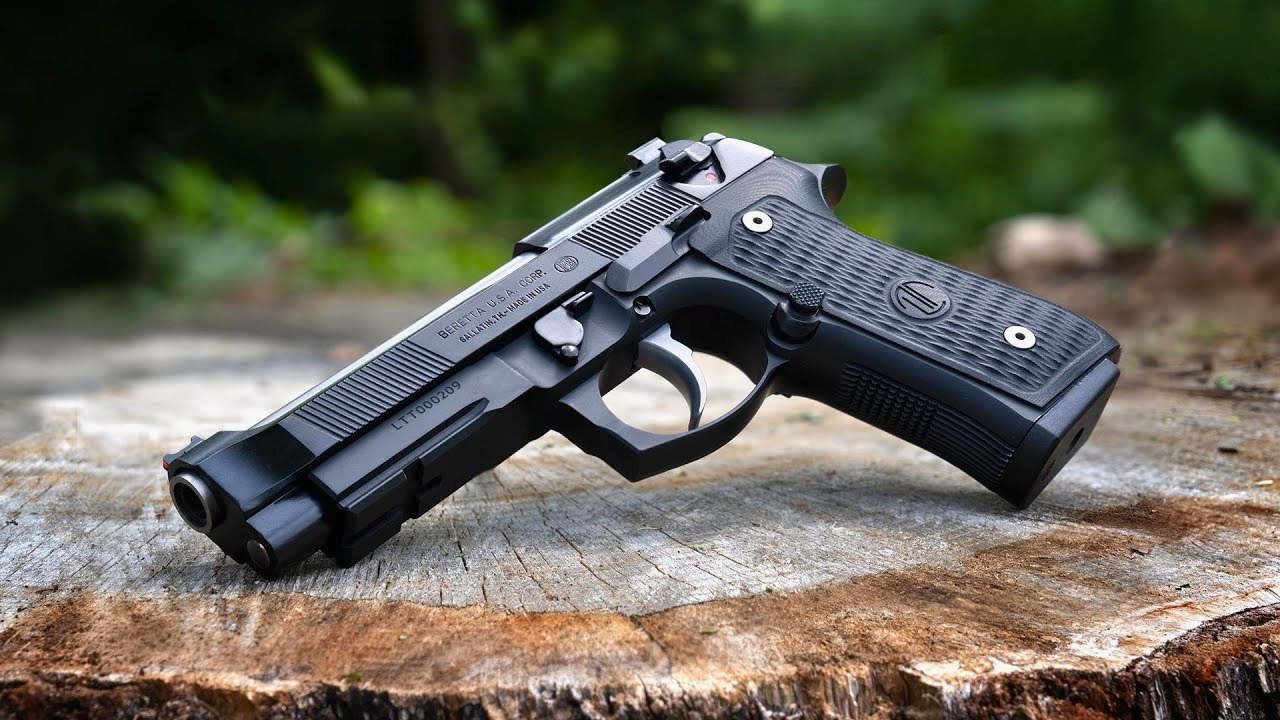
The Beretta 92 series has real duty history in the U.S., and it earned that reputation through long service and heavy training cycles. It’s known for smooth operation, good accuracy, and a recoil impulse that many shooters find easy to manage. For some departments, those traits translated into solid qualification performance.
The downside is size. The grip can be large for smaller hands, and the DA/SA system demands real training if you want consistent first-shot performance. But in agencies that trained around it, the 92 proved to be durable and reliable. You still see Berettas in service and in armories because they last and because parts and institutional knowledge exist. The 92 isn’t a modern polymer striker pistol, but it remains a legitimate duty tool with a long track record. When a pistol has survived decades of hard use, it tends to earn respect.
HK USP

The HK USP is relied on by agencies and units that want durability first. It’s built like a service tool, with a strong reputation for surviving hard use and rough conditions. It’s not the lightest pistol on the belt, but it’s a gun that tends to keep running even when it’s been carried and shot a lot.
Another reason it’s trusted is configuration flexibility. Many USP variants support different safety and decocker setups, which lets departments match the pistol to policy. It’s also a platform that shoots accurately and handles recoil in a steady, predictable way. The USP often costs more than the mainstream options, which is why you don’t see it everywhere. But where it is issued, it’s usually because a department wanted a pistol that would take abuse and keep working. Officers don’t fall in love with duty pistols. They trust them. The USP earns that kind of trust.
HK P30

The HK P30 shows up as a duty choice because it fits a wide range of hands and still carries HK’s reputation for long-term durability. The grip system helps departments issue one pistol while still letting officers tailor fit. That matters because fit affects trigger control, recoil control, and confidence.
The P30 is also known for being controllable in fast strings, which helps officers shoot better under time pressure. Many agencies that prefer DA/SA systems like the way the platform supports that approach, and HK reliability is a big part of the appeal. It’s not the most common duty pistol in America, but it’s a serious one. The departments and units that choose it usually do so because they want a pistol that feels good in the hand, runs clean, and lasts. When you’re issuing guns to people who may not baby them, that kind of track record matters.
FN 509

The FN 509 is a modern duty pistol that departments look at when they want striker-fired reliability with a platform built around lights, optics, and high-volume training. It was designed to be a service gun, not a boutique carry piece, and it shows in the way it handles abuse and keeps running.
Agencies also like the growing support network—duty holsters, parts availability, and modern configurations that fit current policy trends. The 509 tends to shoot accurately, and many officers find it controllable under recoil. It’s not as universally adopted as Glock, but it’s become a serious option as departments update gear. FN’s reputation with military and law enforcement procurement helps too. When agencies evaluate pistols, they’re not only judging the gun—they’re judging the company’s ability to support it for years. The 509 often makes the list because it checks both boxes.
CZ P-10 F

CZ doesn’t dominate the duty market the way Glock does, but the P-10 series has earned respect for reliability and shootability. The P-10 F is the full-size option, and it’s built to run hard with a grip and trigger feel that many shooters find easy to control. That translates into better performance during qualification and training.
The P-10 F also offers a solid duty feature set: modern sights, light compatibility, and straightforward maintenance. Agencies that choose CZ often do so because the guns shoot well in a wide range of hands and because the platform has proven dependable with high round counts. It’s not as common in the biggest departments, but it’s very real in the law enforcement world, especially where procurement decisions lean toward performance value. When you’re carrying a pistol every day, “shoots well and runs” is the whole point. The P-10 F brings that to the table.
Glock 17

The Glock 17 is the plain, proven answer for a lot of agencies because it does the boring stuff right. Full-size grip, good sight radius, and a consistent trigger pull that’s easy to teach across a whole department. It’s also forgiving of less-than-perfect maintenance, which matters when guns are shared, issued, and shot hard.
The bigger story is support. Parts are everywhere, armorers know the platform, and every holster and light maker supports it. When a department wants a pistol that won’t turn into a logistics problem, the 17 keeps winning. It’s also predictable under stress, and predictability is what keeps hits on target when officers are tired, cold, and moving fast. The Glock 17 isn’t famous because it’s flashy. It’s famous because it keeps showing up and doing its job.
Glock 19
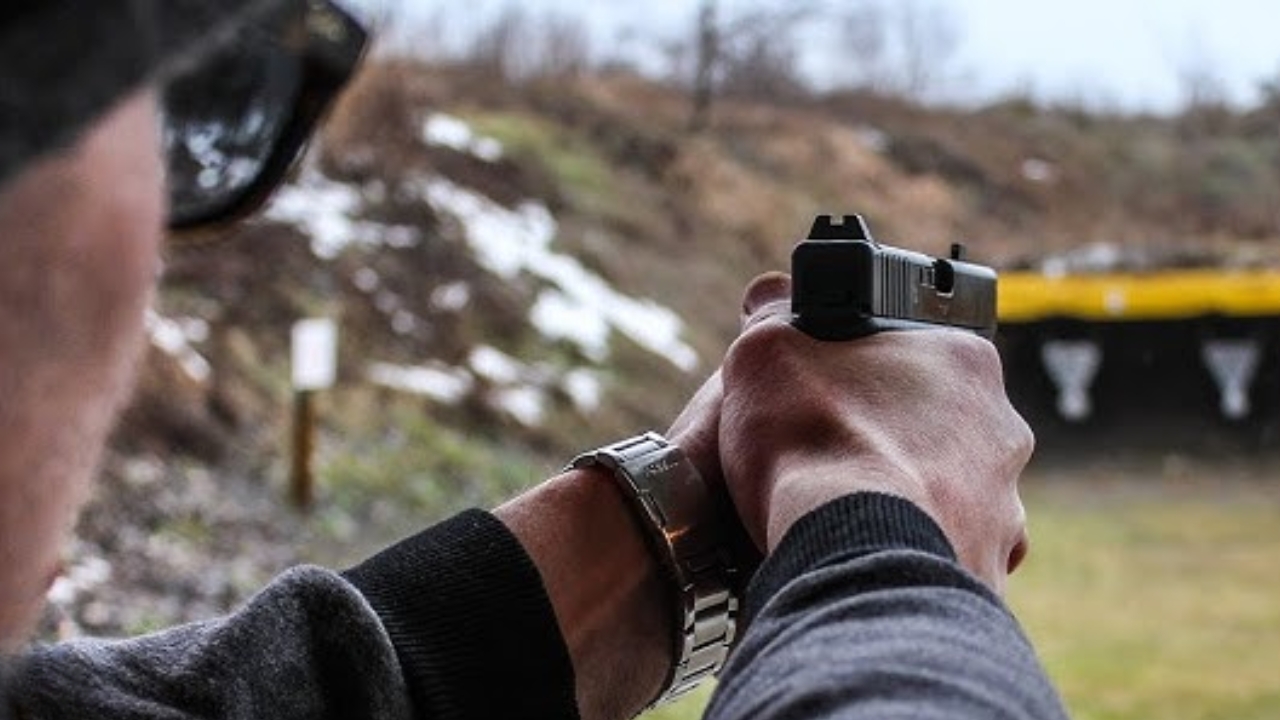
The Glock 19 keeps getting issued because it fits more people and more roles without losing the “duty gun” feel. It’s easier to carry in a patrol car, easier to conceal for plainclothes work, and still large enough to run hard with gloves or under stress. That balance makes it a common choice when agencies want one pistol for everyone.
Training is also straightforward. The manual of arms is the same every time, and the gun runs well with modern duty ammo. It also plays nicely with weapon lights and optics-ready setups, which is increasingly important for departments updating their gear. The 19 isn’t the softest shooter in the world, but it’s controllable, consistent, and supported by an enormous aftermarket. If you want a pistol that can live in a uniform holster all day and still make sense off-duty, this is the one agencies lean toward.
1911 Pattern Duty Guns
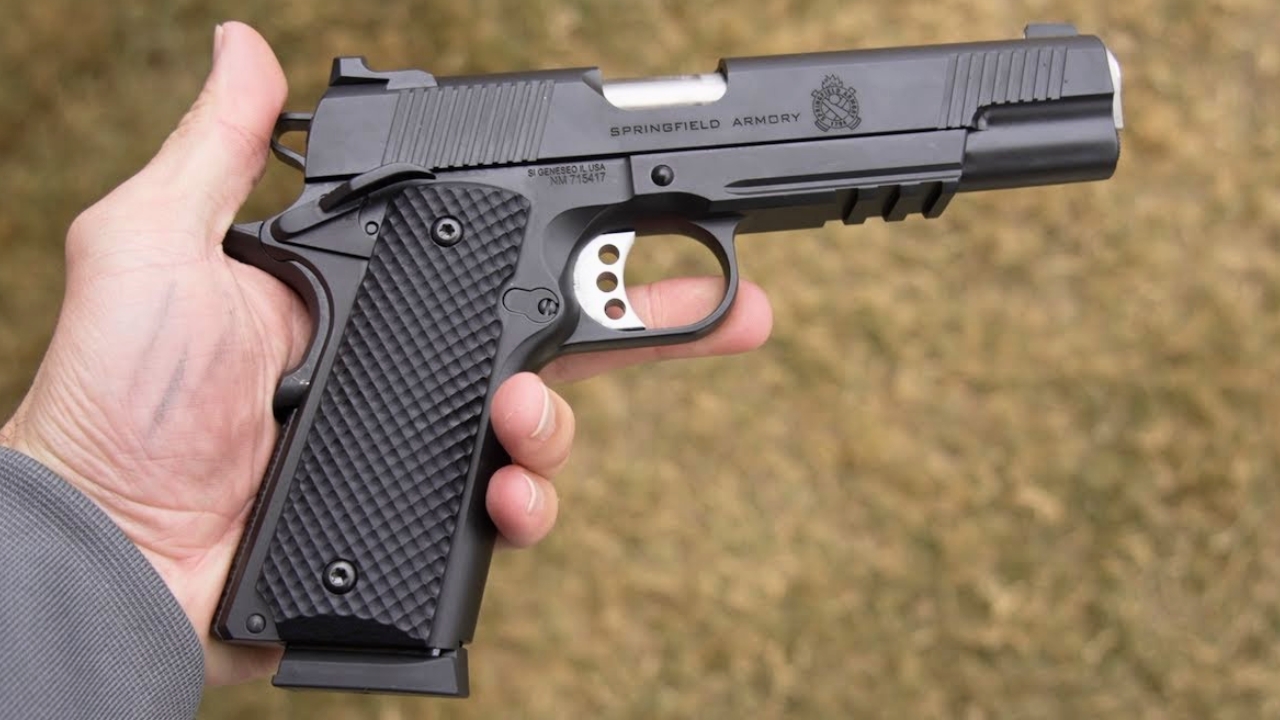
The 1911 isn’t a mainstream patrol pistol today, but it still shows up in duty roles where training standards are high and the mission supports the platform. Certain units and specialized roles have relied on 1911-style pistols because a good 1911 is accurate and has a trigger that makes precise shooting easier for skilled hands.
The tradeoff is maintenance and commitment. A 1911 demands more attention than modern striker pistols, and departments that issue them usually have armorers and training programs that can support that reality. You don’t see it as often in regular patrol because fleet simplicity matters, but it remains a platform that professionals trust when properly supported. The reason it still exists in the duty conversation is simple: it works when it’s set up right and maintained correctly. In the hands of people who train hard, it can be a very effective working gun.
Like The Avid Outdoorsman’s content? Subscribe to our newsletter so you never miss an article.
Here’s more from us: