Photo credit: sootch00/Youtube
Everybody’s got a shotgun story that starts with, “It ran fine with birdshot.” Then somebody feeds it a steady diet of buckshot, slugs, or heavy steel waterfowl loads and the truth comes out. Some guns short-stroke. Some beat themselves to death. Some rattle loose, crack stocks, or start having light strikes right when you’re trying to prove a point on the range.
This isn’t about brand wars. It’s about the difference between a shotgun that’s happy being a casual dove gun and one that will keep cycling when you’re shooting real ammo, in real weather, with real expectations. Here are 20 shotguns that have a habit of showing their weak spots once you stop babying them.
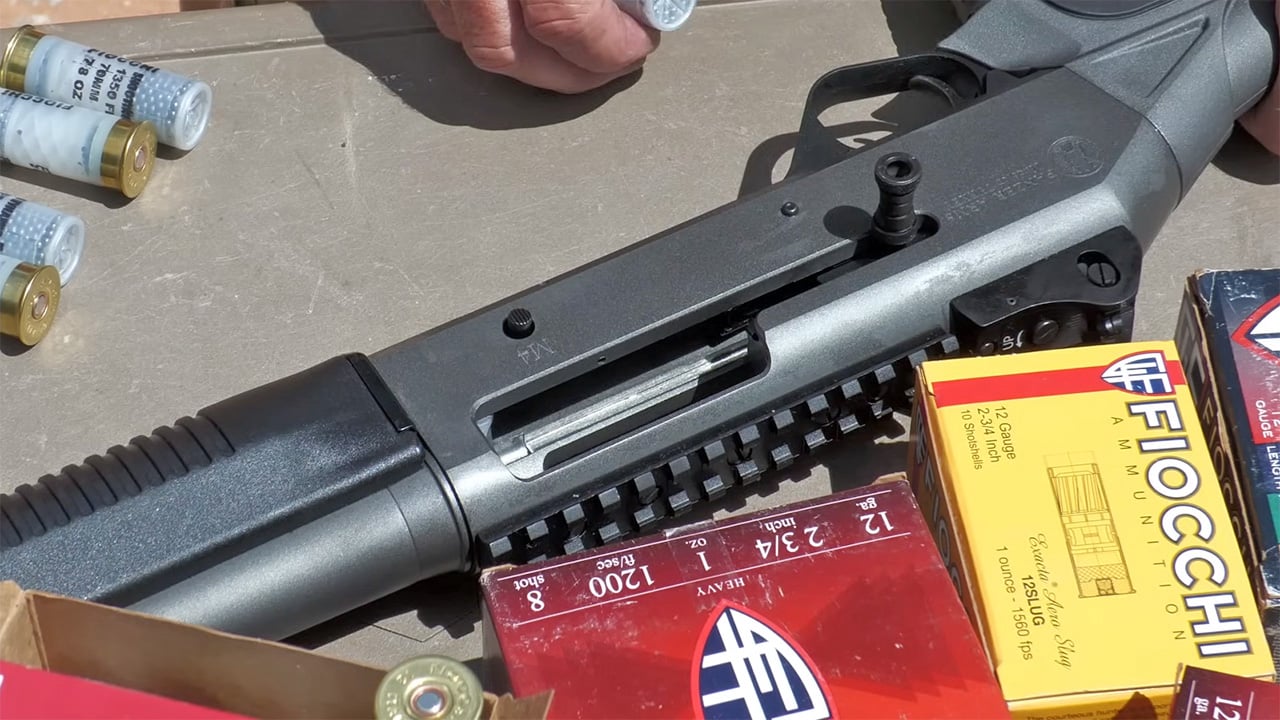
1. Turkish-made Benelli M4 “clones” (various import brands)
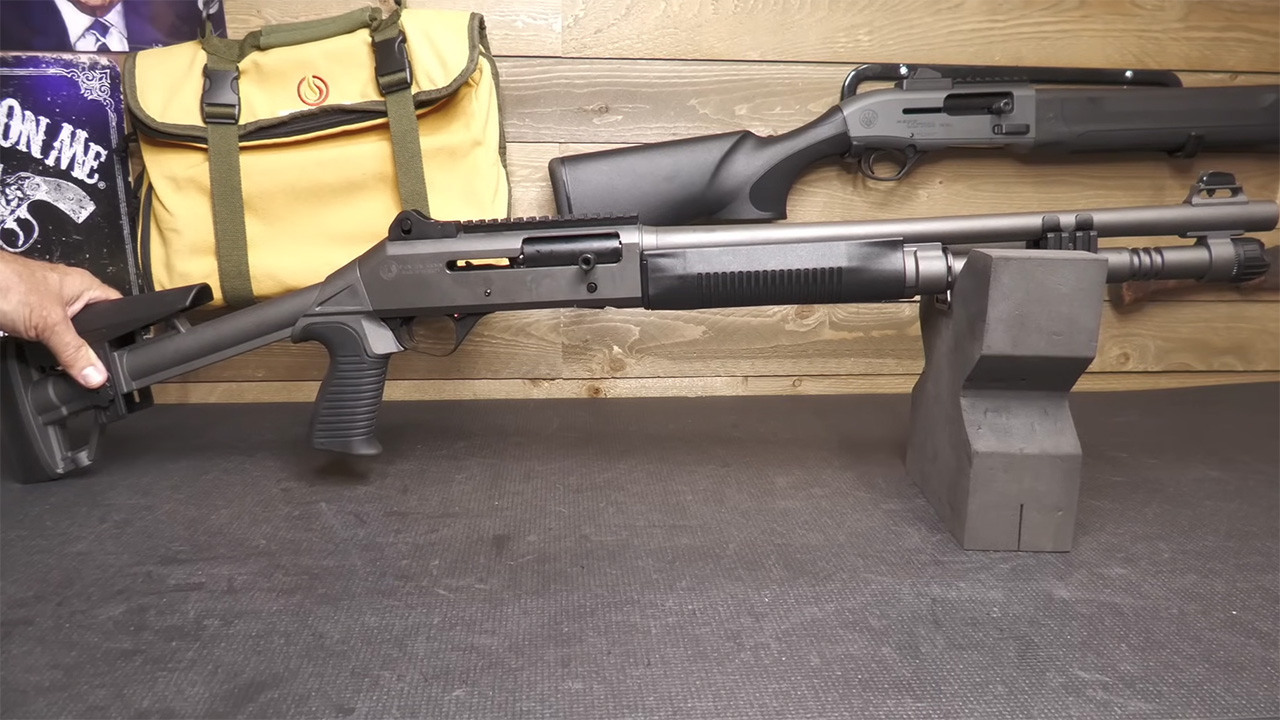
I get why these sell. The M4 look is cool, the price is tempting, and most of them will run light range ammo well enough to make you think you found a loophole. The trouble starts when you move into full-power buckshot and slugs, especially across different brands of ammo.
The common theme is inconsistent gas systems, rough machining, and parts that aren’t truly interchangeable with the real deal. When one chokes, it’s often a failure to fully cycle or a bolt that doesn’t quite go into battery. For a “serious” shotgun, that’s a hard pill to swallow.
2. Remington 870 Express (late production, rough-chamber era)

The old 870s earned their reputation. The later Express guns, especially some of the rougher years, are where the love story got complicated. Run cheap bird loads and you might never notice it. Start pounding 3-inch waterfowl loads or a pile of slugs, and extraction can get sticky in a hurry.
The rough chamber issue shows up as hulls that don’t want to come out, and you end up yanking the forend like you’re trying to start a stubborn lawn mower. A pump gun should not feel like it’s negotiating with you.
3. Mossberg 500 with budget furniture and heavy recoil use
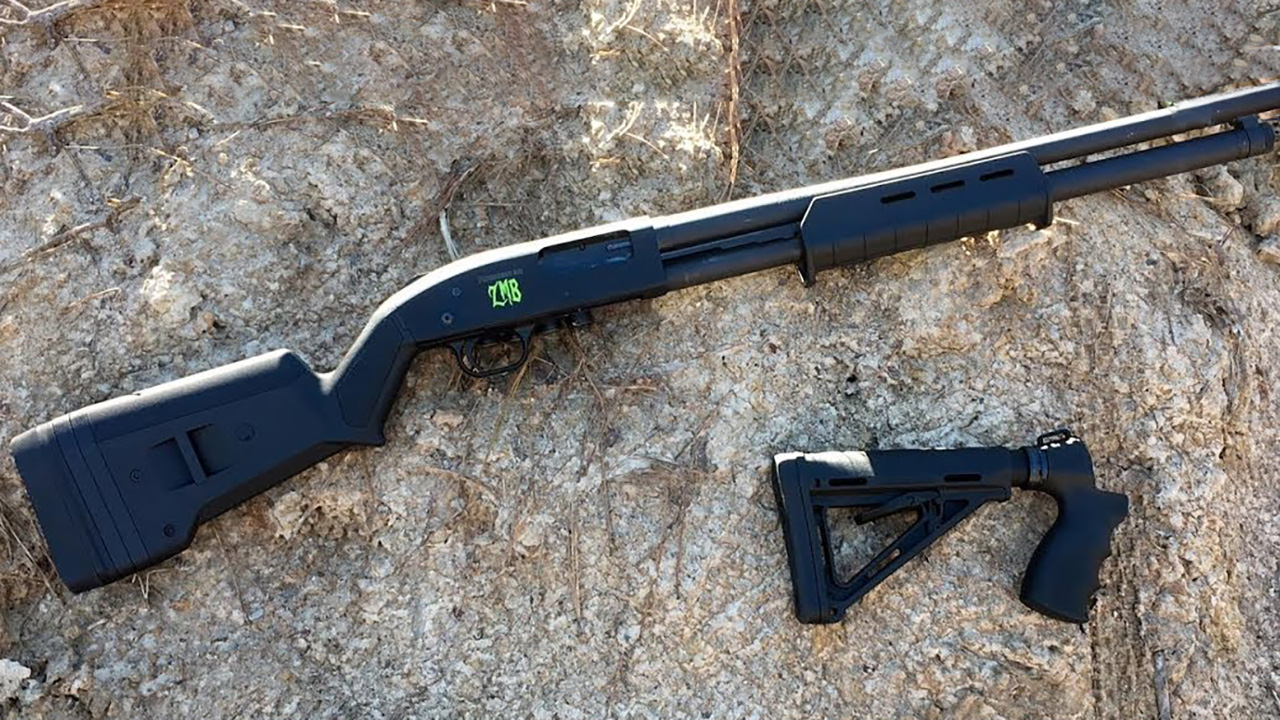
I’m not calling the 500 a bad shotgun. I’ve owned them, hunted them, and I still think they’re one of the best “working man” options out there. But the bargain versions with hollow stocks and basic recoil pads can turn into a problem when you start feeding them slugs and buckshot every weekend.
What “chokes” here isn’t always the action, it’s the shooter and the gun staying tight. Screws back out, stocks loosen, and the gun starts feeling sloppy. Add in the right (wrong) mix of cheap shell rims and a dirty chamber, and you’ll see the occasional hang-up.
4. Winchester SXP (sensitive to short-stroking under recoil)
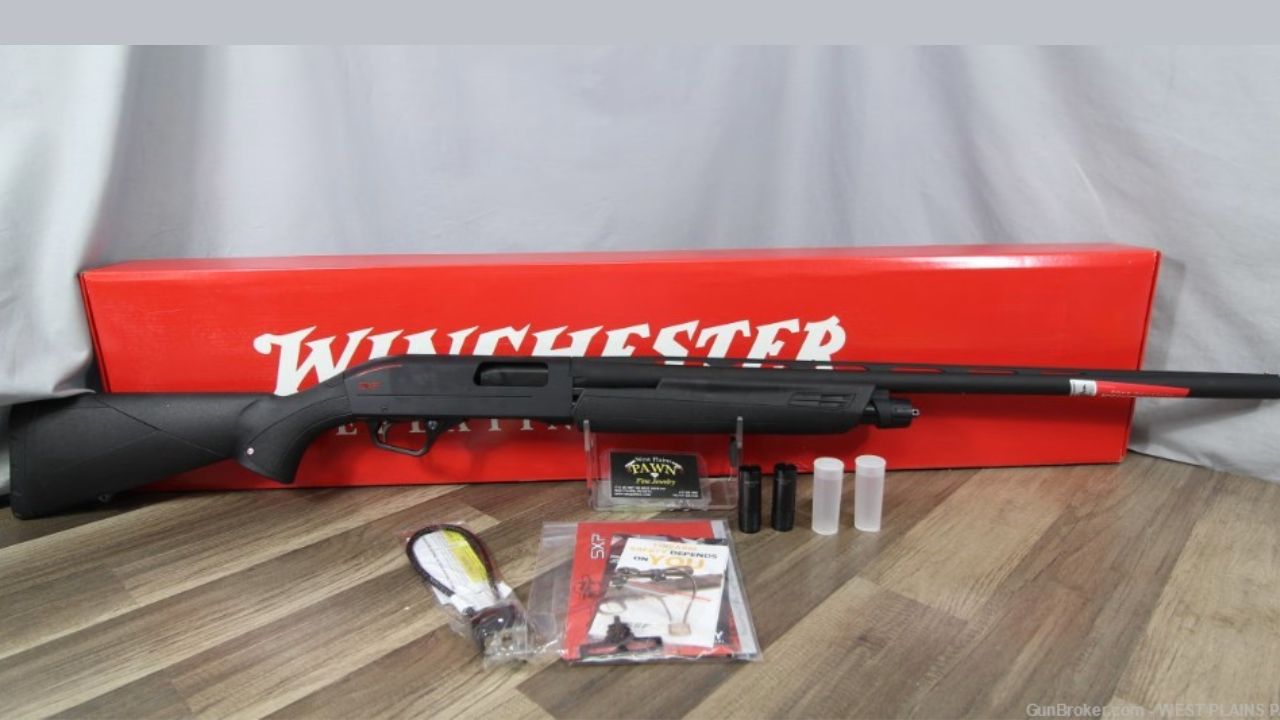
The SXP is fast when you run it with authority. That’s also the problem. With heavy loads, recoil can make new shooters get timid and start babying the forend, and that’s when the “it jammed” complaints start.
It’s not that the gun can’t take real shells; it’s that the platform punishes imperfect technique more than some other pumps. Under buckshot recoil, it’s easy to short-stroke and tie it up in a way that feels like a mechanical failure.
5. Hatsan Escort semiautos (hit-or-miss gas tuning)
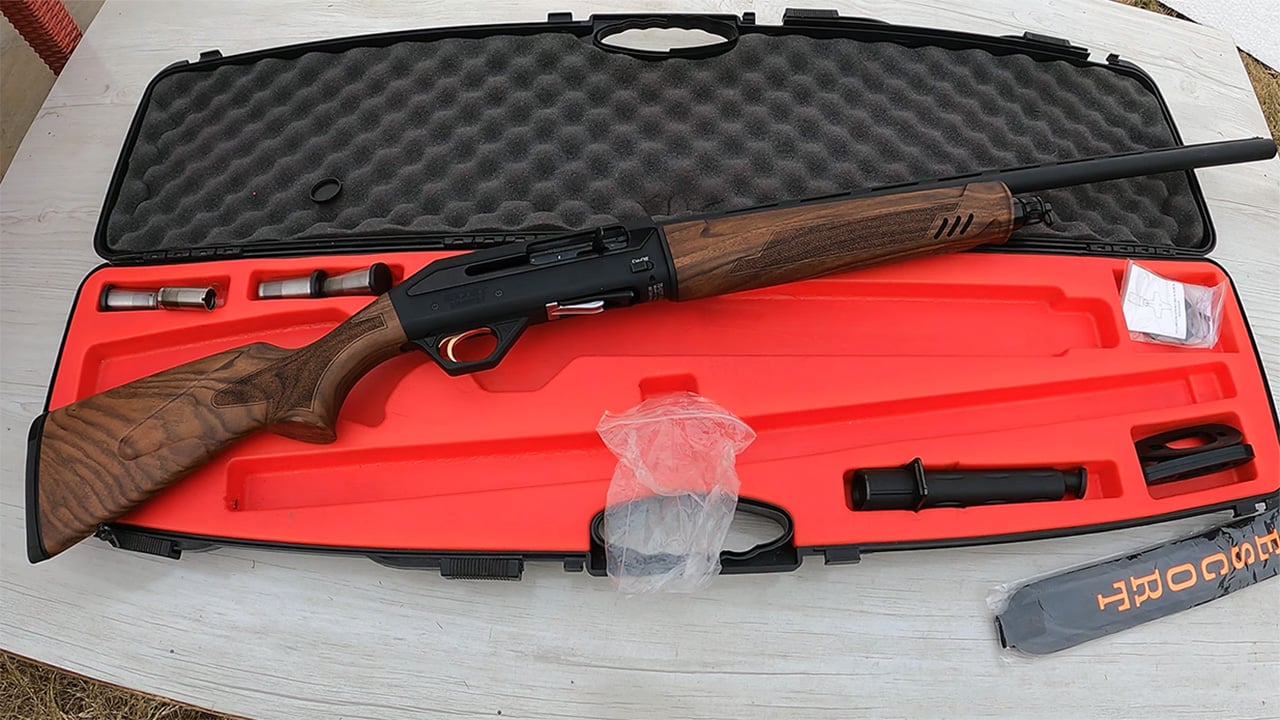
Escorts are everywhere, and some of them run surprisingly well for the money. Others act like they were tuned on a different planet. Light loads might cycle, then a real 3-inch hunting load suddenly turns into a failure-to-feed festival, or the opposite happens.
When they start choking, it’s often a timing issue: bolt speed, carrier lift, and the way the shell releases can get out of sync. If you’re willing to tinker and test, you can end up with a decent budget beater. If you want certainty, this is where doubt creeps in.
6. Charles Daly/various import AR-style .410 semiautos
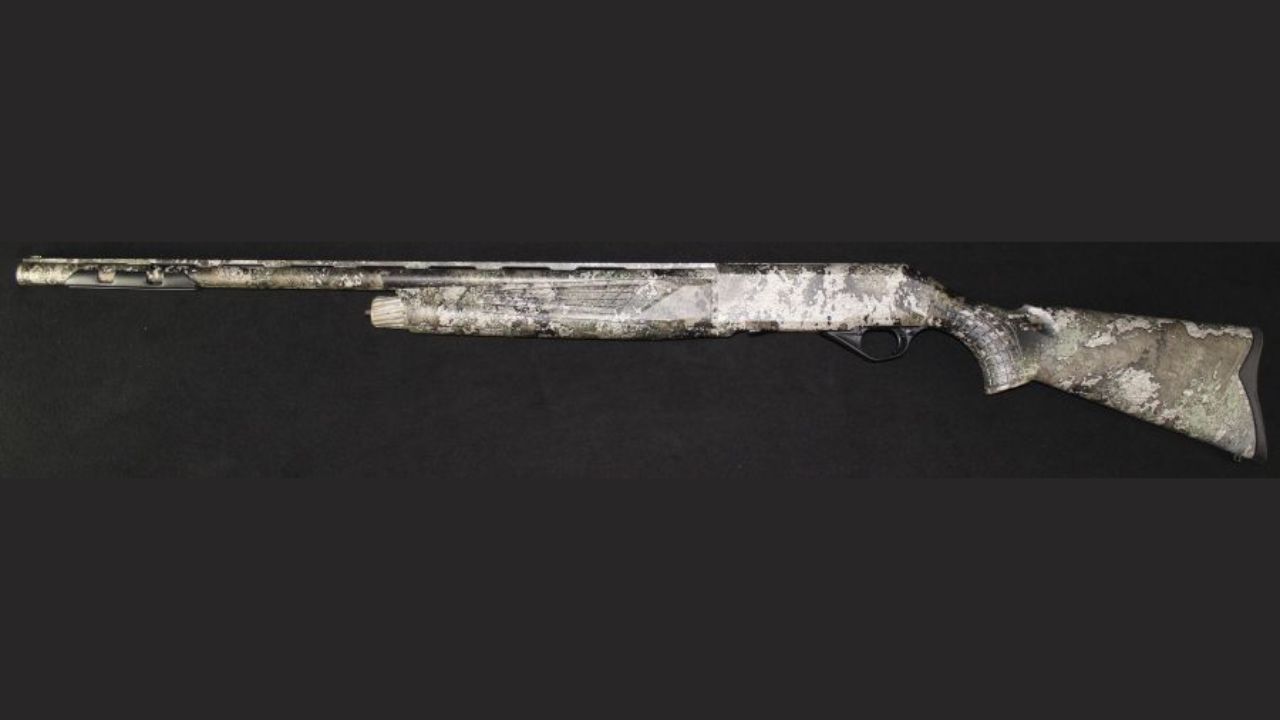
The .410 gets sold like it’s a “starter shotgun.” In reality, it can be finicky, and the AR-style .410s are the poster child for it. With heavy .410 hunting loads, you’d think they’d cycle better. Sometimes they don’t.
Magazines are a big part of the problem. Feed angle, shell length variation, and spring tension all matter more than folks expect. If you want a .410 that works, a simple break-action often causes fewer headaches.
7. Remington 1100 (worn O-rings and heavy load neglect)

I love the 1100. It points like a bird gun should, it’s soft shooting, and it has put a mountain of game on the ground. But when an 1100 starts choking, it’s usually because the owner treated it like a pump and forgot it’s a gas gun with wear parts.
Heavy loads can speed up the wear cycle. A tired action spring, a cracked O-ring, carbon buildup, and suddenly you’re getting short cycles and failures to eject. The gun isn’t “weak,” but it’s not forgiving when it’s neglected.
8. Beretta A300 (dirty gas system + heavy steel loads)
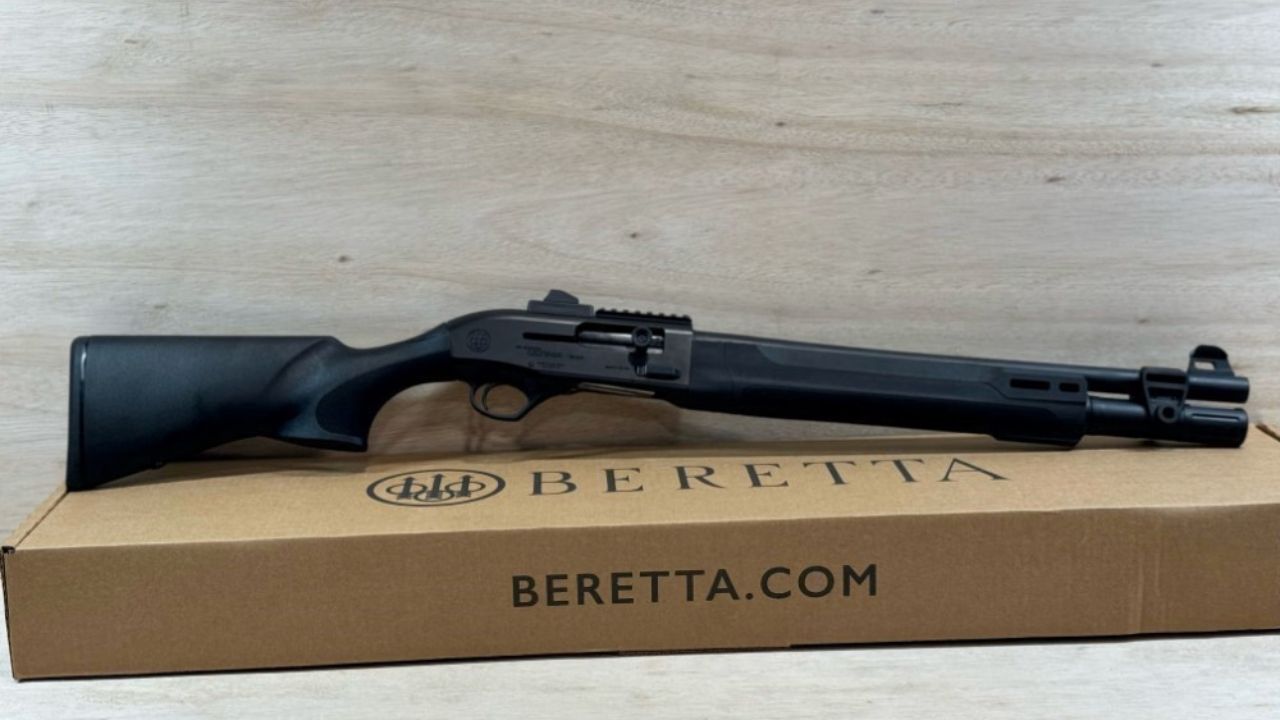
The A300 is one of the better values in a modern semiauto, and plenty of them run hard for years. Still, I’ve watched guys run them clean-ish with light target loads, then switch to heavy steel for late-season ducks and hit a wall after a couple boxes.
When they choke, it’s usually because the gas system is already borderline dirty and the heavier loads change the timing and fouling rate. Keep it maintained and it’s a workhorse. Treat it like a magic trick and it’ll remind you it’s still a machine.
9. Stoeger M3000/M3500 (inertia guns that punish sloppy setup)

Inertia-driven shotguns can be great, but they don’t do well with “almost” shoulder contact and soft mounts. With heavy loads, recoil gets your attention, and some shooters start floating the gun off the shoulder without realizing it.
Then it short-strokes and you get the classic complaint: “It only jams with the good stuff.” In a lot of cases the gun is telling you it needs a firm mount and a little break-in, but it’s also fair to say some of these come rough and need more love than they should.
10. Franchi Affinity (inertia reliability depends on fit and form)
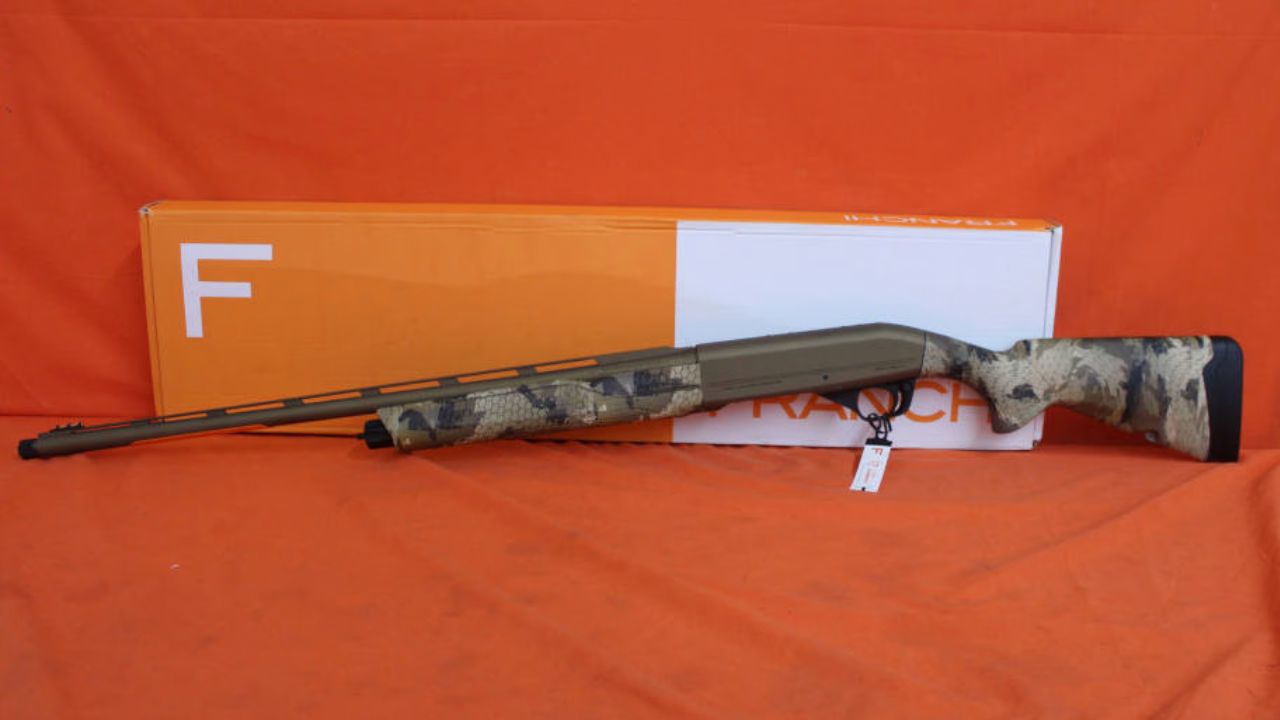
The Affinity is a sweet-handling shotgun, and when it’s running right it’s hard not to like. But it’s another inertia gun, and inertia guns are honest. If the gun doesn’t fit you and you’re not driving it, it can act up more with heavy loads because your body reacts differently.
I’ve seen it happen on the slug range: guys bracing weird, leaning back, not locking it in. The gun cycles on some loads and not others, and the shooter swears it’s the ammo. Often it’s the interface between shooter and shotgun.
11. Benelli Nova (polymer stock/action feel great until they don’t)
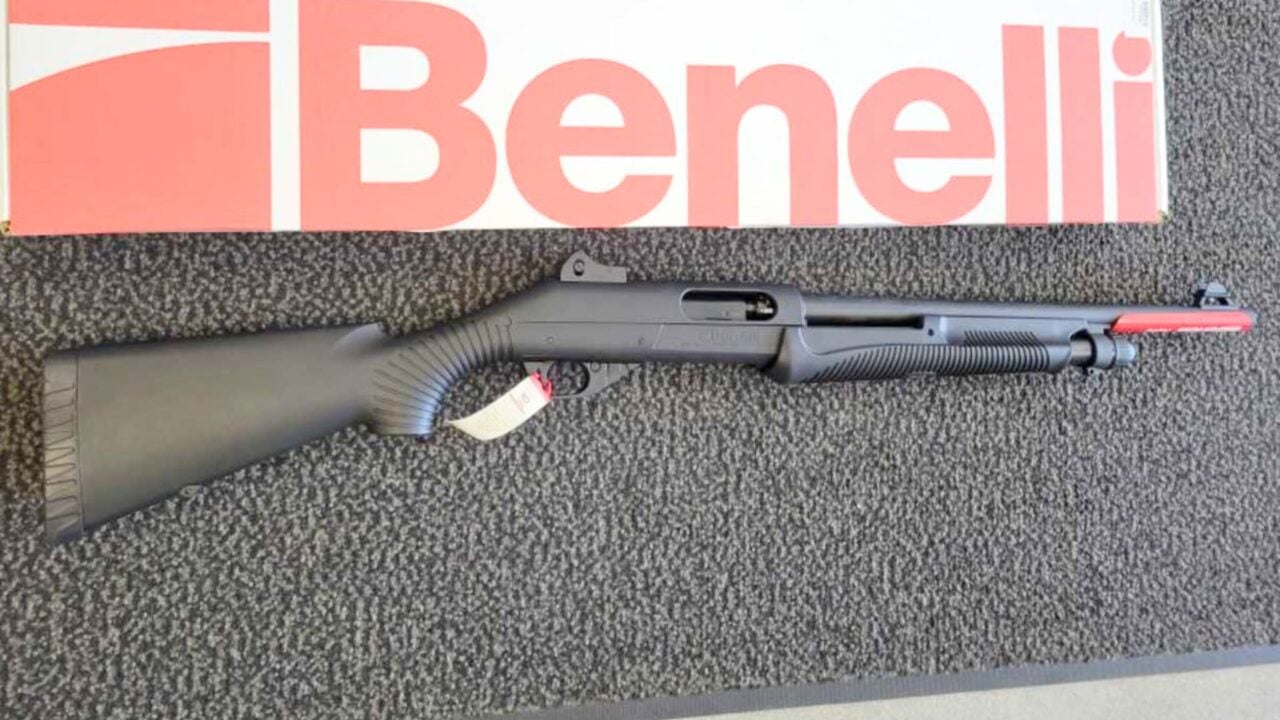
The Nova is tough, and it’s a favorite “bad weather” shotgun for a reason. But I’ve also seen Novas that get gritty in the action bars after hard use, especially if they live in mud and cold and don’t get cleaned much.
With heavy loads, any added friction makes the pump stroke feel sticky, and that encourages short-stroking. Most of the time, a good cleaning fixes it, but the Nova’s “sealed up” vibe can make owners put off maintenance longer than they should.
12. Winchester Super X2/SX3 (older hard-use guns with tired springs)
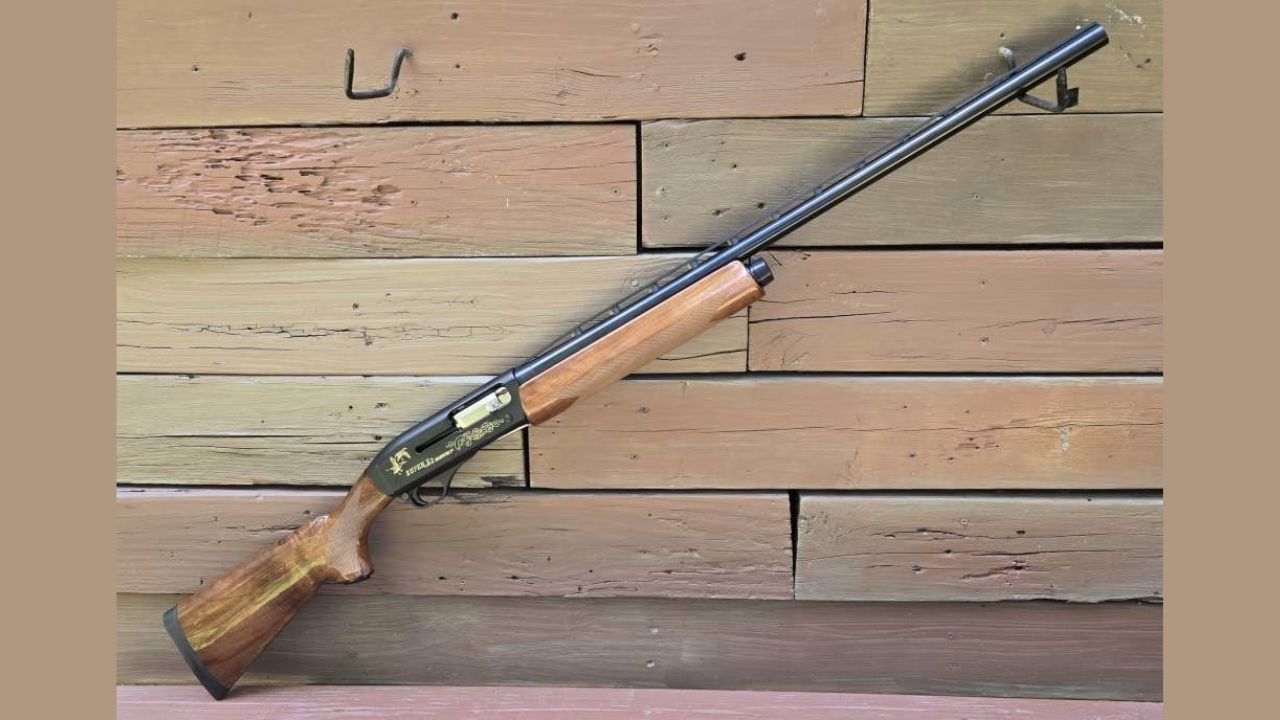
The SX line has killed a lot of birds. When they’re fresh, they run fast and smooth. The trouble is people shoot them for years, then finally decide to pattern buckshot or run slugs, and suddenly they’re getting failures they never saw in the dove field.
Heavier loads can expose a weak recoil spring, a dirty gas system, or a worn shell latch. None of this is shocking in an older semiauto. But if you’re buying used, you need to assume it may need a refresh before you trust it with serious loads.
13. Browning Gold (maintenance-sensitive under high round counts)
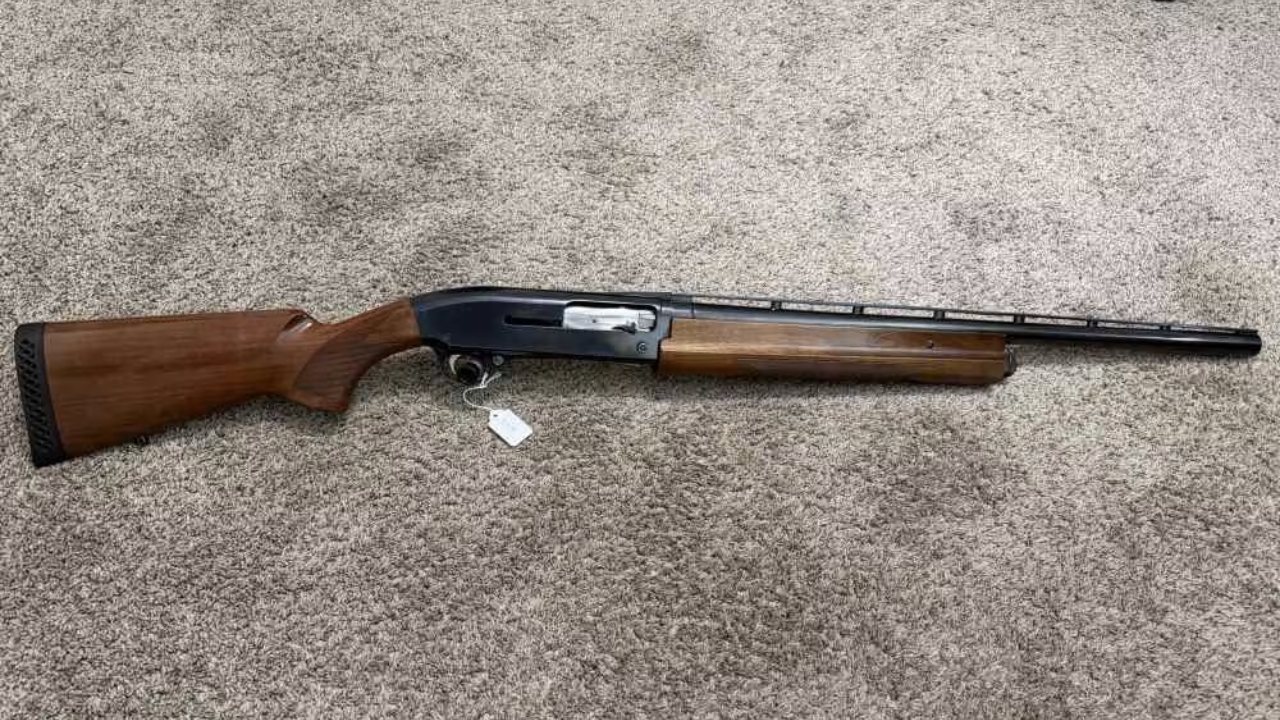
The Browning Gold is another one that can be excellent, but it’s not a “never clean it” gun. Under heavy hunting loads and high volume, fouling builds and small issues become big issues.
I’ve seen Golds start coughing with intermittent ejection problems after a long day of waterfowl shooting. Owners think the gun is worn out. Often it just needs a deep clean and springs checked before it goes back to being a solid tool.
14. Saiga-12 (mag-fed 12 gauge that’s picky when it’s not dialed)

Mag-fed shotguns are fun until you want them to be serious. Saiga-12s can run, but they’re famous for being picky about ammo, magazines, and how everything is set up. Heavy loads can either help or hurt depending on the specific gun.
The “choke” usually looks like a failure to feed from the mag or a bolt that doesn’t strip the next shell cleanly. If your whole plan is “I’ll just throw buckshot in it and it’ll be unstoppable,” you might be disappointed on the first cold range day.
15. VEPR-12 (better than Saiga in some ways, still not magic)

The VEPR-12 generally feels more refined than a lot of Saigas. Still, it lives in the same universe: magazines, feed geometry, and the reality that shotgun shells aren’t as uniform as rifle cartridges.
With heavy loads, you’ll sometimes see hard recoil amplify any magazine slop or latch issues. It can be a very capable gun, but it’s not the simple “grab-and-go” answer that a good pump or a quality tube-fed semiauto is.
16. Kel-Tec KSG (short pump stroke + heavy recoil = user-induced stoppages)

Compact bullpup shotguns are handy in tight spaces, and the KSG has a following. But the short, stiff pump stroke and the way it recoils can make it easier to short-stroke under real buckshot recoil. Ask me how I know.
When it chokes, it often does it in an ugly way: shells on the elevator, double-feeds, or a stoppage that takes more effort to clear than a traditional pump. It can be run well, but it’s not as forgiving as a plain-Jane 870 or 590.
17. Mossberg 590 Shockwave (same issues as any “not really shouldered” 12 gauge)
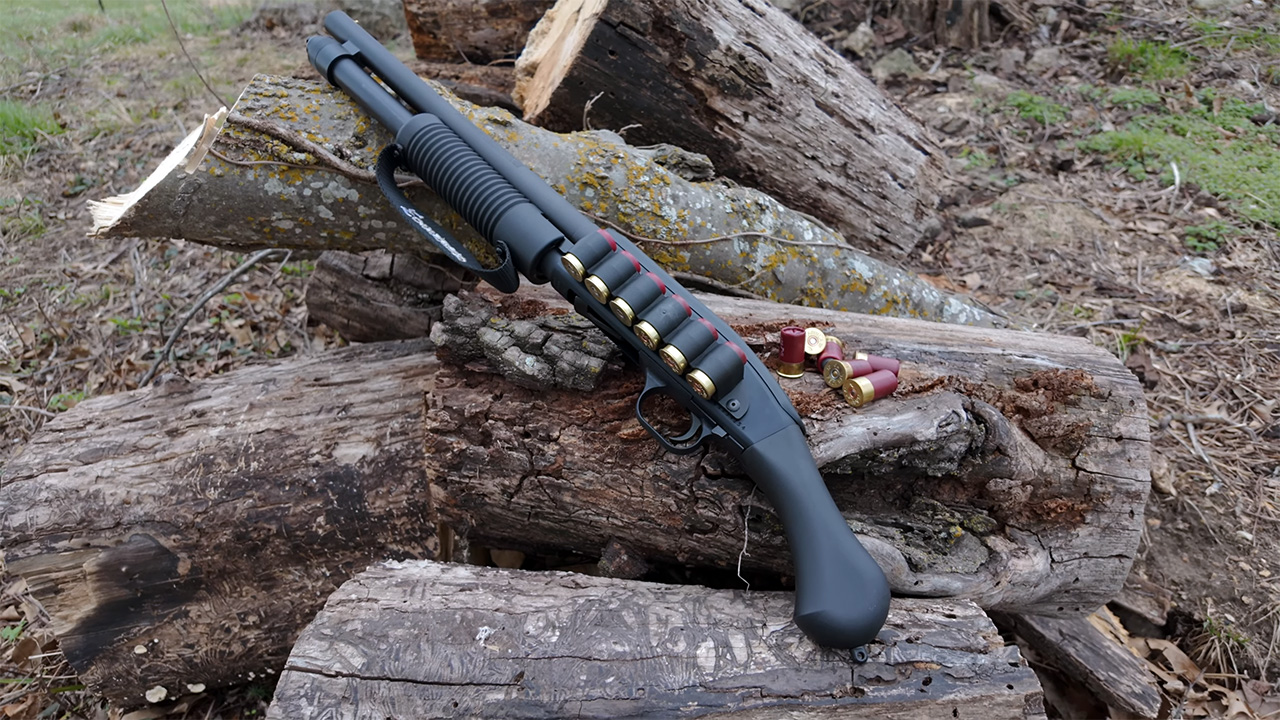
The Shockwave is a niche tool. The internet tries to make it a do-everything answer. The problem is that heavy loads out of a short, not-shouldered platform are a recipe for bad control and inconsistent cycling if you’re not locked in on technique.
It’s a pump, so the gun doesn’t “fail” as much as the process does. Heavy recoil makes it harder to run the action with the same rhythm, and that’s where the stoppages come from. If you insist on this style, practice matters more than it does with a full-size stock.
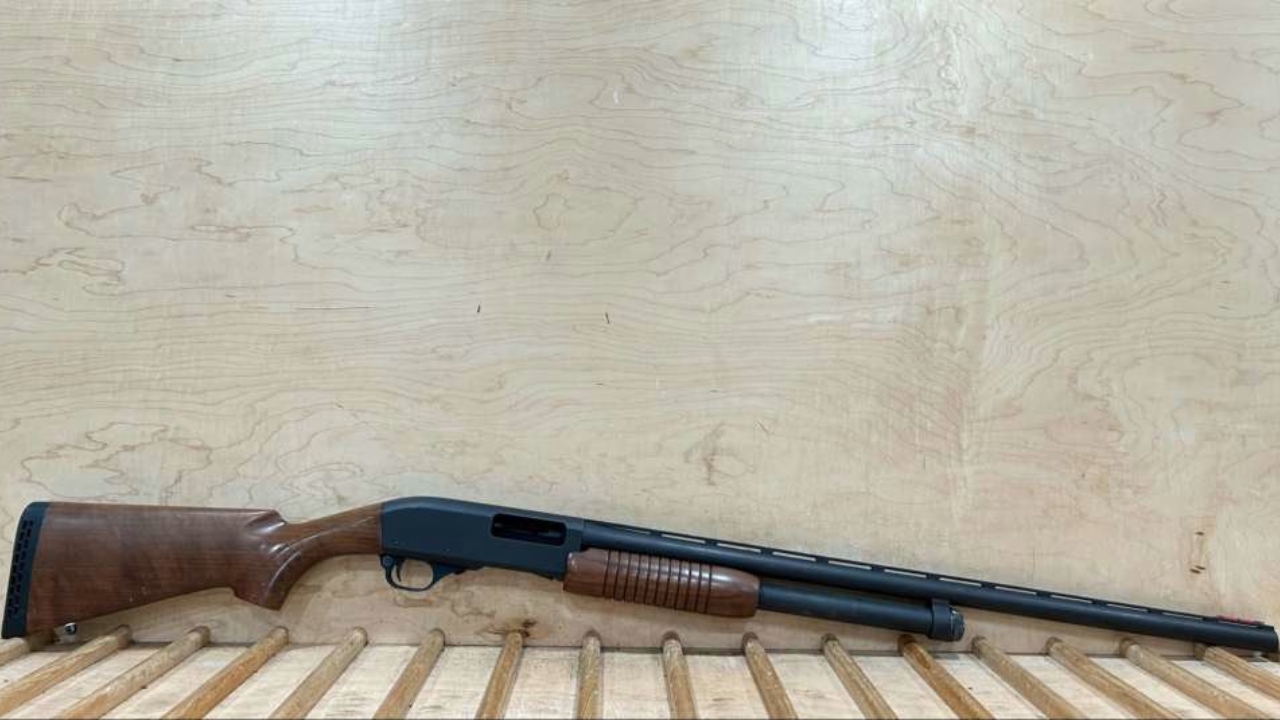
18. Stevens 320 (budget pump that shows its limits under abuse)
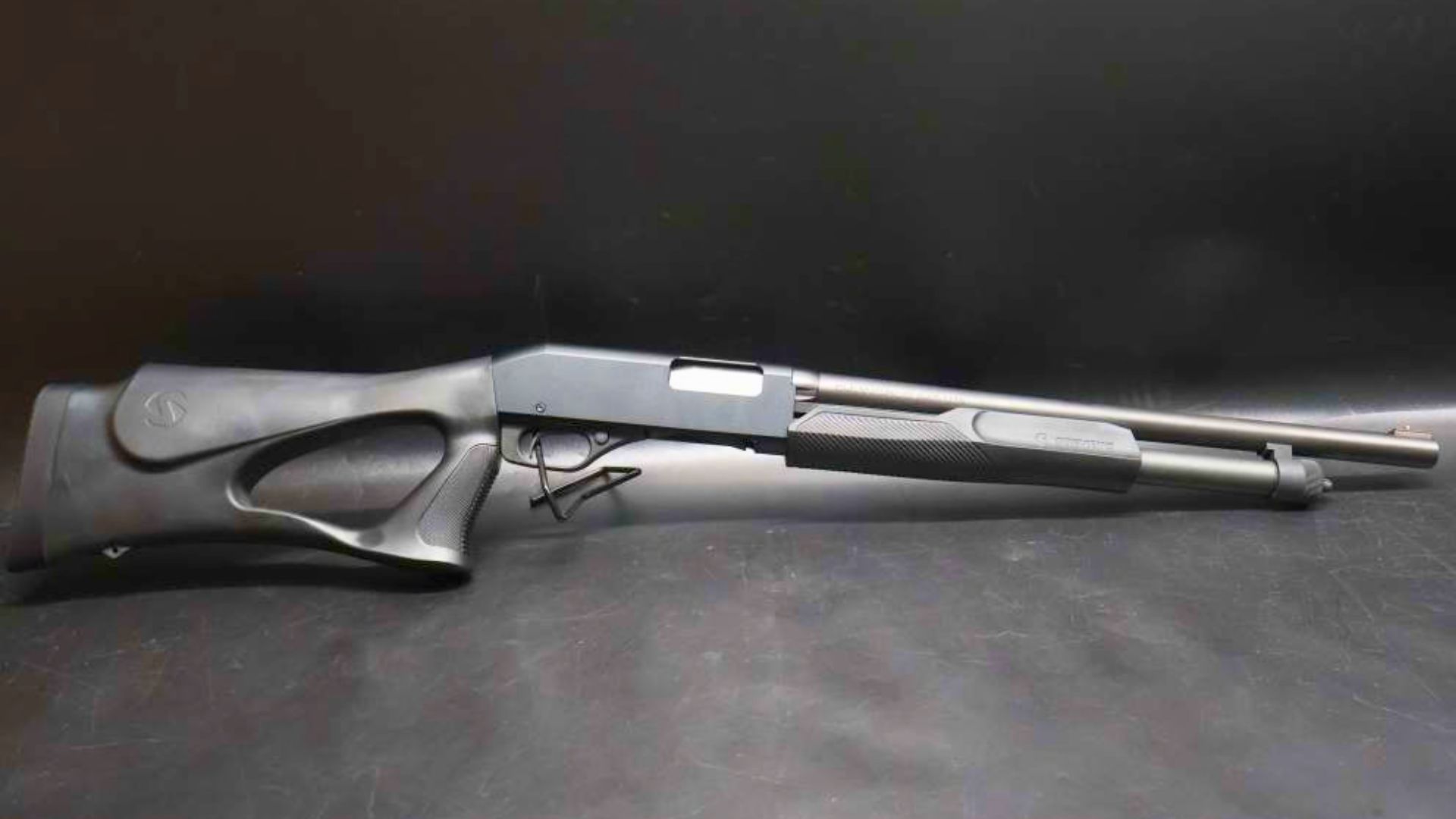
The Stevens 320 is one of those “it was cheap and it worked” purchases. For light use, fine. When you start running slugs, buckshot, and high volume, the roughness and looser tolerances start to matter.
Controls can feel mushy, the action can feel gritty, and the gun tends to be less smooth when it gets dirty. It’s not that every 320 is junk, but it’s a shotgun that doesn’t hide how budget it is when you push it hard.
19. Pardner Pump (H&R) (stout and simple, but not always smooth with hot loads)
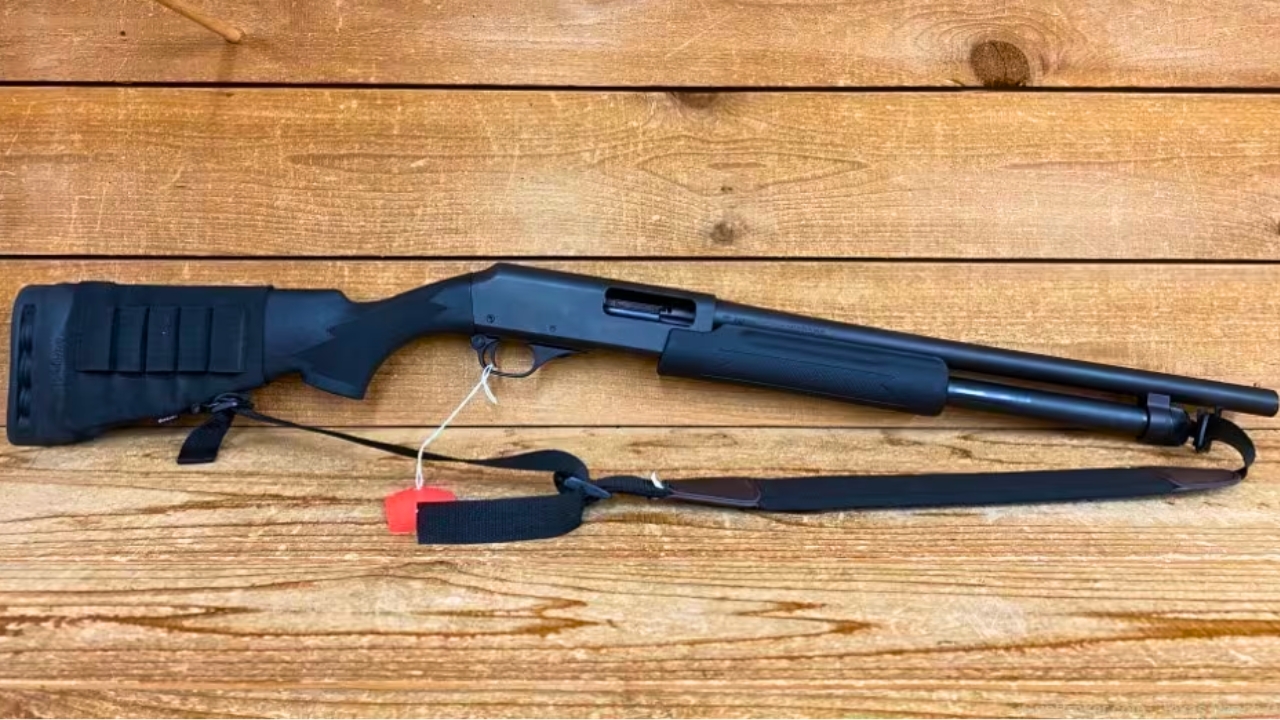
These have a reputation as cheap 870-ish beaters, and some of them are exactly that in the best way. But a stiff action plus heavy recoil is not a great combo for fast follow-ups, especially for smaller shooters.
What looks like “the gun choked” can be the shooter fighting the forend after a slug. When they’re broken in and run hard, they can be dependable. Out of the box, some feel like they need a few seasons to loosen up.
20. Single-shot break-actions with light frames (NEF/Handi-Rifle style shotguns and similar)
A lightweight single-shot will absolutely fire “real loads.” The choking happens after the shot. Heavy shells can make them unpleasant enough that flinching becomes a real issue, and extraction can get stubborn when chambers are rough or dirty.
They’re also the type of gun that gets tossed behind a truck seat and forgotten until it’s needed. Then you’re popping the gun open and the hull doesn’t want to come out, with cold hands and a head full of adrenaline. For casual hunting they’re fine. For serious use, they have serious limitations.
If you want a shotgun to run heavy loads without drama, the answer isn’t always “buy the most expensive gun.” It’s picking the right operating system for how you actually shoot, keeping it clean enough to do its job, and being honest about whether the gun fits you when recoil shows up. Light target ammo can make almost anything look good. Heavy loads have a way of telling the truth fast.
Like The Avid Outdoorsman’s content? Subscribe to our newsletter so you never miss an article.
Here’s more from us: