Photo credit: hickok45/YouTube
Most shotguns will shoot “good enough” for most folks—until you actually put them on paper. Patterning is one of those chores everybody talks about and too many hunters skip, right up until a bird flies off untouched at 25 yards or a turkey soaks up a load that should’ve anchored him. When a scattergun throws a pattern that’s wildly off point-of-aim, full of holes, or changes from one brand of shells to the next like it has a mind of its own, it turns into a safety problem in a hurry.
To be clear, a bad pattern is often a setup issue: wrong choke, wrong load, dented tube, loose rib, bead knocked sideways, or a shooter who’s never verified where the gun actually prints. But there are certain models and configurations that have earned a reputation for being more temperamental than they ought to be. Some are built to a price. Some have “tactical” shortcuts that don’t play nice with shotshells. Some are old designs that just need more attention than most people give them.
Here are 20 specific shotguns I’ve seen (or seen enough of) that can pattern ugly enough to be downright risky if you don’t verify them, keep them tight, and feed them what they like.
1. Turkish “Benelli M4-style” clones (various brands) with cylinder-bore barrels
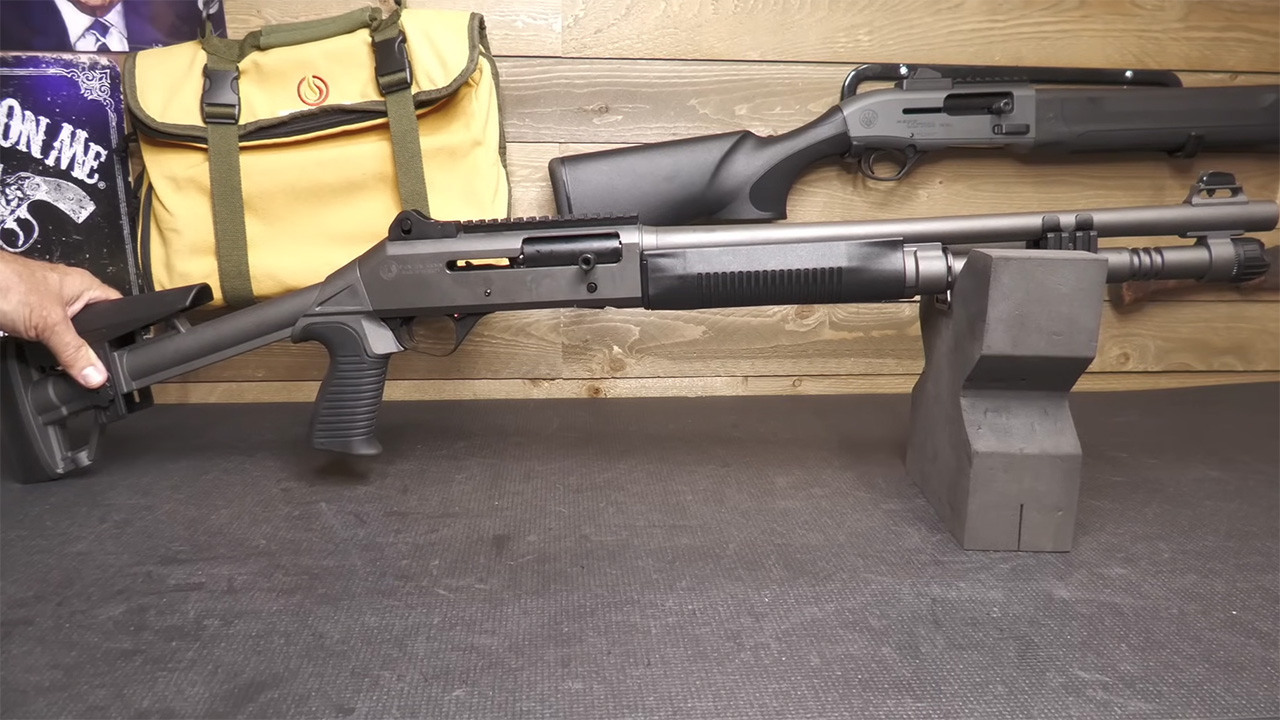
You’ve seen them stacked in the big-box racks: M4 look-alikes with an appealing price tag and a pile of accessories. The problem is a lot of these come with cylinder-bore barrels and questionable choke geometry, and they’ll throw buckshot patterns that look like you fired two different guns at once. One load might stay in a paper plate at 15 yards, the next load is all over the county.
When buckshot spreads unpredictably, it’s not just “less effective,” it’s a liability. If you can’t keep pellets on target in a controlled way, you can’t account for what’s going downrange. If you own one, pattern multiple buck loads, check the muzzle for burrs, and don’t assume “00 is 00.”
2. Remington 870 Express (late-production) with rough bores
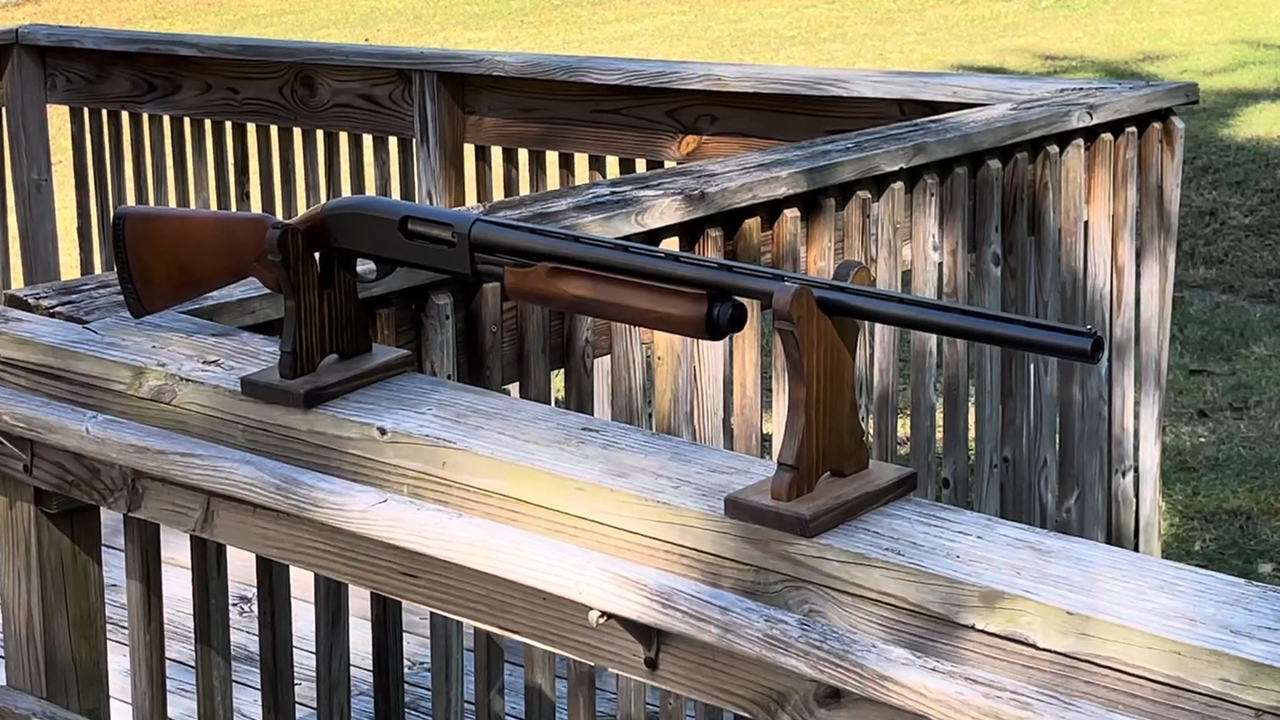
The 870 is a classic. The Express, especially in the last years of Remington’s old ownership, could be a roll of the dice. I’ve handled more than one with a bore that felt like it had been finished with a file, and that can do weird things to wad travel and consistency.
Most will still kill birds, but I’ve seen patterns that were thin in the middle and ragged on the edges even with decent shells. If you’ve got an Express that “just doesn’t hit like it should,” don’t guess—pattern it, inspect the choke, and pay attention to whether the point of impact is wandering.
3. Mossberg 500 Persuader (18.5-inch) with inexpensive buckshot
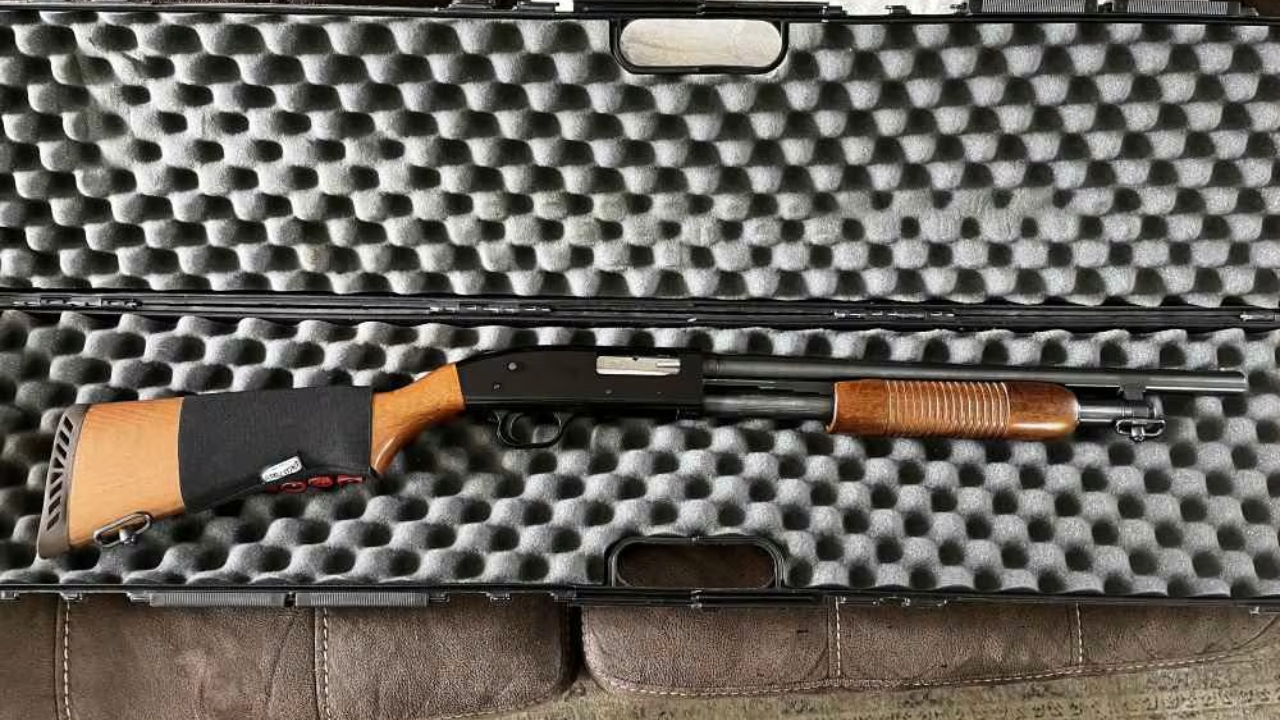
I like the 500. I trust the 500. But short, cylinder-bore defensive barrels can be brutally honest about cheap buckshot. The gun isn’t “bad,” but this combo can look bad fast, especially if you’re expecting tight groups because the internet told you buckshot is a magic laser beam.
At 10 yards you might be fine. At 15–20, I’ve seen patterns open up enough that you start missing the edges of a silhouette. If you keep one for home defense, pick a buck load that your barrel likes and verify it at realistic distances.
4. Winchester SXP (some examples) with loose choke tubes
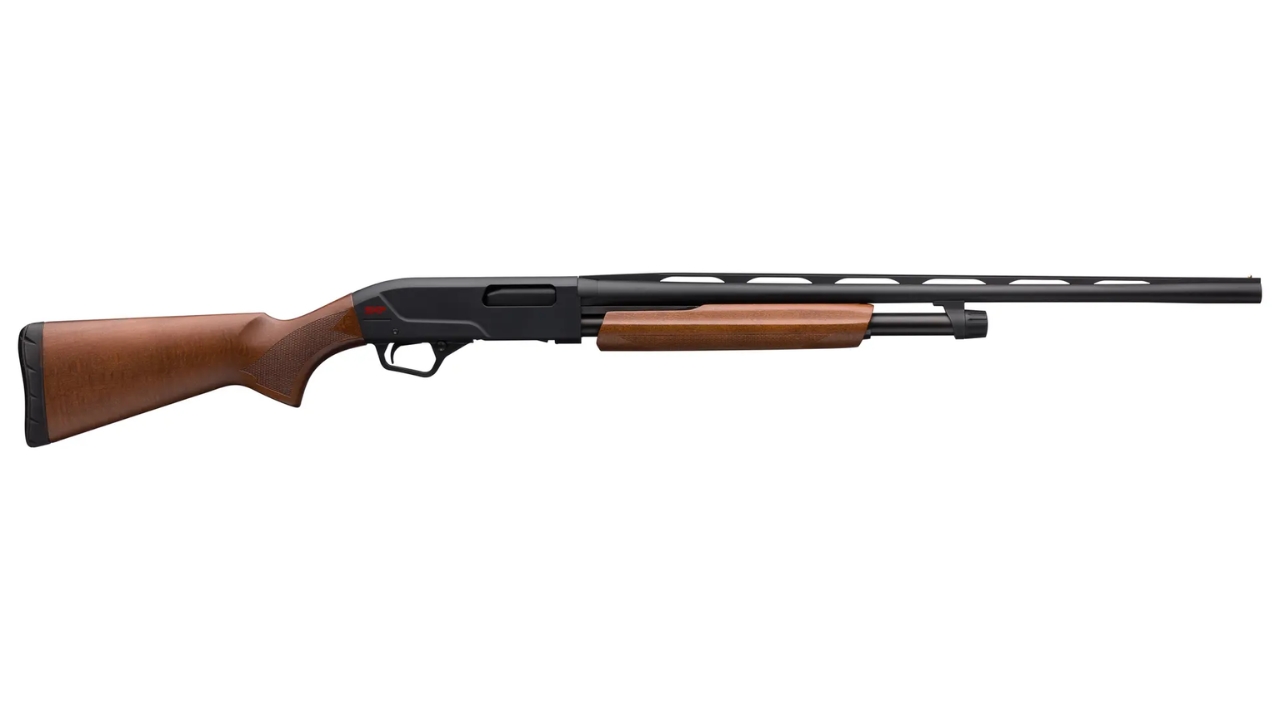
The SXP carries nice and cycles fast. But I’ve also seen choke tubes loosen up under recoil on these, and once a tube starts backing out, patterns go from “acceptable” to “what in the world” in a box of shells. That’s not a design flaw on every gun, but it’s common enough I check them every time one shows up at camp.
Loose chokes can also damage threads, which is where the problem stops being annoying and starts being expensive. If your SXP patterns are inconsistent, mark your tube, snug it properly, and keep an eye on it like you would lug nuts on a trailer.
5. Stoeger P3000 (18.5-inch) with generic 00 buck
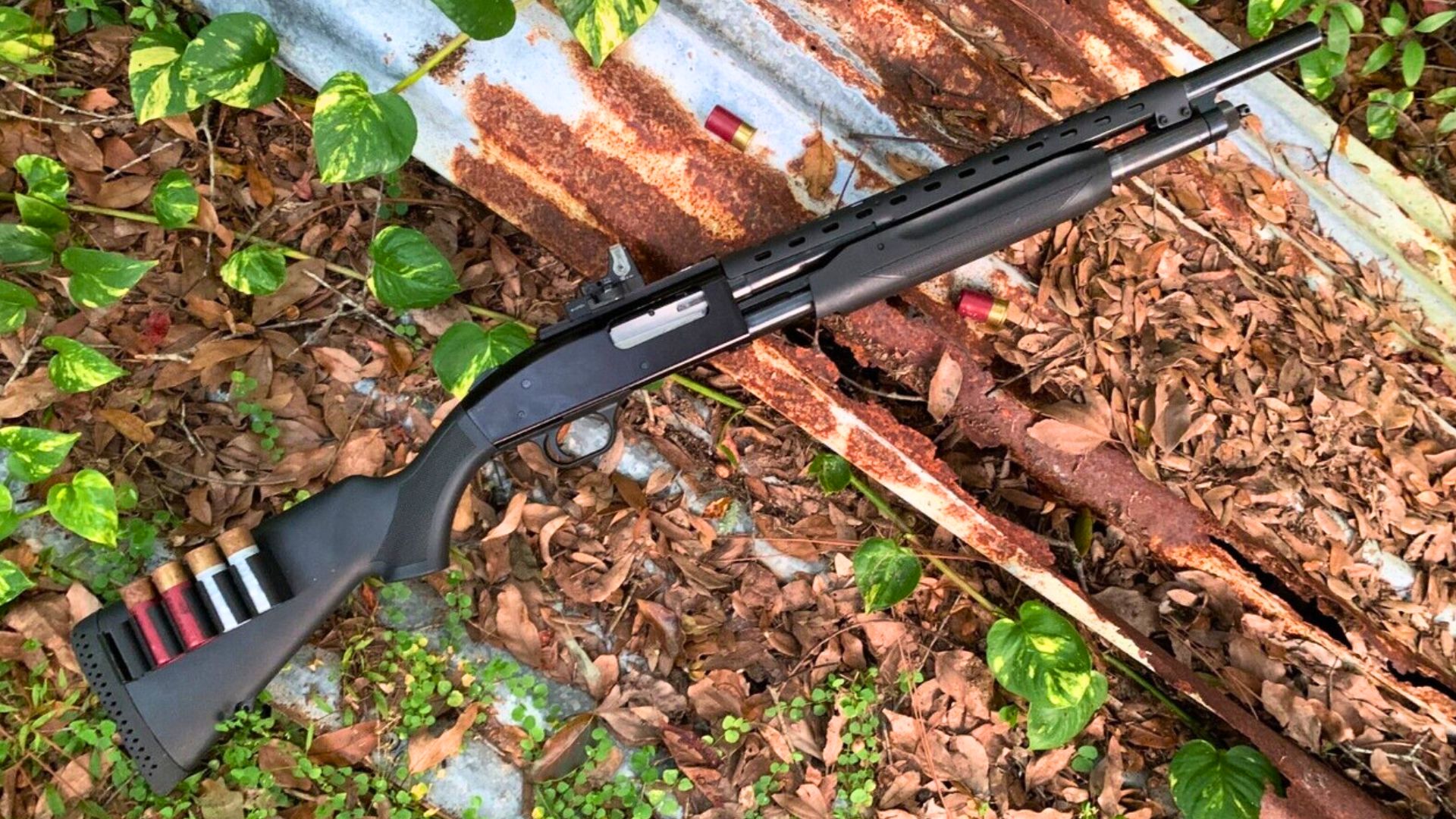
Stoeger pumps can be solid working guns, but the short barrels with basic bead sights tend to highlight two problems at once: wide patterns and “where is this thing actually shooting?” I’ve watched folks blame the shells when the shotgun was printing high-left the whole time.
If your pattern is both wide and off-center, it’s easy to start chasing it with bad habits. Pattern at 7, 10, 15, and 25 yards. If you can’t keep it predictable, it’s not a serious-use setup.
6. Maverick 88 Security (20-inch) with mixed shell brands

The Maverick is one of the best bargains in guns, and I mean that. But bargain guns get treated like bargain guns, and I see more of these with dented barrels, beat-up chokes, and mystery “just toss whatever shells are on sale in it” habits.
Switching from one cheap buck load to another can change your pattern way more than you’d think. The gun will usually run, but if you’re using it for anything besides blasting cans, you owe it a real patterning session with one chosen load.
7. Remington 1100 (well-worn field guns) with battered choke mouths
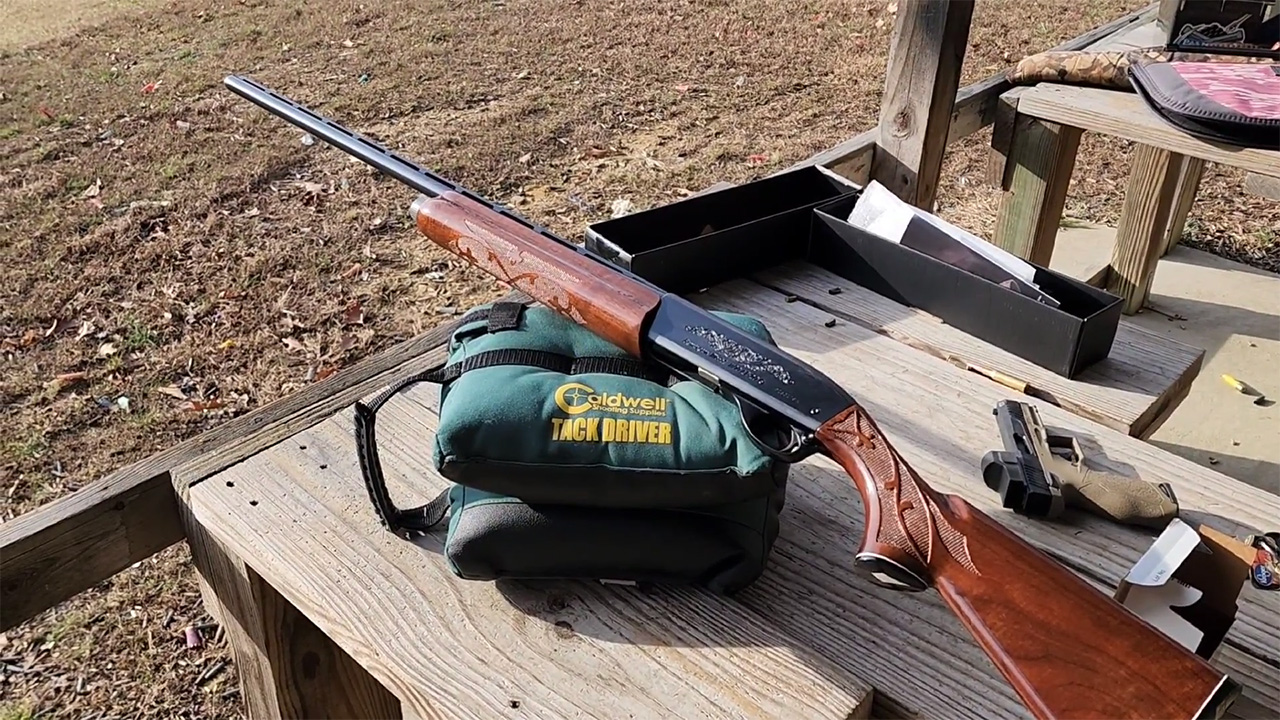
An old 1100 that’s been hunted hard can still be the sweetest-shooting shotgun in the rack. The trouble is a lot of them have had a long life with a lot of choke swaps, and I’ve seen choke mouths that look slightly egged out or peened from years of neglect.
That kind of wear can produce lopsided patterns with flyers. If you’ve got Grandpa’s 1100 and it’s suddenly “not what it used to be,” check the muzzle end closely and don’t assume the barrel is still square.
8. Browning Auto-5 (older fixed-choke barrels) that don’t match modern ammo
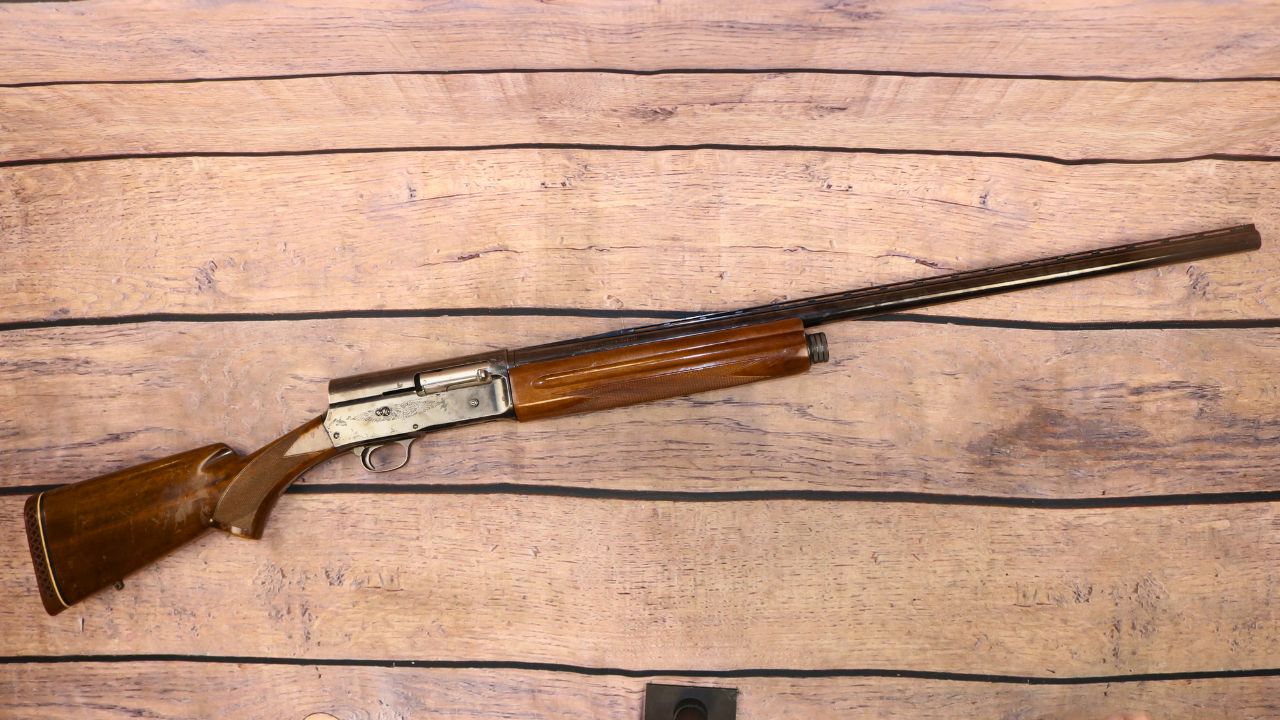
The humpback is a legend. But fixed chokes from another era sometimes don’t play nice with modern wads and shot hardness. I’ve patterned old fixed-full barrels that threw tight, beautiful patterns with one load and then looked like Swiss cheese with another.
For upland hunting that might just mean a few misses. For something like turkey, it can mean a bad day and wounded birds. If you run an old A-5, do the work on paper and pick the shell it likes.
9. Benelli Nova (occasional) with a slightly canted rib/sight plane
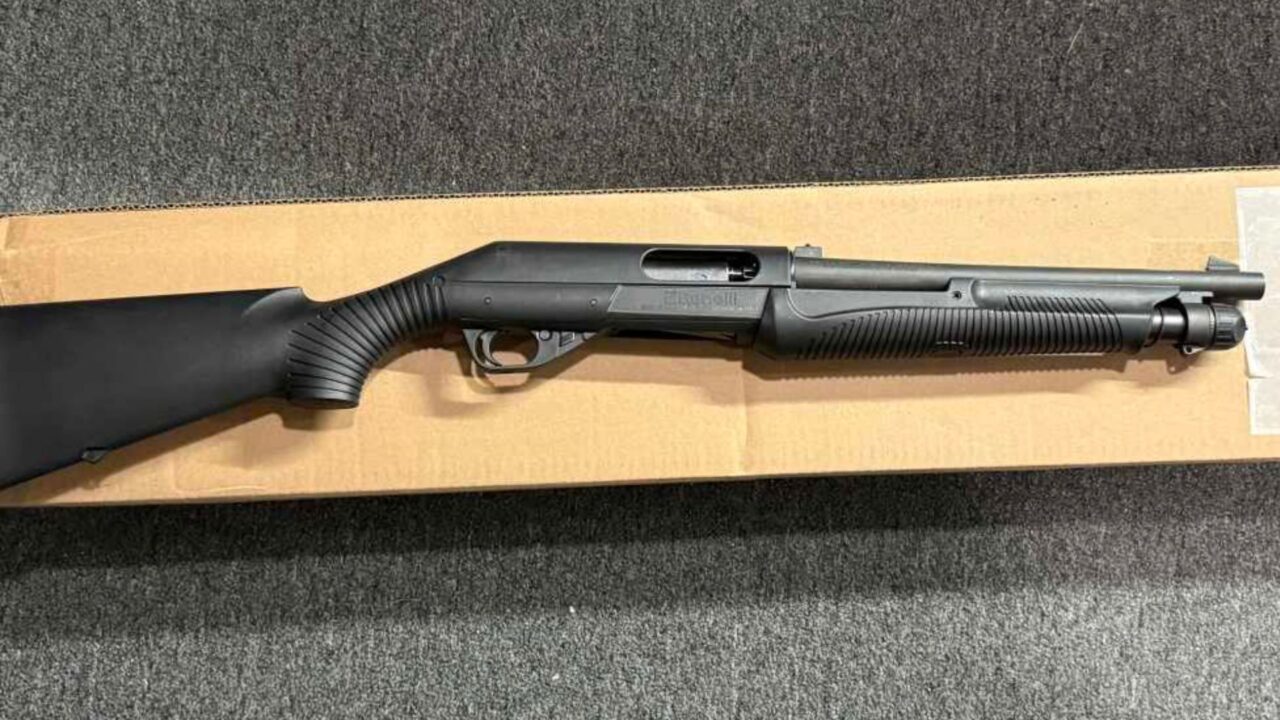
Most Novas are tough as fence posts. Still, I’ve seen a couple that just would not center patterns where you looked, and it turned out the sight plane/rib alignment was off enough to matter. It’s not always obvious until you shoot paper and realize you’re “missing” in a consistent direction.
That’s where danger creeps in: you start aiming off without meaning to, and under pressure you revert to natural point. If your Nova prints left or right consistently, don’t shrug it off—get it checked and corrected.
10. H&R/NEF Pardner Pump (older imports) with sloppy choke fit
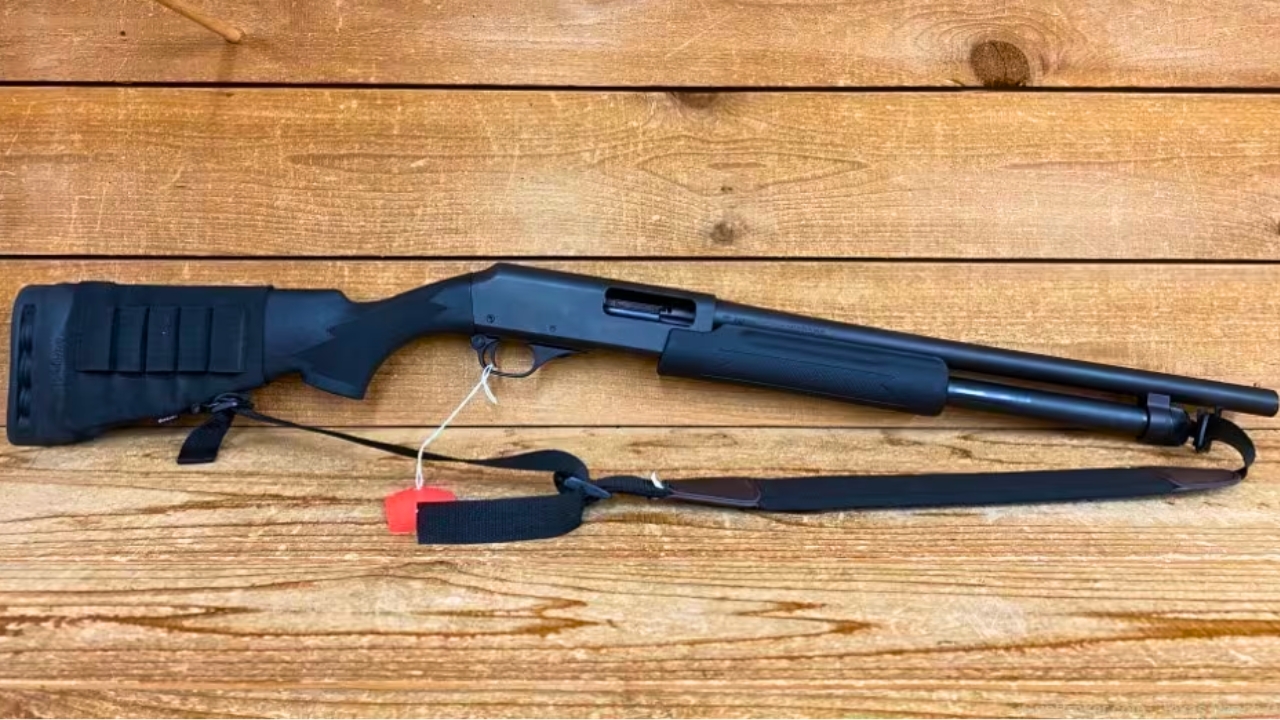
The Pardner Pump has fed a lot of freezers, no doubt. But I’ve handled examples where choke tubes fit like they were made on a Friday afternoon. A choke that isn’t seating right can throw patterns that look patchy and unpredictable.
It’s also one of those guns that gets “truck-gunned” hard, and dings at the muzzle don’t help. If yours is a keeper, buy a quality tube, make sure it fits correctly, and quit assuming the factory tube is fine because it came in the box.
11. Stevens 320 Security (rail-equipped) with sight screws backing out
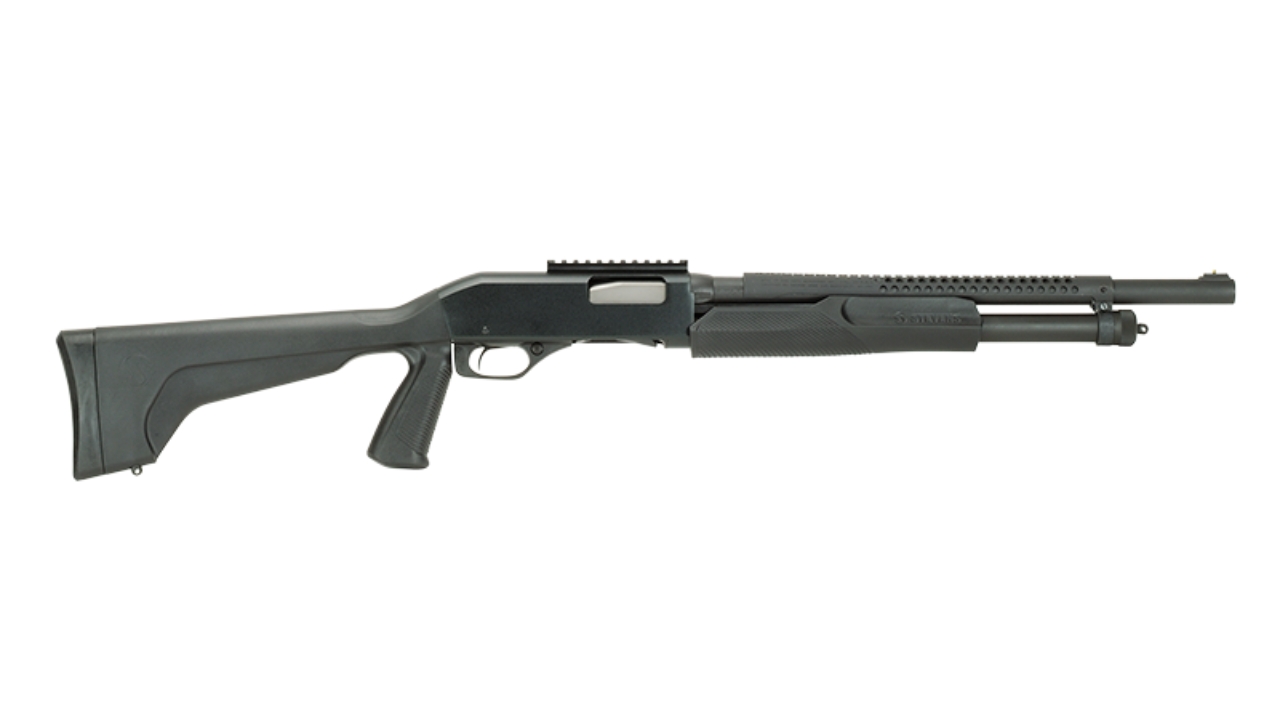
The 320 is another budget favorite, especially in the home-defense crowd. The issue I keep seeing is not the barrel itself, but the sights and rail setups folks add (or buy pre-installed) that start walking loose. When your ghost ring or rail shifts, your pattern didn’t “get worse”—your point of aim moved.
That can get dangerous fast because you’ll still feel confident. If you’ve got one, use thread locker where appropriate, torque correctly, and confirm zero and pattern after any change.
12. Kel-Tec KSG (short, dual-tube) that’s load-picky with buckshot
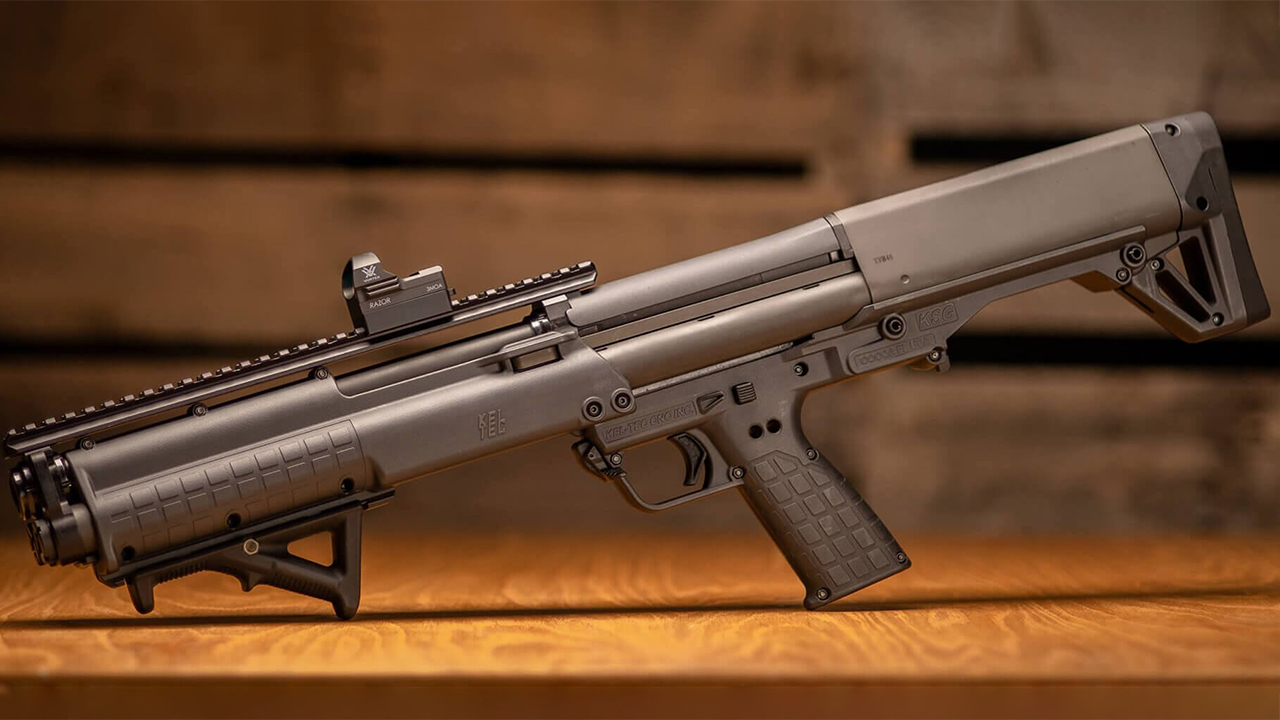
The KSG is handy and weird and fun. It’s also a short shotgun with a very particular feel, and I’ve watched shooters fight it enough that the results on paper were ugly—partly gun, partly the way it recoils and points for different people.
Some KSGs throw surprisingly wide buck patterns with certain loads. If you’re keeping one for serious use, don’t just pattern it—pattern it from awkward positions, because that’s where the “this points strange” problem shows up.
13. Saiga-12 (inconsistent magazines and gas settings) leading to “pattern testing lies”

Here’s a different kind of danger: the Saiga-12 can be finicky. If it’s short-stroking, deforming shells, or beating them up during feeding, your pattern tests can be all over the place and you won’t know if you’re testing the choke/load or testing a malfunction.
A semi-auto that damages shells can throw patterns you can’t trust. If your Saiga is temperamental, fix reliability first, then pattern. Otherwise you’re chasing ghosts.
14. Remington V3 Tactical (short barrel) with buckshot that doesn’t like the forcing cone
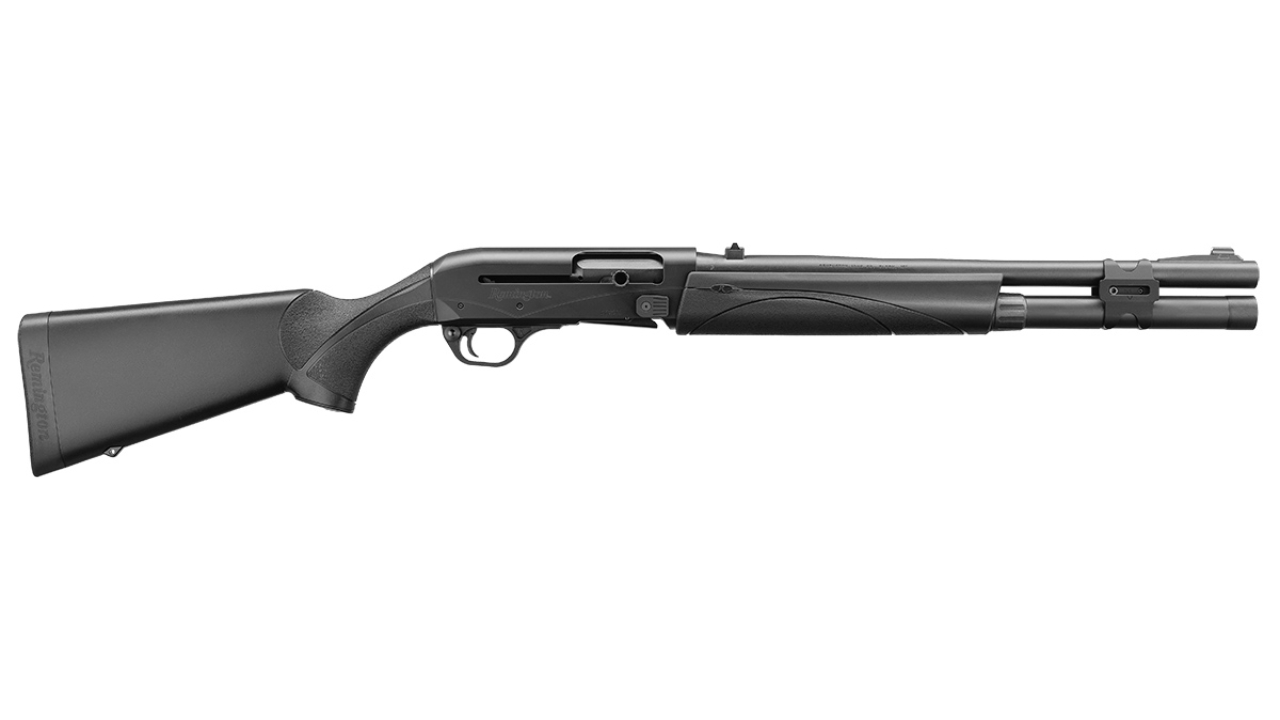
The V3 system is soft-shooting, and plenty of them run great. But short tactical barrels and certain buck loads can produce patterns that are wider than expected, especially if you’re trying to stretch distance.
I’ve seen guys buy a “tactical” semi-auto and assume it’s automatically a tight-patterning buck machine. Nope. Paper tells the truth. If it won’t hold a controlled pattern at your chosen distance, it’s not the setup you thought it was.
15. Beretta A300 Outlander (some examples) with an off-center point of impact
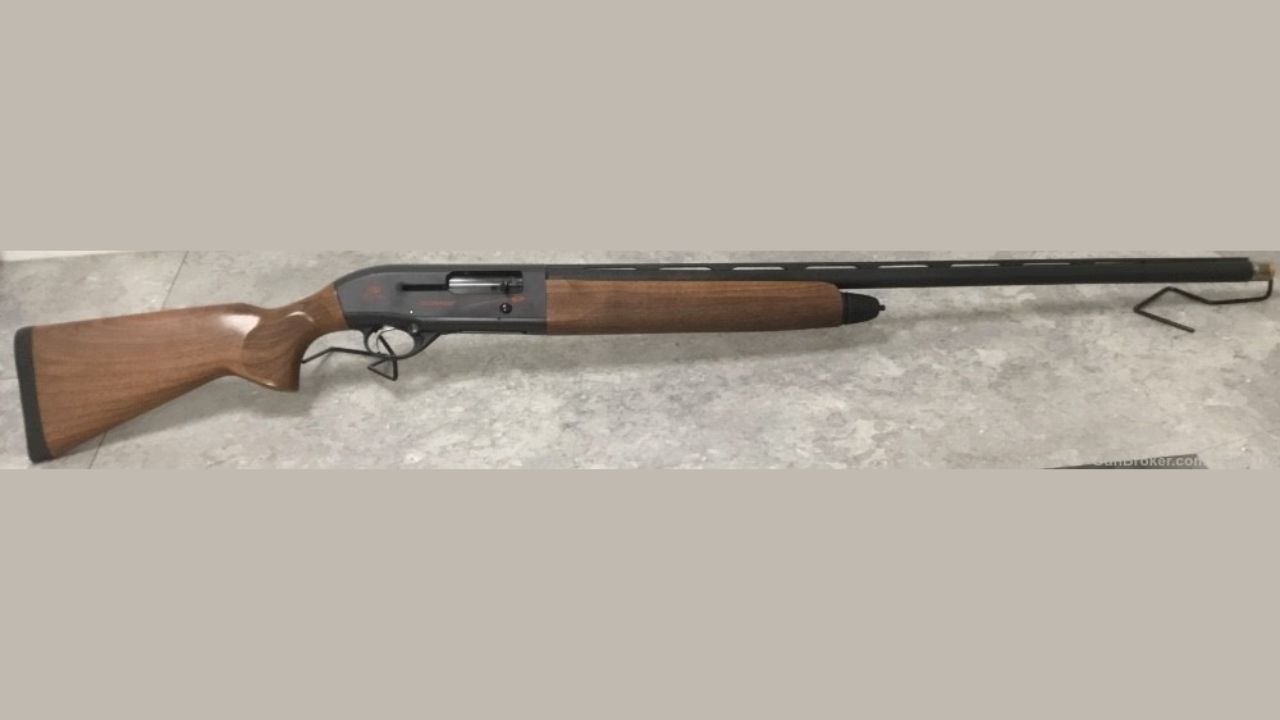
The A300 is usually a dependable bird gun. Every now and then, one will print a bit off relative to where it naturally points for the shooter, and it shows up most when you pattern with a tight choke. It’s not that it “can’t hit,” it’s that it’s not hitting where you think.
That becomes a safety concern around other hunters or dogs if you’re trying to correct with weird leads and swinging past birds. If your A300 feels like it shoots “around” targets, put it on paper and confirm POI.
16. Ithaca 37 (older guns) with damaged muzzles from hard use
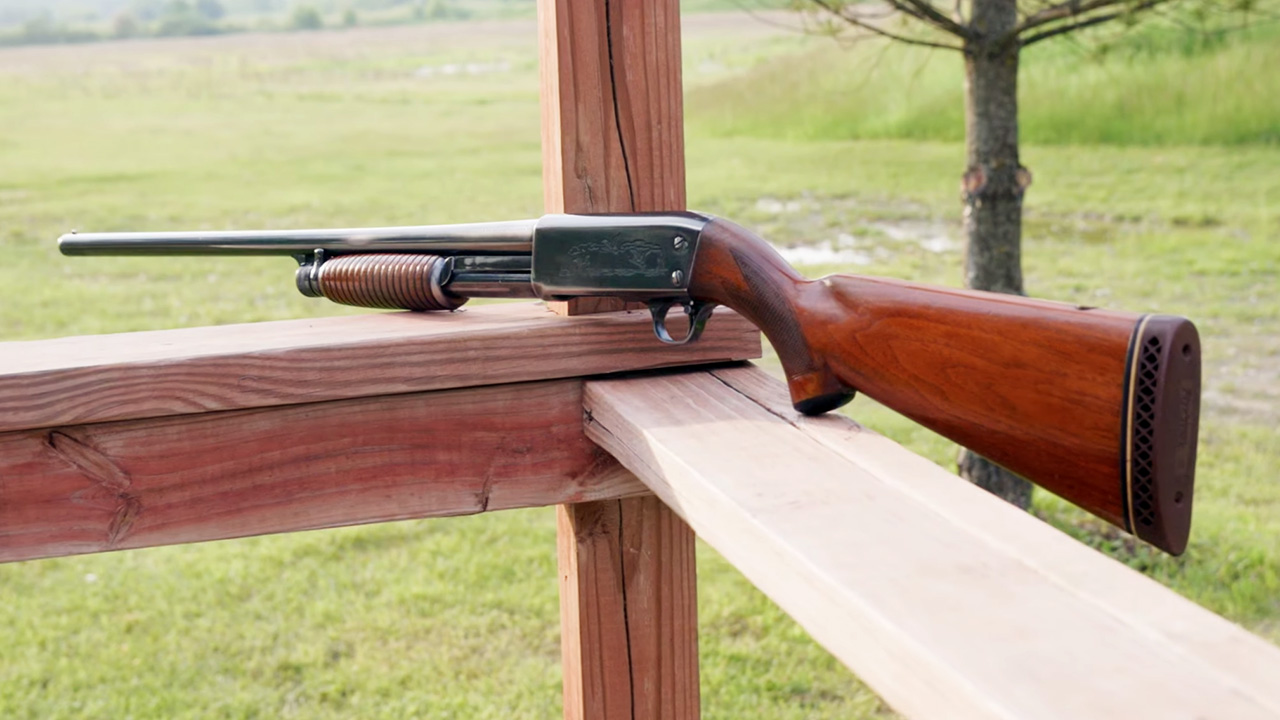
The Ithaca 37 is slick and light and carries like a dream. But a lot of them have lived in truck racks and behind barn doors. A slightly dinged muzzle or a barrel that’s been cut without care can ruin patterns, especially with tighter chokes.
I’ve patterned cut-down barrels that looked fine to the eye but threw uneven, holey spreads. If you’re buying an old 37, inspect the crown/muzzle like you would on a rifle. It matters.
17. Winchester Model 12 (shot-out or poorly repaired barrels)
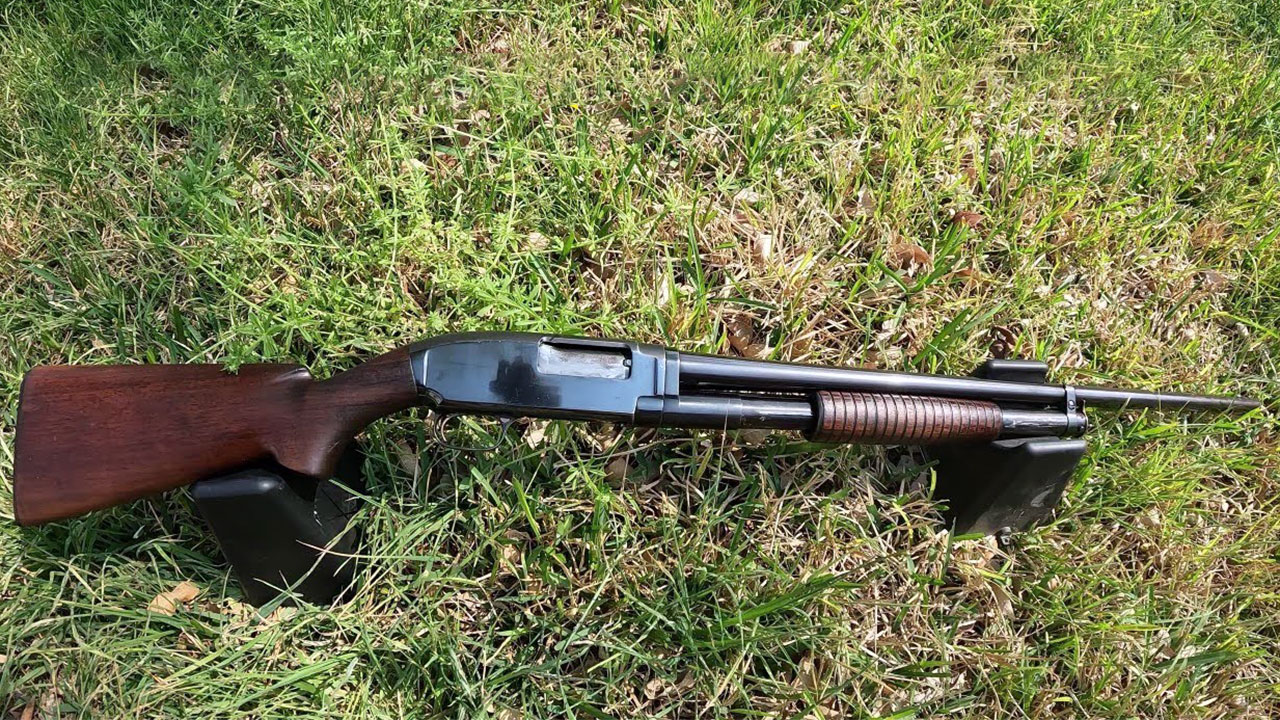
Model 12s are special. They’re also old, and “old” sometimes means a barrel that’s been honed, altered, or repaired by somebody who was more confident than careful. I’ve seen repaired ribs and questionable choke work that made patterns do odd things.
When a classic pump is off, folks tend to blame themselves because the gun has a reputation. Don’t. Pattern it, and if it’s wrong, get a competent shotgun smith to look it over.
18. Franchi Affinity (lightweight) with shooter-induced pattern issues
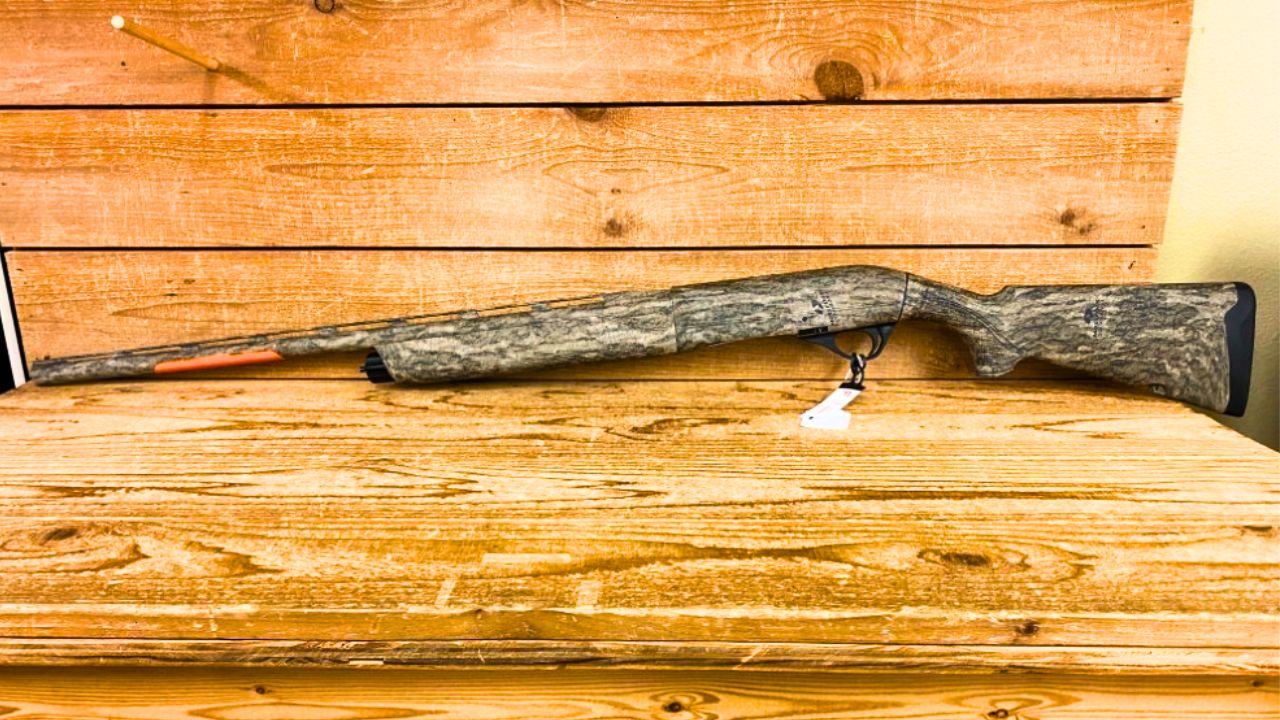
I’m including this one because the gun is good, but the situation gets dangerous. The Affinity is light, fast, and snappy with heavy field loads, and I’ve watched shooters get whippy with it. On paper it looks like “bad patterns,” but it’s actually inconsistent mounting and cheek weld.
That still matters, because the end result is unpredictable shot placement. If your lightweight semi-auto feels like it’s spraying, slow down, pattern from a solid mount, and make sure the gun fits you. Fit fixes a lot.
19. Mossberg 930 SPX (early runs) with cycling problems that beat up shells

The 930 SPX has a following, and later guns can be solid. Early ones had more reports of cycling issues, and when a semi-auto is running rough, it can deform shells enough to affect patterns. Add in a heat-soaked barrel during rapid fire, and things can get inconsistent.
If you’re seeing patterns change drastically as the gun heats up or as the day goes on, don’t ignore it. Reliability and consistent shell handling are part of accuracy with a shotgun, even if we don’t talk about it like we do with rifles.
20. Weatherby PA-459 TR (ported “tactical” pump) with aggressive ports and cheap loads
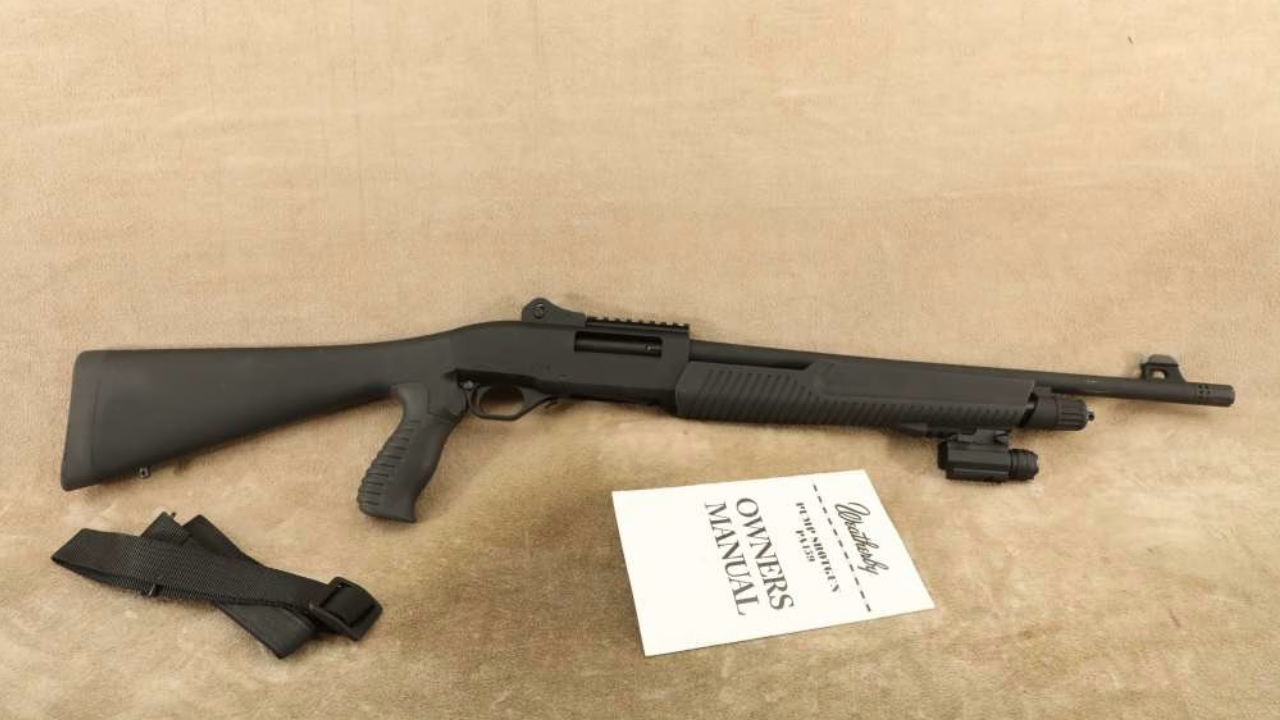
This is another one where the “tactical look” can hide the real issue: porting and short barrels can make some loads behave strangely, and cheap buckshot already has enough variables. I’ve seen these throw patterns that were way wider than expected at moderate distance.
Porting also increases blast, and when the gun is loud and jumpy, shooters get sloppy. That’s a recipe for pellets leaving the intended target zone. If you own one, find the load it likes and don’t pretend all buckshot performs the same.
A shotgun that patterns badly isn’t just a disappointment—it’s unpredictable, and unpredictability is where accidents live. The fix is usually boring: pattern on paper, confirm point of impact, keep your chokes tight and in good shape, and stop buying shells based purely on what’s on sale. Ask me how I know. The good news is most of these guns can be made perfectly usable with the right load and a little attention, but you’ve got to prove it before you take it hunting or trust it for anything serious.
Like The Avid Outdoorsman’s content? Subscribe to our newsletter so you never miss an article.
Here’s more from us: