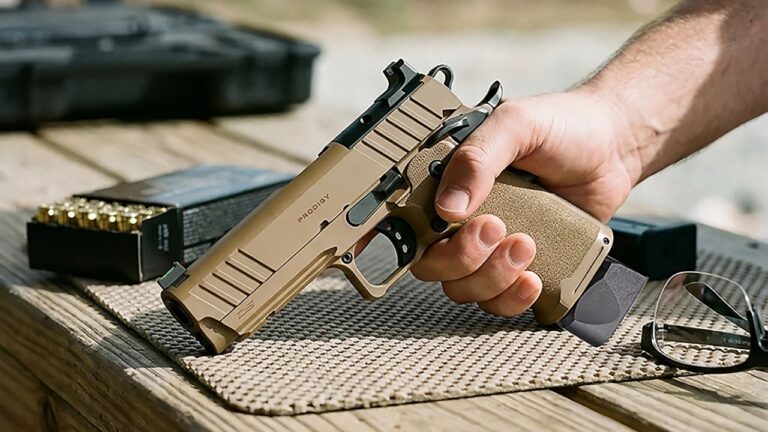
Photo credit: BERETTA9mmUSA/YouTube
Every couple years the gun world invents a new “just right” carry size. Then a bunch of us buy it, carry it for a month, shoot it for an afternoon, and quietly admit it lives in a weird middle ground. Too chunky to disappear on your belt all day, but too short and snappy to shoot like you actually mean it past seven yards.
I’m not talking about true pocket guns that you accept for what they are, and I’m not talking about compact duty-ish pistols that shoot like a dream. This is the in-between class: the subcompacts that promise comfort and concealment, but end up being compromise stacked on compromise. Here are 20 that tend to land in that awkward spot for a lot of outdoorsmen.
1. Glock 26 (Gen3/Gen4/Gen5)
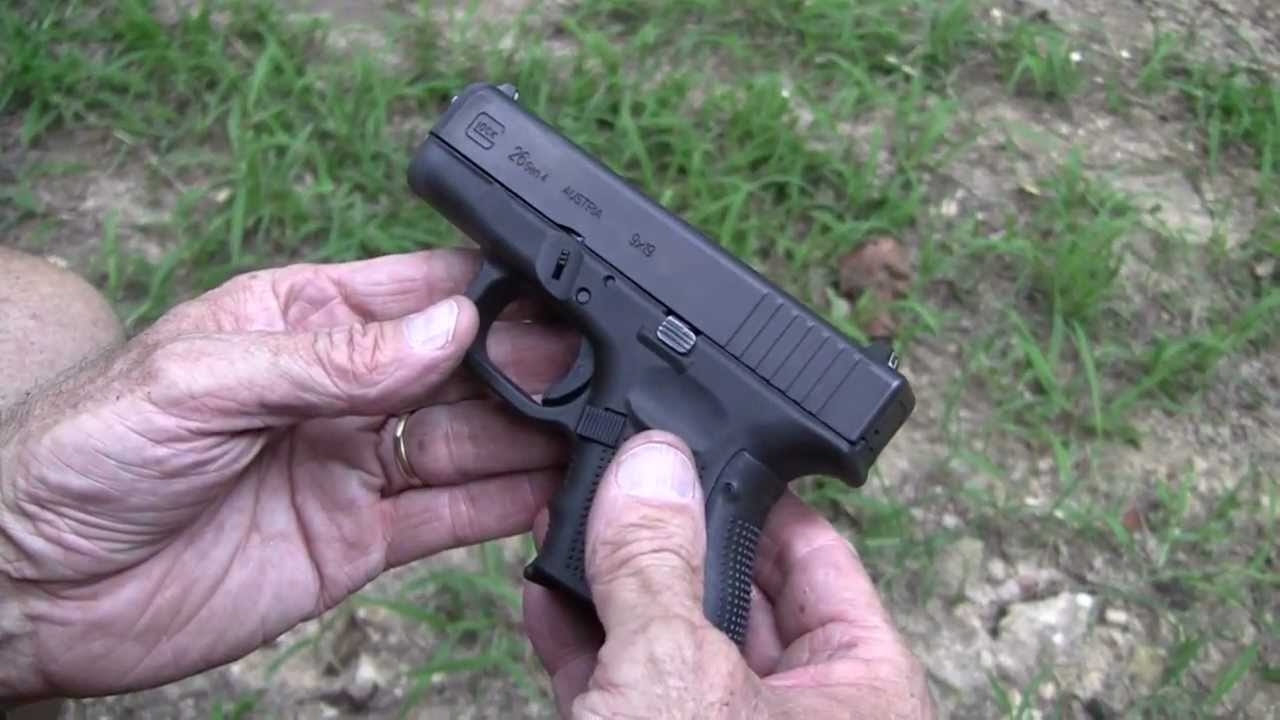
The baby Glock is legendary, and it’s reliable enough to make you forgive a lot. But it’s also a thick little brick. In a good holster it carries fine, yet it never feels “light” the way slim single-stacks do.
On the range, the short grip is the whole story. With flush mags you’re often hanging a pinky, and with extensions you’ve basically built a compact gun again. It can shoot well, but it takes more work than most people expect for how “serious” it looks.
2. Glock 27 (.40 S&W)

Same package as the 26, but with .40’s personality. That extra snap in a short, thick frame makes practice feel like a chore if you’re honest with yourself.
I get why folks bought these when .40 was king. Now, a lot of them sit in safes because nobody wants to burn money and wrist tendons on a tiny .40 when 9mm does the job and is nicer to shoot.
3. SIG Sauer P365 (standard model)
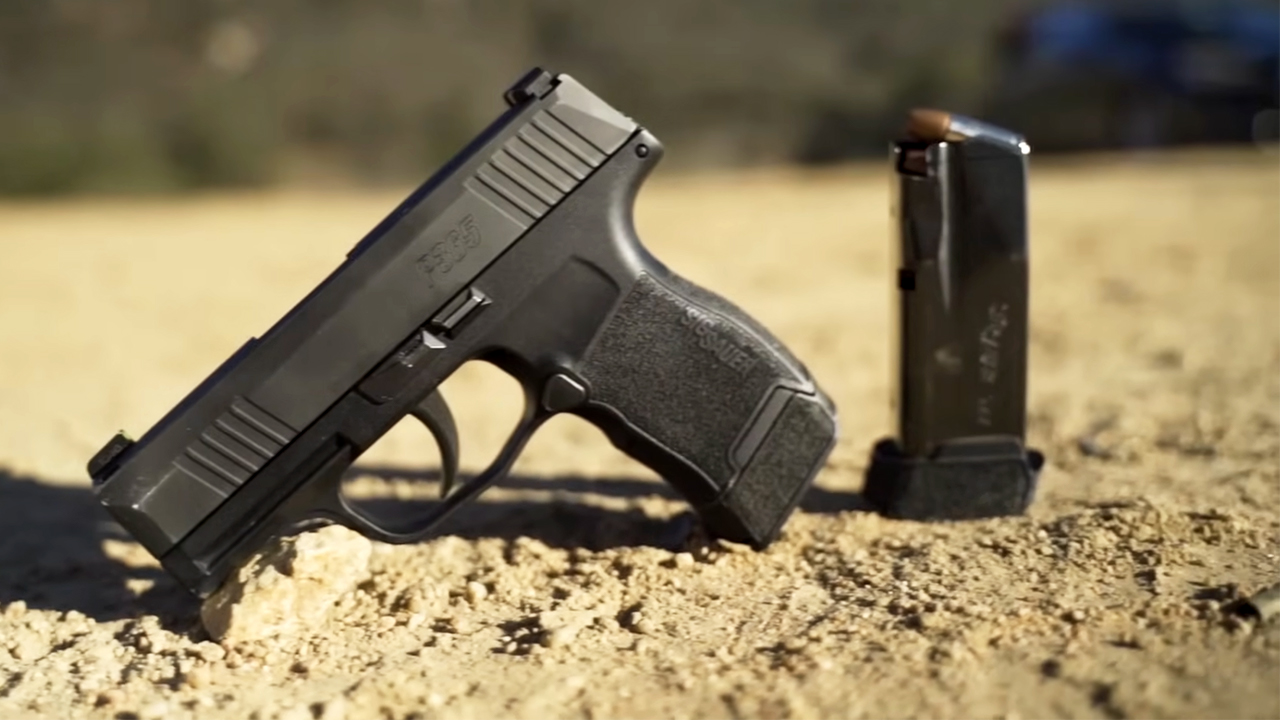
This one will ruffle feathers because the P365 changed the market. Still, the standard grip with the short barrel can be a funny fit for bigger hands, especially when you’re trying to shoot fast and clean.
It carries well, but it’s not always “comfortable” if you’re in the woods bending, climbing, and sitting in a stand. The little edges and the short grip can print or poke depending on body type and holster. With an XL grip it gets better—then you’re back to not really being “subcompact.”
4. Springfield Armory Hellcat (standard model)
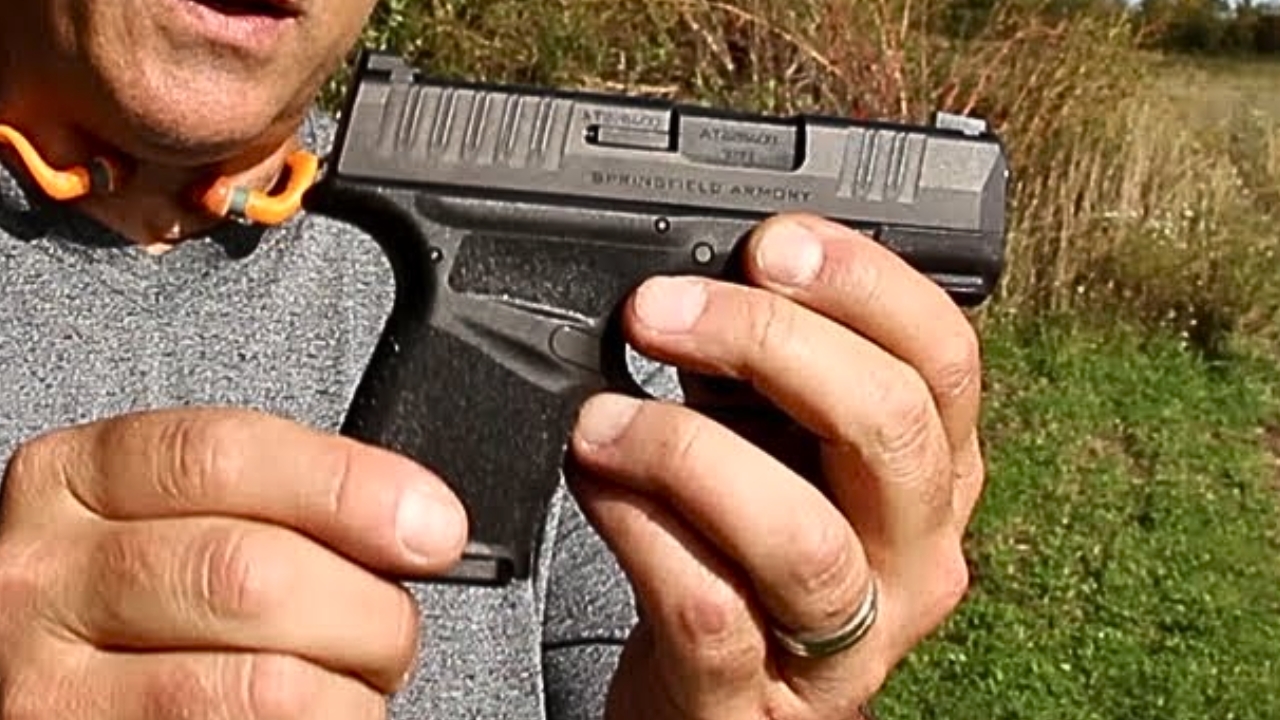
The Hellcat is a lot of gun in a little space, and it’s a solid performer. The trouble is it can feel busy in the hand: aggressive texture, short grip, and a recoil impulse that reminds you it’s small every single shot.
For deep concealment it makes sense. For “carry all day and shoot a couple hundred rounds without hating it,” it’s right on the line. Plenty of owners end up buying the Pro model and leaving the standard version behind.
5. Smith & Wesson M&P9 Shield (original 1.0/2.0)
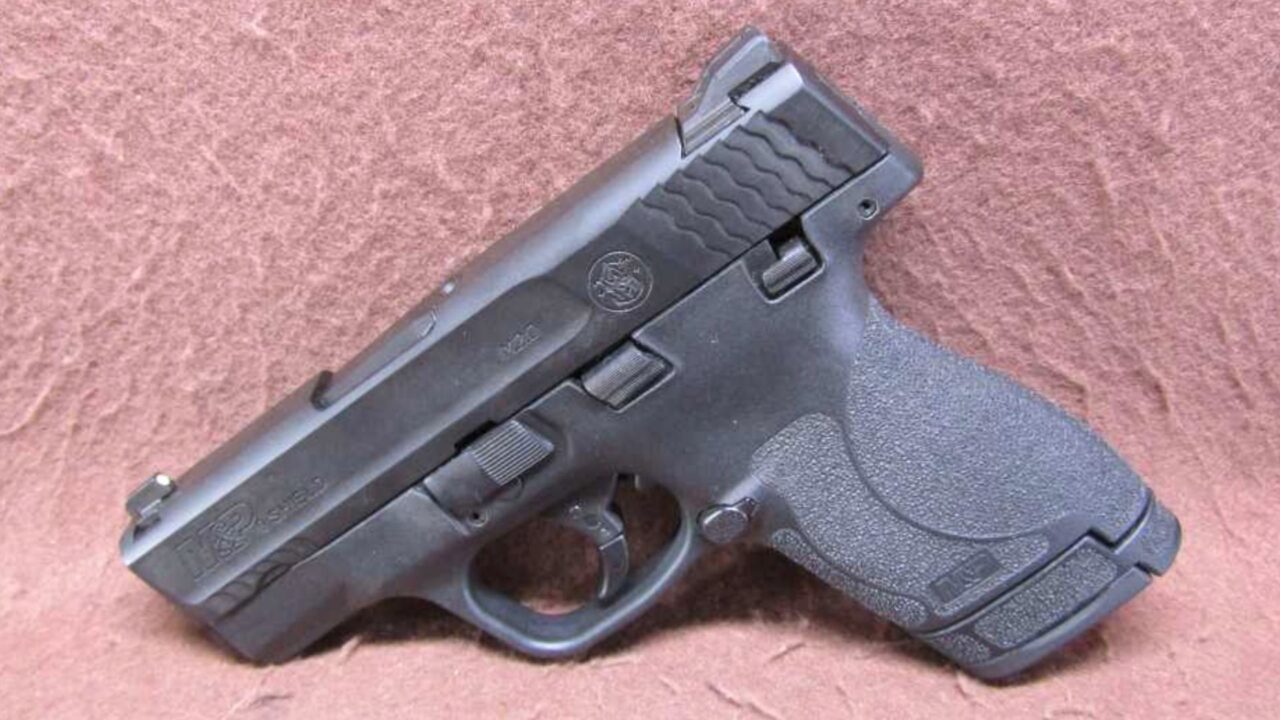
The Shield is one of the most carried pistols of the last decade, and for good reason. But it can be a little deceiving: it’s slim, yet it’s not always comfortable in the waistband for folks who sit a lot, drive a lot, or carry while doing chores.
Shooting-wise, the short sight radius and skinny grip don’t help new shooters. The gun is capable, but it’s not forgiving. If you don’t practice, it shows on paper fast.
6. Smith & Wesson M&P9 Shield Plus (3.1″)
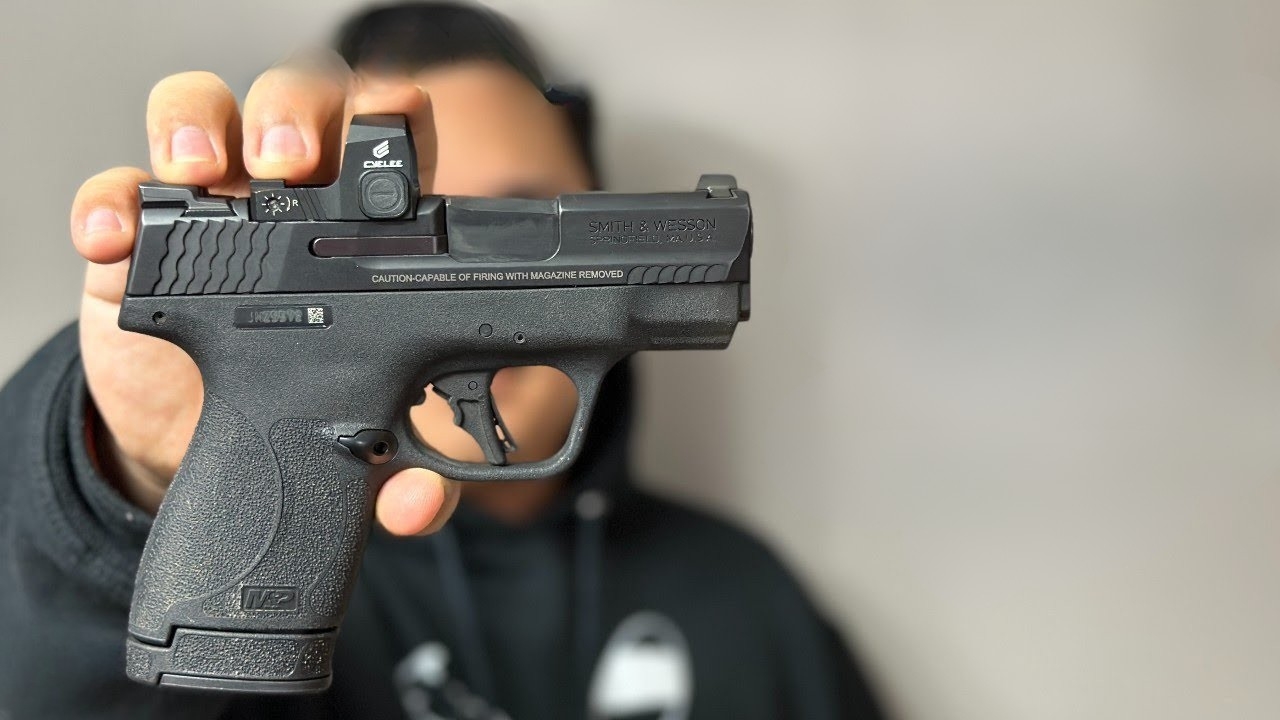
The extra capacity is nice. The catch is the gun stayed small, and now you’re tempted to shoot it like a bigger pistol because you’ve got more rounds on board.
That’s where the “too small to shoot well” part sneaks in. It’ll do fine at defensive distances, but longer strings and faster work can get sloppy unless your grip is really dialed.
7. Ruger Max-9

Ruger did a lot right here, and the price is usually fair. Still, it’s one of those pistols that feels better on the counter than it does after 150 rounds.
The grip is thin and the slide is light. That often means more felt recoil than you’d guess, and if your hands get sweaty at the range the gun can start moving around unless you really clamp down.
8. Taurus GX4
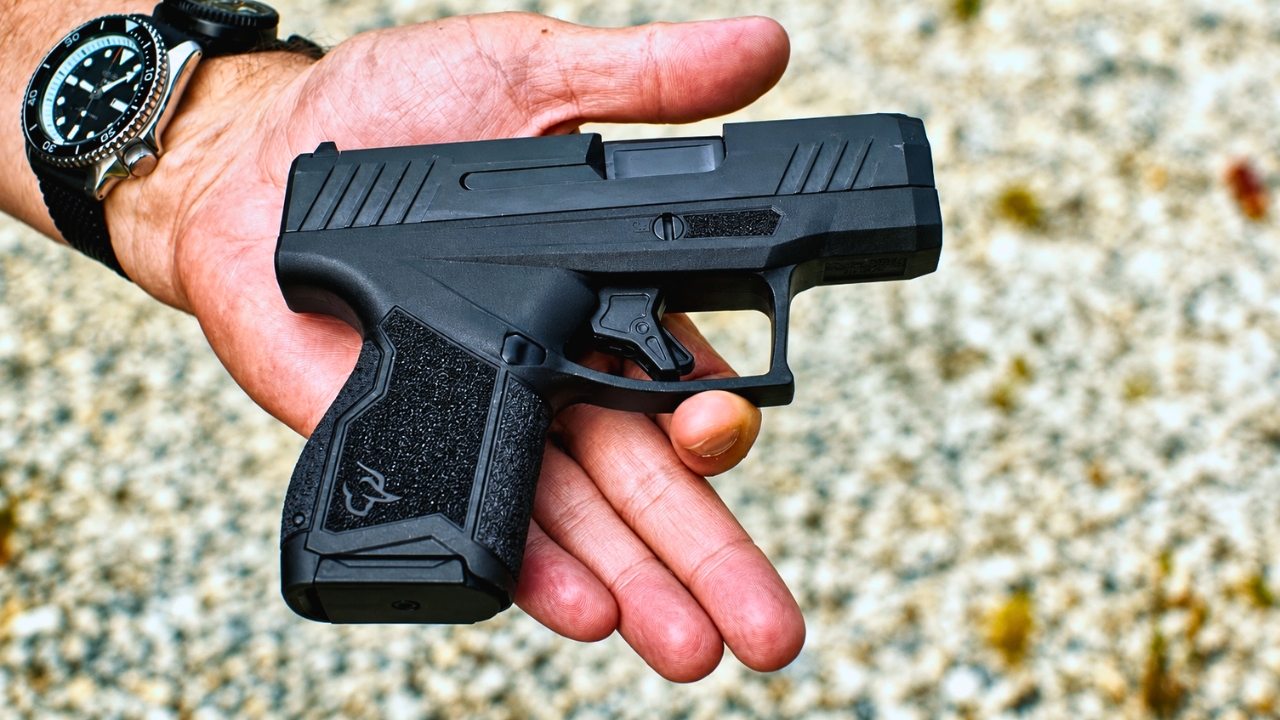
The GX4 is easy to carry and sized right for the “run to town” routine. The downside is it can feel a little abrupt when you’re trying to shoot tight groups at speed.
Some examples run great, some need more attention than I like in a carry gun. And when a pistol’s whole selling point is being small and affordable, most owners don’t want to play detective with magazines and ammo to make it behave.
9. Kimber R7 Mako (standard)

The Mako looks sharp, feels modern, and checks a lot of boxes. But it’s another micro-9 that can punish you for buying into the idea that tiny equals easy.
If you shoot it occasionally, it’s fine. If you shoot it like you should—regularly, with realistic drills—it can start to feel like you’re fighting the gun instead of running it.
10. Kahr PM9

The PM9 is slim, light, and genuinely concealable. It’s also one of those pistols where the trigger and the small grip make it hard for average shooters to look good on paper without practice.
Carry comfort is decent, but the little Kahr can be picky about grip and ammo in a way that bigger pistols just aren’t. There’s nothing wrong with “needs a break-in,” but it’s not what most folks want to hear after swiping the card.
11. Walther PPS M2

The PPS M2 carries nicely and points well, and it’s a quality pistol. The issue is it occupies a narrow lane: slim like a single-stack, but not always soft-shooting enough to justify choosing it over the newer high-capacity micros.
Comfort depends on your holster and belt. But for some, it’s just big enough to notice and just small enough to be snappy. That’s a frustrating combo.
12. CZ 2075 RAMI

I’ve got a soft spot for the RAMI. It’s a chunky little tank, and the DA/SA setup is appealing to folks who like traditional controls.
But let’s be real: it’s thick, heavy for its size, and the short grip makes it tougher to shoot fast. It’s also not as supported as CZ’s bigger guns for mags and parts, depending on what you already have on hand.
13. Beretta PX4 Storm Subcompact
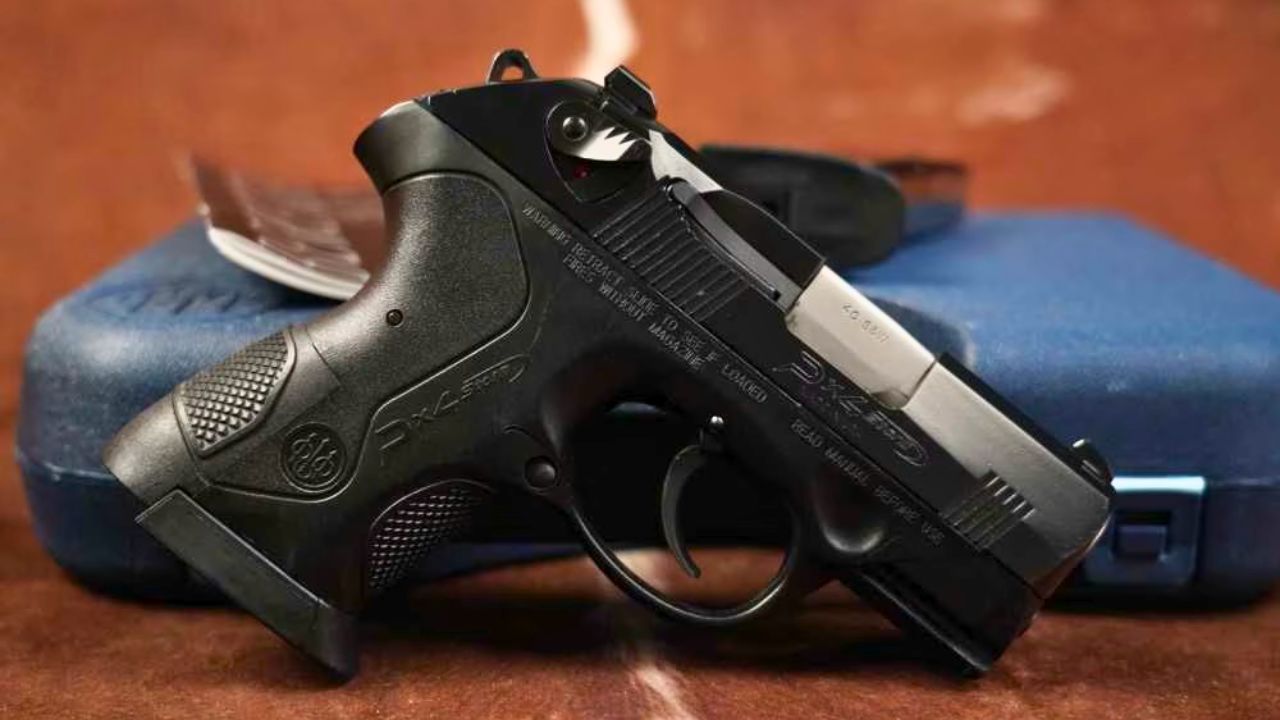
The PX4 line has fans, and for good reason. The subcompact, though, feels like it’s trying to be three things at once and ends up being none of them perfectly.
It’s thick in the waistband, the grip is short, and the controls can feel crowded. You can learn it, but a lot of shooters pick it up and immediately wish they’d gone compact instead.
14. Springfield Armory XD Sub-Compact (3″)

The little XD models were everywhere for a while. They’re reliable enough, but they’re thick and blocky, and that extra bulk doesn’t buy you better shootability the way you’d hope.
The short barrel and grip make it less pleasant in longer practice sessions. If you carry one, you can make it work. Most folks who try newer designs don’t come back.
15. Ruger SR9c
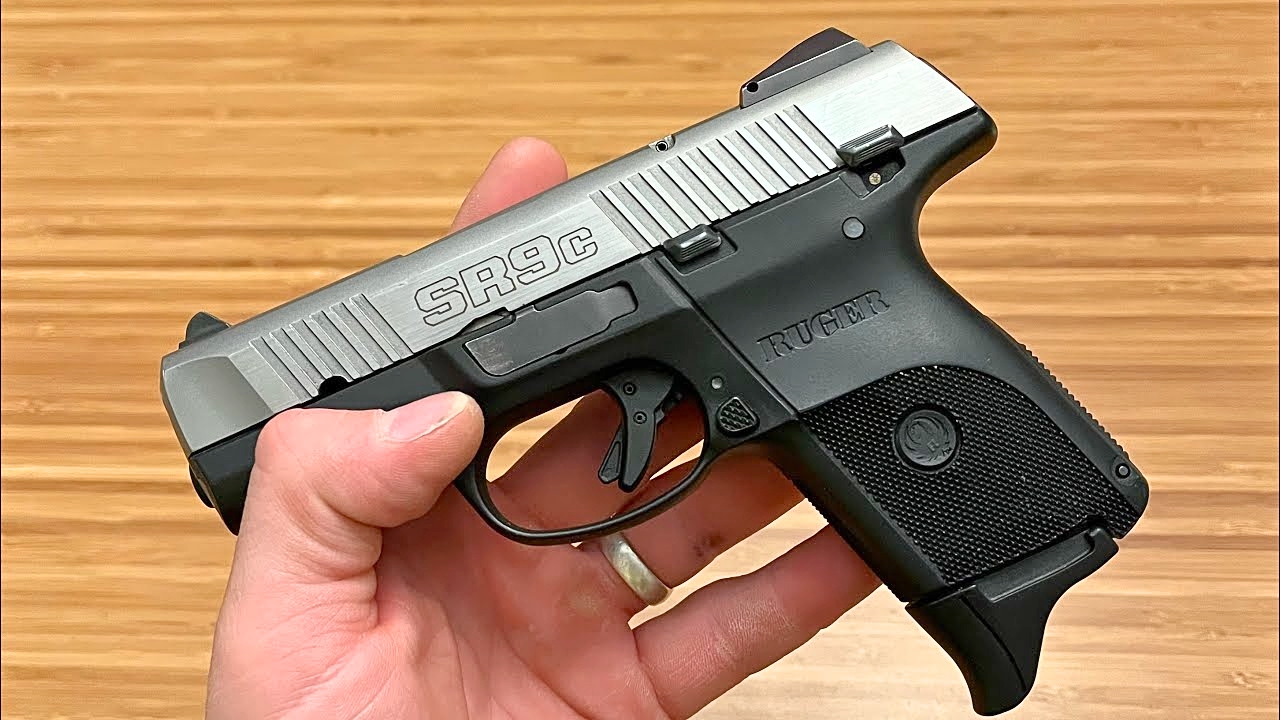
The SR9c was a smart idea in its day: compact-ish with a short mag for carry. It’s also one of those pistols that makes you appreciate how far ergonomics and triggers have come.
With the short magazine, your grip suffers. With the extended magazine, you’re basically carrying a compact. That “convertible” concept is cool until you realize you’re constantly choosing which compromise you want that day.
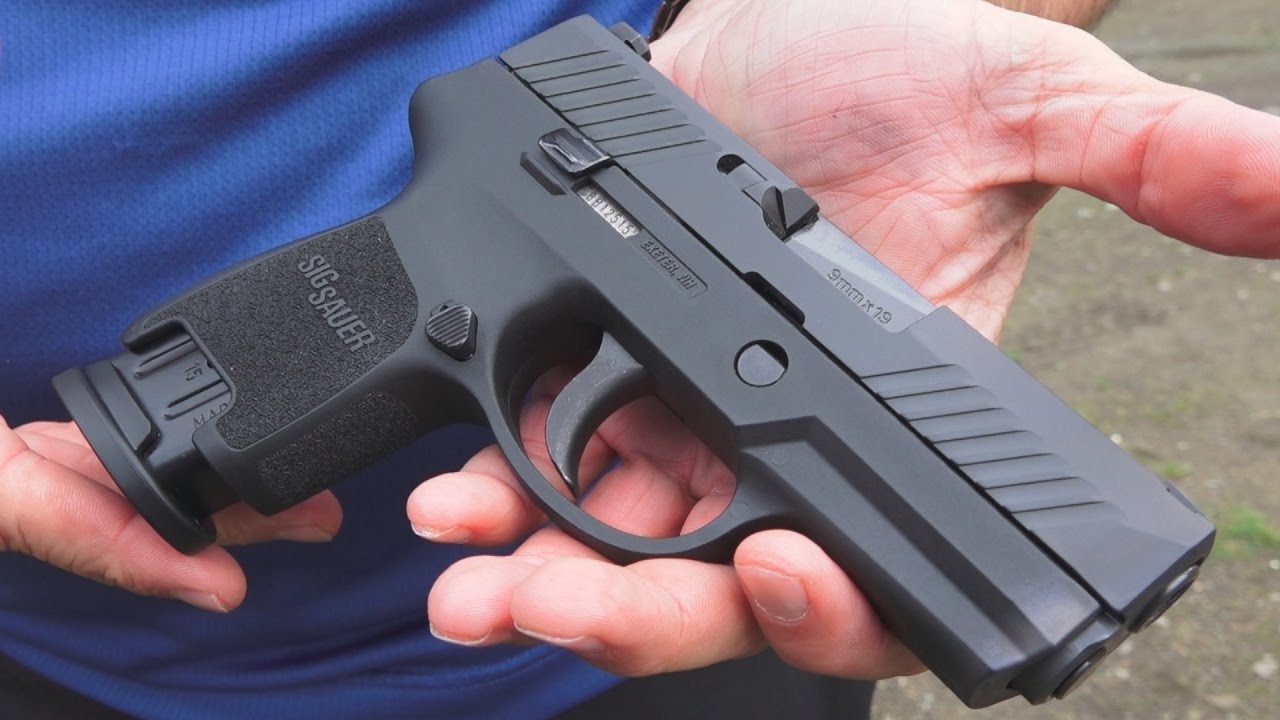
16. SIG Sauer P320 Subcompact
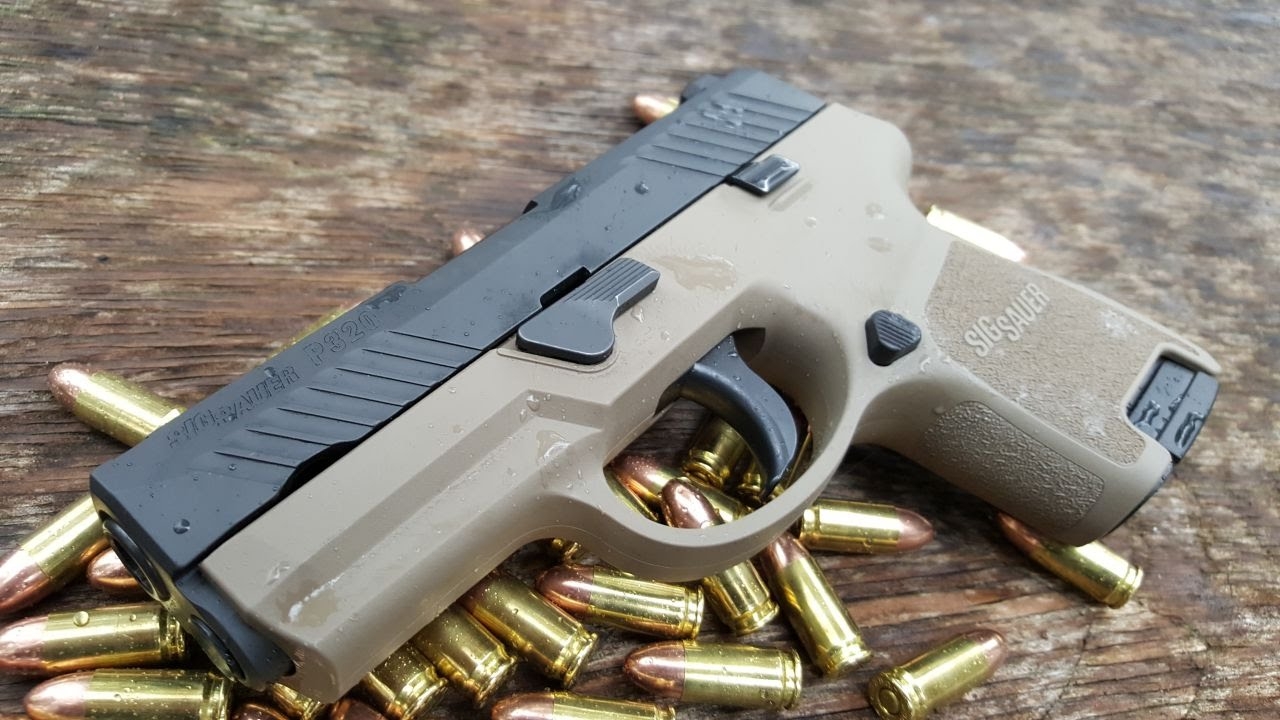
The P320 system shines in full-size and compact. In subcompact form, it gets top-heavy and short-gripped, and it can feel like you chopped the handle off a pistol that wanted to be bigger.
It’s not a terrible carry gun, but it’s not as comfortable as slimmer options, and it doesn’t shoot as smoothly as the compact versions. Many owners end up swapping modules and basically moving away from the subcompact setup.
17. Glock 43X
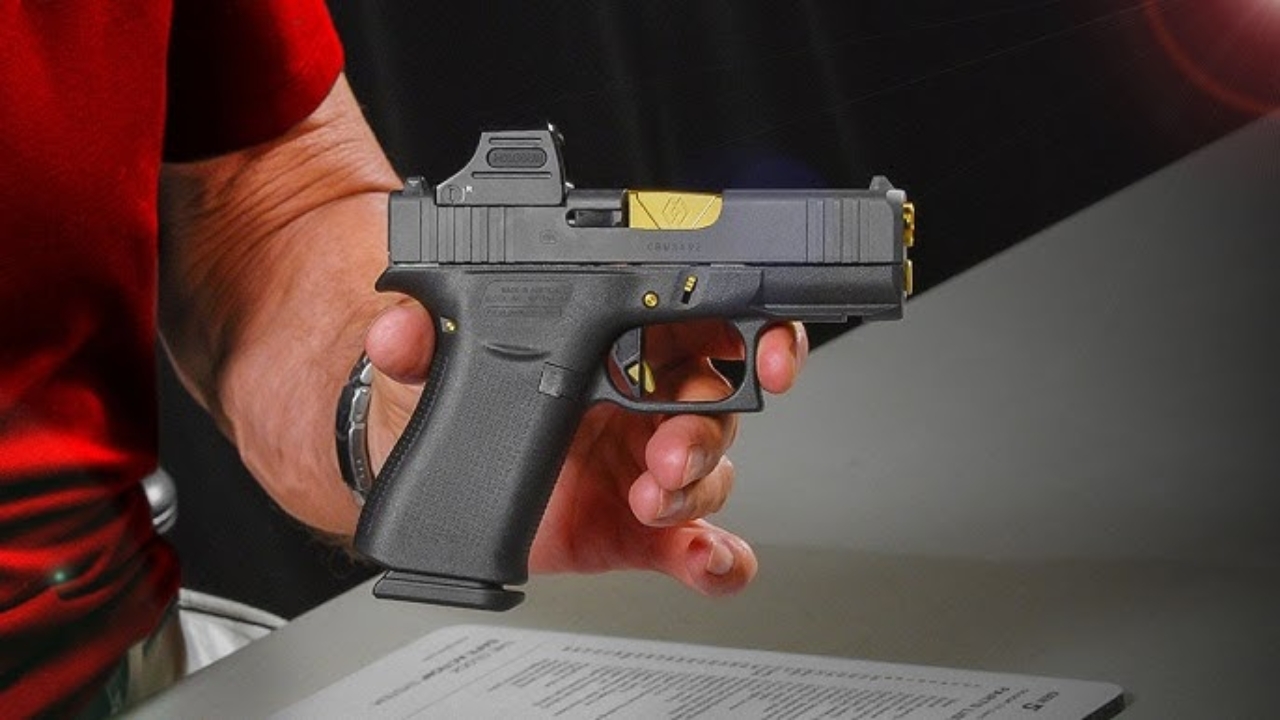
The 43X is close to great. It’s slim, it carries easier than double-stacks, and it points naturally for a lot of people.
But here’s the rub: it’s often too tall to be truly “forget it’s there” comfortable, while still being a short-barreled pistol that can feel snappy compared to a compact. It’s a fine choice, but it’s not the magic middle size for everyone.
18. Glock 48

Some will argue this isn’t a subcompact, and I get it. In real carry life, though, plenty of folks buy it as their “small gun” and then realize it’s long enough to be annoying in certain positions.
It shoots better than most of the micro-9s, but it’s also big enough that you start asking why you didn’t just carry a compact that handles even better. It’s another case of being right in the middle, for better and worse.
19. Smith & Wesson M&P9c (original double-stack Compact 3.5″)
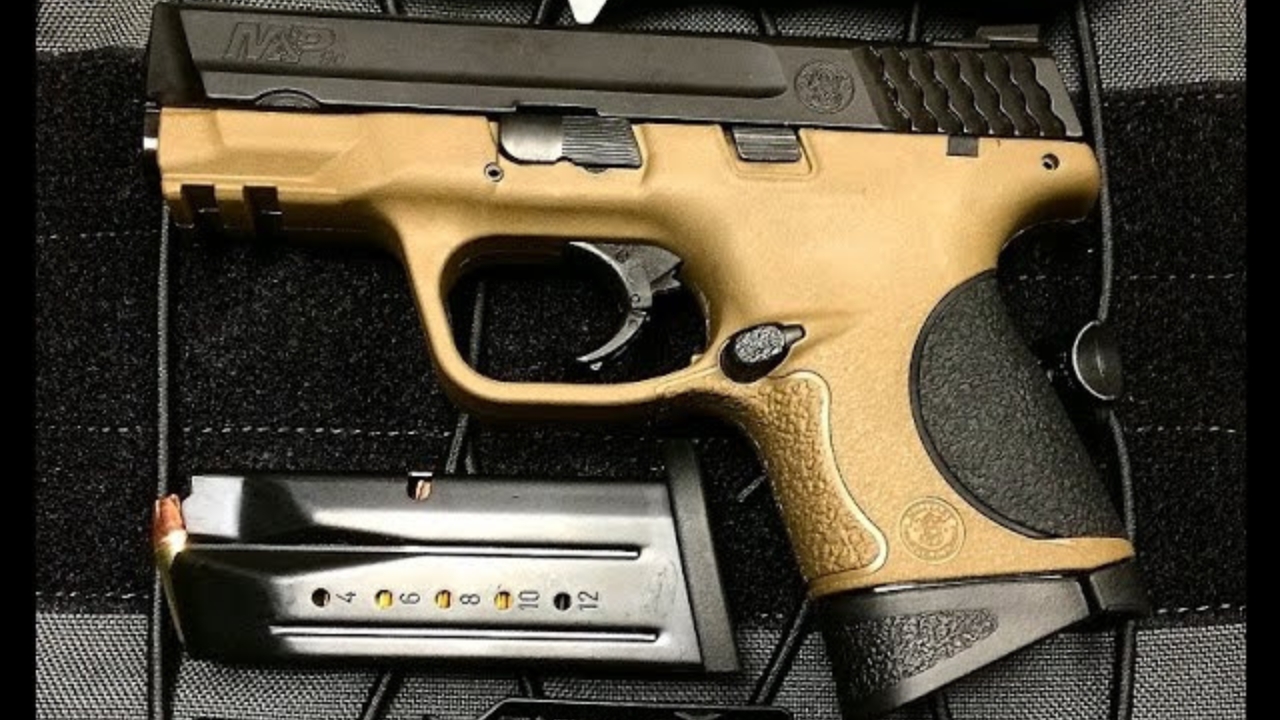
The older M&P9c is a solid pistol, but it has that thick, short-grip feel that makes concealment a little harder than the dimensions suggest. On the belt, it can feel like it wants to tip outward unless your setup is strong.
On the range it’s fine, but it’s not the soft, easy shooter that a slightly larger compact can be. It’s a good example of a gun that made sense before slim high-capacity guns crowded the field.
20. Bersa Thunder 9 Ultra Compact
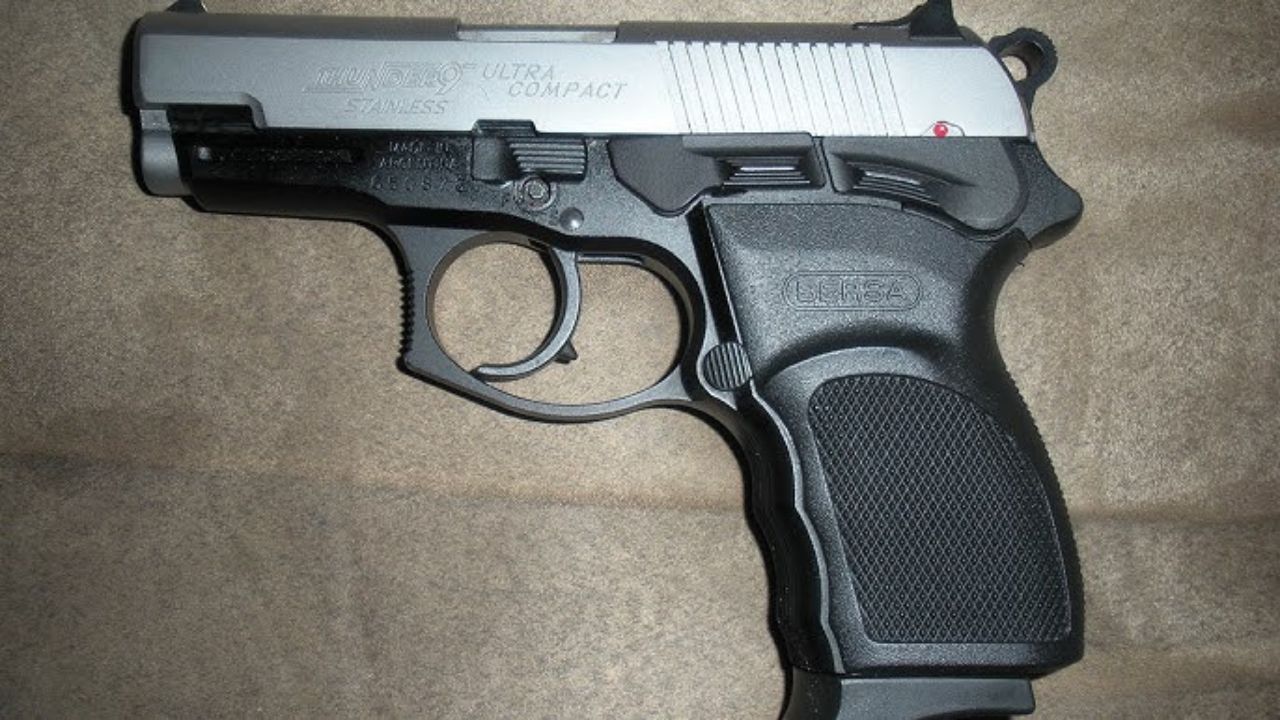
This one shows up in gun shops because it’s affordable and it feels substantial in the hand. Then you try carrying it and realize “subcompact” can still mean heavy and thick.
Being a little heavier can help recoil, but the short grip and older-school ergonomics don’t make it effortless. For folks who like DA/SA, it can scratch an itch. For most, it’s neither comfortable enough to carry daily nor pleasant enough to shoot a lot.
If you’re staring at a subcompact and feeling buyer’s remorse, don’t beat yourself up. These guns exist because we all want the same thing: easy carry with full-size performance. The trick is being honest about your real life. If it’s on you every day but you hate shooting it, you won’t practice. If it shoots great but you keep leaving it at home, it isn’t doing you any good either.
Sometimes the answer is boring: a compact you’ll actually train with, or a true micro you’ll actually carry. The “in-between” size can work, but it has to match your hands, your holster, your belt, and your willingness to practice. Ask me how I know.
Like The Avid Outdoorsman’s content? Subscribe to our newsletter so you never miss an article.
Here’s more from us: