Photo credit: The Avid Outdoorsman
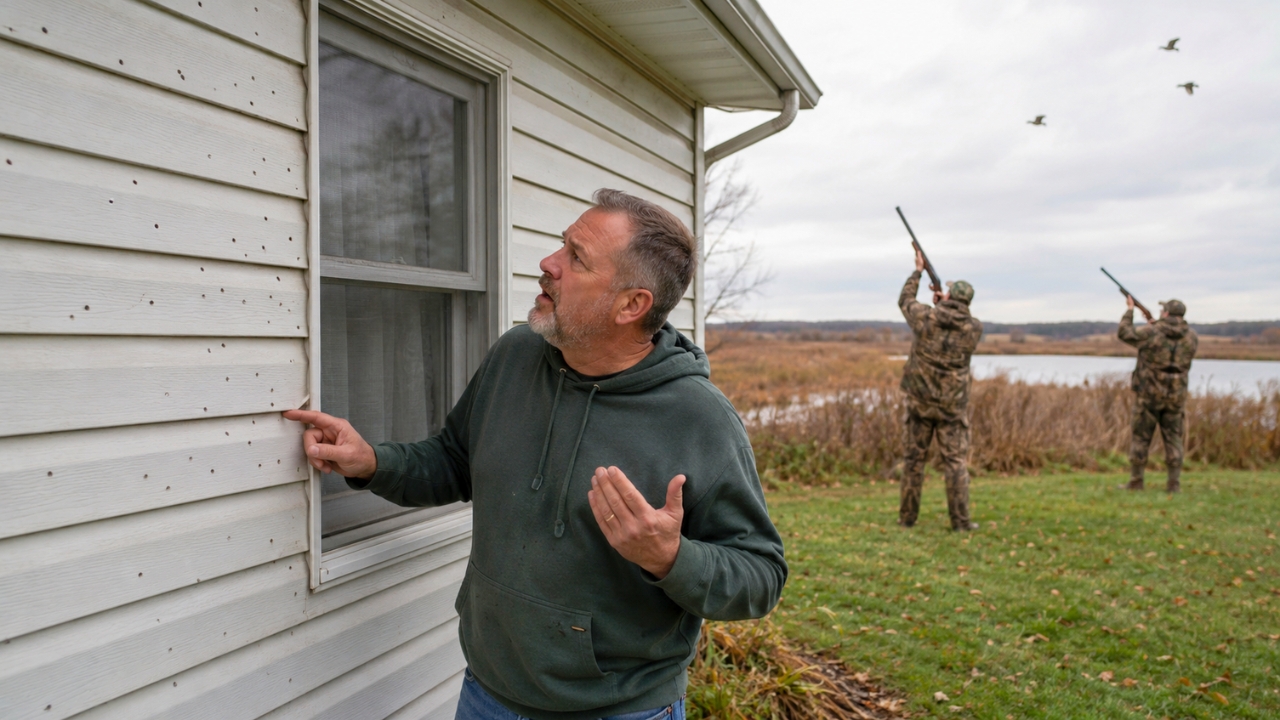
A homeowner said a group of duck hunters had been shooting close enough to the house that shotgun pellets were allegedly reaching the property, turning a hunting complaint into a serious safety question.
According to the Reddit post, the issue involved duck hunters nearby who were shooting in a direction or from a distance that left the homeowner worried about pellets hitting the house. The poster described the situation in a thread asking what could be done when duck hunters were spraying a home with shotgun pellets: https://www.reddit.com/r/legaladvice/comments/5hkksd/duck_hunters_are_spraying_my_house_with_shotgun/
For anyone who has ever lived near hunting land or waterfowl areas, the concern is easy to understand.
Hearing shots in the distance is one thing.
Hearing pellets hit or fall near your home is something else entirely.
The homeowner was not just complaining about noise
A lot of rural residents are used to gunfire.
During duck season, deer season, or weekend target practice, distant shots may be part of the background. That does not mean every shot is dangerous or illegal.
But this homeowner’s concern was not simply that hunters were being loud.
The concern was that pellets were allegedly reaching the house.
That changes the whole situation. Once projectiles are landing on or near someone’s home, the issue is no longer a matter of taste, annoyance, or rural living expectations. It becomes a safety issue.
Shotgun pellets used for waterfowl may lose energy over distance, but nobody wants metal falling onto a roof, porch, window, yard, or driveway. And if pellets are reaching the house, the homeowner may reasonably wonder whether the hunters are too close, shooting at poor angles, or ignoring safe backstops and nearby residences.
That is where the legal question starts.
Hunting near homes can be heavily regulated
The details matter in a situation like this.
Many states and local areas have rules about how close someone can discharge a firearm to a dwelling, road, occupied structure, or other restricted area. There may also be rules specific to waterfowl hunting, public waterways, blinds, shot direction, and permission from nearby landowners.
But those rules are not always obvious from the homeowner’s perspective.
The hunters may be standing on public land, private land, leased land, or water. They may believe they are far enough away. They may think they are shooting safely because they are using shotguns rather than rifles. They may claim pellets falling at long range are harmless.
The homeowner, meanwhile, is the one hearing or seeing pellets reach the house.
That creates a hard conflict: hunters may think they are following the rules, while the resident feels like the house is being used as part of the shot field.
Commenters pointed toward game wardens and documentation
Commenters generally focused on documenting what was happening and contacting the right authorities.
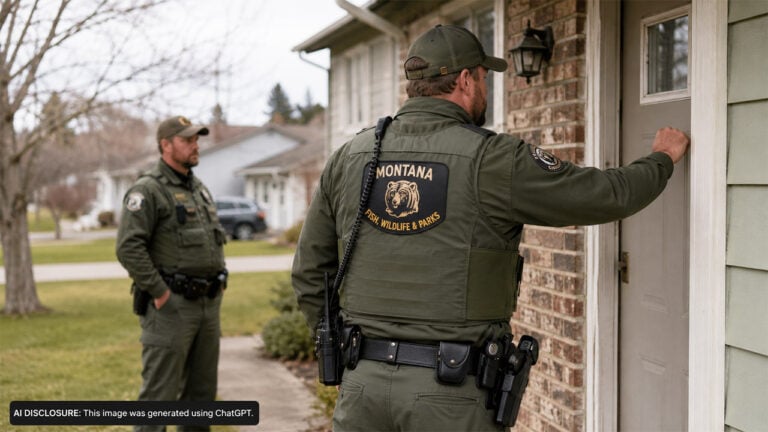
This is exactly the kind of situation where a game warden or conservation officer may be more useful than a general police call. Wildlife officers are used to dealing with hunting-distance rules, waterfowl setups, safe shooting practices, and whether hunters are legally positioned.
Commenters also suggested gathering evidence carefully.
That might include photos of pellets, notes about dates and times, videos of where shots appear to be coming from, and any visible locations of blinds, boats, or hunters. If the homeowner can show a pattern, it becomes easier for authorities to investigate.
The advice was not to confront armed hunters directly.
Even if the homeowner is angry, walking into a dispute with people holding shotguns is a bad plan. A call to the game warden creates a safer and more official path.
The hard part is proving where the pellets came from
One reason these cases can be frustrating is that proving the source may not be simple.
A homeowner may hear shots, find pellets, and feel certain they know who is responsible. But enforcement may require more than that. Authorities may need to know where the hunters were standing, what direction they were shooting, how far they were from the home, and whether the pellets actually came from their shots.
That can be hard in the moment.
Duck hunting often happens early, in low light, near water, with multiple shots fired quickly. The hunters may move. Weather and wind may affect where pellets fall. By the time an officer arrives, the group may be gone.
That is why repeated documentation matters so much.
One incident may be dismissed as hard to prove. A pattern with dates, photos, and clear locations is harder to ignore.
Responsible hunting depends on more than staying legal
The most frustrating part of this story is that the homeowner was left dealing with the consequences of someone else’s shooting.
Even if the hunters believed they were technically legal, responsible hunting requires awareness of what is beyond the target. That includes homes, livestock, roads, people, and private property nearby.
Hunters do not have to be reckless on purpose to create a dangerous situation. Sometimes a poor setup, a bad angle, or a casual attitude about distance is enough.
For homeowners, the lesson is to document and call the right agency early.
For hunters, the lesson is simpler: if your pellets are reaching someone’s house, something is wrong.
Whether the issue is distance, direction, permission, or judgment, the person inside that home should not have to wait for a worse shot to find out.
Like The Avid Outdoorsman’s content? Subscribe to our newsletter so you never miss an article.
Here’s more from us: