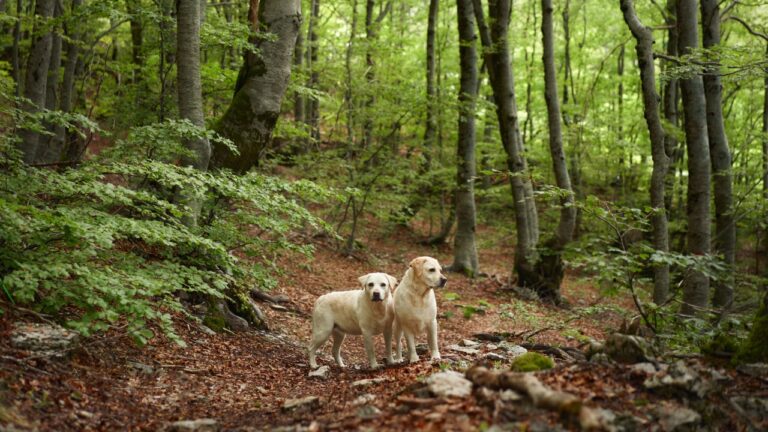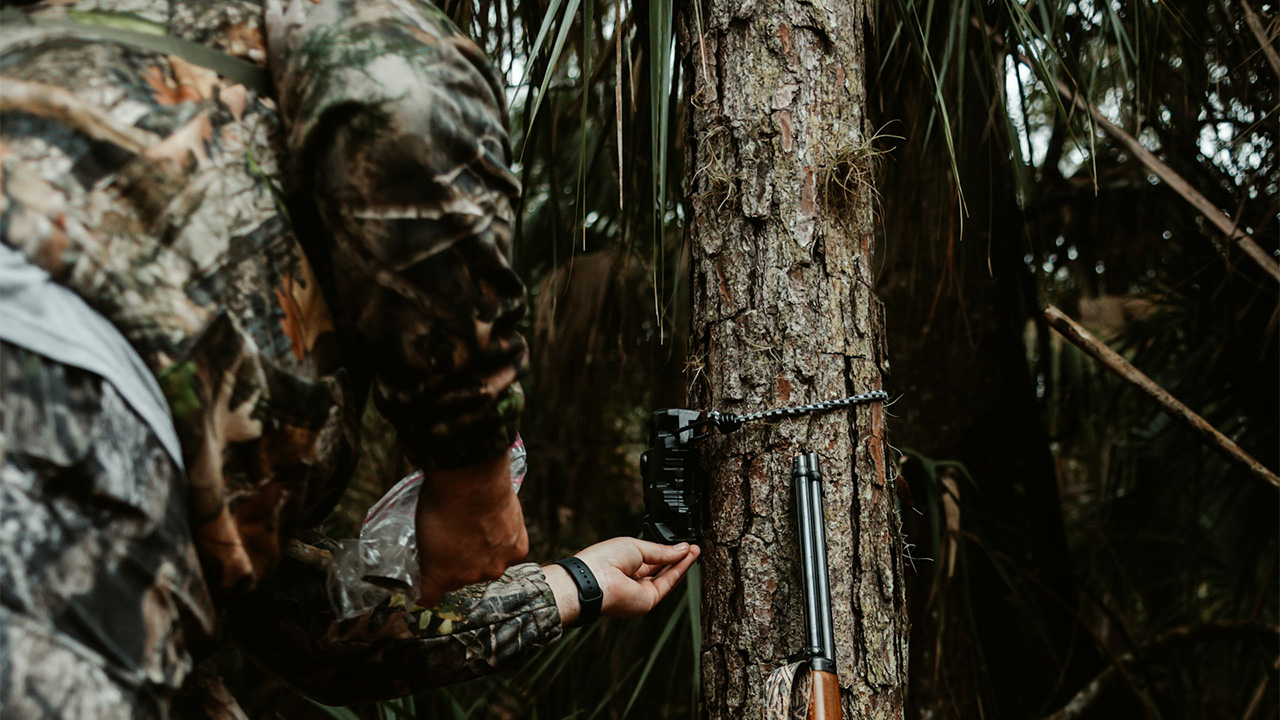
Photo credit: Taylor Daugherty/Unsplash.com
The hunter did not have to guess whether someone had been sneaking around.
The cameras told on him.
That is one of the rare satisfying moments in a trespass story. Most of the time, landowners and hunters are stuck working with boot tracks, tire marks, missing gear, or a gut feeling that somebody has been using the place when they should not be. They know something is wrong, but they do not always have a face to put with it.
This time, the trespasser helped with that part.
In a Reddit thread, hunters were sharing stories of dumb poachers and trespassers, and one story involved a person setting up cameras around mineral blocks on private land. The twist was that the trespasser accidentally photographed himself while hanging the cameras.
That is about as perfect as it gets.
A trail camera on someone else’s land is already bad enough. It means the person entered without permission, picked a spot, and started collecting information from ground that did not belong to him. But cameras pointed at mineral blocks make it feel even more intentional. This was not a random wanderer who got turned around at a fence line. This was someone trying to monitor deer activity around an attractant on private property.
That takes planning.
The person had to know where the mineral blocks were, or place them himself, then hang cameras where he thought deer would pass through. That suggests he was scouting the land, possibly preparing to hunt it, or already using it as if he had permission. And if he was willing to do that once, there is a good chance he expected to come back and check the cards.
That is where his own camera worked against him.
Trail cameras often snap pictures during setup. Anyone who has hung enough of them knows the routine. You walk in front of it, adjust the angle, open the case, check the screen, step back, wave a hand, and make sure it is aimed where you want. If you are hanging a camera where you belong, that is harmless. If you are trespassing, it can be evidence.
The trespasser apparently did not think through that part.
He may have been focused on deer. He may have assumed nobody would find the camera. He may have been so comfortable on the property that he forgot the equipment was doing exactly what it was designed to do. Whatever happened, he managed to leave behind an image of himself putting the whole setup in place.
That is the kind of mistake landowners dream about when they are tired of vague excuses.
Because once someone is caught on camera hanging a camera, the “I didn’t know” defense gets weaker fast. It is hard to claim you accidentally walked onto the property when you had time to strap gear to a tree. It is hard to say you were only passing through when your equipment is aimed at mineral blocks. It is hard to pretend you had no interest in hunting there when everything about the setup looks like scouting.
The mineral blocks matter too. Depending on the state and season, minerals, salt, bait, or attractants can create legal problems. Even where they are legal, putting them on someone else’s property without permission is a whole separate level of disrespect. If they are not legal in that area, the landowner could be stuck dealing with something he did not create.
That is why this kind of discovery needs documentation.
The smart move is to photograph the cameras where they were found, the mineral blocks, any access route, nearby posted signs, and anything else that shows the setup was on private land. If the camera card shows the trespasser, save the images. Back them up. Then call the landowner, game warden, or sheriff depending on who owns the ground and how serious the situation looks.
The temptation would be to rip everything down and throw it in a pile.
That might feel good, but proof is better.
A trespasser who is bold enough to hang cameras may also be bold enough to lie when caught. He might claim he had permission. He might say the property line was confusing. He might claim he found the mineral blocks already there. He might say someone else must have moved his camera. The photos are what cut through that.
The story also shows why trespassers and poachers are often not as slick as they think. They may know the woods. They may know when nobody is around. They may know where the deer move. But they still make dumb mistakes because they get comfortable. And comfort is what gets people caught.
For the hunter who found the cameras, the discovery was probably equal parts irritating and satisfying. Irritating because someone had been using private land like his own. Satisfying because the person left behind evidence that was hard to explain away.
If you are going to trespass and hang cameras on somebody else’s land, accidentally photographing yourself doing it is about the dumbest way to start.
Commenters in the thread mostly reacted to the trespasser’s mistake with the kind of disbelief hunters reserve for people who get caught by their own gear.
Several people said trail cameras are great at catching more than deer, especially when trespassers forget that setup photos can show faces, clothing, and the exact moment the camera was hung. That first test picture can become the best evidence in the whole case.
Others focused on the mineral blocks. Depending on local laws, attractants can create serious problems, and commenters said the landowner or legal hunter should document everything before moving it. If a warden gets involved, the timeline and photos could matter.
A lot of hunters said this is why they keep cameras on access points and not just deer trails. If someone is walking in to hang gear, check mineral sites, or hunt without permission, catching the entry route can be just as useful as catching them at the setup.
Some commenters also said the person should not get the benefit of the doubt. Accidentally crossing a line is one thing. Hanging cameras on mineral blocks is deliberate. That is scouting, not wandering.
The main advice was simple: save the photos, document the setup, and involve the proper authority if the landowner wants it pursued. The trespasser did half the work by taking his own picture.