Photo credit: Michael Vi/shutterstock.com
Coyotes have always been adaptable, but suburban America has given them an environment they can exploit almost perfectly. Neighborhoods provide rabbits, rodents, outdoor pet food, unsecured garbage, water, greenbelts, golf courses, drainage corridors, and plenty of small pets that can look like prey.
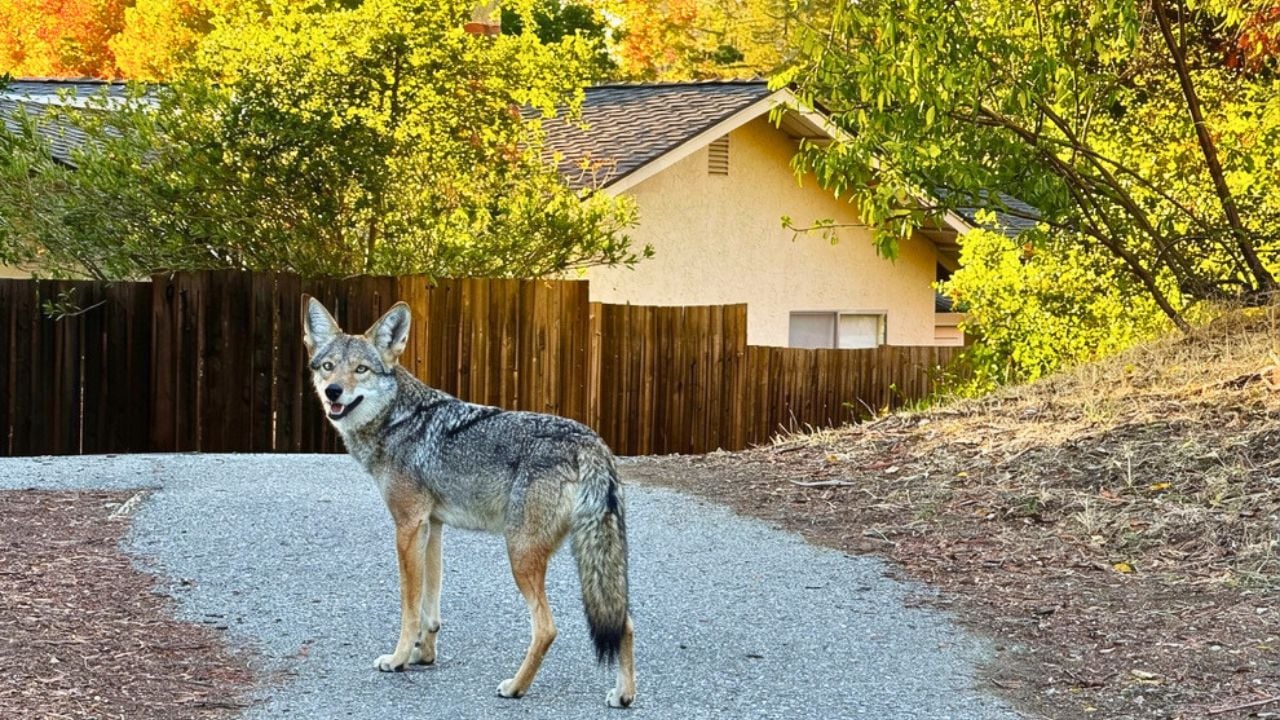
Seeing a coyote during daylight does not automatically mean something is wrong. The bigger concern is when coyotes stop reacting to people, repeatedly enter yards, linger near homes, or begin targeting pets. Wildlife agencies specifically warn that feeding and other human-created food sources can cause coyotes to lose their natural fear of people.
These 20 states have enough urban and suburban coyote activity that residents increasingly need to think of coyotes as neighborhood wildlife rather than animals that stay somewhere beyond the city limits.
Arizona
Arizona may be one of the clearest examples of coyotes learning how to live right beside people. They are common around Phoenix, Tucson, and other rapidly growing communities where desert habitat blends almost seamlessly into subdivisions.
Arizona Game and Fish specifically warns that coyotes can become comfortable around humans when people feed wildlife or simply allow animals to linger around homes without discouraging them. The department has documented conflicts around metropolitan areas and warns that small dogs, cats, poultry, garbage, pet food, and even backyard water sources can attract coyotes.
California
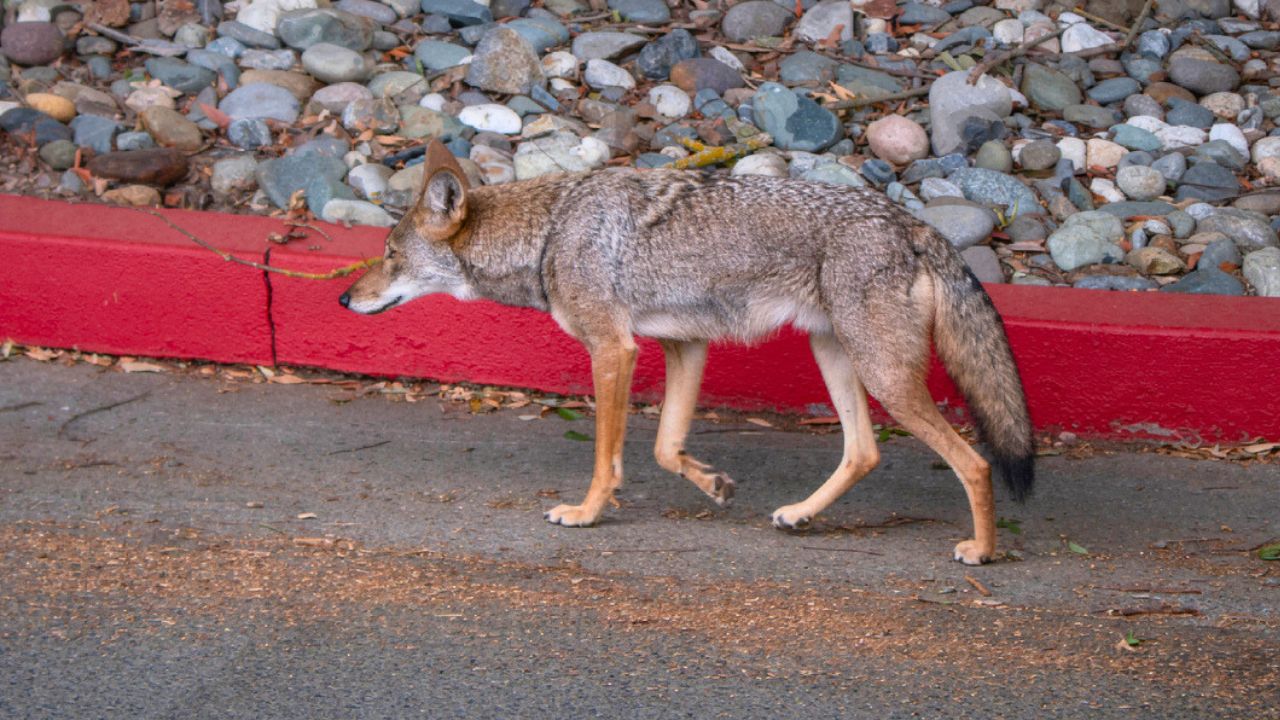
California gives coyotes almost every environment they need, including mountains, farmland, desert, sprawling suburbs, and enormous metropolitan areas.
The striking part is how ordinary urban sightings have become. Coyotes can move through greenbelts, parks, drainage corridors, and residential streets while remaining close to cover and food. In places around Los Angeles and the Bay Area, seeing one crossing a street hardly qualifies as an extraordinary wildlife encounter anymore. The concern begins when repeated exposure teaches individual coyotes that people pose little threat.
Colorado
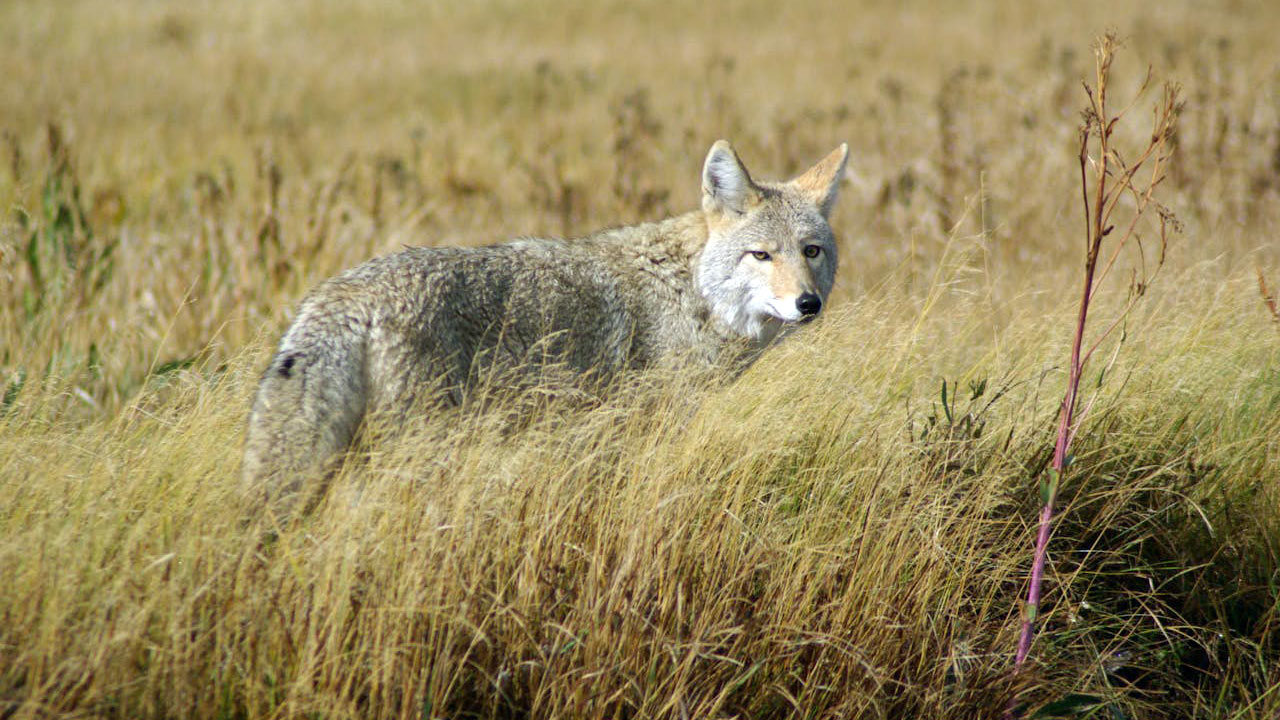
Colorado’s expanding Front Range puts huge numbers of people directly beside excellent coyote habitat.
Colorado Parks and Wildlife says coyotes are comfortable not just on prairies and in mountains but in cities as long as food and shelter are available. Urban animals can lose their fear of humans and may threaten domestic pets. Neighborhood green spaces, trails, golf courses, and open-space corridors make it remarkably easy for coyotes to move through developed areas without ever really leaving cover.
Texas
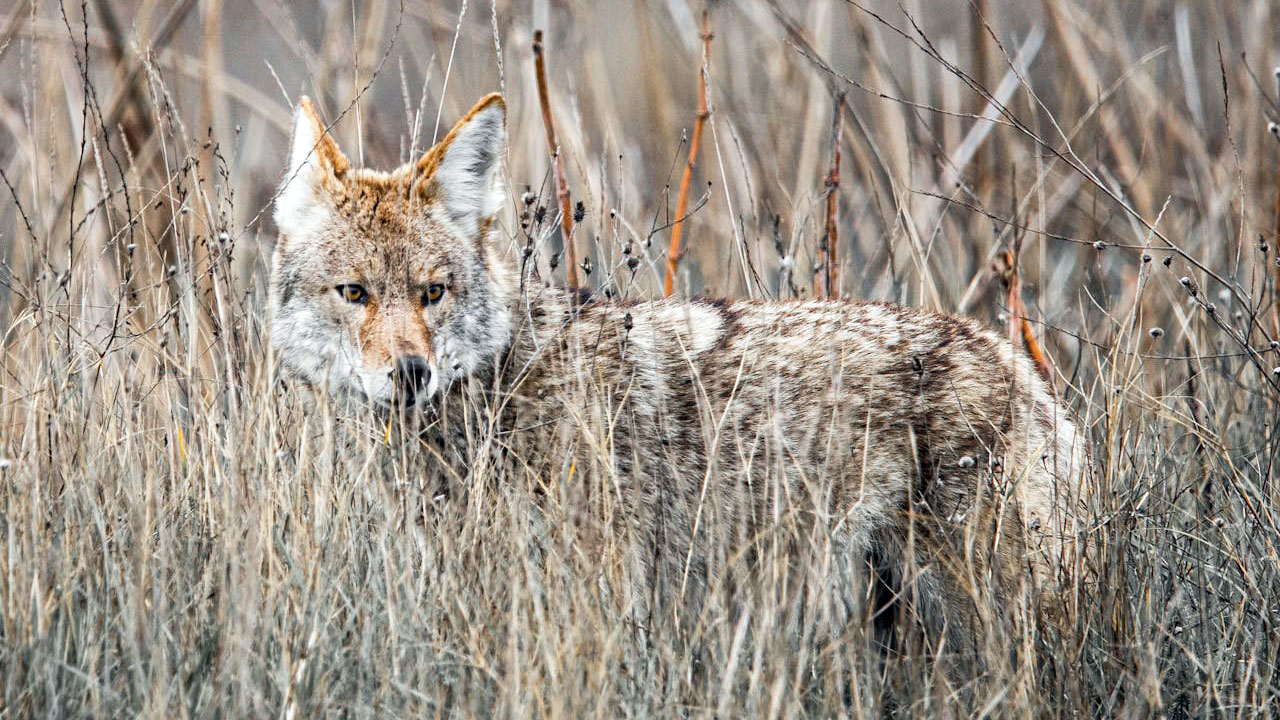
Texas has no shortage of rural coyotes, but the growing issue is how well they have adjusted to the edges of cities and expanding subdivisions.
Texas Parks and Wildlife points directly to suburban development spreading into former open habitat as a major reason people and coyotes increasingly encounter one another. Metropolitan areas such as Dallas-Fort Worth, Austin, Houston, and San Antonio contain enormous networks of creeks, parks, undeveloped lots, and suburban green spaces that coyotes can use like highways.
New Jersey
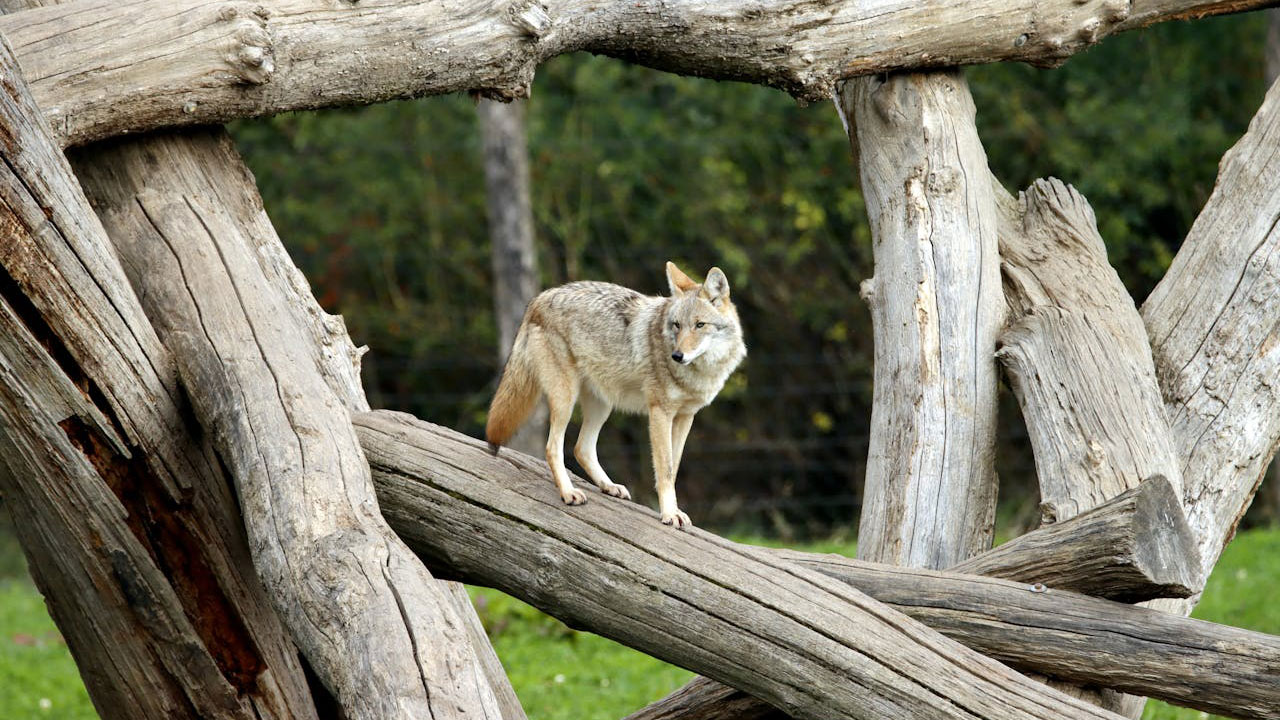
New Jersey is so densely developed that a coyote appearing in a neighborhood can feel particularly out of place.
The animals apparently disagree. In 2026, authorities in northern New Jersey warned pet owners after coyotes were reported around residential neighborhoods and dogs were attacked in separate incidents. Residents in one area described sightings as regular occurrences. It is a good example of what happens after coyotes realize suburbia can provide both cover and easy opportunities.
Massachusetts
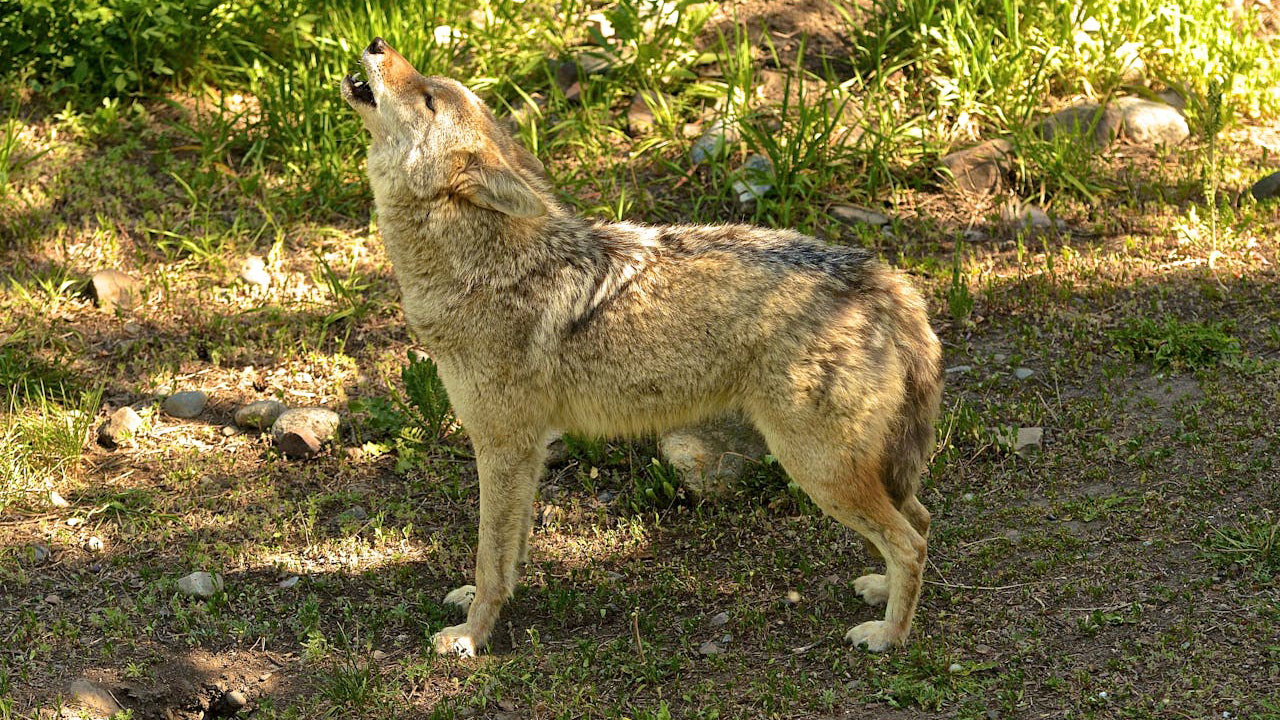
Coyotes are no longer unusual visitors to remote corners of Massachusetts. State wildlife officials say they can be found in nearly every town and city.
That puts them in close contact with people throughout densely populated eastern Massachusetts as well as suburban communities farther west. MassWildlife recommends actively hazing coyotes encountered around yards and neighborhoods specifically to reinforce their natural fear of humans. Feeding, whether intentional or accidental, can instead encourage increasingly bold behavior.
Connecticut
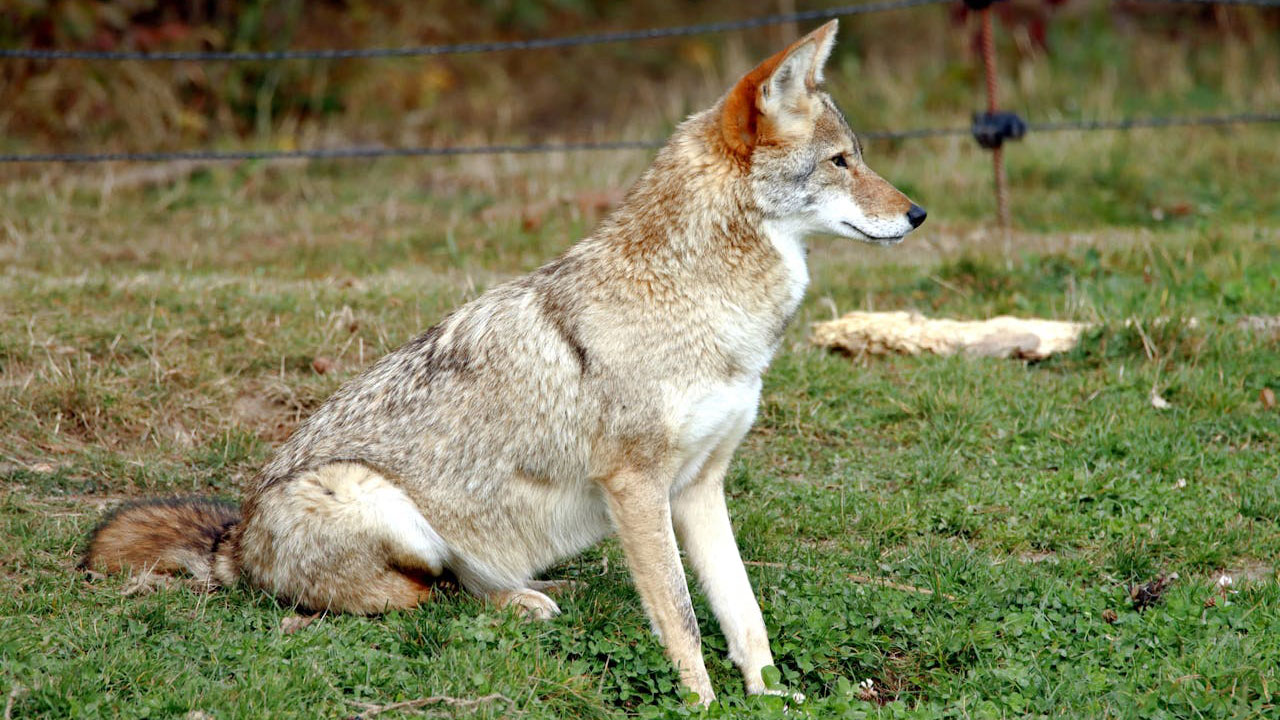
Connecticut has the combination coyotes exploit especially well: heavy suburban development mixed with forests, parks, stone walls, small woodlots, and green corridors.
And occasionally an individual becomes much too comfortable. In August 2026, Fairfield officials warned about a coyote that reportedly approached people, vehicles, and homes and attacked dogs. Officials specifically described its lack of fear around humans as abnormal behavior. That is exactly the progression wildlife managers worry about when a wild predator becomes habituated to developed areas.
Oregon
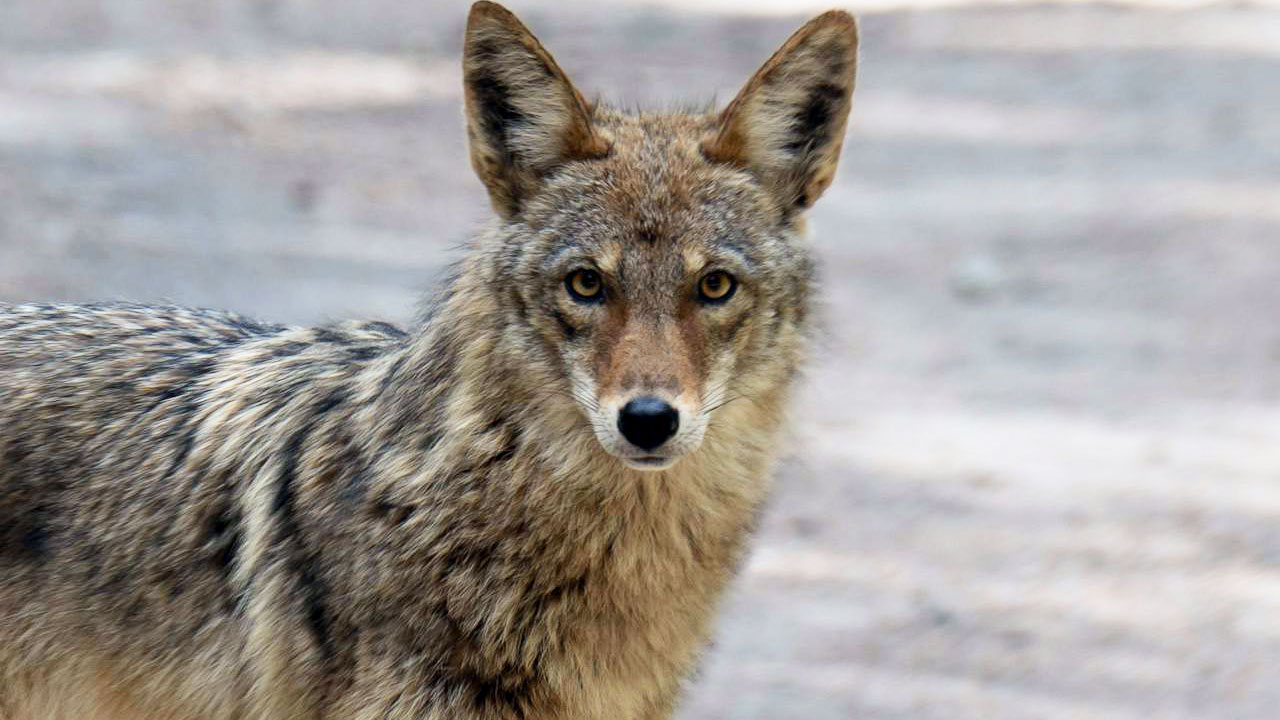
Oregon coyotes do not need open desert to survive. They readily use agricultural areas, suburbs, and developed landscapes.
The Oregon Department of Fish and Wildlife warns residents that coyotes will raid garbage, eat food left outside for pets, and take unattended small pets when opportunities arise. The agency identifies habituation around residential areas, often created by human access to food or shelter, as a major source of conflict.
Washington
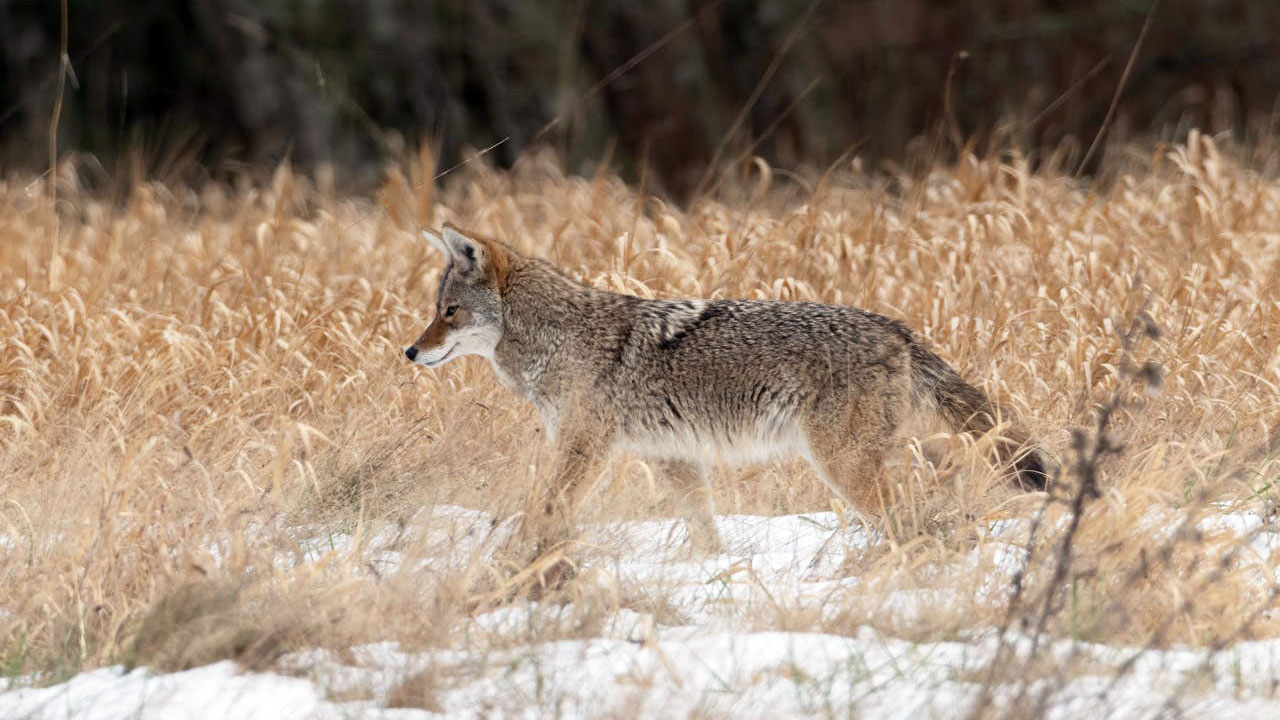
Western Washington seems far removed from the stereotypical open-country coyote landscape, yet the animals have adapted extremely well to densely populated communities around Puget Sound.
Neighborhood sightings around Seattle and its suburbs illustrate how comfortable coyotes can become using residential streets, parks, and wooded corridors. The mix of thick vegetation and development gives them plenty of places to disappear while keeping them close to rabbits, rodents, garbage, and pets. A coyote can effectively live in the city without behaving like a city animal all day.
Illinois
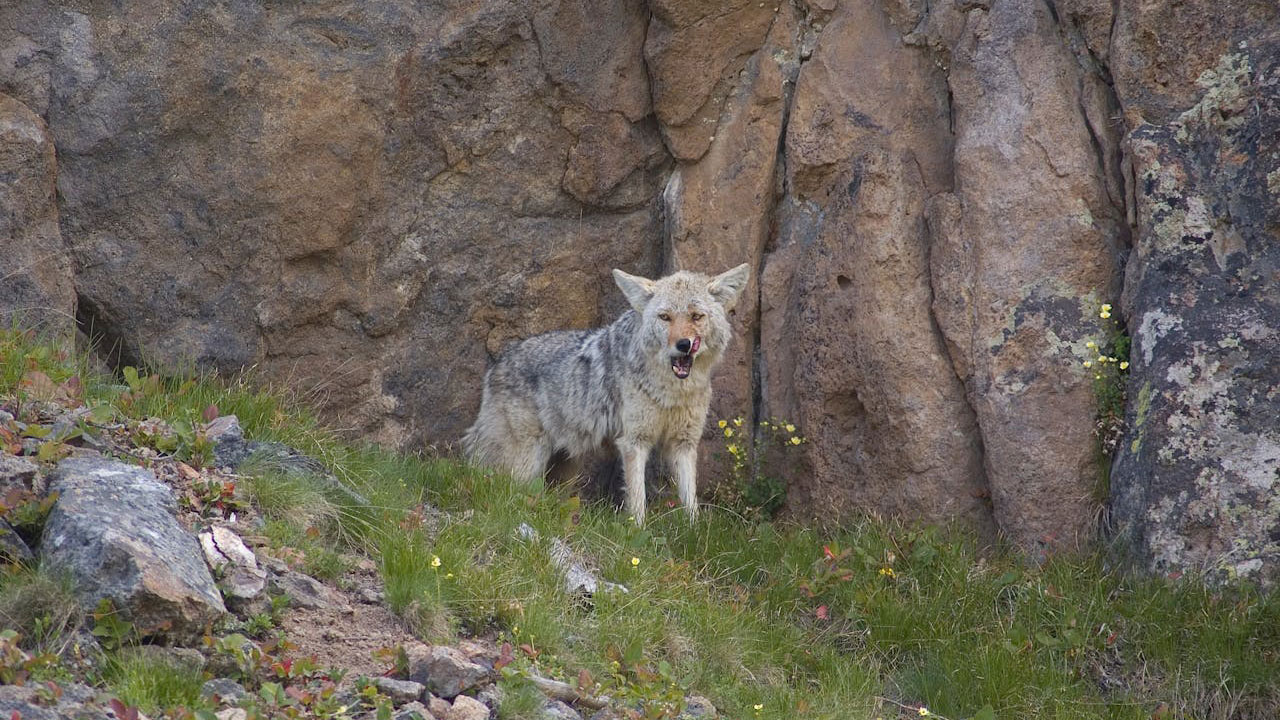
Illinois has become one of the classic examples of coyotes learning to exploit a major metropolitan landscape.
The Chicago region contains extensive parks, railroad corridors, cemeteries, forest preserves, river systems, and suburban green spaces that let coyotes move through one of America’s largest urban areas. Most remain wary and avoid direct conflict, but their ability to establish territories inside heavily populated communities shows just how little truly wild country they need.
Ohio
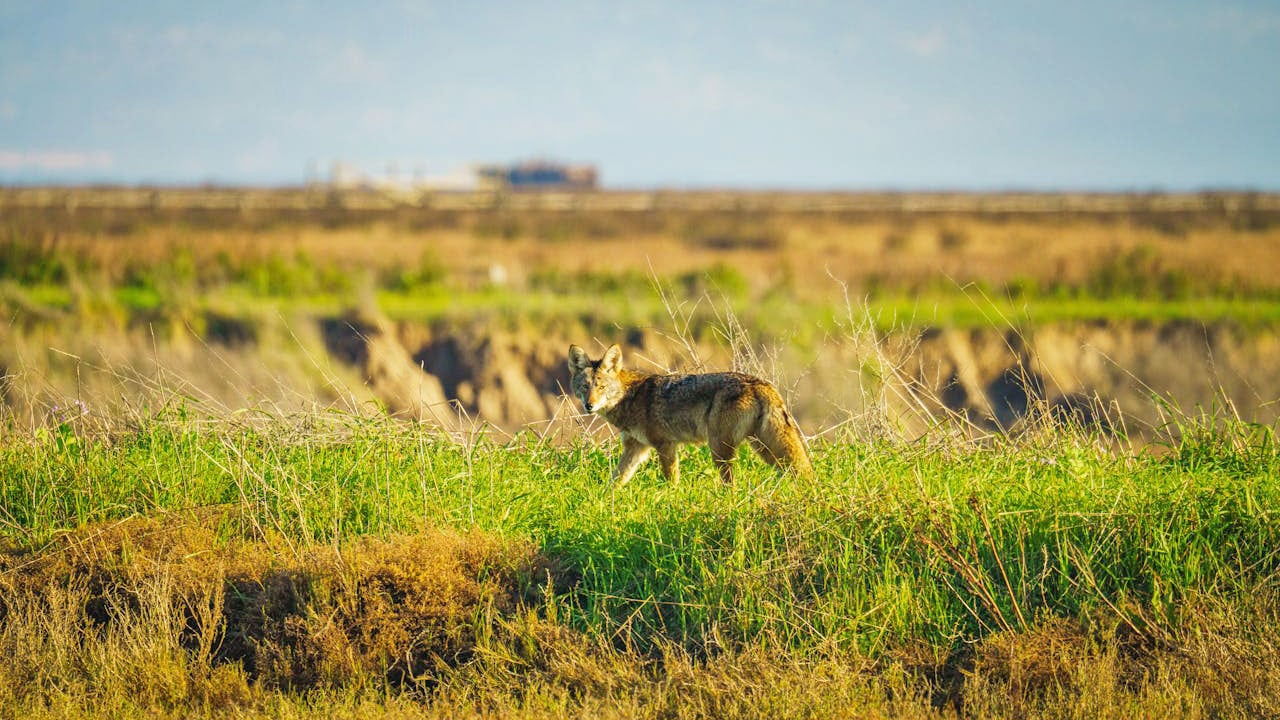
Ohio combines productive farmland with wooded suburban neighborhoods, creating nearly ideal coyote country.
As development spreads farther into former fields and woods, coyotes do not necessarily retreat. They often adapt. Neighborhood retention ponds, brushy drainage areas, railroad corridors, and patches of undeveloped land can provide all the travel cover they need. That means residents who once associated coyotes with rural farms can now hear them or catch them on cameras several streets into a subdivision.
Pennsylvania
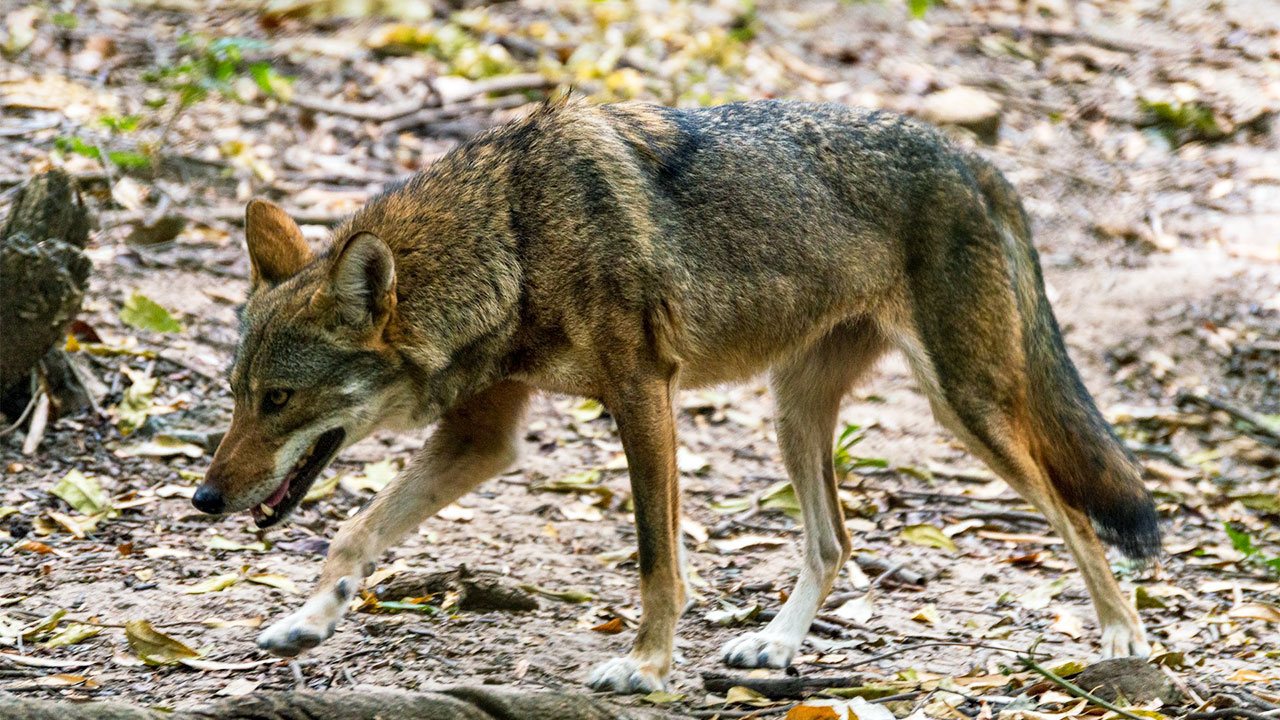
Pennsylvania’s eastern coyote is well established across the state, including around developed areas.
Suburban Pennsylvania provides an enormous patchwork of woods, farms, parks, and housing developments. Coyotes can move between them at night with surprisingly little exposure. Outdoor cats, small dogs, backyard chickens, and food intentionally left for other wildlife can all make neighborhoods more attractive. The result is that sightings around homes are no longer reserved for the most rural counties.
New York

New York has coyotes living far beyond the state’s farm country and Adirondack forests.
They now occupy suburban communities throughout the state and have even established themselves within the greater New York City landscape. Large parks, rail corridors, golf courses, cemeteries, and wooded strips provide enough habitat to move through areas populated by millions of people. That adaptability is impressive, but it means residents cannot assume dense development will keep coyotes away.
Florida
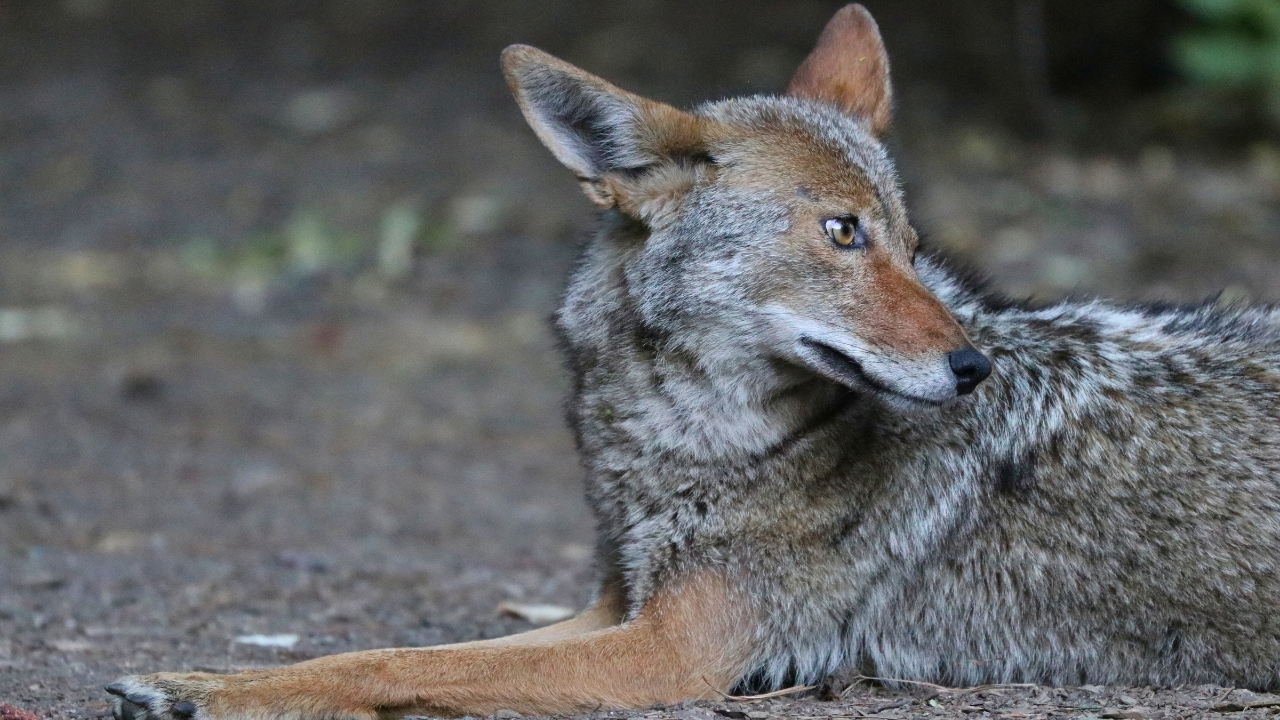
Coyotes were not historically what most people associated with Florida wildlife, but they have expanded across the state and adapted readily to development.
Florida subdivisions can provide retention ponds, undeveloped lots, canal banks, golf courses, and abundant small animals. Those corridors allow coyotes to move remarkably close to homes while staying partially concealed. Warm weather also means pets spend plenty of time outdoors year-round, increasing the opportunities for encounters if owners become complacent.
Georgia

Georgia’s rapidly expanding suburbs have created enormous transition zones between woods and neighborhoods.
Coyotes thrive in exactly those edges. They can hunt rodents and rabbits in vacant lots, move through creek bottoms, and then appear on a driveway or security camera hours later. Backyard chickens have also become more common around suburban and semi-rural properties, adding another potential food source. Coyotes do not need to storm into downtown Atlanta to become an urban problem. The outer suburbs give them everything they need.
North Carolina

North Carolina has seen tremendous residential growth around cities such as Charlotte, Raleigh, and the Triad, much of it pushing directly into wooded habitat.
Coyotes typically adapt faster than people expect. A few acres of woods behind a subdivision can connect to streams, powerline rights-of-way, farmland, and other cover stretching for miles. Once coyotes learn those routes, they can regularly move behind homes while being seen only occasionally. That can create the impression that one suddenly appeared when it may have been using the neighborhood for months.
Tennessee

Tennessee’s mixture of pasture, wooded hills, and expanding subdivisions makes excellent coyote habitat.
Nashville and other rapidly growing areas have pushed housing farther into places that were rural not long ago. Coyotes often remain after the houses arrive. They simply change their travel schedules and take advantage of landscaping, rodents, pets, garbage, and nearby natural areas. Nighttime camera footage is frequently the first clue homeowners get that a predator has been regularly crossing the property.
Michigan
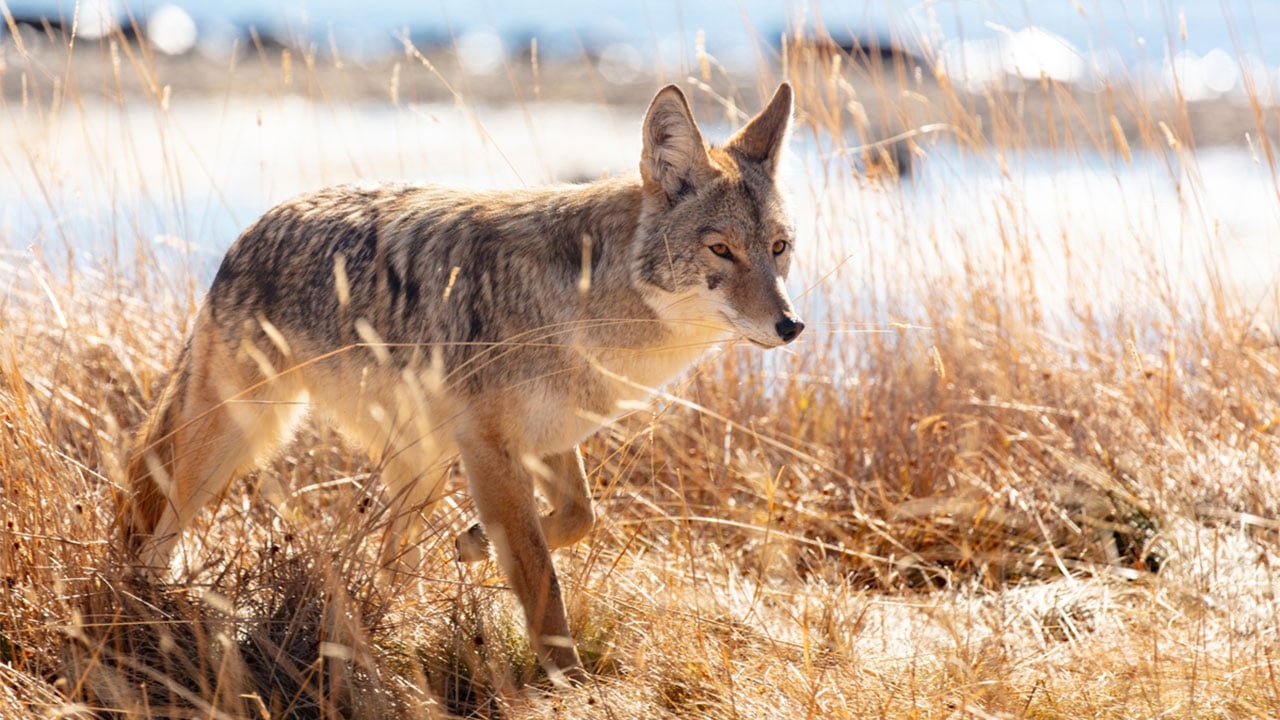
Michigan coyotes have proven they can handle agricultural country, northern forests, and metropolitan suburbs equally well.
The Detroit region in particular contains enough parks, wooded corridors, vacant land, and suburban cover for coyotes to live surprisingly close to people. Winter does not push them away either. If anything, tracks in snow can reveal just how frequently animals are moving through neighborhoods where homeowners rarely see them directly.
Minnesota
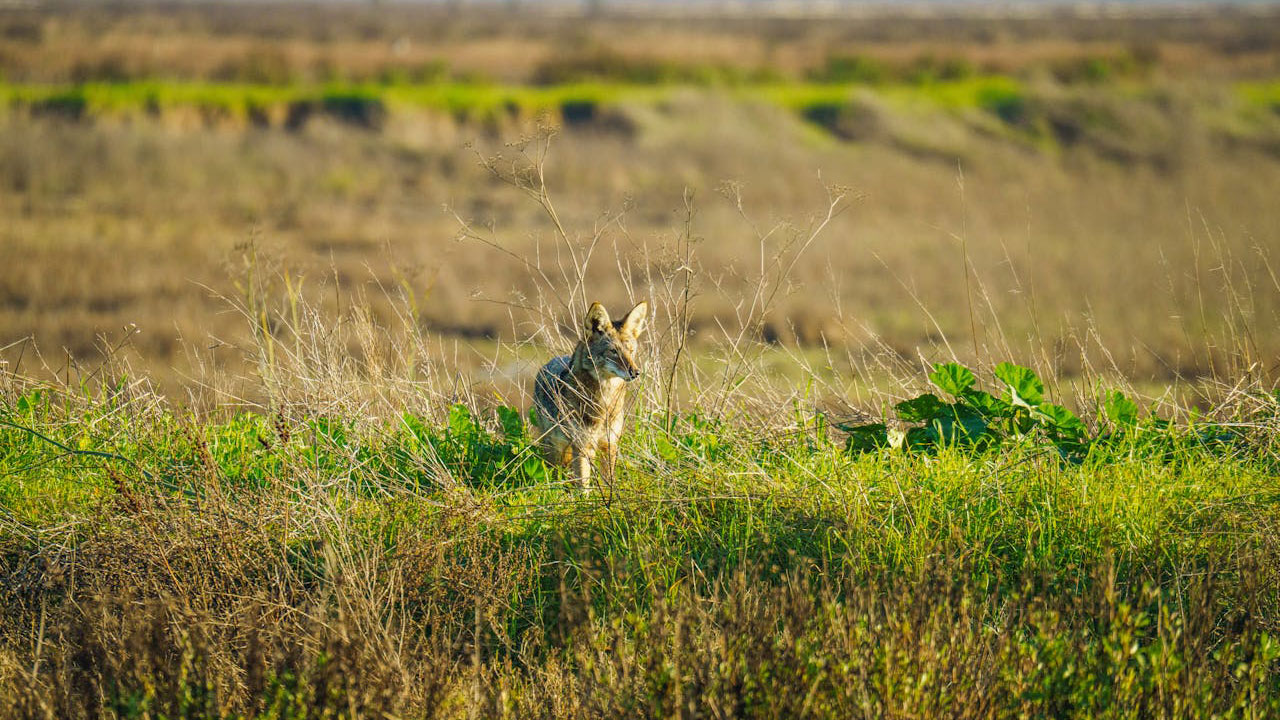
Minnesota may seem like a state where coyotes would have enough wild space to avoid cities entirely, but there is little reason for them to do so when suburban habitat is productive.
The Twin Cities region offers extensive park systems, lakeshores, creek corridors, and residential edges loaded with rabbits and rodents. Coyotes can remain mostly nocturnal while living surprisingly close to thousands of homes. Problems start when individuals learn that yards provide reliable food or when residents allow repeated close encounters without discouraging them.
Nevada
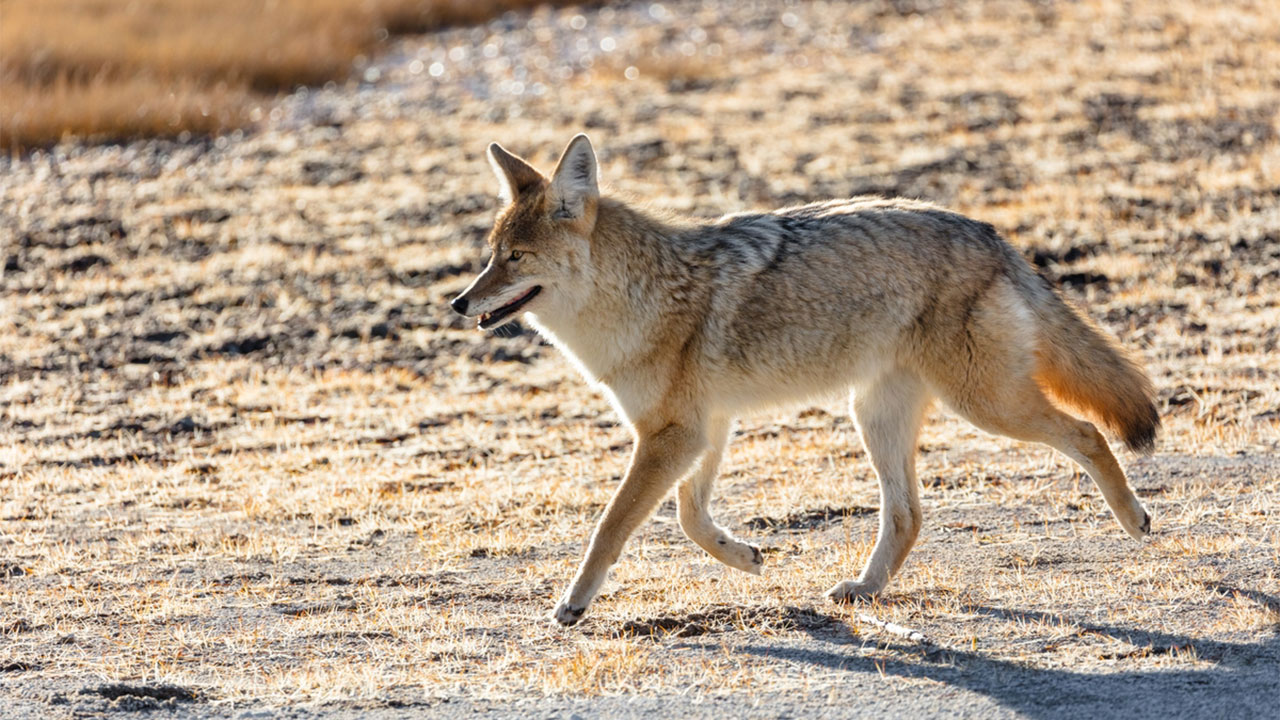
Nevada’s desert cities make coyote adaptation especially visible because development often sits directly against open habitat.
Around Las Vegas, Reno, and growing desert communities, a coyote can move between undeveloped ground, golf courses, washes, parks, and residential streets with little difficulty. Irrigation also concentrates vegetation, rabbits, rodents, and water around human development. In an otherwise dry landscape, a neighborhood can look surprisingly attractive to a hungry coyote.
The important distinction in all 20 states is that seeing a coyote does not automatically mean the animal is aggressive. Wildlife agencies generally become more concerned when coyotes repeatedly approach people, refuse to leave when hazed, associate homes with food, or begin attacking pets. Removing attractants and keeping coyotes wary of humans is far easier than dealing with an animal after that fear is gone.
Like The Avid Outdoorsman’s content? Subscribe to our newsletter so you never miss an article.
Here’s more from us: