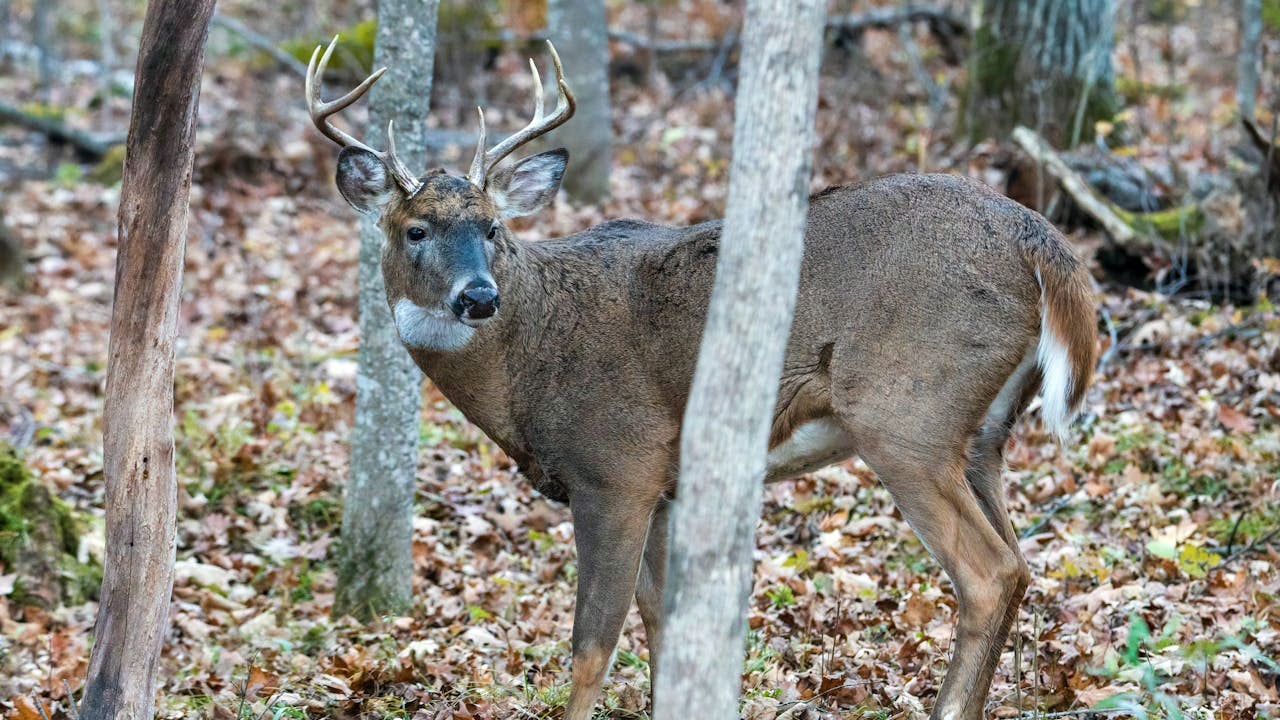
Photo credit: Aaron J Hill/Pexels.com
There is a difference between a state having a lot of deer hunters and a state having enough deer hunting pressure to change the way good ground actually hunts. That is where things start getting frustrating. A place can still hold deer, still look great on a map, and still disappoint once boots hit the dirt if too many people are leaning on the same access points, the same public tracts, the same rut windows, and the same kinds of habitat. Pressure changes movement, daylight activity, bedding choices, and how quickly mature bucks learn what not to do.
The worst part is that good ground often gets ruined by how predictable people are. Hunters park in the same lots, walk the same ridges, overhunt the same funnels, and keep treating pressured deer like they are living on untouched farms in a magazine article. Some states still offer great hunting, no question. But these 15 stand out because hunting pressure is strong enough in a lot of places to make genuinely good deer ground hunt a whole lot worse than it should.
Pennsylvania
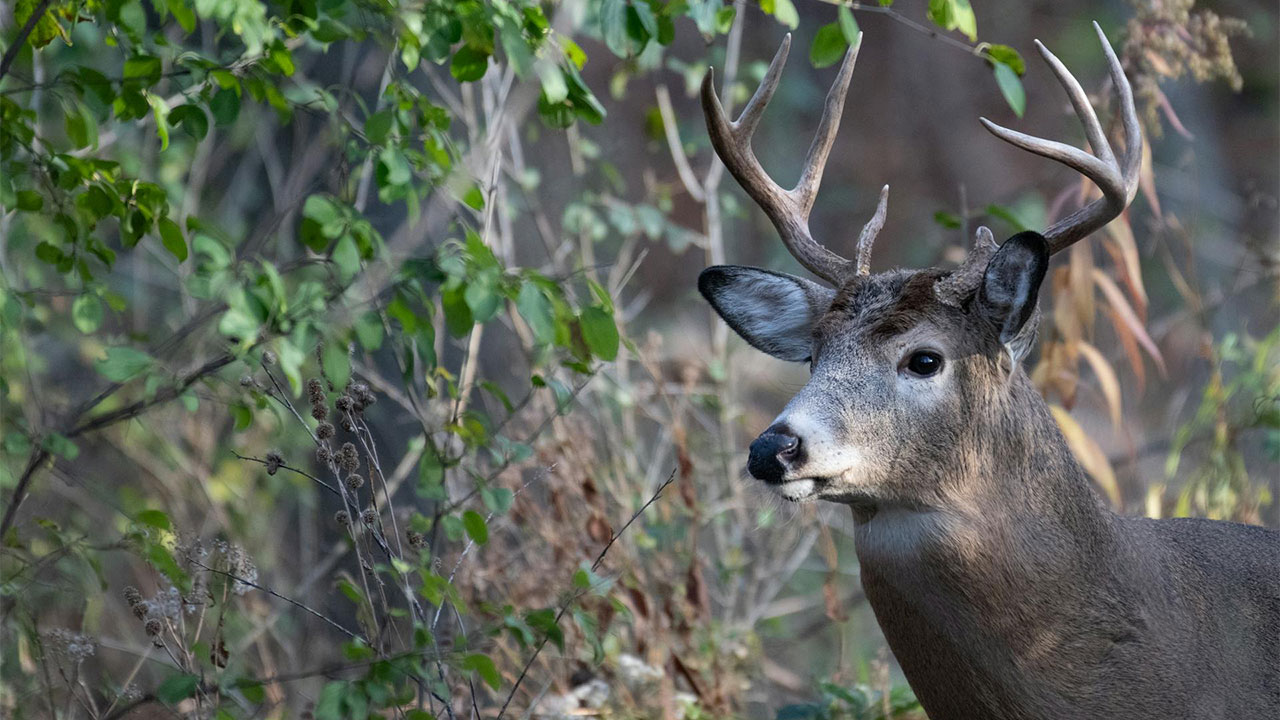
Pennsylvania still has a ton of deer hunters, and that alone changes how a lot of ground hunts. It is a state with a deep deer culture, a lot of public land attention, and plenty of hunters who know exactly where the traditional spots are supposed to be. That creates the kind of repeat pressure that can make even pretty-looking woods feel dead in daylight once the season gets rolling.
The frustrating thing about Pennsylvania is that some of the habitat is absolutely capable of holding good deer, especially where food, cover, and terrain come together well. But the pressure teaches those deer fast. Mature bucks get nocturnal, shift into nastier cover, or relocate off the obvious sign people keep hunting. In a state with that much tradition and participation, good ground often gets hunted like everyone else’s first idea was the exact same one.
Michigan
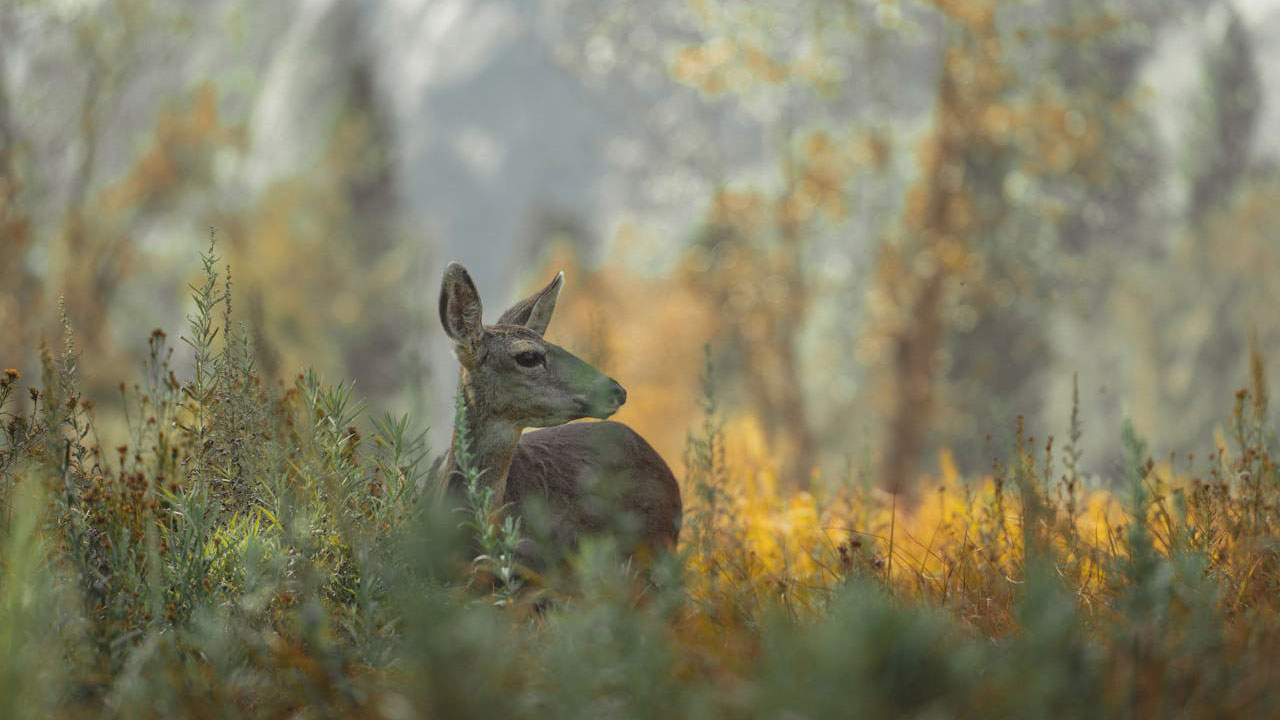
Michigan has plenty of deer and plenty of hunters, and in some parts of the state that combination puts a lot of wear on good ground. The problem is not that there is no opportunity. The problem is that too many people are working the same pieces of public, the same edge cover, and the same easy-access ground close to roads and parking areas. Deer learn that pattern quickly.
In southern Michigan especially, good-looking habitat can feel smaller than it appears because every useful chunk of cover is already being leaned on. In northern country, the amount of space helps some, but pressure still changes movement near access and traditional routes. A lot of Michigan deer ground is not bad at all. It is just hunted hard enough that deer rarely act as relaxed as the habitat alone would suggest.
Wisconsin
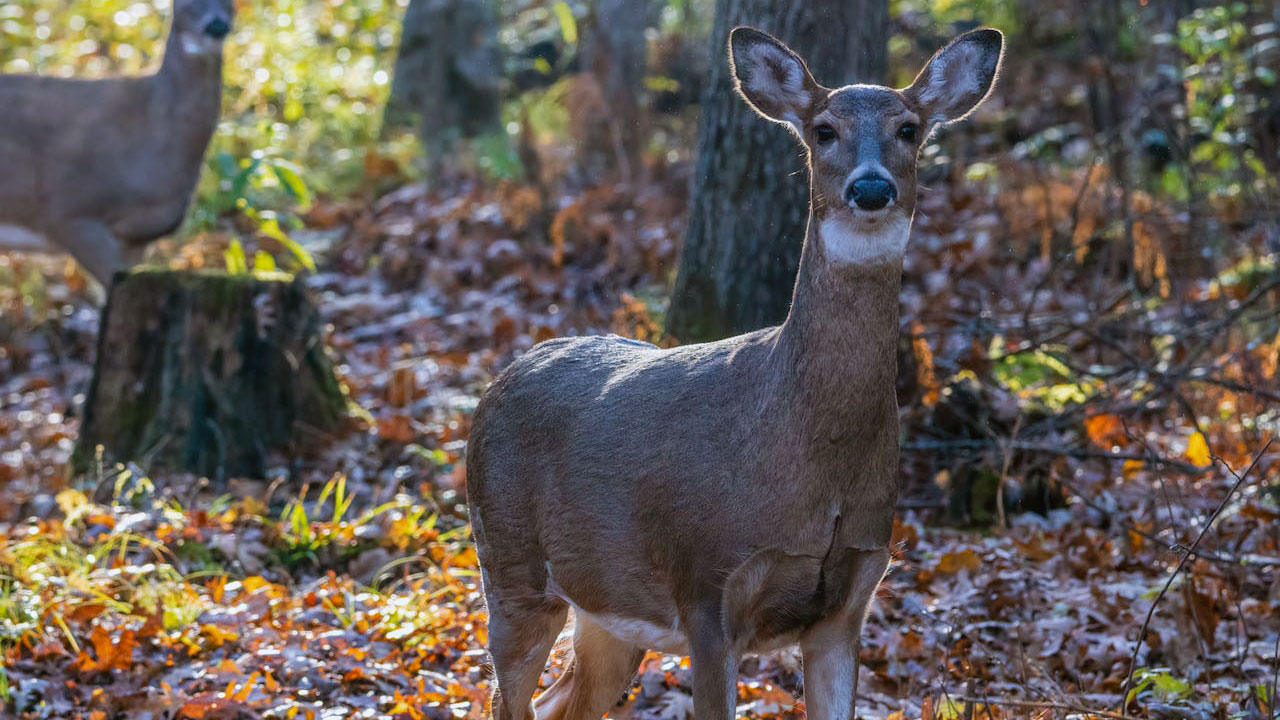
Wisconsin has long had the ingredients for strong deer hunting, but that also means it draws a lot of attention. Where there are good deer numbers, strong traditions, and plenty of hunters who take the season seriously, pressure stacks up quickly. Public parcels, marsh edges, oak ridges, and ag-country transitions all get leaned on hard in places that look tailor-made for good rut movement.
That pressure can make good ground hunt smaller than it really is. Mature bucks start avoiding the obvious crossings and edge lines everybody wants to sit. They drift into the ugliest spots, use dark travel more heavily, and start making fools out of hunters who keep expecting daylight movement in areas that have already been stomped flat. Wisconsin still has great ground. It just also has a lot of people trying to make it theirs at the same time.
Ohio
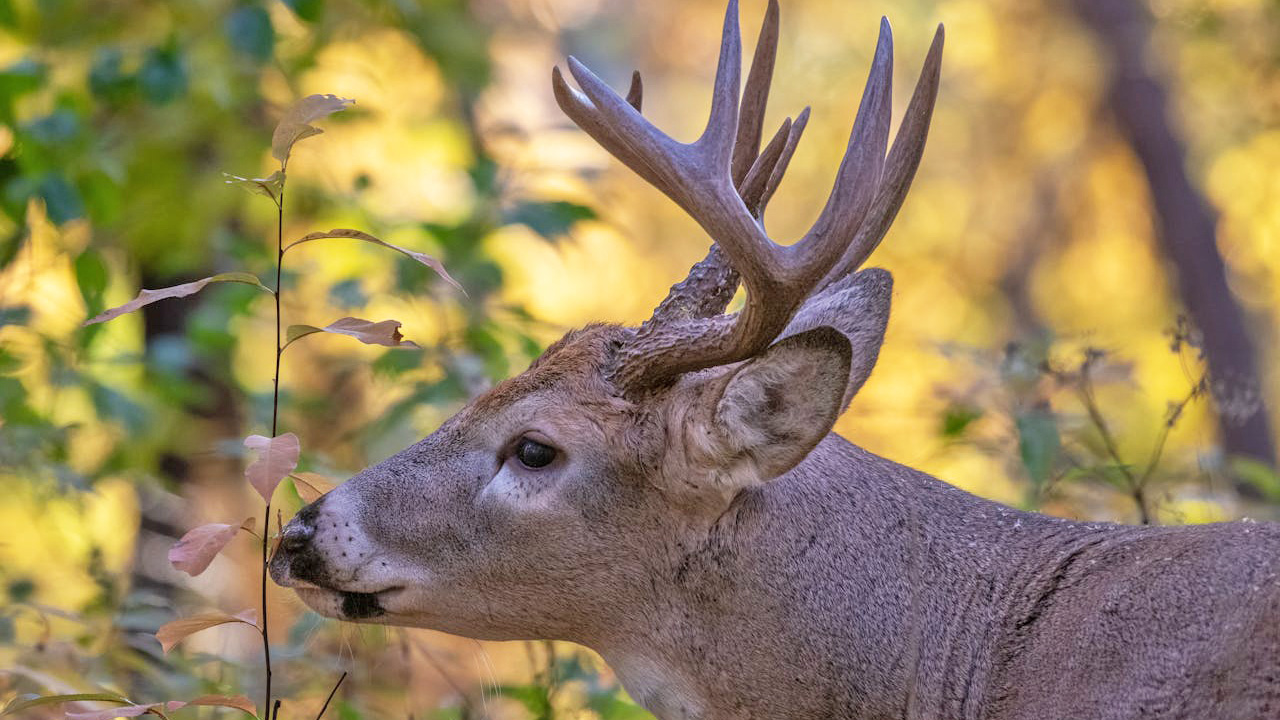
Ohio has a strong reputation for producing good bucks, and that reputation is part of the problem. Once a state starts getting talked about as a destination for mature deer, people pile in with expectations, plans, and a lot of confidence. Public land gets hit hard, and even private opportunities can feel overvalued because so many hunters are trying to tap into the same state-level hype.
That creates a version of pressure that is not always obvious until you hunt it. The habitat may still look right. The sign may still be there. But the deer have already adjusted to too many boots, too many cameras, and too many guys trying to force a good November sit into the same “known” areas. Ohio is still worth hunting. It is just one of those states where the reputation has helped make certain good grounds hunt worse than they ought to.
Indiana

Indiana tends to get overlooked compared with some neighboring trophy states, but that does not mean it avoids pressure. In fact, some of its better deer regions get hunted hard precisely because hunters know there are good bucks there and feel like they can still beat the crowd if they plan it right. Usually, a lot of other people are planning the same thing.
That makes some Indiana ground frustrating in a very specific way. It can look like a hidden gem on paper, but once the season opens, access areas, field edges, creek crossings, and classic funnels all start feeling crowded or at least overused. The deer respond the way pressured deer usually do. They use tighter cover, move later, and make good habitat feel strangely empty at the wrong hours.
Illinois

Illinois still carries a big-buck reputation, and whenever a state gets known for mature deer, pressure follows. Not every part of Illinois gets hit the same, but good public and affordable-access ground often gets hunted with a level of intensity that changes how those deer behave fast. A lot of hunters come in expecting the famous version of Illinois and instead meet the pressured version.
That is the trap. The state can still hold great deer and great habitat, but the pressure on the obvious places is enough to ruin the easy reading of that ground. Bucks start using overlooked pockets, tighter bedding, and odd travel timing while hunters keep sitting the textbook spots. Illinois is still dangerous in a good way for deer hunters. But in a lot of places, hunting pressure has absolutely made good ground feel a lot more average than it should.
Iowa

Iowa has some of the most romanticized deer hunting ground in the country, which naturally leads to pressure. Even with tag limitations helping keep nonresident access tighter than in some other states, the reputation still puts a huge spotlight on the state. Residents know what they have, nonresidents want in, and every parcel with real cover and food starts carrying expectations.
That pressure does not always show up as packed parking lots the way it might in a purely public-land state. Sometimes it shows up as highly managed, highly watched, highly educated deer that are dealing with constant human attention from one form or another. Good ground in Iowa often stays good, but it does not stay innocent. Between scouting, cameras, access competition, and people treating every likely buck as a project, a lot of prime habitat gets pressured harder than outsiders imagine.
Missouri

Missouri has a lot going for it as a deer state, which is exactly why good ground there does not stay quiet for long. Public land gets plenty of use, and even average-to-good private ground often sees enough hunting activity to make deer more difficult than the habitat alone would suggest. Add the state’s broad hunting culture and you get pressure that is spread out but still meaningful.
The problem in Missouri is that a lot of attractive deer country is very readable. Timbered ridges, creek systems, field transitions, and obvious rut routes pull hunters in the same direction. Deer catch on to that. Once they do, those “perfect” setups start producing less daylight movement than they ought to, not because the land went bad, but because too many people keep hunting it like a textbook diagram.
Kentucky

Kentucky offers some excellent deer habitat, but it also draws a lot of attention from hunters who know the state can produce quality animals. In better regions, that means public land gets leaned on and overlooked private ground becomes harder to access without competition. Deer are not stupid about any of that. Once the pressure ramps up, they start shifting toward thicker, harder, less obvious pieces of cover.
What makes Kentucky frustrating in pressured areas is that the land can still look so promising. The habitat is often there. The food is often there. The sign may even still be there. But the hunting pressure changes when and how deer use it. Ground that should hunt beautifully in daylight starts feeling stubborn because the deer have already figured out where human movement is most likely to come from.
West Virginia

West Virginia has plenty of deer country, but good ground there can get pressured quickly because the terrain often narrows how hunters and deer both move. Parking access, ridge systems, benches, saddles, and visible sign tend to concentrate attention. Once that happens, deer have fewer reasons to stay predictable, especially mature bucks that have already survived a couple seasons of people chasing the same kinds of setups.
The state still holds solid opportunity, but it is one of those places where hunting pressure can make a piece of good mountain ground feel colder than it really is. Hunters walk the same ridges and sit the same terrain features because the map almost tells them to. Deer respond by bedding rougher, moving lower profile, and using the kind of ugly little pockets most hunters either blow through or never bother to touch.
Arkansas

Arkansas can be a very good deer state, but pressure on the right public and mixed-use ground can absolutely flatten the easy spots. Bottomland, river-associated habitat, oak ridges, and travel corridors that look obvious to deer hunters tend to get leaned on in a hurry. Once enough people are moving through them, the deer stop using them the way they did before opening day.
That is what ruins good ground in Arkansas more than anything. It is not always overpopulation of hunters in a literal shoulder-to-shoulder sense. It is repeated disturbance in the right places. Good habitat stays good, but the mature deer start treating it differently. They use thicker secondary cover, shift to off-hour movement, or simply stay one step away from where the majority of hunters insist on looking first.
Minnesota
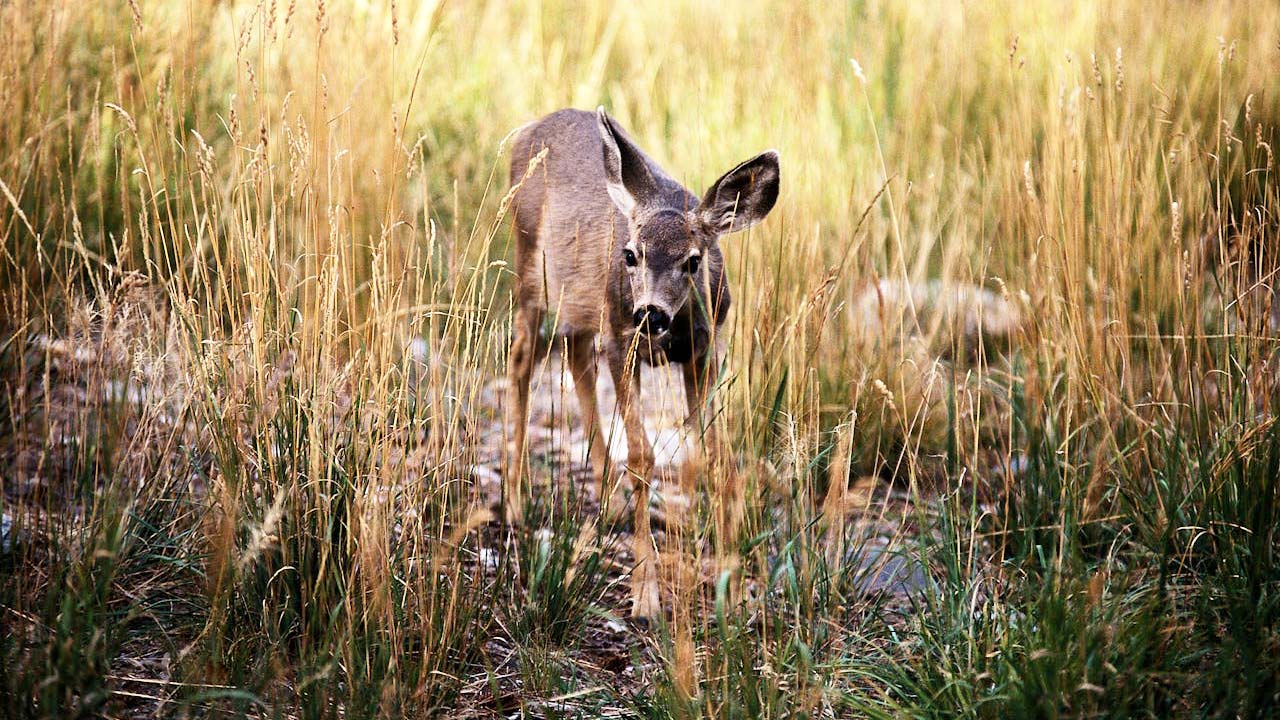
Minnesota has some very strong deer hunting country, but it also has the kind of participation and public-land use that can put a lot of stress on the most attractive ground. In forested country, access points and obvious habitat transitions matter a lot, and too many hunters still gravitate toward those same spots year after year. Deer notice long before the hunters admit it.
The state’s better ground often gets hunted like it is endless, but deer only need a few bad experiences to start adjusting. Bucks shift bedding, use cover closer to overlooked human disturbance, and move differently once they know where the main pressure comes from. Minnesota still offers great hunting in the right hands, but some of its good-looking ground gets hunted into mediocrity by how predictable the human side becomes.
Georgia

Georgia has a lot of deer hunters and a lot of deer habitat, but that does not mean good ground stays good once the pressure piles up. On public land and more accessible private parcels, deer often deal with constant intrusion from scouting, repeated sits, and heavy use of the most obvious food and travel features. That changes how daylight movement looks in a hurry.
The issue in Georgia is not usually the lack of huntable land. It is that better ground gets noticed and leaned on quickly, especially in places where ag edges, hardwood draws, creek bottoms, or thick bedding cover all come together. A buck does not need to leave the property to avoid pressure. He just needs to use the property differently than the hunters expected, and that is exactly what pressured deer in Georgia often do.
Alabama
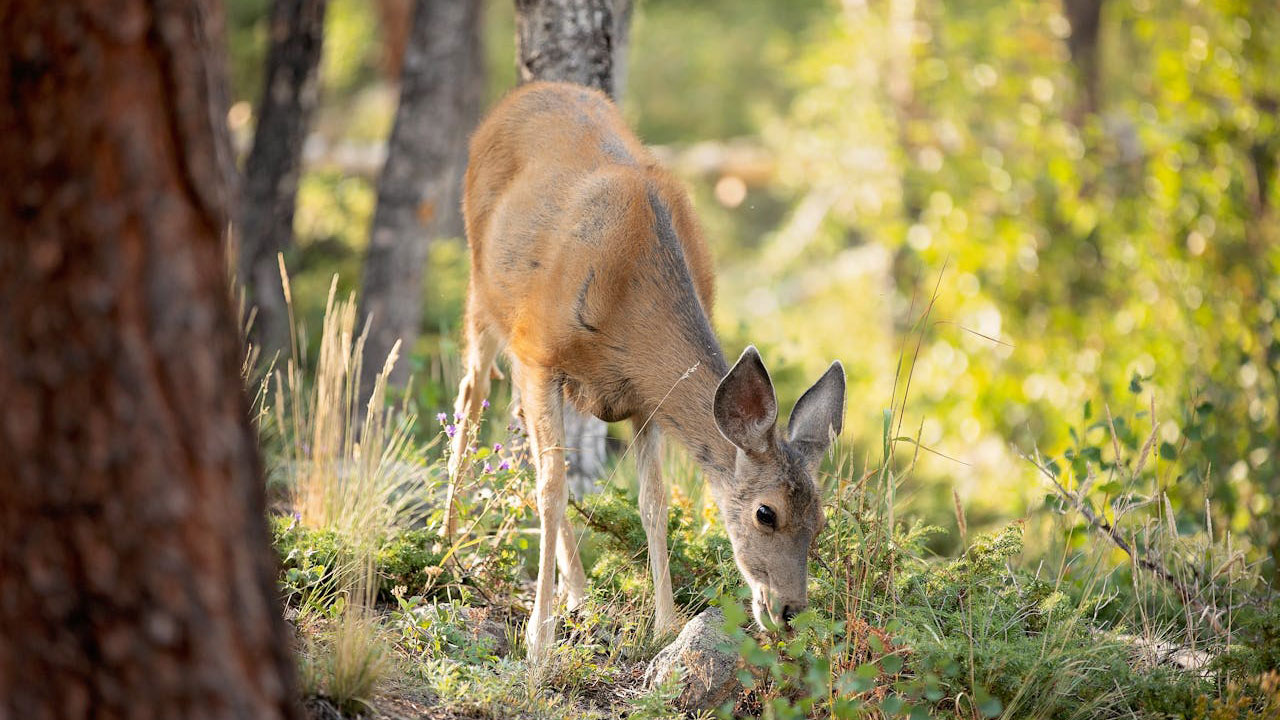
Alabama can grow good deer and hold good habitat, but pressure on quality ground is very real, especially where access is decent and the habitat gives hunters obvious starting points. River systems, food plots, pine-hardwood transitions, and managed club-style ground all pull attention. Once the season unfolds, a lot of deer start behaving like they know they are being watched from every reasonable angle.
That is why some Alabama ground feels better in theory than it does from the stand. Hunters may see all the right ingredients, but the deer are already responding to too much human movement. They shift to weird bedding, odd timing, and secondary routes that leave the obvious stands feeling stale. In that sense, pressure does not ruin the habitat. It ruins the easy read of it.
New York
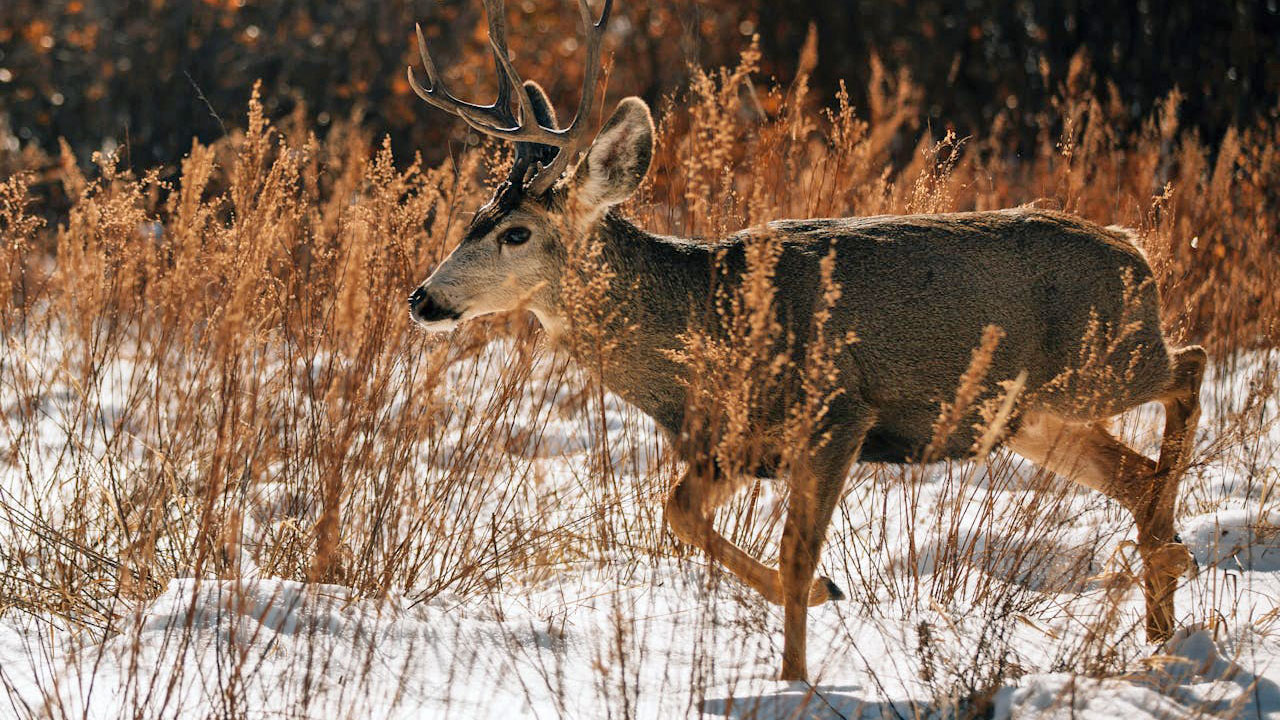
New York has more good deer ground than outsiders often give it credit for, but pressure can still beat up that opportunity badly in the more accessible areas. Public parcels, suburban-edge habitat, agricultural funnels, and traditional timber spots all get hunted enough in places that mature deer stop acting natural in daylight well before the season is old.
That makes New York one of those states where the good ground is often still there, but the deer movement becomes far more conditional than people hoped. A buck might use a property heavily at night and hardly show himself in legal shooting light once access points start getting regular traffic. That is not a sign of bad habitat. It is a sign of hunting pressure turning solid ground into something a lot harder to hunt cleanly.
Like The Avid Outdoorsman’s content? Subscribe to our newsletter so you never miss an article.
Here’s more from us: