Photo credit: Roger Barrera (QVO Tactical)/YouTube
Some guns become famous because they appear in movies, win military contracts, or receive nonstop attention online. Others quietly earn loyal followings among people who shoot often enough to notice the details. These are usually the firearms with excellent triggers, smart ergonomics, surprising accuracy, or durability that never received the marketing push they deserved.
Not every gun on this list is rare, and not all of them are inexpensive. The common thread is that each offers something shooters tend to appreciate more after spending real time at the range. Some were overshadowed by a more famous competitor. Others arrived at the wrong time or came from brands that buyers did not immediately trust. Serious shooters know better than to judge a firearm entirely by popularity.
Grand Power K100
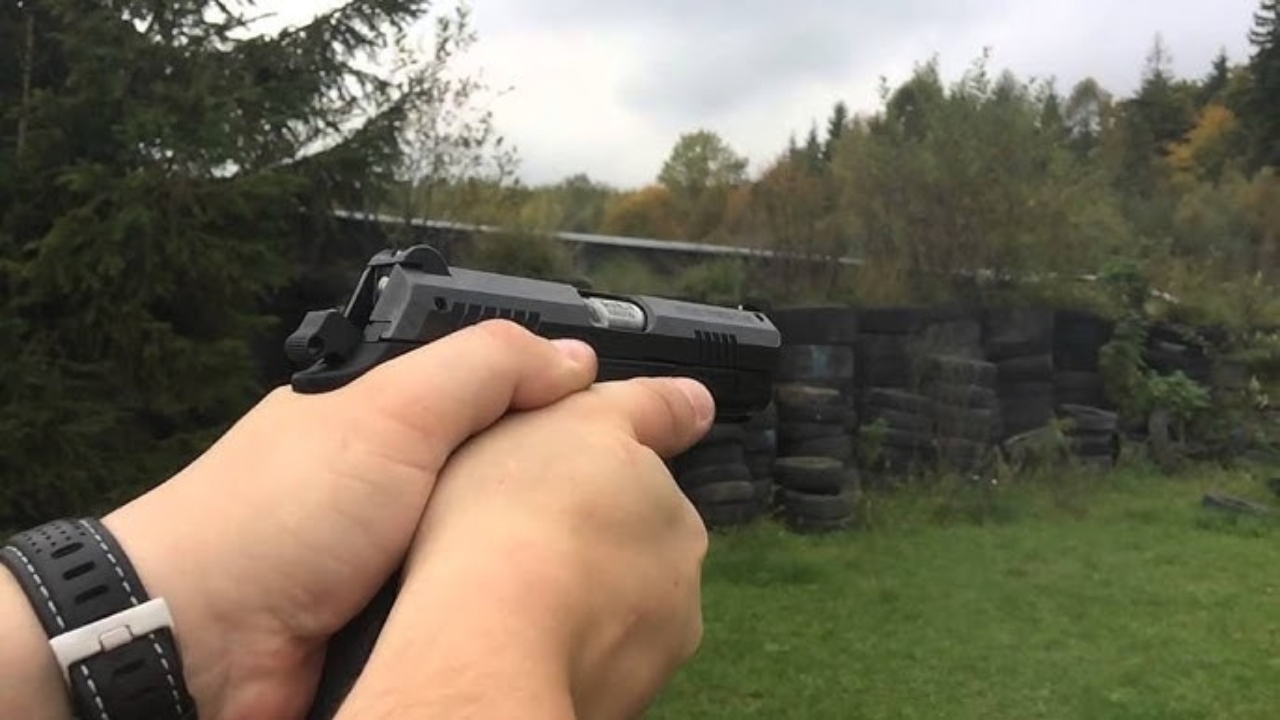
The Grand Power K100 rarely receives the attention given to pistols from Glock, SIG Sauer, or Walther, but shooters who try one often come away impressed. Its most interesting feature is the rotating-barrel operating system, which helps manage recoil differently than the more common tilting-barrel design found in most modern semi-automatic pistols.
The K100 also offers an unusually smooth trigger for a production double-action and single-action handgun. Its controls are easy to reach, the grip feels natural, and the pistol tends to shoot flatter than its appearance suggests. The downside is that magazines, holsters, and replacement parts are not as easy to find as they are for mainstream duty pistols. That limited support has kept it out of many gun stores, but the K100 remains one of the more interesting European handguns available to shooters willing to look beyond the usual brands.
Beretta PX4 Storm Compact Carry 2

The standard Beretta PX4 Storm has always been a capable pistol, but the Compact Carry 2 shows what the platform can become when its weaker details are corrected. Beretta and Langdon Tactical refined the controls, trigger components, sights, and overall handling to produce a pistol that feels far more polished than the original PX4 most shooters remember.
Its rotating barrel helps soften the recoil impulse and reduces muzzle rise, especially during faster strings of fire. The compact frame is large enough to control well while remaining practical for concealed carry. Many people overlook it because of its rounded styling and because striker-fired pistols dominate the carry market. Serious shooters tend to care less about fashionable slide cuts and more about how quickly a gun returns to target. That is where the PX4 Compact Carry 2 makes a strong case for itself.
Steyr L9-A2 MF
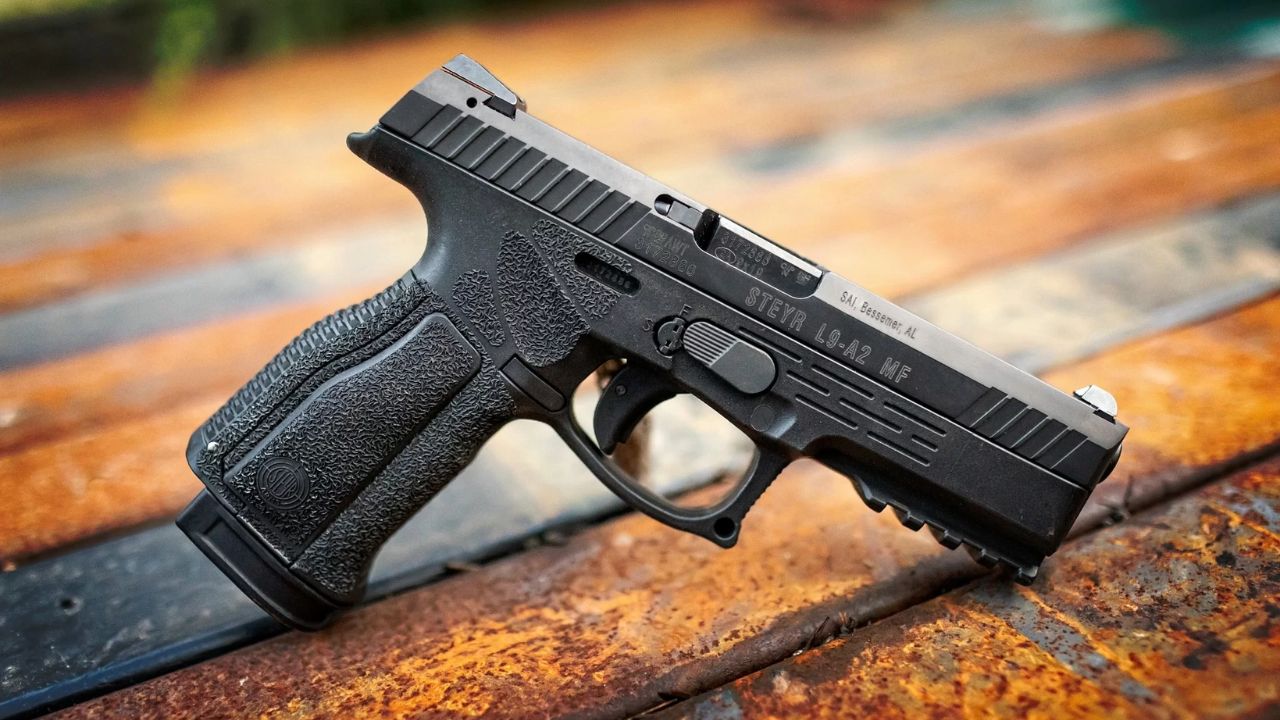
Steyr pistols have spent years living in the shadow of other Austrian handguns. The L9-A2 MF deserves more recognition because it combines excellent ergonomics with one of the lowest-feeling bore axes in the striker-fired market. Its sharply angled grip and deep beavertail help the shooter get high behind the slide.
The trapezoidal factory sights are unusual and can take time to understand, but many shooters find them extremely quick once they adjust. The trigger is clean, the grip panels can be changed, and the pistol tracks smoothly under recoil. Steyr’s biggest problem has never been the gun itself. It is the smaller aftermarket and inconsistent availability of magazines, holsters, and accessories. Shooters who are willing to work around those limitations often discover a duty-size pistol that performs far better than its modest popularity would suggest.
Arex Delta Gen.2 M

The Arex Delta Gen.2 M is easy to ignore because it enters one of the most crowded categories in the firearms market. It is another polymer-framed, striker-fired 9mm pistol competing against established models with enormous aftermarket support. Once handled and fired, however, the Delta begins to separate itself from the cheaper pistols buyers might initially compare it against.
It is lightweight, thin through the slide, and surprisingly comfortable in the hand. The grip system allows meaningful adjustment, and many versions come prepared for a red-dot sight without forcing the buyer into a premium price bracket. The trigger is usable, the controls are sensible, and the pistol generally delivers more refinement than expected. It may not replace a Glock for someone with years of compatible magazines and holsters, but new buyers should know the Delta is more than another forgettable budget pistol.
IWI Masada Slim

The IWI Masada Slim entered the concealed-carry market without the enormous publicity received by the SIG Sauer P365, Springfield Hellcat, or Smith & Wesson Shield Plus. That is unfortunate because the Masada Slim offers a strong combination of capacity, shootability, and straightforward design.
Its grip is slim enough to conceal comfortably but shaped well enough to provide better control than many tiny carry pistols. The trigger is clean for its class, and the pistol uses a serialized internal chassis that can be removed from the grip module. It also accepts commonly available CZ-pattern magazines, which gives owners more options than they might expect from a less common pistol. The Masada Slim does not rely on flashy features or aggressive marketing. It simply provides a practical carry package that serious shooters often find easier to shoot than some of its better-known rivals.
Walther PDP F-Series

The Walther PDP F-Series was marketed partly toward shooters with smaller hands, but that description causes many people to overlook how good the pistol is for almost anyone. Walther shortened the trigger reach, reduced the force required to operate the slide, and reshaped the grip to make the gun easier to control without turning it into a tiny or compromised pistol.
The result is a compact handgun with an excellent factory trigger and unusually accessible controls. Shooters with average or even larger hands may find that the shorter reach allows cleaner trigger manipulation and faster follow-up shots. The grip texture is aggressive enough for serious use, and the optic-ready slide makes it easy to configure as a modern carry gun. Some buyers dismiss it as a niche variation of the standard PDP. In reality, it may be the better-fitting version for far more shooters than its name suggests.
CZ P-07

The CZ P-07 never achieved the fame of the CZ 75 or the widespread adoption of competing striker-fired pistols. It deserves more attention because it offers a compact, hammer-fired design with good capacity, solid reliability, and the ability to choose between a decocker and manual safety setup.
Its trigger usually improves with use, and the pistol points naturally for shooters who like CZ ergonomics. The polymer frame keeps the weight reasonable, while the slide rides inside the frame rails in traditional CZ fashion. That design leaves less slide surface to grab, but it also contributes to the pistol’s low profile and controlled recoil. The P-07 is not as thin as the newest micro-compacts, yet it is easier to shoot quickly and accurately than many smaller carry guns. For someone who wants a traditional double-action pistol without carrying a large metal frame, it remains one of the strongest overlooked options.
Bersa TPR9C
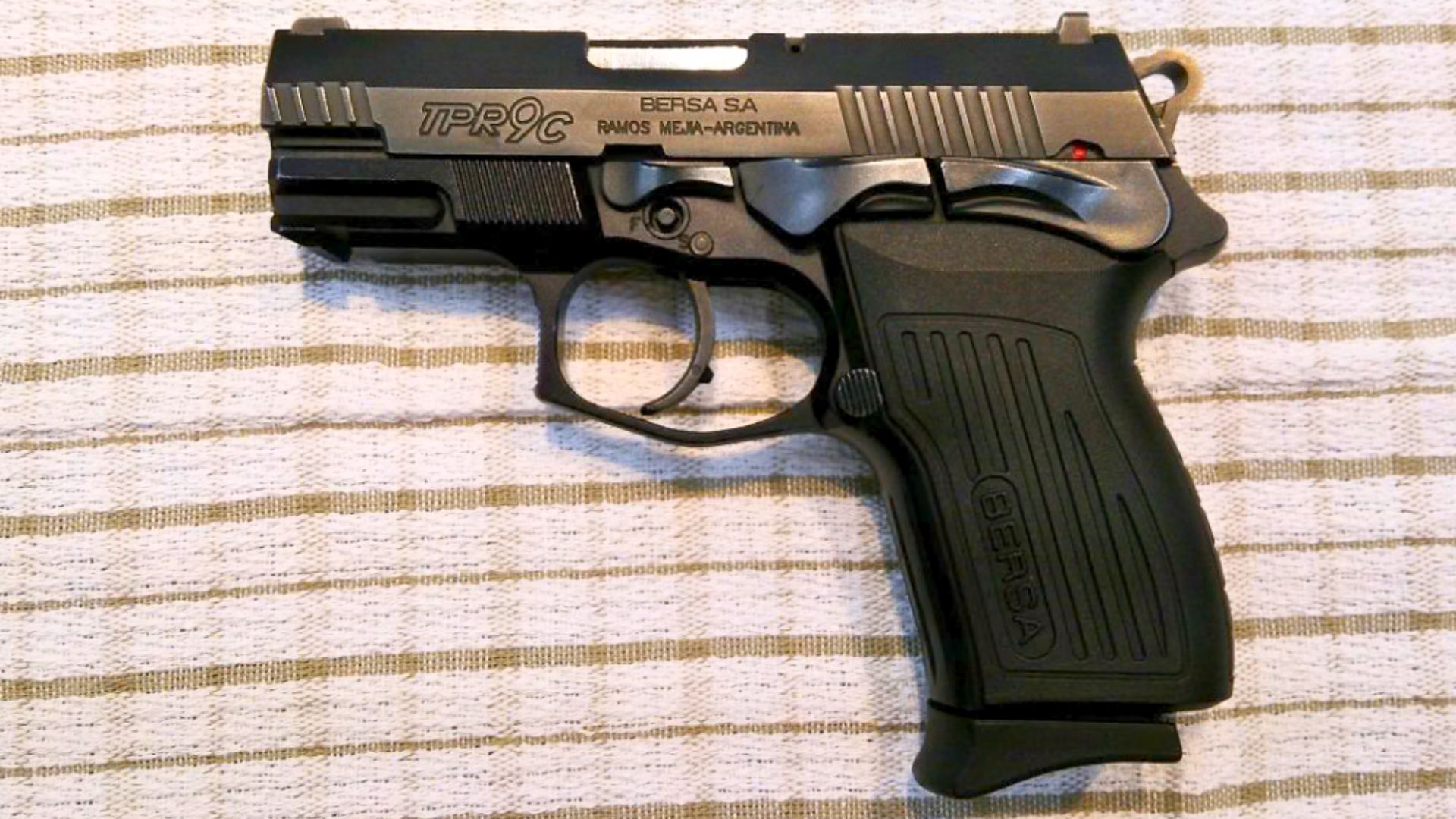
Bersa is best known in the United States for inexpensive .380 pistols, which causes many shooters to ignore the company’s larger handguns. The TPR9C is a compact double-action and single-action 9mm that offers ambidextrous controls, a usable trigger, and a sturdy metal-frame design at a price below many better-known competitors.
It is not especially light or fashionable, but it handles recoil well and gives shooters a traditional hammer-fired action without a premium price. The decocker and control layout take some familiarization, particularly for people accustomed to striker-fired pistols. Magazine and holster choices are also more limited. Those disadvantages help explain why the TPR9C remains uncommon, but they do not erase the pistol’s strong shooting characteristics. Serious shooters who judge it at the range instead of by the name on the slide often find much more gun than expected.
Smith & Wesson Model 69
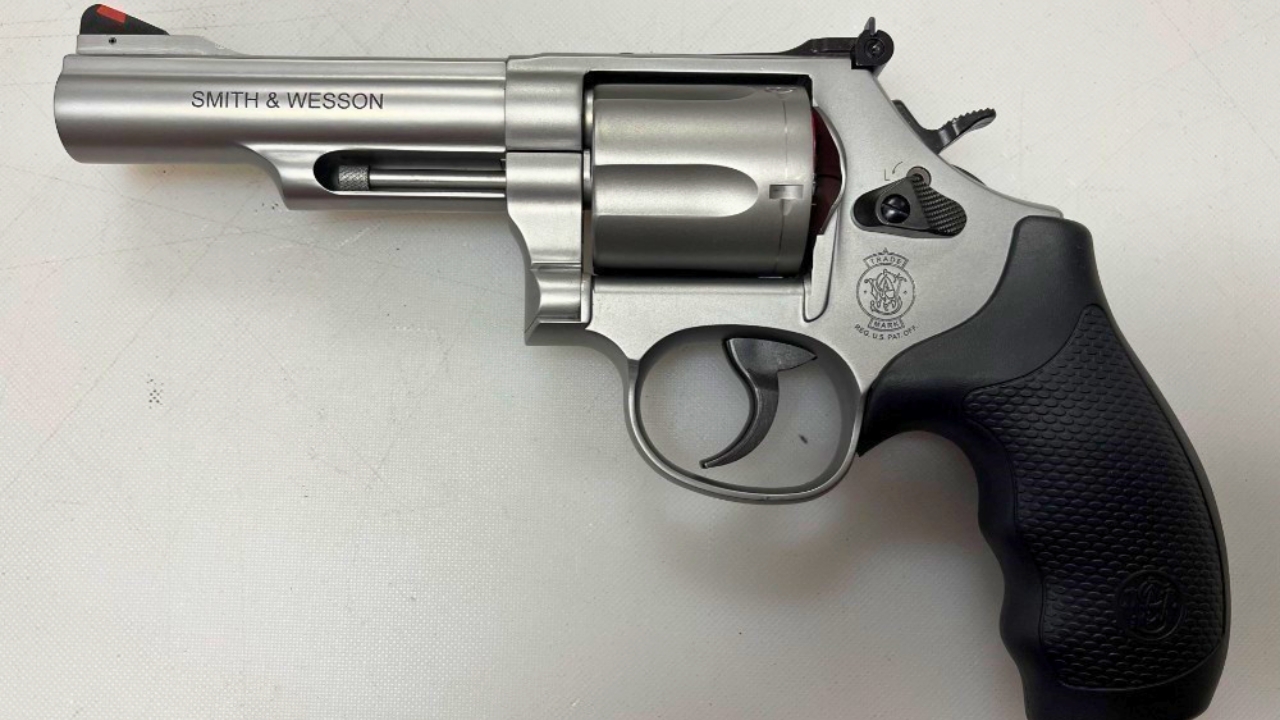
The Smith & Wesson Model 69 is one of the more practical .44 Magnum revolvers that rarely receives broad attention. Instead of using the large N-frame found on many .44s, Smith & Wesson built the Model 69 around the slightly smaller L-frame and gave it a five-round cylinder.
That makes it easier to carry than the huge hunting revolvers usually associated with the cartridge. The tradeoff is that full-power .44 Magnum ammunition produces serious recoil in a lighter gun. Shooters can load it with .44 Special for practice, personal defense, or lower-recoil trail use, then move to heavier ammunition when additional penetration is needed. It is not the ideal revolver for firing boxes of magnum rounds at the range. As a compact, powerful field gun that remains realistic to carry all day, however, the Model 69 deserves far more recognition.
Ruger Security-Six
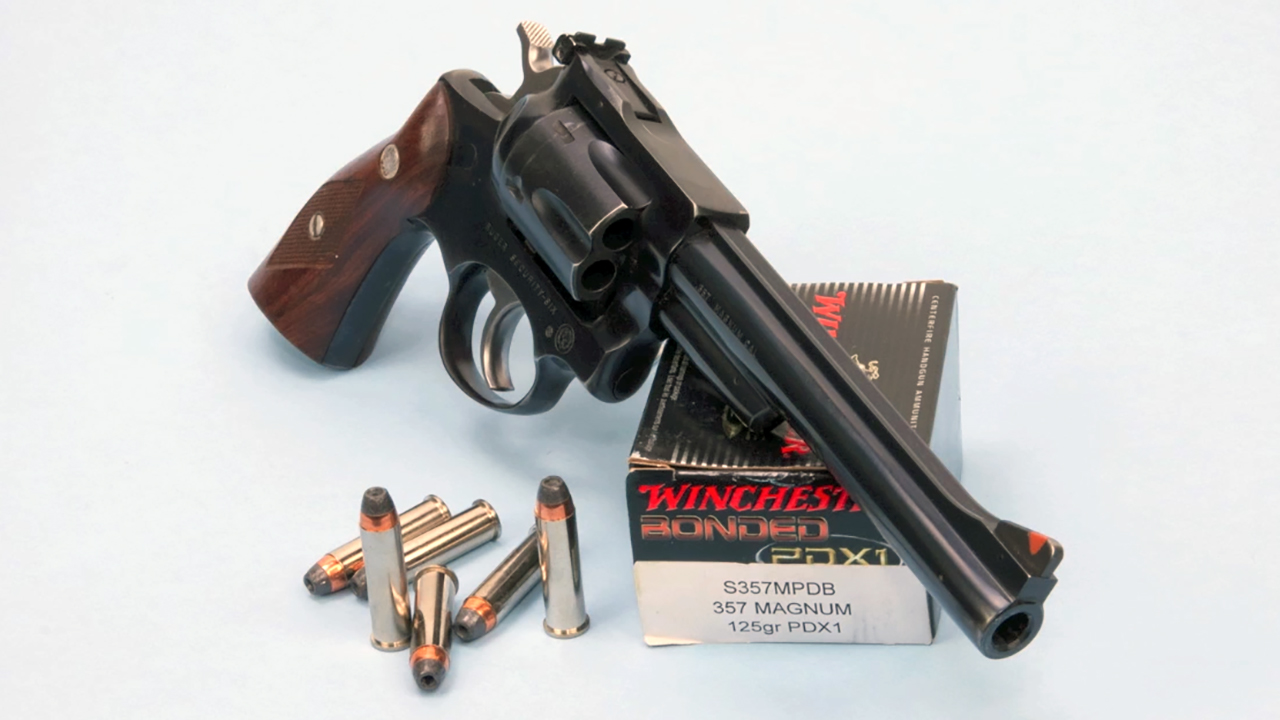
The Ruger Security-Six has been discontinued for decades, yet experienced revolver shooters continue to seek clean examples. It was built before the GP100 became Ruger’s dominant medium-frame revolver, and it offered a strong but relatively trim design that balanced durability with comfortable handling.
Compared with many modern revolvers, the Security-Six feels less bulky on the belt. It can handle .357 Magnum ammunition while remaining pleasant with .38 Special loads, and its simple construction developed a reputation for long service life. Factory support and spare parts are naturally more limited than they are for current Ruger revolvers, which matters when buying an older example. Still, the Security-Six represents a period when service revolvers were expected to be carried constantly and shot regularly. Many serious shooters believe Ruger has never produced another revolver with quite the same combination of size, strength, and balance.
Colt King Cobra Target .22 LR

The Colt King Cobra Target in .22 LR arrived in a market where buyers often default to Smith & Wesson or Ruger for premium rimfire revolvers. It deserves a closer look because it combines a full-size feel with the low recoil and affordability of .22 Long Rifle.
Its substantial frame and long barrel make it stable during slow-fire practice, while the adjustable sights give shooters the precision needed for serious target work. The double-action trigger can feel heavier than expected, but the single-action pull allows excellent accuracy. This is not a lightweight trail pistol or an inexpensive plinker. It is a rimfire revolver designed for shooters who value deliberate practice and traditional revolver handling. The price will keep casual buyers away, but those who want a centerfire-sized training revolver may find it far more useful than another small .22 handgun.
Savage Model 24
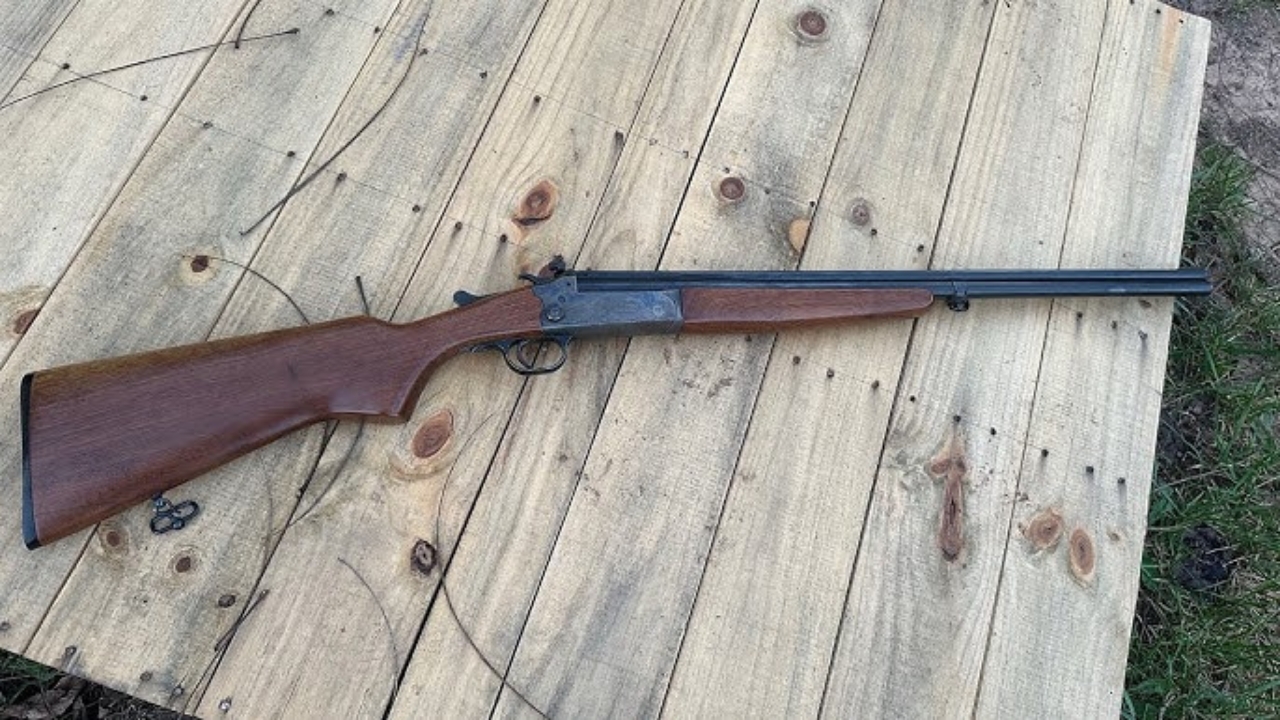
The Savage Model 24 combined a rifle barrel and shotgun barrel in one break-action firearm. Different versions paired cartridges such as .22 LR, .22 Magnum, .222 Remington, or .30-30 Winchester with several shotgun gauges. The design gave hunters and outdoorsmen two very different capabilities without requiring two separate guns.
It was never as fast or specialized as a dedicated rifle or shotgun, but that was not the point. A Model 24 could take small game, deal with pests, and cover larger targets depending on the chambering. Its usefulness made it popular with farmers, trappers, and people who spent long periods away from easy resupply. Used examples have become increasingly desirable because few current firearms offer the same practical combination. Serious shooters appreciate that the Model 24 was built around solving real field problems rather than filling a narrow market category.
Tikka T3x Arctic

The Tikka T3x Arctic was developed from a rifle selected for use by the Canadian Rangers, and it combines modern accuracy with features intended for hard outdoor service. Its stainless construction, laminated stock, oversized controls, and excellent iron sights make it stand apart from the lightweight hunting rifles that dominate most store racks.
The rifle is heavier than a typical Tikka hunting model, but that weight helps steady it and makes recoil easier to manage. The bolt runs smoothly, the trigger is clean, and the detachable magazine system is practical in cold conditions. Its price keeps it from becoming a common deer rifle, and many hunters do not need its rugged features. Shooters who spend time in harsh weather, remote areas, or places where durable iron sights still matter understand the appeal. It is one of the rare modern bolt actions designed to function as a complete field rifle instead of merely serving as a platform for a scope.
Howa Mini Action
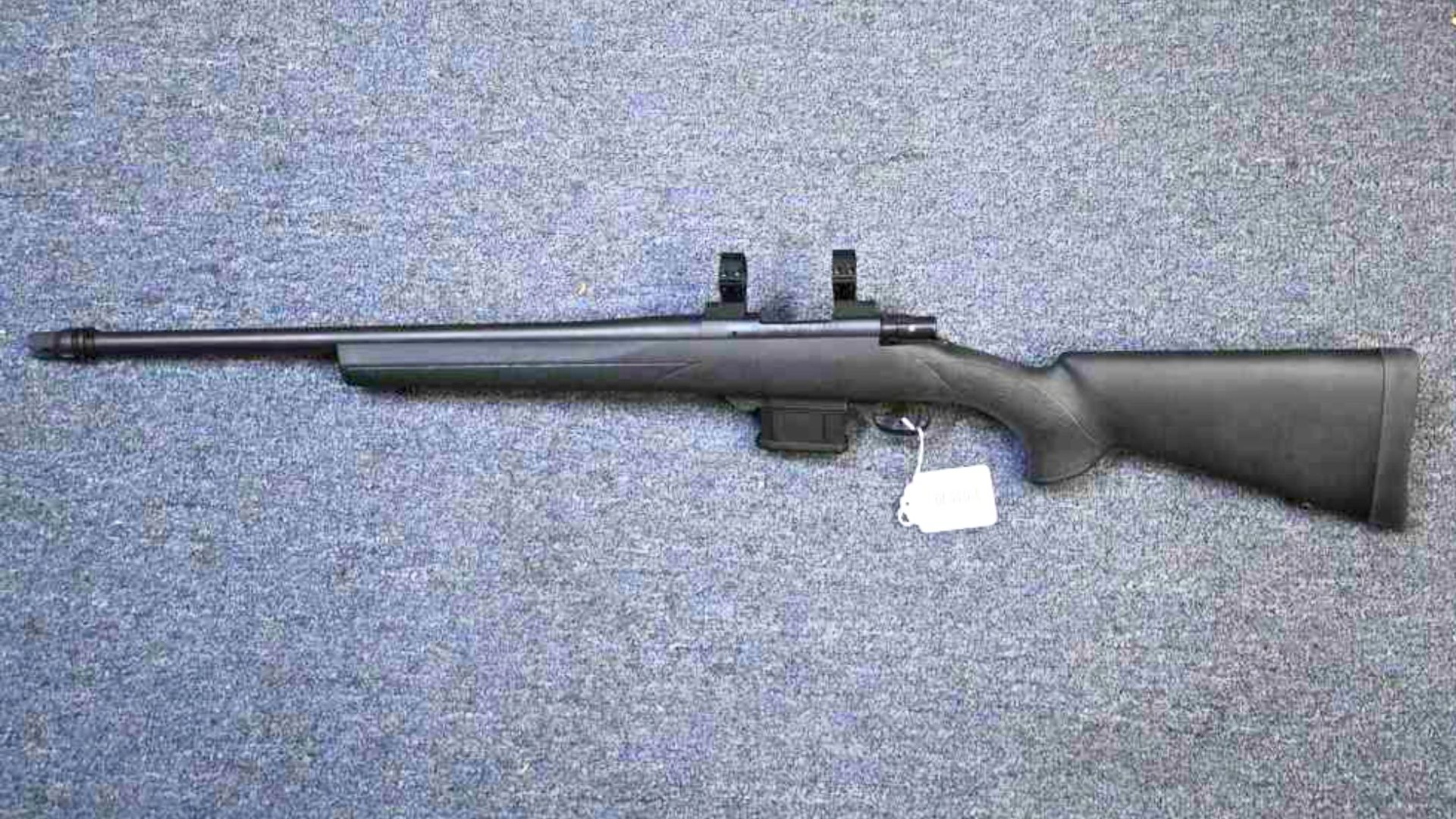
The Howa Mini Action gives small rifle cartridges a receiver sized more appropriately than a standard short action. Chamberings such as .223 Remington, 6.5 Grendel, and 7.62x39mm benefit from a rifle that feels compact without being reduced to a youth-sized design.
The action is smooth, the rifles are often accurate, and the platform offers a useful foundation for hunting, ranch work, or a lightweight walking rifle. Factory stocks and detachable magazines have received mixed opinions, but the core barreled action is strong enough that many shooters upgrade the surrounding parts rather than replace the rifle. The Mini Action is particularly appealing to hunters who do not need a full-power cartridge for every job. It provides a bolt-action alternative to the AR platform while using efficient cartridges that are pleasant to shoot and inexpensive to handload.
Browning X-Bolt Speed SPR
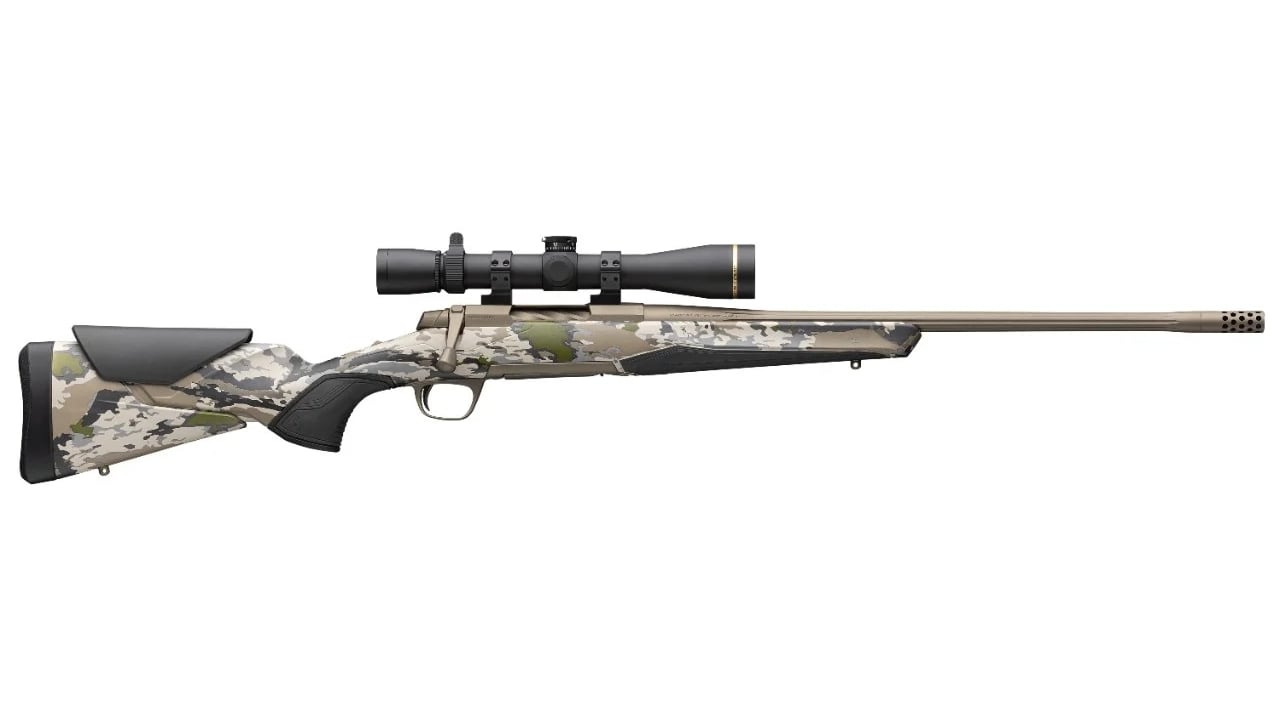
The Browning X-Bolt Speed SPR is easy to miss among the flood of modern bolt-action rifles with threaded barrels and camouflage stocks. Its strength is that Browning managed to create a compact hunting rifle without making it feel unfinished or overly specialized.
The shorter barrel works well with suppressors, allowing hunters to keep overall length manageable once a can is attached. The action is smooth, the rotary magazine feeds reliably, and the adjustable trigger is generally better than what buyers expect from a factory hunting rifle. It costs more than entry-level options from Ruger, Savage, or Mossberg, but the additional refinement is noticeable. Shooters who hunt from blinds, climb into vehicles, or move through thick cover often appreciate a short rifle more than they expected. The Speed SPR provides that handling without forcing them into a chassis rifle or tactical-looking package.
Sako S20
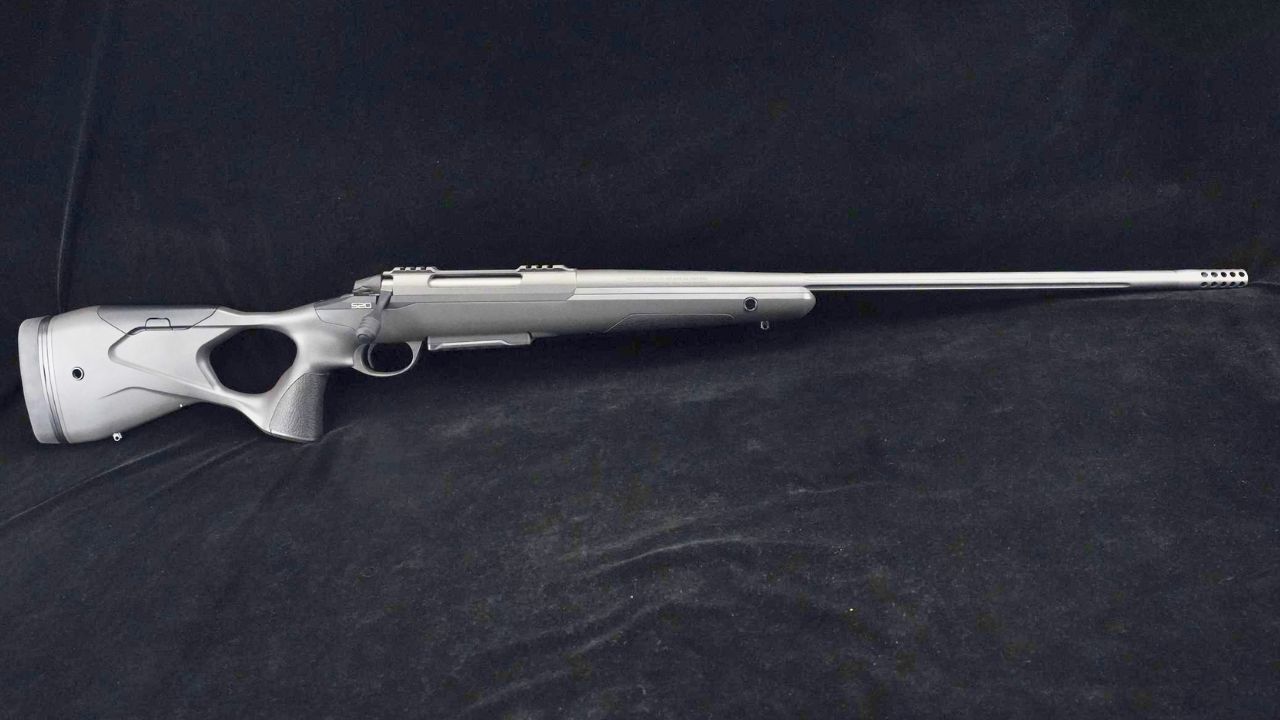
The Sako S20 sits between a traditional hunting rifle and a modern precision platform. That middle position may be the reason it never gained the following its performance deserves. Hunters sometimes view it as too heavy or tactical, while target shooters may overlook it for rifles with full chassis systems.
In practice, the S20 offers an excellent action, a highly adjustable stock, and the accuracy expected from Sako. The modular furniture allows the rifle to be configured more toward hunting or precision shooting without replacing the serialized receiver. Its weight can be an advantage from supported positions, though mountain hunters may prefer something lighter. The S20 makes the most sense for someone who wants one quality rifle for hunting, range work, and occasional longer-distance shooting. It is not the cheapest answer, but it is far more adaptable than many conventional hunting rifles.
Winchester Model 70 Extreme Weather SS

The Winchester Model 70 Extreme Weather SS does not attract as much attention as newer rifles with carbon-fiber barrels and modular stocks. What it offers instead is a refined version of one of America’s most respected bolt-action designs.
Its stainless action and barrel resist rough weather, while the synthetic stock avoids the swelling and movement associated with untreated wood. The controlled-round-feed action appeals to hunters who value positive extraction and dependable feeding under difficult conditions. It is not the lightest rifle in its class, and the price places it above many highly accurate budget options. The Model 70 earns its place by combining traditional mechanics with materials suited to real field use. Serious hunters who care more about long-term reliability than following the newest rifle trend often understand exactly why it remains relevant.
Bergara B-14 Ridge

Bergara is widely recognized for precision-oriented rifles, but the B-14 Ridge may be one of the company’s best practical hunting models. It avoids the bulk of a full chassis rifle while retaining a heavier barrel profile that handles repeated shots better than many ultralight hunting barrels.
The action is compatible with many Remington 700-pattern components, giving owners access to a huge selection of triggers, stocks, and mounts. Out of the box, however, the Ridge usually needs very little work. The stock is stiff enough for field use, the trigger is adjustable, and the rifle has a strong reputation for accuracy. It is heavier than the lightest mountain rifles, but that weight makes it easier to shoot steadily from a blind or supported position. Hunters who value practical accuracy over carrying the lightest rifle possible should know the Ridge well.
Daniel Defense Delta 5 Pro

Daniel Defense is closely associated with AR-pattern rifles, which causes some shooters to overlook the company’s bolt-action Delta 5 Pro. It was designed as a factory precision rifle with an adjustable chassis, heavy barrel, and features intended for competition or serious long-range use.
The rifle is expensive, but much of that cost goes into components that owners would otherwise add later. The barrel can be changed without sending the rifle to a gunsmith, the controls are easy to adjust, and the platform is stable enough for positional shooting. It is not a lightweight hunting rifle and makes little sense for someone who only shoots a few boxes of ammunition each year. For shooters who want a complete precision package from a major manufacturer, the Delta 5 Pro deserves more attention than it receives.
POF Revolution
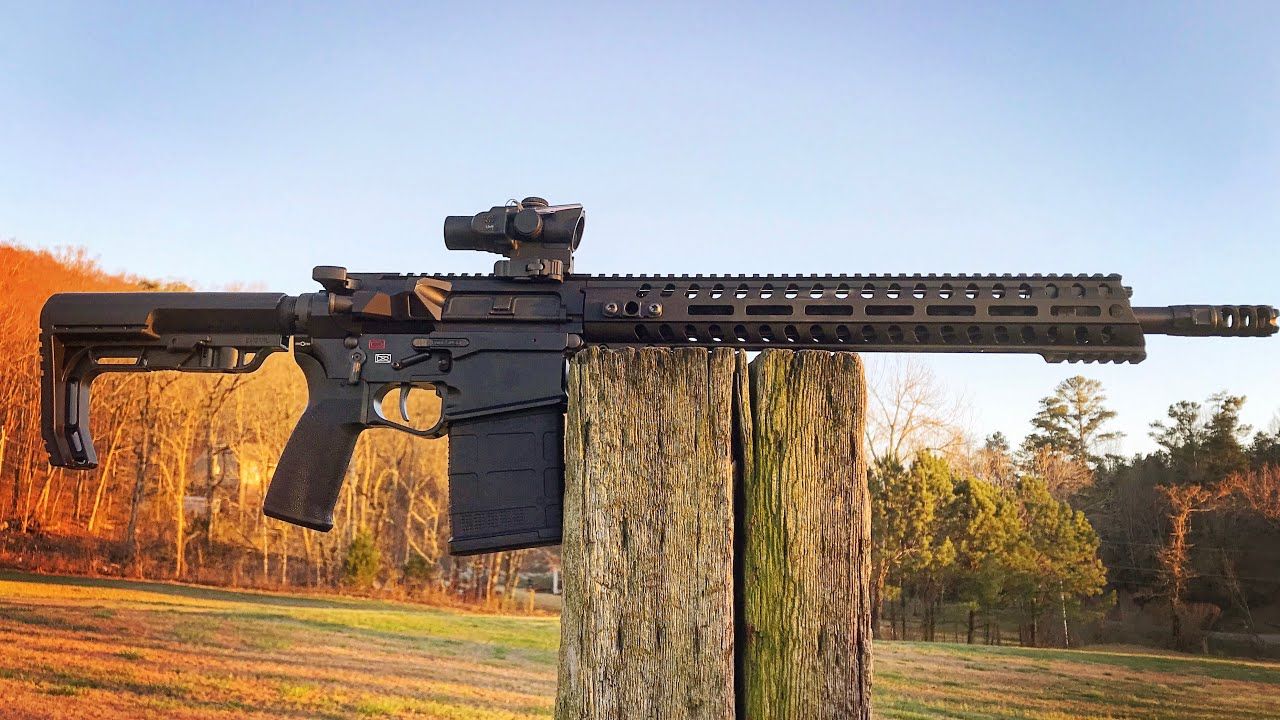
The POF Revolution was designed to provide .308 Winchester performance in a rifle closer to the size and handling of an AR-15. Rather than simply building another heavy AR-10, Patriot Ordnance Factory redesigned major components to reduce size and weight.
The result is a rifle that feels surprisingly familiar to shooters accustomed to 5.56mm carbines. It offers significantly more power while avoiding some of the bulk that makes traditional .308 semi-automatics tiring to carry. The system is proprietary in several areas, and the price is higher than many standard AR-10 rifles. Those factors limit its appeal to buyers who prioritize inexpensive parts compatibility. Shooters who actually carry a .308 rifle through the field may view the tradeoff differently. The Revolution shows how much unnecessary size can be removed from a full-power semi-automatic platform.
Robinson Armament XCR-L

The Robinson Armament XCR-L has existed for years without receiving the widespread recognition given to the AR-15, FN SCAR, or SIG Sauer MCX. It uses a long-stroke piston system, folding stock, and quick-change barrel arrangement to create a rifle that is highly adaptable without relying on the standard AR layout.
Its controls are practical, including an ambidextrous charging handle and bolt catch that can be operated without significantly changing the firing grip. Different caliber conversions expand the platform’s usefulness, though the cost of parts and smaller support network keep it from being a mainstream choice. The XCR-L is not necessarily better for every shooter than a quality AR-15. It is important because it offers a mature alternative with features that many newer rifles later adopted. Shooters interested in piston-driven carbines should know it exists.
Benelli M2 Field
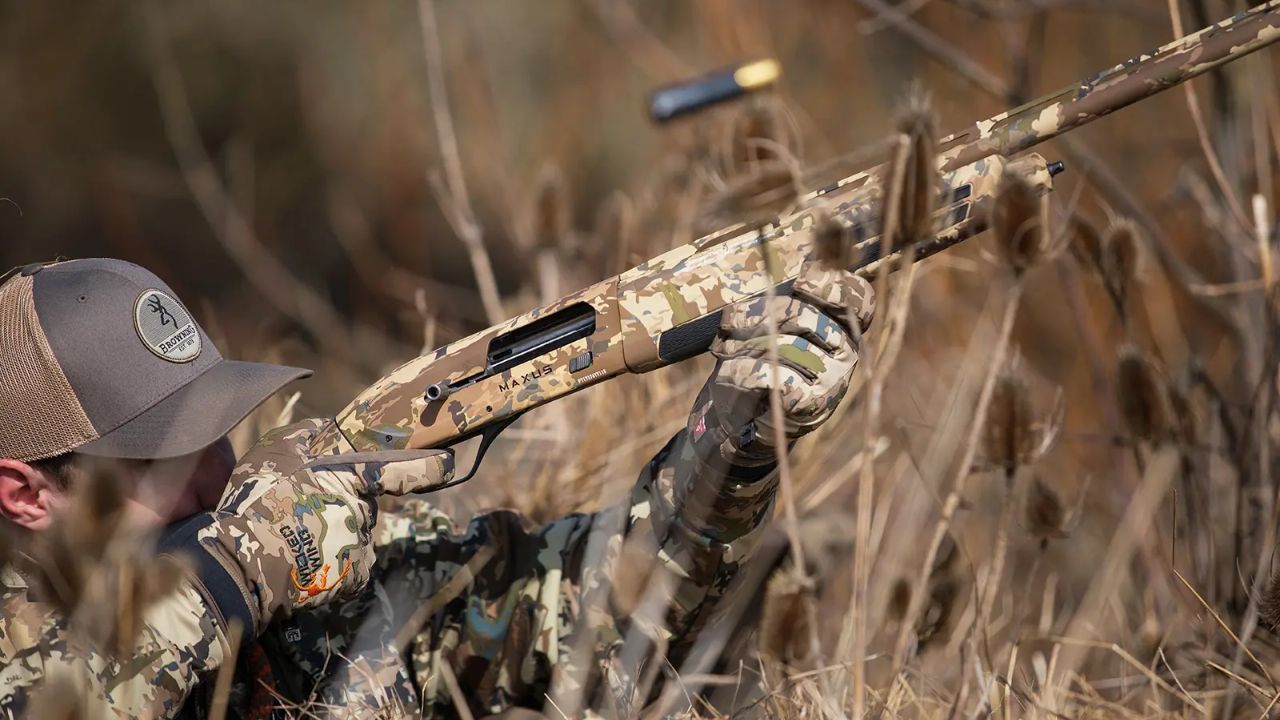
The Benelli M2 Field is less glamorous than the company’s tactical M4 and less traditional than many wood-stocked hunting shotguns. That leaves it in a position where it can be overlooked despite being one of the most practical semi-automatic shotguns available.
Its inertia-driven operating system keeps the action relatively clean and contributes to the shotgun’s light, responsive handling. The tradeoff is that recoil can feel sharper than it does in heavier gas-operated guns. The M2 cycles quickly, carries well, and can handle years of hunting or clay shooting with basic maintenance. It is available in configurations suited to birds, deer, competition, and defensive use. Serious shotgun shooters often appreciate that the M2 does not try to hide poor balance behind excessive weight or complicated features. It simply runs and points exceptionally well.
Fabarm Elos N2 Allsport
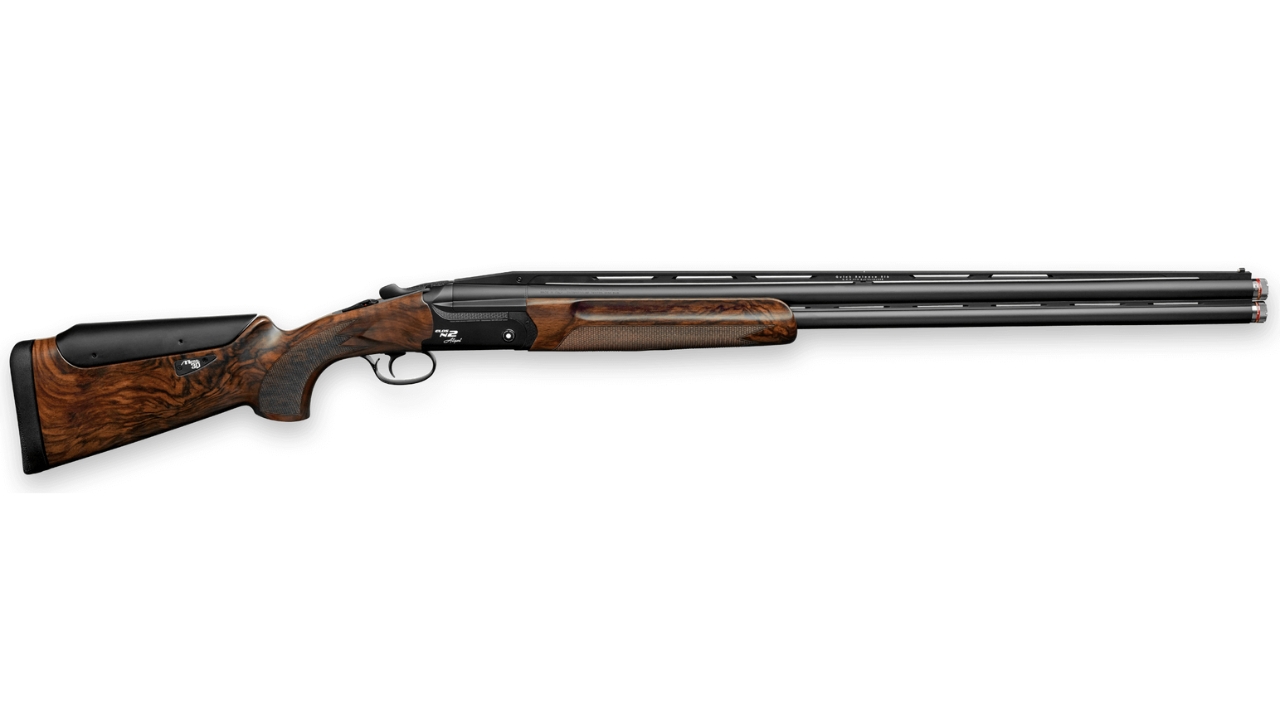
Fabarm shotguns do not have the same name recognition in the United States as Browning, Beretta, or Benelli. The Elos N2 Allsport deserves more attention because it was designed to cover several clay disciplines without forcing the shooter to buy a separate over-and-under for each one.
Its adjustable stock, interchangeable rib system, and competition-oriented controls allow the gun to move between sporting clays, trap, and skeet more comfortably than a fixed-purpose model. It remains a premium shotgun, but it offers a level of adaptability that can make the price easier to justify. Fit is still personal, and no amount of adjustment guarantees that one shotgun will suit every shooter. Those who take the time to configure it correctly often discover a refined competition gun from a manufacturer that deserves a larger American following.
Like The Avid Outdoorsman’s content? Subscribe to our newsletter so you never miss an article.
Here’s more from us: