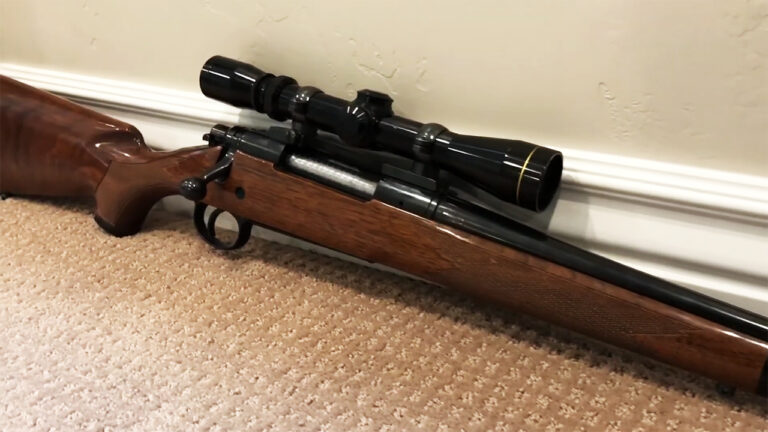
Photo credit: Banana Ballistics/YouTube
You’ve probably heard the .308 vs. 6.5 Creedmoor argument a hundred times at deer camp, the range, or in gun shop circles. It’s the kind of debate that pulls in long-range shooters, hunters, and tactical-minded folks alike. Both rounds have earned their spot in the field, but the reasons behind the loyalty run deeper than ballistics charts.
One’s an old workhorse that’s been putting venison on the table and enemies in the dirt since the ‘50s. The other’s a precision darling that’s made believers out of skeptics—until it hasn’t. If you’ve ever wondered which one actually gives you the upper hand, it depends entirely on how and where you shoot. Let’s break it down in real-world terms.
.308 is still king for versatility
There’s a reason the .308 is still everywhere. It’s proven in combat, trusted in the woods, and easy to reload or find off the shelf. Whether you’re zeroing a bolt gun for whitetail or swapping mags in a semi-auto .308 AR, you know what you’re getting. It hits hard, drops game cleanly, and doesn’t get too fancy about it.
You’ll find a .308 rifle behind the seat of old trucks, in elk camps, and on patrol. Ammo’s available at nearly every hardware store in rural America. It may not win a PRS match, but it’ll keep putting meat in the freezer and steel ringing at 600 yards. That’s why so many folks still swear by it.
6.5 Creedmoor delivers downrange precision

The 6.5 Creedmoor didn’t rise to popularity because of flash—it earned it with repeatable accuracy at longer distances and softer recoil. It bucks wind better than .308 and retains velocity farther out, which makes it ideal for open country or competitive shooting. If you’re taking shots past 400 yards, there’s a strong case for the 6.5.
Hunters chasing mule deer across wide basins or coyotes on fence lines have gravitated toward it because it carries energy well and doesn’t punish your shoulder. It’s not a miracle cartridge, but it fills a niche that .308 doesn’t cover as cleanly. When precision matters more than knockdown, Creedmoor starts pulling ahead.
Barrel life isn’t always in 6.5’s favor
One thing folks forget when they brag on the Creedmoor’s ballistics is what it does to barrels. The higher pressures and tighter bore can wear out a barrel faster than .308, especially in semi-autos or if you’re slinging a lot of rounds downrange. For a casual hunter, that might not matter. For a serious shooter, it adds up.
.308 barrels tend to last longer, even when abused. If you’re running drills, hunting hard, or not cleaning as often as you should (don’t lie), you’ll usually get more mileage out of a .308 pipe. That matters when you’re looking at long-term cost or swapping barrels isn’t something you want to deal with.
Recoil feels different, even if energy is close

On paper, the recoil energy between .308 and 6.5 Creedmoor isn’t drastically different. But in the shoulder, the Creedmoor feels lighter and quicker. That’s part of its appeal, especially for smaller-framed shooters or those running lightweight rifles. Less recoil usually means quicker follow-up shots and tighter groups over time.
The .308 has more of a thump. It’s manageable, but it wears on you during long range sessions. If you’re prone and shooting a dozen rounds, no big deal. If you’re shooting prone for a whole afternoon or hiking with your rifle, you’ll appreciate what the Creedmoor brings to the table in terms of comfort.
Ammo and rifle availability still favor .308
Walk into a small-town sporting goods store, and odds are better they’ll have .308 than 6.5 Creedmoor. That matters more than people admit—especially when you’re trying to find a box on the road or in the middle of a season. There’s a broader selection of hunting loads, match loads, and budget ammo for .308 too.
Rifles follow the same pattern. There are more options in more configurations chambered in .308, from budget bolt guns to battle-proven semi-autos. That availability makes it easier to get into the game without spending extra. If you want off-the-shelf convenience and flexibility, the .308 still wins that round.
6.5’s advantage fades in dense cover
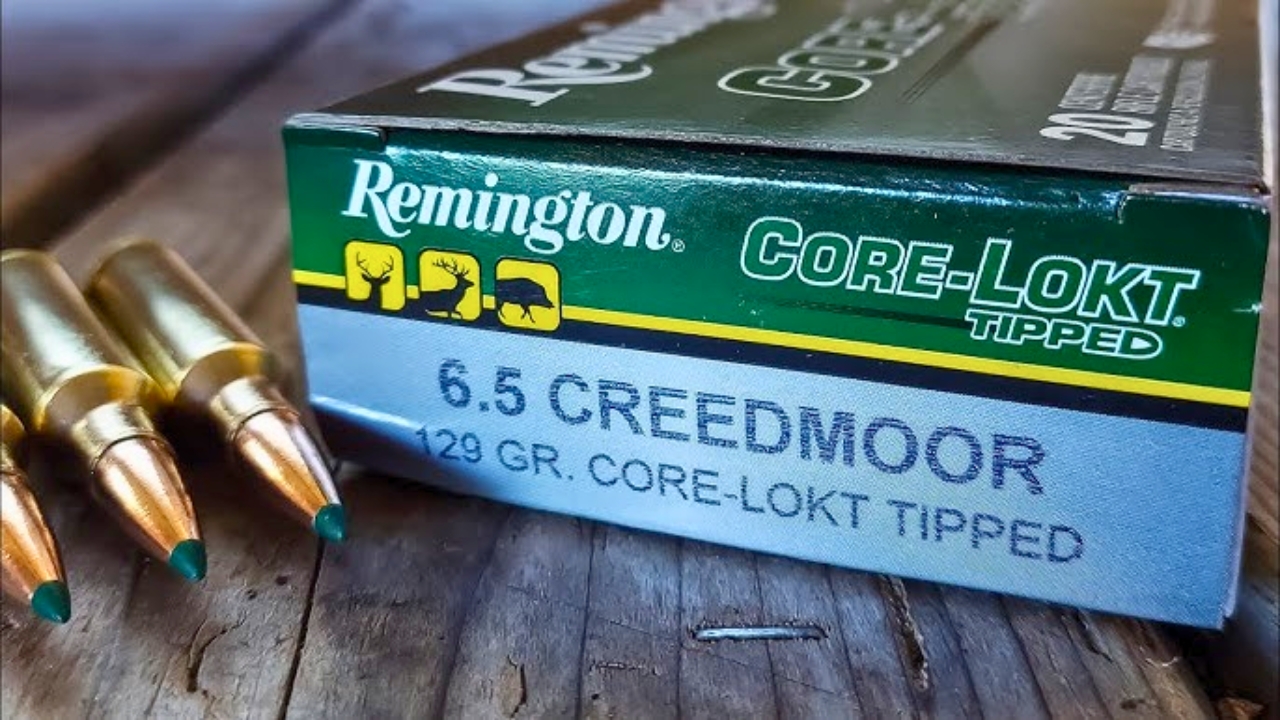
All that long-range flat-shooting performance doesn’t mean much when your shot is 80 yards through brush. In the thick stuff—hardwoods, pine rows, or tight swamp country—the advantage shifts back to .308. It delivers bigger frontal area and better punch through cover, which matters when branches or brush might get in the way.
Even in shorter barrels, the .308 doesn’t lose steam as quickly. That makes it a better choice for compact rifles, suppressor setups, or backup guns that stay handy in tight spots. If most of your shots are under 200 yards, there’s little reason to give up the heavier round.
The real answer lies in what you actually do
At the end of the day, cartridge arguments don’t matter much if the rifle sits in the safe. The .308 might not be flashy, but it works almost everywhere and does nearly everything well. The 6.5 Creedmoor punches above its weight at longer ranges, and for many shooters, it feels better and groups tighter.
But the better choice isn’t what gets more likes online—it’s what fits your terrain, your hunting style, and your priorities. I’ve seen both fail and both succeed. And if you’ve got trigger time with either, you probably have a favorite already. The debate will keep going. But your answer should come from the field, not the forums.
Like The Avid Outdoorsman’s content? Be sure to follow us.
Here’s more from us:
The worst deer rifles money can buy
Sidearms That Belong in the Safe — Not Your Belt
*This article was developed with AI-powered tools and has been carefully reviewed by our editors.