Photo credit: AlpineShootingRange/GunBroker
Not every expensive round earns its price tag. Sometimes you’re paying for marketing, niche appeal, or a cartridge that promised something “new” but doesn’t actually outperform cheaper, more common alternatives. Hunters and shooters eventually figure out which loads give them real value and which ones are essentially the same as less costly rounds. Performance in the field—whether that’s accuracy, knockdown power, or range—matters more than hype. Yet certain calibers demand a premium despite offering no meaningful advantage. If you’ve ever shelled out for fancy ammo only to realize a cheaper box would’ve done the same thing, you know the frustration. These are the rounds that often leave shooters shaking their heads at the counter, wondering why they didn’t just stick with the classics.
.280 Remington
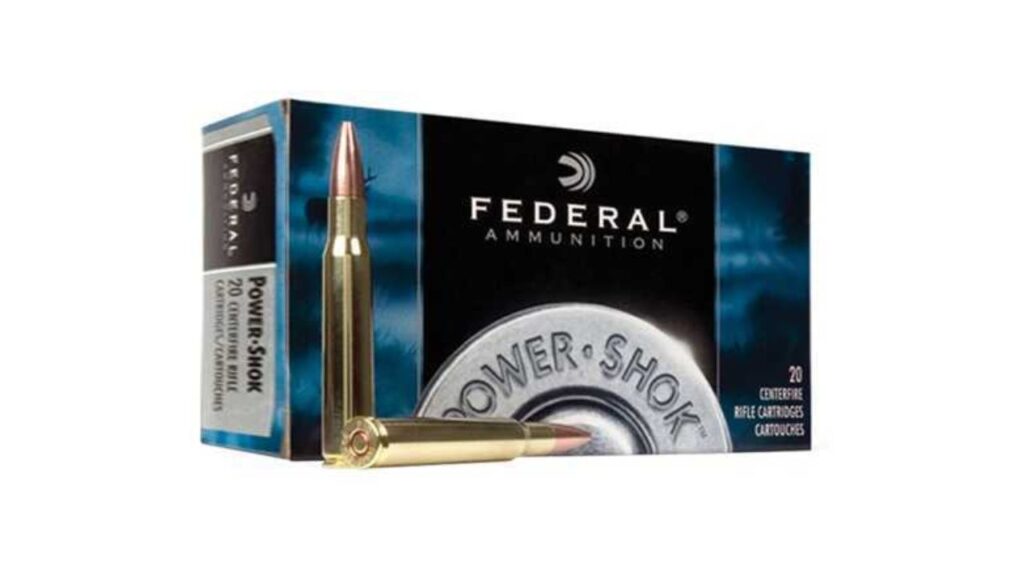
The .280 Remington is capable, but it doesn’t really outperform the .270 Winchester or .30-06 Springfield, both of which are cheaper and more widely available. Ballistically, it sits right between the two, offering similar velocity and energy without providing a clear advantage.
Many hunters who bought into the .280 found themselves paying more for ammo that hits the same animals just as effectively as the cheaper classics. Availability is another problem—you’re less likely to find it in small-town shops, and when you do, it’s usually more expensive. Handloaders may get more out of the cartridge, but for everyday hunters, the .280 doesn’t justify the cost difference. When you can grab a box of .270 or .30-06 for less and know you’ll find it anywhere, it’s tough to argue for spending extra on the .280. It’s a round that proves popularity and practicality sometimes matter more than modest performance tweaks.
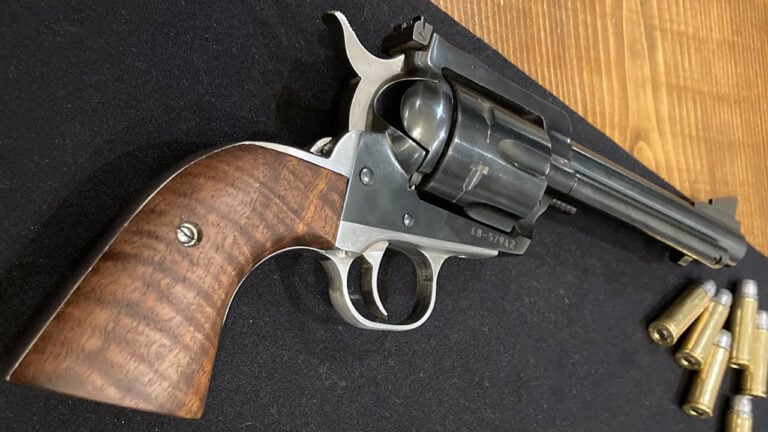
.41 Magnum

The .41 Magnum has always been caught between the .357 Magnum and the .44 Magnum, and it doesn’t really beat either of them in meaningful ways. You’ll pay more for .41 Magnum ammo because production runs are smaller, yet the end result in terms of hunting or defensive performance isn’t much different from its cheaper siblings.
The .357 gives you lower recoil and wide availability, while the .44 delivers more power and is also easier to find on shelves. The .41 is a middle ground that costs extra simply because it’s less popular. Hunters and shooters who tried it often admit they could’ve saved money and had the same results with one of the mainstream magnums. Unless you reload or already have a stash, shooting .41 Magnum gets expensive fast. It’s not that the cartridge doesn’t work—it’s that it doesn’t give you anything worth the higher cost compared to cheaper, more practical loads.
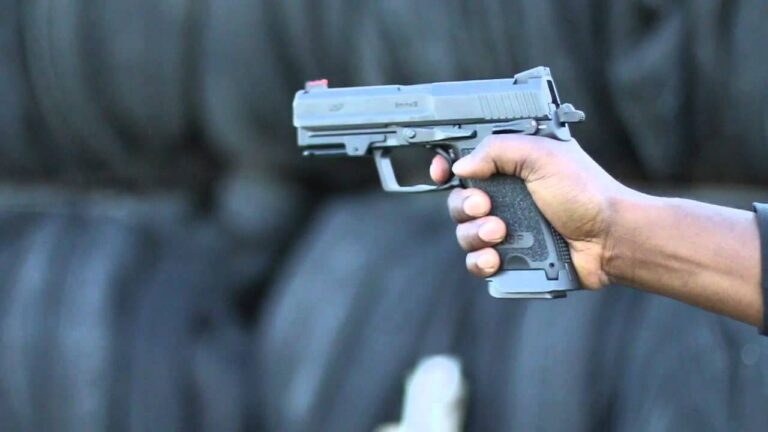
.45 GAP

The .45 GAP (Glock Automatic Pistol) was created to duplicate .45 ACP performance in a smaller case, but in real-world terms, it doesn’t hit any harder than the classic .45 ACP. You’ll pay more for it, and you’ll have far fewer options when it comes to ammo selection.
The .45 ACP is cheaper, easier to find, and comes in a wider variety of loads. The GAP was mostly tied to Glock marketing and never gained real traction outside of that. Shooters quickly realized they were spending more money for ammo that didn’t actually outperform what had already been working for over a century. With so few pistols chambered for .45 GAP today, the cost stays high and availability stays low. For most, it’s simply not worth the trouble. If you’re looking for proven stopping power at a reasonable cost, .45 ACP covers it better without draining your wallet.
.25-06 Remington
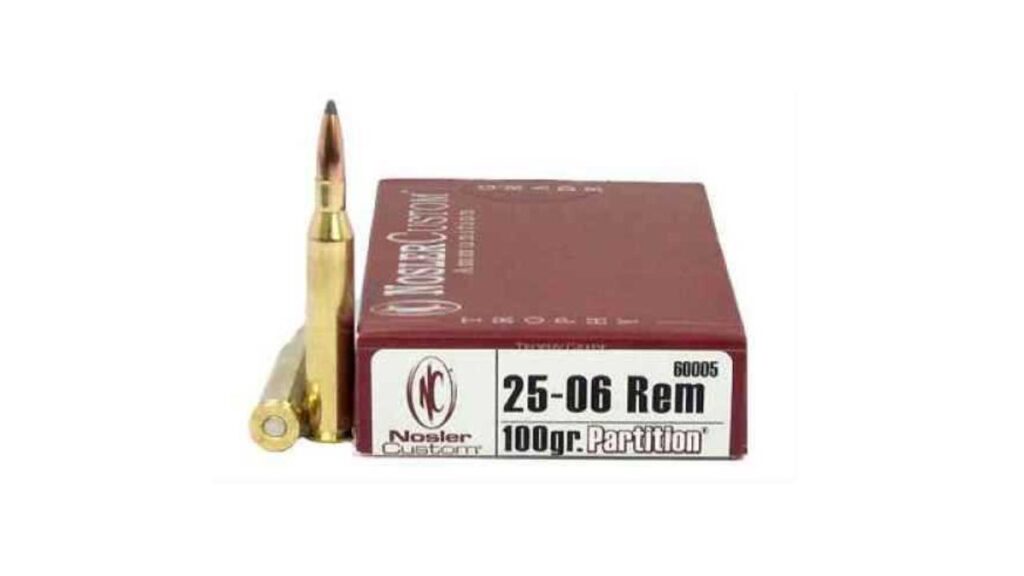
The .25-06 Remington is often praised for flat shooting, but when you break it down, it doesn’t offer much over cheaper rounds like .270 Winchester. Both are excellent deer cartridges, but .270 tends to be cheaper, easier to find, and has a much larger following. The ballistic differences are small enough that most hunters won’t notice a real-world advantage.
Ammo for the .25-06 usually costs more because production is limited, and that scarcity makes it harder to keep a steady supply. While it’s effective on deer and antelope, most hunters who switch from .270 to .25-06 eventually wonder why they bothered. The results in the field are basically the same, but the price tag isn’t. Unless you’re really attached to the idea of shooting a quarter-bore, you’re better off with a cheaper, more available option. The .25-06 proves that niche calibers often cost more without giving you extra value.
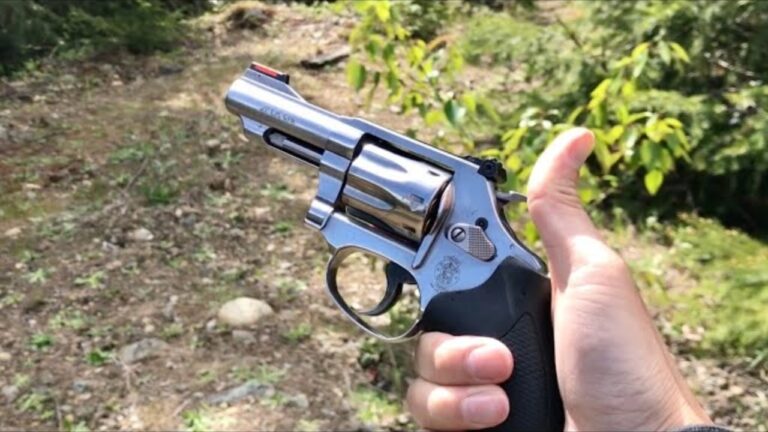
.32 H&R Magnum
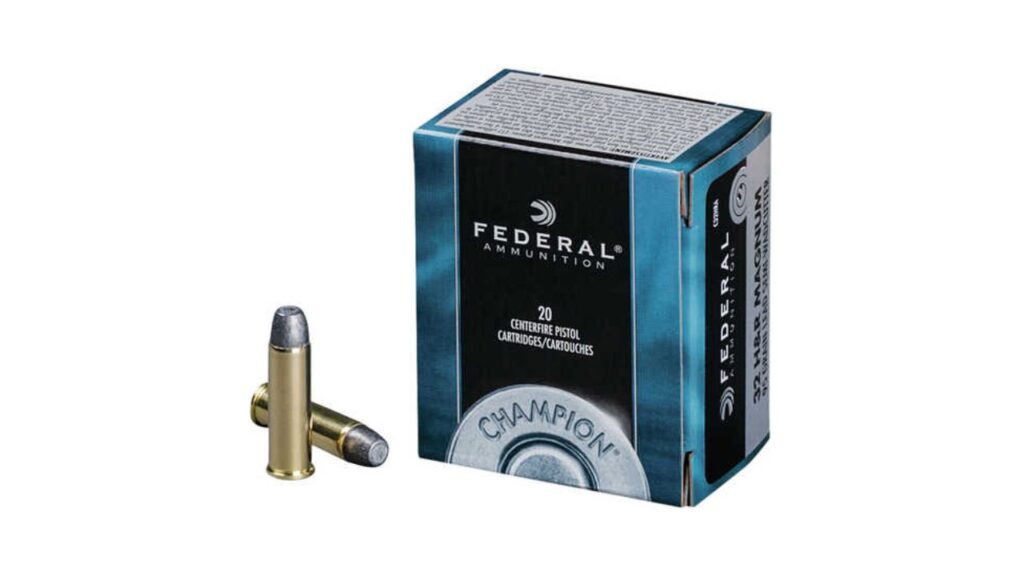
The .32 H&R Magnum promised more performance than .32 Long but never really outshined the .38 Special. You’ll pay more for .32 H&R Magnum, yet it delivers similar real-world results to cheaper revolver loads. The cartridge never had broad adoption, which means production is limited and prices are consistently higher.
When you compare effectiveness, the .38 Special covers the same ground, from target shooting to defensive use, and you’ll find it for much less. Even .357 Magnum gives you a step up at a lower price point because it’s produced in far greater numbers. The .32 H&R Magnum simply doesn’t have the performance edge to justify its premium. For most shooters, the higher cost and lower availability mean it stays a novelty round rather than a practical one. If you’re looking for value, the cheaper and more common revolver loads will do the job without straining your budget.
.338 Federal
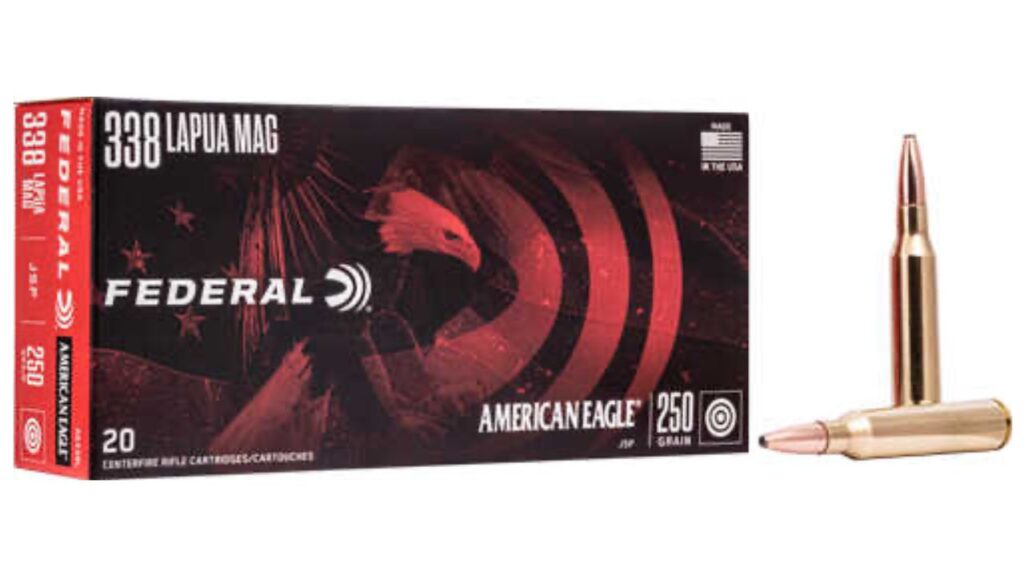
The .338 Federal was marketed as a powerful option in a short-action rifle, but in practice it doesn’t deliver much more than .308 Winchester, which is far cheaper and easier to find. Ballistically, it offers slightly larger bullet diameter and modest energy gains, but the difference isn’t significant enough to justify the added cost.
Ammo for the .338 Federal is produced in smaller runs, making it pricey and scarce. Meanwhile, .308 Winchester is everywhere and covers the same hunting applications effectively. Whether you’re chasing deer, elk, or black bear, the .308 handles the job for less money and with broader support. The .338 Federal isn’t a bad round, but it’s one that feels unnecessary when compared side by side with cheaper, more practical loads. Many hunters who tried it end up admitting they could’ve stuck with .308 and saved money while getting the same real-world results in the field.
.327 Federal Magnum
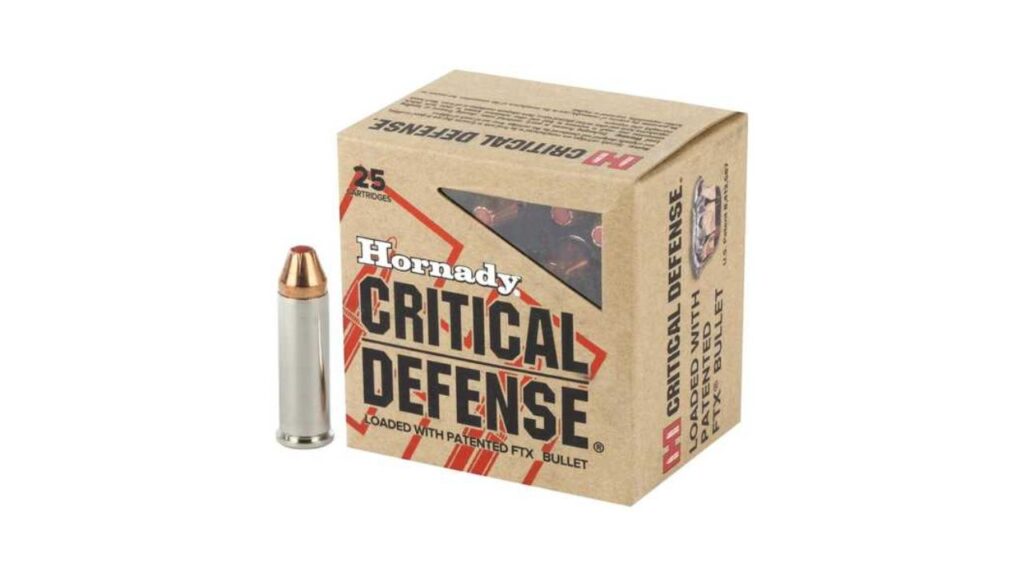
The .327 Federal Magnum was designed to push .32 revolvers into magnum territory, but when it comes to effectiveness, it doesn’t give you much more than .357 Magnum. You’ll pay more for the .327, and you’ll struggle to find it consistently in stock. The .357, on the other hand, is cheaper, widely available, and proven across countless applications.
Ballistically, the .327 offers higher velocity, but in terms of stopping power and versatility, it doesn’t surpass the .357. The cost difference makes the decision easy for most shooters. Unless you’re chasing novelty or really like smaller-bore revolvers, there’s little reason to invest in the .327. That’s why it remains a niche caliber with higher costs and limited benefits. If you want affordable shooting with dependable performance, the .357 Magnum will always make more sense. The .327 may be fun, but it doesn’t justify the extra expense.
.280 Ackley Improved
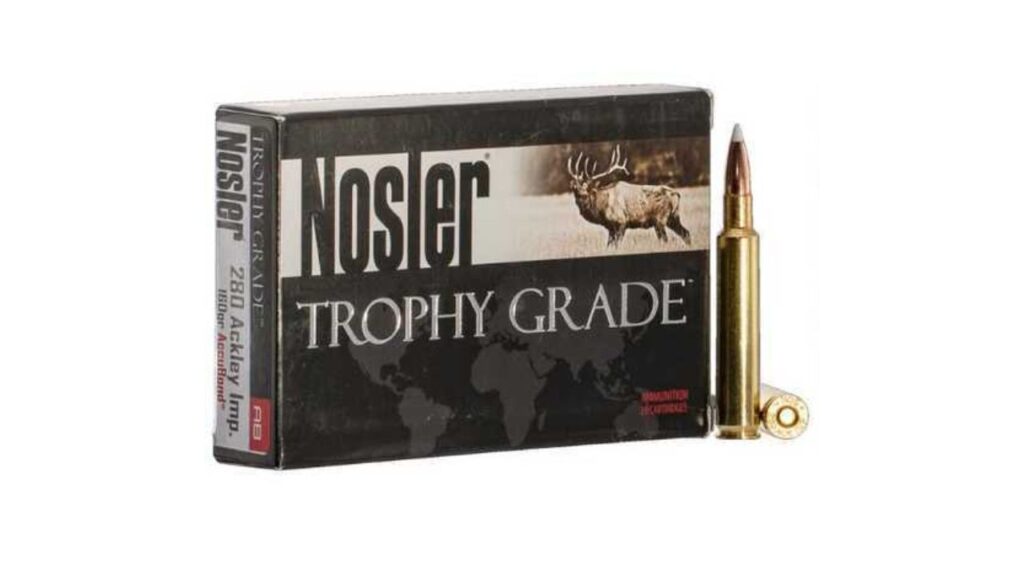
The .280 Ackley Improved has seen a surge in popularity, but its performance over standard .280 Remington—or even .270 Winchester—is marginal. You’ll pay significantly more for factory ammo, but the game in your sights won’t notice the difference.
While it can squeeze out higher velocities, most hunters don’t get any real-world advantage that justifies the cost. The .270 Winchester remains cheaper and easier to find, and it performs almost identically in the field. Even the standard .280 Remington, when you can find it, costs less. For shooters who handload, the Ackley Improved may hold more appeal, but for those relying on store-bought ammo, it’s an expensive way to achieve the same results. It’s a round that looks great in charts but doesn’t separate itself in practical hunting scenarios. If saving money matters, you’ll do better with a cheaper cartridge that offers the same proven performance.
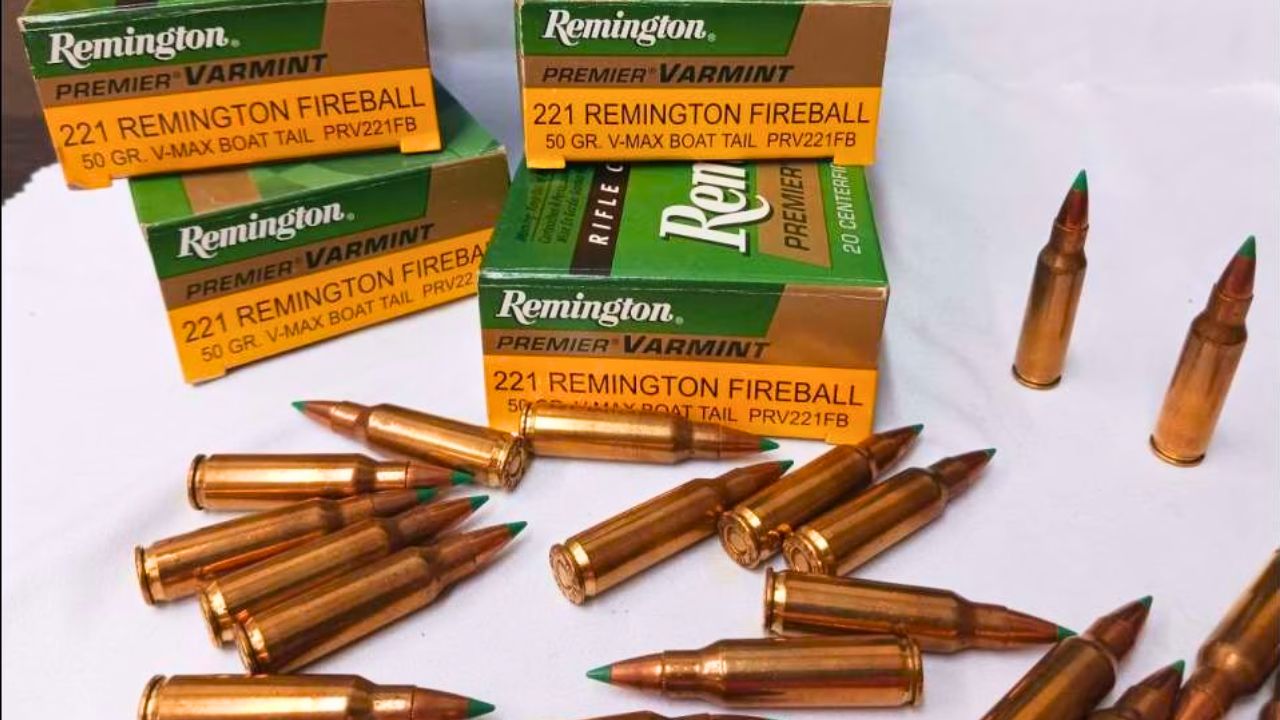
.221 Fireball
The .221 Fireball is an interesting varmint round, but it doesn’t really outperform cheaper cartridges like .223 Remington. You’ll pay a premium for it because it’s produced in much smaller quantities, yet it delivers nearly the same trajectory and effectiveness on small game.
The Fireball was originally developed for a specialty handgun, and while it found some use in rifles, it never became mainstream. That limited appeal means ammo availability is spotty and expensive. Meanwhile, .223 Remington is everywhere, costs less, and covers all the same ground. Shooters who tried the .221 Fireball often realized quickly that the cost outweighed the novelty. While it’s fun to own and has its quirks, there’s no denying that cheaper rounds get the job done without the extra expense. For most hunters and varmint shooters, sticking with .223 makes far more sense. The Fireball simply doesn’t justify its higher price tag in today’s market.
.257 Weatherby Magnum
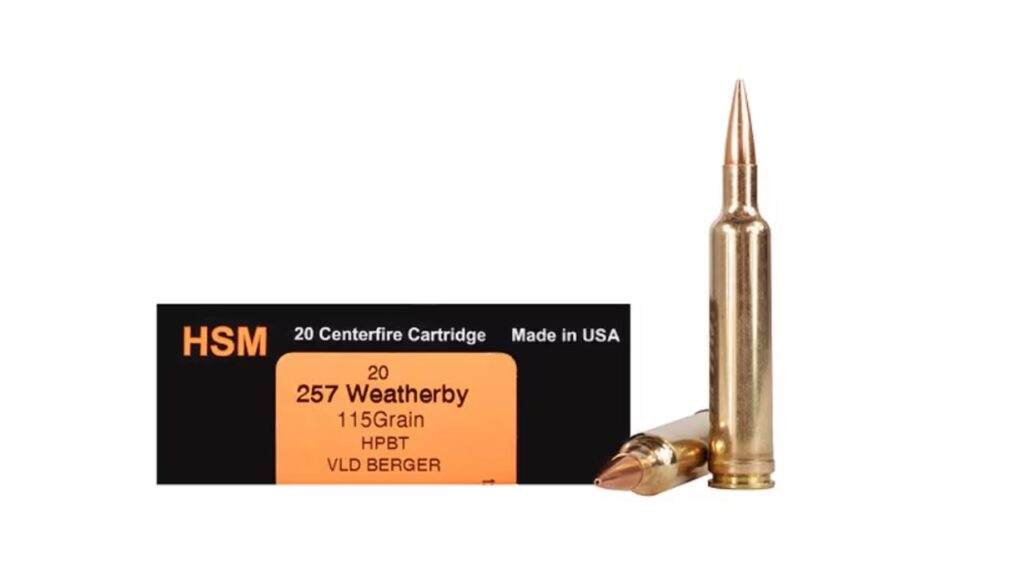
The .257 Weatherby Magnum has long been marketed as a high-performance, flat-shooting round, but the truth is, you’ll pay far more for ammo that doesn’t offer much more than cheaper calibers like .25-06 or .270 Winchester. The velocity is higher, but the field results on deer or antelope aren’t dramatically different.
Ammo costs for the .257 Weatherby are among the highest in its class, and availability is limited to specialty shops or online orders. Meanwhile, .270 Winchester delivers nearly identical hunting results at a fraction of the price. For many hunters, the decision becomes clear after spending a few seasons with the Weatherby—yes, it works, but so does ammo that costs half as much. Unless you’re a dedicated fan of Weatherby rifles, the .257 feels like paying extra for little practical gain. It’s an effective cartridge, but not one that gives you more value for the extra dollars you’re forced to spend.
.284 Winchester
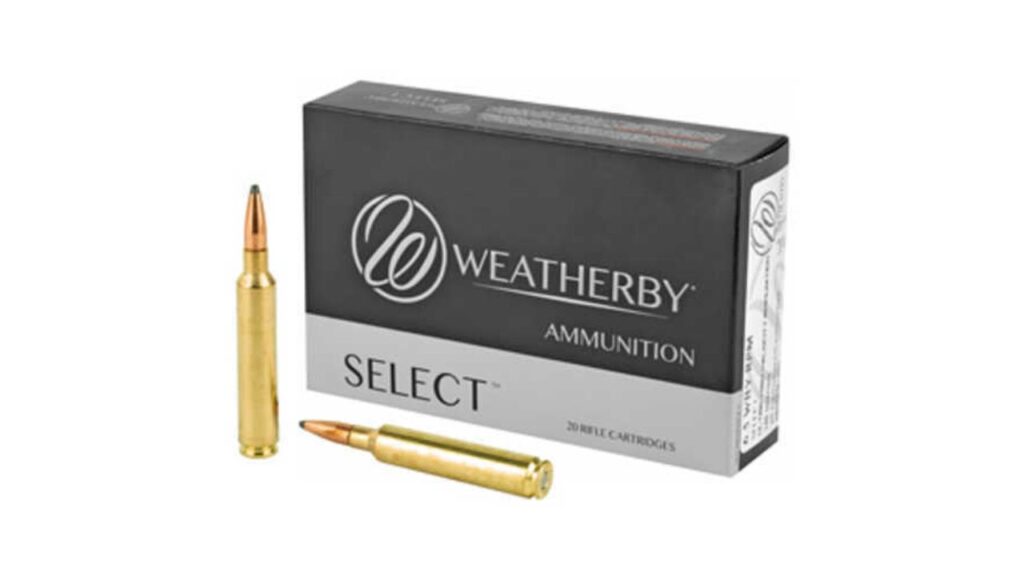
The .284 Winchester is a unique design with some loyal followers, but when you look at the numbers, it doesn’t really outperform the cheaper and more common .270 Winchester or .280 Remington. Ammo is already rare and expensive, and when you do find it, you’re essentially paying more for results you could get from loads that are half the price.
Hunters who carry rifles chambered in .284 often end up handloading, because factory ammo is too costly or inconsistent to rely on. In terms of real-world hunting performance, it doesn’t give you a meaningful edge. You’re still looking at similar velocities, energies, and terminal effects as cheaper cartridges that are available anywhere ammo is sold. The .284 Winchester is interesting historically, but practically, it belongs more in the hands of enthusiasts than hunters looking for value. It’s another caliber that proves higher cost doesn’t always mean better results.
*This article was developed with AI-powered tools and has been carefully reviewed by our editors.