Photo credit: timotheos/Shutterstock.com
When it comes to carrying a sidearm in bear country or deep woods, the .44 Magnum always finds its way into the conversation. It’s big, it’s loud, and it’s got the kind of power that makes people stop and think twice. Some folks swear by it, others think it’s overkill. So what’s the real deal? Let’s break it down and figure out if the .44 Magnum is just what you need—or way more than you want.
Serious Stopping Power

The .44 Magnum isn’t just for looks—it delivers. When you’re facing down something with claws or fangs, you want a round that can punch deep and hit hard. That’s exactly what this caliber does. It’s capable of dropping a large animal fast if your aim is on.
That power can be reassuring when you’re off the beaten path. Whether you’re hiking in grizzly territory or just camping deep in the woods, knowing you’ve got a proven man-stopper on your hip gives some peace of mind.
Recoil Isn’t for Everyone

One of the first things people notice when they shoot a .44 Magnum is the recoil. It’s no joke. If you don’t have a solid grip and good technique, it’ll let you know. This isn’t something most folks want to shoot all day at the range.
That recoil also makes follow-up shots slower. In a real-life emergency, especially with an aggressive animal, quick and accurate second shots matter. If you’re not practiced, the .44 might feel like too much gun when you need control the most.
Ammo Availability in the Backwoods

Let’s be real—.44 Magnum ammo isn’t always easy to find, especially in small-town stores or rural outposts. If you didn’t bring enough with you, you probably won’t stumble on a box just sitting on a dusty shelf.
That said, if you plan ahead, it’s not an issue. For folks who reload or stock up in advance, this is a non-problem. Just don’t expect to find .44 Magnum in every gas station hunting rack like you might with .22 LR or .30-30.
Weight Adds Up Fast

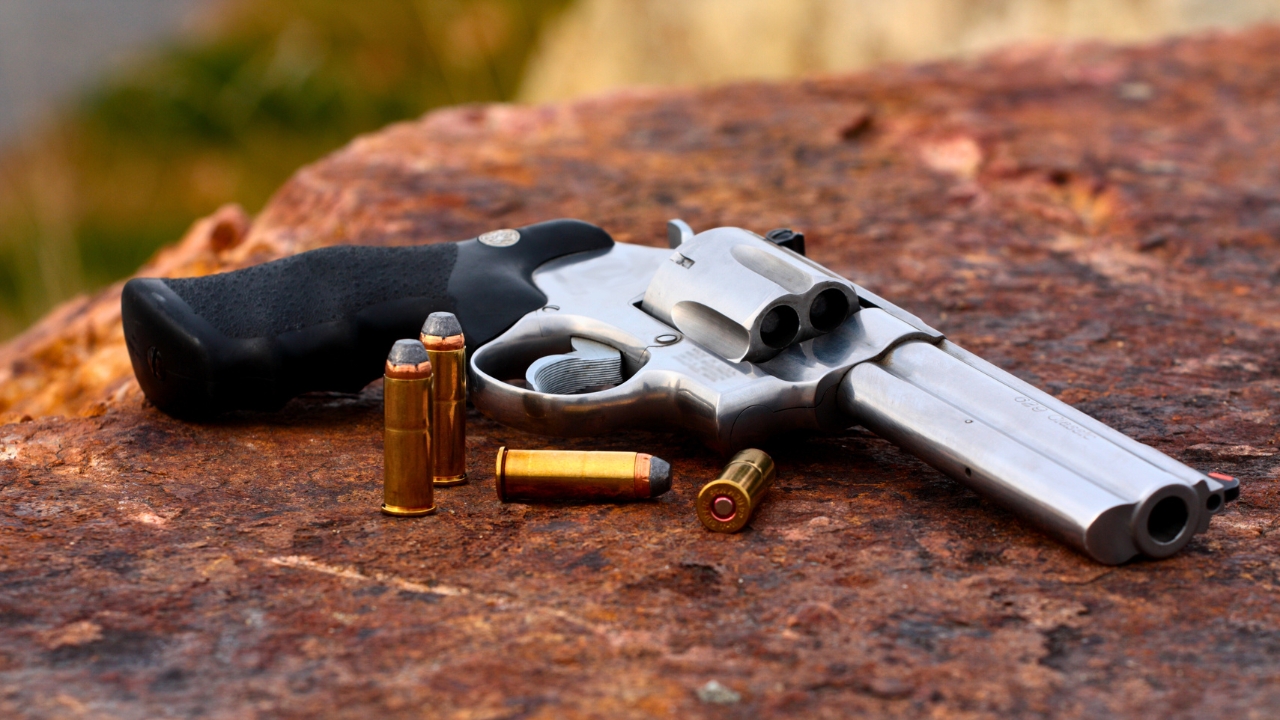
A loaded .44 Magnum revolver isn’t exactly lightweight. Add a few speedloaders or extra rounds and you’ll start to notice it on your belt. For some, that’s worth it. For others who are counting ounces on a long hike, it might be more than they want to haul.
Still, a lot of folks are willing to deal with the extra weight for the confidence it brings. If you’re in serious bear country, shaving off a few ounces might not be worth the risk.
Revolver Reliability in the Wild

One big upside of most .44 Magnums is that they’re wheelguns. Revolvers have fewer moving parts and are less likely to jam in muddy, dusty, or wet conditions. That’s a solid win in the backcountry where you might not have time to clear a malfunction.
When it comes to simple and reliable, a good .44 Magnum revolver keeps things straightforward. That’s a big reason why it’s stayed popular for decades with hikers, hunters, and guides.
Versatile Enough for Hunting

The .44 Magnum isn’t just a defensive caliber—it’s also used to take game. With the right ammo and barrel length, you can take down deer, hogs, and even black bear. That dual-purpose role makes it a smart carry option for folks who want one gun for both camp and hunt.
Having a handgun that doubles as a viable hunting option can save space and weight in your pack. If you’re the kind of person who packs with purpose, that versatility matters.
Not Great for Beginners

If you’re new to shooting or haven’t spent much time behind a big-caliber handgun, the .44 Magnum probably isn’t the best place to start. It takes practice, and without it, you’re not getting the accuracy or confidence you’ll need when it counts.
But if you’re already comfortable with handguns and willing to put in the work, it can be a solid option. Just make sure you’re not relying on movie scenes to set your expectations—it takes real effort to handle it well.
Carry Method Matters

You can’t just slap a .44 Magnum on your belt and call it good. These guns are big, and they need a secure holster setup. Chest rigs are popular because they keep the gun out of the way while hiking or carrying a pack.
If you don’t have a comfortable way to carry it, odds are you’ll end up leaving it behind—which kind of defeats the purpose. So if you’re going to carry a .44, make sure you’ve got a solid holster that works with your gear.
Great for Bear Country, Maybe Overkill Elsewhere

There’s no denying that the .44 Magnum is a solid choice in grizzly country. But if you’re walking trails where the biggest threat is a coyote or a raccoon, it might be more gun than you really need.
Plenty of folks still carry it anyway just to be sure. But it’s worth thinking about where you’ll be and what you’re likely to face. Sometimes something smaller and faster might be the better tool for the job.
*This article was developed with AI-powered tools and has been carefully reviewed by our editors.