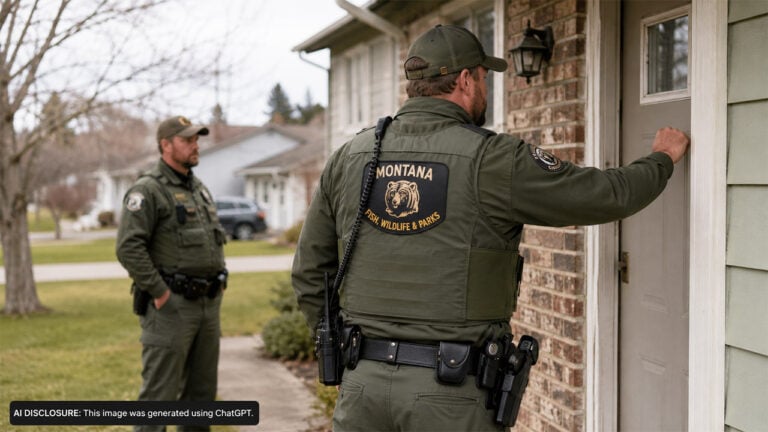
Photo credit: AvidOutdoorsman
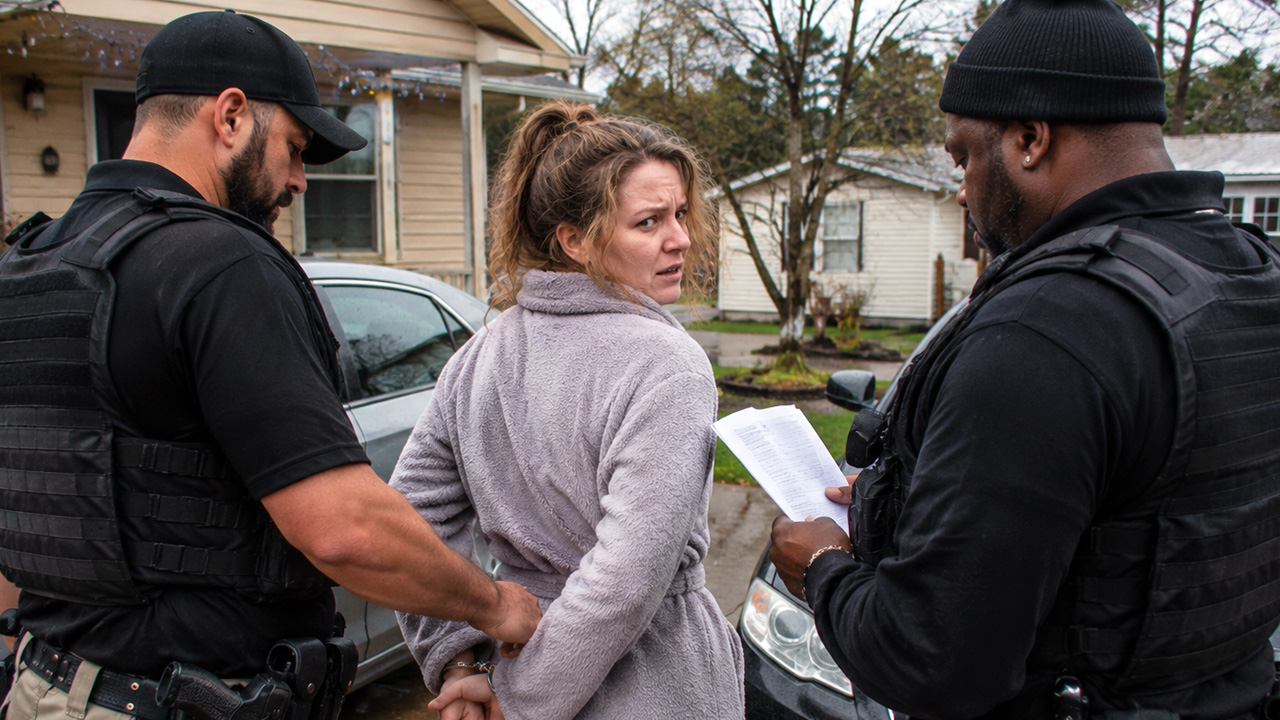
It happened in the one place most folks feel like they can finally exhale: the end of the day, in their own driveway, keys still in hand. A woman pulled in, stepped out, and before she had the chance to get a word straight, two men moved in fast, told her she was the person they were looking for, and put her in handcuffs like it was a felony stop on the side of a county road.
According to the account shared afterward, they weren’t uniformed officers. They were private recovery agents—bounty hunters—working a bond skip. And the name they wanted wasn’t hers at all. It was a tenant’s. A tenant who hadn’t lived there in roughly six months.
The “skip” they were hunting wasn’t even on the property anymore
In rural America, rentals aren’t always apartment complexes with a leasing office. Sometimes it’s a basement unit, a small guest house, or a single-wide on the back side of a property. Paperwork can be clean and still feel informal, especially when the landlord and tenant know each other through work, church, or a neighbor.
In this case, the woman reportedly owned the home and had rented space to someone who later moved out. The address, however, still showed up in whatever database the recovery agents were using. So they rolled up treating the place like it was current, not old information.
That’s the part that should make every landowner sit up: you can do everything right, and if someone else keeps your address tied to their mess, you can end up in the crosshairs anyway.
How a driveway turns into a detention in about ten seconds
Most hunters and landowners I know have had a tense doorstep moment—an unknown truck at the gate, a stranger walking a fence line, somebody “looking for their dog” when there’s no dog in sight. The difference here is the speed and the physical control. A pair of recovery agents can decide they’ve got their person and go hands-on before you’ve even processed what’s happening.
The woman reportedly tried to explain that the person they were naming wasn’t her, and that the tenant was long gone. The agents didn’t slow down to verify. They restrained her first, asked questions later, and kept pressing for information about where the former tenant might be.
From a safety standpoint, this is where things get scary. Plenty of rural homeowners carry. Plenty more have firearms in the home. A fast-moving confrontation in a driveway is the exact recipe for a bad decision on either side.
The documentation problem: they wanted “proof,” then wouldn’t show theirs
After the cuffs went on and the confusion got louder, the woman asked for documentation—something showing who they were and why they were putting hands on her. That’s a normal request. If a game warden shows up on your property, you’re going to see a badge and credentials. If a deputy is serving papers, there’s identification and usually a clear statement of purpose.
These agents reportedly did not provide paperwork that satisfied her. They either wouldn’t produce documents or gave vague credentials without anything she could reasonably verify in the moment. At the same time, they demanded she produce documentation that a tenant had moved out—lease paperwork, move-out records, anything to prove she wasn’t hiding the person.
That’s a backwards way to operate, and it puts a homeowner in an impossible spot. Most people don’t keep a “prove my old tenant left” folder in the glove box. And even if you do have records inside, you’re not obligated to invite strangers into your home to fetch them while you’re in handcuffs.
In a lot of states, recovery agents have certain authorities tied to a bond contract, but they are not police. They don’t get to act like police just because they’re confident. Confidence isn’t due process.
When landowner instincts collide with the wrong kind of “enforcement”
Outdoorsmen are wired to assess risk fast. You see a truck parked by your timber line during turkey season, you note the plate. You catch a headlamp in your back pasture during rifle season, you don’t stroll out there casually. You call it in and you stay smart.
But the driveway situation flips the script. You’re the one being approached, you’re disoriented, and you’re trying not to escalate. The safest move is usually to get distance, get witnesses if possible, and call local law enforcement yourself. If you’re being detained by non-uniformed individuals, you want a uniformed deputy on scene—quick.
Homeowners also need to think about cameras. Gate cameras, doorbell cameras, and driveway cameras aren’t just for porch pirates. They document who came onto your property, what they said, and how they acted. In a dispute later, memory gets fuzzy. Video doesn’t.
And if you rent out a unit or a structure on your land—even casually—keep your paperwork tidy. Lease start and end dates, a written notice of vacancy, and any return-of-keys message can matter when a third party tries to tie your address to someone else’s warrant or bond.
What people latched onto: cameras, trespass, and “don’t open the door” rules
The reaction from other landowners and gun owners was pretty predictable. A lot of folks focused on surveillance first—trail cameras, doorbell cameras, and even old-school game cams pointed down a driveway. The idea is simple: if someone shows up claiming authority, you want their faces and vehicles recorded without having to reach for a phone while things are tense.
Others hammered on the “don’t step outside” rule. That’s easier said than done when you’re arriving home, but the principle is valid: create space and barriers when you can. A closed vehicle door, a locked house door, and a 911 call buys time. Time keeps misunderstandings from turning into tragedies.
There was also a big focus on property rights. In the outdoors world, we argue about access constantly—who can cross what, who has permission, who’s trespassing. Recovery agents muddy that water because they often act like they have a badge when they don’t. Whether they can enter property and under what circumstances varies by state, but a homeowner is never wrong to demand verification and request a real deputy respond.
The practical moves that keep a bad day from getting worse
If you rent to anyone, even a friend-of-a-friend, treat it like a real business arrangement. Keep copies of IDs, lease terms, and the date they moved out. You’re not doing it to be cold; you’re doing it because your address can get dragged into somebody else’s legal problems long after they’re gone.
If someone shows up claiming they’re looking for a person tied to your address, don’t argue your way into a corner. Ask for identification, note vehicle details, and call local law enforcement to verify. If they refuse to show documentation while trying to restrain you or demand entry, that’s a bright red warning sign, and it’s time to get authorities involved immediately.
Most importantly, don’t let pride push you into a confrontation. This isn’t a fence-line argument with a trespasser you can run off. When handcuffs come out, the stakes change. The goal is to get everyone home safe and let the courts and the county sort out what was lawful and what wasn’t.
A driveway should be a place where you unload groceries and swap boots for slippers—not where you’re forced to prove you’re not someone else. For landowners, the lesson is the same one we preach every season: document what’s yours, secure your boundaries, run cameras, and when things get weird, get a badge on scene before somebody makes a permanent mistake.
Like The Avid Outdoorsman’s content? Subscribe to our newsletter so you never miss an article.
Here’s more from us: