Photo credit: AvidOutdoorsman
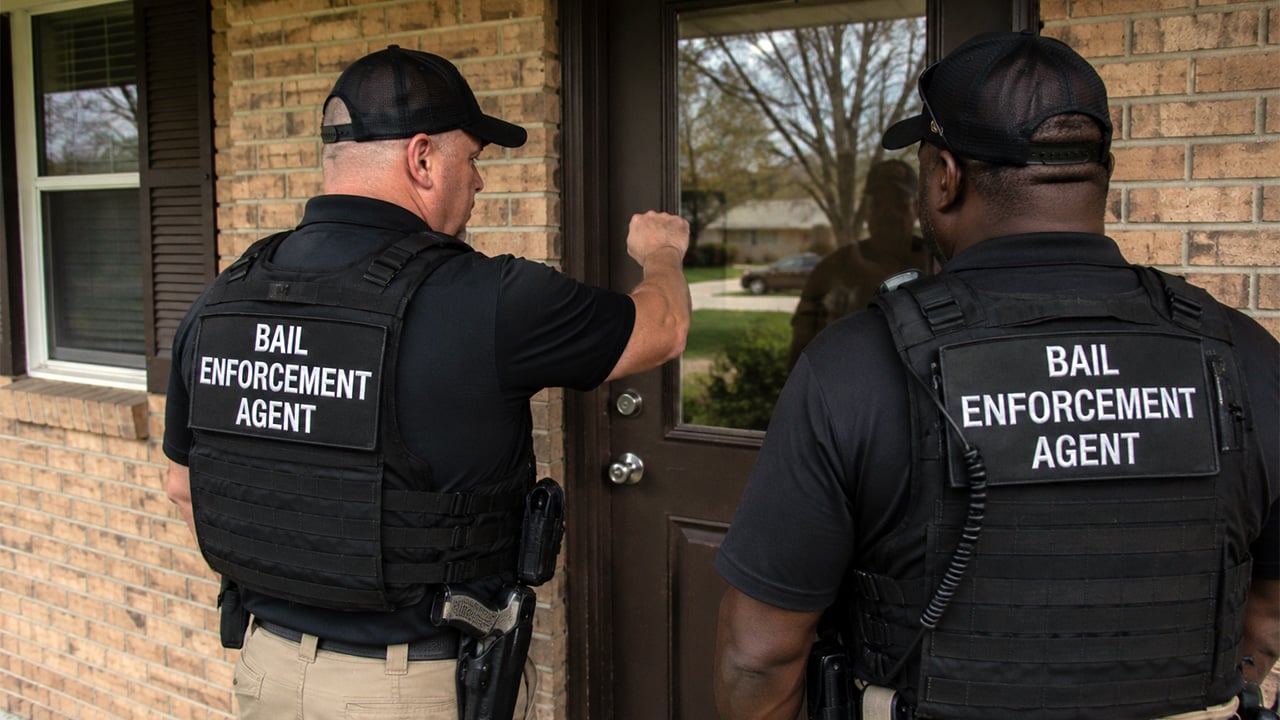
Sunday morning is usually when rural neighborhoods get quiet. Trucks aren’t moving, dogs settle down, and a lot of folks are either in a pew or headed that direction. That’s why what happened at one country home this past weekend has landowners talking: a crew of bounty hunters forced their way into a house while the family was away, then tried to justify it by flashing credentials that didn’t line up with where they were standing.
The break-in happened during the one hour nobody expected trouble
The family had locked up and left for church like they’d done a hundred times. When they returned, the first sign something was off wasn’t a kicked door—it was the wrong kind of “mess.” A mud print on a clean floor. A bedroom door left ajar. The subtle stuff that makes the hair on your neck stand up.
Then came the bigger clues: a damaged entry point, drawers that weren’t quite right, and the uneasy feeling that strangers had been inside while rifles, keepsakes, and paperwork sat where they always sit. In rural homes, that’s not just a property crime. That’s a safety problem that can ripple for months.
“Bounty hunters” wasn’t the answer anyone expected
The family called law enforcement, expecting the usual burglary path—neighbors asked, tire tracks checked, and maybe a report number that mostly helps with insurance. Instead, the picture shifted when a vehicle description and a nearby sighting led deputies to a group of private bail enforcement agents operating in the area.
The crew reportedly claimed they were looking for a fugitive who had skipped court and was tied to a bond. That’s the line that sometimes gets used to bulldoze common sense: “We’re authorized.” But in the woods and on farmland, folks know the difference between “authorized” and “acting like you can do whatever you want.”
The ID had the right name, but the wrong county
Here’s where it went from questionable to flat-out fishy. When confronted, the agents produced identification showing the name of the person they were supposedly hunting. The problem was the jurisdiction listed on their paperwork didn’t match the county they were operating in.
That matters. A lot. Bail enforcement isn’t a free-roaming nationwide license to kick doors. Their authority is tied to state law, the bond contract, and often local coordination. Even in states where bounty hunters have wider latitude, crossing county lines without the right documentation, without notifying the right people, and without being dead-certain on the address is a recipe for somebody getting hurt.
On the ground, it looked like a classic wrong-house situation with a thin layer of paperwork waved around afterward. And if you’re the homeowner, none of that helps you sleep at night.
When private “lawmen” act like burglars, everyone is in danger
This is the part most outdoorsmen zero in on, because we live in the real world. If that family had come home early—kids first through the door, dad walking in with a sidearm still on from chores—this could’ve turned into a shooting in about three seconds.
Home defense scenarios don’t come with clear labels. A stranger in your hallway is a stranger in your hallway, and “we’re bounty hunters” is not a magic phrase that makes a forced entry feel safe. Add in that many rural homes have hunting guns, ammo, and valuables, and you’ve got criminals who look like cops and cops who look like criminals. That confusion is how tragedies happen.
Law enforcement has protocols for a reason: verification, warrants, radio traffic, and accountability. When private actors skip the guardrails, the homeowner is the one holding the bag—emotionally, financially, and potentially legally if something goes sideways.
Commenters focused on cameras, gates, and the paperwork nobody keeps handy
As word got around locally, the same themes kept coming up. First was cameras. Not because cameras stop everything, but because they answer questions fast: who, when, how many, what vehicle, what direction. Trail cams on driveways and cellular cams on porches aren’t just for catching a raccoon in the feed room anymore.
Second was access control—simple stuff like a closed gate, a “no trespassing” sign that’s actually posted correctly for your state, and house numbers that can be seen from the road (so legit responders don’t end up at the wrong place). Rural addresses can be confusing in the dark or on a hurried hunt for a suspect, and you don’t want to be the easy mistake.
Third was documentation. Folks mentioned keeping a simple home inventory for insurance, serial numbers in a safe place, and having a plan for what to say on the phone when you’re reporting a break-in. Not a script—just the basics: forced entry, unknown persons, possible weapons, and that you are not confronting anyone.
What landowners can do when “authority” shows up without accountability
Most of us grew up respecting badges and the idea of law and order. But respect doesn’t mean blind trust, especially when someone is standing on your property acting like they own it. If someone claims they’re there to take someone into custody, the safest move is usually distance, a locked door, and a call to 911—then let the dispatcher and responding deputies sort out who’s legit.
On your end, avoid stepping outside with a gun in hand to “go see what’s happening.” That’s how misunderstandings turn into headlines. If you’re armed for your own protection, keep it concealed if legal and keep your hands free and visible when real deputies arrive. The goal is to get everyone home alive, not win an argument on the porch.
Afterward, push for the boring stuff: a formal report, photos of damage, and follow-up through proper channels. If property was damaged or items were disturbed, treat it like any other unlawful entry. “But we were looking for a guy” shouldn’t erase a broken doorframe.
This whole mess is a good reminder that in the country, we don’t get the luxury of assuming the system will always work cleanly. Locks, cameras, and good communication with neighbors go a long way. And if somebody ever tries to sell you on authority while standing in the wrong county with the wrong paperwork, the right move is simple: don’t argue, don’t escalate, and get real law enforcement involved fast.
Like The Avid Outdoorsman’s content? Subscribe to our newsletter so you never miss an article.
Here’s more from us: