Photo credit: AvidOutdoorsman
The alarm went off early, the thermos got filled, and by the time the sky was turning from black to slate, the boat was already sliding into a shallow cut lined with cattails. It was one of those fast hunts where the birds do the right thing early—wings cupped, feet down, clean shots—and by 6 a.m. the hunter had a strap that looked like a textbook limit.
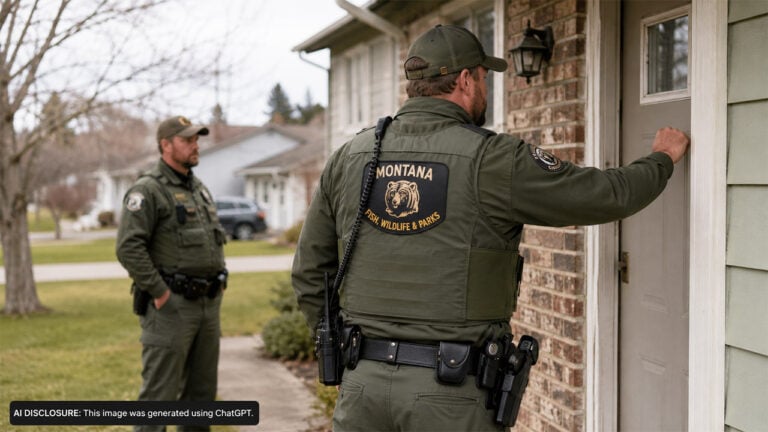
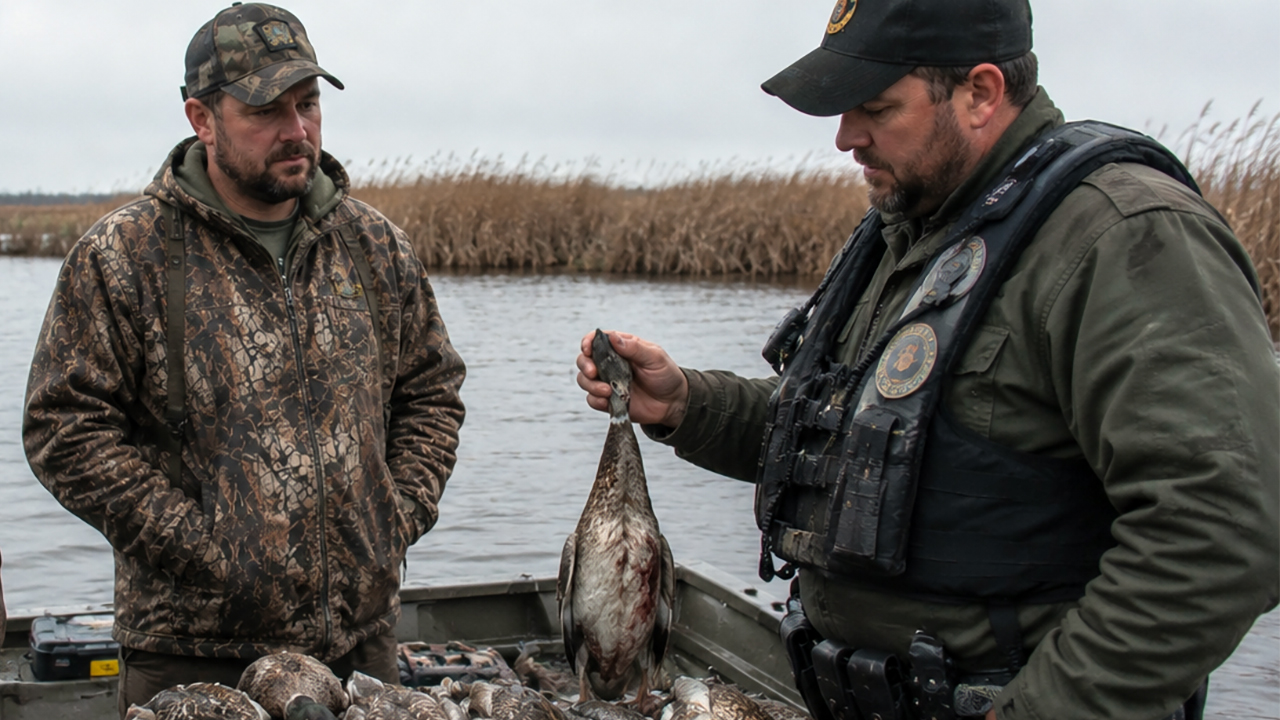
That’s when the day took a hard turn. A warden eased up alongside, stepped aboard to check licenses and birds, and pointed to one duck that didn’t match what the hunter thought he’d boxed. The hunter was sure he was done for the morning. The warden said that single bird put him over the species limit.
A “limit is a limit” until you’re talking species
A lot of guys grow up thinking in simple numbers: you can shoot X ducks a day, and once you hit that number, you’re done. That’s true as far as it goes, but duck seasons aren’t a one-number game. Most states run a total daily bag limit and then carve it up with sub-limits for certain species—especially birds that are harder hit or easier to misidentify in low light.
So you might have a six-duck daily bag, but only two of them can be a certain kind of duck. Or you may only be allowed one of a particular species. When you’re in the dark, shooting fast, and the dog is making quick retrieves, that’s where a “legal limit” can turn into a violation without a hunter meaning for it to happen.
The morning moved fast, and that’s when mistakes happen
The hunter’s timeline mattered. Being tagged out at 6 a.m. tells you the birds were working early and close. That’s usually a good thing—until it turns into a rushed pace where you’re picking the next target instead of confirming what just hit the water.
In a lot of marsh setups, you’ve got decoys out, headlamps off, and your eyes trying to sort silhouettes against a dim horizon. Hens look like drakes. Smaller ducks look bigger. And if you’re hunting with a buddy, birds can end up in the wrong pile if you don’t separate straps right away.
That’s also why wardens don’t just count ducks. They look at each bird, they look at sex when it matters, and they look at species when the regs spell out a hard cap.
One bird in the mix can be the whole problem
The classic scenario is simple: a hunter believes he has “six” that are allowed, but one is a species that has a tighter limit. If the cap is two of that species and you’ve got three, you’re over—even though you stopped at six total.
The other scenario is even more frustrating: misidentification after the fact. Some ducks look similar enough in certain plumages that guys will swear they’ve got one species, while a trained eye (and a closer look at markings) says otherwise. Add wet feathers, a little mud, and the stress of an inspection, and it can get tense in a hurry.
And then there’s the question of timing. If the hunter shot that bird before knowing he already had the maximum of that species, intent doesn’t usually save you. Wildlife regs are often written in a way that puts the responsibility on the hunter to know what’s in the bag as they go.
Boarding the boat changes the tone immediately
A lot of waterfowlers are used to checks at ramps and parking lots. But when a warden makes contact on the water, it feels different. You’re still in the hunt environment, guns are present, the dog’s moving around, and you’re trying to keep everybody safe and calm.
Most wardens I’ve dealt with want the same thing you do: a safe encounter, clear answers, and no nonsense. That means keeping hands visible, actions open, and following directions without arguing. If they ask to see birds, you show them. If they want them laid out for inspection, you do it cleanly and respectfully.
Where guys get into trouble is trying to talk their way out of it with excuses, or worse, trying to shuffle birds around. If you honestly think there’s been a mistake, the place to sort it out is later—through whatever process your state provides—not by getting mouthy in a rocking boat.
What hunters online always lock onto in cases like this
When stories like this get around the waterfowl crowd, the reaction splits into two camps. One side says the rule is the rule: learn your ducks, slow down, and don’t pull the trigger unless you’re sure. The other side says the system sets guys up to fail in low light, especially when the legal shooting window opens before you can truly see color and fine details.
Plenty of experienced hunters also point out another angle: group hunts. If two or three guys are in a boat and birds aren’t clearly separated, it can get complicated fast. Even when everyone’s legal, a mixed pile can look like one hunter is heavy on a certain species.
And there’s always discussion about enforcement discretion. Some wardens will treat a borderline ID issue like a teaching moment if everything else is squared away. Others will go strictly by the book. Hunters tend to remember the second kind forever.
How to keep a “clean limit” from becoming a citation
The practical fix isn’t glamorous, but it works: slow the hunt down just enough to keep track. If you hunt species-restricted ducks in your area, call shots the way you call the birds. If you can’t confidently identify the bird on the wing, pass. Plenty of ducks make it through the morning without you needing to gamble on the one that might cost you.
On the boat, separate birds by hunter as soon as possible, and do a quick count by species, not just total. If you’re hunting with buddies, it helps to have different straps, different sides of the boat, or even separate game bags so birds don’t get mixed.
Also, keep your identification tools simple and ready. A small waterproof duck ID card, a habit of looking at key field marks, and a quick post-retrieve check goes a long way. If you’re hunting those first dark minutes, consider waiting a touch longer before shooting into a flock you can’t read—especially if your area is loaded with similar-looking species.
At the end of the day, a “limit” isn’t one number. It’s a handful of numbers layered on top of each other, and it only takes one bird to put you on the wrong side of the line. The best waterfowl hunts are the ones you can tell for years. The best legal hunts are the ones you never have to explain at the ramp.
Like The Avid Outdoorsman’s content? Subscribe to our newsletter so you never miss an article.
Here’s more from us: