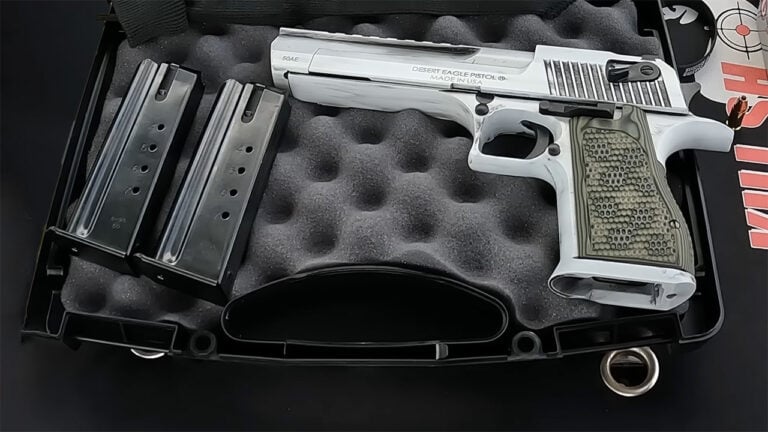
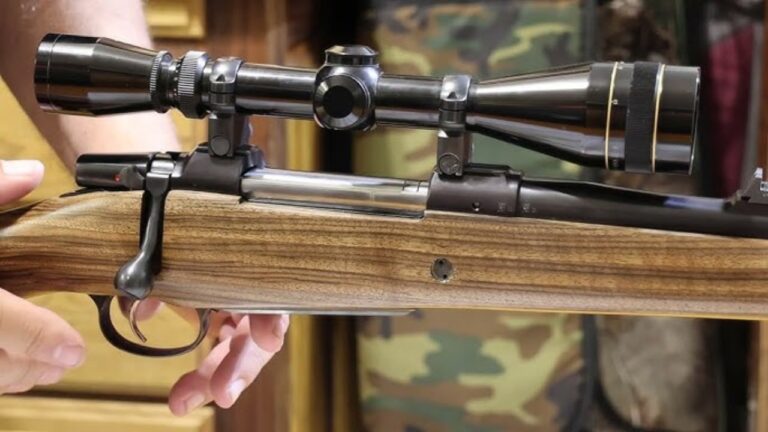
Photo credit: Keith Homan/Shutterstock.com
Gun shows can still be a good way to handle a lot of different guns and gear in one place, talk to small makers and find things your local shop doesn’t stock. They can also be where shooters turn a weekend into months of chasing problems because a “too good to pass up” deal turned out to be exactly that. When you talk to gunsmiths, range officers and instructors who haunt the same circuits, the stories they tell are rarely about someone getting burned on a mainstream factory gun. They’re about parts, builds and accessories with no clear history, sold under bright lights to people who don’t have time to dig into the details. Five categories come up so often they might as well be on a warning poster at the door.
1. Franken-build rifles with no parts trail
The classic regret begins with a rack of ARs labeled “custom build” at prices just below what a known factory rifle would cost. On closer look, they’re a grab bag of different barrels, gas blocks, bolts and rails—some decent, some unknown—with no paperwork describing who assembled them or how they were checked. They might shoot fine for a while, but when something starts short-stroking, shearing or working loose, the owner has no idea whether the issue is an out-of-spec gas port, a bargain bolt carrier group with soft metal, or a barrel nut that was never torqued correctly. At that point, the savings evaporate into gunsmith fees and parts replacement. Buyers who’ve already paid that tuition tend to insist on a parts list, a recognizable barrel and BCG maker, and at least a minimal warranty before they’ll roll the dice on any “custom” show rifle.
2. Bargain optics and lights that die under recoil
The next most common regret is a cheap optic or weapon light that looked just like a high-end model from across the aisle, right down to the knobs and logos. Under real use, the illusion falls apart: red dots wander under recoil, scopes lose zero or fog from the inside the first time temperatures swing, and lights flicker or quit entirely after a few magazines. Because many of these imports are sold under brand names with no U.S. presence or meaningful warranty, the owner has nowhere to go when things fail except the trash can. Hunters miss animals at first or last light, home-defense carbines lose zero without anyone noticing in practice, and the money saved up front ends up costing more in wasted ammo and lost confidence. People who’ve been there usually decide they’d rather run irons and a handheld for a while than trust a budget optic or weapon light with unknown internals.
3. “Custom” triggers and home-tuned pistols
Tables full of “custom” handguns are another minefield. Many are fine; some hide dangerous shortcuts. The phrase “I did the trigger job myself” ought to be a red flag when it’s not backed up by brand-name parts and a basic explanation of what was actually changed. An over-polished sear, clipped springs or shade-tree fitting can reduce sear engagement, kill drop safety margins and leave a pistol that doubles, fails to reset or fires when jostled. Those issues often don’t show up in a quick feel test at the table; they reveal themselves in classes, matches or, worst case, a real incident. When that happens, the owner ends up paying a competent gunsmith to bring the gun back to factory spec or replace half the internals. The safer move is to buy stock pistols from reputable makers and, if you want an upgrade, have a known smith or factory-authorized shop do the work with parts that have reputations of their own.
4. Surplus ammo and mystery reloads sold by the can
Pallets of “cheap” ammo are another easy way to get burned. Surplus cans with peeled labels, loose rounds in plastic tubs and bagged reloads marked in handwriting all look like fast ways to fill range bags. The problem is that you rarely know how old the powder is, how the cartridges were stored or, in the case of reloads, who actually loaded them and what they used for components. That’s how shooters end up with split necks, pierced primers, squibs, inconsistent ignition and the occasional overpressure round that locks up or damages a gun. Cleaning filthy surplus out of a rifle or chasing unexplained malfunctions eats the savings quickly, and a single bad cartridge can cost far more than what you “saved” on the lot. Most experienced buyers stick to factory ammo with clear headstamps and packaging or reloads from trusted local makers they know by name—and they’re willing to pay a little extra for the peace of mind.
5. Off-brand magazines and small parts that quietly wreck reliability
The last category is less dramatic but just as frustrating: bargain magazines and critical small parts. A table full of cheap AR mags, 1911 mags or knockoff “Glock” mags looks like an easy way to stock up, yet those are exactly the components most likely to cause feedway stoppages, failures to lock back and random mag drops once you start running drills. The same goes for extractors, firing pins and springs sold in unmarked bags with no indication of materials or heat treatment. The guns that were once boringly reliable suddenly turn picky, and owners often blame the platform instead of the parts they bolted on. People who live on the range tend to have a simple rule: factory magazines or well-known aftermarket brands only, and mission-critical internals from companies that stand behind their hardware. Saving a few dollars on the part that controls feeding, extraction or retention is one of those gun show “deals” that usually ends in a trash can and a lecture from your gunsmith.
Like The Avid Outdoorsman’s content? Subscribe to our newsletter so you never miss an article.
Here’s more from us: